

Table of Contents
The Procurement Professional's Guide to Choosing Explosion-Proof Radios for Chemical Plants
- Posted by:Retevis
When Every Decision Affects Safety and Compliance
Picture this: you're reviewing bids for new plant communication equipment. The technical specifications seem to blend together, prices vary dramatically, and every sales representative insists their solution is "the safest choice." Meanwhile, your team needs equipment that meets stringent safety standards, integrates with existing systems, and fits within this year's budget.
In chemical processing environments, your two-way radios serve a dual purpose: they're both communication tools and critical safety equipment. Choosing the right explosion-proof two-way radio requires balancing technical specifications, compliance requirements, and operational practicality. This guide provides the framework procurement specialists need to make informed, confident decisions that satisfy both safety officers and finance departments.
Understanding the Compliance Landscape: What Certifications Really Matter
Before comparing features or prices, establish the non-negotiable requirements. Which certifications are mandatory for your specific facility and processes?
Decoding the Certification Requirements
When evaluating ATEX certified radios, look beyond the basic approval to the specific classification. A rating of Ex ic IIC T4 Gc indicates suitability for Zone 2 areas with hydrogen-group gases, with maximum surface temperatures not exceeding 135°C—critical information for chemical plant environments.
Many procurement specialists overlook certification scope details. Does the certification cover the entire device, including accessories? Is the battery system included in the safety approval? These distinctions separate comprehensive protection from partial compliance.
Matching Equipment to Your Specific Environment
Your facility assessment should clearly identify hazardous zones (0, 1, 2 for gases; 20, 21, 22 for dust). A common—and potentially costly—mistake involves deploying Zone 2-rated equipment in Zone 1 areas. The Retevis E2, with its comprehensive intrinsically safe certifications, provides clear zone compatibility that eliminates this compliance risk.
Feature Analysis: Separating Essential from Optional
With compliance requirements established, identify which features deliver genuine operational value versus those that merely look impressive in product brochures.
Audio Performance in Industrial Environments
The most advanced digital two-way radio provides little value if messages can't be understood over plant noise. Advanced digital noise cancellation has evolved from luxury to necessity. The Retevis E2 employs intelligent audio processing that distinguishes voice from background noise, delivering the clarity needed to prevent misunderstandings during critical operations.
Power Management for Extended Operations
Battery specifications often present a confusing picture. Prioritize real-world performance data over laboratory figures. A true professional two-way radio like the E2 provides consistent power through extended shifts, with smart power management that adapts to usage patterns. The result eliminates mid-shift battery failures and ensures communication reliability during unexpected overtime situations.
Durability Beyond Specification Sheets
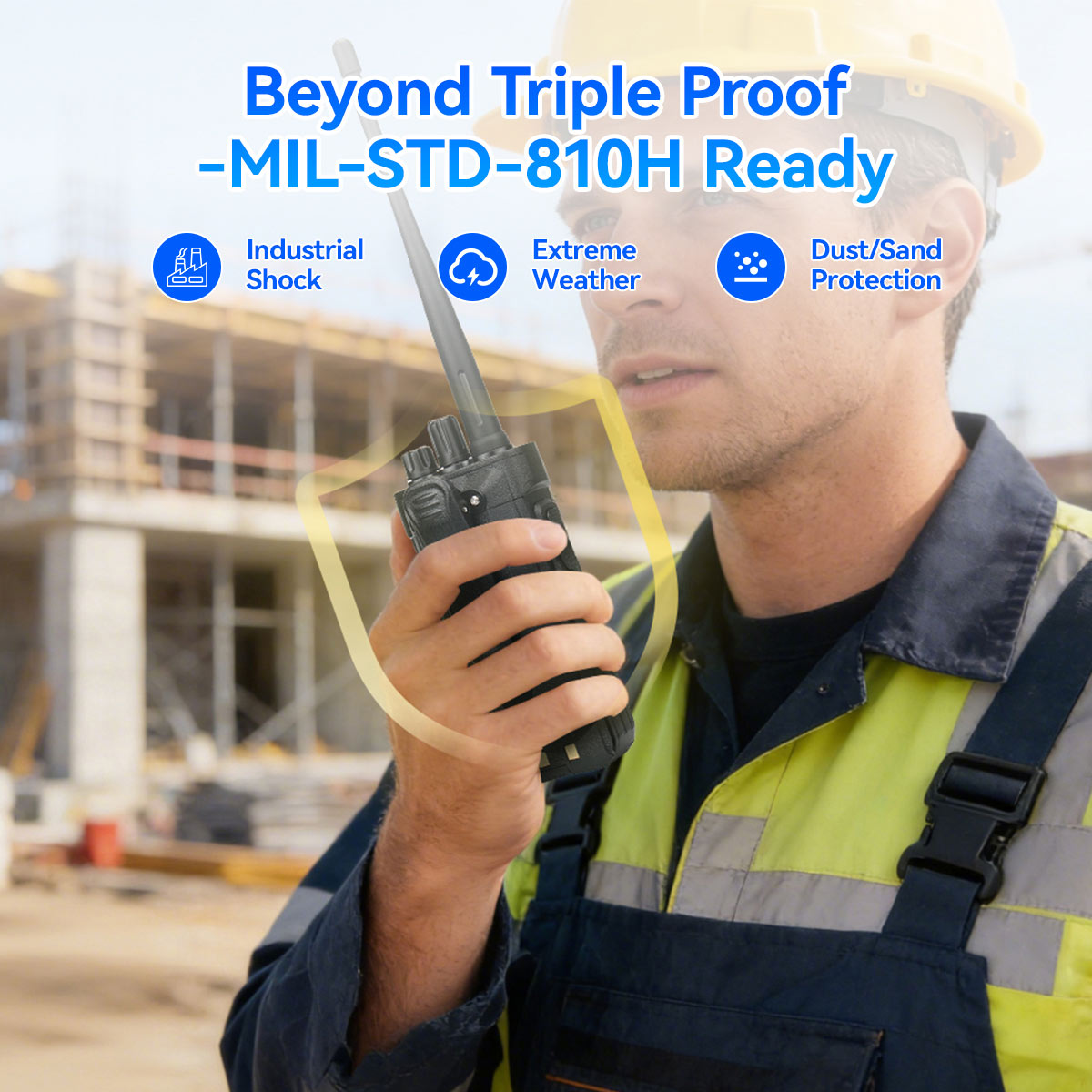
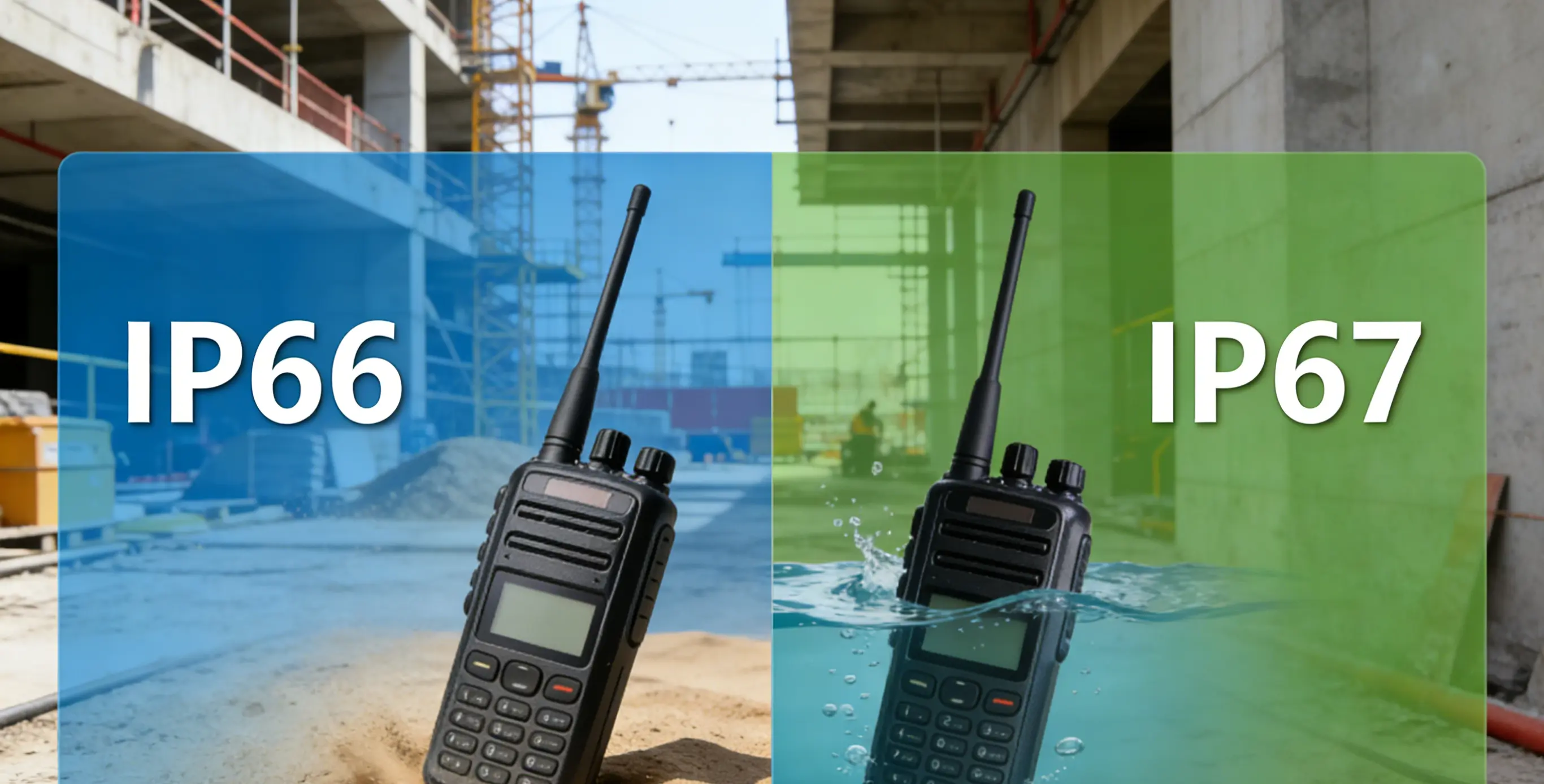
While an IP68 rating ensures protection against dust and water immersion, genuine durability extends beyond standardized testing. Consider everyday scenarios: drops from height onto concrete, accidental chemical splashes, and temperature extremes. The E2's construction addresses these real-world challenges with reinforced casing and component mounting designed to survive actual plant conditions.
The Integration Question: Ensuring System Compatibility
Will new radios operate seamlessly with existing infrastructure? This compatibility question often surfaces after purchase—with potentially expensive consequences.
The Retevis E2 demonstrates its procurement value through multiple integration pathways. Whether your operations use conventional analog systems, DMR radio networks, or sophisticated SDC/SVT architectures, the E2 adapts without requiring infrastructure overhaul. This flexibility protects existing investments while enabling future expansion.
Calculating True Value: The ROI of Proper Equipment Selection
The lowest-priced radio frequently becomes the most expensive choice. Understanding where proper equipment generates tangible returns justifies investment decisions.
Training Efficiency and Productivity
Transitioning to new equipment typically demands significant training resources. The E2's intuitive interface and consistent operation across modes reduces training requirements by up to 60% compared to complex alternatives—translating to days of recovered productivity across your team.
The True Cost of Downtime
Consider this documented example: a chemical processor replaced failing radios with E2 units across three facilities. Within six months, radio-related operational disruptions decreased by 78%, representing over 400 recovered production hours annually. The equipment essentially paid for itself through operational continuity alone.
Safety Incident Economics
While preventing harm remains priceless, the financial impact of safety incidents is quantifiable. Proper IS radios with reliable emergency features and unambiguous communication can significantly reduce safety incidents by ensuring warnings are clearly understood and assistance arrives promptly.
The Procurement Checklist: Ensuring Comprehensive Evaluation
Before finalizing your decision, verify these essential considerations:
-
Do certifications precisely match our specific zone classifications?
-
Does audio performance meet our noisiest environment requirements?
-
Will battery life support our longest operational shifts?
-
Can the equipment integrate with existing communication systems?
-
What is the actual total cost of ownership over five years?
-
Does the supplier provide comprehensive technical support?
Conclusion: Making Confident Procurement Decisions
Selecting explosion-proof two-way radios for chemical plants extends beyond comparing technical specifications. It demands understanding your compliance landscape, identifying features that deliver genuine operational value, and calculating long-term financial impact.
The Retevis E2 represents this balanced approach—combining certified safety with practical features that enhance daily operations while controlling costs through reduced downtime and training requirements.
Ready to optimize your communication equipment procurement? Download our complete Chemical Plant Communication Procurement Checklist to ensure you address every critical consideration. Contact our technical specialists to discuss your specific facility requirements and explore how the E2 can meet your operational and budgetary needs.





 Google
 Amazon
Comments
No data Yet