

Table of Contents
What Are Radio Waves? Why Is Professional Communication Indispensable Without Them?
- Posted by:Retevis
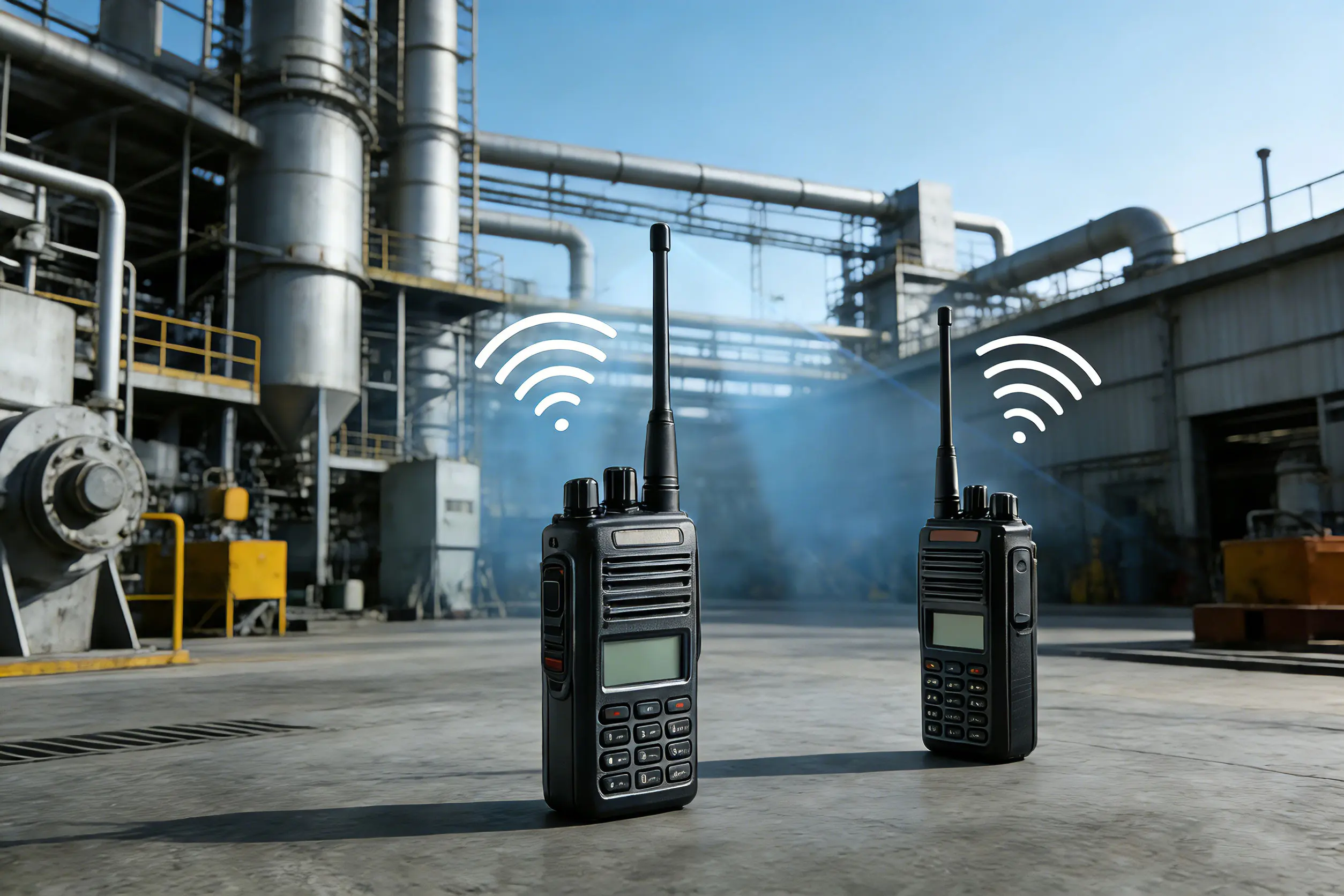
Your walkie-talkie signal weaves through steel reinforcements and industrial noise; a stream of digitally encoded sound waves coordinates the entire logistics center's operation.
On the vast highways of the Midwest, a truck convoy is on the move. The dispatcher's voice comes through the radio: "Traffic control ahead, Truck 3, change lanes." Behind this simple instruction, an invisible web of electromagnetic waves supports the entire convoy's coordination.
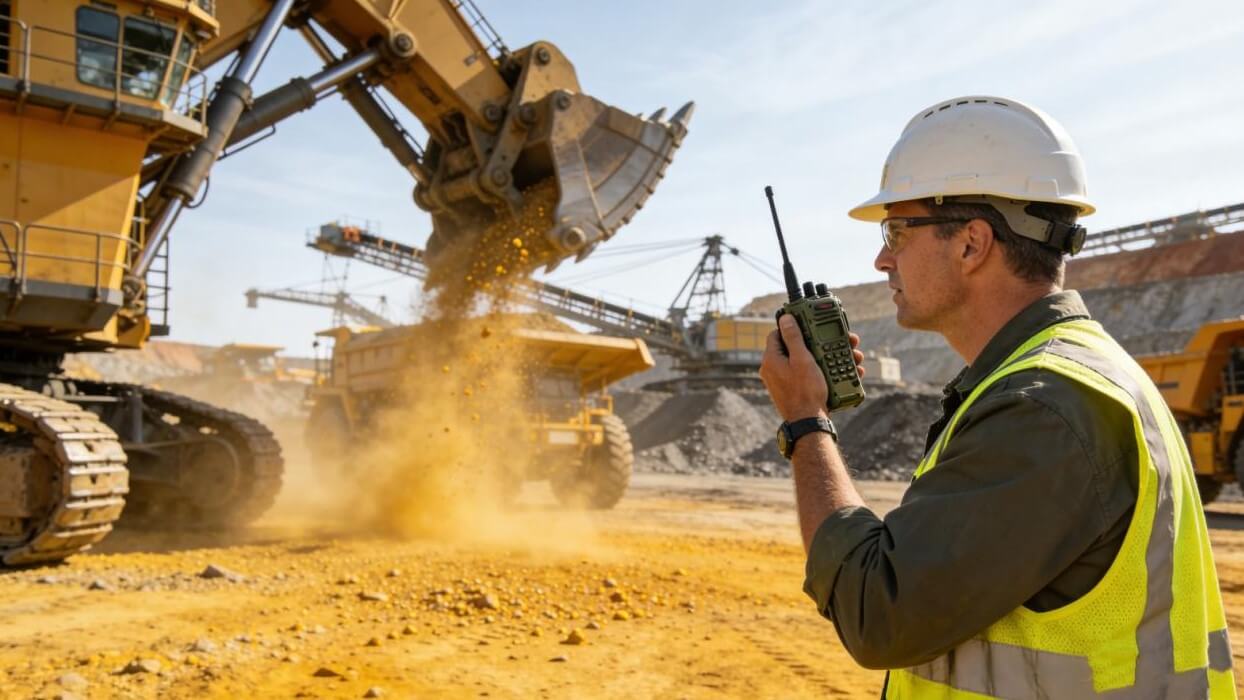
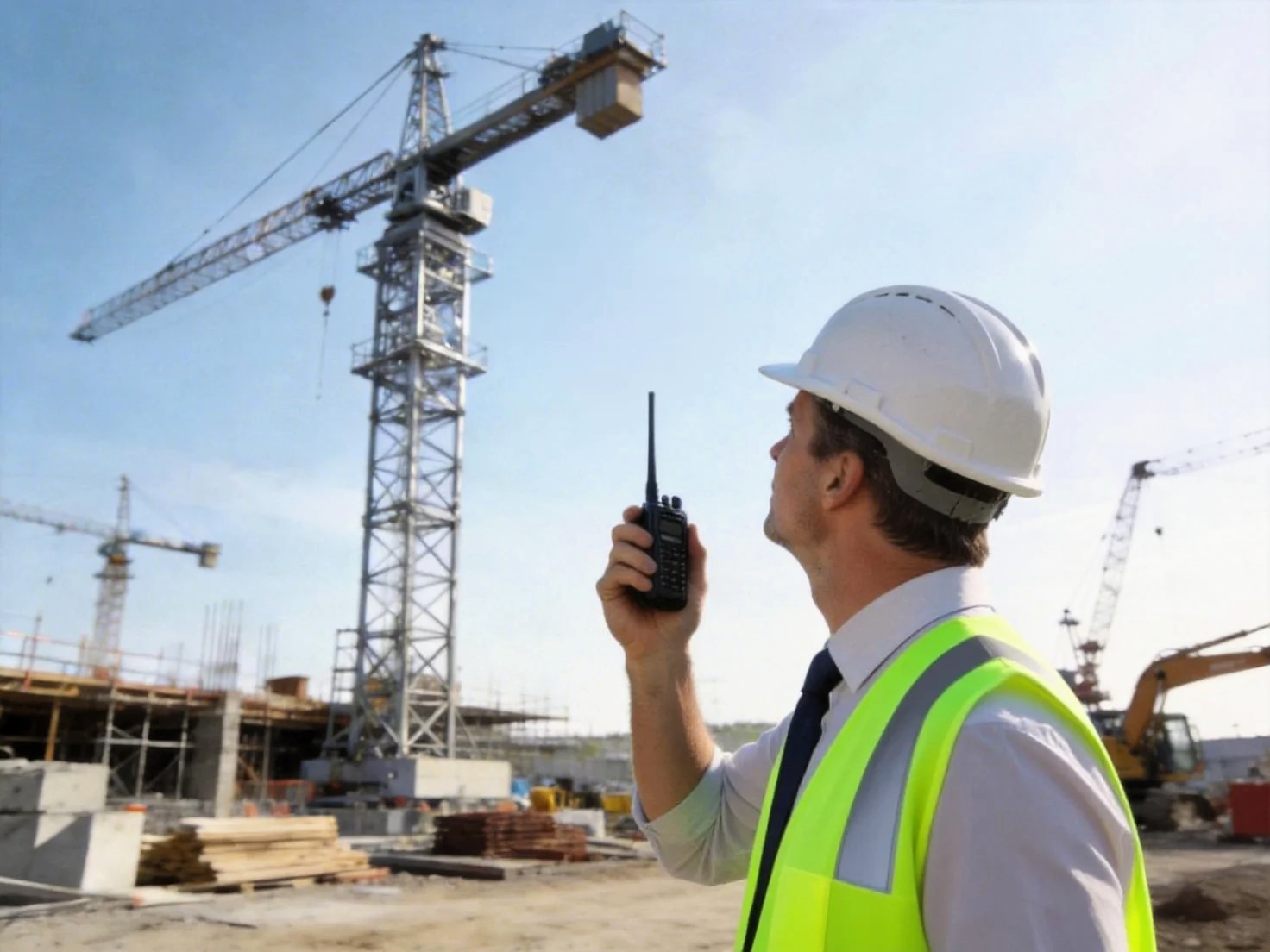
At a construction site, the project manager issues a command via radio: "Crane operations may commence. All personnel in the vicinity, please evacuate." This instruction is carried by radio communication waves, penetrating multiple layers of the building to reach every work point clearly. Radio waves are used in communication have become the invisible pulse of modern industrial operations.
The Wave of Radio: The Invisible Hand of Technology
Radio waves are a form of electromagnetic radiation, first discovered in 1887 by German physicist Heinrich Hertz. They occupy the region with the longest wavelengths in the electromagnetic spectrum, ranging from 1 millimeter to 100 kilometers, with corresponding frequencies from as high as 300 GHz down to 3 kHz.
In a vacuum, radio waves travel at the speed of light—approximately 299,792 kilometers per second. Although the Earth's atmosphere slows them down slightly, they still propagate at a speed very close to that.
Unlike high-energy, short-wavelength radiation such as ultraviolet light, X-rays, and gamma rays, radio waves possess lower energy. This characteristic makes them an ideal carrier for information transmission. Every second, countless radio communication waves traverse the air, carrying everything from simple voice communications to complex data.
How radio waves are used for communication? Modern radio systems utilize precise modulation of frequency and amplitude to encode and decode information. AM (Amplitude Modulation) systems convey information by varying the wave's amplitude, while FM (Frequency Modulation) systems achieve the same by altering its frequency.
A Communication Revolution in Professional Fields
In the field of professional communications, radio waves are undergoing a digital revolution. Digital Mobile Radio (DMR) technology, as a modern evolution of traditional analog communications, solves a core pain point in industrial communications.
DMR systems employ Time Division Multiple Access (TDMA) technology, enabling two independent, simultaneous calls on a single frequency, significantly improving spectral efficiency. This technology also provides digital audio quality, maintaining voice clarity even in noisy environments.
Industrial application radio systems typically operate on specific licensed frequency bands. This ensures that professional users have dedicated communication channels, thus avoiding interference.
This dedicated frequency allocation provides reliable communication assurance for businesses, which is crucial for safety-critical operations. Compared to consumer-grade services such as FRS (Family Radio Service) or GMRS (General Mobile Radio Service), professional radio systems offer stronger signals, longer communication ranges, and higher reliability.
Modern professional radio systems support multiple communication modes, such as individual calls, group calls, and all-calls. This allows businesses to implement granular management based on different teams and workflows. The flexible communication architecture can adapt to various application scenarios, from field operations to scheduling and command.
Wireless Solutions for Modern Enterprises
Modern enterprises face a series of communication challenges: voice clarity issues in noisy environments, difficulties in signal coverage across wide areas, risks of sensitive information leakage, and equipment reliability problems in complex environments.
In response to these needs, a new generation of professional radio wave equipment has been introduced to the market. Centered on digital technology, these devices integrate secure, reliable, and intelligent functional designs.
Taking two representative products as examples: the Retevis NR30D is designed for professional environments requiring high security and durability, such as construction sites, logistics centers, and large event management. The Retevis RT29D, on the other hand, targets outdoor and industrial environments requiring long battery life and multi-functional communication, such as forestry, mining, remote inspections, and outdoor adventures.
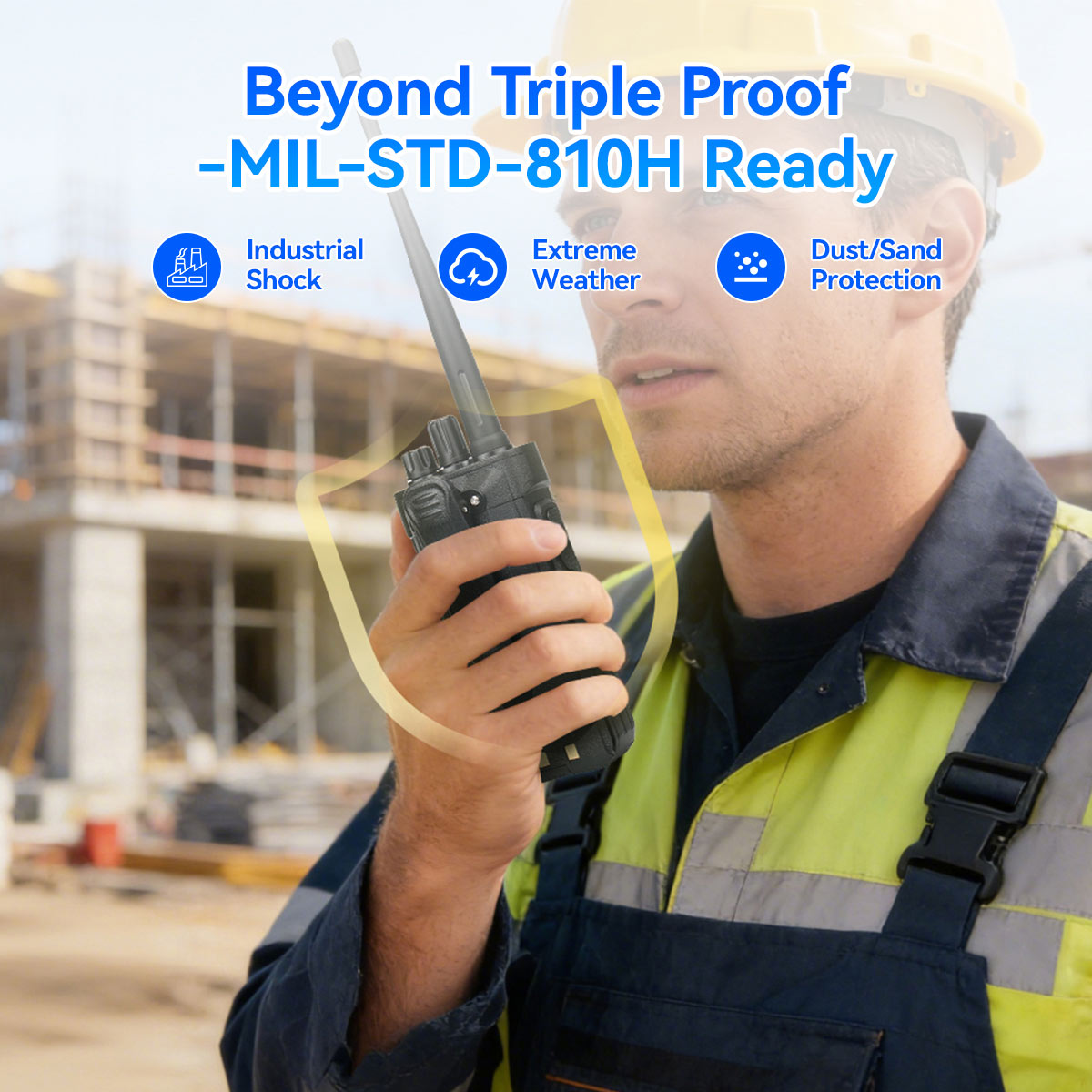
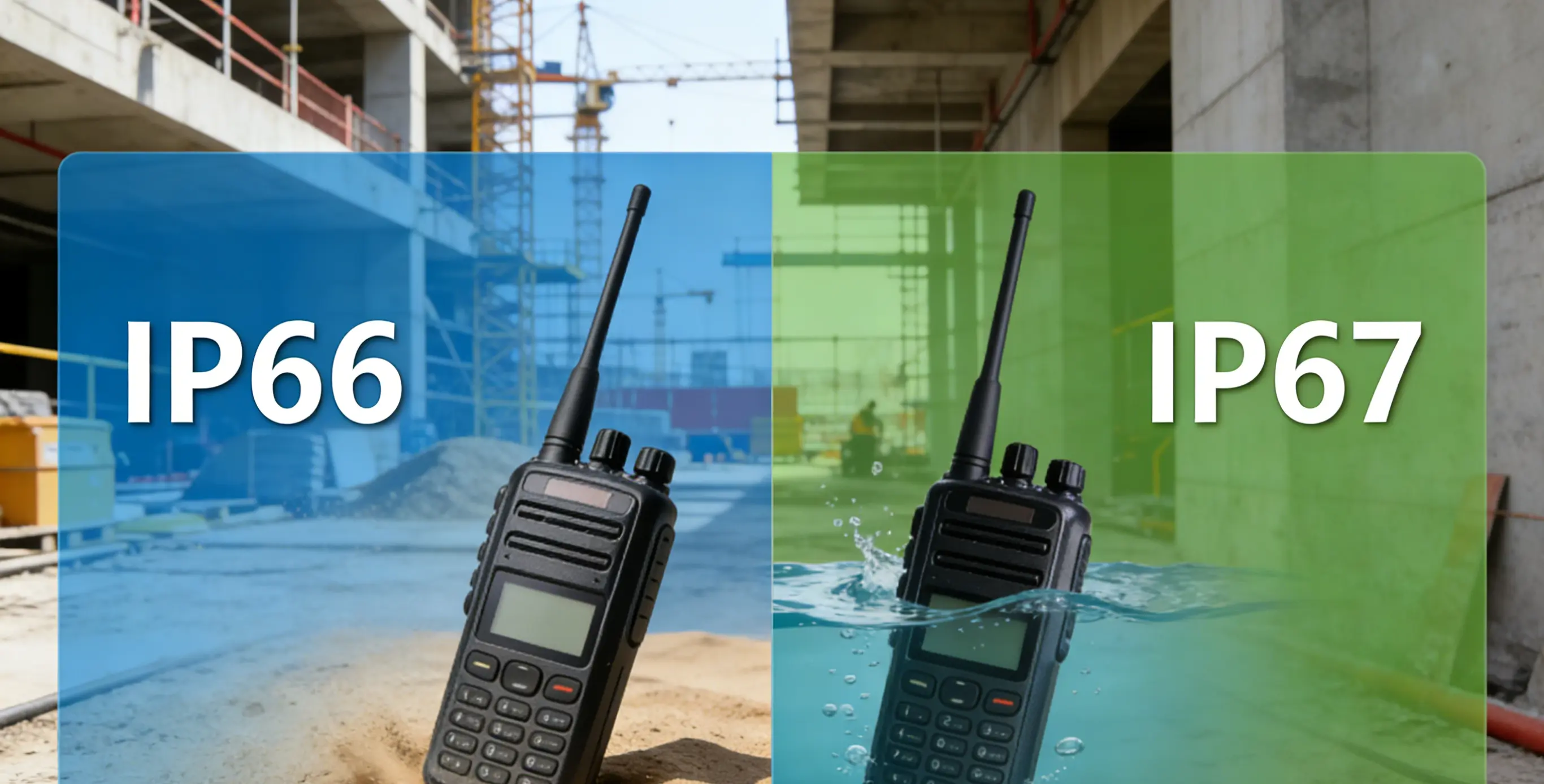
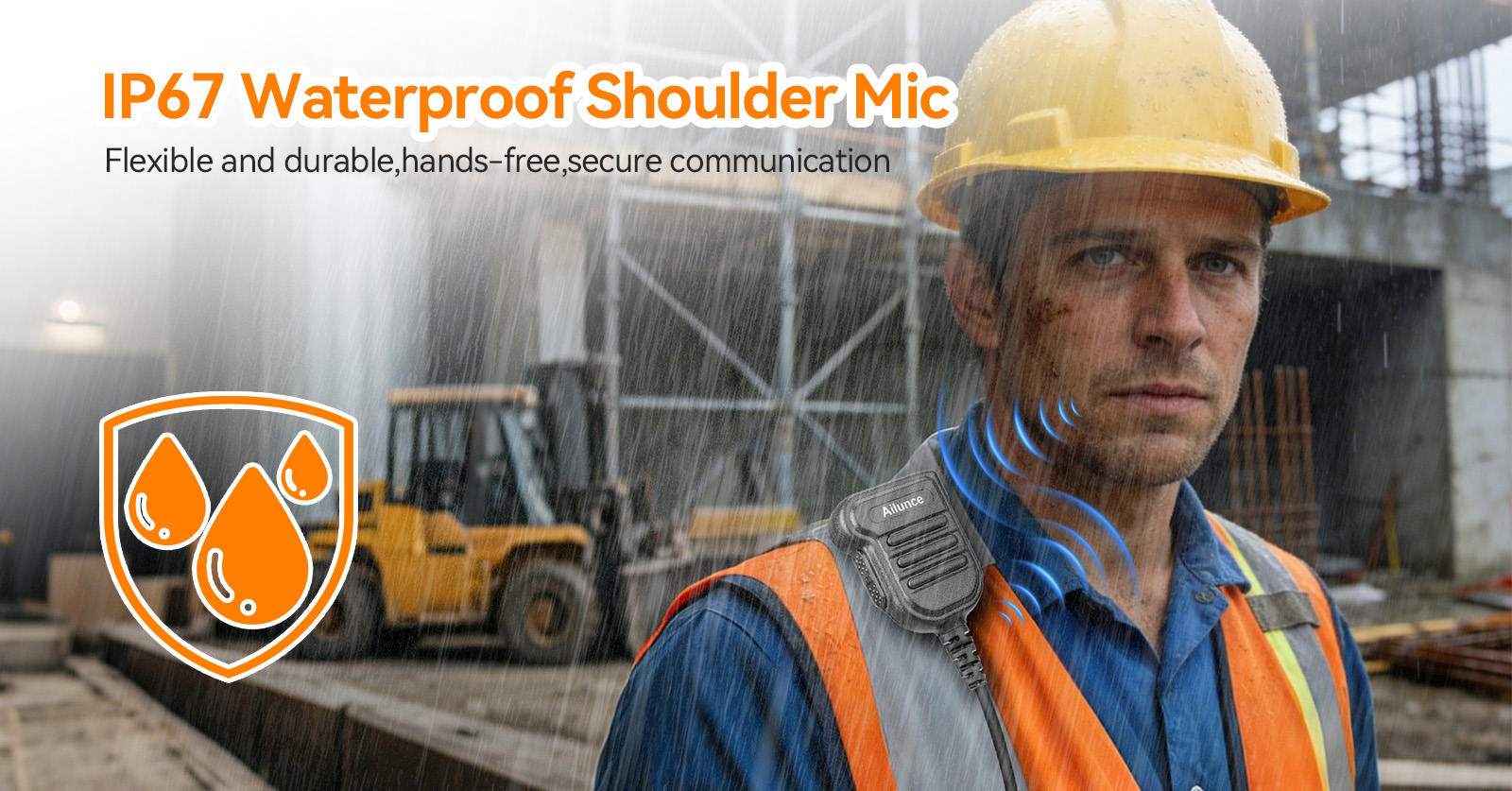
Most of these devices boast an IP67 protection rating, meaning they are completely dust-tight and can withstand immersion in 1 meter of water for 30 minutes without damage. Military-grade materials and structural design enable them to endure daily impacts and drops.
Security is another critical feature of professional radio wave communications devices. AES256 encryption technology ensures sensitive conversations cannot be eavesdropped on by unauthorized third parties. This is vital for corporate security, law enforcement operations, and private services. In contrast, traditional analog radio signals are easily scanned and intercepted.
Retevis Professional Communication Equipment Recommendations
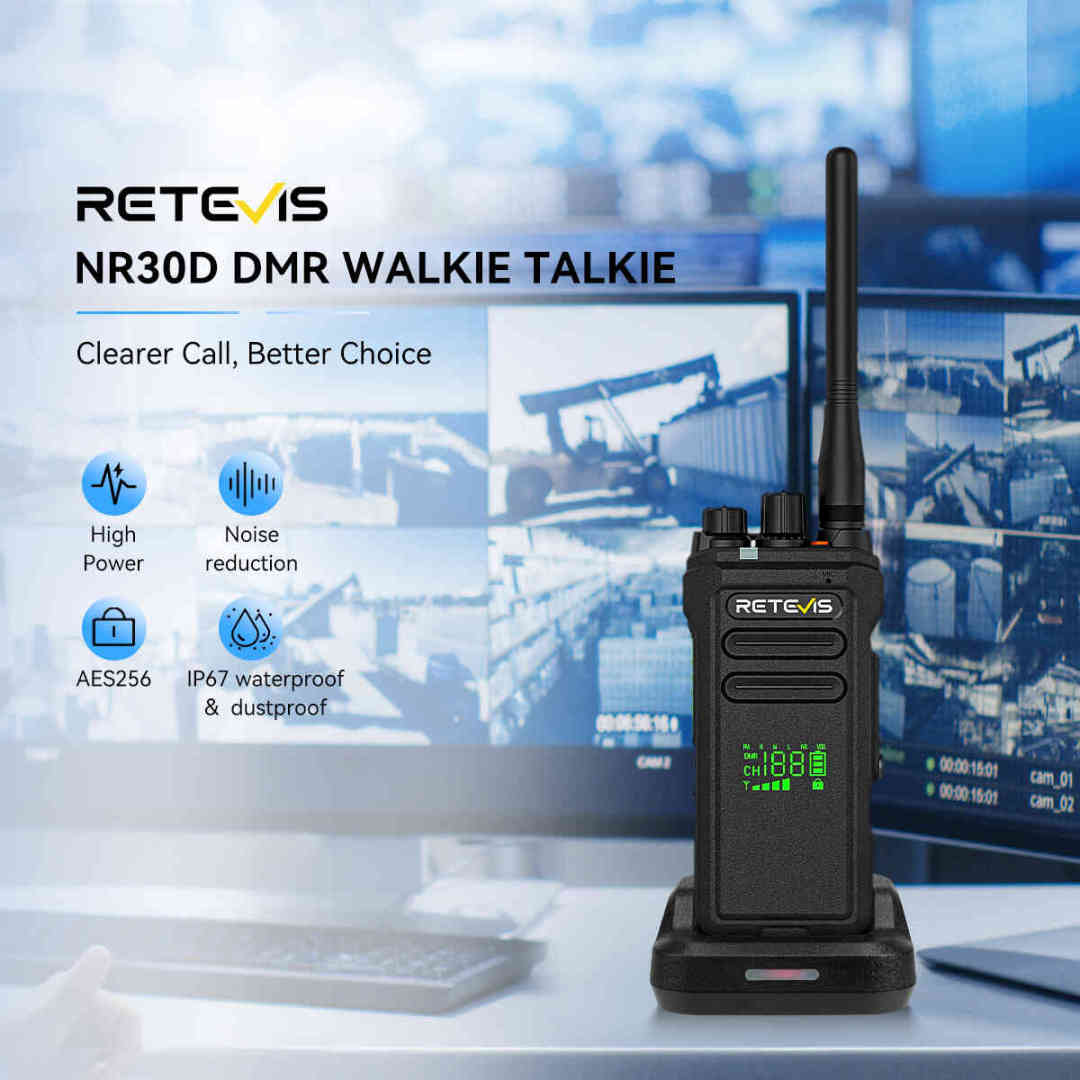
1.Retevis NR30D Digital Mobile Radio
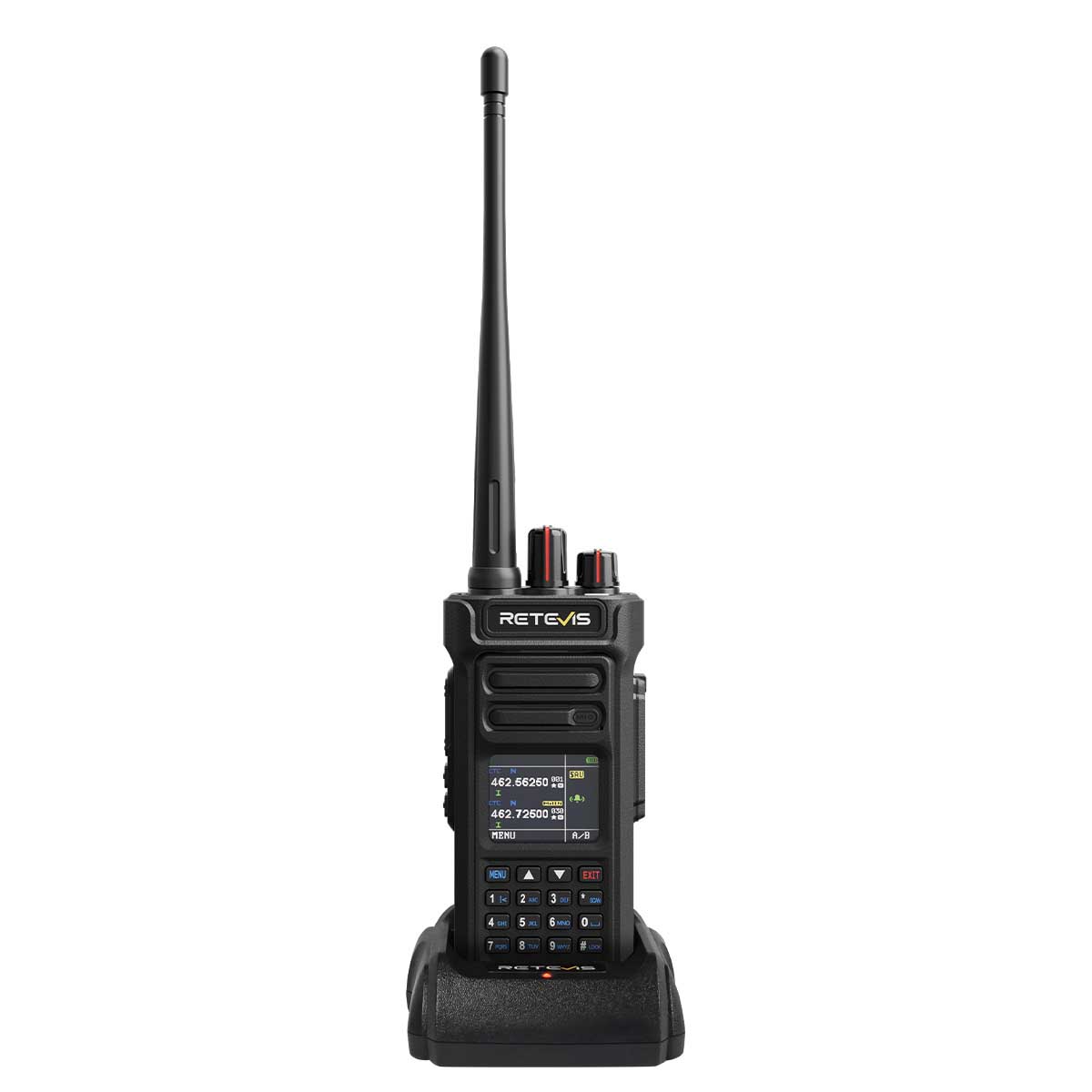
The NR30D is an upgraded digital mobile radio device designed for professional business teams. Building upon the NR30 and NR630 models with enhanced features, it is particularly suited for work environments demanding high security and reliability.
The NR30D is equipped with AES256 encryption to ensure the confidentiality of sensitive communications. It also has an IP67 protection rating, enabling it to withstand harsh weather and demanding work conditions. For the safety of lone workers, the device features a "Lone Worker" function. It can be set to provide periodic reminders and will automatically send an alarm if no operation is detected for an extended period.
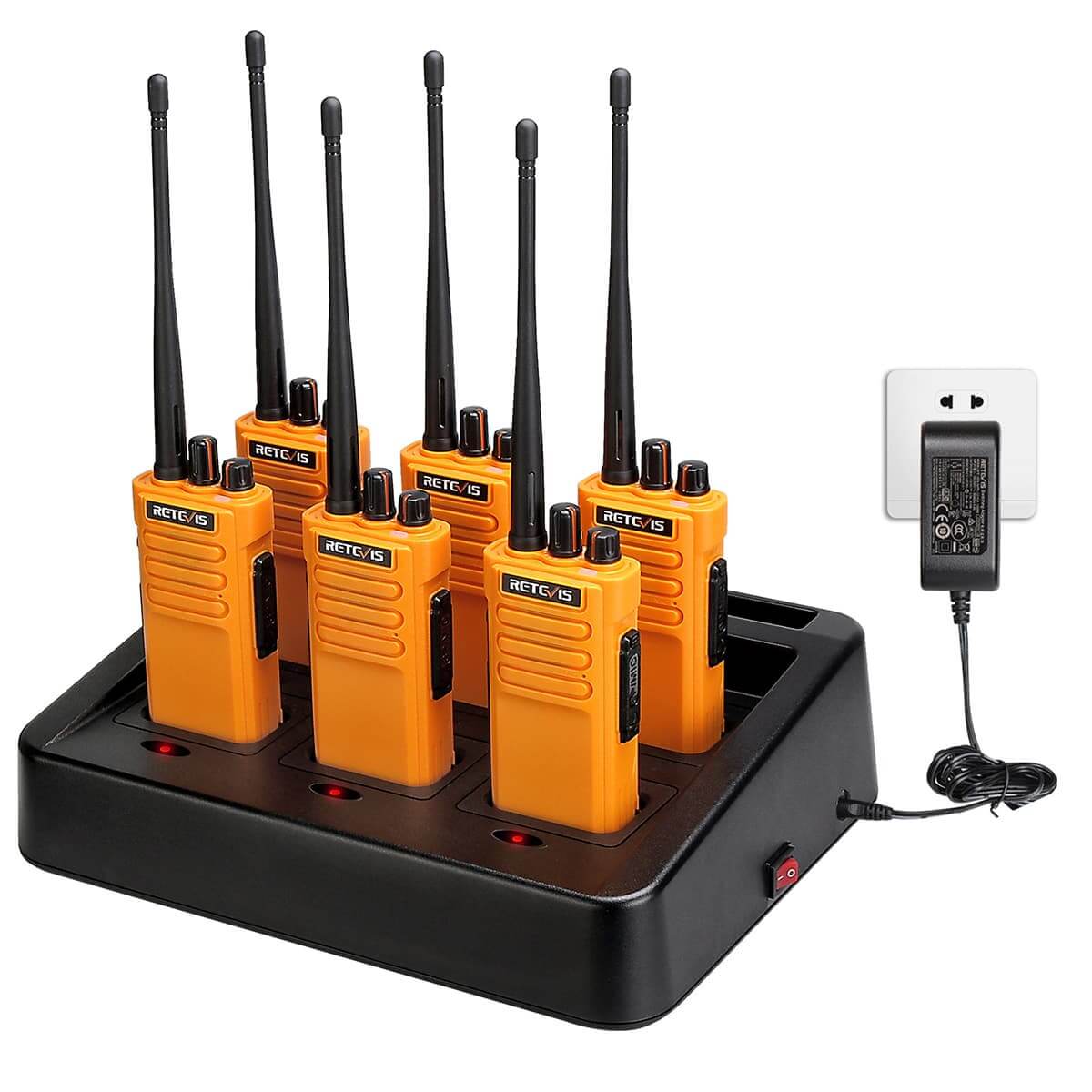
The device is powered by a large 2800mAh battery, supporting 15 hours of continuous operation and 70 hours of standby time. It offers both Type-C charging and desktop charging options.
2.Retevis RT29D High-Power Digital Mobile Radio
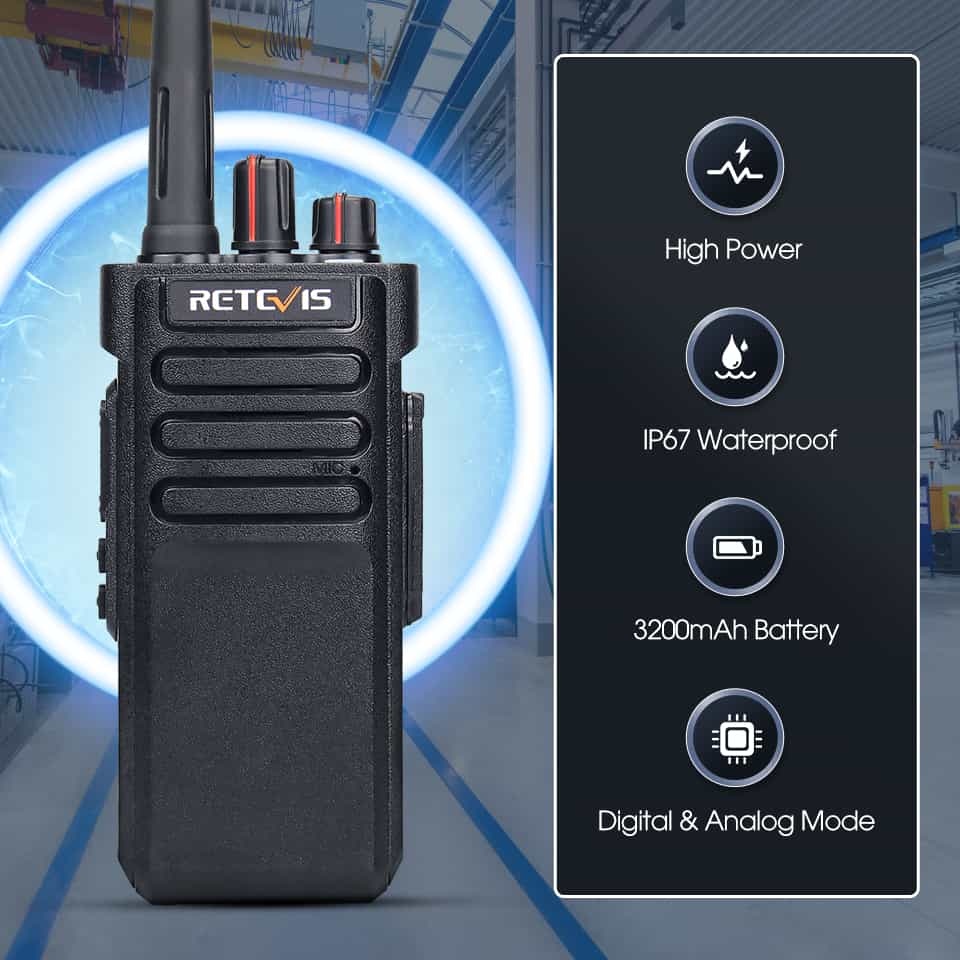
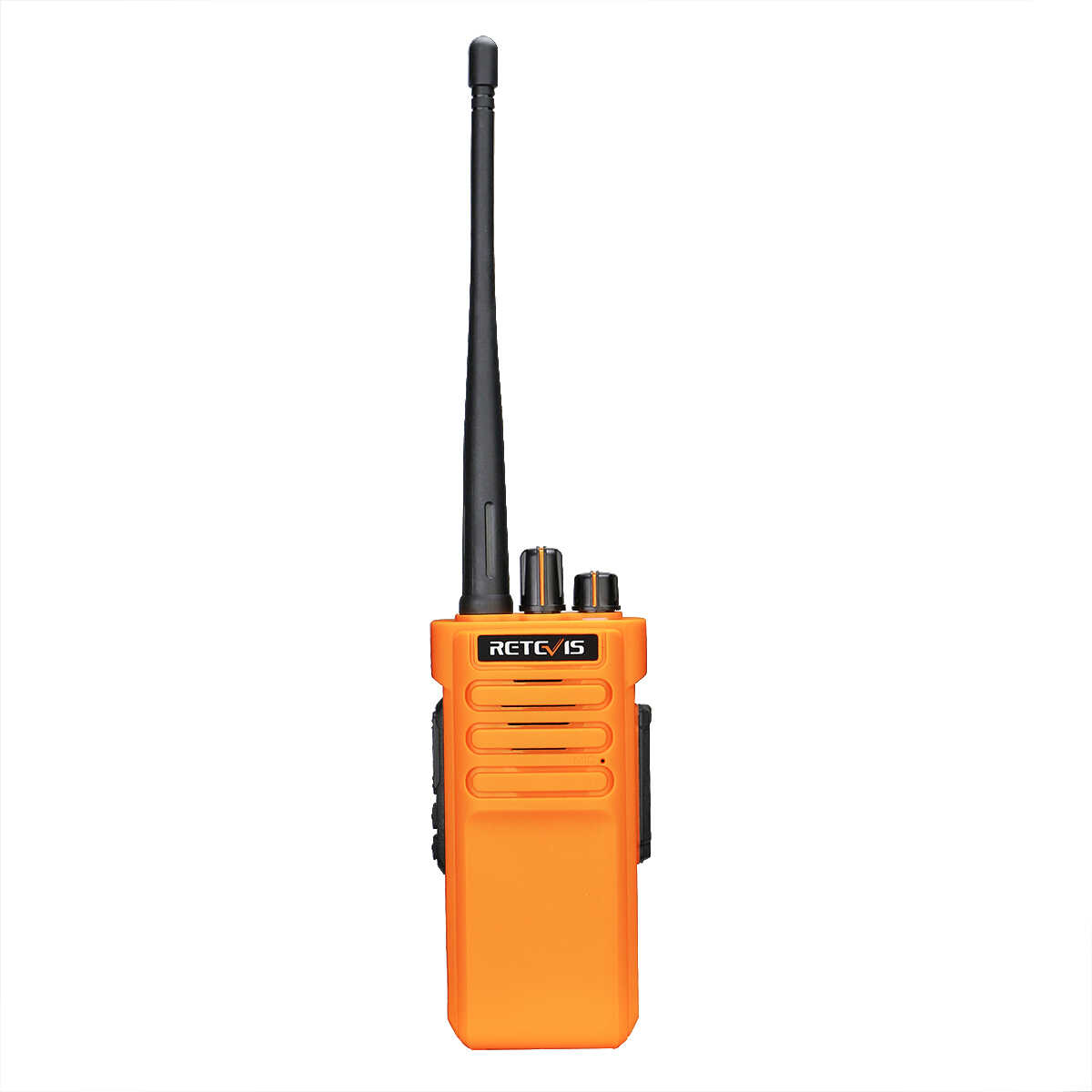
The RT29D is a professional communication device engineered for high-intensity operations and outdoor adventures. It delivers a clear and reliable professional communication experience, meeting diverse needs through superior digital audio, efficient dual time-slot technology, and secure encryption capabilities.
Are rt29d radio waves digital or analog? The RT29D supports operation in both digital DMR and analog modes. This dual-mode compatibility ensures interoperability with a wide range of existing digital or analog radio equipment. The device is powered by a robust 3200mAh lithium-ion battery, providing up to 25 hours of continuous talk time and 46 hours of standby time.
Utilizing a DMR digital core, the device provides clearer voice quality than analog radios. Advanced error correction actively suppresses background interference, ensuring commands are heard clearly. DMR's advanced dual time-slot technology allows two completely separate conversations to occur clearly and simultaneously on a single frequency.
Summary
Above a bustling construction site, a crane operator receives ground commands via radio. Encrypted channel identifiers flash on his equipment screen—this communication is for his team only.
These invisible radio communication waves, like the lifeline of modern industry, connect scattered nodes and organize complex processes. Digitally encoded information flows through reinforced concrete and the roar of machinery, precisely transmitting instructions to every receiver.
As night falls, the radio waves continue their silent journey through the air, awaiting dawn to awaken the slumbering construction site and roads, continuing their invisible yet indispensable mission—connecting every necessary professional link.



 Google
 Amazon
Comments
No data Yet