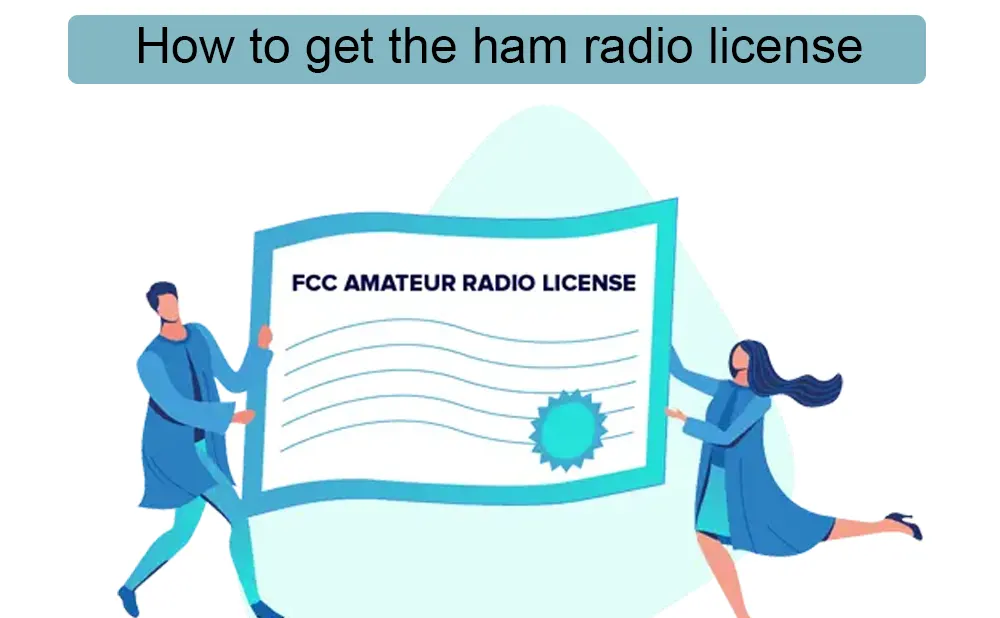
At its core, ham radio (officially called amateur radio) is the licensed use of radio equipment for private recreation, experimentation, self-training, practice, emergency communications, or any other non-commercial use. In the United States the Federal Communications Commission (FCC) regulates the Amateur Radio service and issues licenses to allow "hams" to work the airwaves.
The word amateur is defined as a person who engages in a pursuit, study, science, or sport as a pastime rather than as a profession. This definition is especially true for all of us in the ham radio.
Before you can start using ham radio, you need to be licensed. Fortunately, that isn't hard! Here are the basic requirements:
There are three levels of Amateur Radio license; to get a higher level you must pass the requirements for the lower level plus the exam for the higher level. They are (in this order):
Amateur radio licensing is managed by the Federal Communications Commision (FCC). Being licensed means that your name is listed in the FCC Universal Licensing System with an associated ham radio callsign.
See also FCC.gov: Licensing
No data Yet



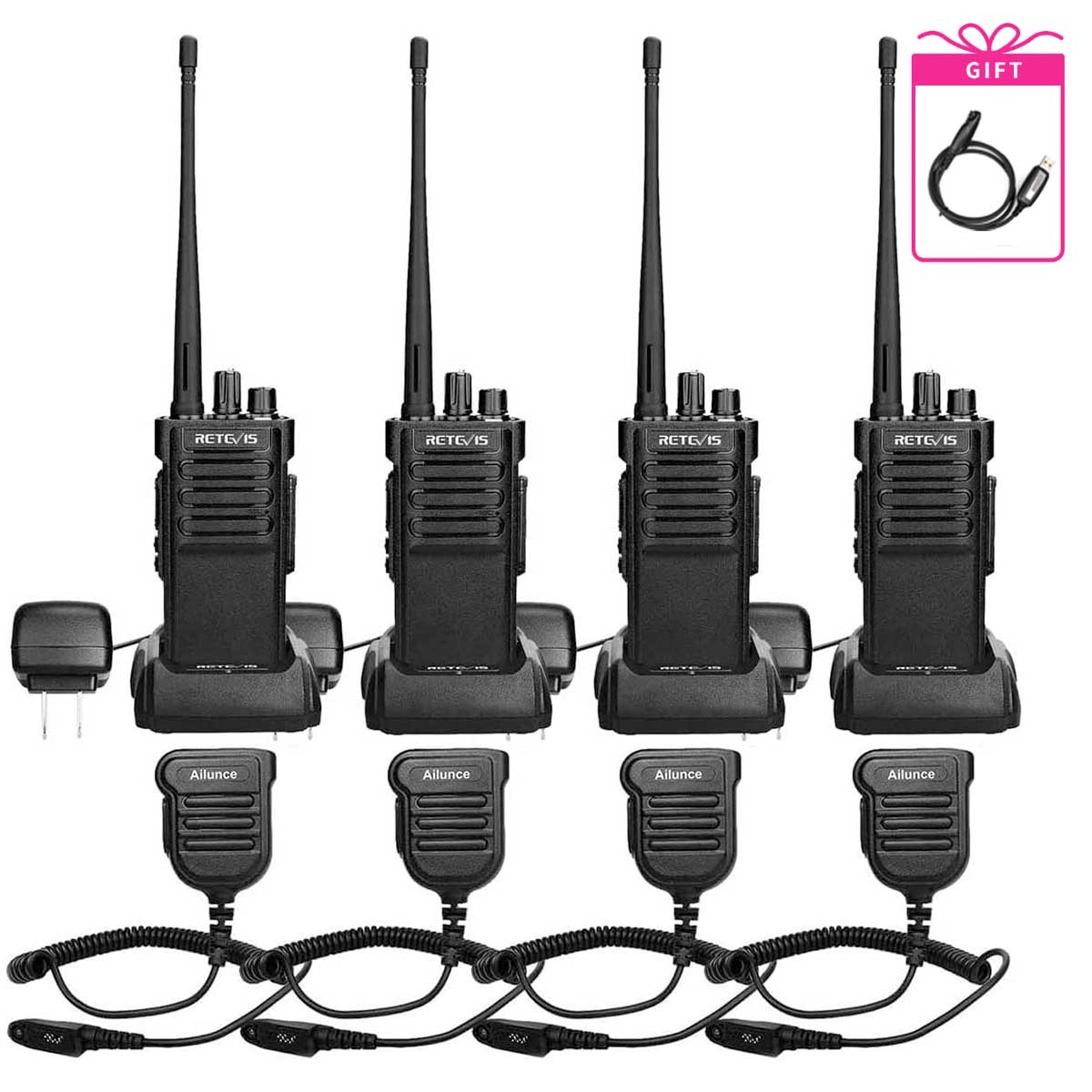

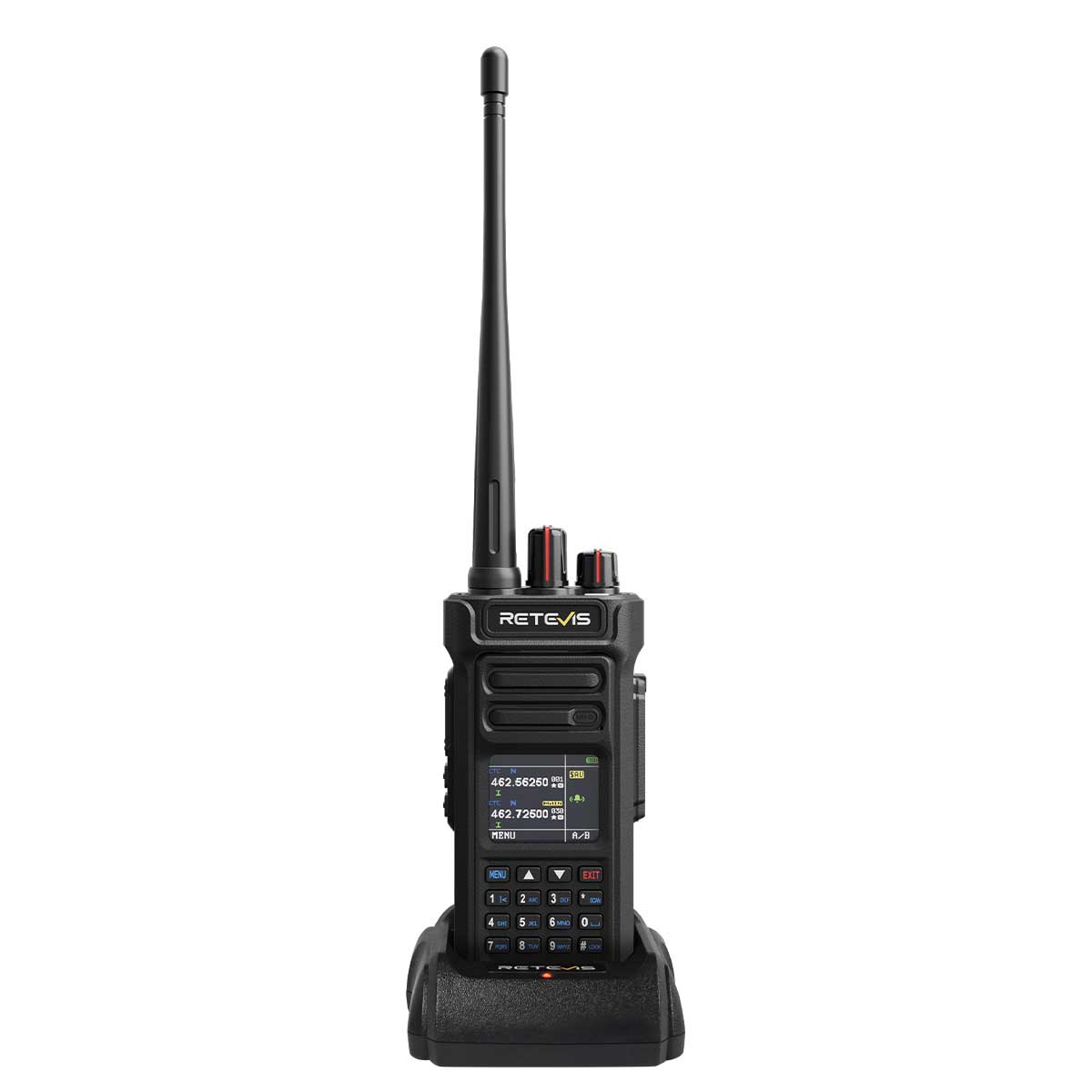
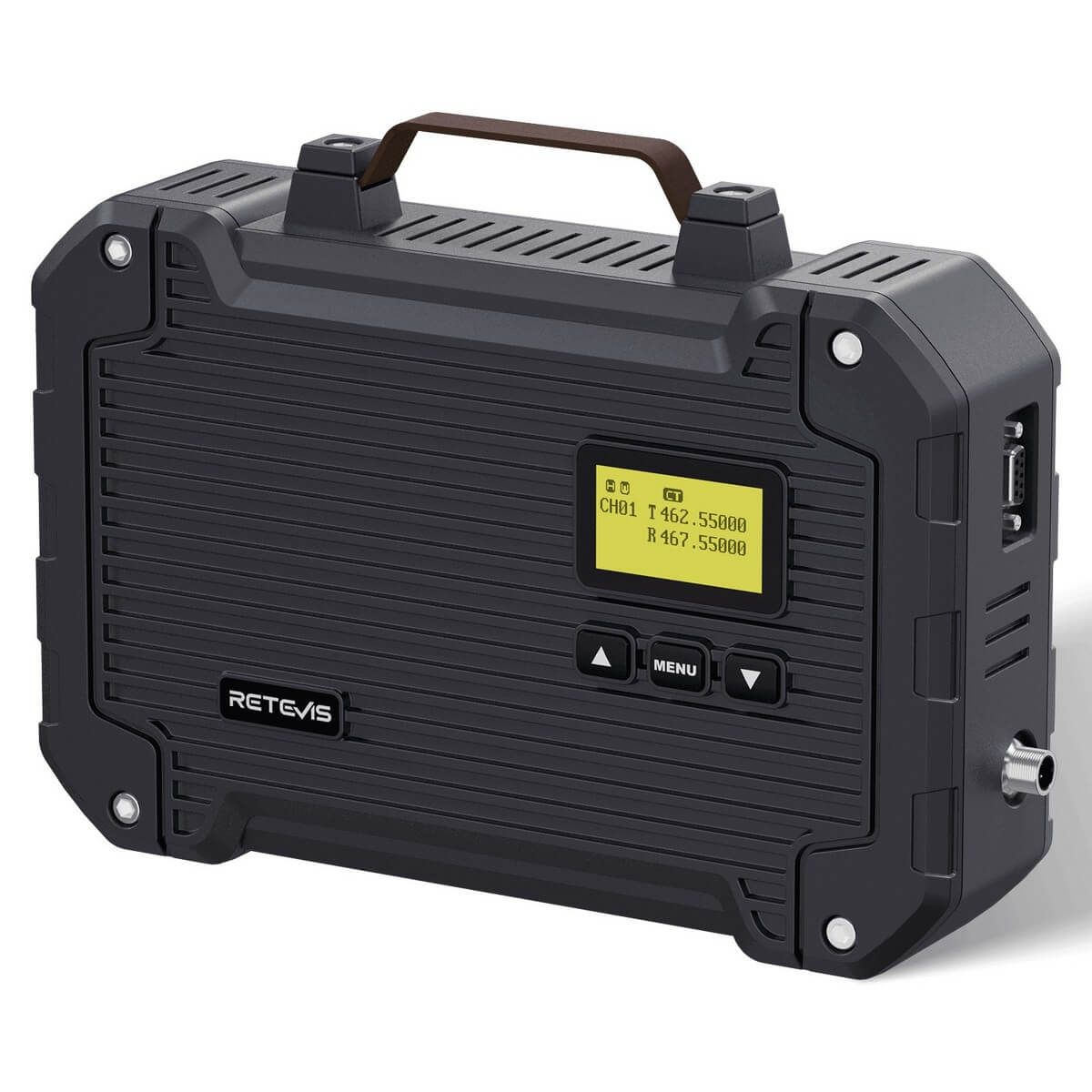



 Google
 Amazon