
Table of Contents
What Kind of Radios Do Police Use? Police Walkie-Talkie Guide
- Posted by:Retevis
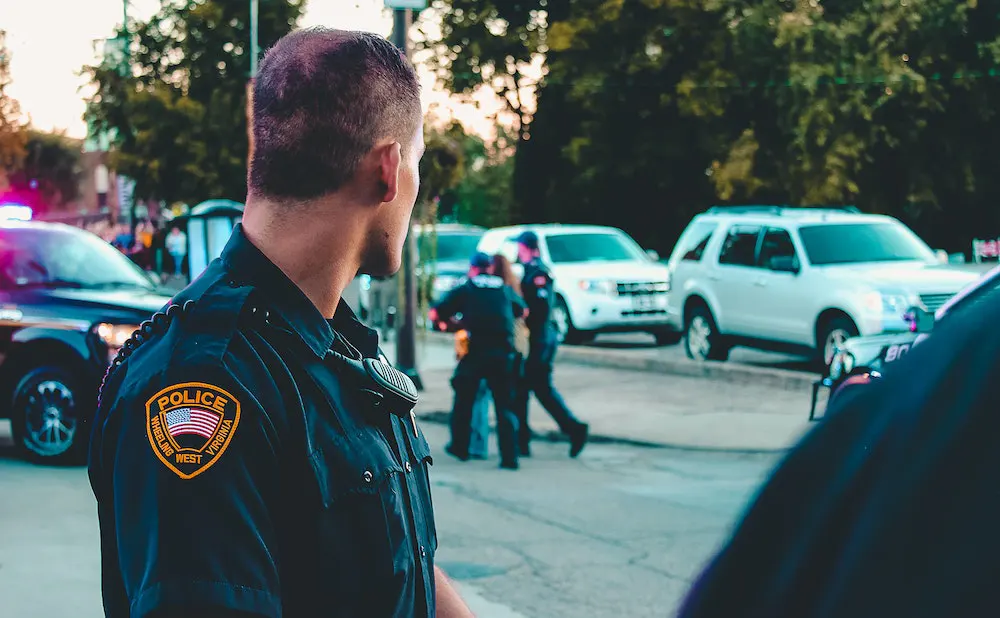
Two-way radios are essential communication tools for law enforcement, providing fast and reliable communication between officers and dispatch teams. But what radios do police use, and how are professional police walkie-talkies different from consumer models? This guide covers the radio types, frequencies, range, and key features used in police communication systems.
What Kind of Radios Do Police Use?
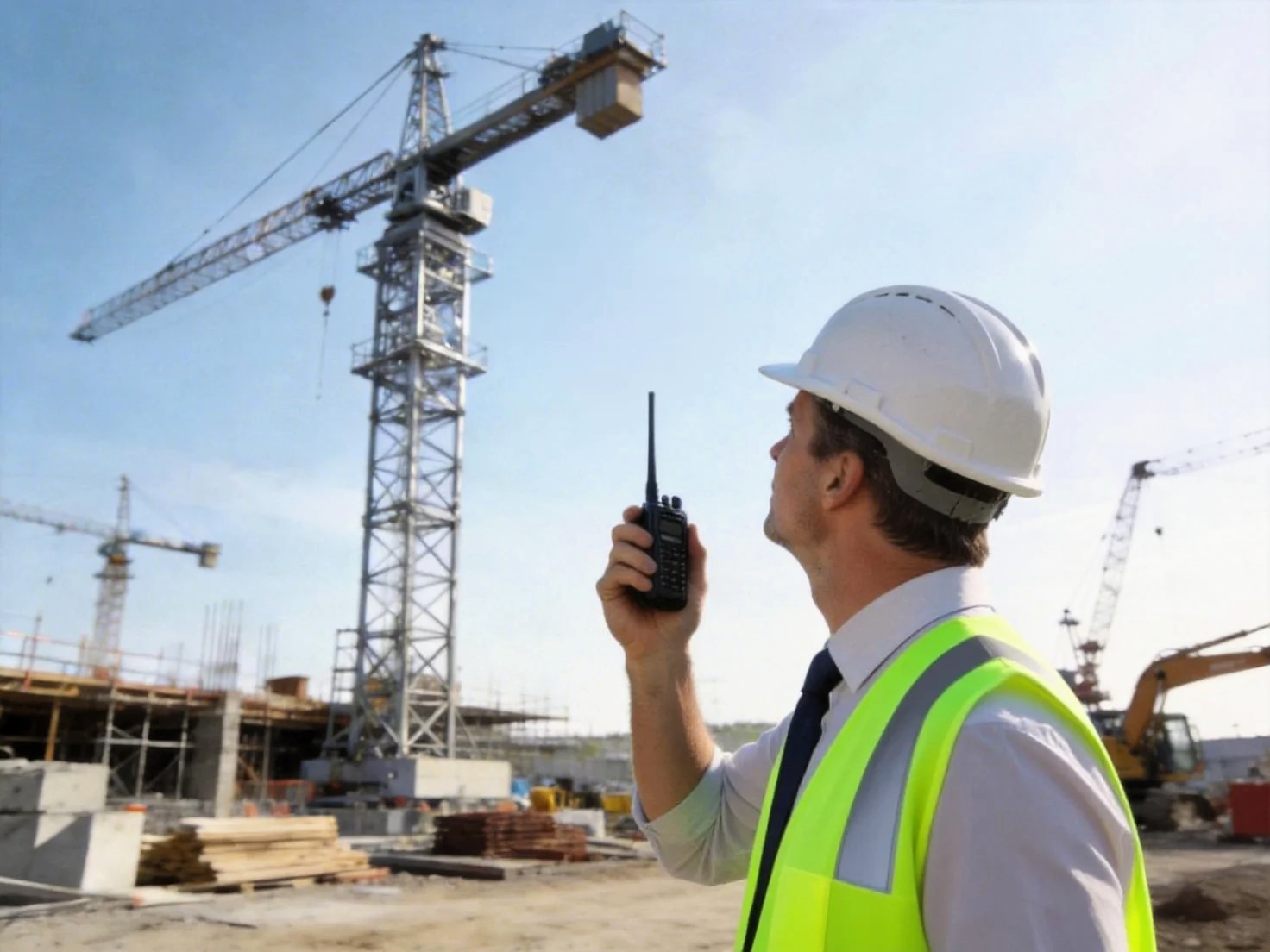
Police departments typically use professional two-way radios, also called police radios, police walkie-talkies, or police two-way radios. These radios are designed for demanding public-safety environments where reliable communication is critical.
Common Types of Police Radios
The types of radios used by US police vary by department and communication system. Common options include:
|
Radio Type |
Typical Use |
|
Outdoor and rural environments |
|
|
Urban areas and buildings |
|
|
700/800 MHz radios |
Modern public-safety systems |
|
Voice, data, and advanced features |
|
|
Wide-area communication through cellular networks |
There is no single walkie talkie police model used by every agency. Radio selection depends on coverage, infrastructure, interoperability, regulations, and operational requirements.
Police Radio Systems Are Agency-Specific
Police communication systems are not standardized to one radio, frequency, or channel. Different agencies may use different radio models, frequency bands, channels, talkgroups, and network infrastructure based on their location and operational needs.
In modern law enforcement, a handheld police officer digital walkie talkie is often only one part of a larger public-safety communication system.
What Makes a Police Walkie-Talkie Different?
A police grade walkie talkie is designed for more demanding use than a consumer radio used for recreation.
Key capabilities may include:
- Push-to-talk communication for fast, direct voice communication.
- Extended coverage through professional antennas, repeaters, or network infrastructure.
- Rugged construction for demanding field environments.
- Long battery life for extended shifts.
- Security features such as digital communications and encryption.
- Emergency functions such as GPS, emergency alerts, or man-down detection, depending on the system.
Public-Safety Radio vs. Consumer Walkie-Talkie
The main difference is not simply range or power. Professional public-safety radios are often designed to operate as part of a larger communication system.
|
Feature |
Consumer Walkie-Talkie |
Professional Public-Safety Radio |
|
Typical use |
Recreation, family, events |
Law enforcement and public safety |
|
Communication |
Usually radio-to-radio |
Often connected to a larger system |
|
Coverage |
Local |
Can be extended with repeaters or networks |
|
Durability |
Basic to rugged |
Designed for demanding field use |
|
Security |
Usually limited |
May support advanced security features |
|
Emergency functions |
Limited |
May include GPS, alerts, man-down, etc. |
|
System integration |
Limited |
Designed for dispatch and network integration |
What Frequencies and Channels Do Police Use?
The police walkie talkie frequency varies by country, region, and agency. In the United States, public-safety radio systems can operate across VHF, UHF, and 700/800 MHz bands.
There is no universal police walkie talkie channel. Agencies may use licensed frequencies, channels, or talkgroups, while larger systems may use trunked radio technology to manage communications.
A frequency is the radio signal's operating frequency, while a channel is a programmed communication setting. A talkgroup is a logical group used to organize communications, especially in trunked systems.
Important: A consumer walkie-talkie cannot simply be programmed to transmit on a police frequency. Unauthorized transmission on public-safety frequencies can interfere with emergency communications and may violate local laws.
How Far Can a Police Walkie-Talkie Reach?
The police walkie talkie range depends on terrain, buildings, antennas, transmit power, frequency, and network infrastructure.
- Direct radio-to-radio: Coverage is limited by terrain and obstructions.
- Repeater systems: Repeaters can significantly extend coverage.
- Trunked radio networks: Multiple sites can provide broad-area coverage.
- PoC systems: Cellular networks can provide wide-area communication where service is available.
Therefore, professional police communication depends on the complete radio system, not simply the advertised range of a handheld radio.
Can You Listen to Police Radio With a Walkie-Talkie?
A common question is, “Can you listen to police radio with a walkie-talkie?” Generally, standard consumer walkie-talkies are not designed to receive modern public-safety systems.
Some communications may be receivable with compatible police scanner walkie talkie or scanner equipment, depending on the system and local laws. Digital, trunked, and encrypted systems may prevent ordinary receivers from accessing communications.
Can Walkie-Talkies Connect to Police Radio?
Normally, no. A standard walkie-talkie cannot simply connect to a police radio network. Professional systems may require compatible equipment, system access, authentication, or encryption.
Receiving and transmitting are also different. Even where receiving certain communications is permitted, unauthorized transmission on police frequencies should never be attempted.
Frequently Asked Questions
Do Police Use Walkie-Talkies?
Yes. Police officers commonly use professional DMR two-way radios to communicate with other officers, dispatch centers, and emergency teams.
What Walkie-Talkies Do Police Use?
Police departments use professional radios selected for their specific communication systems. The exact model, frequency band, and features vary by agency.
What Channel Do Police Use?
There is no universal walkie talkie police channel. Police channels, frequencies, and talkgroups depend on the local agency and radio system.
Can Walkie-Talkies Pick Up Police Radio?
Standard consumer walkie-talkies generally cannot receive modern public-safety systems. Compatible scanners may receive some unencrypted communications, depending on the system and applicable laws.
Can Police Track Walkie-Talkies?
Some professional radio systems can provide location information through GPS or other network features. Tracking capability depends on the radio, configuration, and communication system.
What Is the Radio Used by Police Called?
It may be called a police radio, police walkie-talkie, police two-way radio, or public-safety radio. The terminology varies, but these radios are generally part of a professional communication system.



 Google
 Amazon
Comments
No data Yet