

Table of Contents
What is a Trunking Radio System? Digital Trunked System
- Posted by:Retevis
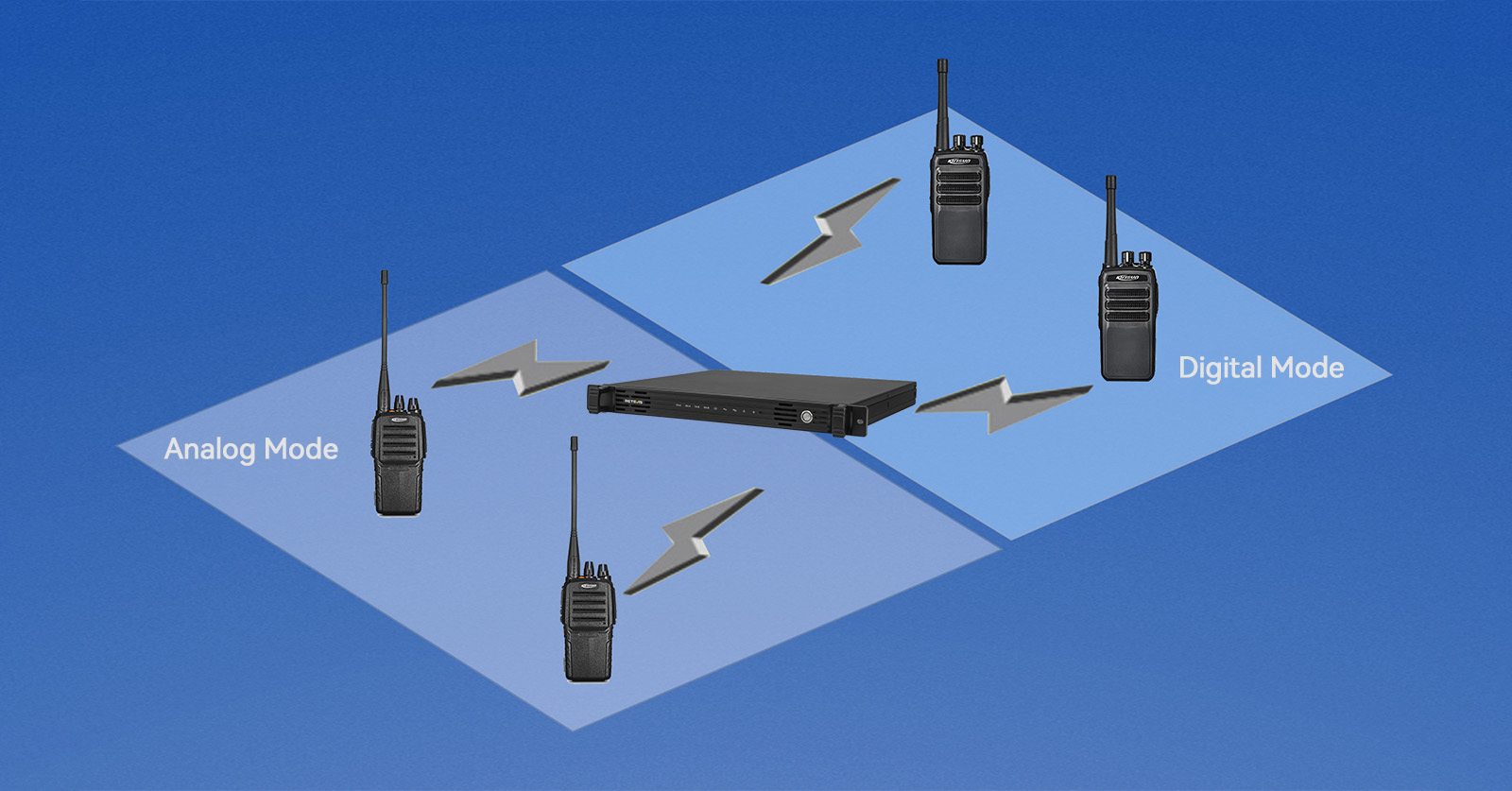
Trunked radio systems (TRS) offer a more efficient communication solution for emergency responders, logistics companies coordinating deliveries, and manufacturing enterprises maintaining normal communication across vast areas. So, what exactly is a trunked radio system? Let's explain it in simple terms and delve into the technology behind one of the most important tools in wireless communication.
Understanding Trunked Radio System (TRS) in Wireless Communication
In a wireless communication radio trunked system, multiple users share a set of radio frequencies. Think of it like a carpool lane during rush hour. Instead of trapping everyone in their own lane (or frequency), a trunked radio system efficiently distributes traffic, ensuring that each user accesses the correct channel at the right time.
How Does a Digital Trunking Radio System Work? Key Components
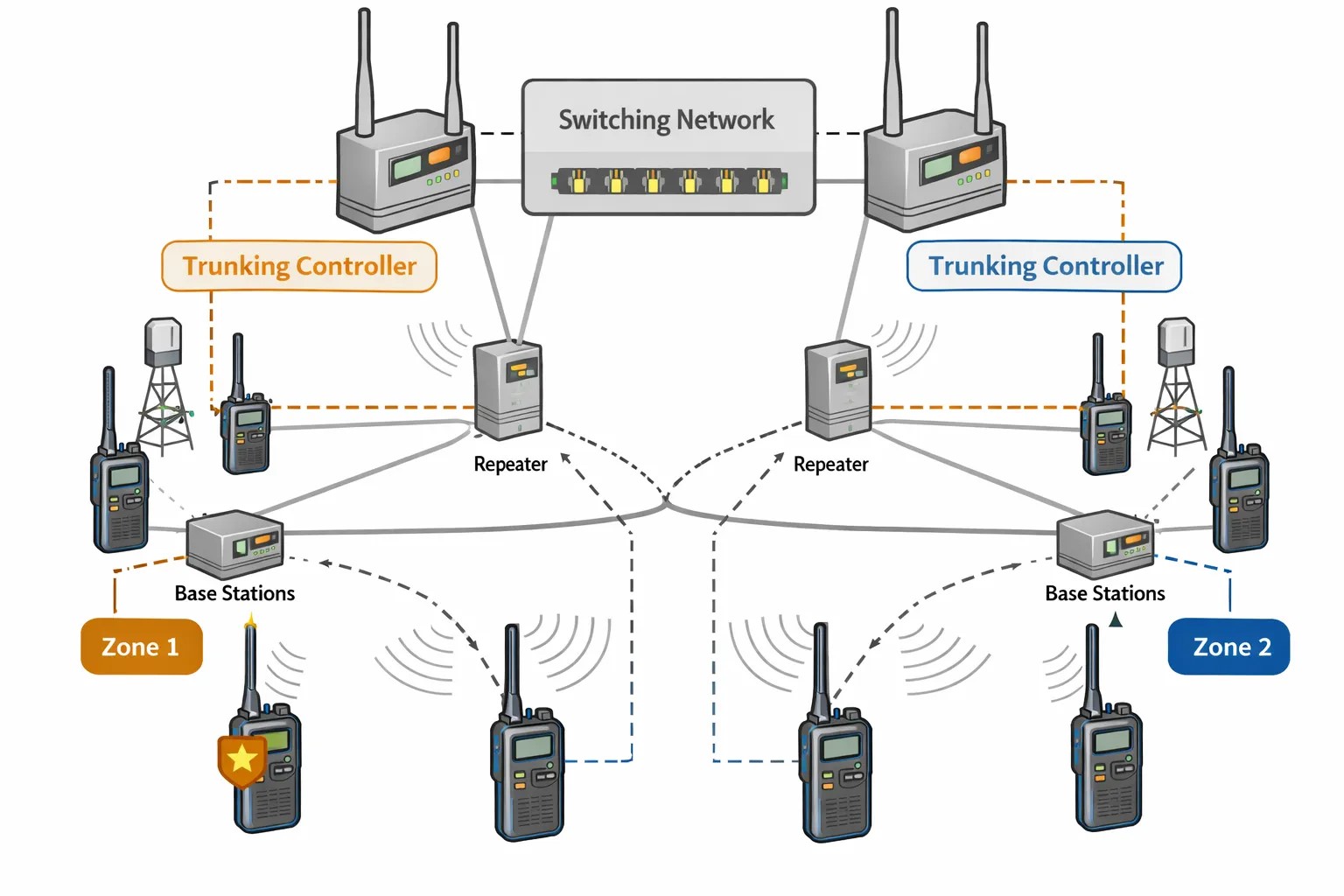
- Central Controller: Responsible for managing all communications, allocating voice frequencies in real time, monitoring status, and handling call routing.
- Control Channel: A dedicated, continuous data link that guides communication flow and allocates specific voice channels to users.
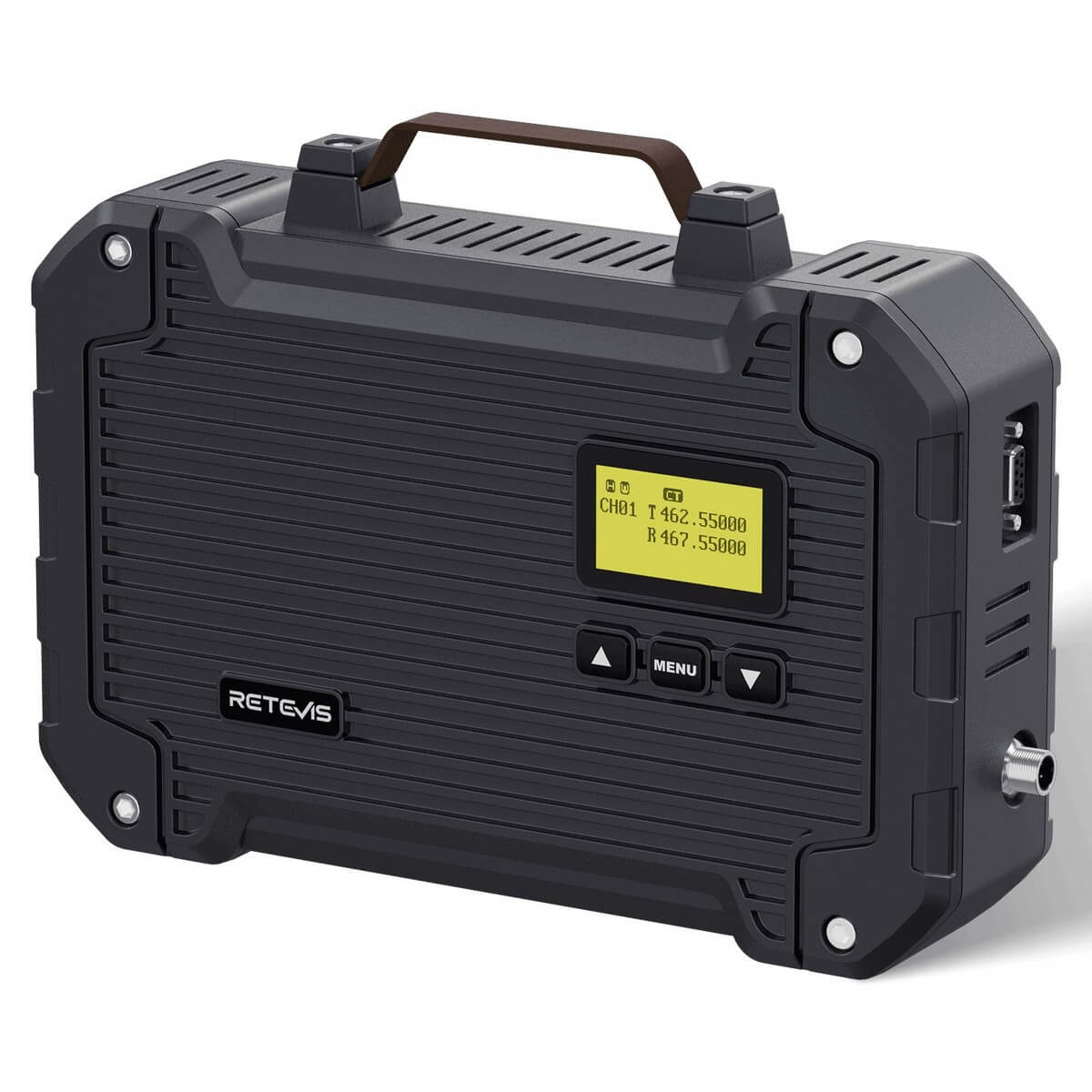
- Trunked Digital Transceiver: An array of repeaters (typically 4, 6, 8, or more) that provides the actual voice communication path, dynamically allocated by the central controller.
- Call Group: Logical grouping of users, rather than the need for dedicated frequencies in traditional systems.
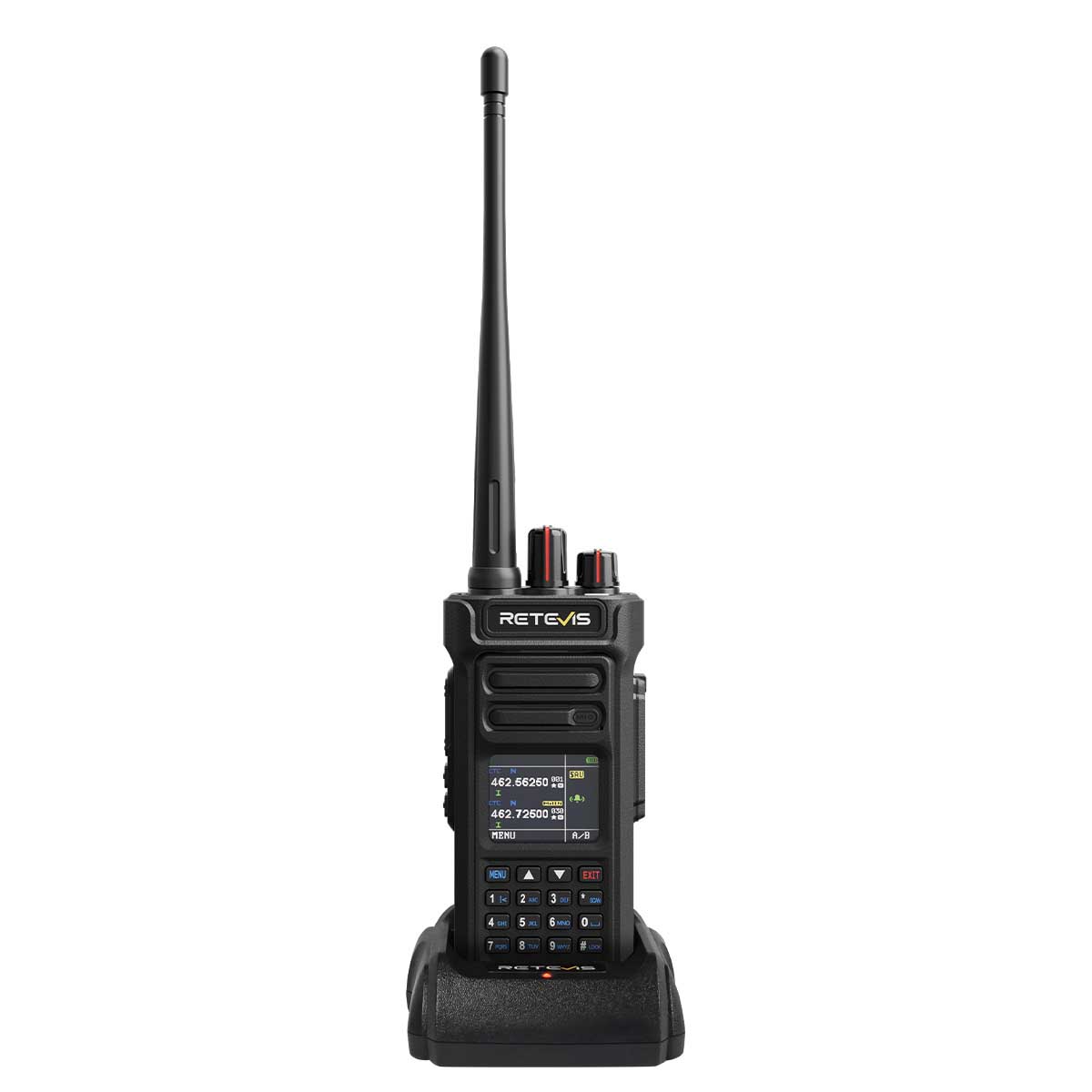
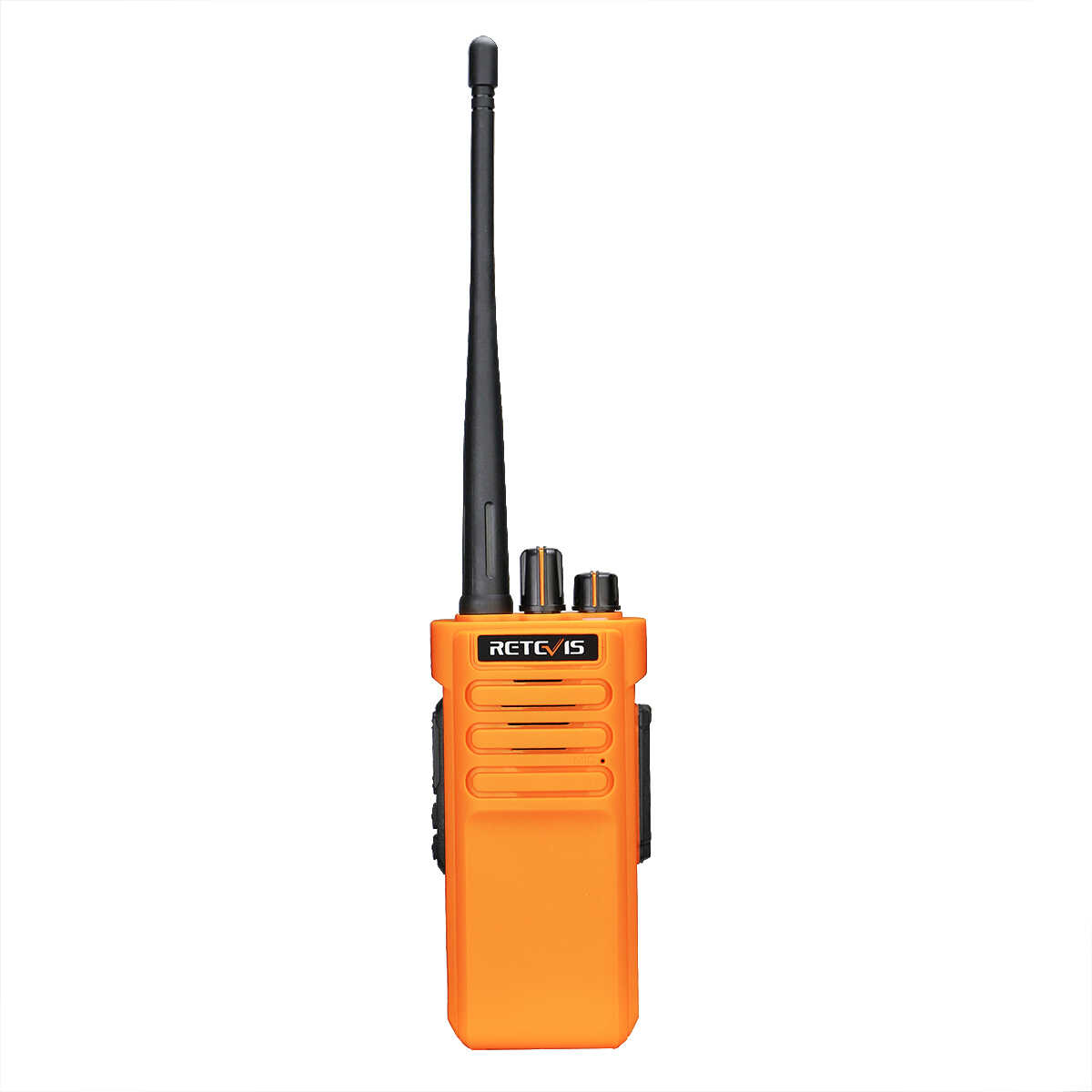
- Trunking Radio Units: Individual radio devices used by the operator for communication, automatically switching to assigned voice channels.
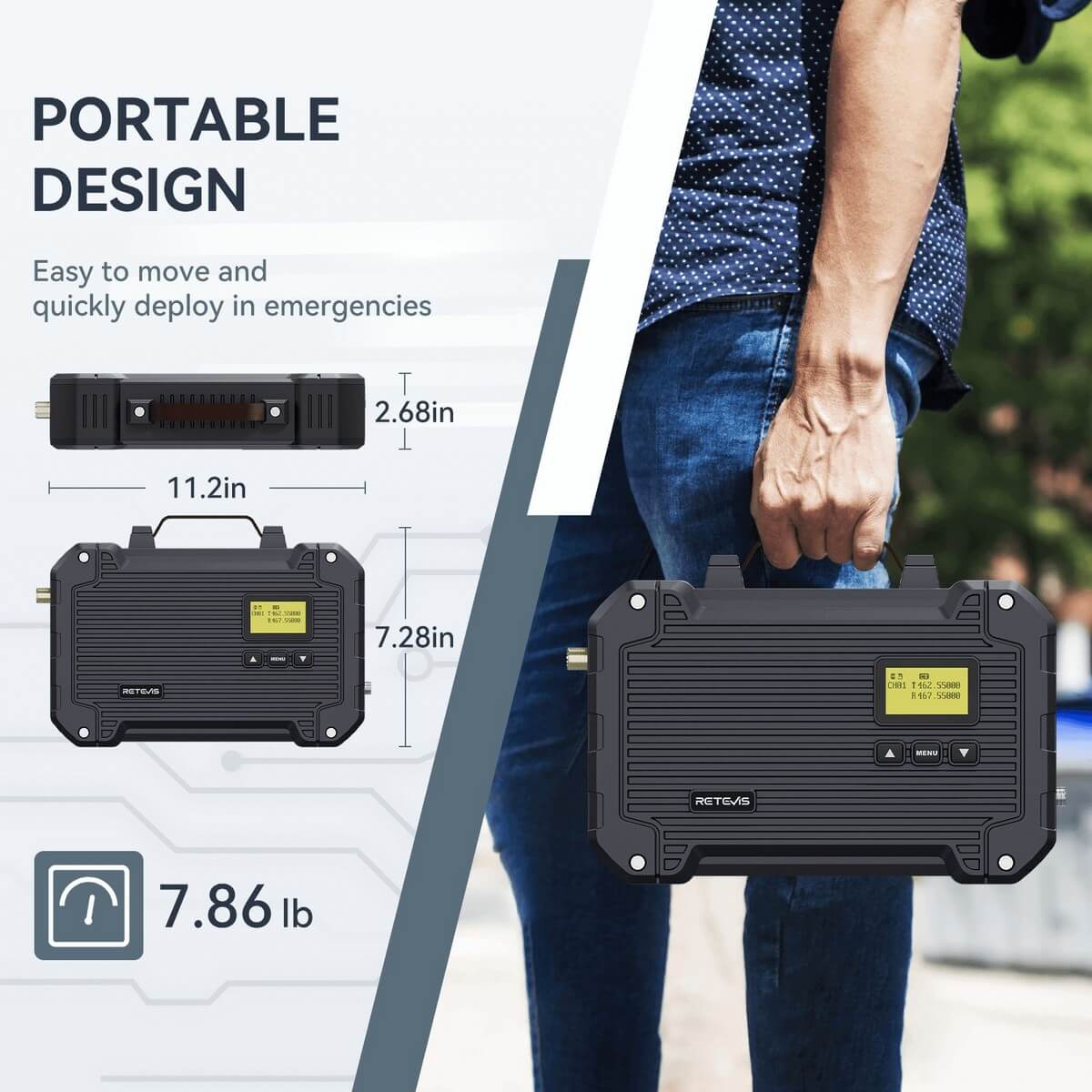
- Site Base Station: The physical location carrying repeaters, controllers, and other equipment, providing service to a specific coverage area.
- Network Access Code (NAC): Used to uniquely identify repeaters in digital radio trunked systems and prevent interference; suitable for multi-site systems.
Trunking Radio Systems vs. Traditional Radio Systems
In traditional communication systems, such as walkie-talkies, each radio device operates on a fixed frequency. When someone speaks, everyone on that frequency can hear the message. This setup works well when only a few people use the system. However, when hundreds of people need to communicate simultaneously, they must either share the same frequency (which can cause interference) or use more frequency terminals, overloading the channel.
The site trunking radio communication system, on the other hand, is a more automated and structurally complex radio system, but it offers advantages such as less user intervention and higher spectral efficiency, making it particularly suitable for large numbers of users. In a network digital trunking radio system, multiple frequencies are combined. The system intelligently manages which frequencies to use and when to use them based on demand. This dynamic allocation method ensures minimal interference and maximizes efficiency even with a large user base.
Advantages of Digital Trunked Radio Systems
- Efficient Frequency Utilization: No dedicated frequency is required for each radio station.
- Better Coverage: Supports more users.
- Less Interference: The system dynamically manages channels, reducing the risk of channel congestion.
- Improved Audio Quality: Digital signals provide clearer, more pleasant audio.
- Greater Security: Digital radio encryption ensures secure communication, which is especially important in sensitive environments.
- Increased Capacity: Digital trunked radio systems can handle more users and more data without compromising performance.
What are the Use Cases for Site Trunking Radio System?
Trunking communication refers to radio systems designed specifically for large geographical areas. Trunking communication systems can extend coverage to multiple areas, making them ideal for large enterprises or public safety agencies requiring extensive coverage.
Applications of digital two-way radio trunking system include:
- Public safety communications (police, fire, and emergency services, property).
- Transportation networks (logistics, railways, warehouse, security fleet scheduling).
- Event management (coordinating large events, such as festivals or concerts).
- Commercial Scenarios (commercial malls,, factories, hotels).
Two-Way Radio Trunking: Making Communications More Efficient
Trunking systems are more efficient than traditional radio, supporting more users while reducing interference. Site backbones can cover larger areas, making them ideal for large-scale operations. Two-way radio trunking enhances communications in industries such as public safety, logistics, and event management. Network digital radio trunking represents the future of communications, offering better security, higher sound quality, and greater capacity. For large-scale operations requiring reliable, clear communication, trunking systems are the optimal choice.
Leave a Reply






 Google
 Amazon
Comments
No data Yet