Best Communication Solutions for Mine Rescue Teams
Contact Sales
The best communication solutions for mine rescue teams pair handheld radios carried underground with a portable repeater positioned where it can reach both the surface and the workings. Retevis pairs the RB24 handheld radio with the RB91 repeater. During UK field testing, five radios stayed connected across roughly 500 m of difficult underground terrain, and a later test exceeded 1.5 km.
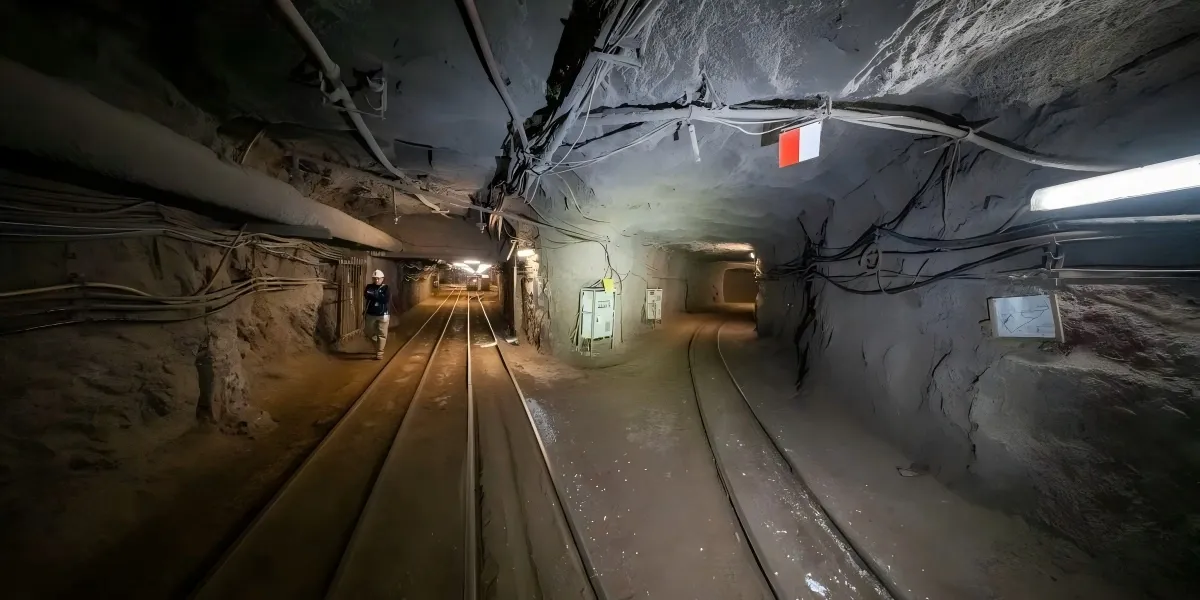
Shafts, rock pillars, doors, corners, and irregular tunnels can obstruct radio signals and create communication gaps.
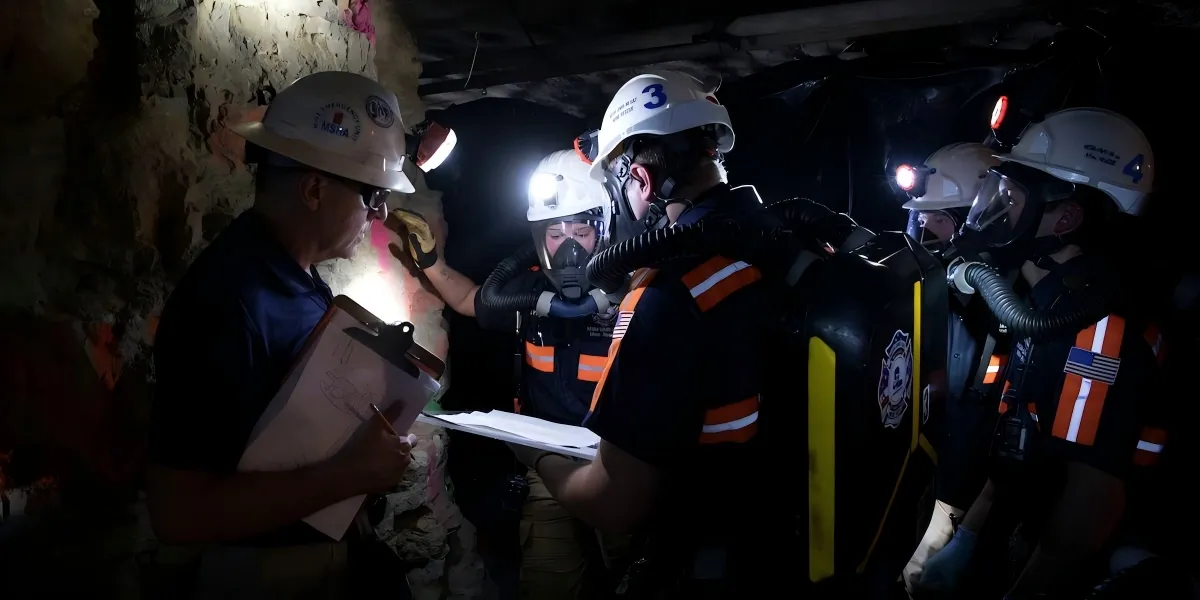
Rescue teams need reliable communication between surface personnel and teams operating underground.
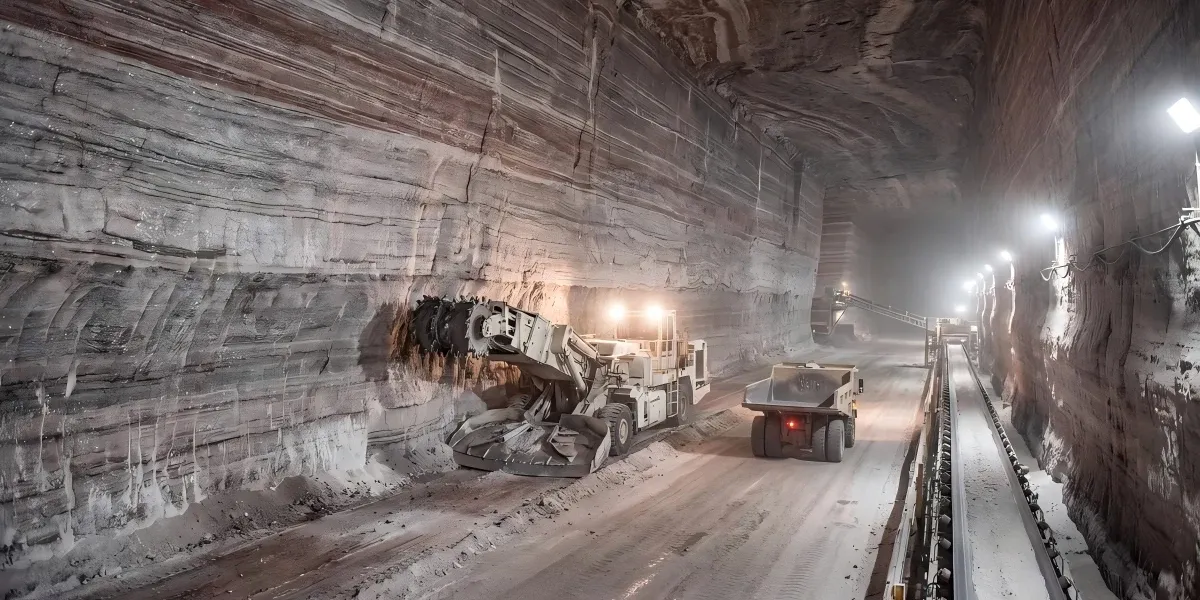
Mine rescue operations may extend across significant underground distances, making communication coverage critical.
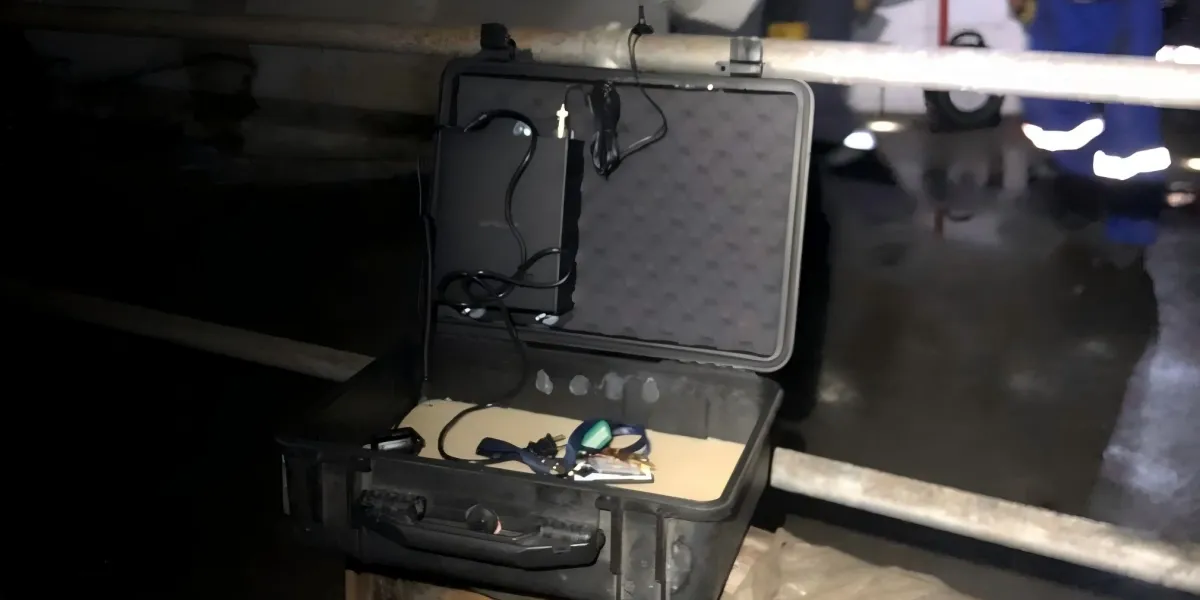
Rescue equipment needs to be easy to transport and quickly deploy at different locations as operations change.
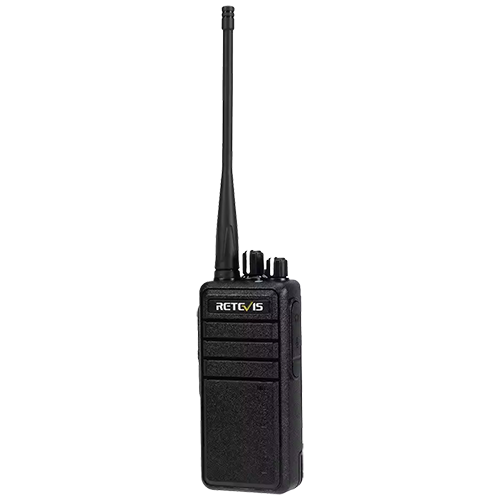
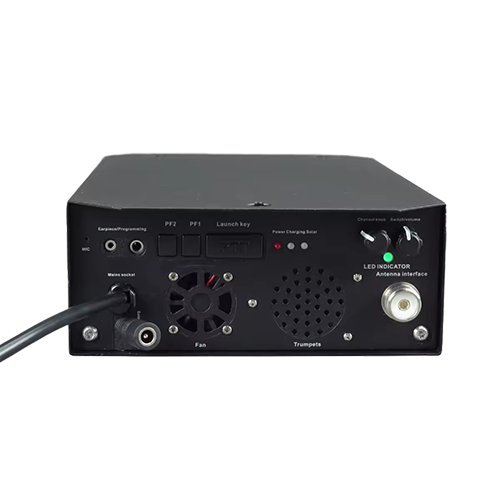
The RB24 handheld radios and RB91 repeater provide a portable communication system for mine rescue operations.
RB24 radios are carried by rescue personnel, while the RB91 repeater supports communication between different operating areas. The repeater can be positioned at a suitable location according to the mine layout, helping extend communication beyond direct handheld-to-handheld coverage.
During the initial field test, one RB24 was placed in a surface office, another at the bottom of a 150 m slope, and the RB91 approximately 35 m away through doors and around a corner. Additional RB24 radios were distributed through the underground workings. Five handsets maintained communication over approximately 500 m in difficult conditions.
The customer later reported more than 1.5 km communication with five radios in difficult underground terrain.
The repeater system can be assembled into a portable case for transportation and rapid deployment. In the field test, the customer mounted the equipment in a Pelican case, with an external magnetic antenna connected by coaxial cable. The antenna could be positioned higher when required.
Support communication across shafts, tunnels, and other challenging underground areas.
Keep rescue teams and surface personnel connected during operations and training.
Move and reposition the repeater system according to the mine layout and rescue requirements.
Real-world testing demonstrated approximately 500 m communication in difficult underground terrain, followed by a 1.5 km+ test result with five radios.
Our solution team will review your project requirements and provide a customized communication recommendation within one business day.


 Google
 Amazon