Best Two Way Radio for Construction Sites
The best two way radios for construction site are IP67-rated, high-power UHF two-way radios with noise-cancelling audio and at least a 12-hour shift battery. UHF is the right choice for concrete and steel buildings because its shorter wavelength penetrates floors and walls better than VHF. For sites with basements or dead zones, a UHF radio paired with a portable repeater (such as the Retevis RT97L) gives full coverage. Licence-free FRS radios work for small sites; larger crews need GMRS or business band radios, which require a frequency licence.
558 Reviews
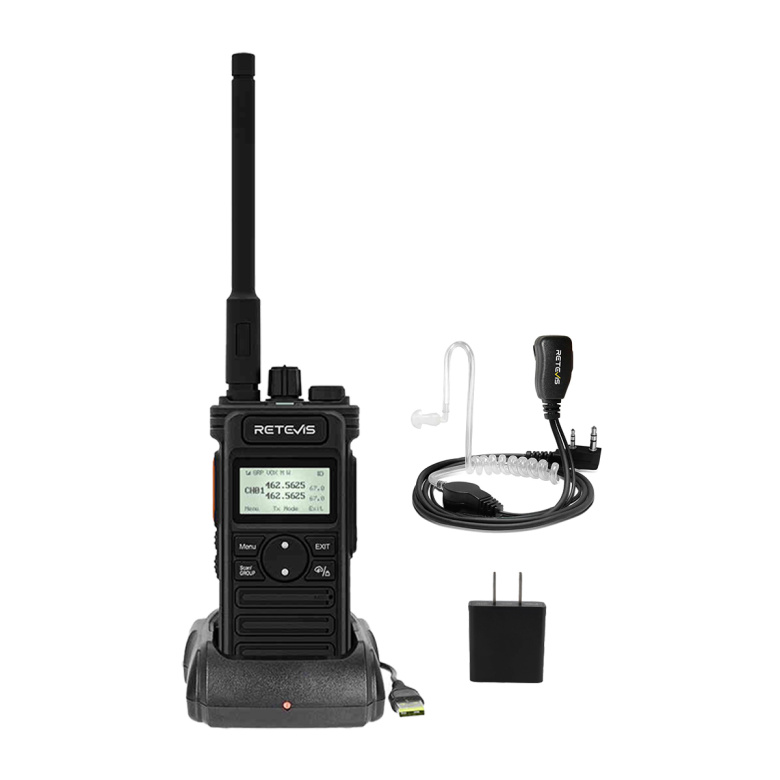
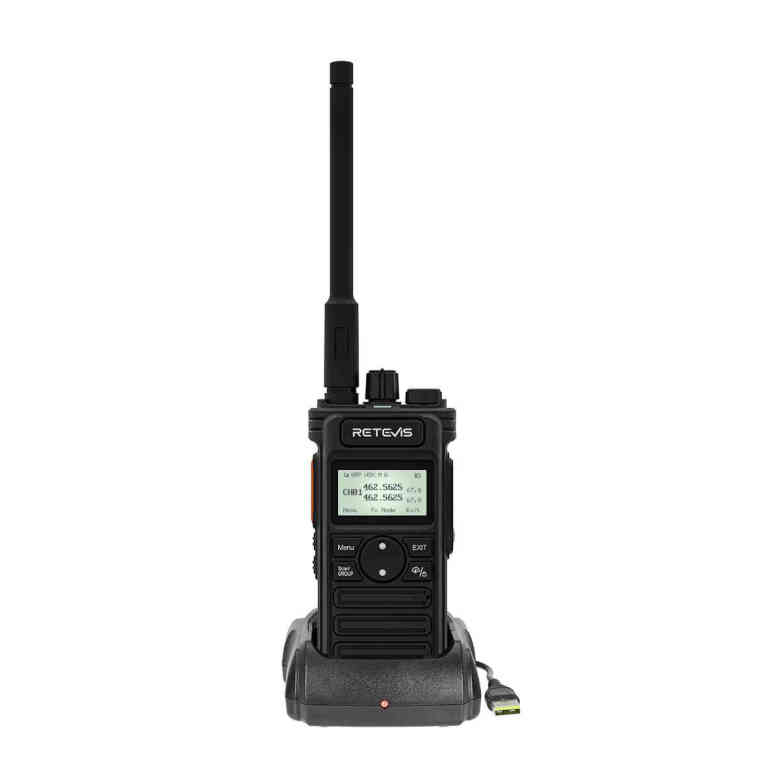
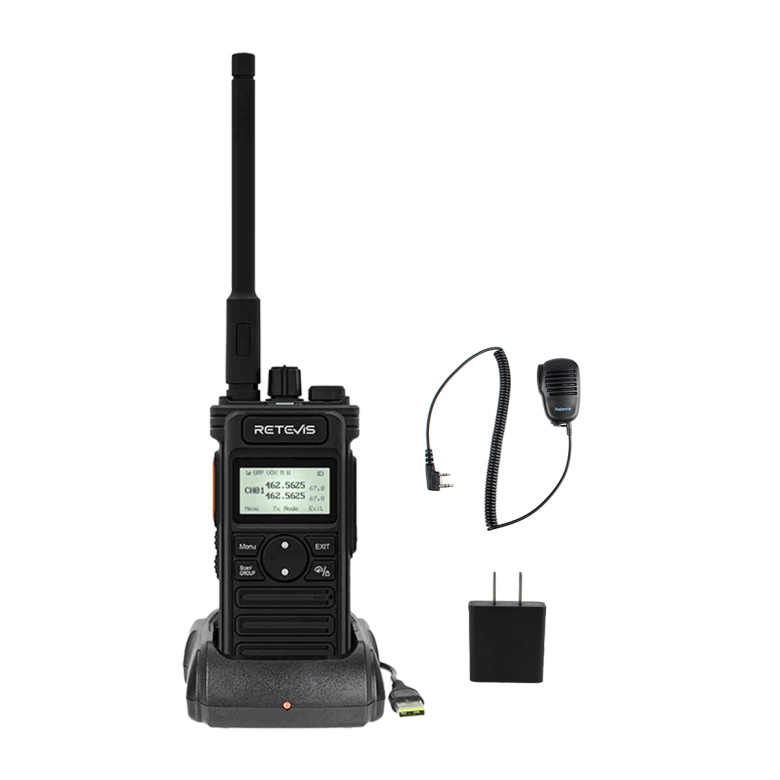
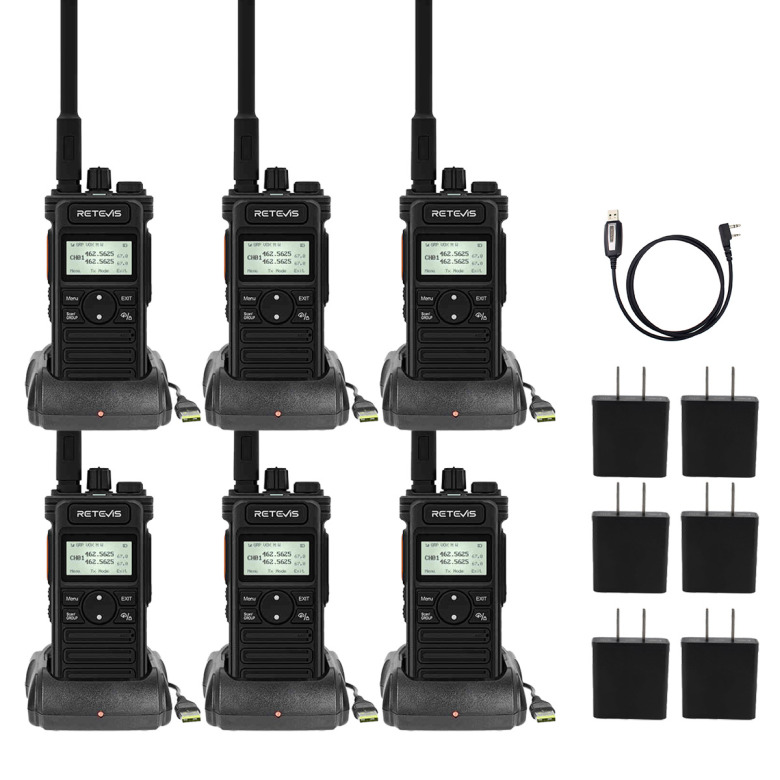
Extended Range for Jobsite: High power output and high-gain antenna.
IP67 Rugged Design: IP67 rating withstands rain, dust, and 2-meter drops.
Lon...
339 Reviews
Long Range: 1–4 km urban and 5–8 km in open areas.
Rugged Design: Aluminum alloy body with 2-meter drop resistance.
3200mAh Battery: ...
10 Reviews
Long-range communication
Large battery capacity for continuous use
Stay informed with real-time weather warnings
One-key group call for quick...
10 Reviews
Long-range communication
Large battery capacity for continuous use
Stay informed with real-time weather warnings
One-key group call for quick...
12 Reviews
Long-range communication
Large battery capacity for continuous use
Stay informed with real-time weather warnings
One-key group call for quick...
9 Reviews
Long-range communication
Stay informed with real-time weather warnings
Large battery capacity for continuous use
One-key group call for qui...
108 Reviews
Long-range with stable signal in large areas
2500mAh battery with Type-C fast, safe charging
Rugged ABS design resists drops and wear
Group call, ...
116 Reviews
1.4 inch hidden screen
Long-distance walkie-talkie
High power and strong penetration
2600mAh large-capacity battery
Encrypted Walkie Talkie for Se...
122 Reviews
Long-Range Two-Way Radio
Durable Hidden Screen
Long Battery Life, All Day Use
Encrypted Walkie Talkie for Secure Communication
Built-in Powerful ...
115 Reviews
Best radio for long range capabilities
Rugged construction for durable use
Long lasting battery for continuous use
Easy to read channels details...
136 Reviews
High Power Radio: Ensures long-range communication
Strong Penetration: Clear audio even through buildings and obstacles
2600mAh Rechargeable...
189 Reviews
DMR Digital: Clear and reliable communication for business teams.
AI Noise Reduction: Reduces background noise for clearer conversations.
AES256 E...
24 Reviews
10 W Long Range: 30 GMRS channels, 8 of them repeater-ready.
IP67 Waterproof: Sealed against rain, dust and washdown.
AI Noise Reduction: Cleans o...
4 Reviews
DMR Digital Radio: Clear communication for busy business teams.
10W High Power: Supports long-distance communication across large work a...
103 Reviews
DMR Digital Radio: Clear communication for busy business teams.
10W High Power: Supports long-distance communication across large work areas.
AES2...
20 Reviews
AI Noise Reduction: Delivers clear audio in noisy environments.
AES256 Encryption: Keeps private communications secure.
IP67 Waterproof: Resists w...
329 Reviews
10W Long Range: Reliable communication over long distances.
AES256 Encryption: Keeps private radio calls secure.
Noise Reduction: Delivers cleare...
36 Reviews
10W Long Range: 3-7 km communication in open areas.
IP67 Waterproof: Built for rain, dust and harsh conditions.
AI Noise Reduction: Delivers clear...
49 Reviews
Long Range: 10W power delivers 3-7 km communication range.
Two-Way Noise Reduction: Cuts noise for clearer communication.
IP67 Waterproof: Built f...
50 Reviews
5W High Power: Boosts coverage for construction and outdoor use.
AI Noise Reduction: Delivers clear audio in noisy work environments.
One-Key Grou...
Construction Two-Way Radios Built for the Job Site
Construction sites are the hardest environment a radio will ever work in: continuous noise from saws and heavy equipment, concrete dust, rain, steel and rebar that block radio signals, and crews spread across multiple floors or separated by hundreds of metres of open ground.
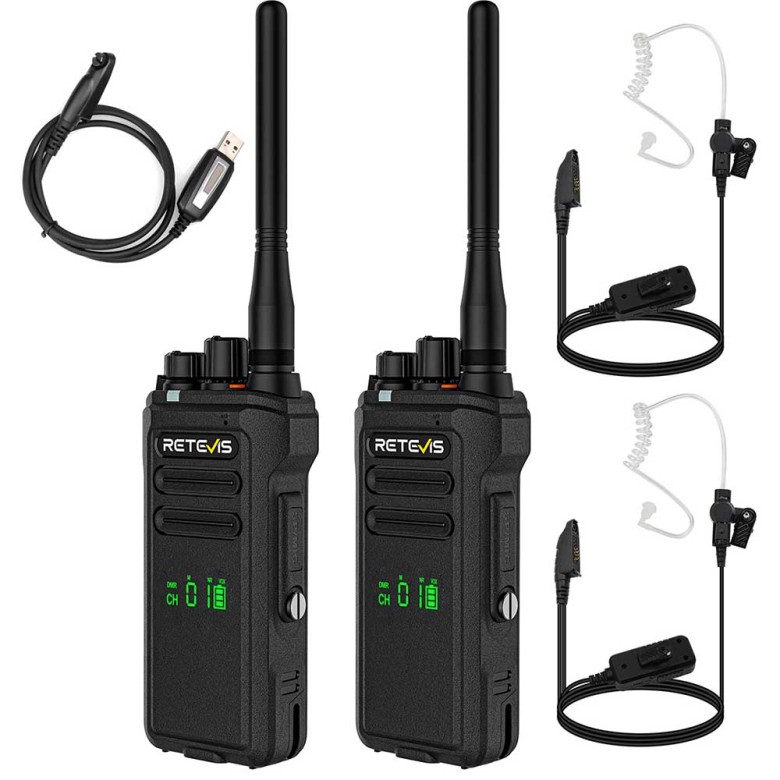
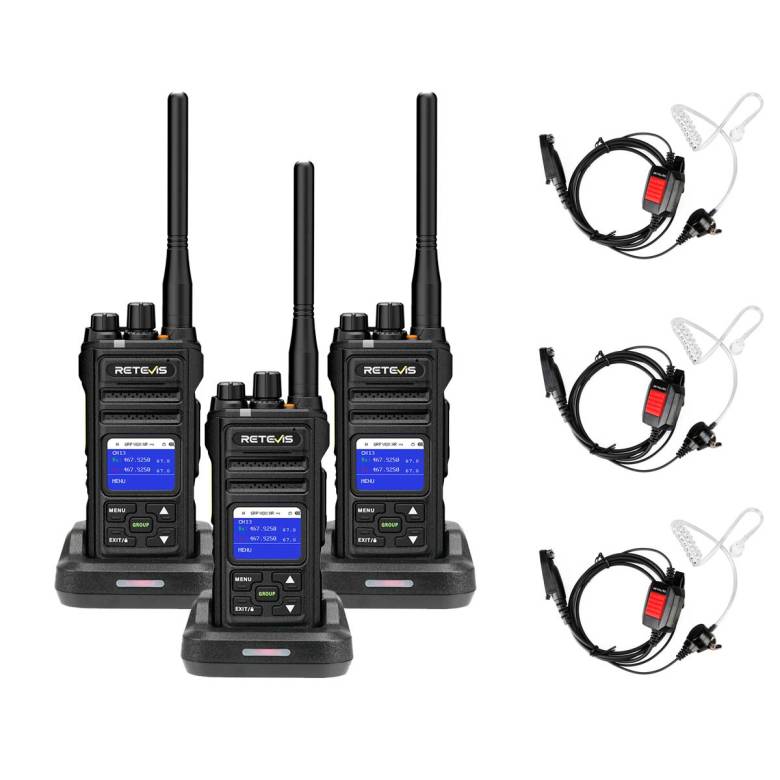
The Retevis construction radios for workers are built to handle the demands of the construction site, offering rugged durability, long-range communication, and weatherproof designs. These job site radios keep your team in connected and productive, whether they’re across the site or at different levels of a building. Offering features like crystal-clear audio, long battery life, and intuitive controls, our industrial grade two-way radios ensure efficient communication while enhancing safety and coordination.
Construction Radios: Frequently Asked Questions
On a construction jobsite, whether radios are allowed in the workplace is a critical question typically answered by the main contractor. While personal music players are often banned on building sites for safety reasons, effective construction site radio communication is absolutely essential.
Therefore, professional two-way radios for construction workers are a mandatory tool for safety and coordination. On any modern building site, especially within a dense concrete building, a standard signal can fail, making a rugged worksite radio a vital piece of equipment. This is why selecting the best radios for construction sites is a crucial decision for ensuring clear, reliable commands and maintaining a safe environment.
Durability: Designed for heavy-duty use in challenging work environments. Long-Range Communication: Ensures effective communication across large construction sites. Safety and Efficiency: Keep workers safe and on task with clear, uninterrupted communication. Retevis offers a wide range of two-way radios solutions for construction, designed to improve construction site communication and ensure clear, reliable communication in even the toughest environments.
For most construction sites, UHF (Ultra High Frequency) is the superior choice. UHF signals have shorter wavelengths that are much more effective at penetrating dense materials like concrete, steel, and multiple floors. This makes them ideal for multi-story buildings and complex industrial jobsites. VHF is better suited for open, unobstructed terrain like roadwork or large-scale landscaping.
An IP (Ingress Protection) rating tells you how well a radio is sealed against dust and water. The first number (e.g., '6') is for solids, and '6' means the device is completely dust-tight. The second number (e.g., '7') is for liquids, and '7' means it can be fully submerged in water up to 1 meter for 30 minutes. For a construction site, an IP67 rating ensures your radio will survive heavy rain, concrete dust, and accidental drops into puddles.
The range is dependent on the radio's power and the site's obstructions. For most multi-story buildings, a high-power UHF radio will provide good coverage. However, for very large high-rises or sites with extensive sub-levels, we recommend using a portable repeater (like our Retevis RT97L) to eliminate all dead zones and guarantee 100% site coverage.
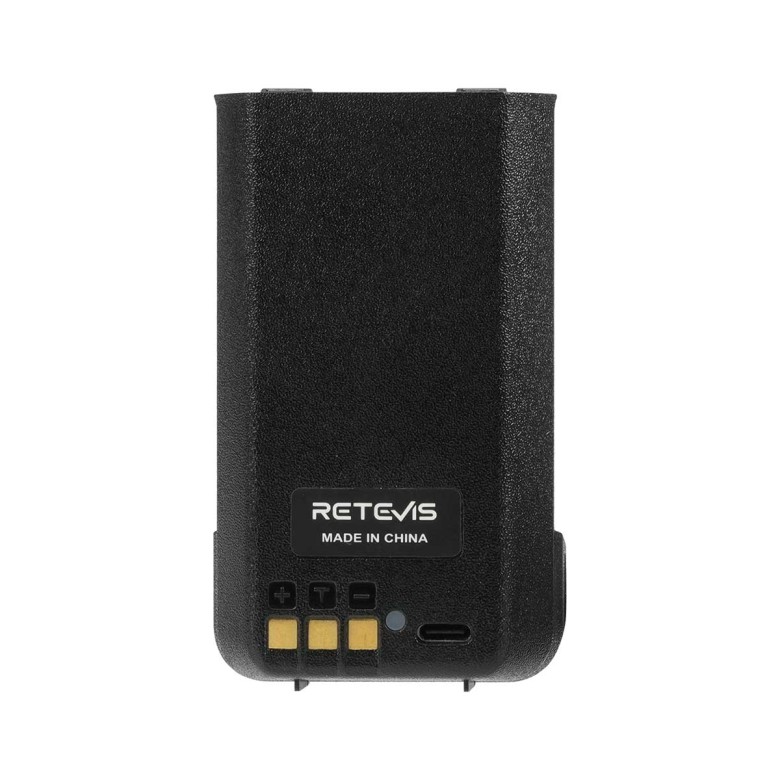
Retevis professional jobsite radios are equipped with high-capacity Li-ion batteries designed to last a full 10-12 hour shift under normal use. For projects running double shifts or continuous operations, we highly recommend our multi-port rapid chargers and having spare batteries on hand to ensure zero communication downtime.
It depends on the radio service. Radios operating on FRS (Family Radio Service) channels are license-free. However, for the increased power and range needed on most jobsites, we recommend GMRS or business band radios. Business band radios require a specific frequency license for your company's operational area. Our team can help you determine the best and most cost-effective radio solution option for your project.
Cost depends on crew size, site size and whether licensed operation is required. Single handhelds start at $49.99 per unit. A small crew of up to 10 people on one site can be equipped with entry-level licence-free radios. A mid-size crew of 10–30 people working across multiple floors typically needs IP67 UHF or DMR models with spare batteries, from around $120 per unit. Large or multi-site fleets use DMR digital radios with repeater coverage and managed charging. Licensing is a separate line item: FRS radios need no licence, while GMRS and business band radios require a frequency licence for your operating area.
Motorola, Kenwood, Icom and Hytera are all established brands with reliable construction-grade radios, and they are common choices for large fleets. Retevis is a strong option when you need the same core capabilities — IP67 dust and water protection, high-power UHF output, noise-cancelled audio and 12–25 hour battery life — at a lower cost per unit, with multi-pack bundles and published pricing that make fleet budgeting straightforward. The right choice depends on your site conditions, crew size, licensing situation and budget rather than on brand alone.
Radios with active noise cancellation and high-output speakers perform best around heavy machinery. Look for models with AI or digital noise reduction, such as the Retevis RT29S, and pair them with noise-cancelling speaker microphones or acoustic tube earpieces. Because equipment noise masks audio detail rather than just volume, noise processing matters more than maximum speaker loudness. Digital (DMR) models also suppress background noise at the transmit end, so the person receiving hears less machinery noise.
Yes, to a point — and UHF penetrates better than VHF. UHF's shorter wavelength passes through concrete and around steel structures more effectively, which is why UHF is the standard choice for multi-story buildings and dense urban sites. That said, no handheld radio penetrates a full concrete core reliably on its own. For buildings with thick slabs, basements or large dead zones, add a portable repeater such as the Retevis RT97L to extend coverage across floors and sub-levels.
Yes. Rental is often the right choice for short builds, peak-season crews and one-off projects, because it avoids capital outlay and the cost of storing and maintaining radios between projects. Talk to the Retevis team with your crew count, project duration and site layout — we can advise whether rental, a multi-pack purchase or a mix of both is more cost-effective for your project.
- Concrete high-rises and steel structures — high-power UHF handhelds such as the RT29 or RT29S.
- Basements, sub-levels and dead zones — UHF handhelds plus a portable repeater such as the RT97L.
- Open ground, roadwork and infrastructure — VHF, or a repeater-backed UHF system for longer runs.
- High-noise environments (saws, breakers, heavy machinery) — AI noise-reduction models such as the RT29S, paired with a noise-cancelling speaker mic.
- All-weather outdoor work (rain, dust, snow) — IP67 handhelds with a waterproof speaker mic such as the RT29 or RB648P.
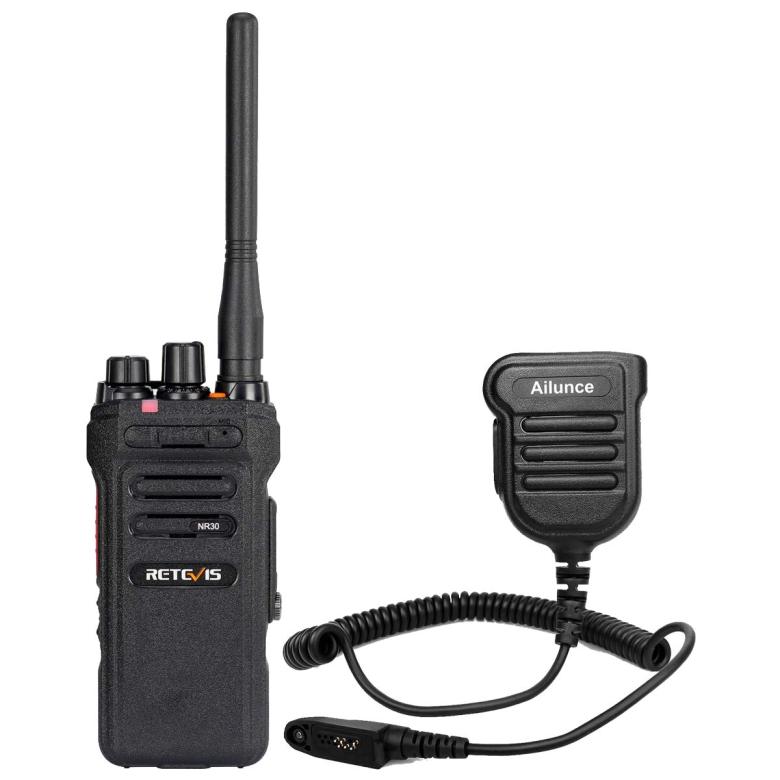
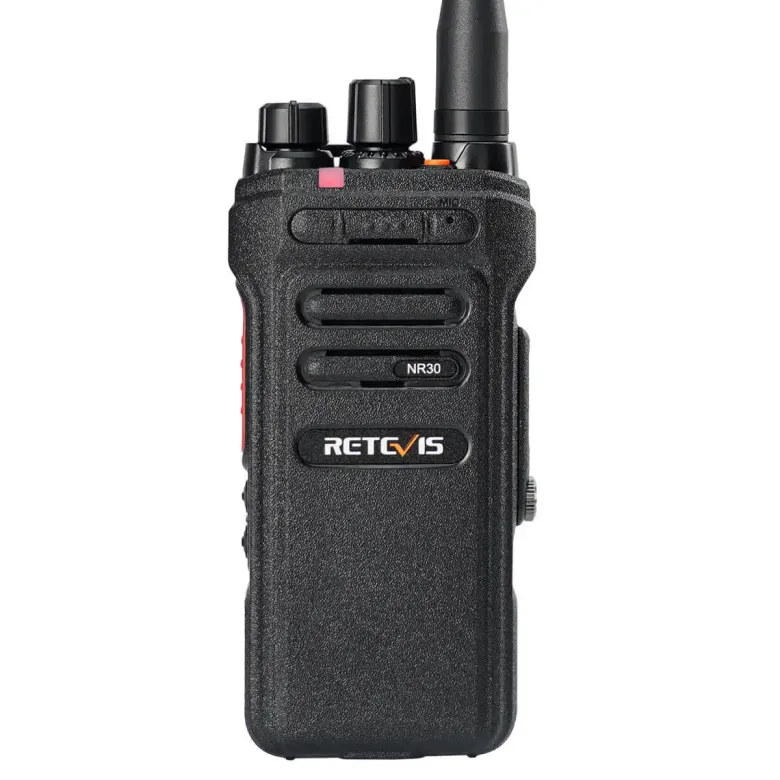
- Fleets, multiple crews and multi-site projects — DMR digital models such as the RT29D or NR30D for talk groups and encryption.
- Small licence-free teams — FRS or PMR446 radios such as the RB629.
- Equipment operators and vehicle-based roles — mobile radios paired with handhelds.




 Google
 Amazon