
Best Two Way Radios for Industrial Use
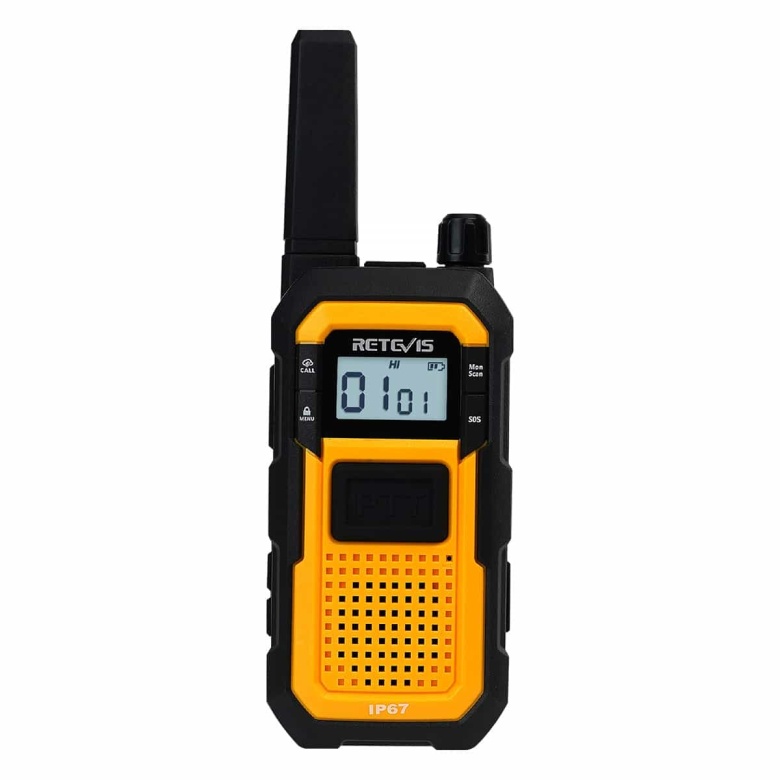
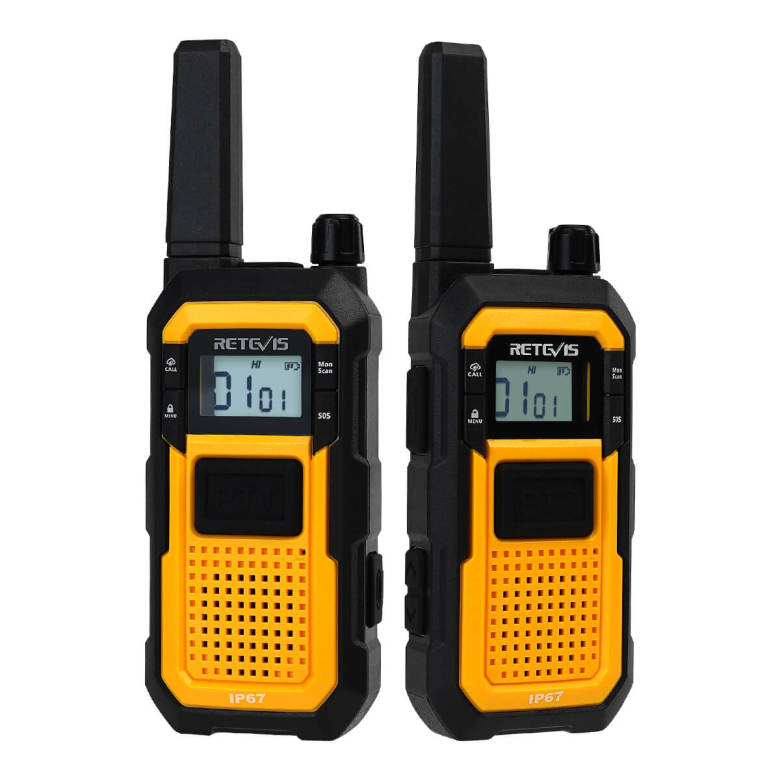
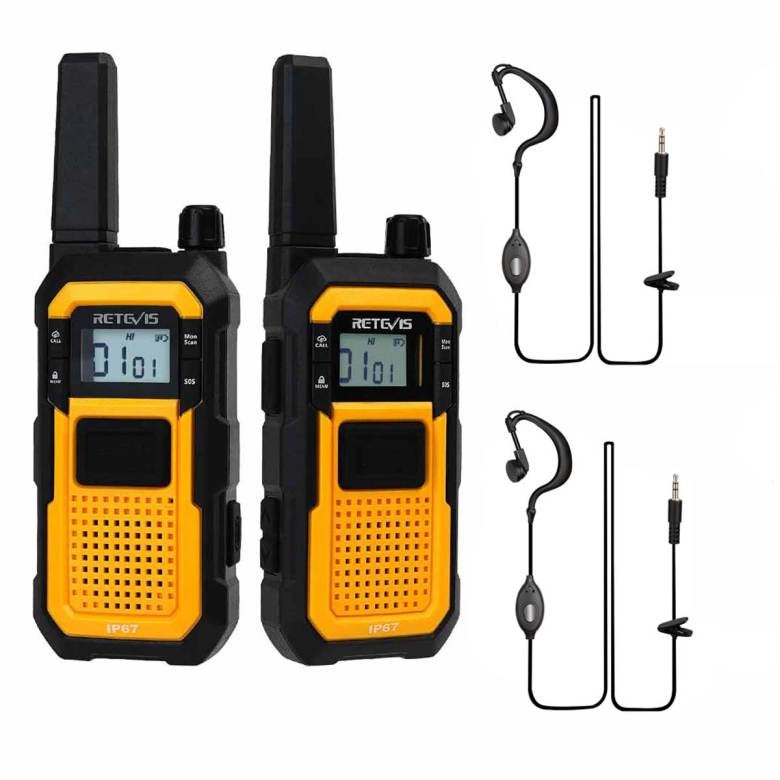
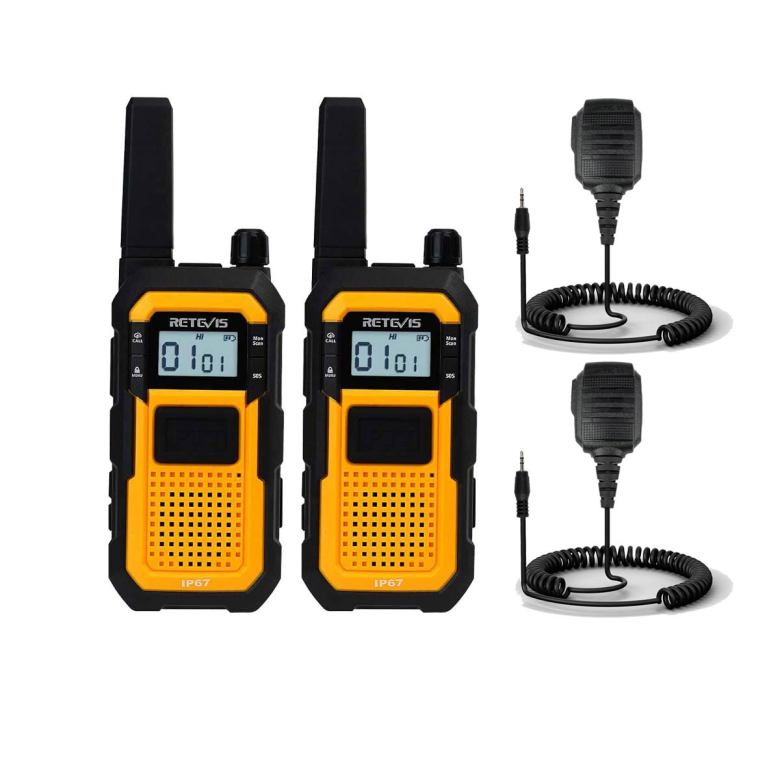
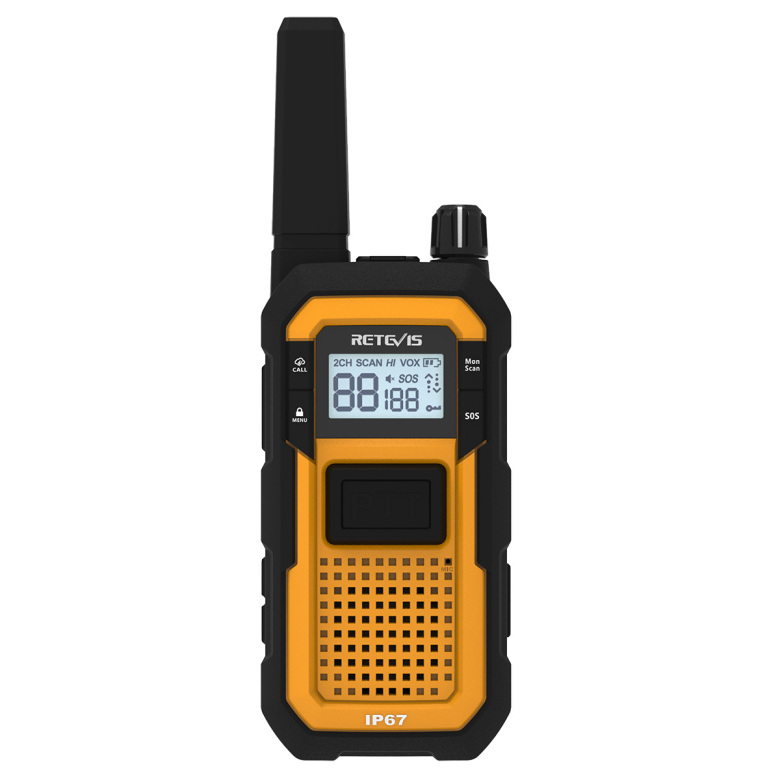
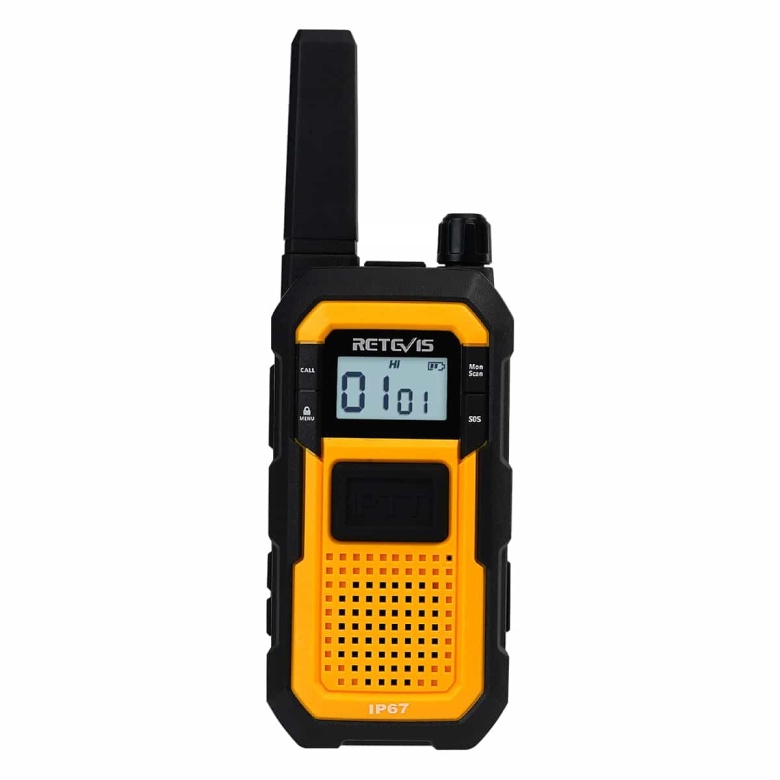
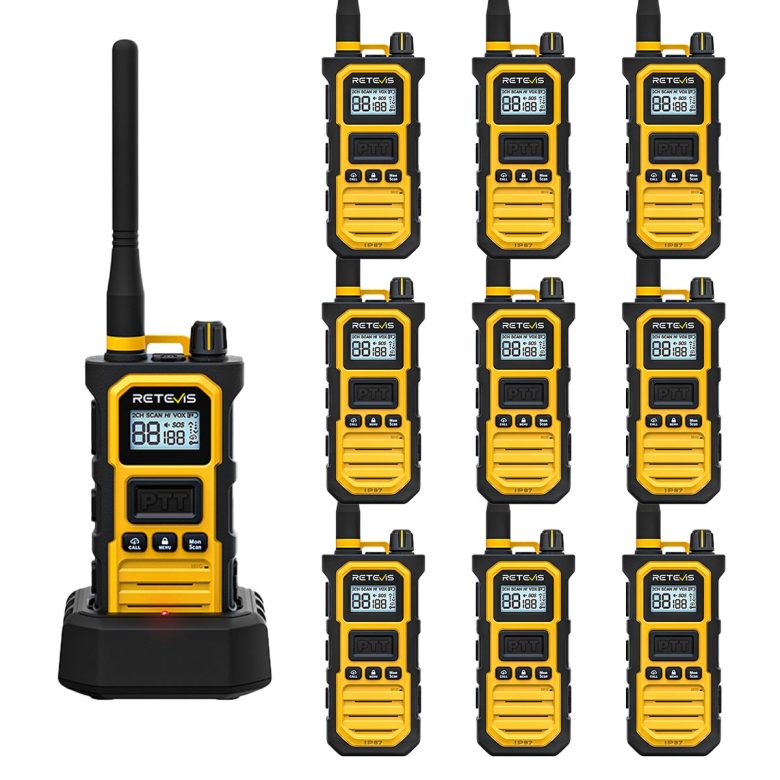
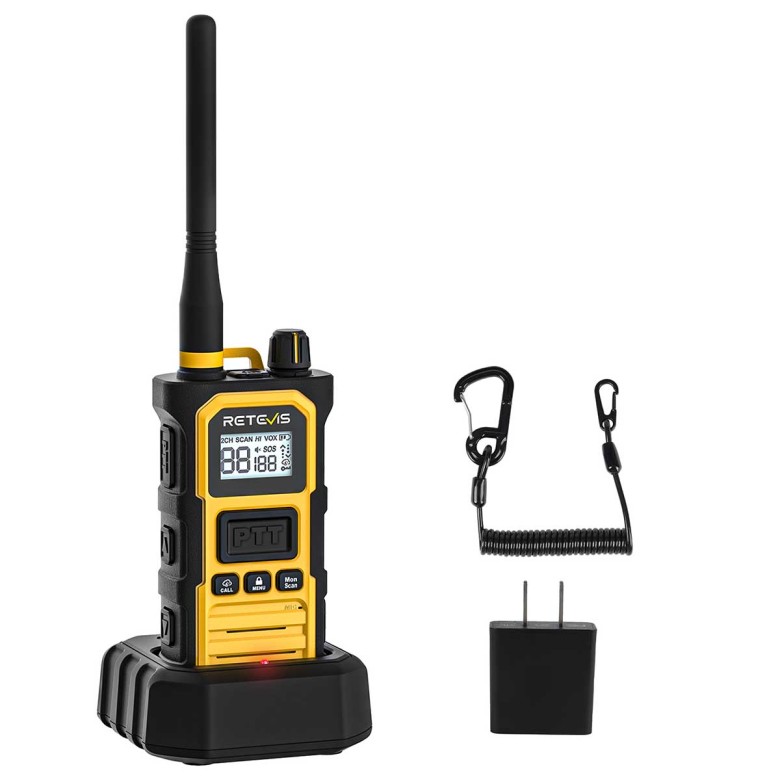
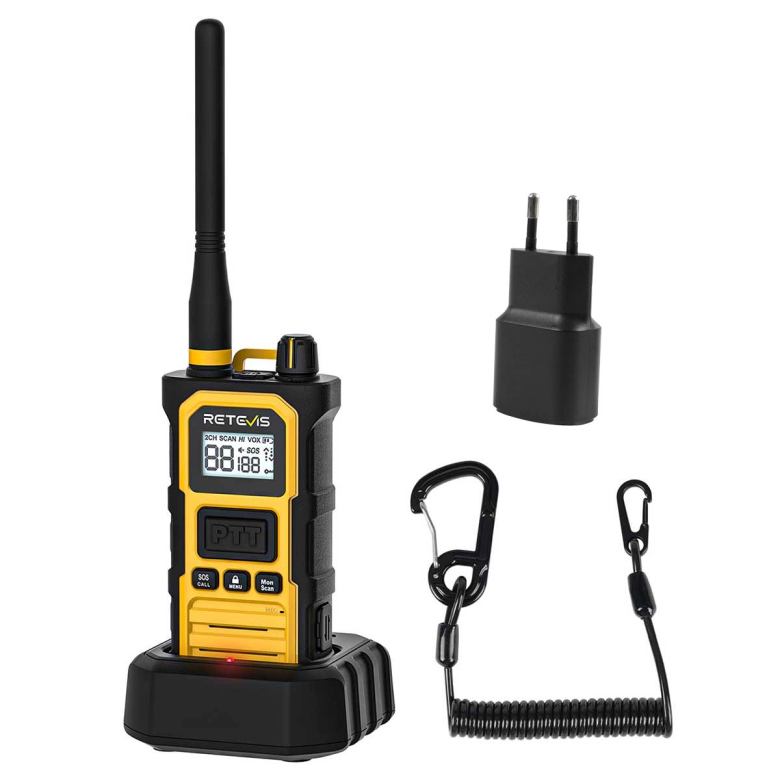
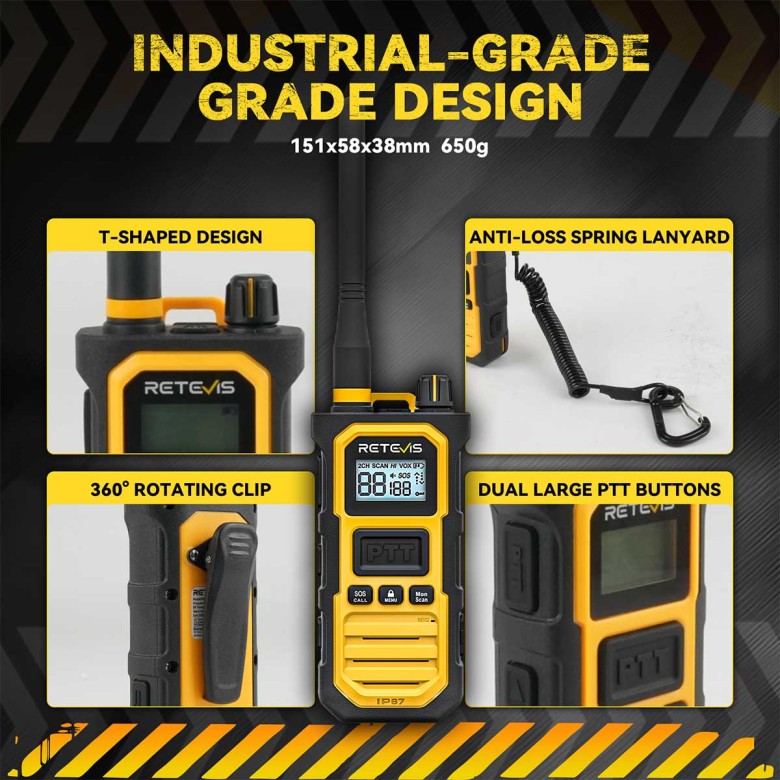
Retevis professional two-way radios are built for the industrial work site: production floors, steel plants, refineries and multi-building industrial sites. Every model below is specified for industrial radio communication that has to survive a full shift — IP67 or IP68 sealing, MIL-STD-810G drop and temperature testing, AI noise suppression, and 12–20 hours of battery per charge.

[]
[]
How to Choose: industrial radio communication that survives the site
Six criteria decide whether a radio is genuinely factory-ready or just marketed that way.
1 · Ingress protection and impact rating
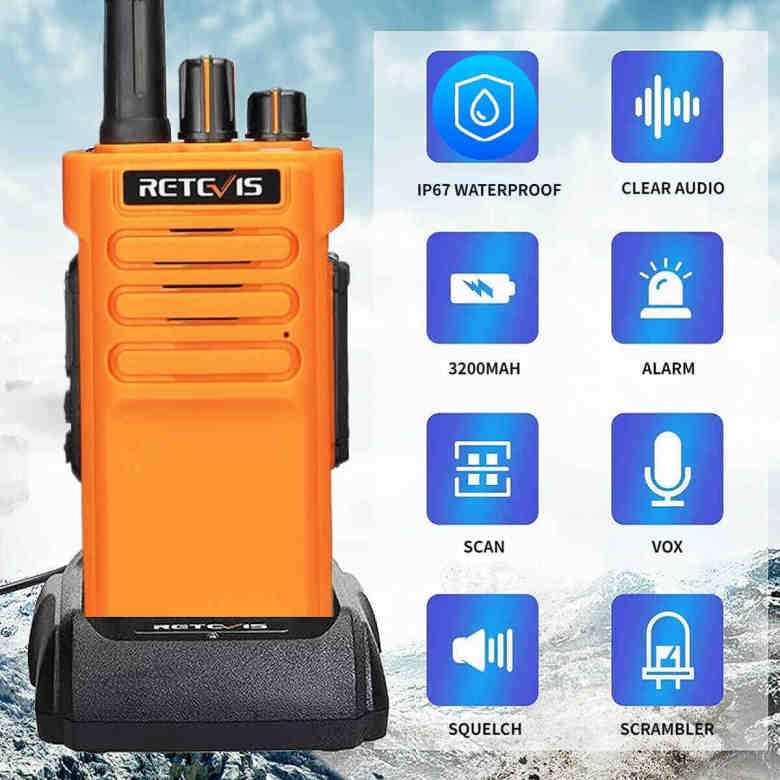
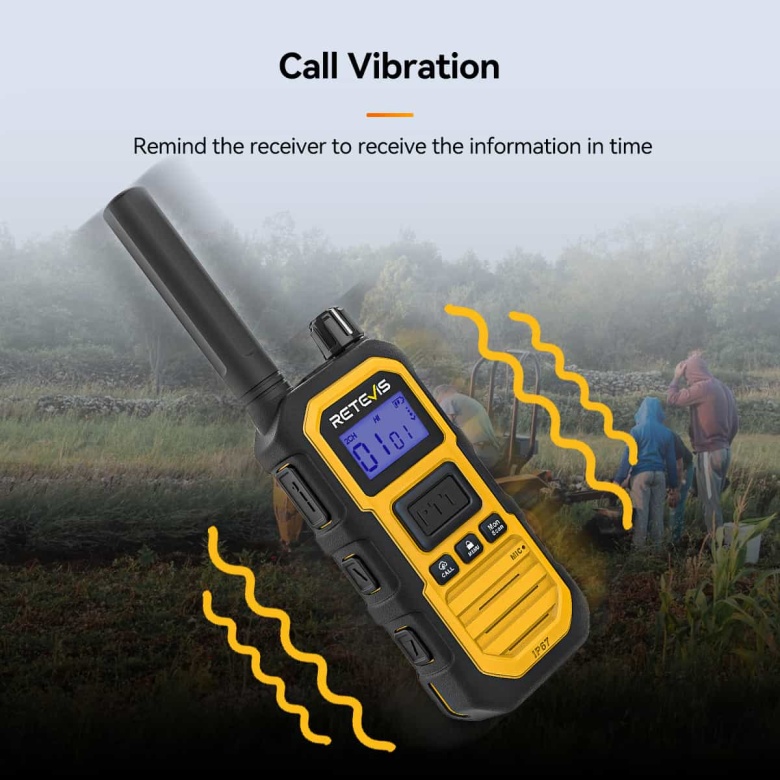
IP67 is the practical floor for an industrial environment: fully dust-tight and survivable after 30 minutes at 1 metre of water. Wet processing areas, food production and outdoor yards justify IP68. Pair the IP rating with a MIL-STD-810G/H certificate for drops, vibration and temperature shock — an IP rating alone says nothing about impact.
2 · Durability and noise suppression for field workers
Durability means the housing, the antenna mount and the battery latch, not just the shell. Noise suppression is the second half of the same requirement: on a factory floor, a radio that is rugged but unintelligible is not durable in any useful sense. Look for digital processing with AI noise cancellation, and check that the speaker reaches usable loudness over machinery — analog microphones simply clip at high SPL.
3 · Signal penetration through metal walls and racking
This is the single most common reason industrial radio deployments underperform. UHF propagates better than VHF through steel, concrete and dense racking, which is why UHF dominates manufacturing and warehousing. Signal loss comes from metal mass, not from distance — and no handheld covers a multi-building industrial site on its own.
4 · Coverage planning for large industrial sites
Before choosing hardware, walk the site and mark dead spots, hazardous zones and the number of teams needing their own channel. Tall metal racking, reinforced concrete and basement plant rooms all shadow handheld coverage. Where a handheld cannot reach, a repeater solves it — and a repeater is a system decision, not an accessory.
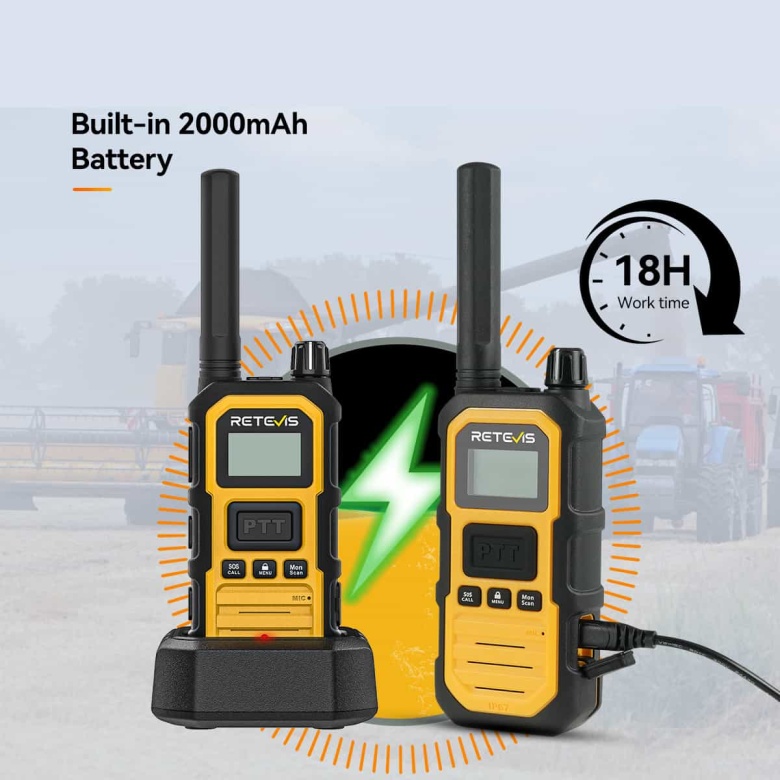
5 · Battery life for long shifts
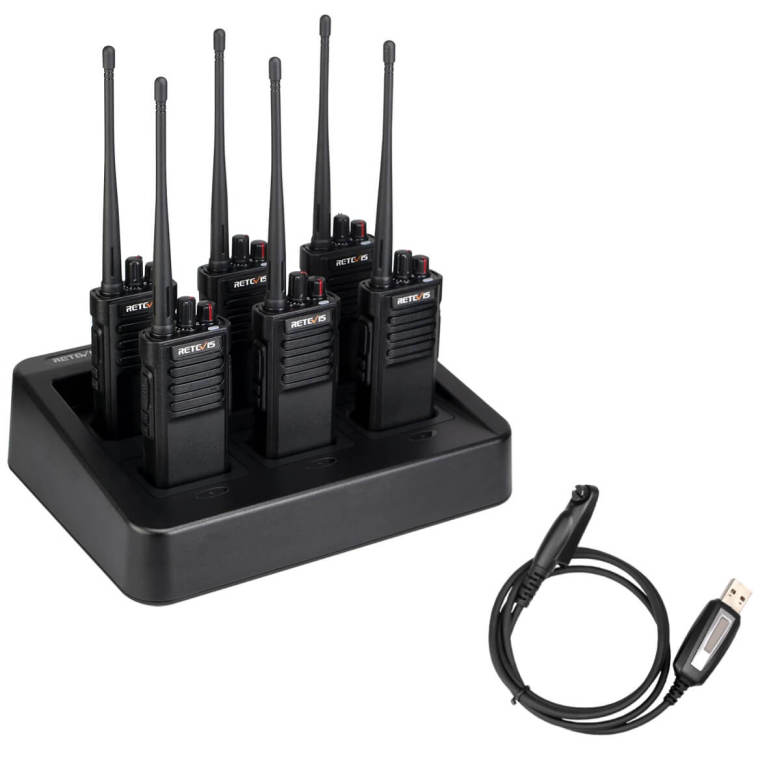
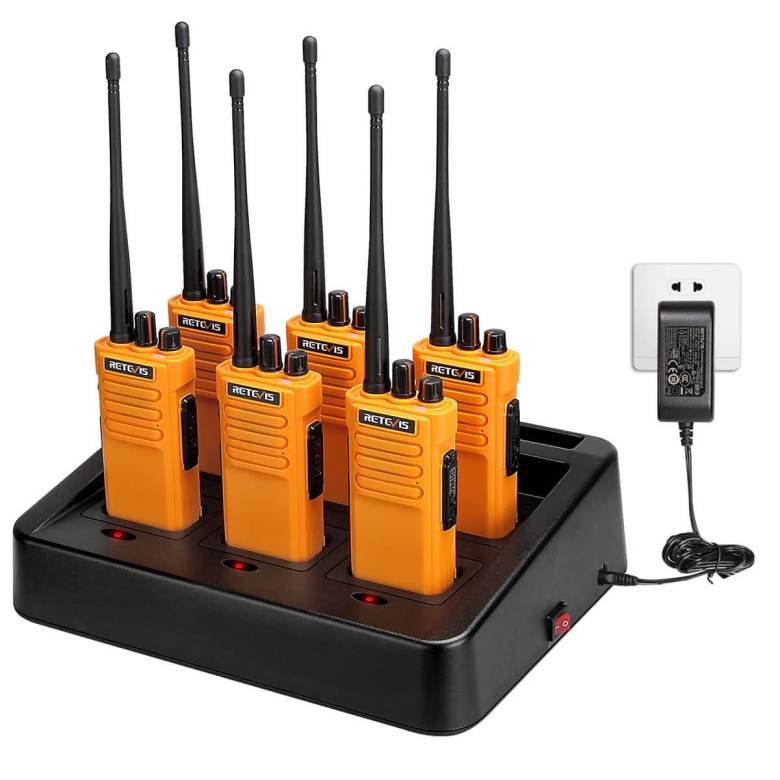
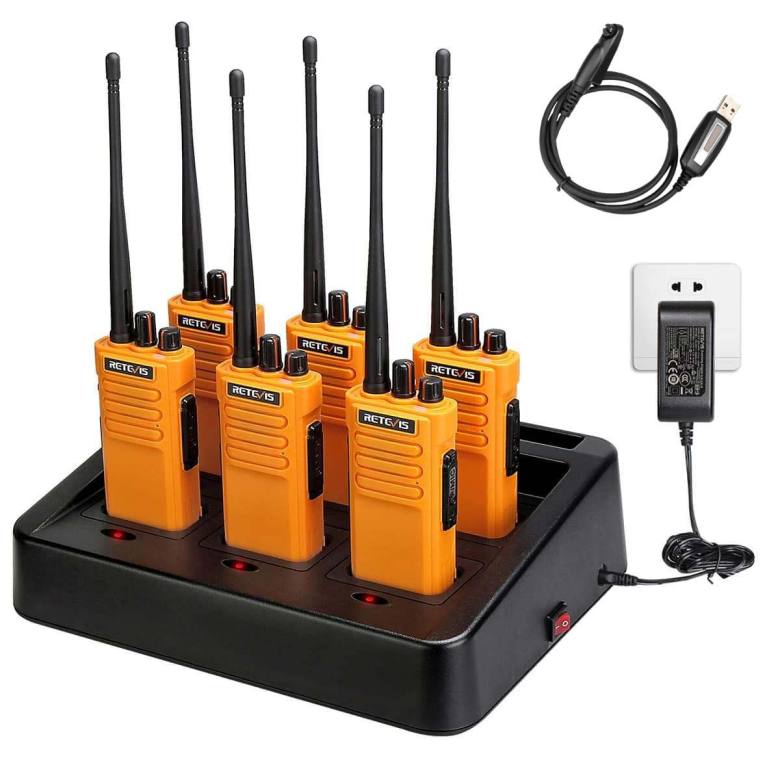
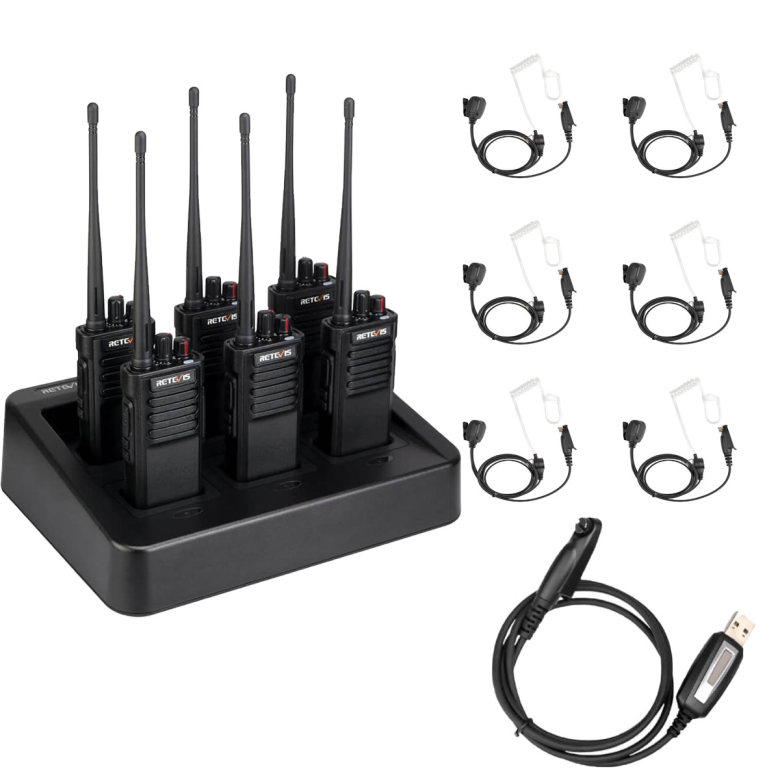
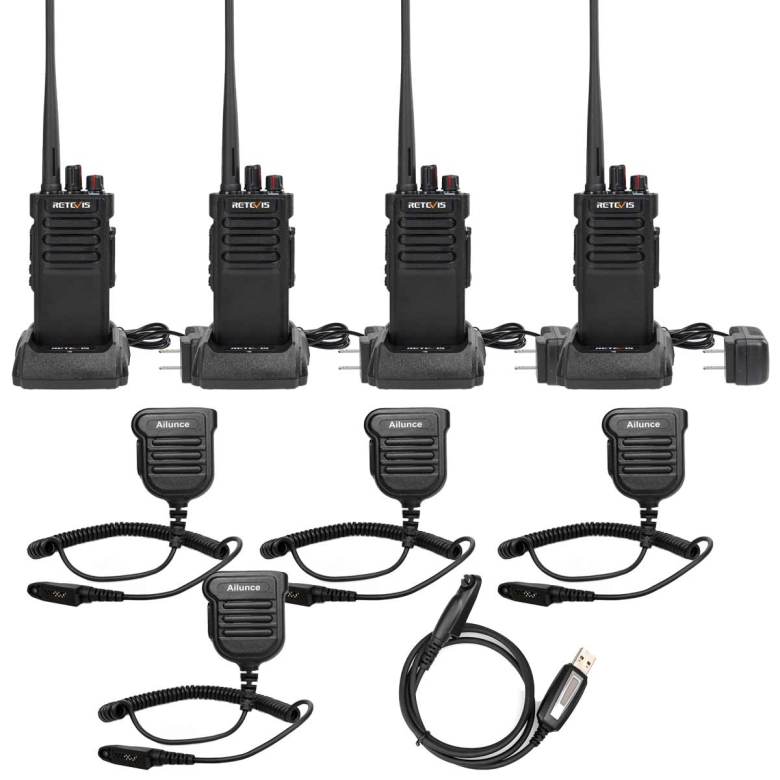
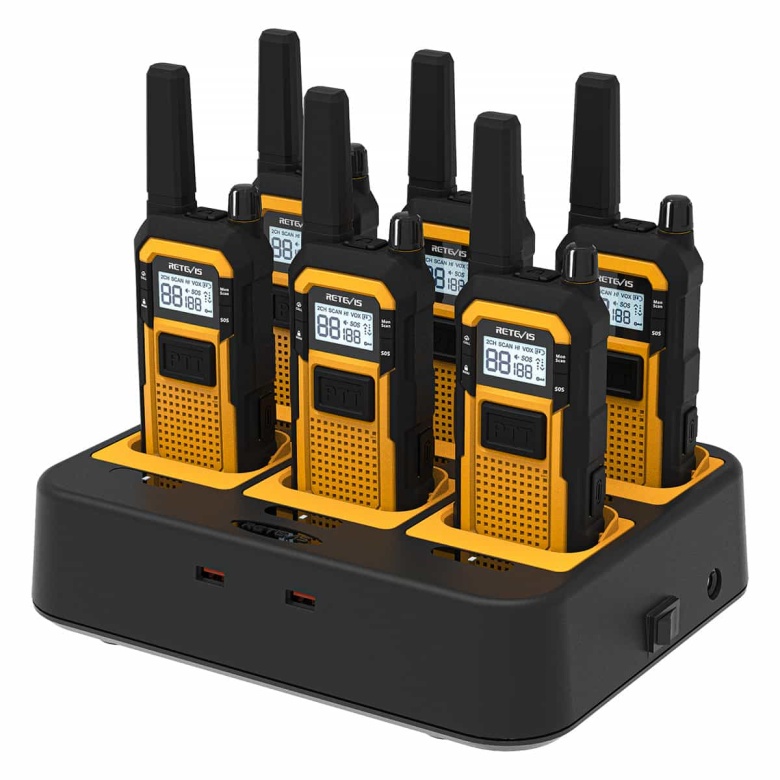
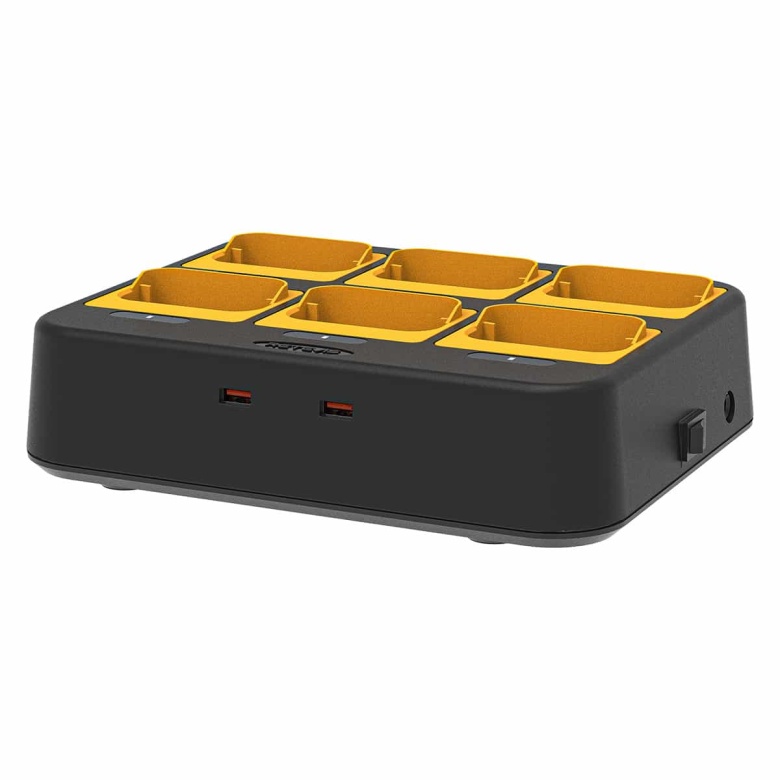
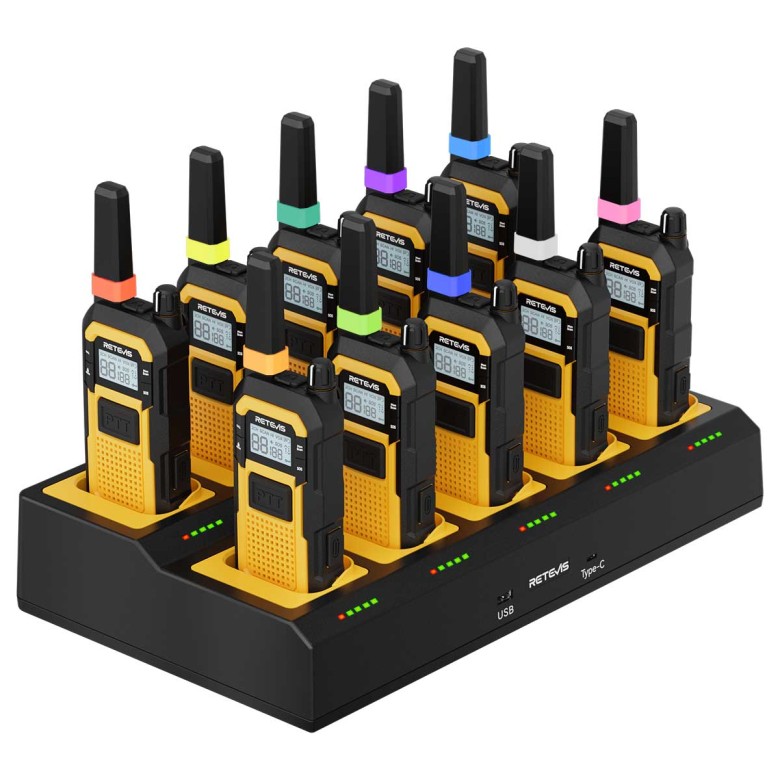
Match stated capacity against your actual shift pattern and the number of channels in use. Plan for a spare pack per radio rather than a mid-shift swap, and standardise on multi-unit chargers so a whole team's fleet charges in one place at shift end.
6 · Safety integrations and licensing
Emergency alerts, Lone Worker timers, Man Down sensors and GPS location are the features that justify industrial-grade pricing. Verify them per model, not per brand — they are frequently optional. On licensing, confirm whether the model operates on licence-free bands or needs a business licence in your jurisdiction.
High-performance radios for industrial zones: which model fits which area
An industrial site is never one radio environment. Noise, construction and shift length change from bay to bay, which is why most plants end up standardising on two or three models rather than one. The table below maps the eight situations industrial buyers ask about most to the model that fits — and to the reason it fits.
| # | On-site area/scene | Recommended models | Why it? | Matching Dimensions |
|---|---|---|---|---|
| 1 | High-noise production workshop stamping/injection molding/assembly lines |
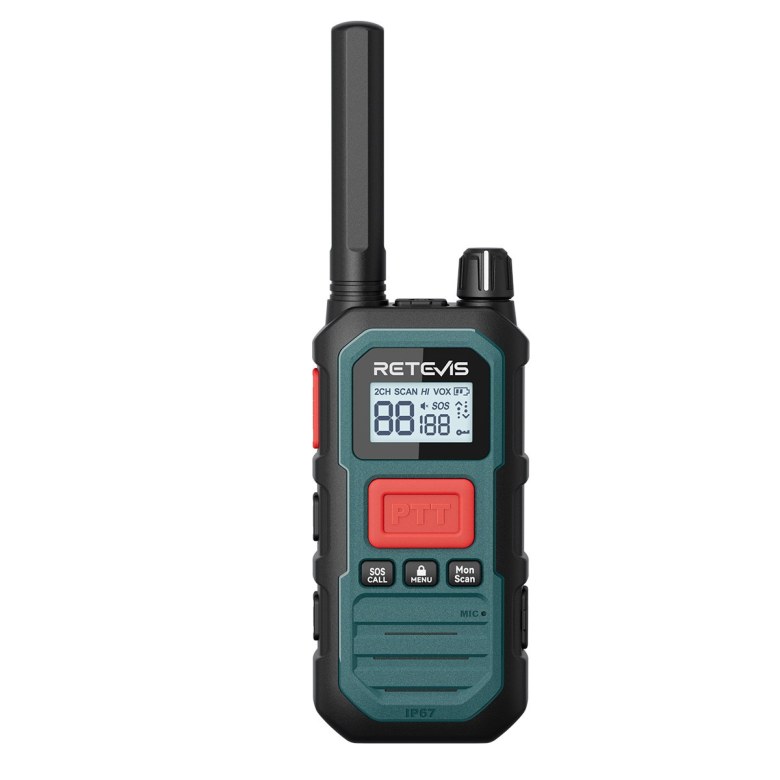
RB48 Plus / RB48 Pro | IP67 rating + AI noise reduction, capable of recognizing mechanical noise upon command; RB48 series also has a license-free version. | High-noise work teams |
| 2 | Large factory area - long-distance steel structure + concrete partition |
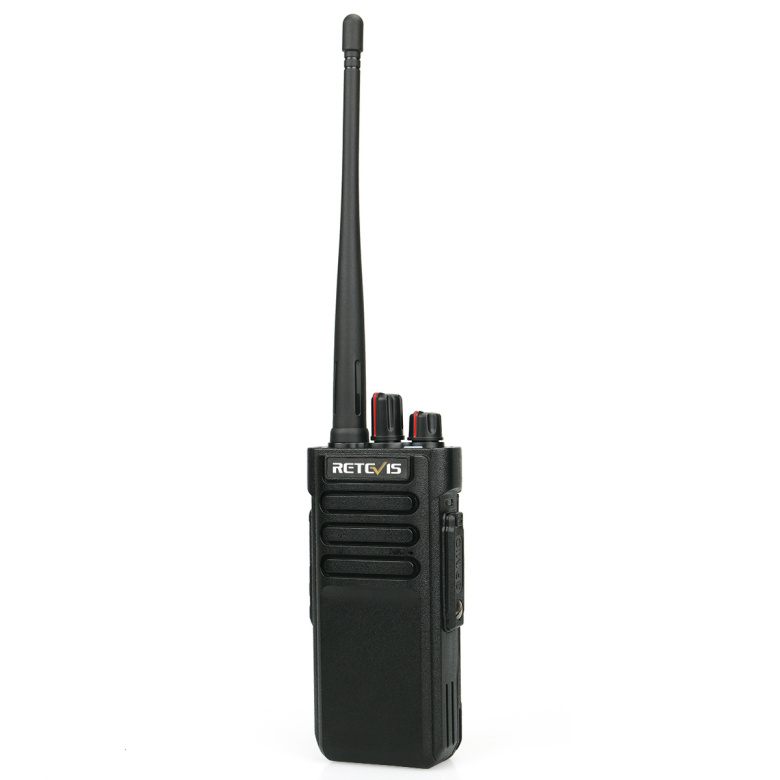
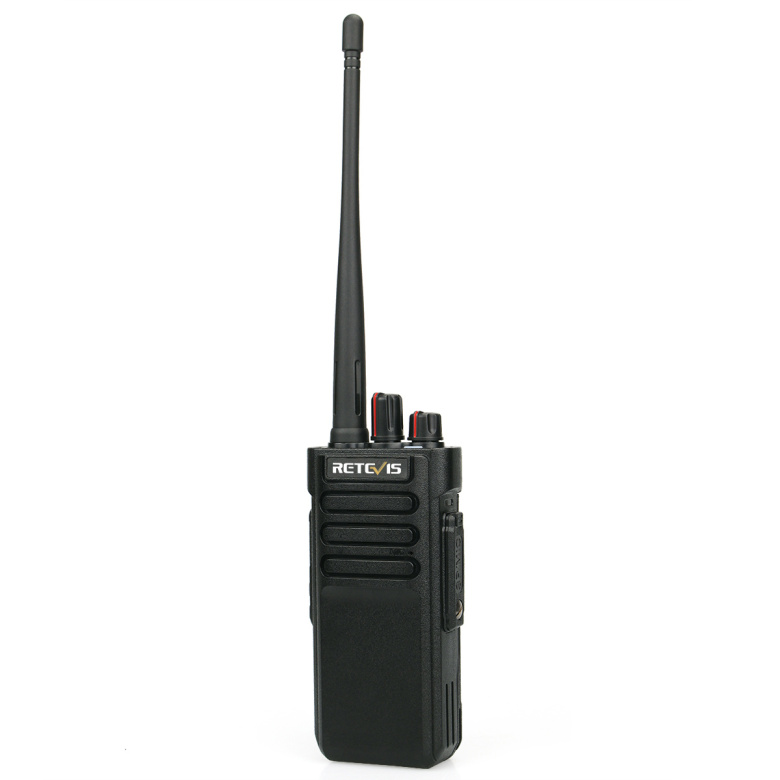
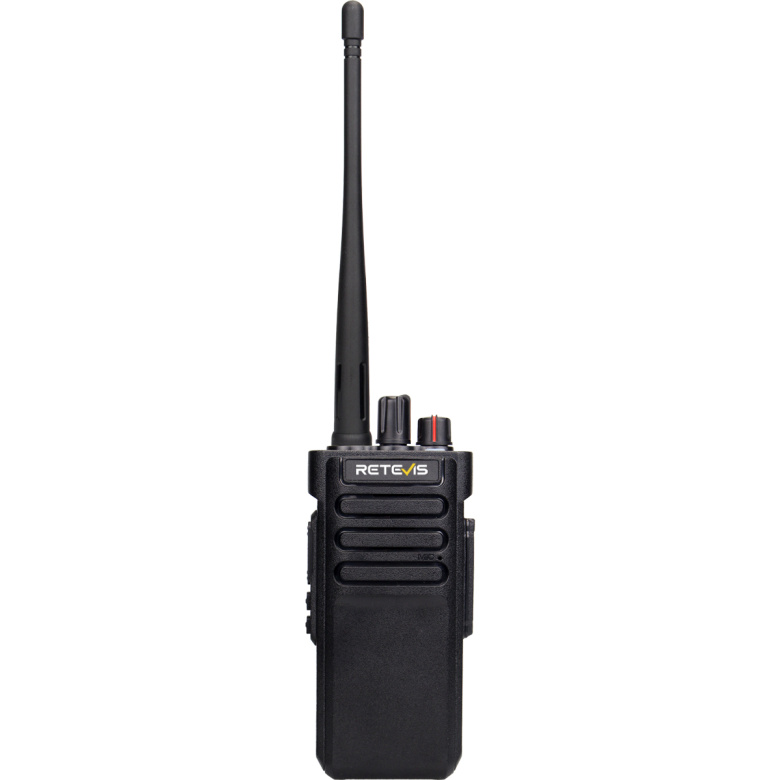
RT29(10W UHF) | 10W UHF high power, penetrating steel structures and dense shelving; strongest unit coverage. | Long-distance penetration |
| 3 | Cross-building/multi-story factory area, multi-building park, cross-floor communication |
RT29D + Repeater | DMR digital standard + network coverage, handheld devices cover a single floor, and repeaters connect buildings. | Multi-building coverage |
| 4 | Outdoor material yard ↔ Main workshop open-air storage yard, long-distance linkage |
RT29 VHF / RT29D | VHF radio can travel further in open areas, maintaining communication with production areas; the waterproof fuselage is suitable for outdoor operations. | Outdoor long distance |
| 5 | Long-duty security and patrol shifts of 12 hours or more |
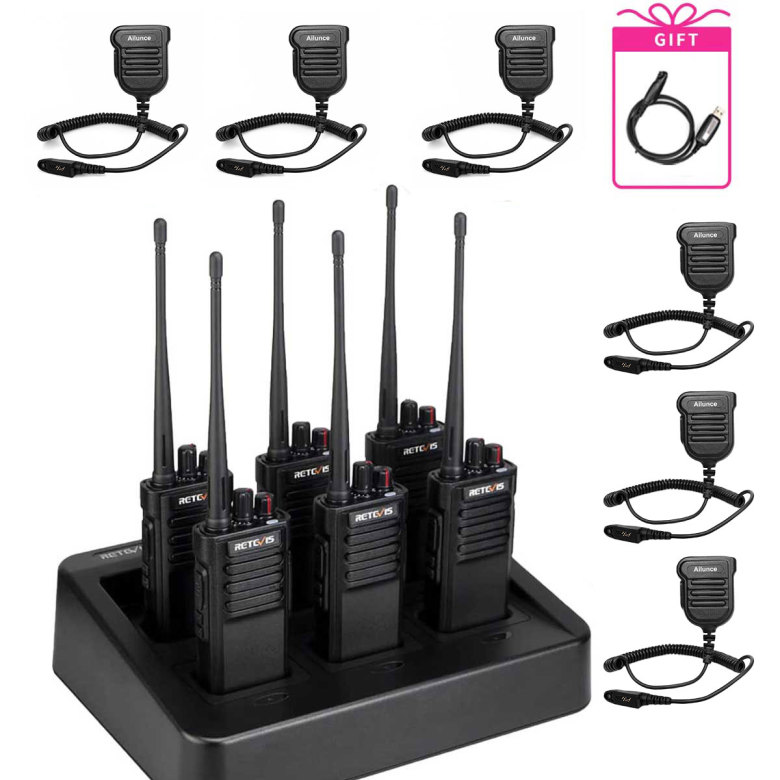
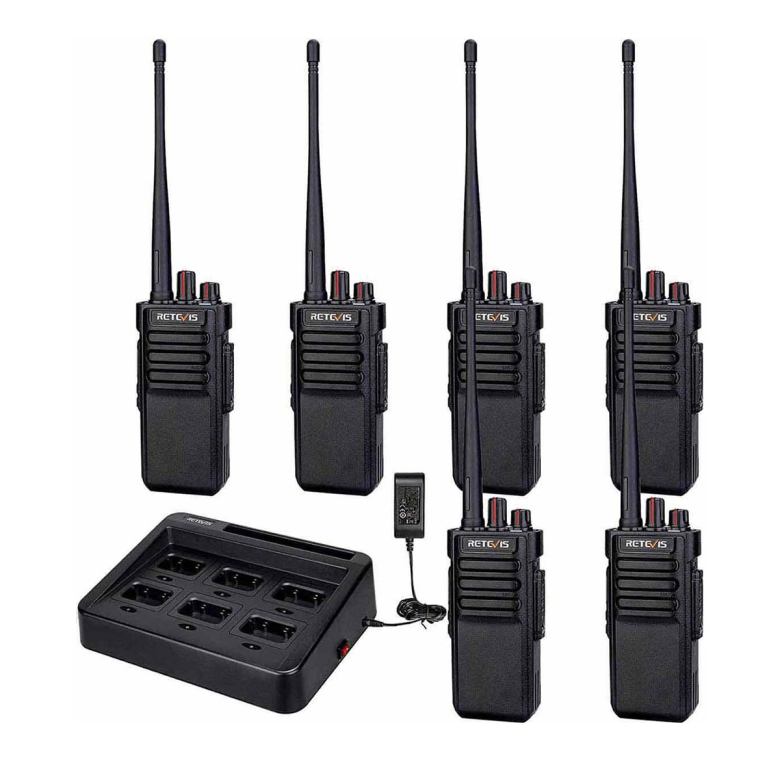
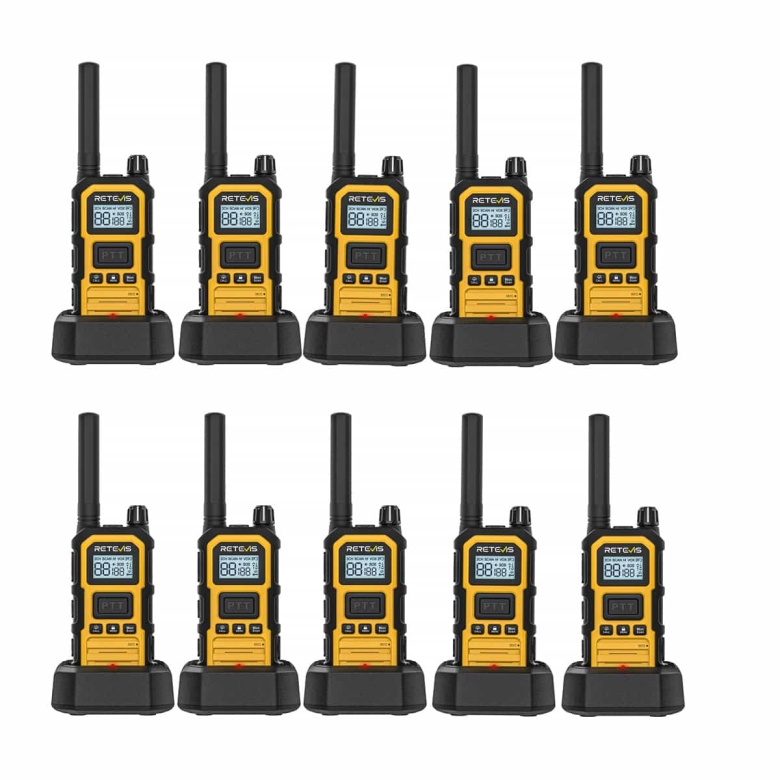
RT29D long-standby | Long standby time + waterproof, comes with a multi-charger stand to meet the needs of the whole team for simultaneous resupply. | Long-haul |
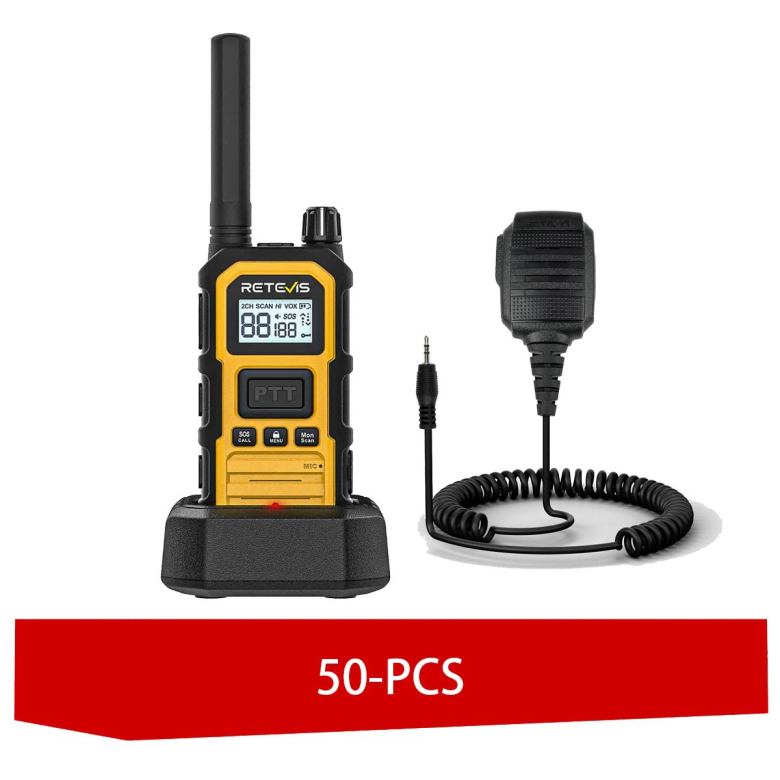
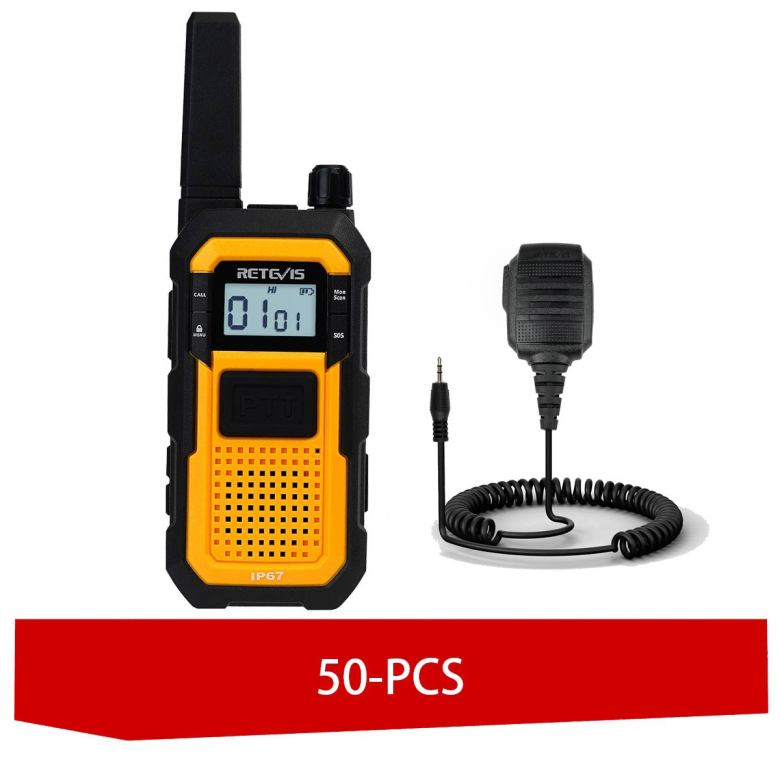
| 6 | Batch team deployment of 50 or more units |
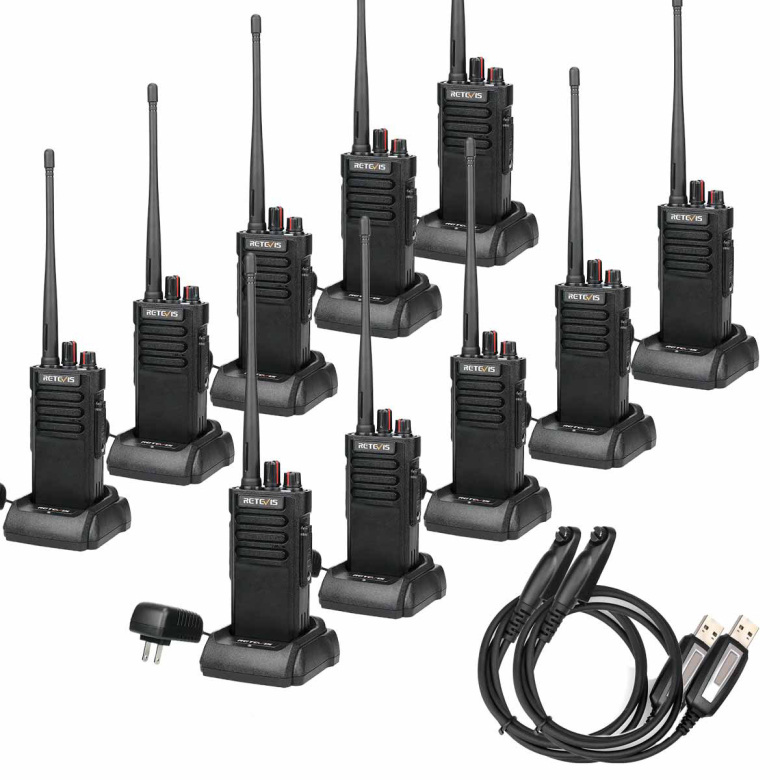
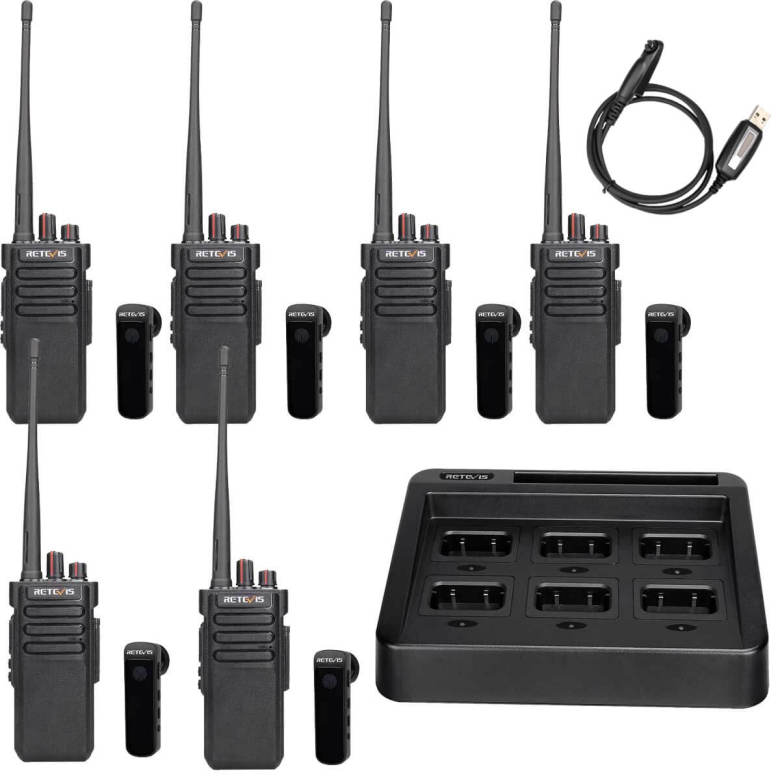
RB648 50-pack / RB48 6-pack | Multi-unit charging rack + bulk package, deploy one team at a time; PMR446 / FRS version license-free. | Batch deployment |
| 7 | License-free daily work groups , small workshops, and shift handover |
RB48 FRS / RB648 PMR446 | License-free frequency bands, deployment without application; suitable for daily work teams to get started quickly. | No license required |
| 8 | Phased upgrade and replacement with existing DMR systems |
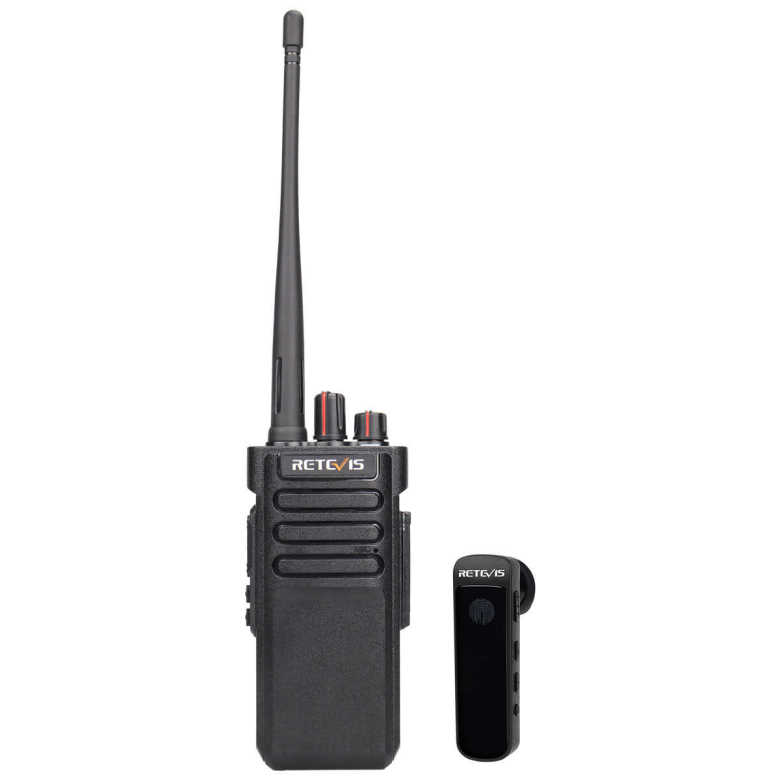
RT29D series | DMR + analog dual-mode, compatible with existing digital systems, supports Bluetooth accessories and noise cancellation. | Digital Hybrid |
Industrial Two Way Radio FAQs


 Google
 Amazon