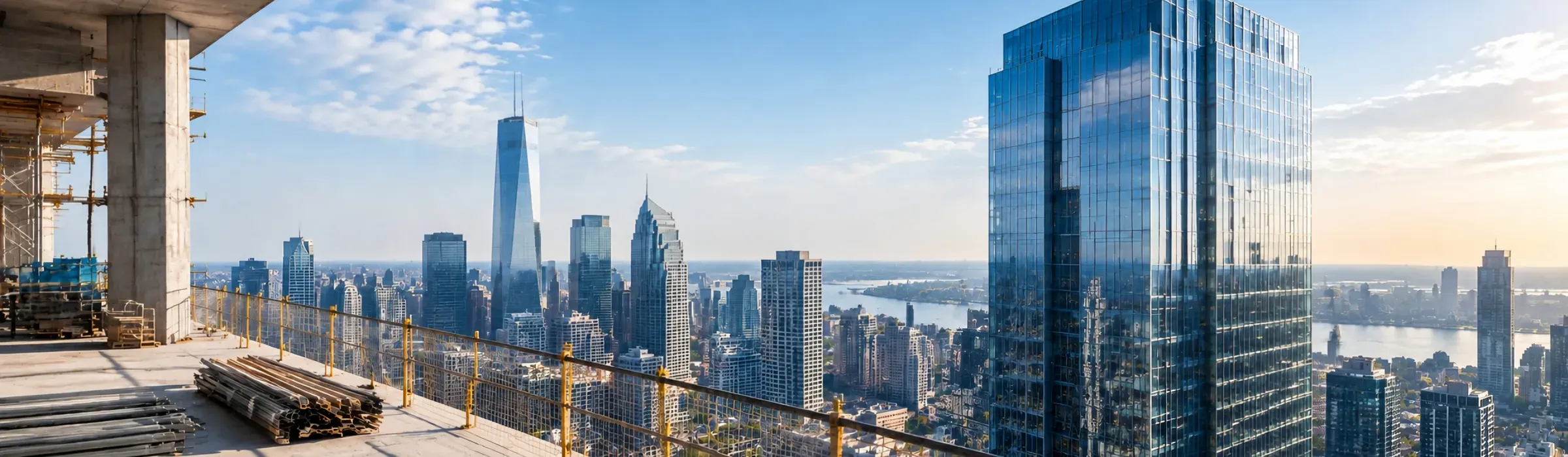
High-Rise Construction Radio Solution
Contact Sales
A high-rise office project covering two 28-story buildings required reliable communication from the basement to upper-floor work areas. High rise building construction on this scale concentrates hundreds of workers inside one vertical structure, and a two way radio system for high rise building construction has to keep every one of them reachable as the towers grow.
With around 500 workers at peak construction, multiple teams operated across different floors, while reinforced concrete structures and construction noise created communication challenges. The project needed a flexible radio system for daily coordination, lifting operations, safety management, and emergency communication.
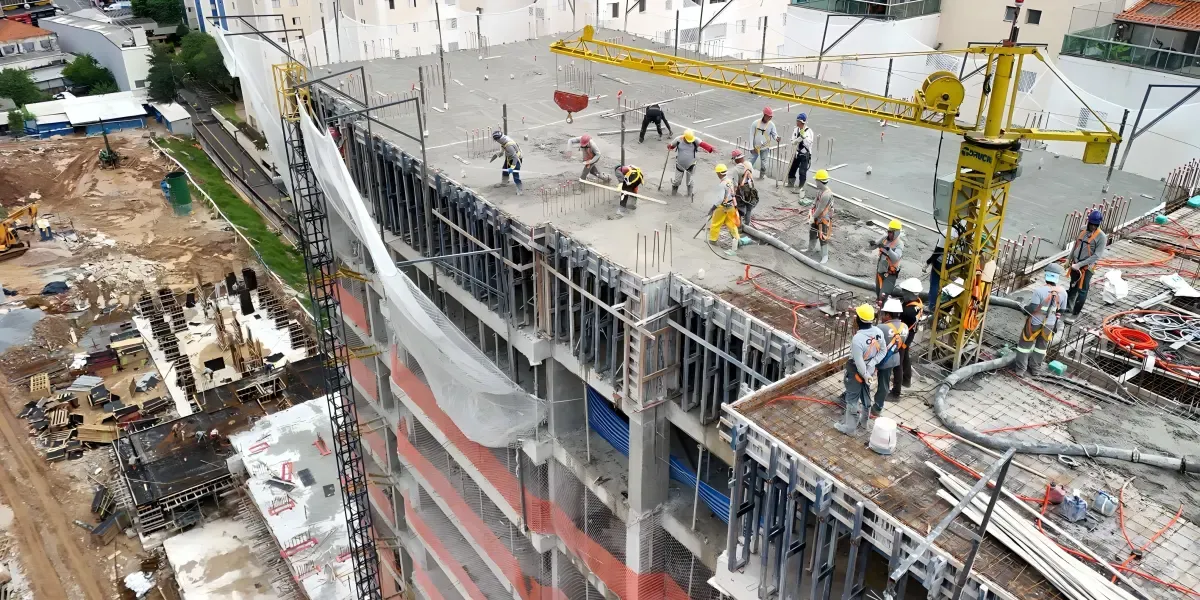
Reinforced concrete walls, floor slabs, and elevator shafts weakened radio signals and created coverage blind spots across different floors.
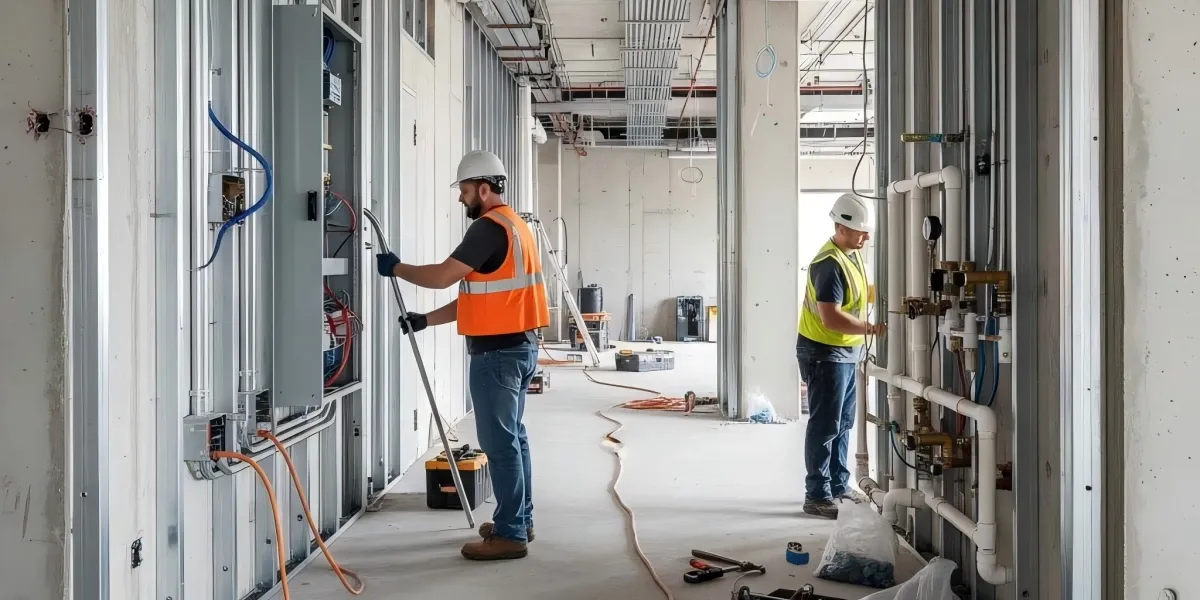
Construction, MEP, finishing, materials, safety, and management teams needed separate communication channels for efficient coordination.
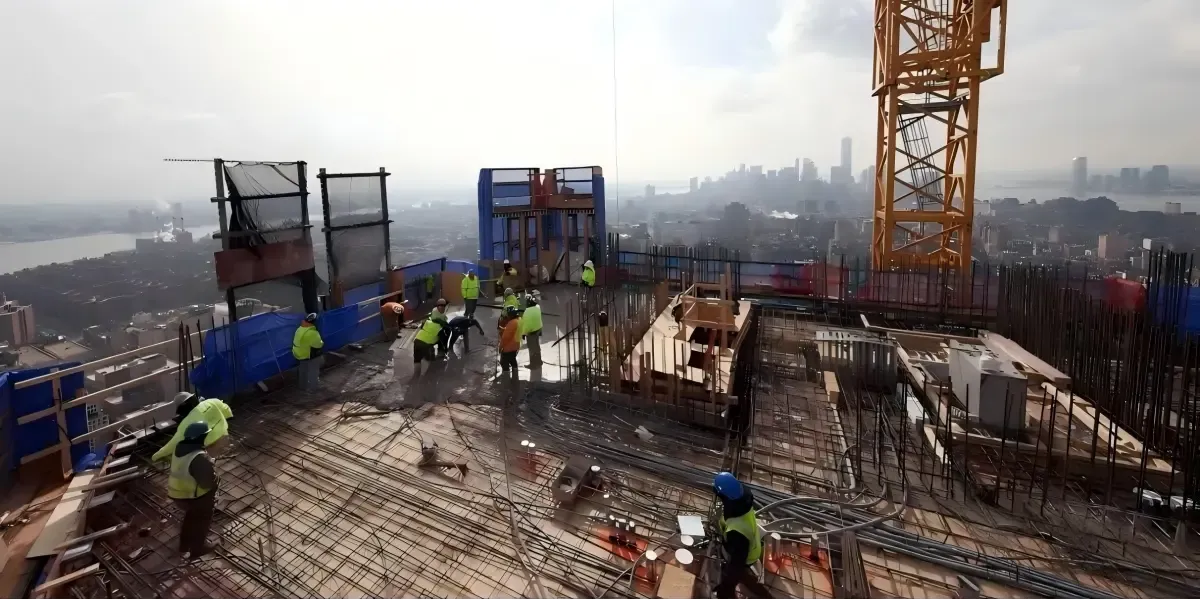
Heavy machinery and equipment made voice communication difficult, especially for tower crane operators and workers in high-noise areas.
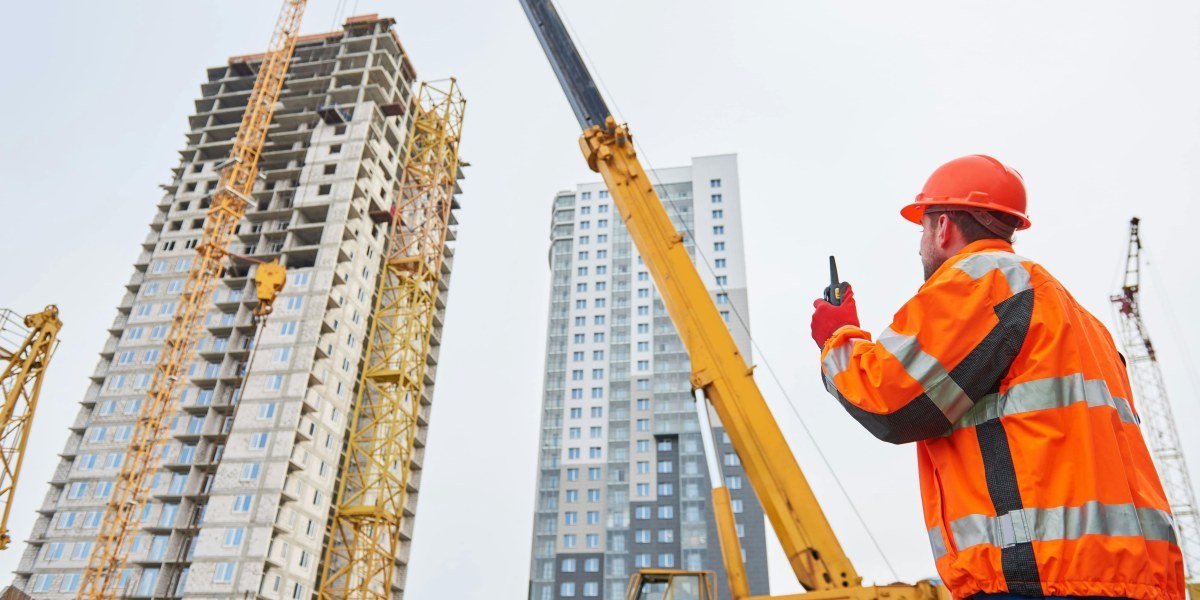
Tower crane operations, lifting activities, and emergencies required fast and reliable communication between operators, supervisors, and safety personnel.
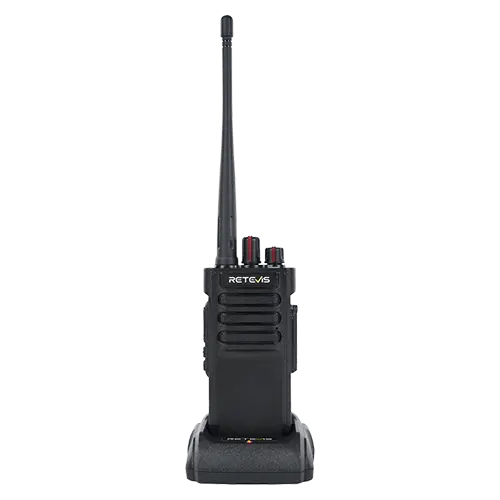
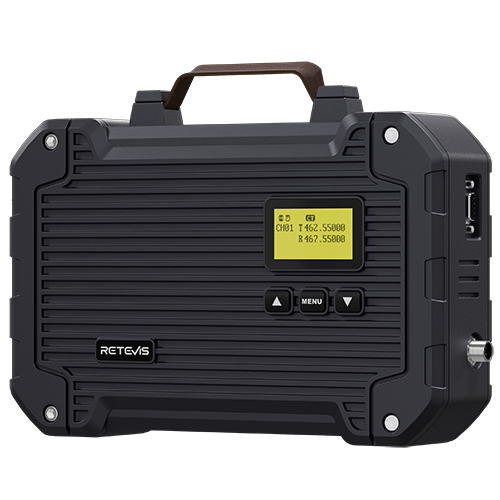
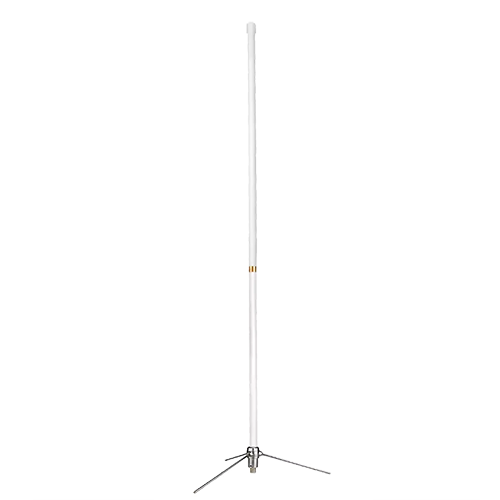
The solution uses RT29 handheld radios + RT97L 25W repeater + high-gain antenna to build a communication network across the construction site
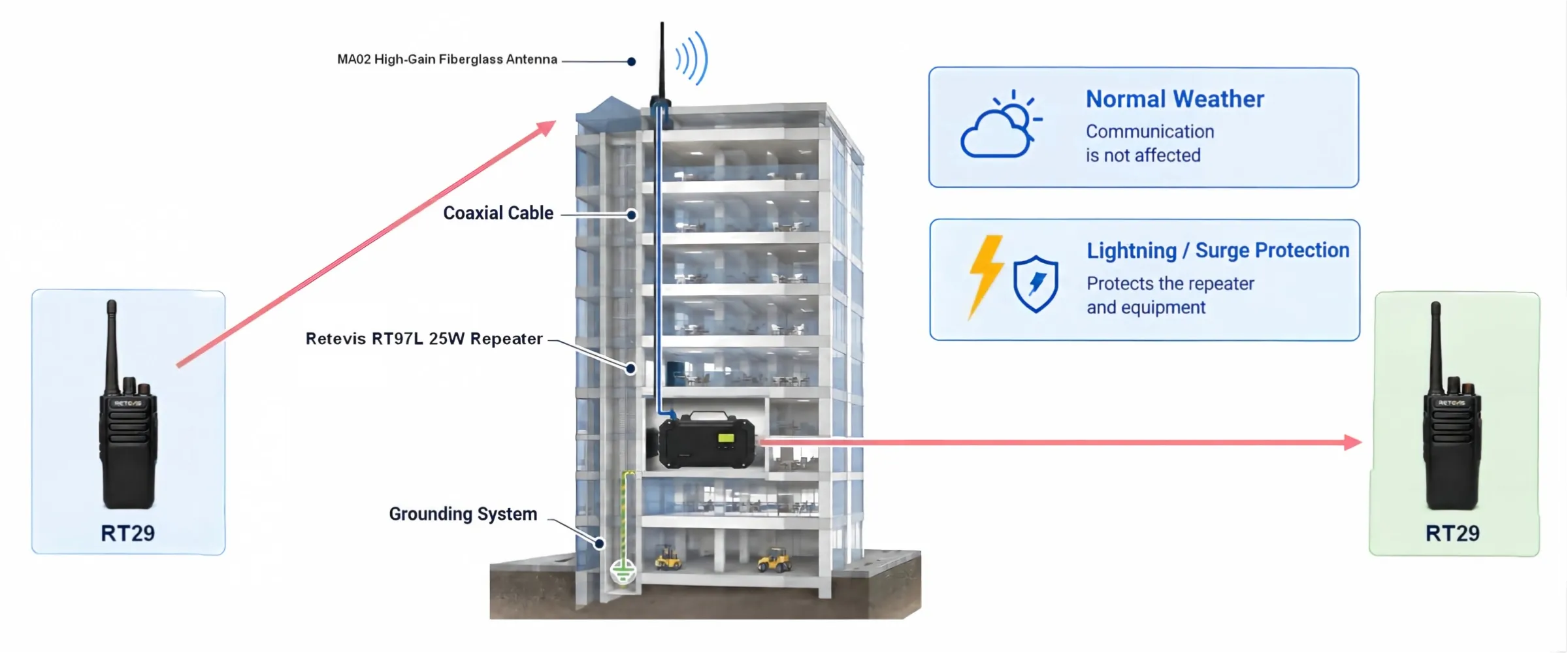
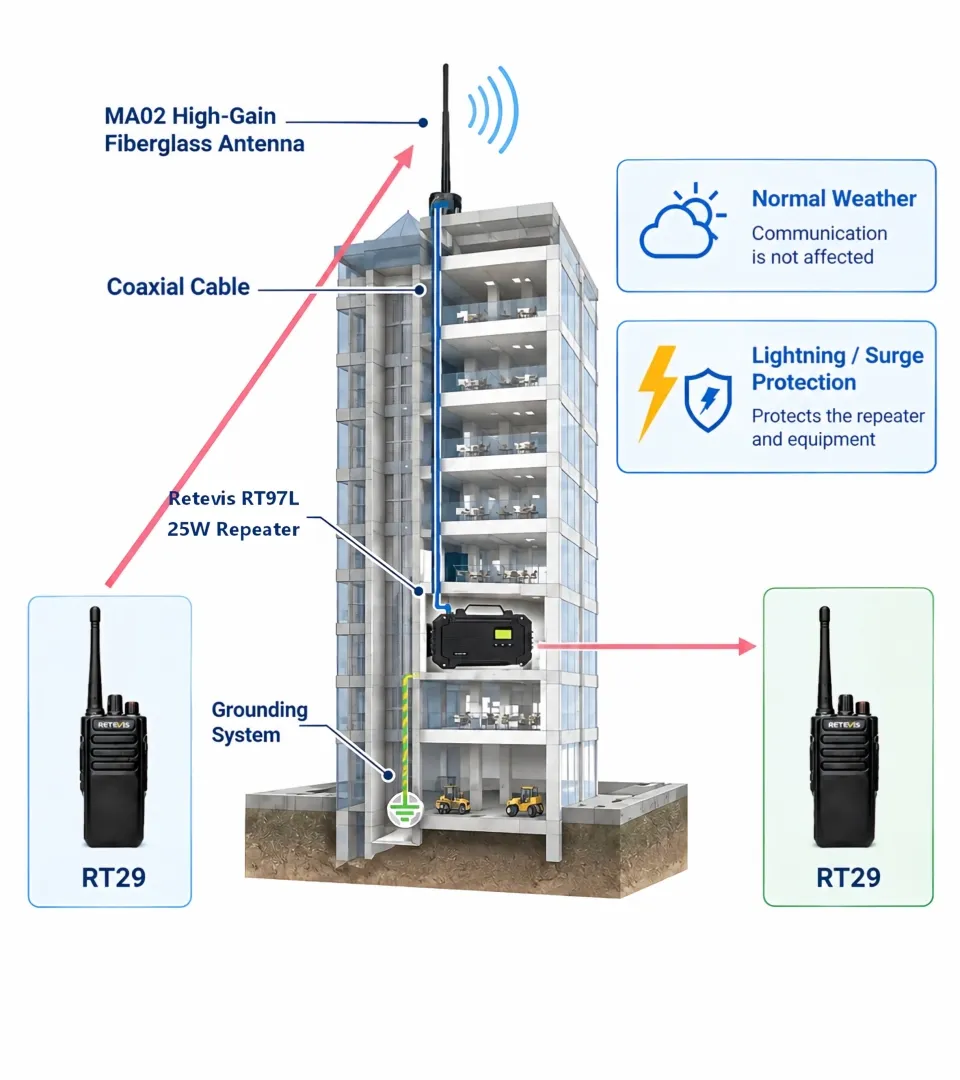
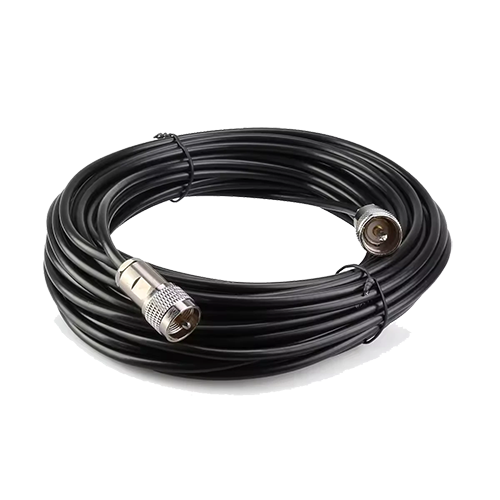
The RT97L repeater is installed in the project office and connected through low-loss feeder cable to a high-position antenna. The antenna receives and retransmits radio signals, extending communication between the basement, ground-level areas, and upper floors.
As the building rises, the antenna can be moved to the project office rooftop or the highest practical construction point to maintain effective vertical coverage. Radios can continue using the same system without replacing the terminals.
Handheld Radios → High-Position Antenna → RT97L Repeater → Extended Radio Coverage
Different channels are assigned to construction teams, lifting operations, materials, safety, management, and emergency communication, allowing teams to communicate independently while maintaining access to coordinated site-wide communication.
The repeater and high-position antenna help extend communication across basement, ground, and upper-floor areas, reducing blind spots caused by building structures.
Dedicated channels separate different teams and operations, reducing unnecessary radio traffic and improving coordination.
High-power RT29 radios and optional speaker microphones or earpieces help workers receive critical instructions more clearly in demanding construction environments.
Dedicated channels for lifting and emergency communication help operators, supervisors, and safety personnel respond quickly to critical situations.
Our solution team will review your project requirements and provide a customized communication recommendation within one business day.


 Google
 Amazon