




FAQ
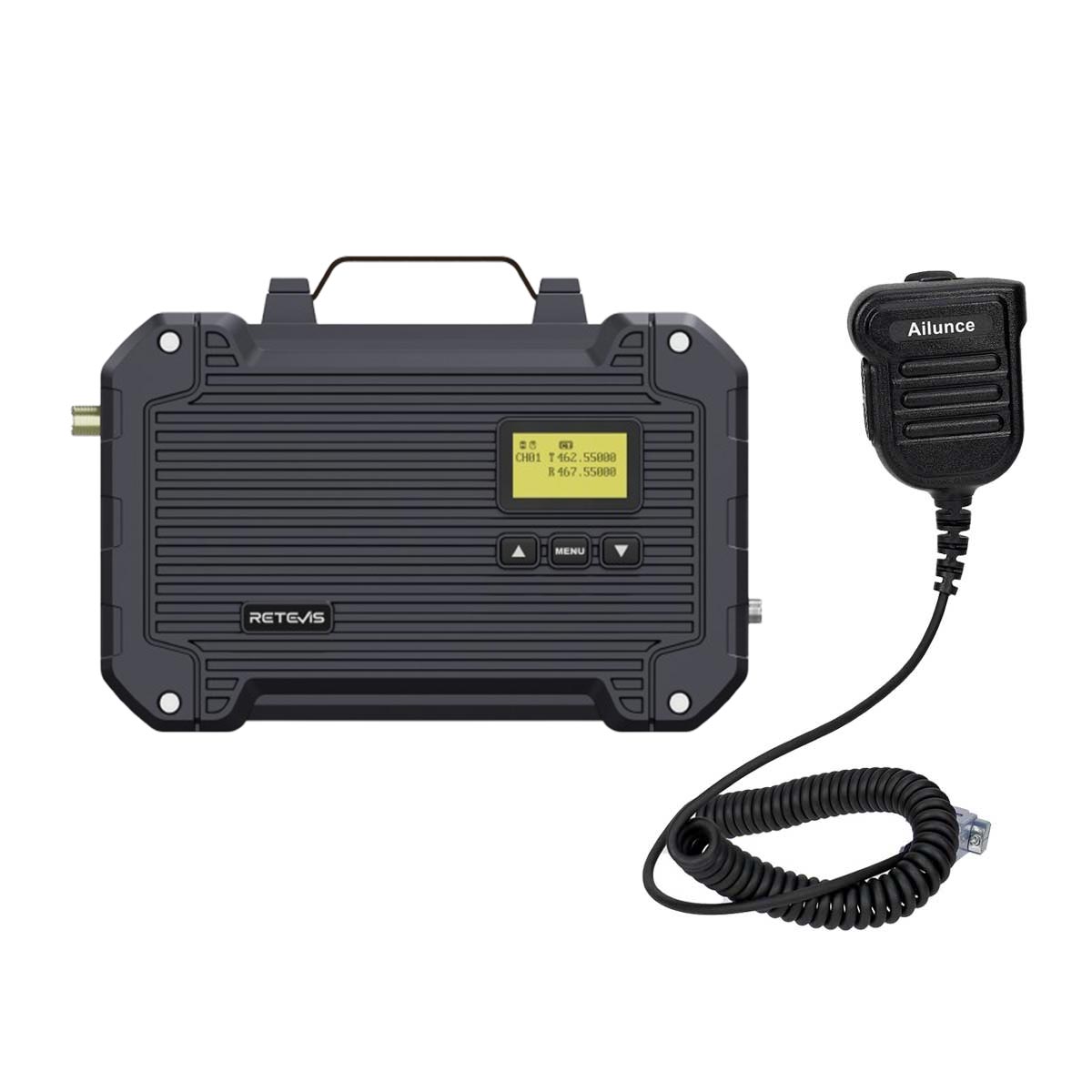
1. Will the speaker-microphone from the RT97S work on the RT97L?
Yes, the speaker-microphone for the RT97S and RT97L are compatible and can be used interchangeably.
2. What is the height and wind resistance rating of the RT97L antenna?
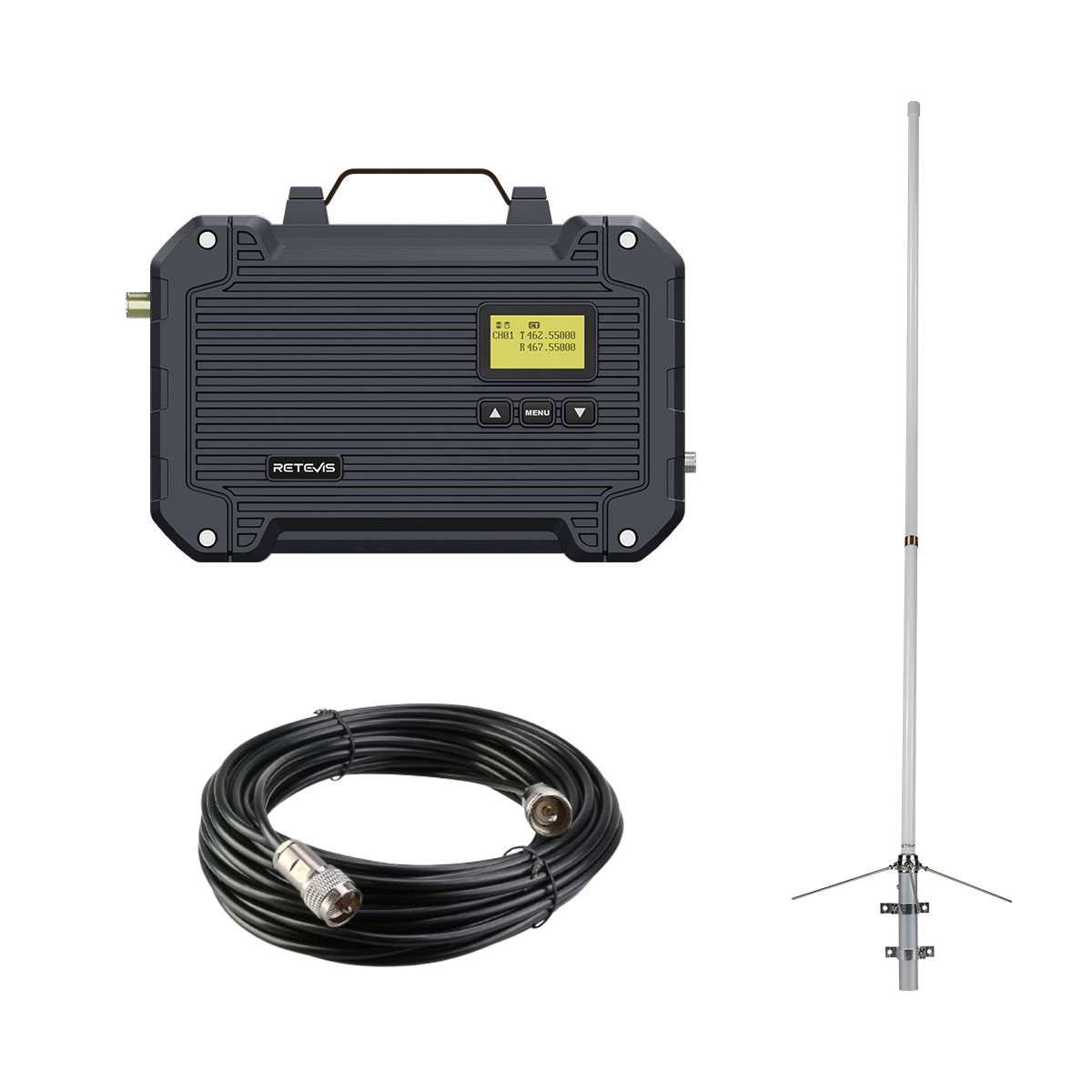
The RT97L antenna model is MA09, operating in the 462-467 MHz frequency range.
Height: 175 cm (approximately 5.74 feet)
Wind resistance: 50-60 m/s
Additional specifications:
VSWR (Standing Wave Ratio) < 1.5
Antenna gain: 7.2 dBi
Connector type: SL16-K
Material: Fiberglass
3. Can the antenna cable that came with the RT97S be used for the RT97L?
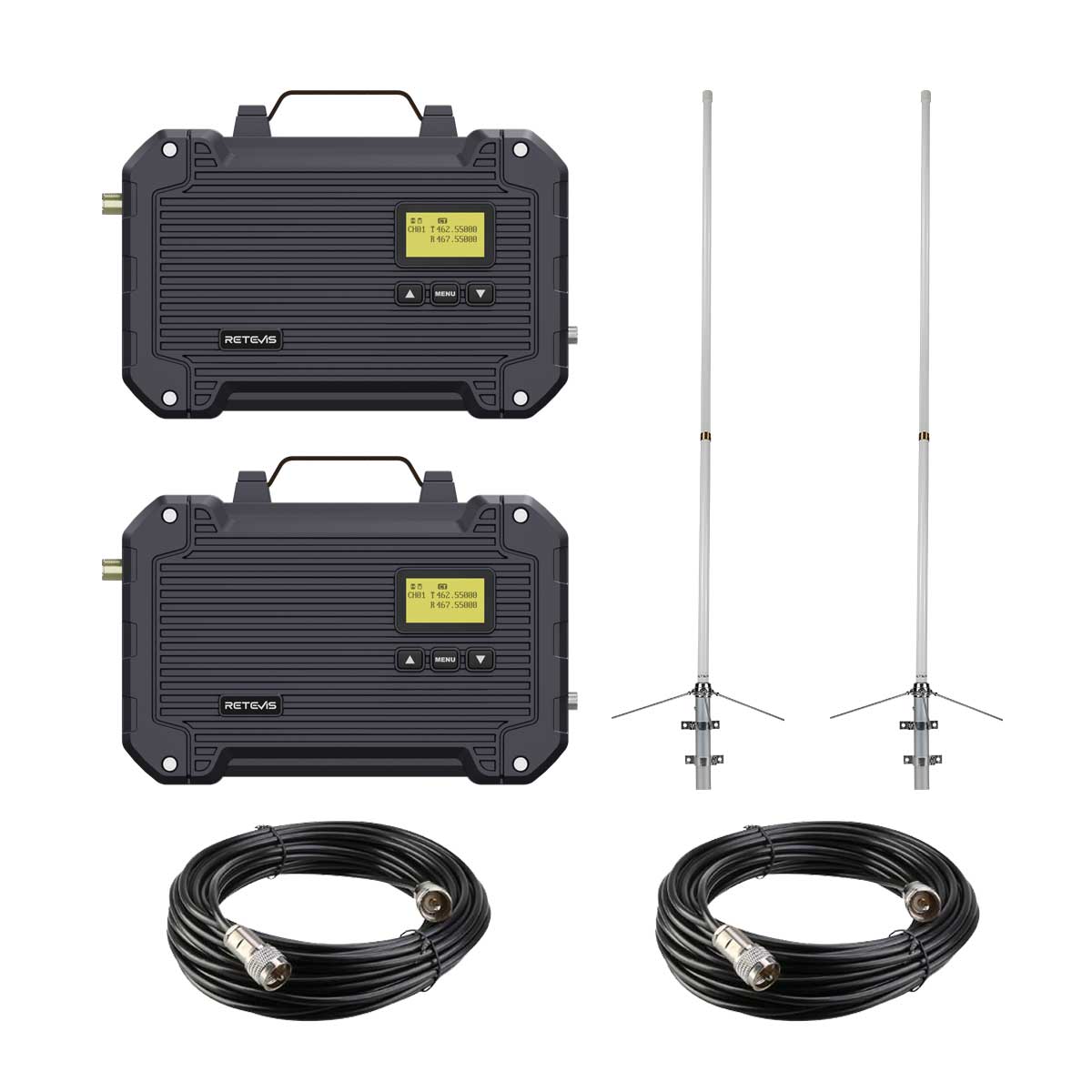
Yes, the 15-meter 50-3 Pure Copper Coaxial Extender Cable for RT97 will work with the RT97L. However, the RT97L’s antenna cable has been upgraded to 15 meters of 50-7 cable, which offers lower loss compared to the previous version.
4. Can I replace the SL-16 connector with an N-type connector on the RT97L?
Yes, the RT97L can be adapted to use an N-type connector. We recommend the following two options:
Use an adapter: This is the most cost-effective and preferred method. The adapter is inexpensive and ensures no signal loss.
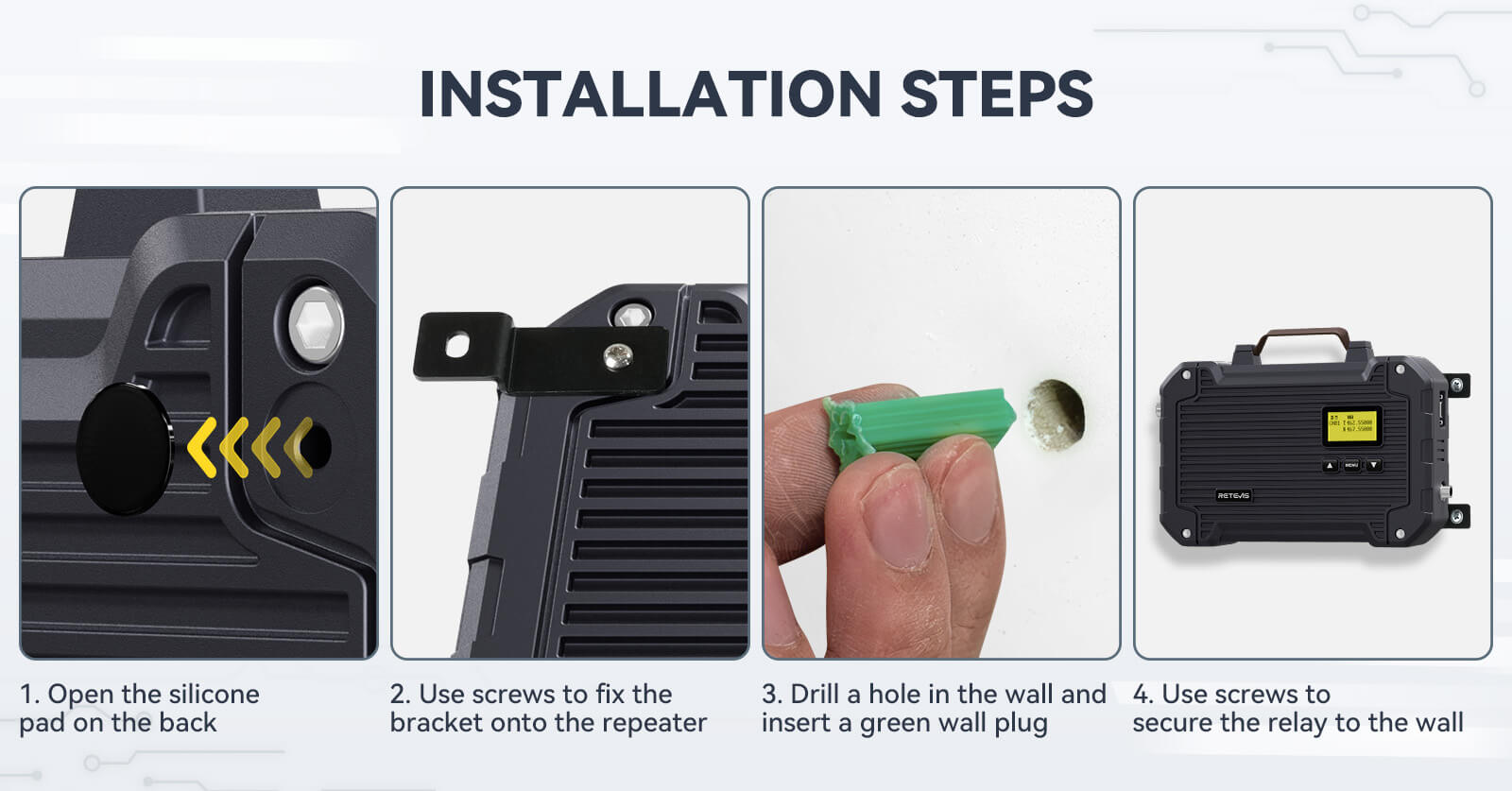
Replace the connector yourself: If you choose to replace the connector, please ensure that you use coaxial cable with an outer diameter of 4mm. Be cautious, as improper replacement can damage the paint and affect the waterproofing.
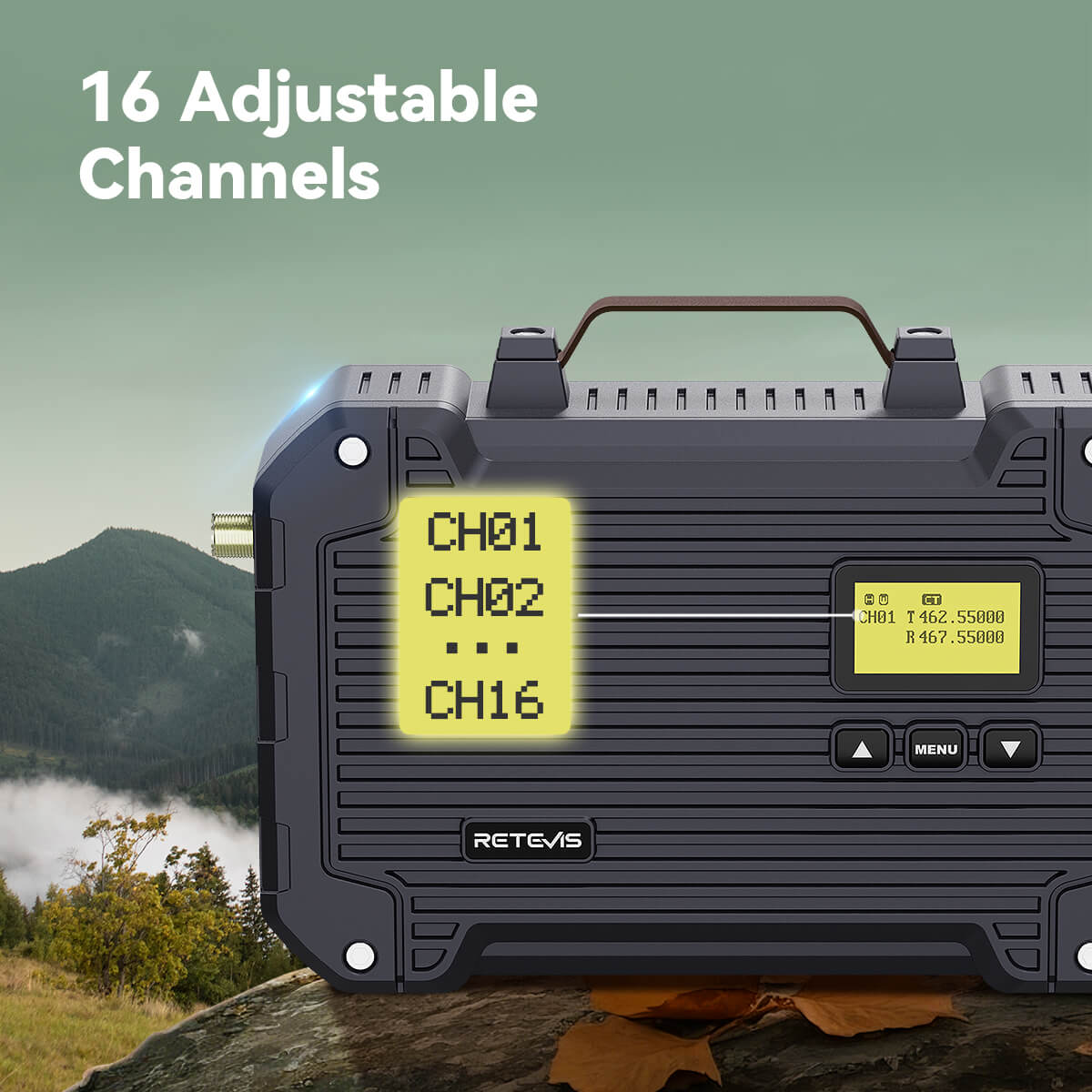
5. Will the RT97L operate on all 16 GMRS channels?
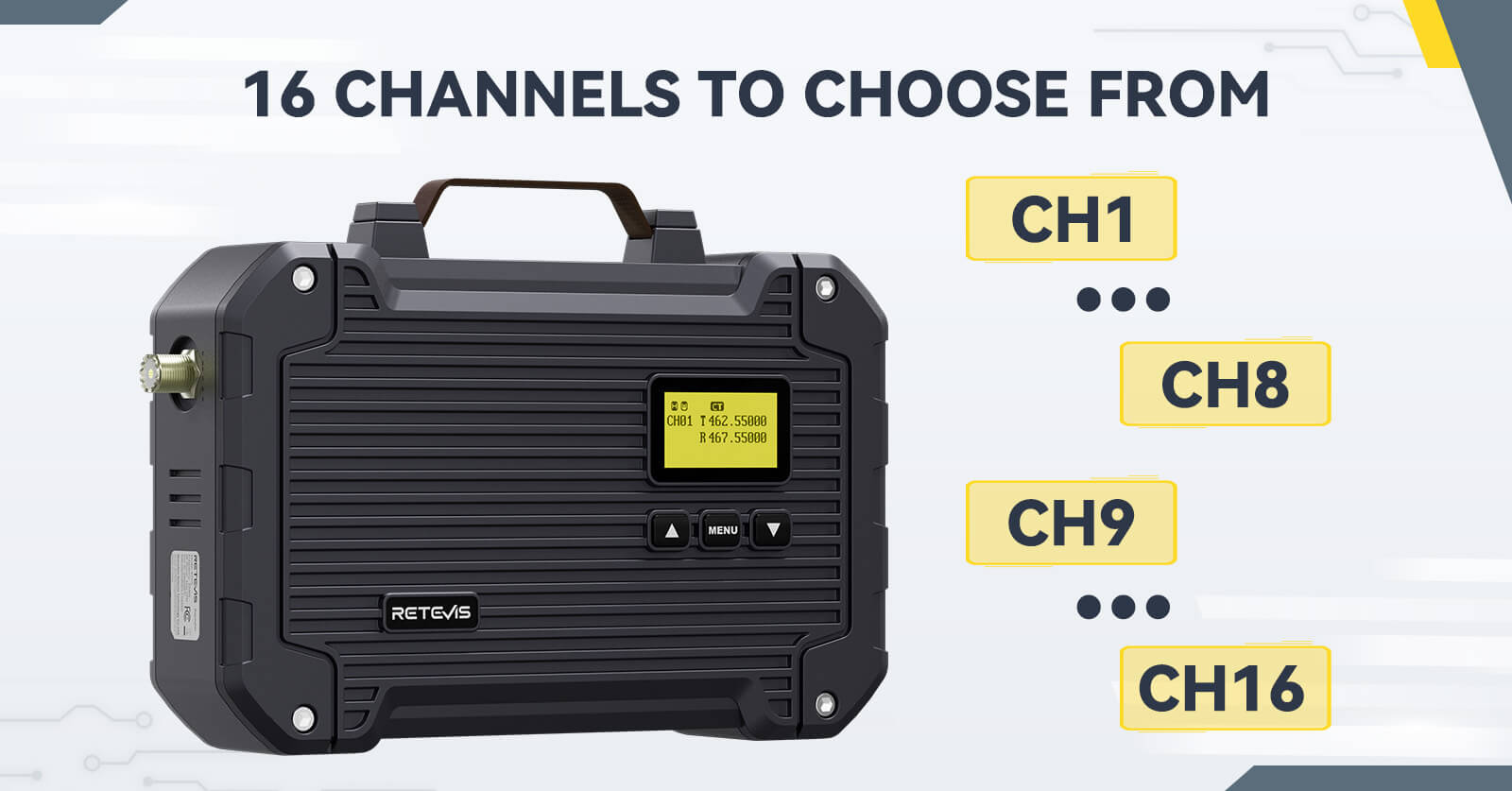
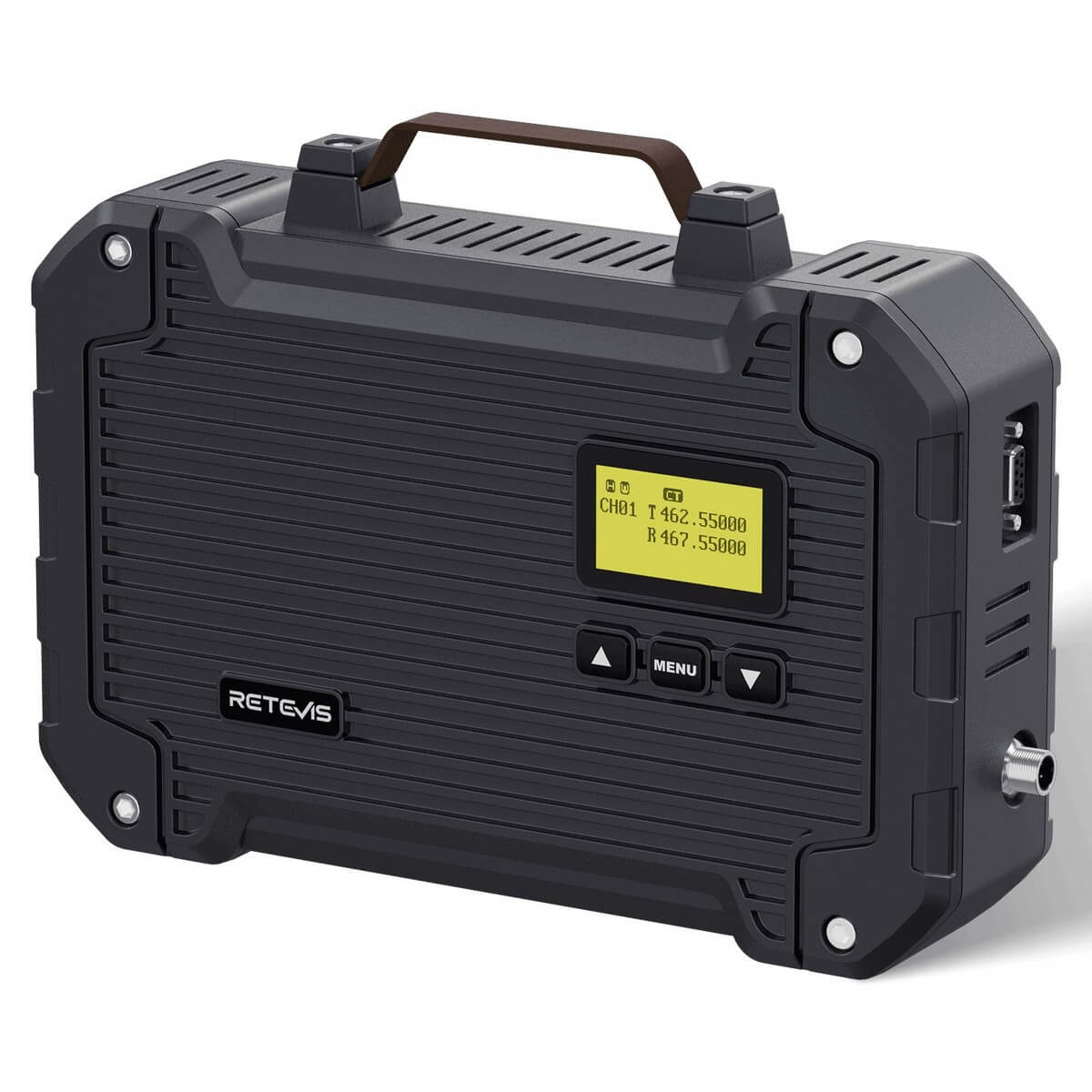
The RT97L is pre-programmed with 16 GMRS channels, all set according to GMRS standards. The device includes dedicated GMRS repeater frequency points, ensuring full compliance with regulatory requirements. To enhance convenience, the first 8 channels are set for wideband operation, while the remaining 8 are set for narrowband operation. This allows users to easily switch between the two bandwidth settings without needing additional programming.
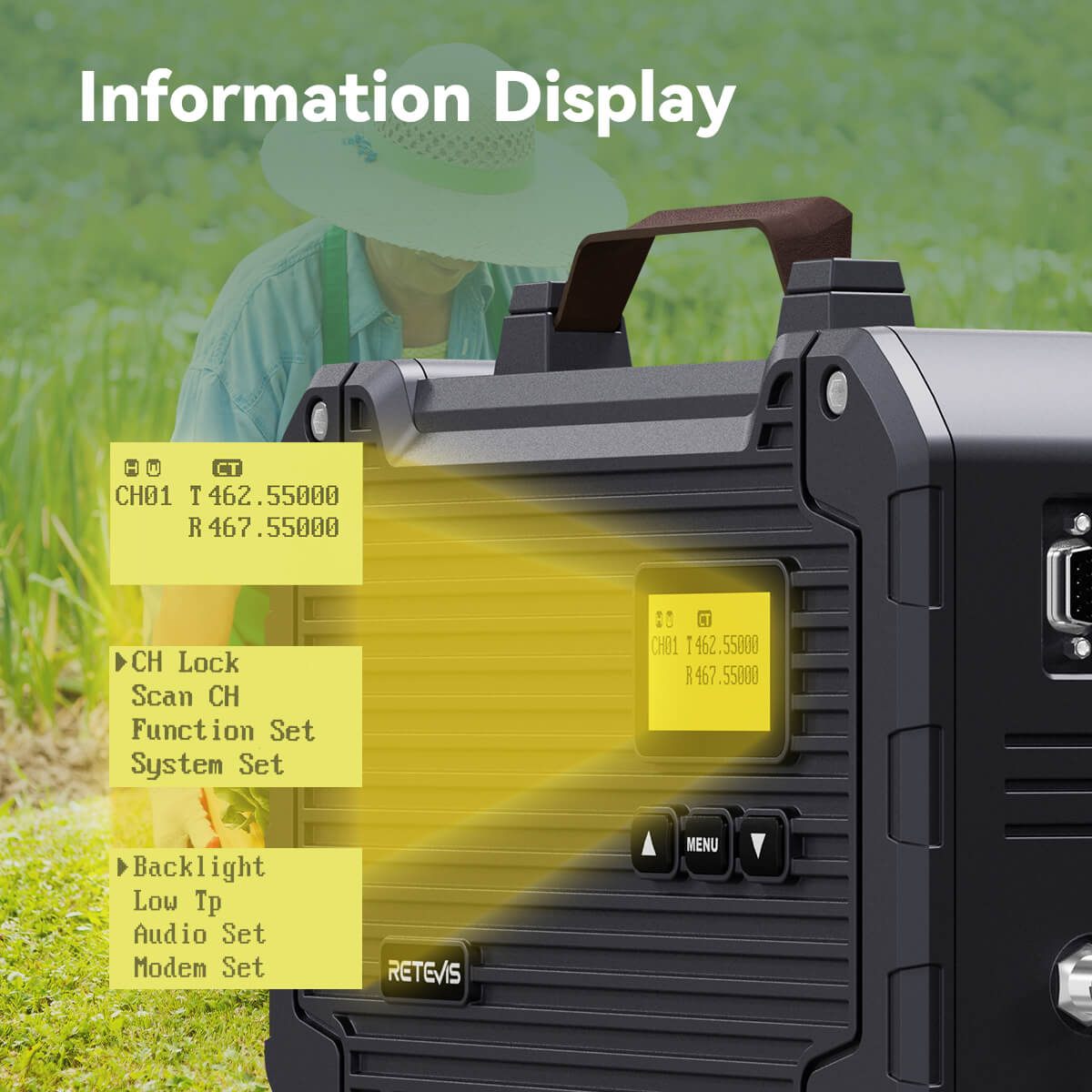
6. RT97L repeater programming software has a problem when writing frequency?
When you click "Read", a password input box will appear. You can directly click "close" to ignore it, or input 288288.
If you want to set a password, click "write", the first "password" is 288288, then enter your "New Password".
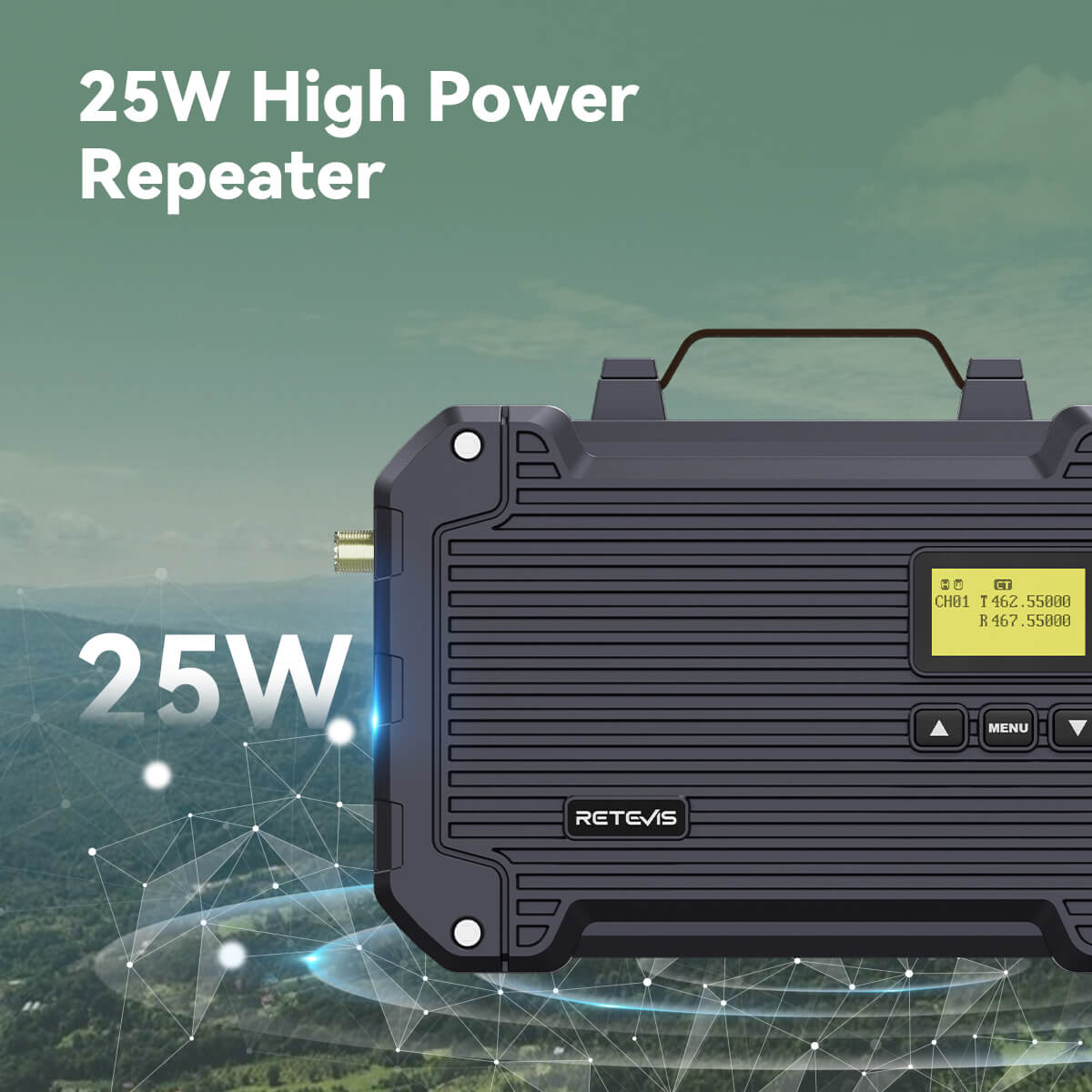
7. What is the difference between 5W and 25W?
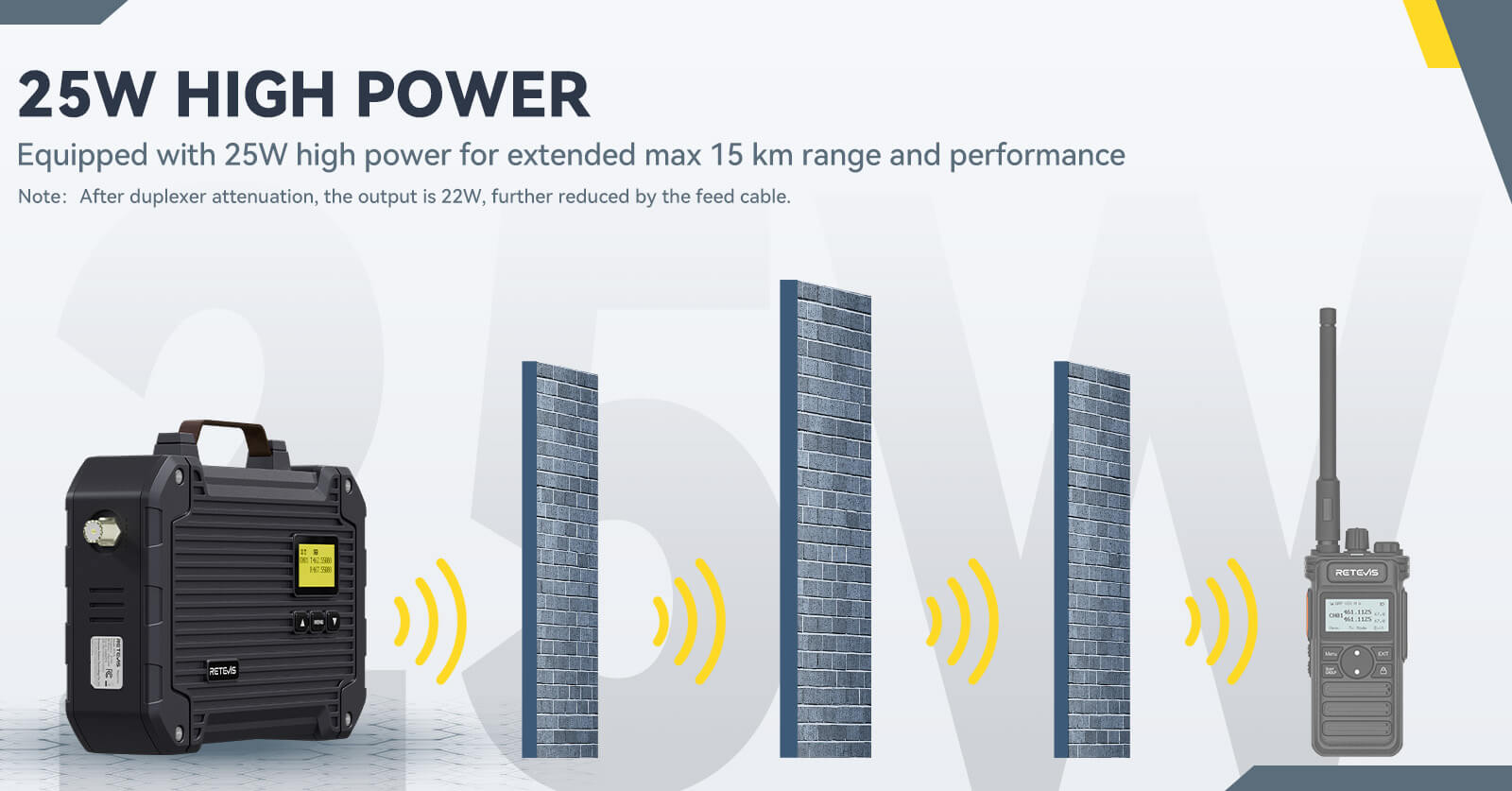
The difference in power can be significant. For example, using 5W of power, communication over a long distance might result in weak or no signal. However, with 25W of power, the range can greatly improve, allowing for clearer and more reliable communication over much longer distances.
While power is crucial, factors like antenna height also play an important role. In situations where elevation isn't favorable, higher power can be a big help in extending communication range.
8. Is the actual output power really 25W?
The factory output is between 22W-25W. However, when operating with a duplexer, there may be power loss, reducing output to around 15W-22W, depending on the quality, thickness, and length of the feeder cable.
9. What’s the GMRS Repeater Frequency Range (TX and RX)?
For users operating with GMRS, the frequency range of the RT97L is:
- TX (Transmit): 462.550 - 462.725 MHz
- RX (Receive): 467.550 - 467.725 MHz
This range allows for effective communication and operation in the designated GMRS frequencies, which are crucial for users who need clear, uninterrupted signals.
10. What Is Amp Absorption in TX and RX?
- Receive Mode Absorption: 180mA
- Transmit Mode Absorption: 5.5A
11. How is the RT97L Waterproof Even if the Doors Are Uncovered?
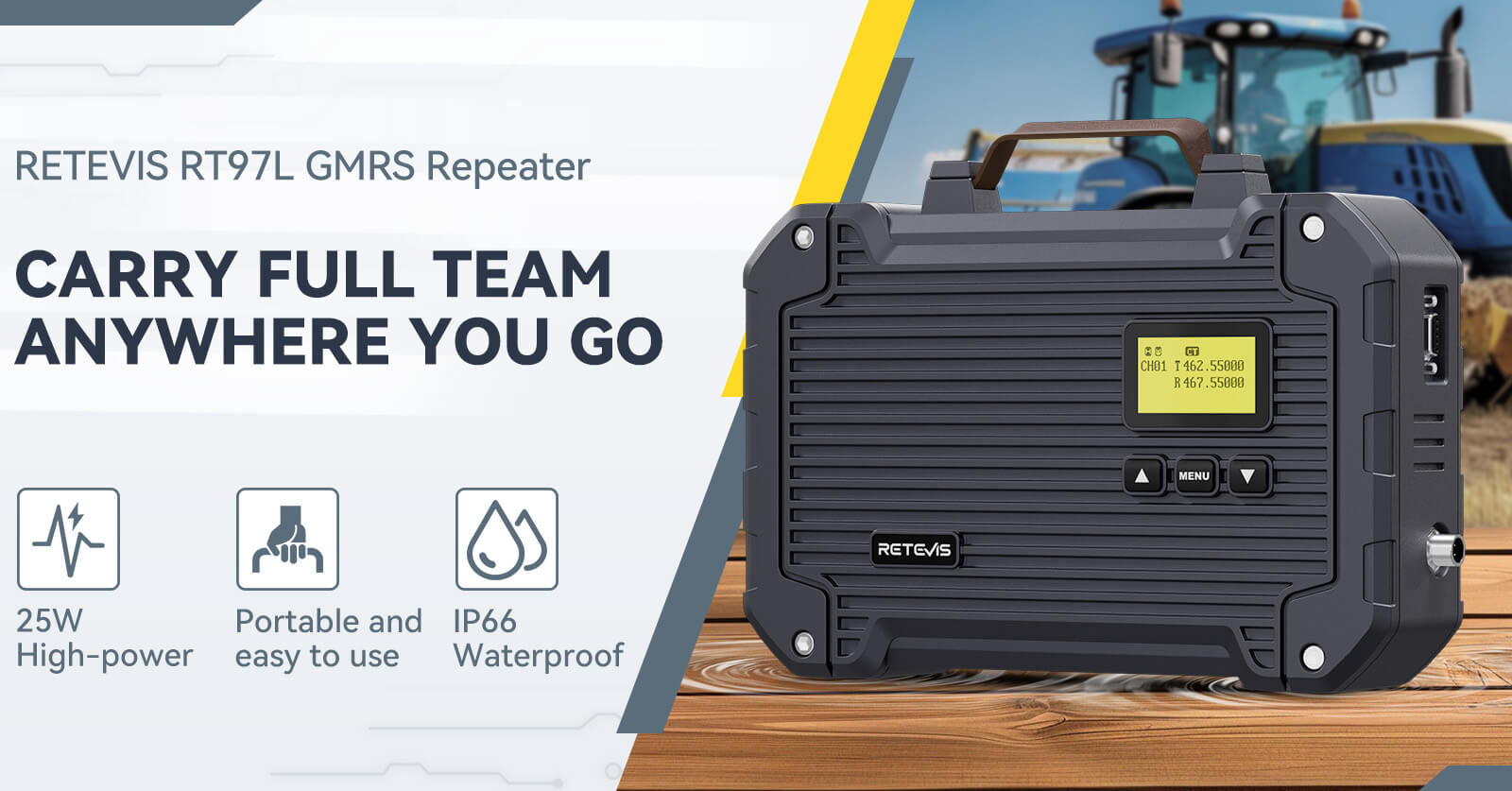
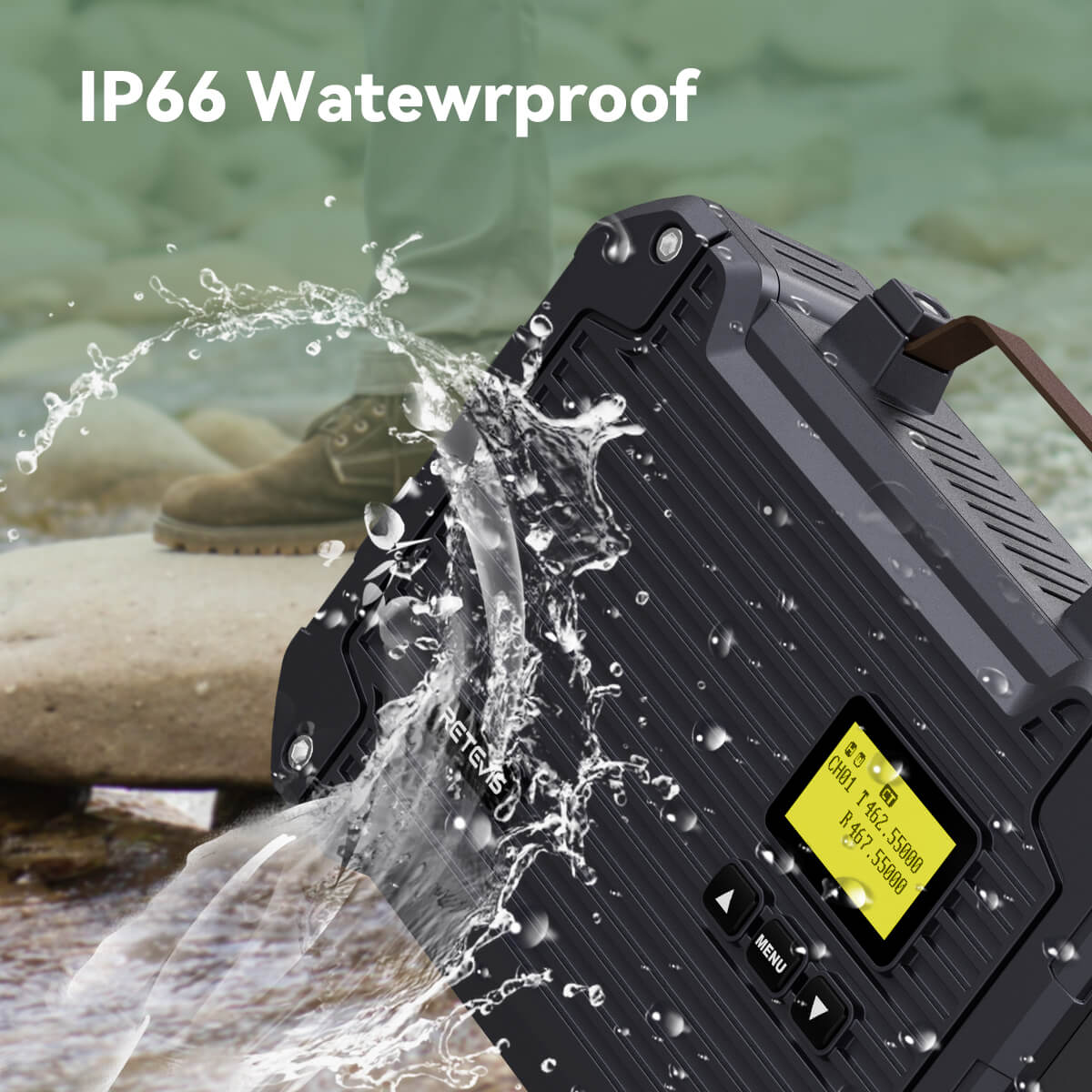
The RT97L gmrs mobile repeater is rated IP66 waterproof, meaning it can withstand powerful jets of water from all directions. This rating ensures that it performs well even in harsh weather or environments with heavy water flow. However, to ensure optimal performance and longevity, it's always a good idea to install the repeater in a protected location, especially in areas with extreme weather conditions.
12. Does the RT97L Have an Internal Duplexer?
Yes, the RT97L portable repeater comes equipped with an internal duplexer, which is essential for enabling the repeater to work efficiently with an antenna. The duplexer allows the device to handle both transmit and receive signals simultaneously without interference.
13. How Many Channels Does the RT97L Have? And What Does It Mean?
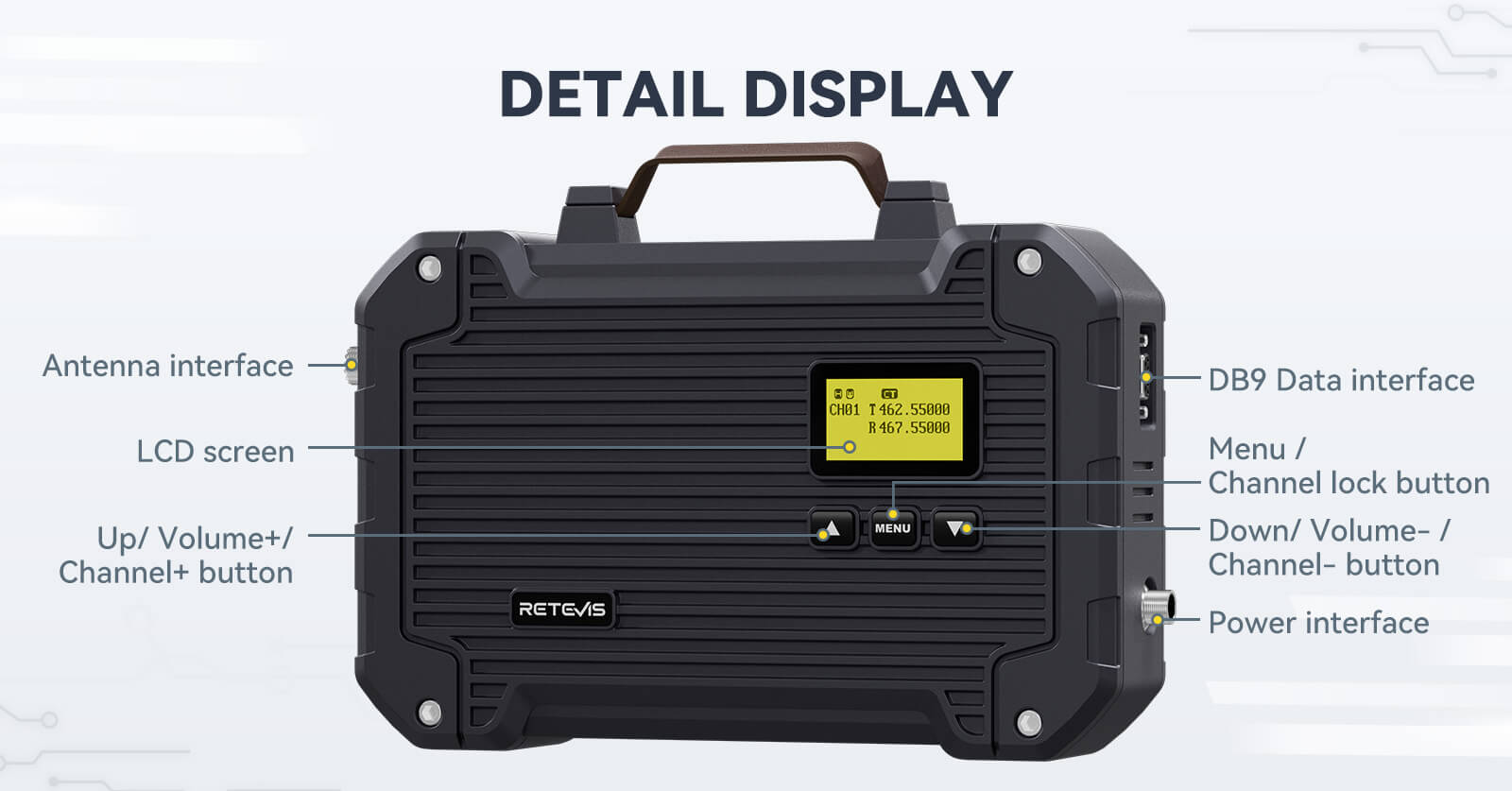
The RT97L is capable of storing 16 different channels, which means it can quickly switch between up to 16 communication frequencies.
14. What is the RT97L's Duty Cycle?
The duty cycle for RT97L repeater is 100%.
15. Does this repeater work with your handheld FRS units? Or just the GMRS radios?
Because of the limitations on FRS by the FCC, this repeater can be only ued for GMRS radio, no mater handheld GMRS radios or Mobile GMRS radios.
16. Is this repeater compatible with other manufacturers handheld GMRs radios that are repeater capable? For example BTECH, Radioddity, Midland?
Yes, the RT97L repeater is compatible with GMRS handheld radios that are repeater capable.
Technical Specifications Comparison
| Parameter |
RT97 |
RT97S |
RT97L |
| Power |
Factory output: 10w
After passing through the duplexer: 5w
|
Factory output: 10w
After passing through the duplexer: 5w
|
Factory output: 22-25W After passing through the duplexer: 15-22W |
| Waterproof Rating |
/ |
/ |
IP66 |
| Frequency Range |
TX: 462MHz RX: 467MHz |
TX: 462.550-462.725 MHz RX: 467.850-467.725 MHz |
462-467 MHz (GMRS) |
| Channel Capacity |
16CH |
8 GMRS Repeater Channels |
16 channels |
| Channel Spacing |
±12.5kHz (Narrow) ±25kHz (Wide) |
12.5/25kHz |
| Operating Voltage |
DC 12V-24V |
DC 12V-24V |
DC 15V/10A (AC 100-240V input) |
| Operating Temperature |
-30°C to +60°C |
-30°C to +60°C (-22°F to 140°F) |
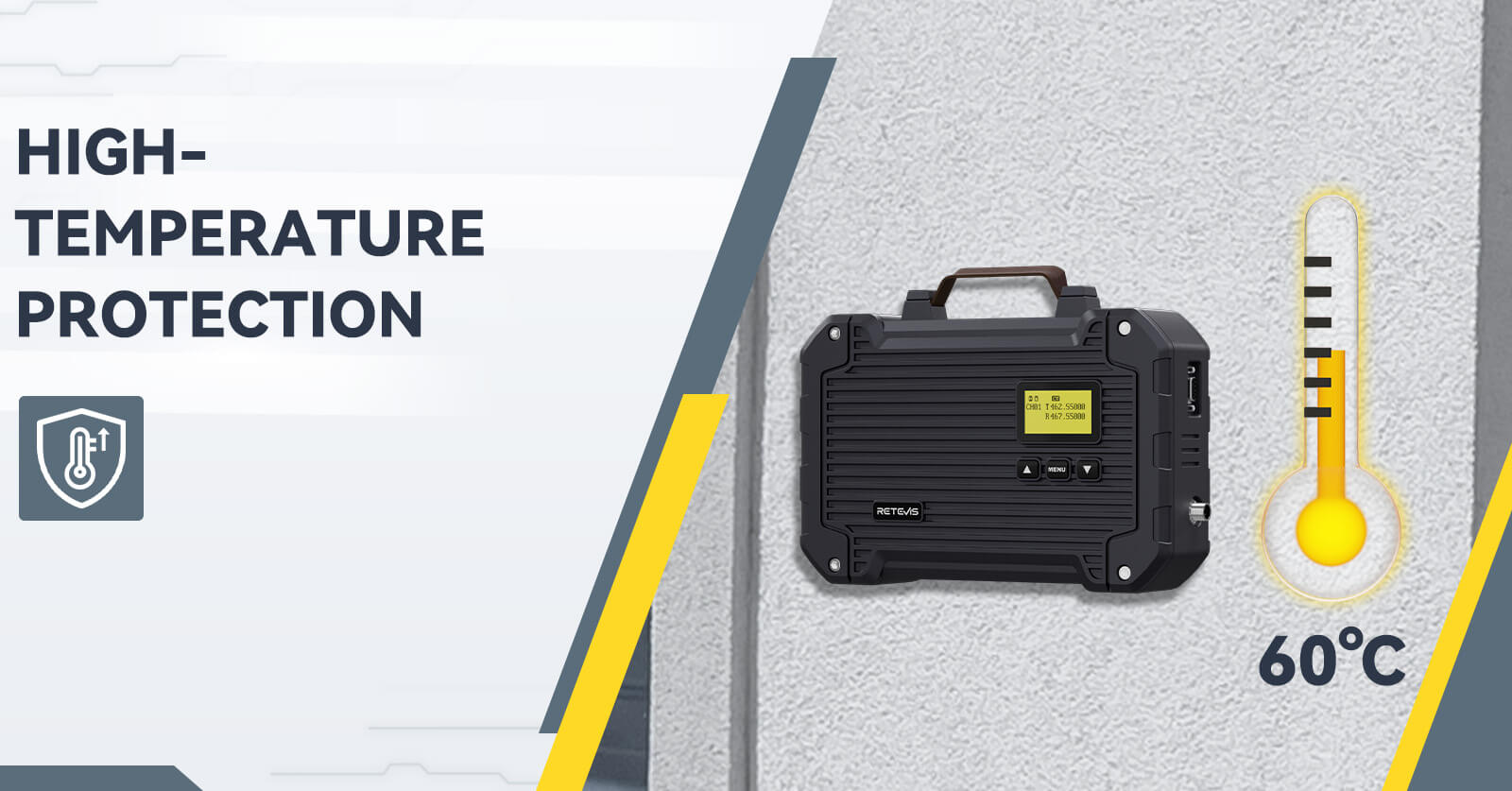
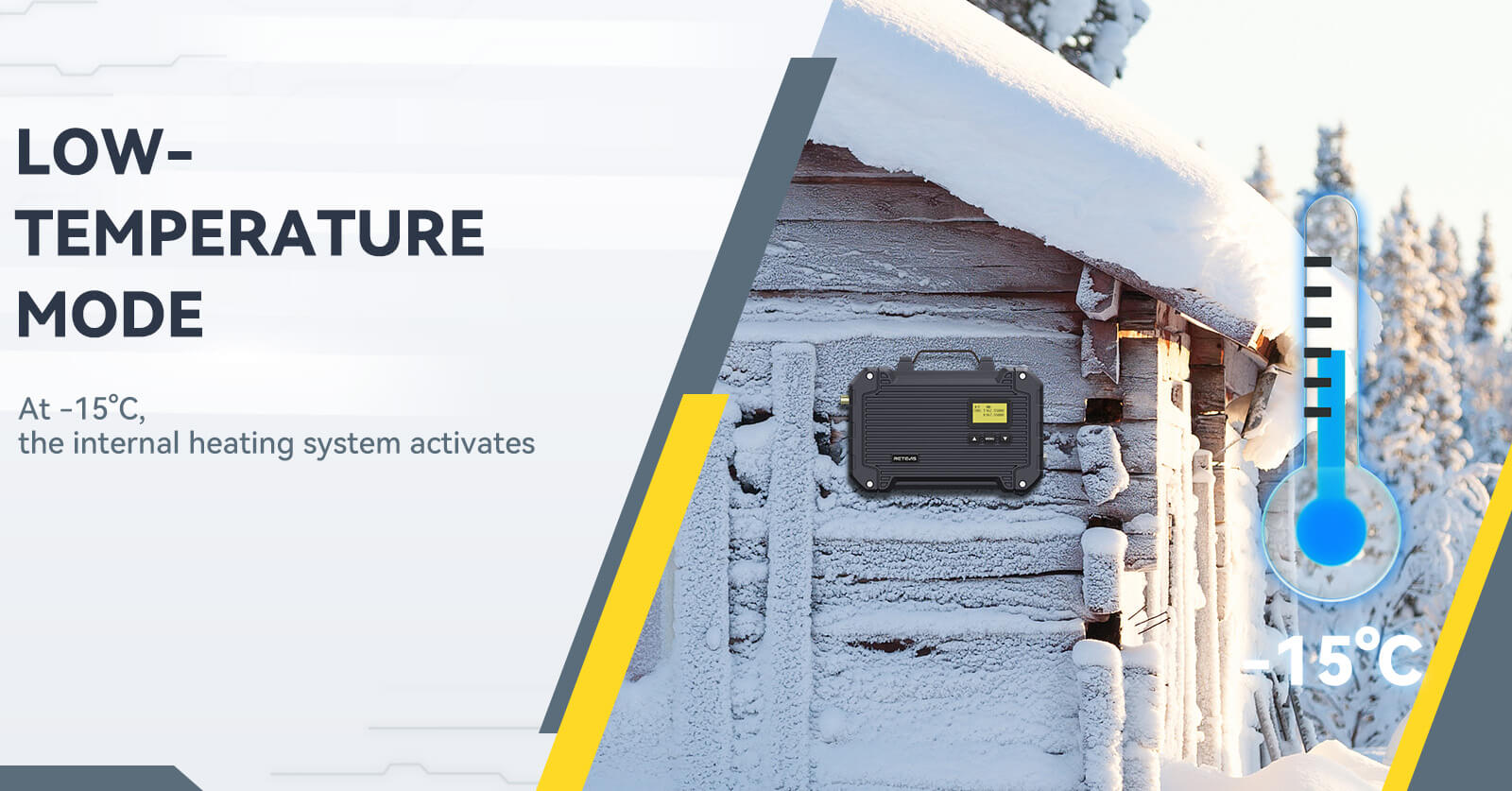
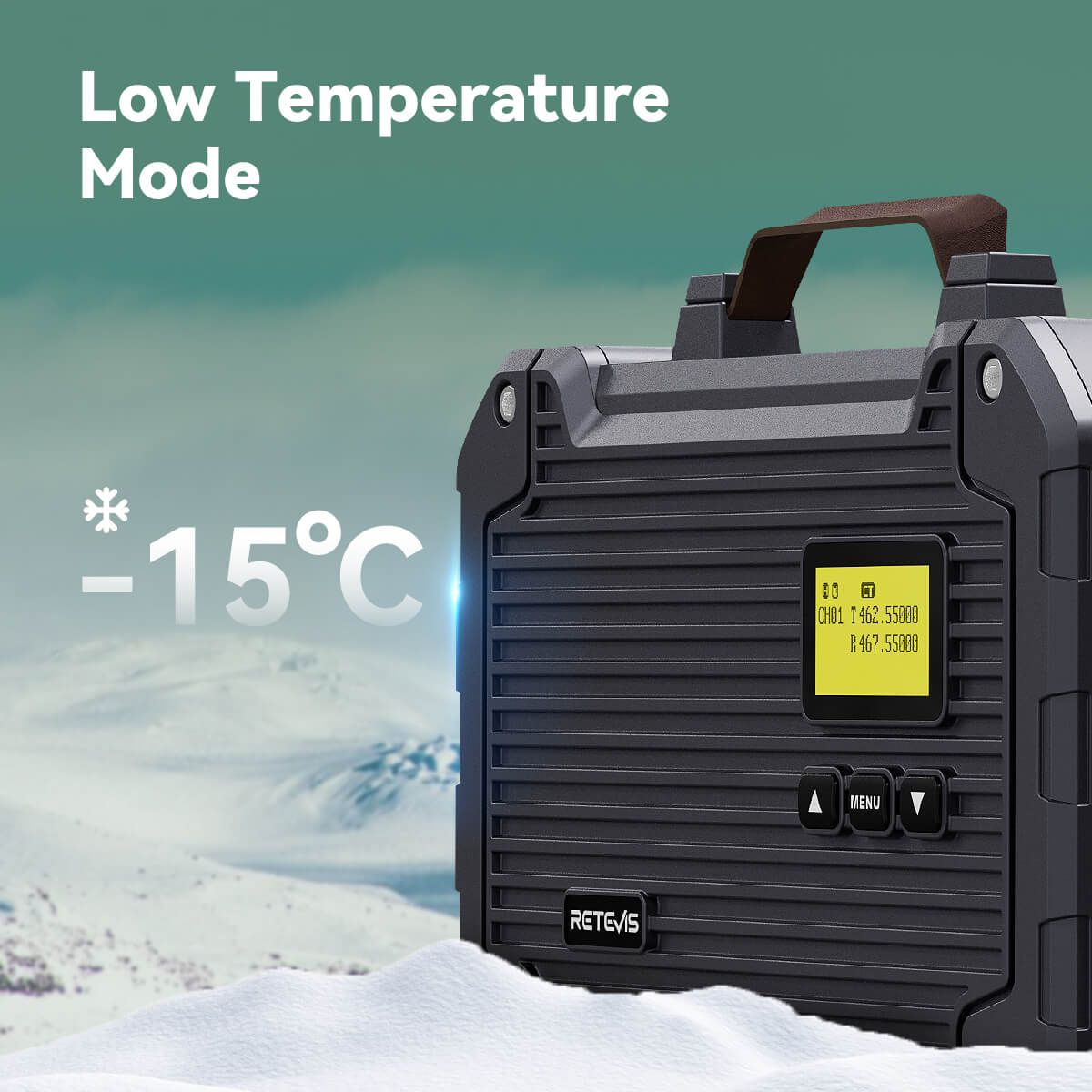
-30°C to +60°C |
| Frequency Stability |
±2.5ppm |
±2.5ppm |
±2.5ppm |
| Antenna Impedance |
50 Ω |
50 Ω |
50 Ω |
| Dimensions |
260×210×70 mm |
260×210×70 mm (10.25×8.3×2.8 in) |
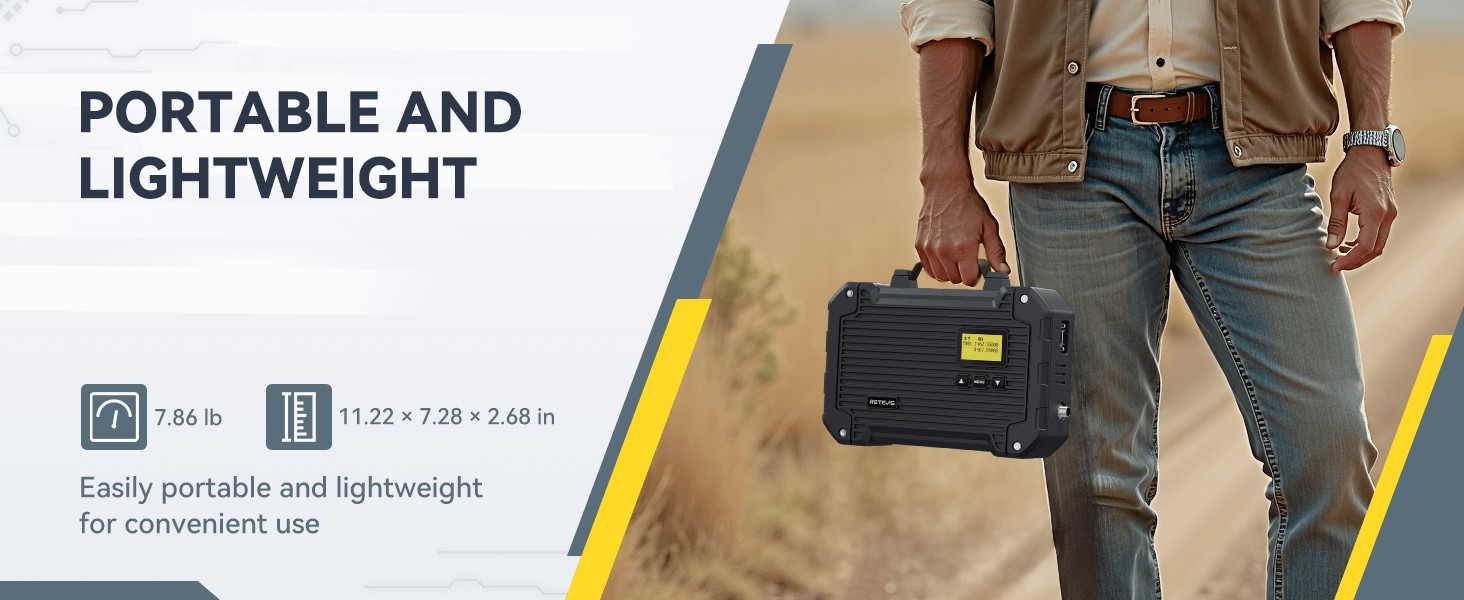
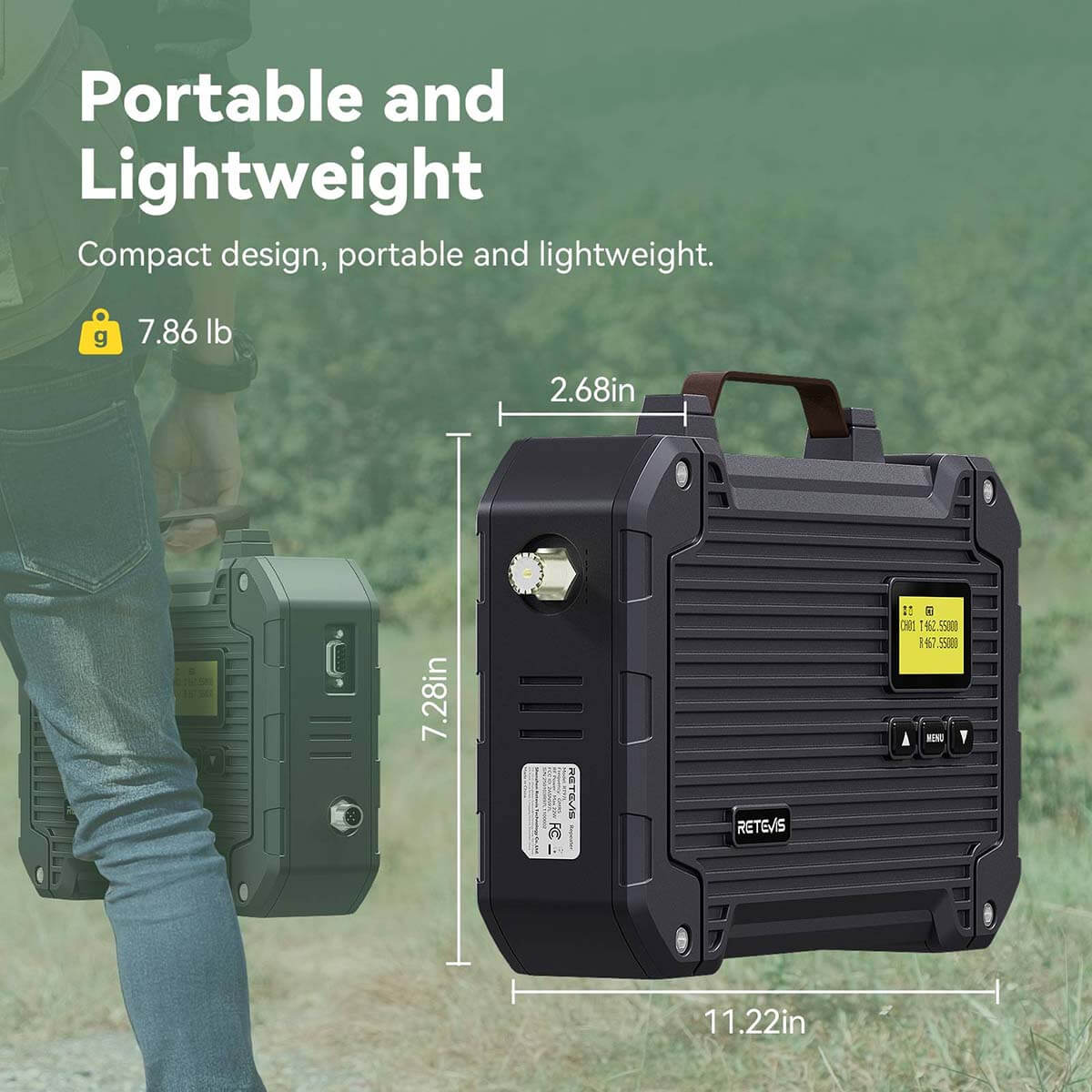
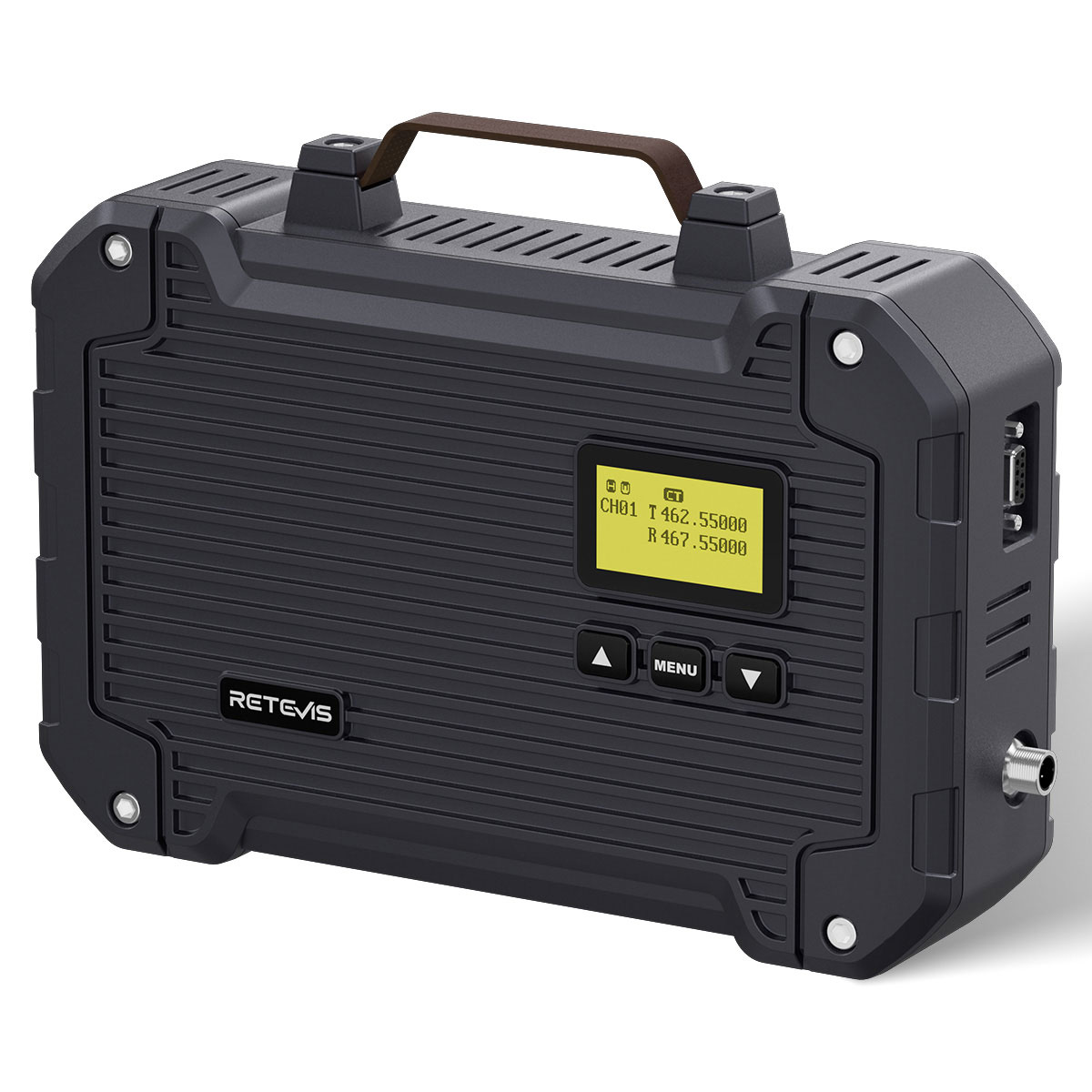
285×185×68 mm (±5 mm) |
| Weight |
1.66 kg |
1.66 kg (3.7 lbs) |
3.5 kg (±0.5 kg) |
| Modulation |
F3E |
FSE |
FM |
| Spurious Emission |
≤ -60dB |
≤ -60dB |
≤ -13dBm |
| Max Frequency Deviation |
Wide: ±5kHz Narrow: ±2.5kHz |
| Audio Distortion |
≤ 5% |
≤ 5% |
≤ 5% |
| FM Noise |
Wide: ≈45dB Narrow: ≈40dB |
Wide: ×45dB Narrow: ×40dB |
Wide: ≤45dB Narrow: ≤40dB |
| Rx Sensitivity (12dB SINAD) |
0.2µV (Wide) 0.25µV (Narrow) |
0.35µV |
| Squelch Sensitivity |
0.15µV (Wide) 0.2µV (Narrow) |
0.2µV / 0.15µV |
| Adjacent Channel Selectivity |
≥70dB (Wide) ≥65dB (Narrow) |
≥65dB / ≥70dB |
| Intermodulation Rejection |
≥55dB |
≥55dB |
≥60dB |
| Spurious Rejection |
≥55dB |
≥55dB |
≥60dB |
| Image Rejection |
≥55dB |
≥55dB |
≥60dB |
| Duplexer Isolation |
/ |
/ |
>75dB |
| Transmit Current |
/ |
/ |
≤6A |