

Table of Contents
What is Radio Telemetry? Understanding Its Uses and Applications
- Posted by:Retevis
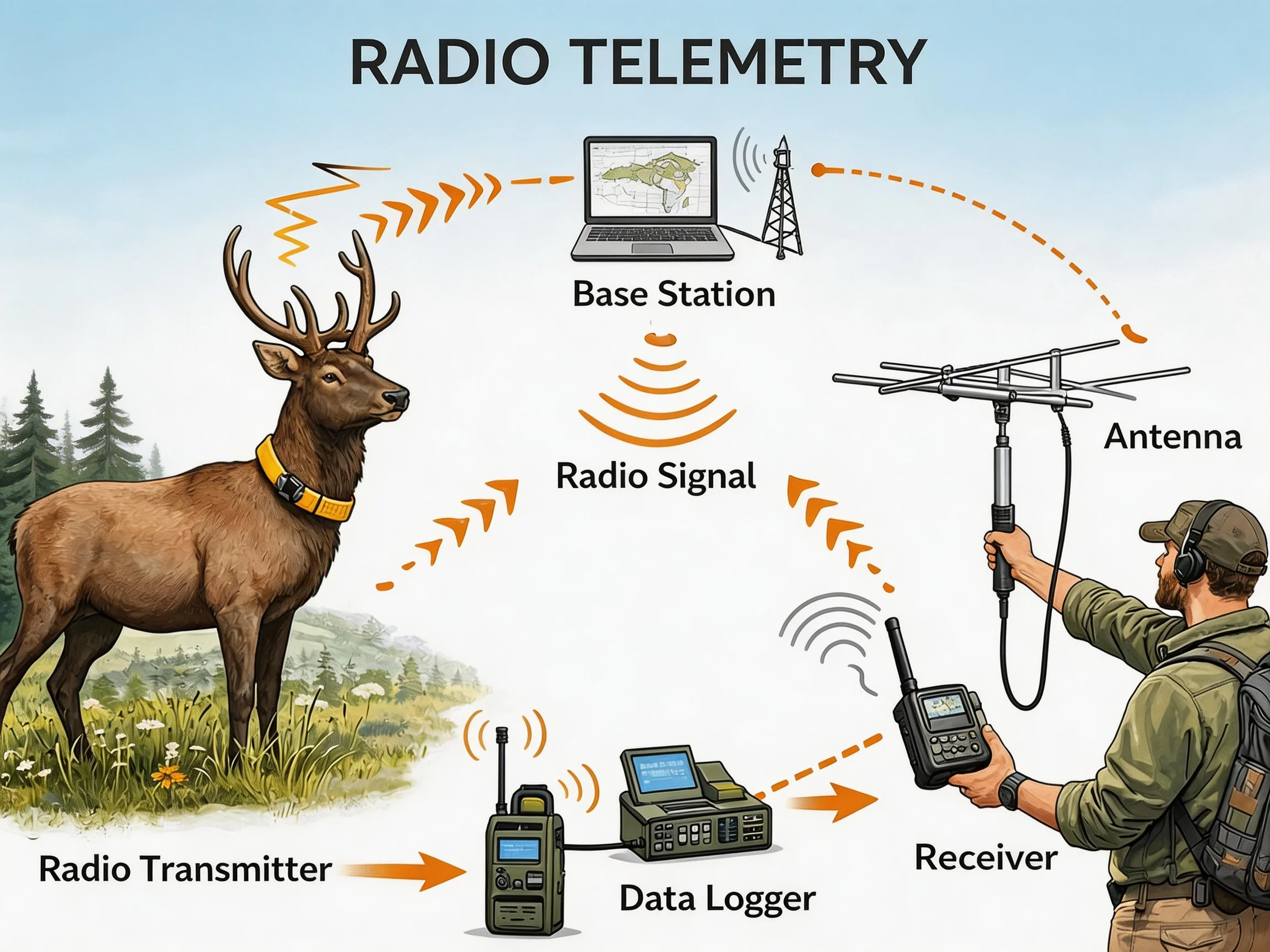
How do scientists track wildlife? How do devices in remote areas transmit data? Or how can heart patients be monitored remotely? The answer in many cases lies in radio telemetry—a technology that wirelessly transmits data from remote locations to receiving units. But what exactly is radio telemetry? How does it differ from two-way radio communication? Let's take a closer look.
How Does Radio Telemetry Technology Work?
At its core, radio telemetry relies on radio waves to transmit data. Here's how it functions: a telemetry unit or sensor located at a remote site sends signals to a receiver. Key components of the system include:
Sensors: These devices collect data such as temperature, pressure, or heart rate. They are typically mounted on animals, vehicles, equipment, or even humans.
Transmitter: The transmitter sends the sensor-collected data to the receiver via radio waves.
Receiver: The receiver collects the transmitted data and sends it to a computer or monitoring system for analysis.
Radio telemetry can be viewed as a one-way communication system where sensors can “talk” to the receiver but cannot respond, unlike traditional two-way radio communication that allows back-and-forth dialogue.
Components of Radio Telemetry
Telemetry Unit: This is the core of the system, typically a small battery-powered device that collects and transmits data.
Antenna: The antenna enables the telemetry unit to send data over long distances, sometimes spanning vast geographic areas.
Receiving Station: This is where the data is collected. In some cases, it can be a mobile receiver, or it can be a fixed location continuously monitoring signals.
With these components, data can be transmitted from remote or hard-to-reach locations to a central monitoring station, providing real-time information without human intervention.
Role of Radio Telemetry in Data Transmission
The primary function of radio telemetry is to facilitate the collection and transmission of data from remote locations. Telemetry systems are designed to automatically send data at predetermined intervals, ensuring the collection and transmission of critical information such as environmental conditions, heart rate, or equipment performance for analysis.
Real-Time Data Transmission
For instance, in wildlife research, radio telemetry enables tracking animal movements by attaching telemetry devices to them. Transmitters continuously send location data to receivers, helping researchers understand migration patterns or habitat preferences. Similarly, in healthcare, telemetry devices monitor patients' vital signs and transmit this information in real time to doctors or nurses, enabling monitoring even when patients are at home.
The reliability of data transmission is critical, as it empowers researchers, engineers, or medical professionals to make decisions based on up-to-the-minute information.
Radio Telemetry vs. Two-Way Radio Communication
A key distinction between radio telemetry and two-way radio communication lies in their functionality.
- Two-way radio communication, as the name implies, enables bidirectional communication. It allows both parties to engage in real-time, two-way exchanges. You speak into the walkie talkie, and the other receiver radio device hears you immediately and can respond.
- Radio telemetry, however, is typically one-way communication. The telemetry unit collects data and transmits it to a receiver. The receiver does not reply or interact with the transmitter. It involves data collection only, not communication.
In simpler terms: radio telemetry sends data, while two-way radios allow for interactive communication.
Key Differences:
Function: Radio telemetry technology is used to collect and transmit data, whereas two-way radio facilitates continuous back-and-forth conversation.
Data Type: Telemetry systems focus more on sending precise data (e.g., temperature readings, GPS locations, etc.), while two-way radios handle voice communication.
Common Applications of Radio Telemetry
Radio telemetry technology finds extensive applications across various fields. Some of the most common uses include:
1. Wildlife Tracking
Scientists utilize radio telemetry to track wildlife, studying their migration patterns, behaviors, and habits. For example, biologists may attach telemetry devices to tagged animals, with transmitters sending signals about their location across vast areas. This enables researchers to understand migration patterns or how environmental changes impact animal populations.
2. Remote Monitoring in Healthcare
Medical telemetry systems monitor patients' vital signs remotely. Sensors placed on patients transmit heart rate, blood pressure, and other critical metrics back to healthcare providers, ensuring continuous monitoring without hospitalization.
3. Environmental Monitoring
Environmental scientists utilize radio telemetry to monitor parameters like soil moisture, air quality, or temperature. These sensors are typically installed in remote or hard-to-reach areas and transmit data back to central stations for analysis.
4. Industrial Equipment Monitoring
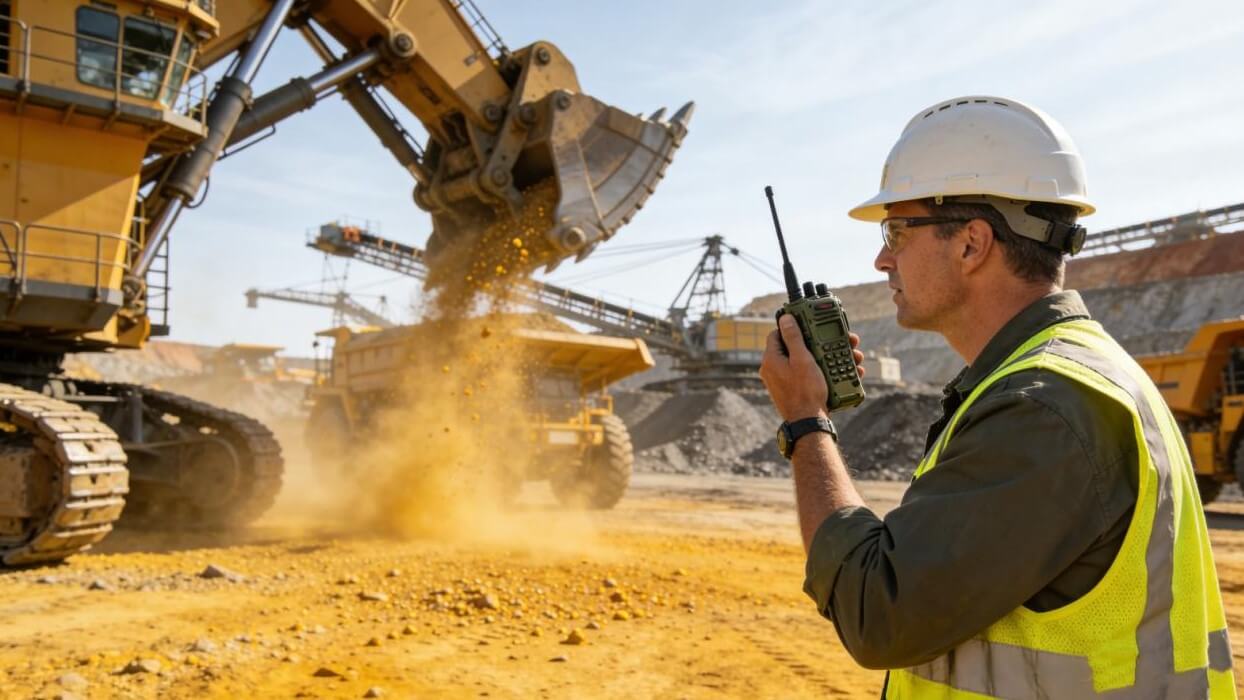
In industries such as mining, oil, or gas, radio telemetry technology can monitor the performance and condition of mechanical equipment. Sensors detect any malfunctions or efficiency issues and transmit data in real-time, enabling maintenance personnel to take swift action.
900 MHz Vs 2.4 GHz ISM Band In Radio Telemetry
- 900 MHz: better range and penetration, ideal for industrial, agricultural, and environmental radio telemetry where reliability and distance are key. The 900 MHz telemetry radio is a workhorse in many SCADA systems.
- 2.4 GHz: higher potential data rate, smaller antennas, globally standardized band. Useful when devices are compact, data rates are higher, and distances are moderate.
What are the advantages of radio telemetry technology?
1. Remote Data Collection
The greatest advantage of radio telemetry lies in its ability to collect and transmit data from remote or inaccessible locations. Whether tracking wildlife in dense jungles or monitoring industrial equipment deep underground, telemetry enables continuous surveillance without requiring personnel on-site.
2. Cost-Effectiveness and Efficiency
Since radio telemetry devices typically operate autonomously, they reduce the manpower required for on-site data collection. This yields significant cost savings in fields like wildlife research, where scientists may need to monitor vast areas without physical presence.
3. Continuous Data Monitoring
900 Mhz radio enables continuous or periodic data transmission, providing a steady stream of information. This real-time data collection significantly enhances decision-making across various sectors.
The Growing Impact of Radio Telemetry
Radio telemetry stands as an exceptionally powerful tool for remote data collection and transmission. Whether applied to wildlife tracking, healthcare, or industrial monitoring, it delivers real-time, reliable communication that supports better decision-making and operational efficiency.
As technology continues to advance, we can anticipate radio telemetry systems becoming more sophisticated, featuring extended transmission ranges, faster data speeds, and more precise sensors. Whether monitoring remote environments, tracking wildlife, or safeguarding patient health, radio telemetry is poised to deliver transformative change.






 Google
 Amazon
Comments
No data Yet