Effective healthcare communication solutions are essential in fast-moving hospital environments. Reliable access to the right people keeps routine work moving and urgent situations under control.
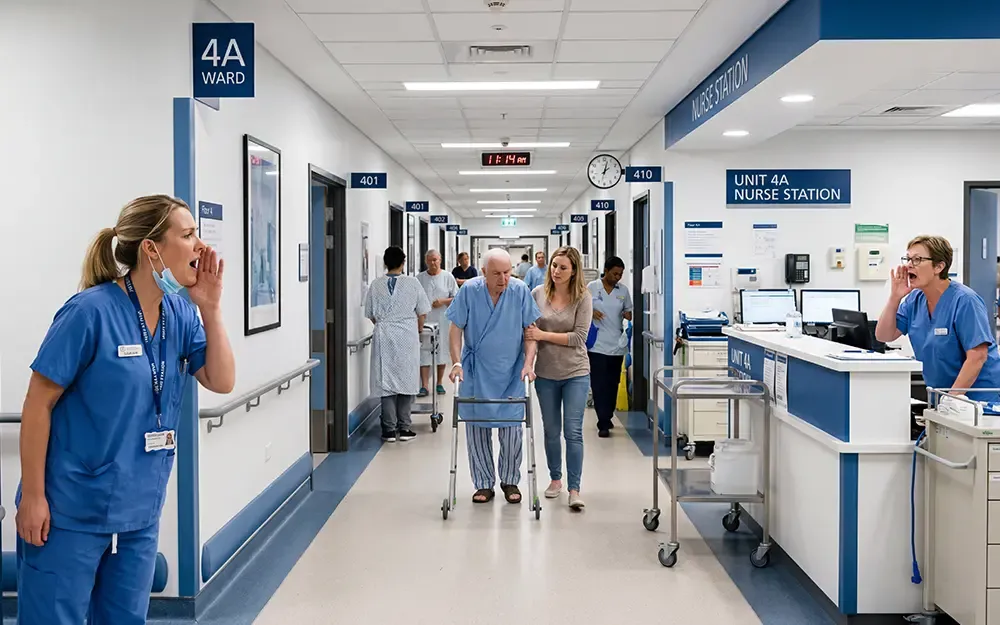
Patient floors, stairwells, basements, parking areas, and service spaces can all present different coverage challenges. Staff need dependable connectivity throughout the facility, even where building structures can affect signal performance.
Clinical and operational teams manage a steady flow of requests, updates, and handoffs throughout the day. Quick access to the right people reduces delays and keeps work moving smoothly between departments.
Critical incidents often bring several departments into the response at once. Timely, accurate information keeps teams aware of changing conditions and makes coordinated action easier when every second counts.
Workplace violence, unauthorized access, and other safety incidents can escalate quickly. Staff need a direct and dependable way to reach colleagues or security when immediate assistance is required.
Supporting safer care and dependable operations for patients, staff, and visitors throughout the hospital.


Effective coordination across care and support functions reduces delays, improves handoffs, and keeps patient care moving efficiently through the hospital.
Fast access to colleagues, supervisors, and security shortens the path to assistance, reinforces staff safety, and keeps routine care and operations on track.
Essential services depend on facilities, engineering, logistics, and support functions working reliably behind the scenes. Timely action on operational issues reduces disruption to patient care.
Complex incidents can involve several departments at once. Clear roles and shared information keep the response organized, support timely decisions, and maintain coordination across the hospital.
From patient care to hospital operations, Retevis supports the communication needs of teams working across the clinical, security, and operational settings.
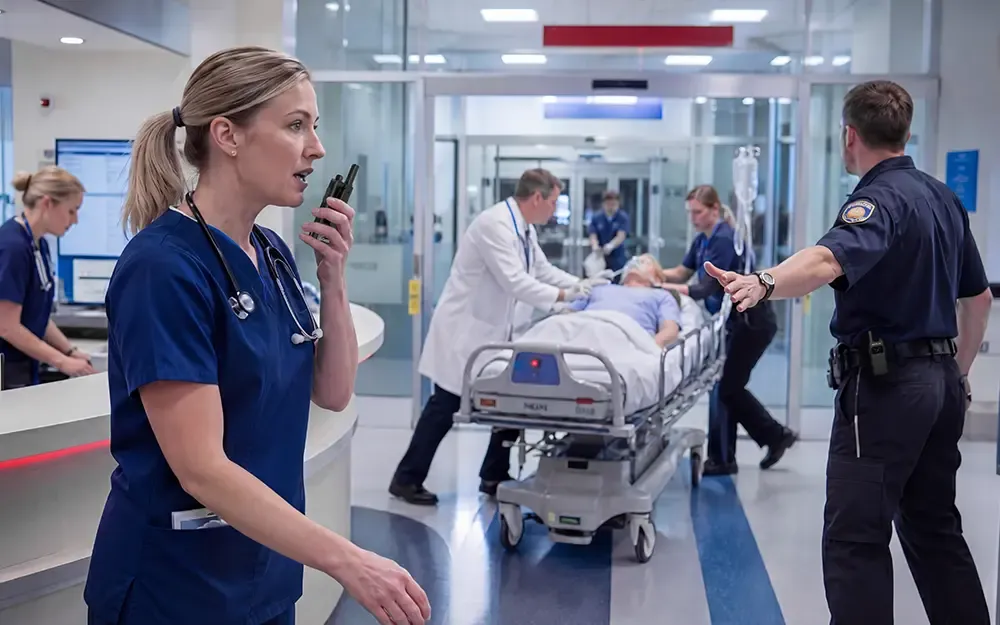
Rapid contact with transport, security, and support services keeps urgent requests moving as patient needs and priorities change.
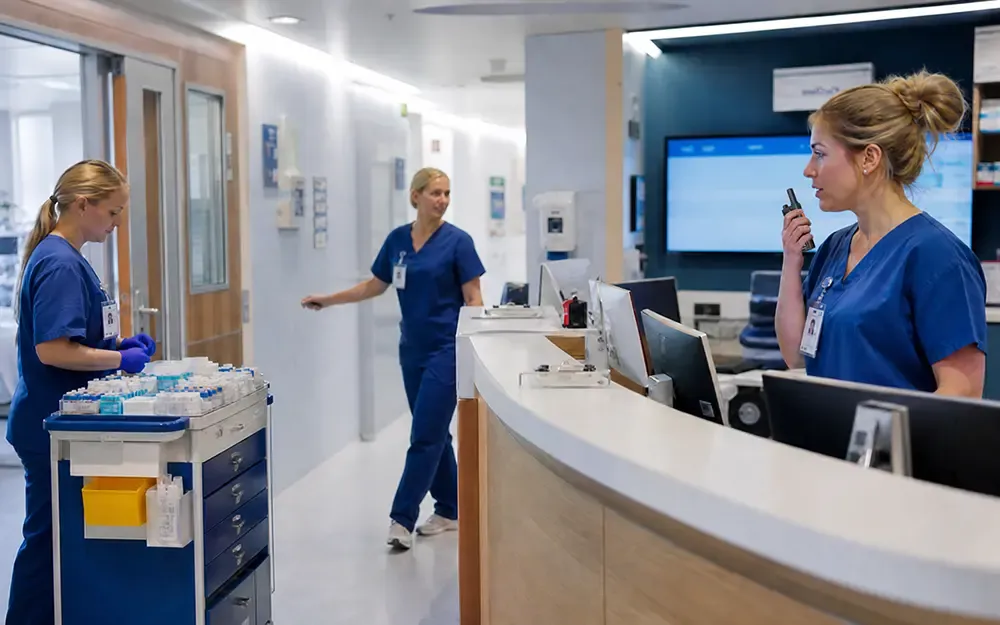
Timely updates around patient handoffs, care requests, and routine needs keep nursing units closely aligned with support services.
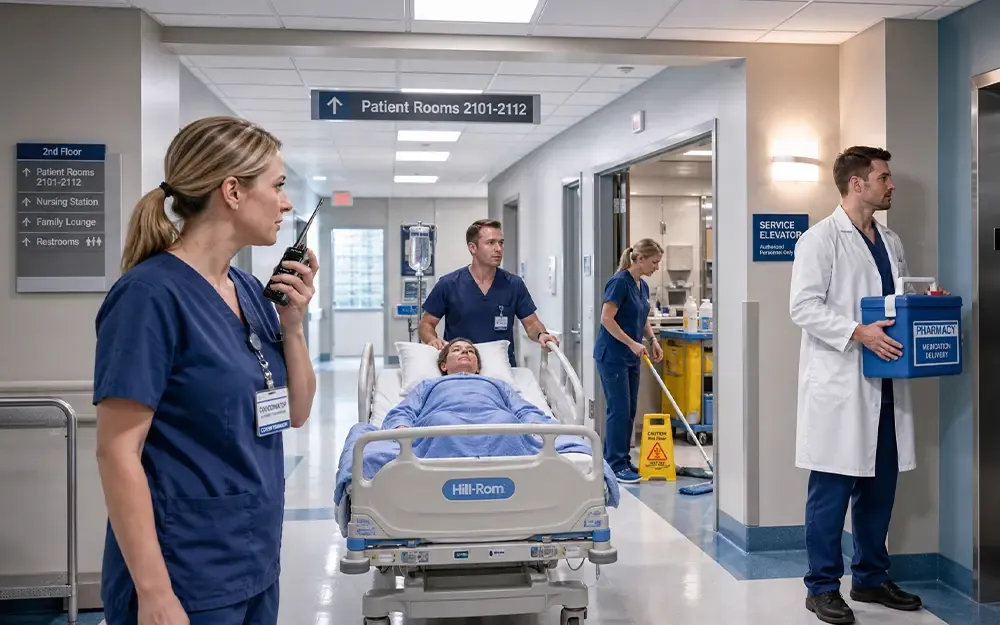
Efficient dispatch keeps patient transfers, equipment delivery, and other transport requests moving smoothly across departments and facilities.
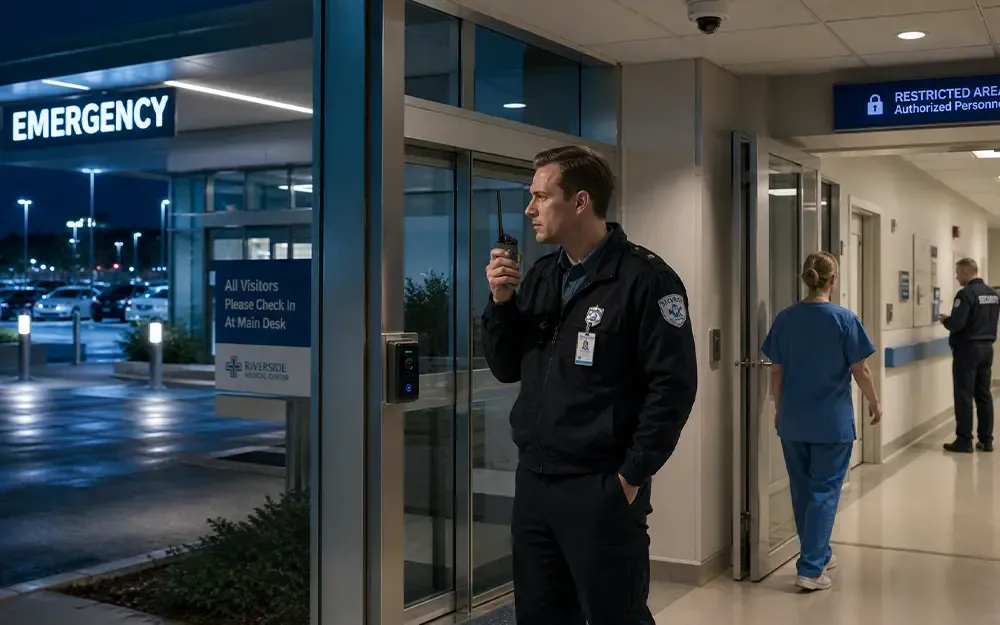
Direct access to security gives staff a clear route to assistance during access issues, disturbances, and other security incidents.
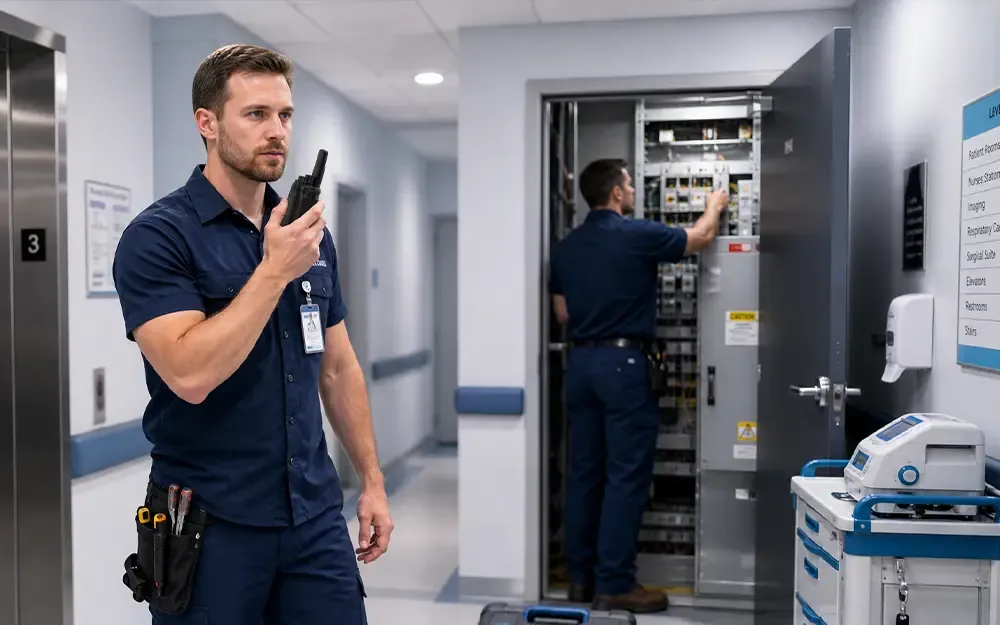
Prompt reporting of equipment failures, maintenance needs, and service disruptions allows engineering teams to address issues before they affect hospital operations.
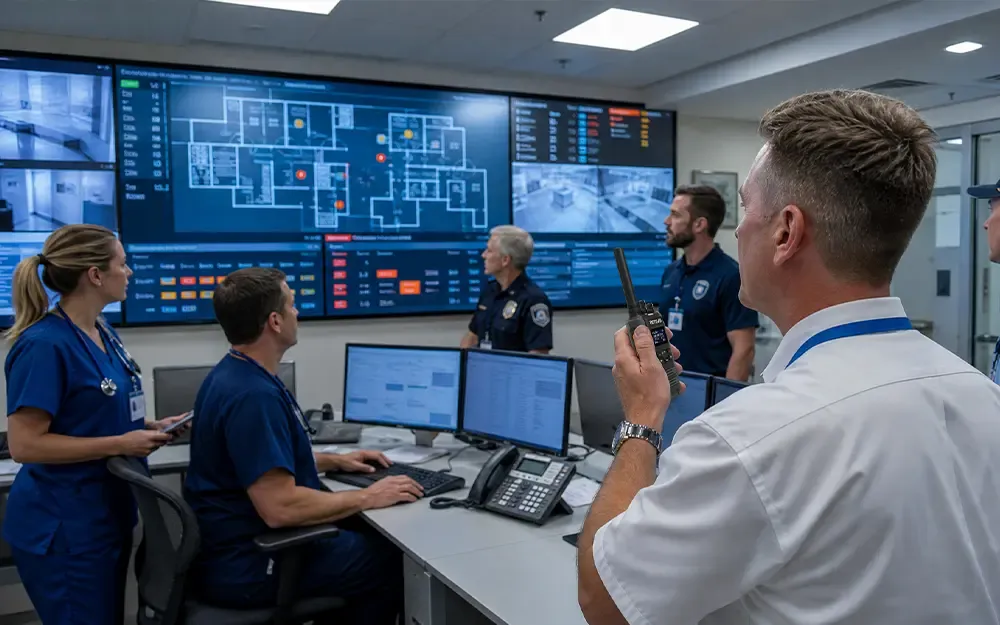
Centralized communication brings departments together during major incidents, linking frontline updates with hospital leadership and coordinated response.
Configured to fit each facility's size, layout, and operational needs, with dependable coverage across the hospital.
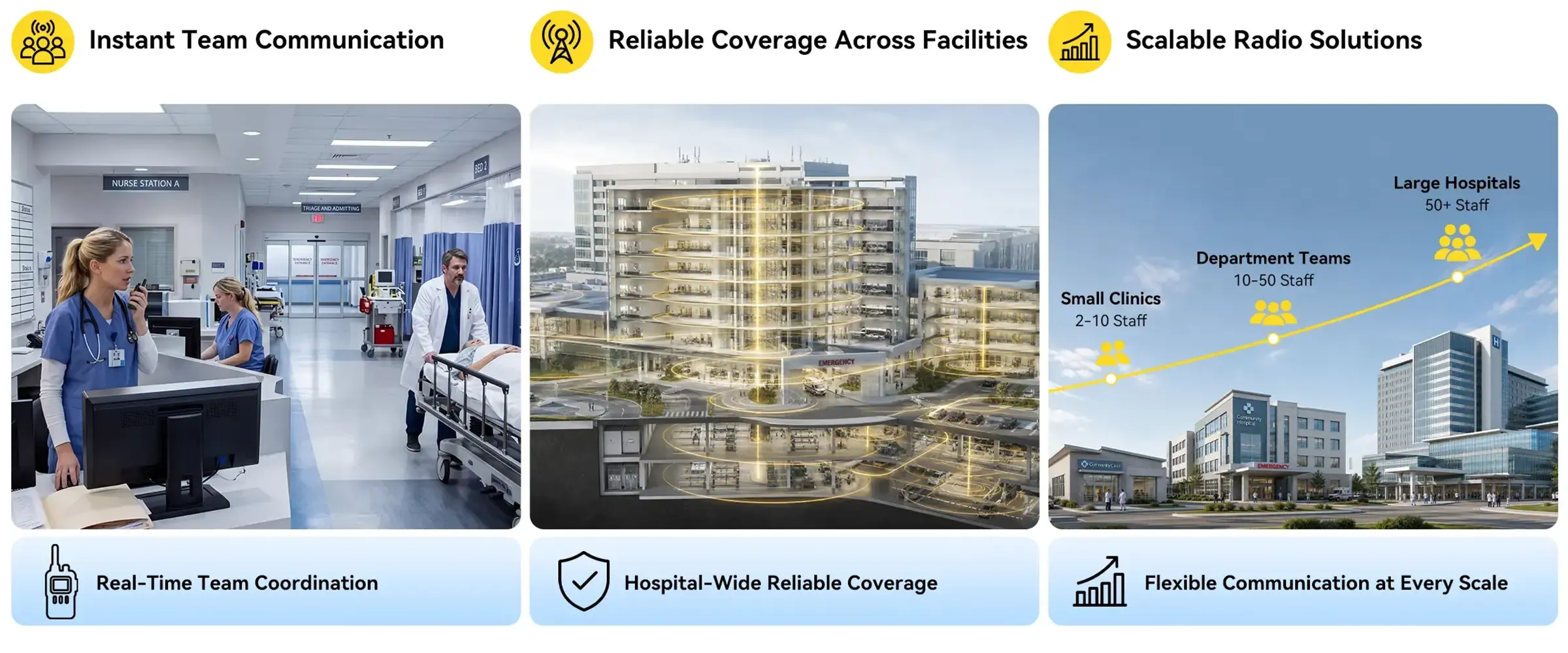
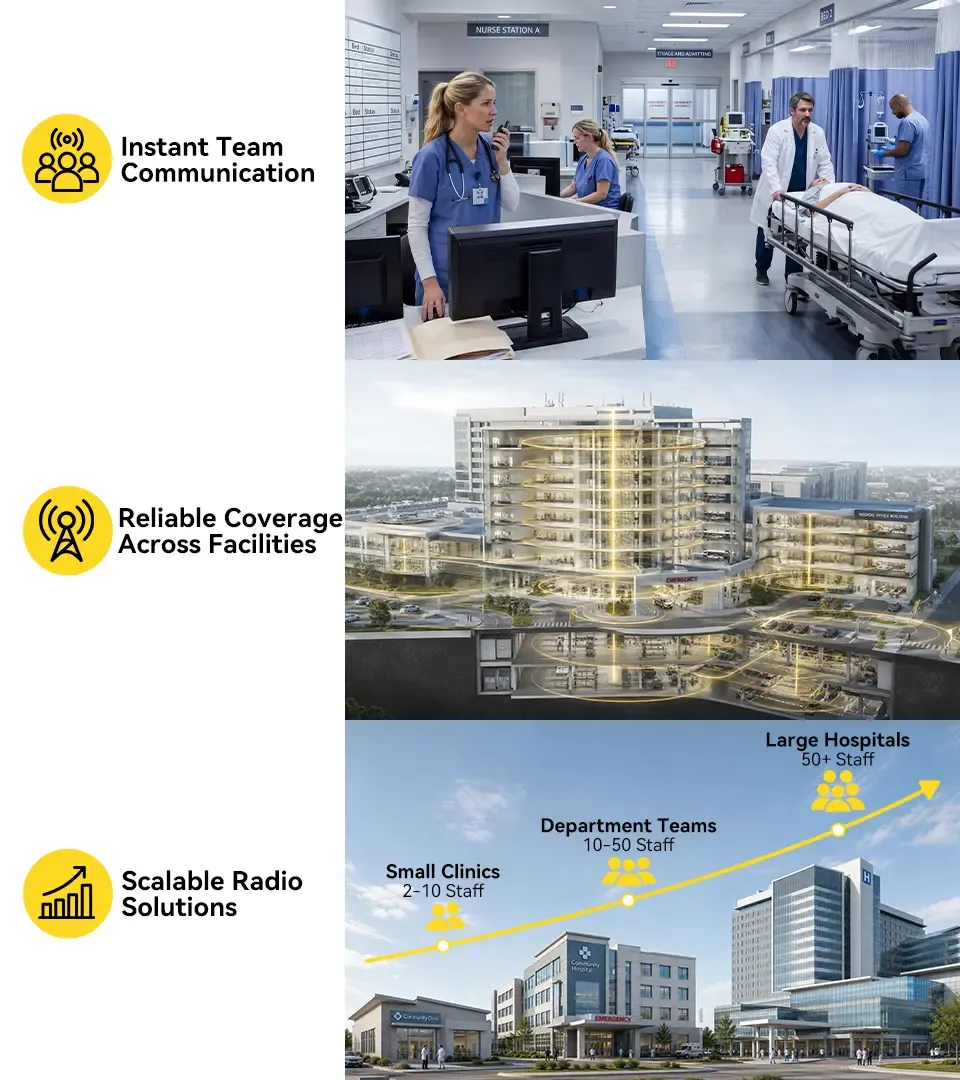
Direct voice communication allows hospital staff to reach individuals or departments immediately, without relying on phone calls, callbacks, or repeated paging.
Hospitals present challenging radio environments, where concrete and steel construction, multiple floors, basements, and enclosed service areas can affect signal performance. Repeater-based systems can extend coverage in areas where direct radio communication is limited.
For healthcare organizations of varying size and complexity.
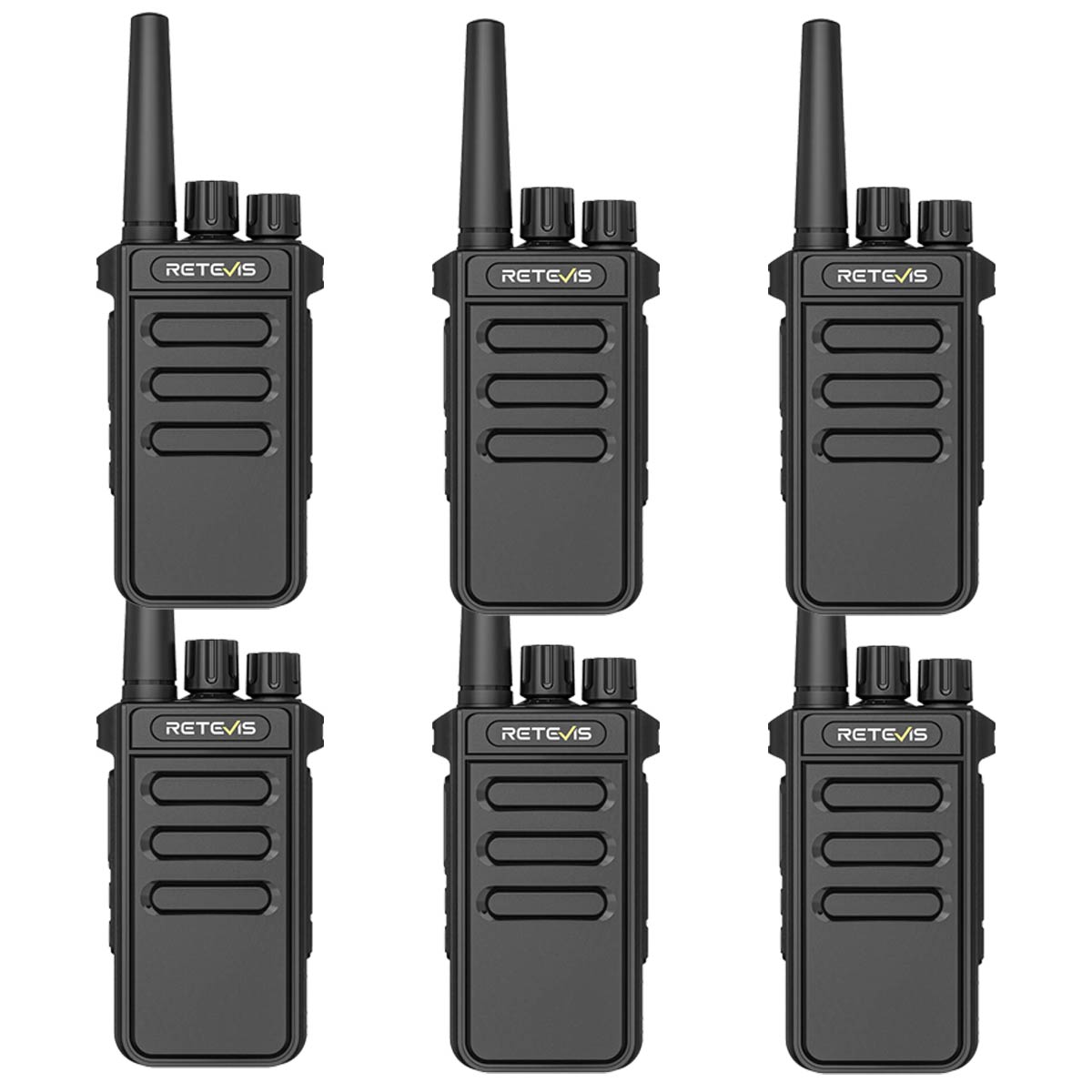
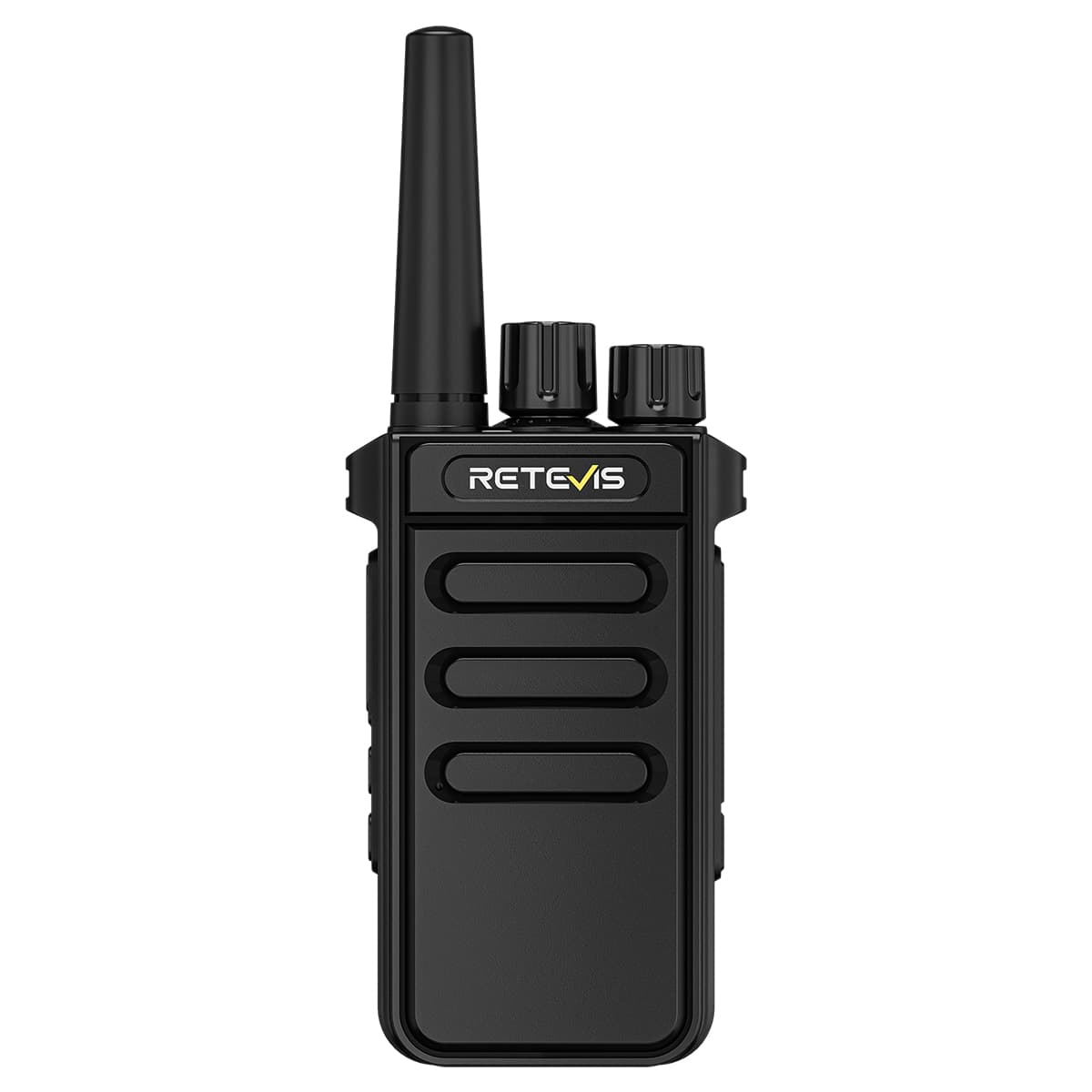
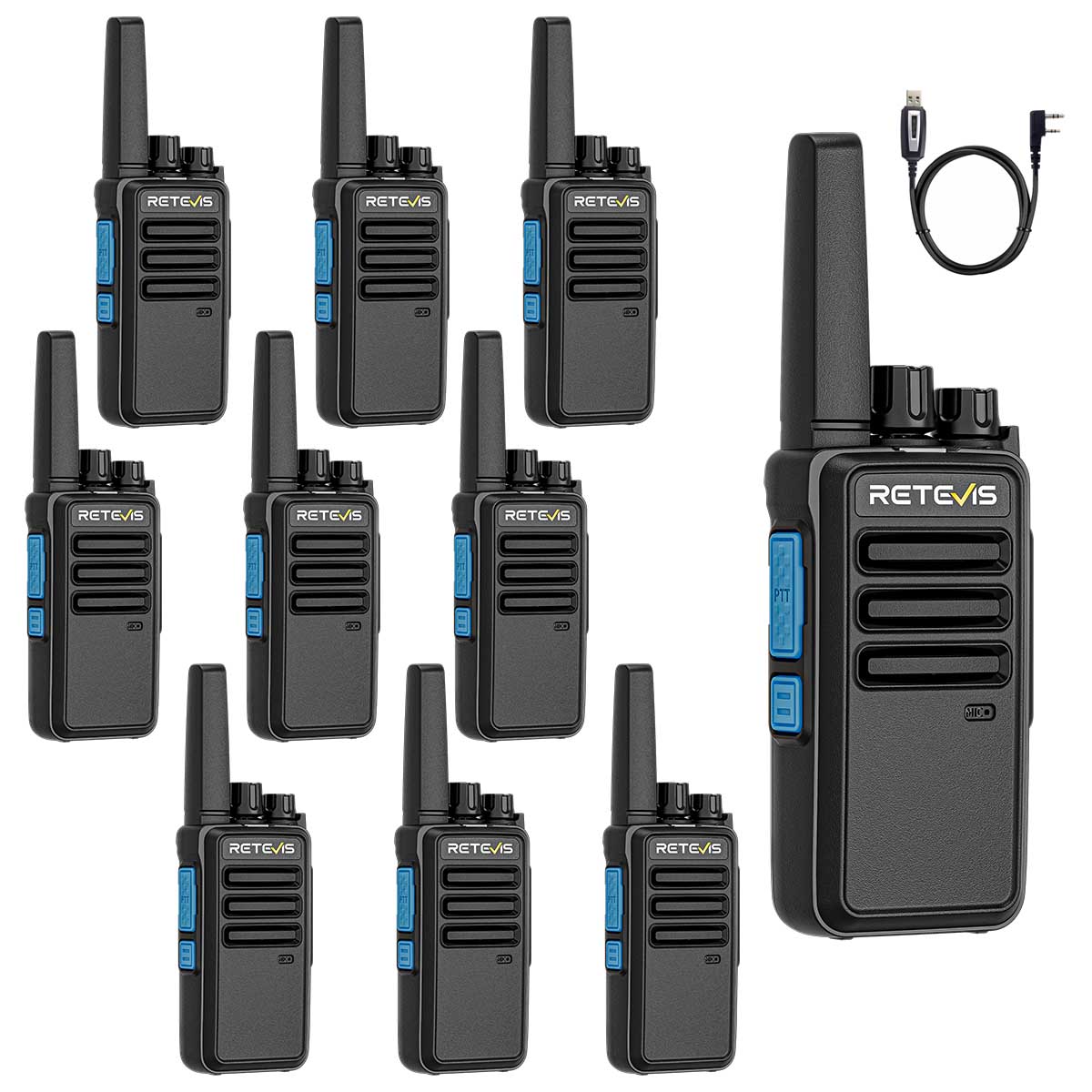
Simple two-way communication for compact sites and smaller teams.
Digital communication for day-to-day coordination across multiple departments.
Expanded radio infrastructure for complex buildings and larger-scale operations.
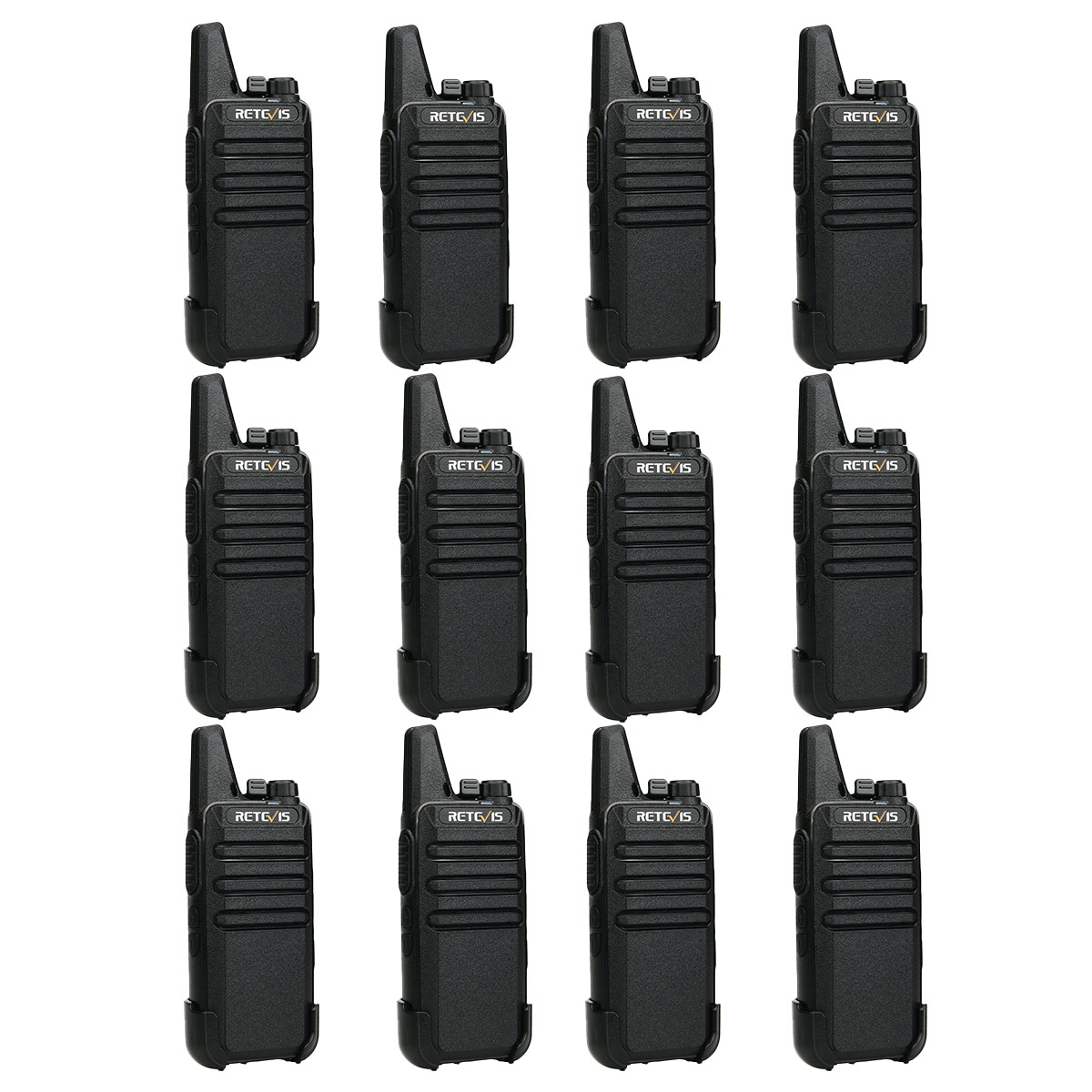
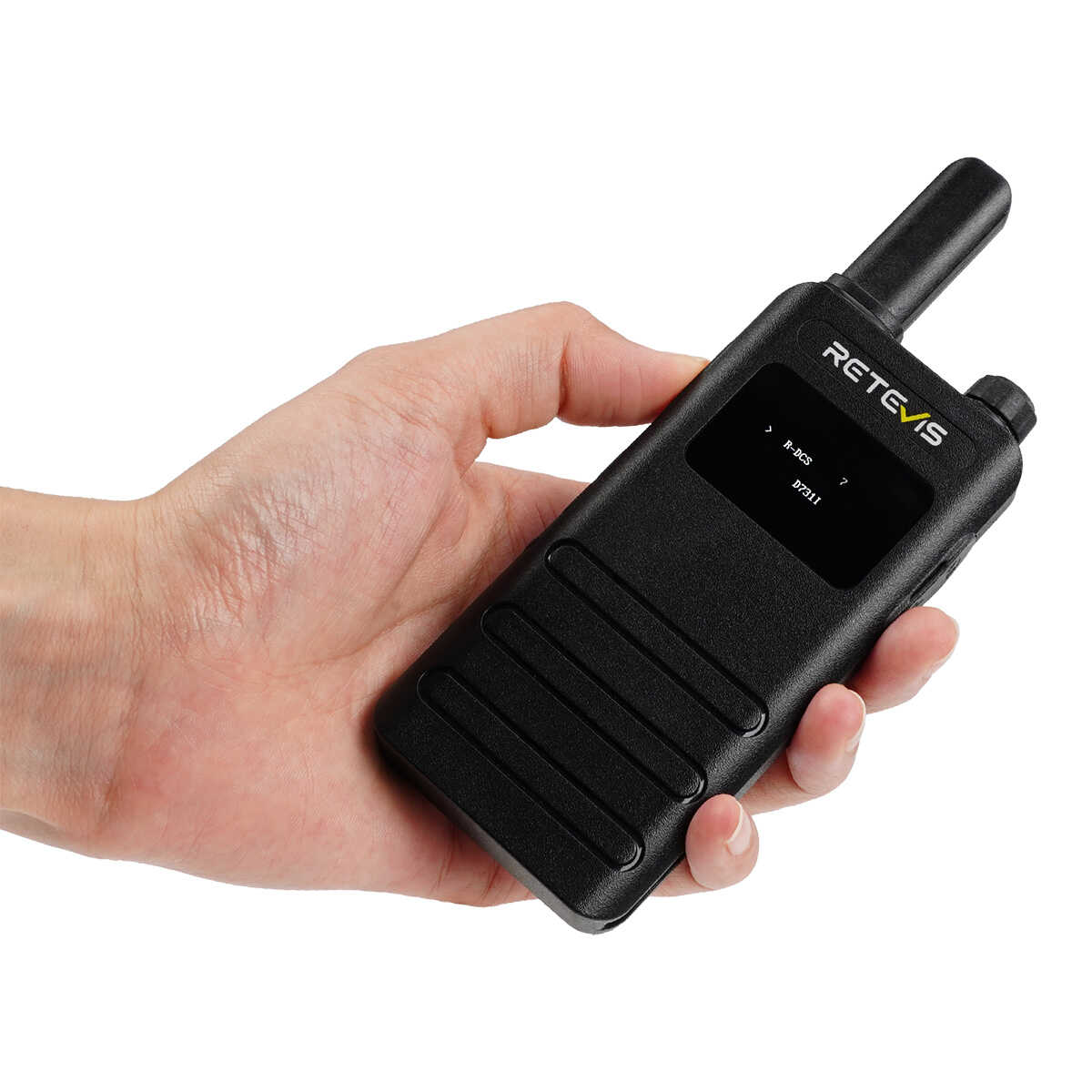
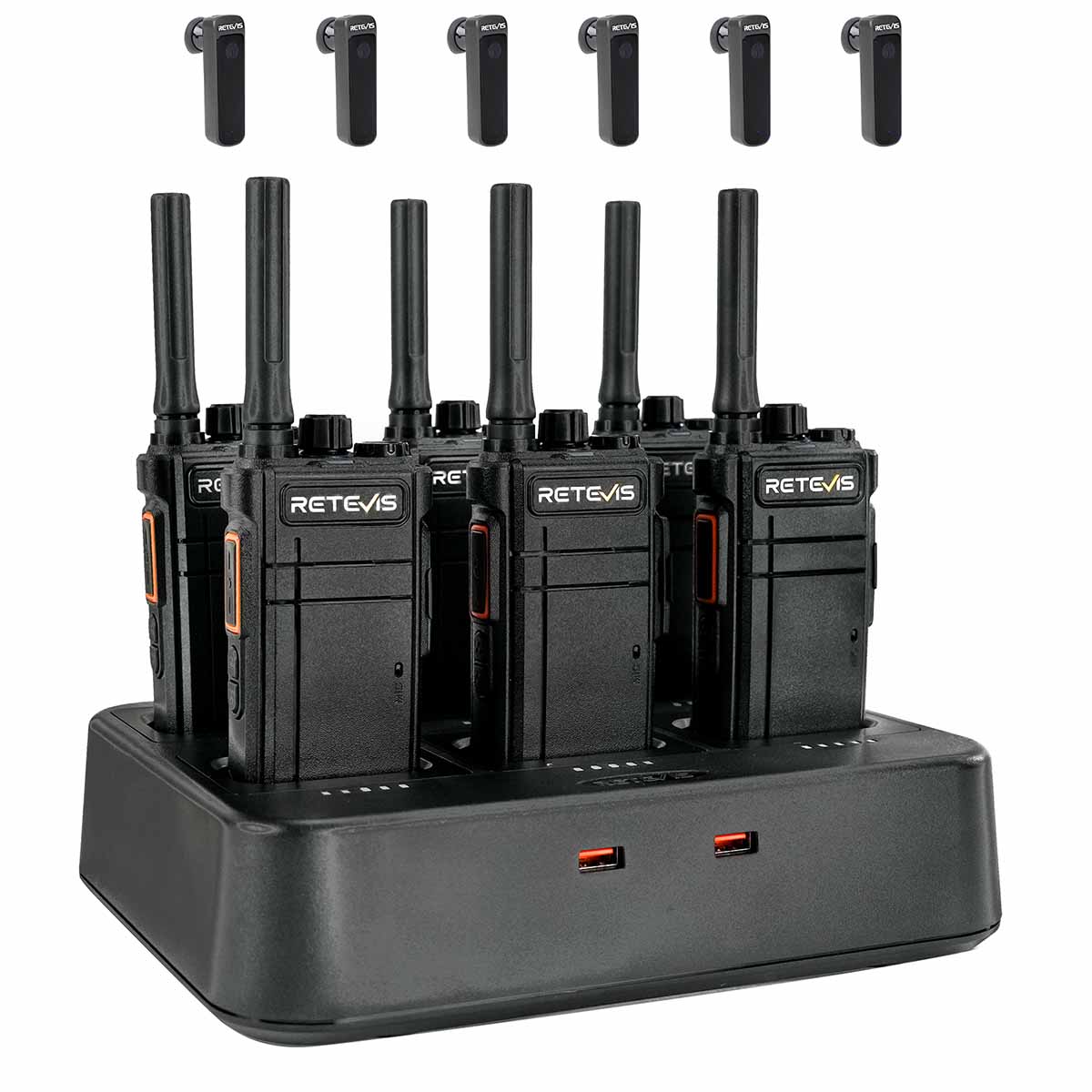
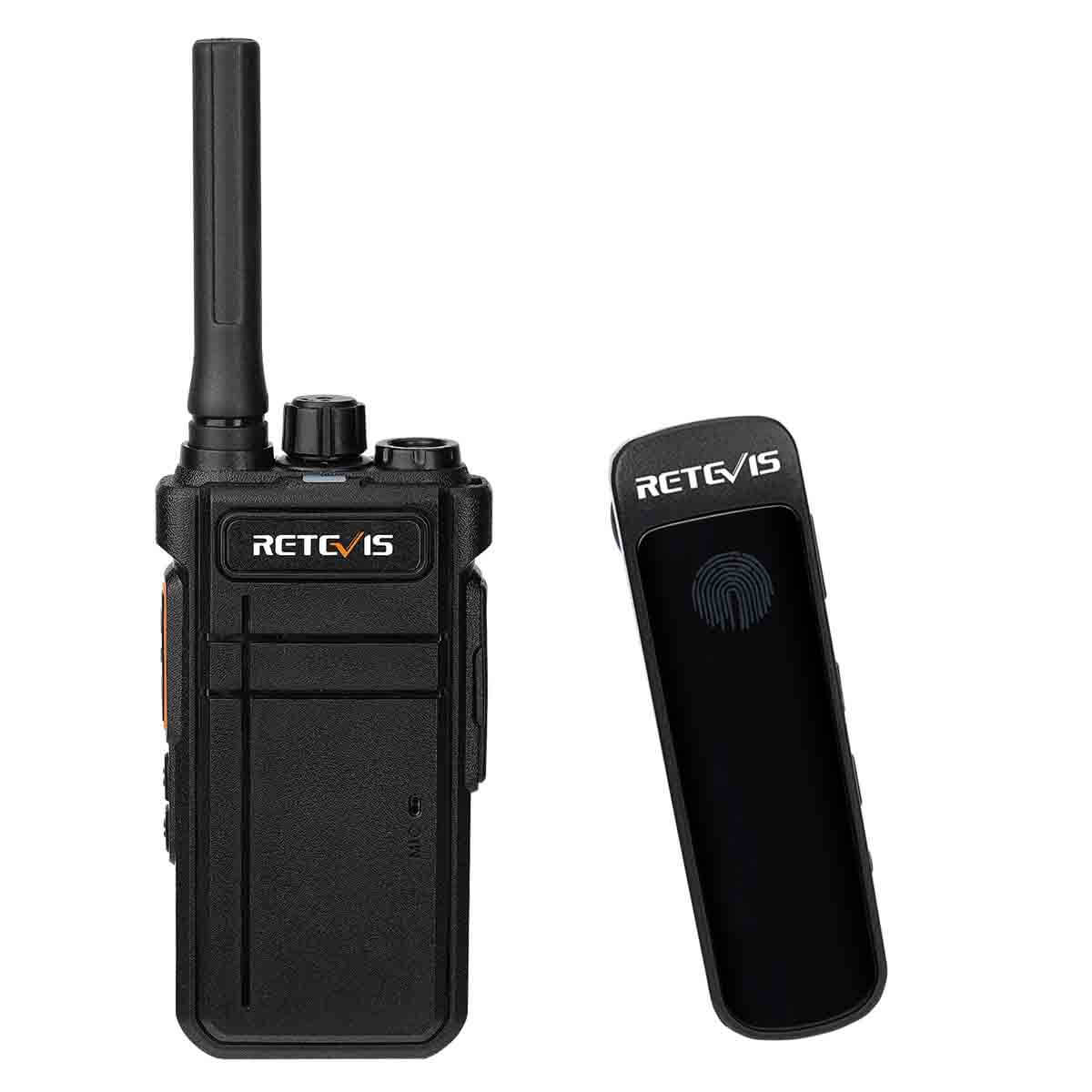
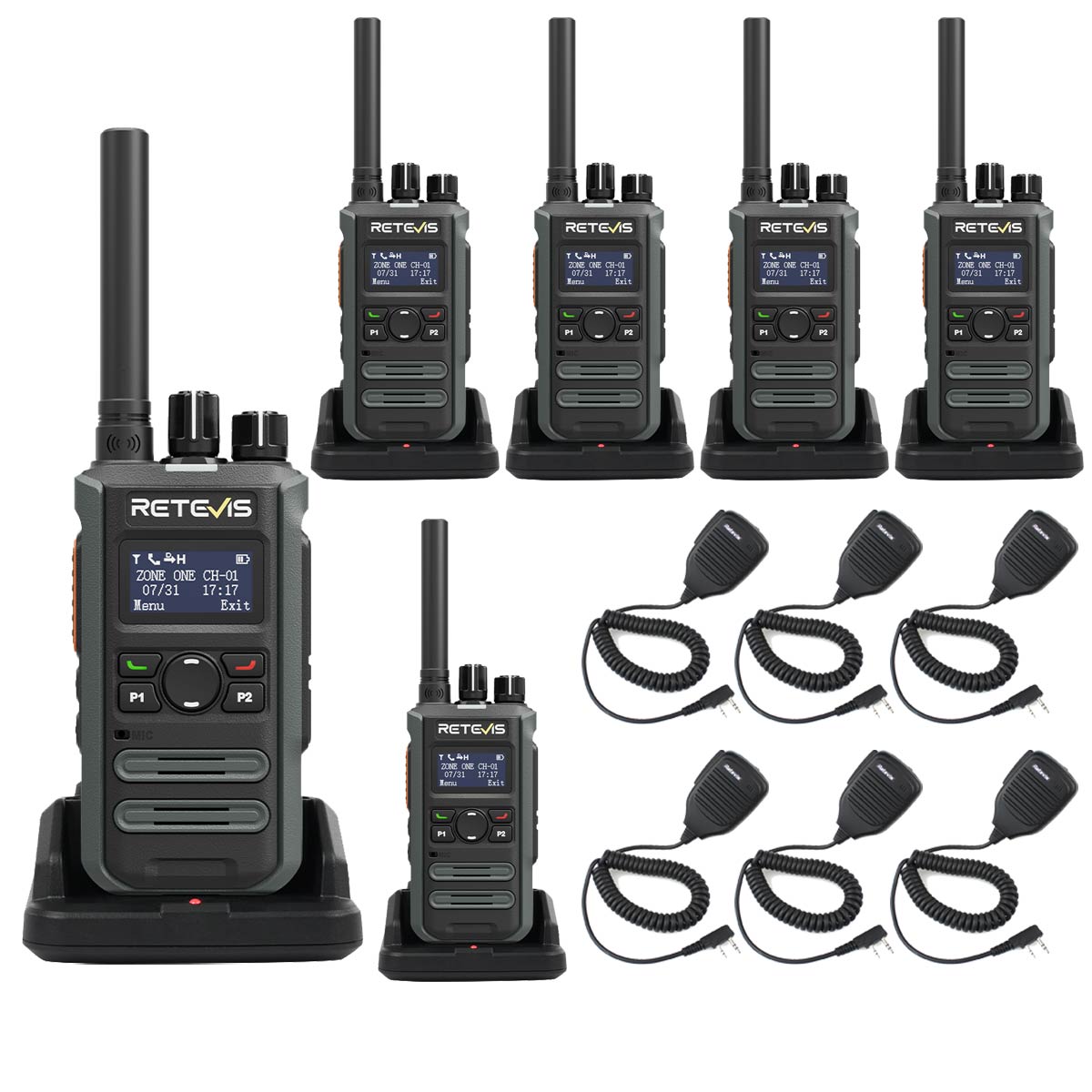
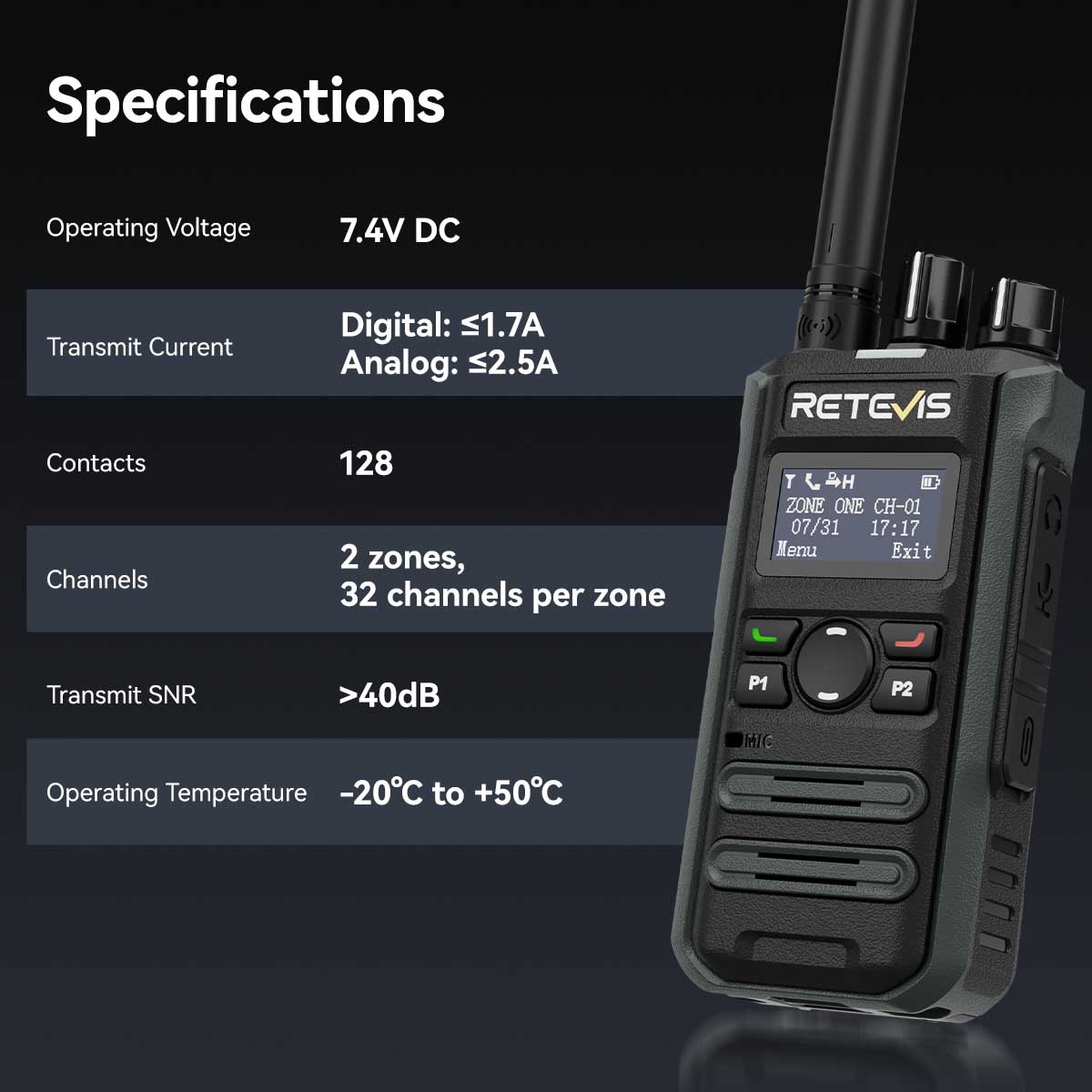
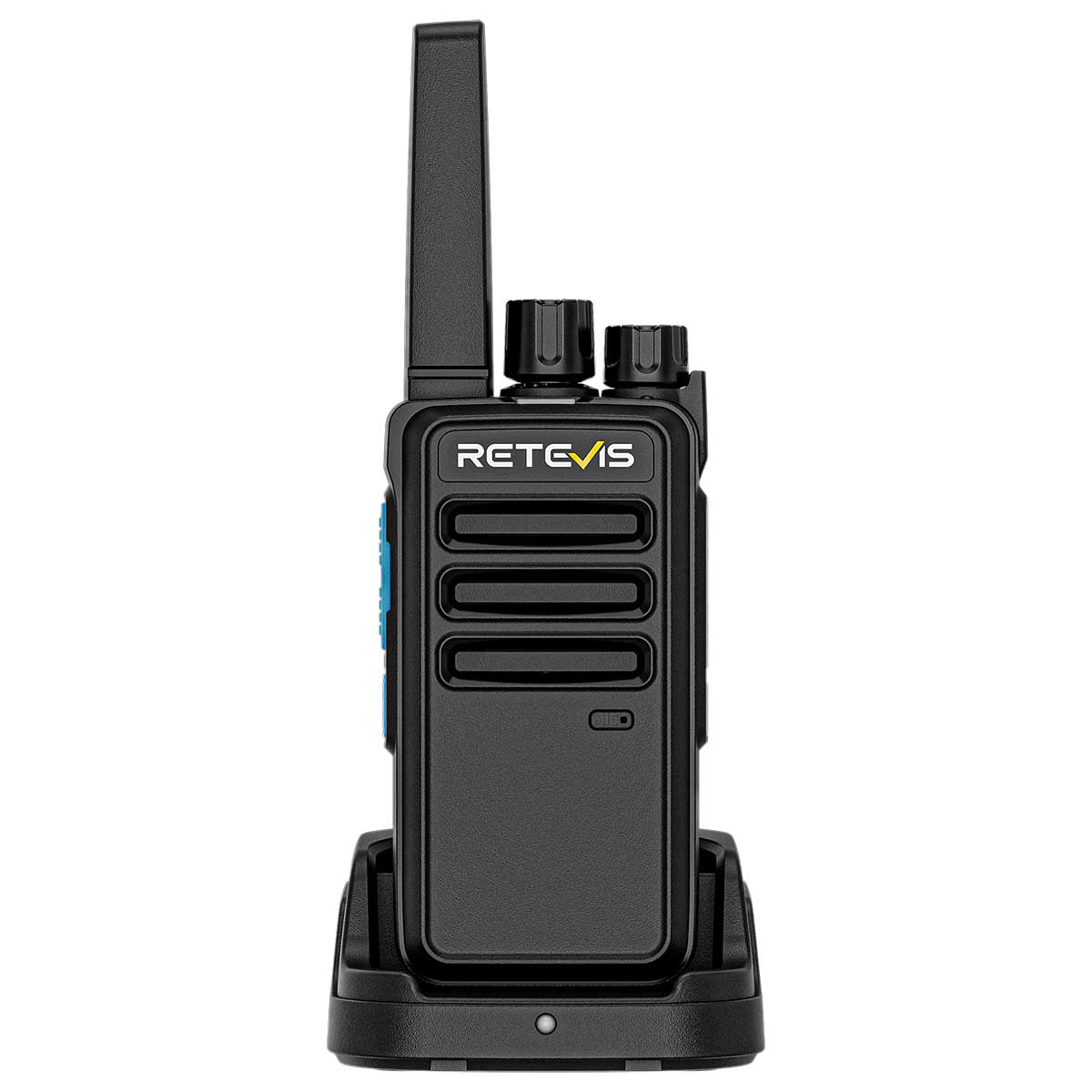
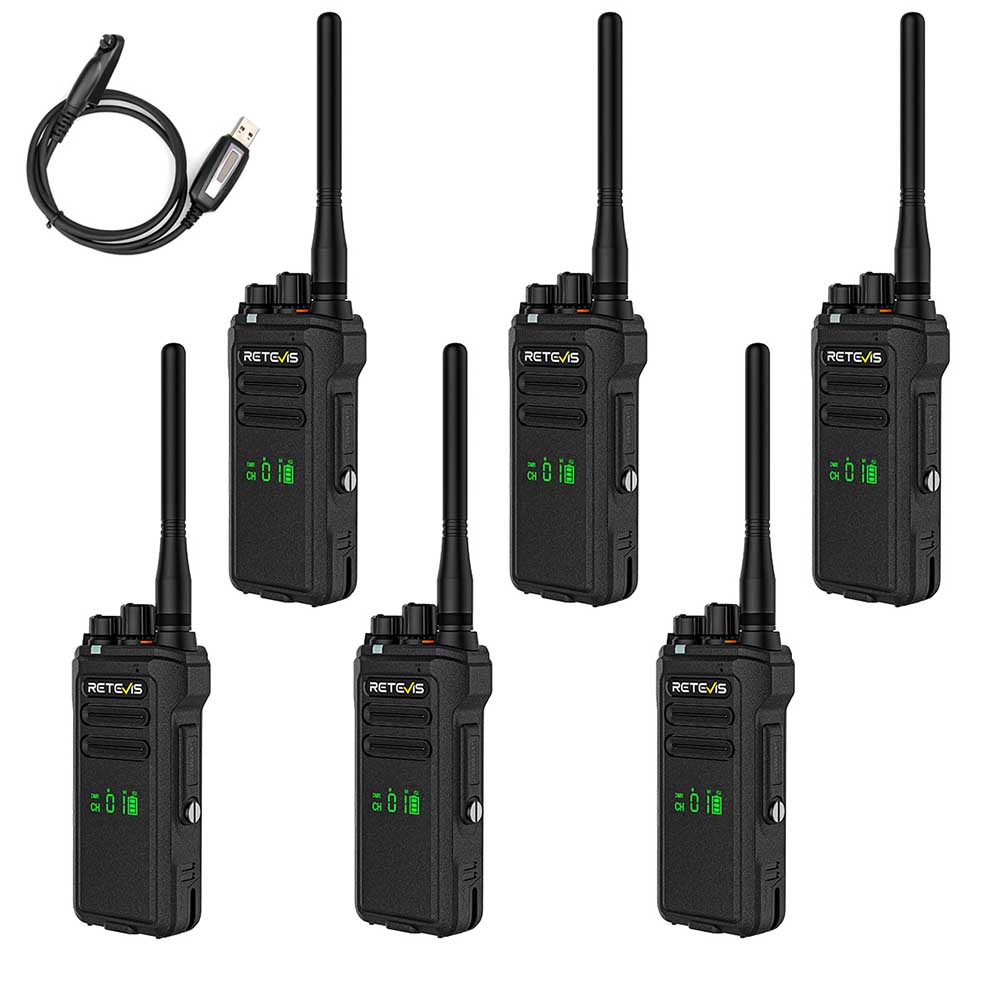
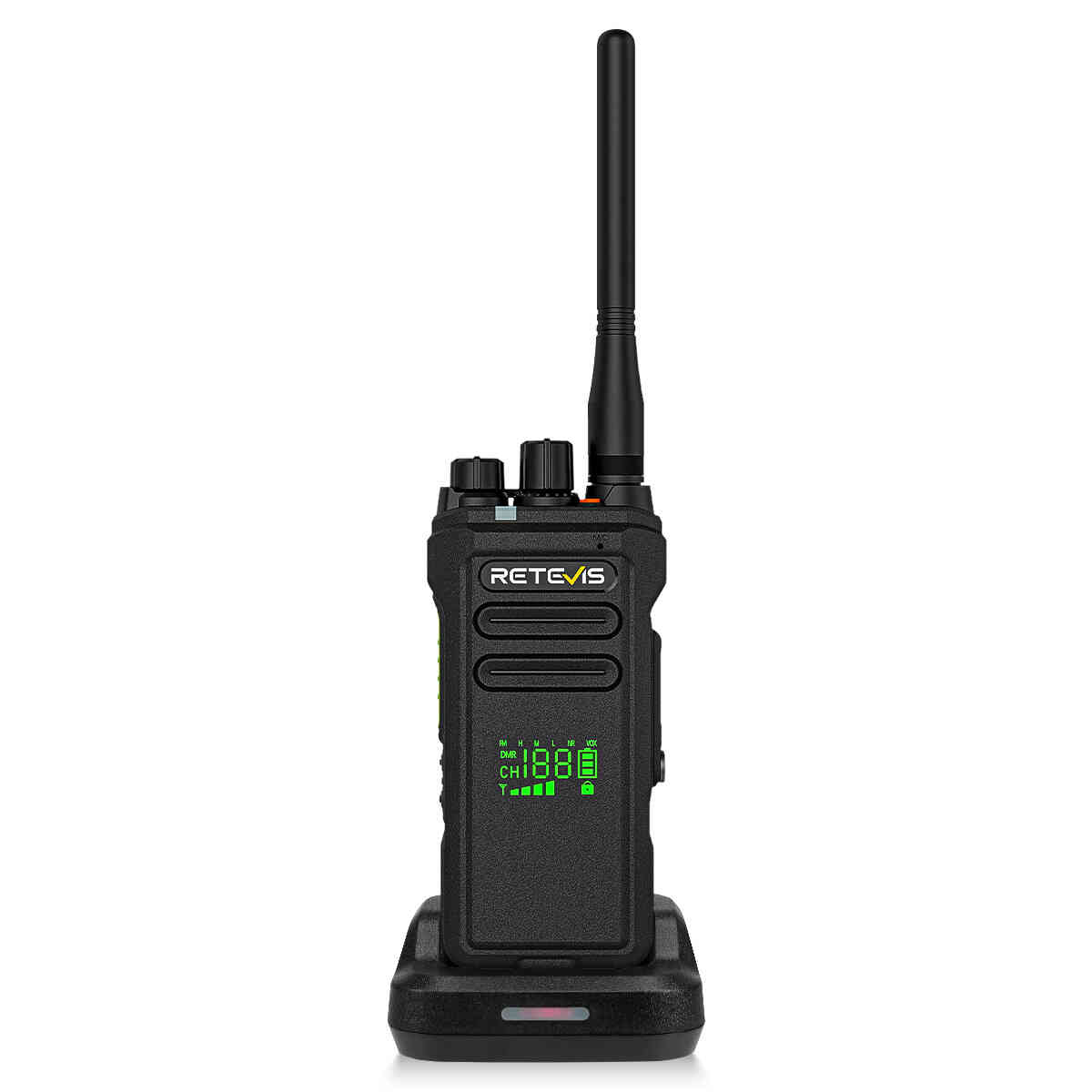
From compact handheld two-way radios to reliable DMR radios, Retevis offers communication equipment designed specifically for fast-paced hospital and clinical environments.
Designed to support smooth daily workflows and reliable communication inside hospitals.
Reach an individual or group immediately, without dialing, ringing, or waiting for a call to connect.
Deliver clear voice messages in busy corridors, loading areas, mechanical rooms, and other noisy parts of the facility.
Separate routine traffic by department while providing shared channels for cross-department coordination when needed.
Send an immediate alert when urgent assistance is required, providing a direct way to call for help.
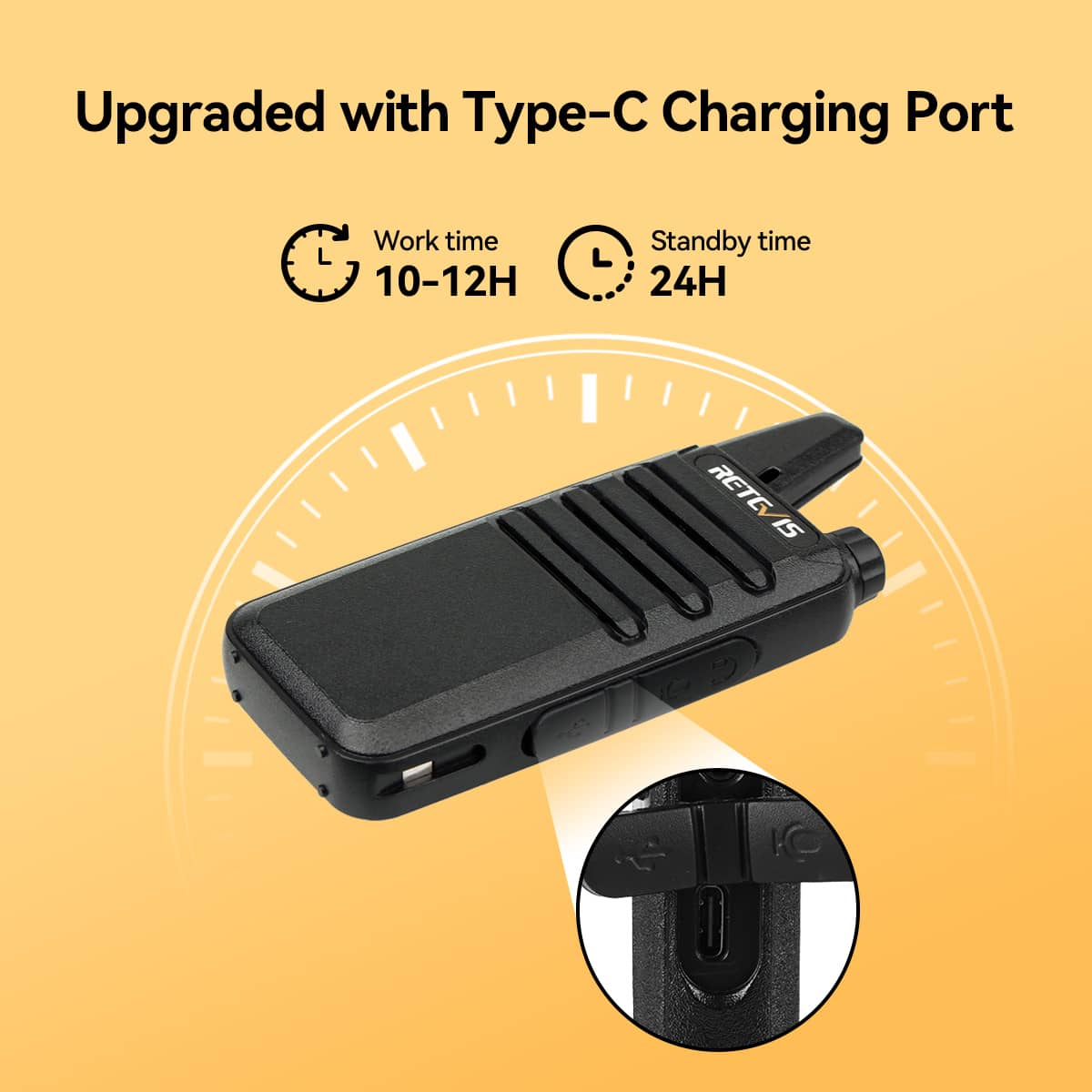
Long operating time supports extended shifts on a single charge, reducing the need for recharging during the workday.
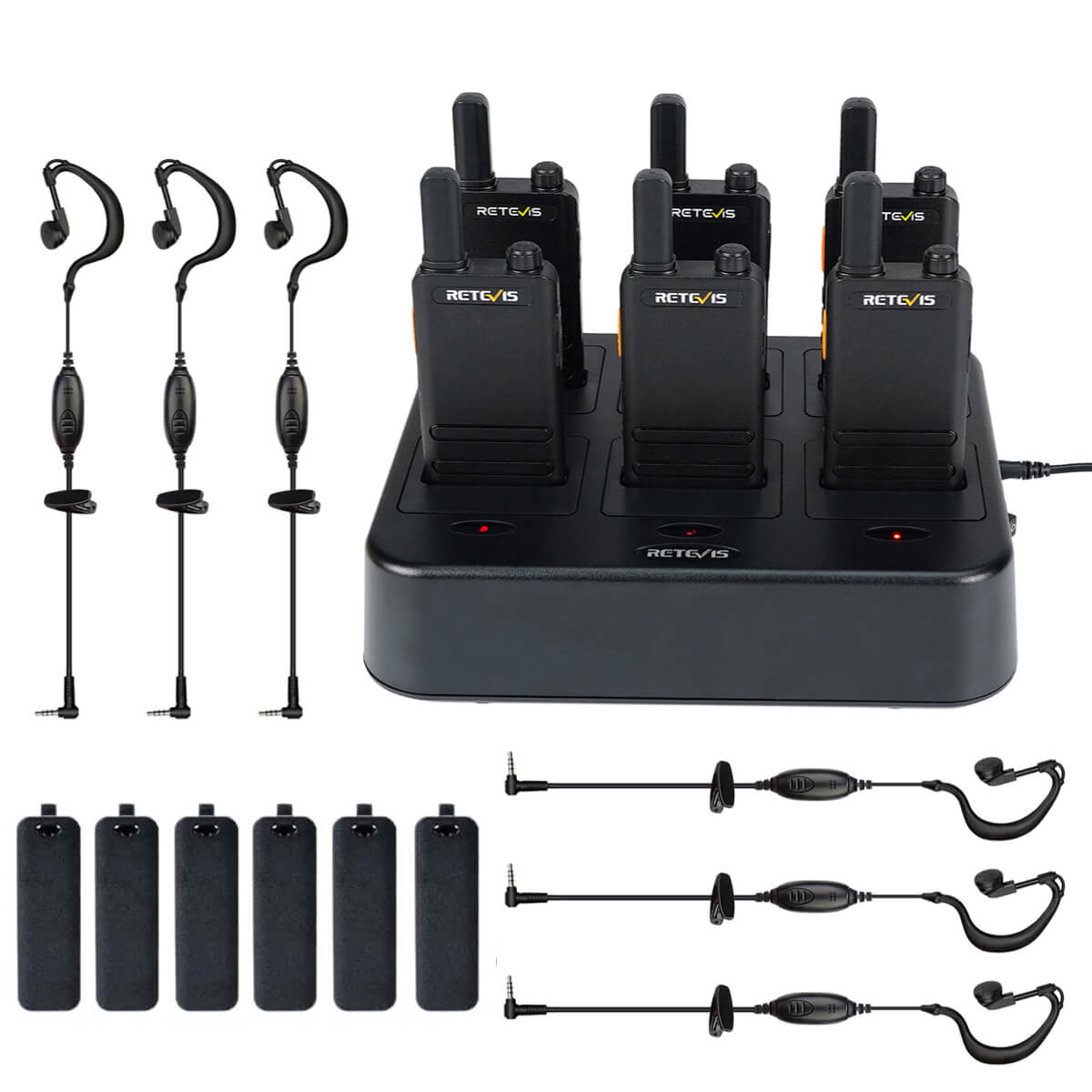
Lightweight radios and discreet audio accessories make radio use less noticeable in patient rooms and shared areas.
500+ medical response teams rely on our rugged radios for life-saving care. Built for mission-critical healthcare communication — ready for your facility.
Common questions about two-way radio systems for hospitals and healthcare environments.
Two-way radios are designed for immediate group communication. Staff can press one button and speak directly to an individual or team without dialing, waiting for a call to connect or relying on everyone to check an application.
This makes radios particularly useful for security, facilities, patient transport, logistics and other hospital teams that need fast operational communication while moving throughout the facility.
Two-way radios are commonly suited to operational communication among security, facilities and engineering, patient transport, logistics, environmental services, administrators, emergency response teams and other authorized staff. The appropriate users and communication procedures should be defined by each healthcare organization based on its workflows, privacy requirements and internal policies.
They can, but coverage depends on the hospital. Building size, construction materials, number of floors, basements, elevators, stairwells, parking structures and surrounding buildings can all affect radio performance. Smaller facilities may work effectively with direct radio-to-radio communication. Larger or more complex hospitals may require strategically deployed repeaters or additional radio infrastructure to improve in-building coverage.
These are often among the most challenging areas for wireless communication because of concrete, steel and below-grade construction.
A proper hospital radio system should evaluate these areas during coverage planning. Where handheld-to-handheld communication is insufficient, repeater placement and antenna configuration can be used to improve coverage.
It depends on the size and complexity of the operation. License-free radios can be appropriate for smaller facilities and straightforward communication requirements where permitted by local regulations.DMR systems are better suited to organizations that require structured department groups, digital communication, repeater integration and greater room for system expansion.
Yes.Radio systems can be programmed so departments such as security, facilities, transport and operations have dedicated communication channels or talk groups.This helps reduce unnecessary radio traffic while making it possible to establish shared communication groups for incidents that require several departments to work together.
Radio use around sensitive medical equipment should always follow the healthcare facility's electromagnetic interference policies, equipment manufacturer guidance and applicable regulations.Hospitals should identify any areas where transmitting radios are restricted and include those requirements when designing operating procedures for the radio system.



 Google
 Amazon