Underground Mine Communication Systems
Contact Sales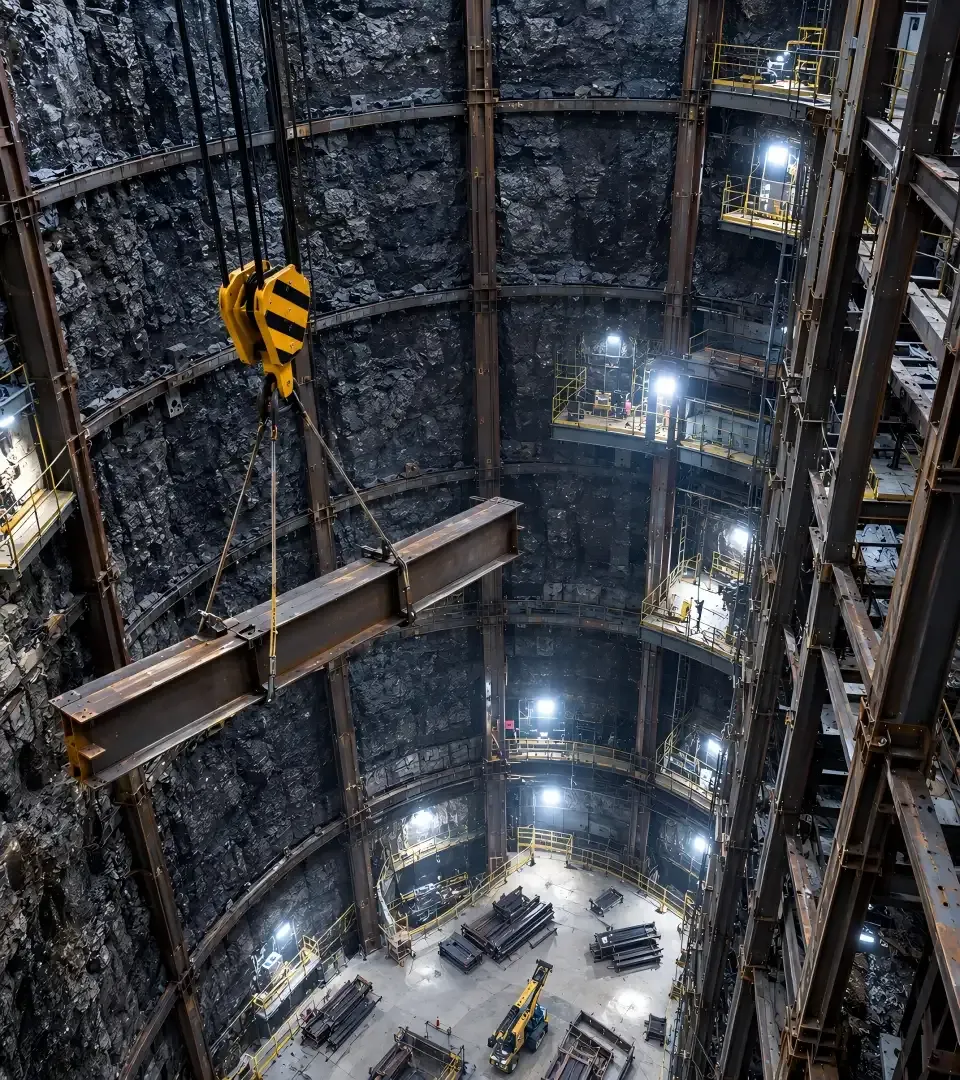
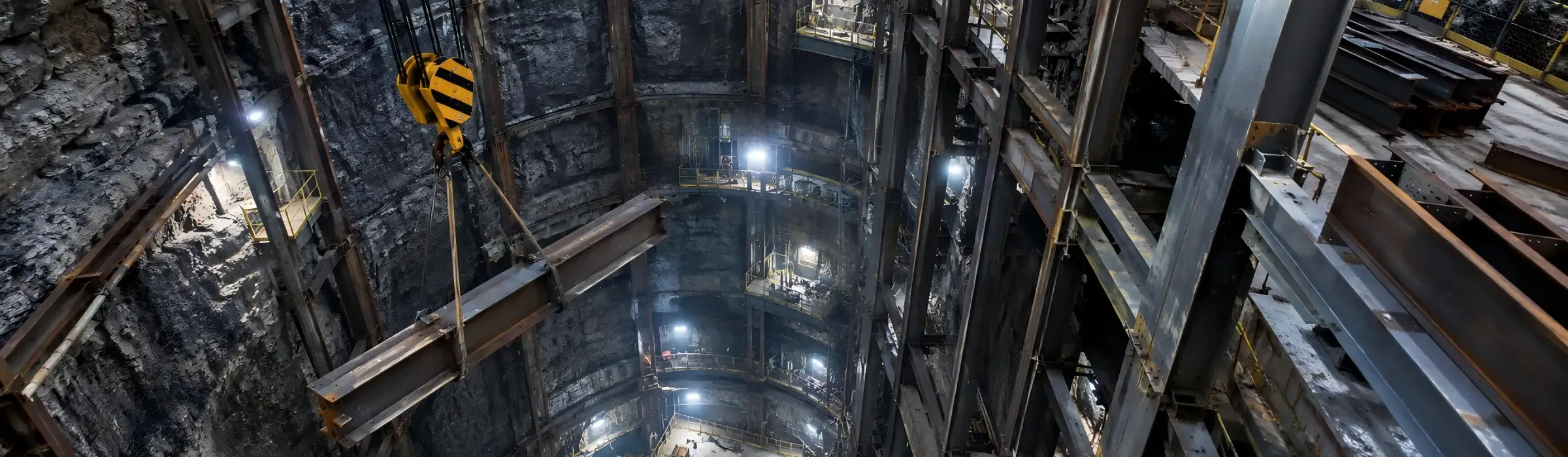
Underground mine communication systems must deliver clear voice where steel structures block signals and depth removes all line of sight. A 250-meter deep underground mine shaft required a reliable communication system for steel structure installation, removal, and crane lifting operations. Due to heavy metal structures, limited underground coverage, and high safety requirements, the project needed clear, low-latency communication between crane operators, underground workers, and safety teams.
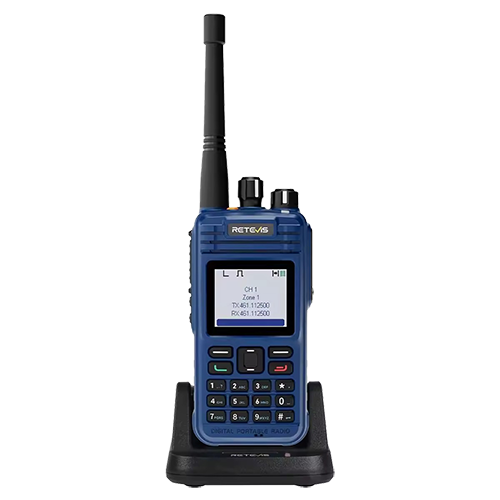
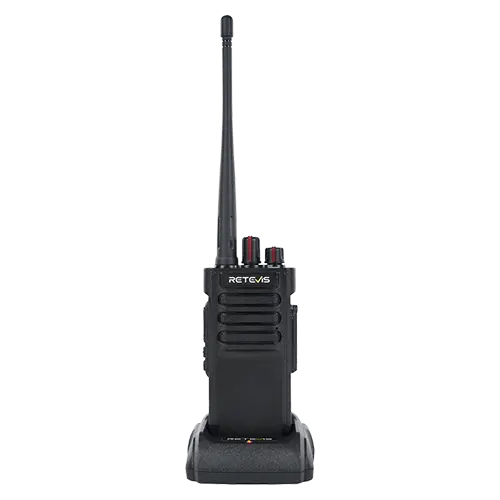
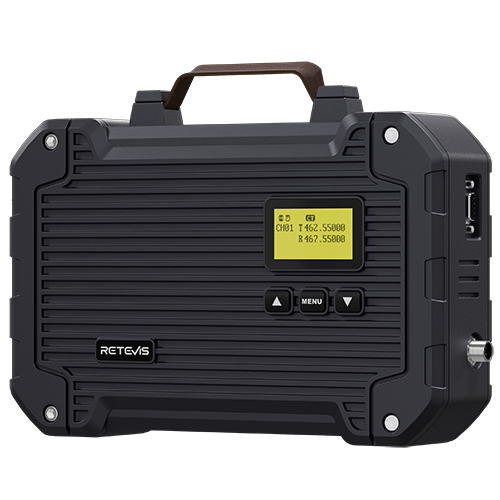
Retevis provides a DMR communication solution combining E2 intrinsically safe radios, RT29D digital radios, RT97LD repeater system, and shaft coverage equipment to improve communication reliability in complex underground environments — with voice contact maintained across the full 250-meter depth.
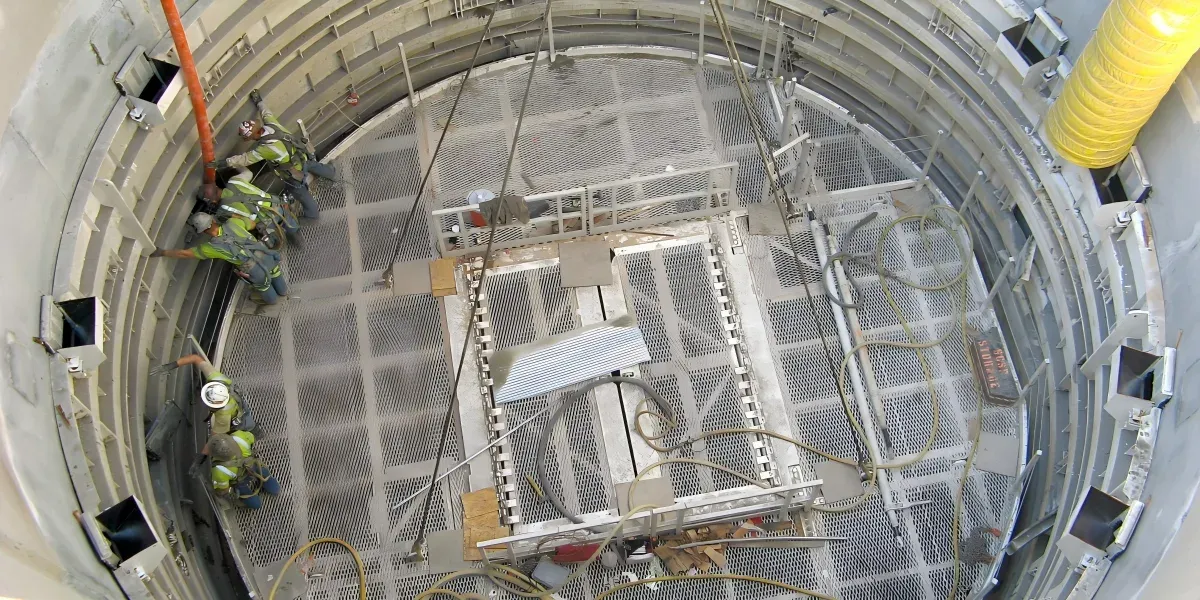
Large steel structures and equipment inside the shaft caused signal attenuation, voice distortion, and communication blind spots.
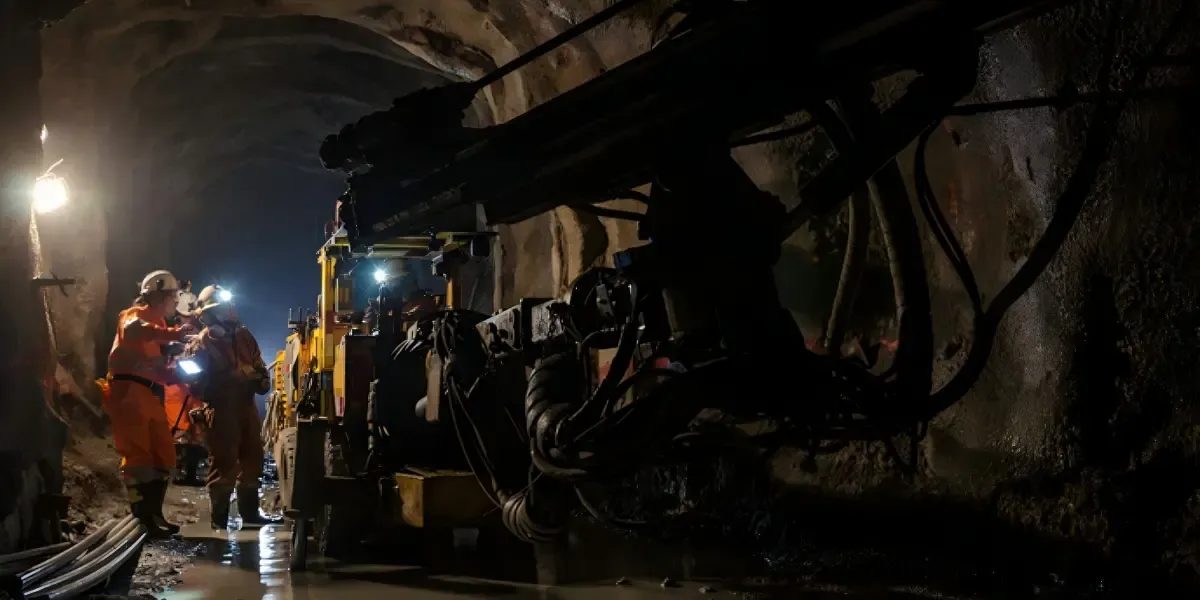
Crane operations require immediate and clear voice commands without communication delays.
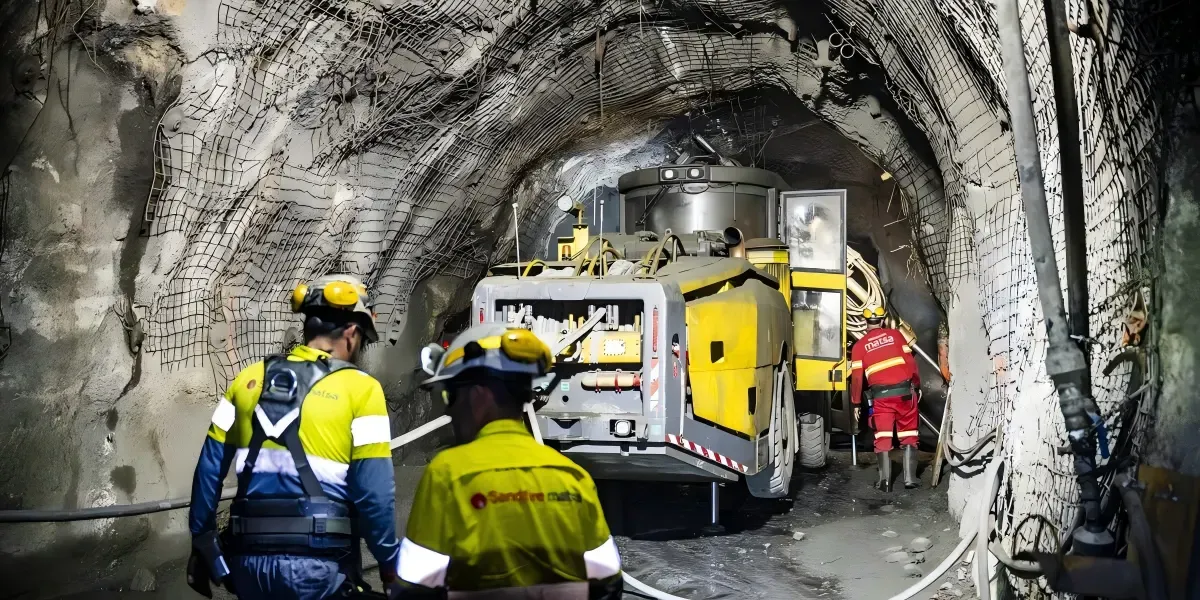
Noise, confined spaces, and harsh environments require stable communication with suitable accessories.
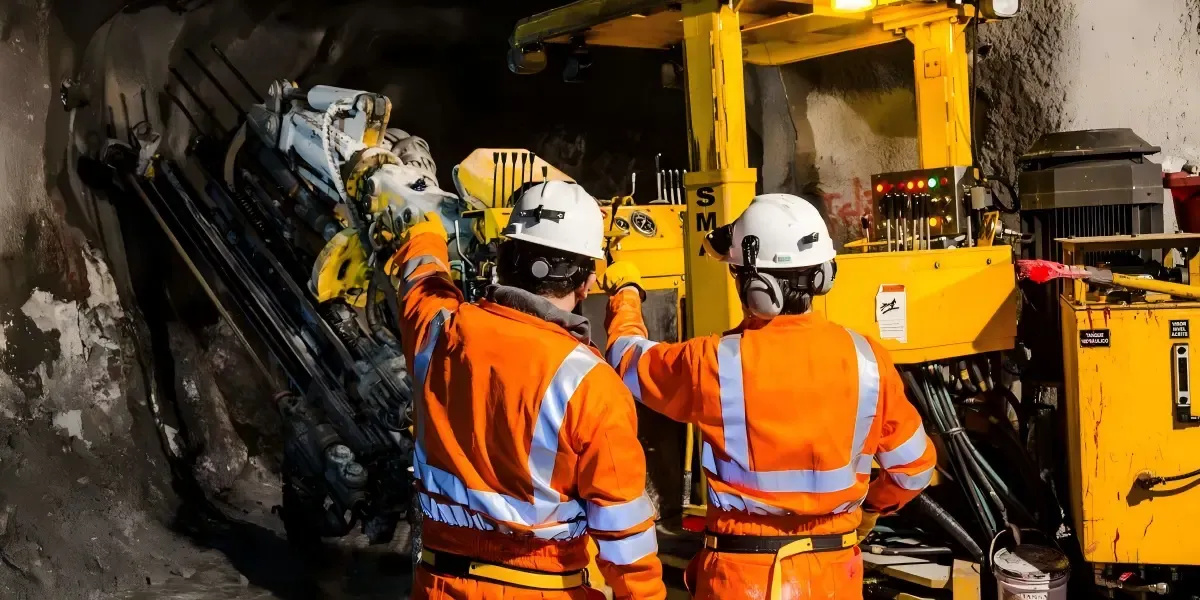
Workers need remote speaker microphones and monitoring headsets to maintain communication while performing lifting tasks.
A modular DMR Tier II communication system was deployed to provide reliable communication for underground lifting operations. The solution integrates Retevis E2 Intrinsically Safe Digital Radios, RT29D Digital Radios, RT97LD DMR Repeater System, and shaft coverage equipment to support both underground team communication and surface-to-underground coordination.
The RT97LD repeater system extends communication coverage between surface teams and underground working areas.
The deployment supports:
For short-range operations, handheld radios can operate in direct mode for flexible team communication.
Suitable for:
The modular communication system can be expanded according to project requirements.
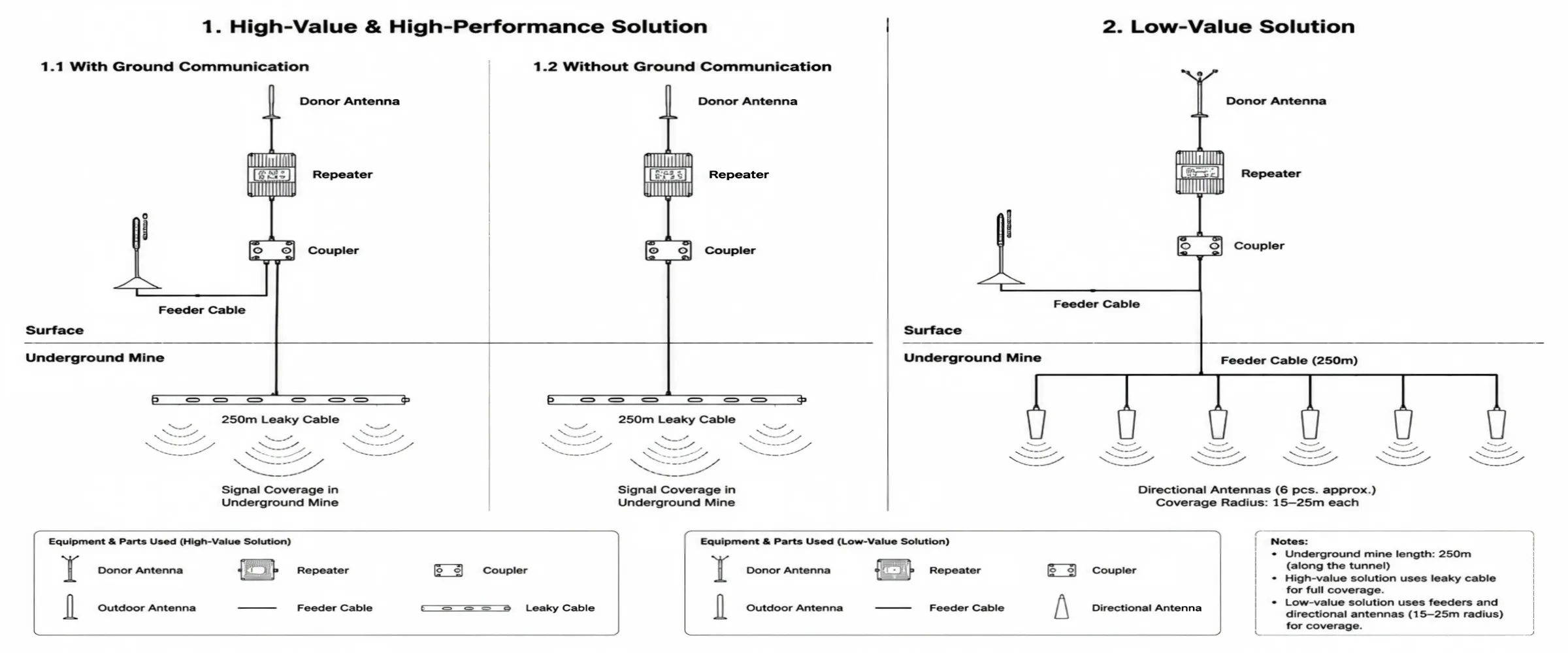
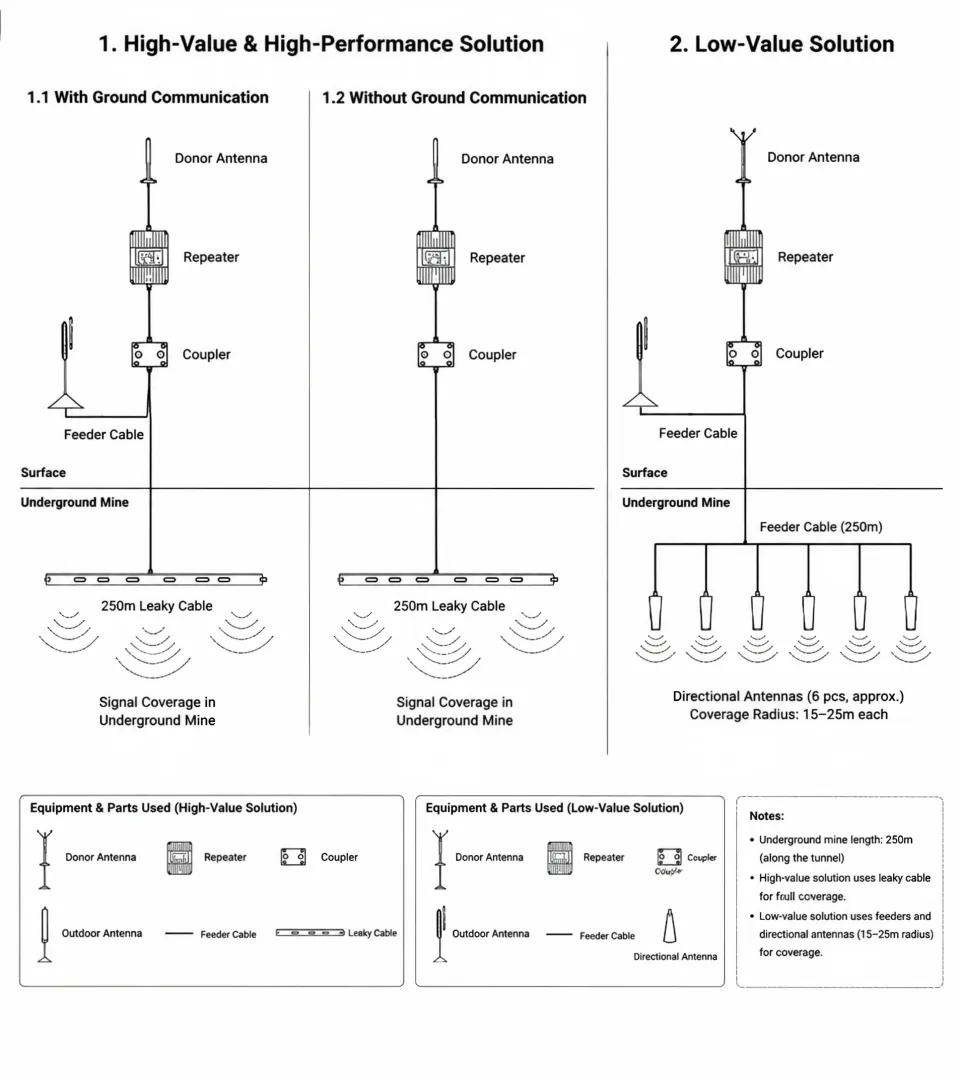
The communication system supports safer underground operations with reliable devices and essential safety features.
| Feature | Benefit |
|---|---|
| Intrinsically Safe Radio | Provides enhanced protection for hazardous underground environments |
| Emergency Communication | Enables fast alerts and coordination during critical operations |
| Hands-Free Accessories | Supports clear communication while keeping workers' hands available |
Maintain stable voice communication between crane operators, underground workers, and safety teams across the 250m shaft.
Clear and immediate communication helps reduce misunderstandings and improve lifting coordination.
DMR digital communication and optimized coverage deployment help reduce signal loss and improve voice clarity in complex underground structures.
Support additional users, wider coverage, and future underground communication requirements.
Our solution team will review your project requirements and provide a customized communication recommendation within one business day.


 Google
 Amazon