

Table of Contents
Radio Remote Control for Cranes: Reliable Communication on Busy Construction Sites
- Posted by:Retevis
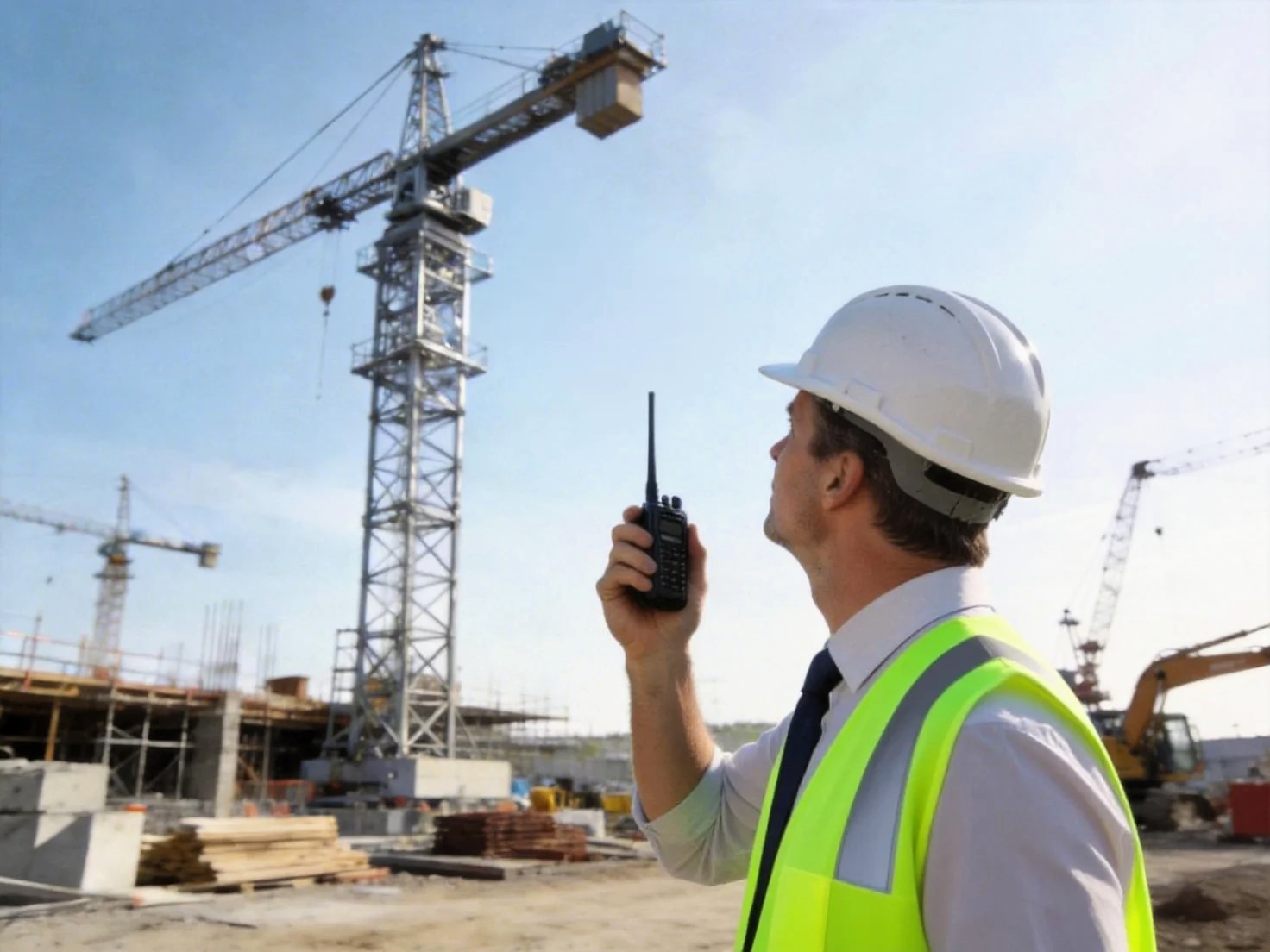
On busy construction sites, trucks, cranes, and ground workers often coordinate their operations simultaneously. Crane operators need to coordinate with project managers on the ground and synchronize information with truck drivers. In this highly coordinated construction environment, traditional telephone communication or shouting on the site may not meet the needs. This is where 2 way radio remote control for crane systems become indispensable tools.
From truck crane radio remote controls to tower crane radio controls, reliable crane radio communication ensures accurate operation, clear communication of every instruction, and strict adherence to every safety procedure. This article will explore how handheld radios solve communication range and signal issues on construction sites, and why walkie-talkies are the preferred choice for operators and site managers.
What is a Crane Radio Remote Control System?
A crane radio remote control system allows operators to remotely control crane functions using radio signals without the need for physical joysticks or wired connections. These systems rely on the crane's radio signals to transmit commands from handheld devices to the crane, making operation smoother and safer.
Modern crane radio control systems enable real-time communication between operators, supervisors, and team members, reducing errors and increasing efficiency. Unlike traditional wired systems, radio control systems are flexible, portable, and can be used on various types of cranes, including tower cranes and truck cranes, without requiring major infrastructure modifications.
Handheld Walkie-Talkie Radios in Crane Operations
Handheld walkie-talkie radios are the unsung heroes of radio control for construction site cranes.
Truck Crane Radio Remote Controls
Operators of truck cranes often need to move with the load. Truck crane radio remote controls ensure that operators can communicate directly with site supervisors while maintaining visibility of the crane and the load. This helps improve safety and reduce material handling delays.
Tower Crane Radio Remote Controls
High-rise building construction presents unique challenges. Tower crane radio control systems enable seamless communication between workers tens of meters in the air and ground teams. Handheld radios effectively filter background noise, ensuring clear instruction and minimizing accidents in urban construction environments.
Handheld walkie-talkie radios also allow project managers to coordinate multiple cranes simultaneously, keeping schedules tight and workflows smooth.
Crane Radio Signals and Communication Range
One of the key factors in crane radio communication is signal strength. A weak or interrupted signal can have disastrous consequences when lifting heavy loads.
Factors Affecting Signal Strength
- Distance: The farther the crane is from the operator, the stronger the signal required.
- Obstacles: Steel beams, buildings, and heavy machinery can block or reduce crane radio signals.
- Interference: Other electronic devices or radios can affect signal clarity.
High-Power Radios
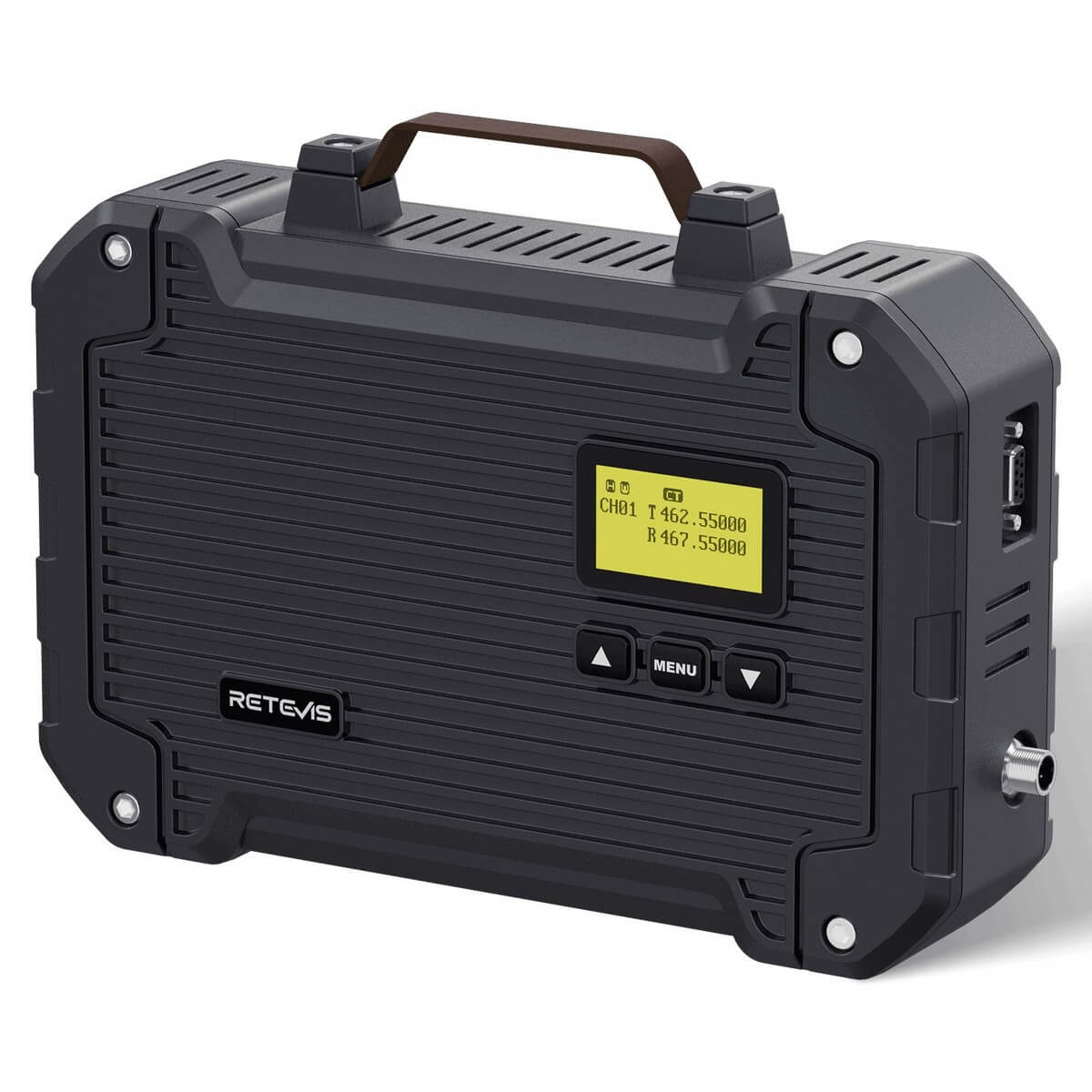
Using high-power radio equipment ensures reliable communication even in harsh environments. Powerful transmitters and receivers maintain crane radio signals over long distances, reducing communication errors and delays. Investing in high-power equipment is crucial for sites with multiple cranes or large work areas.
Advantages of Using Retevis Walkie-Talkies on Construction Sites
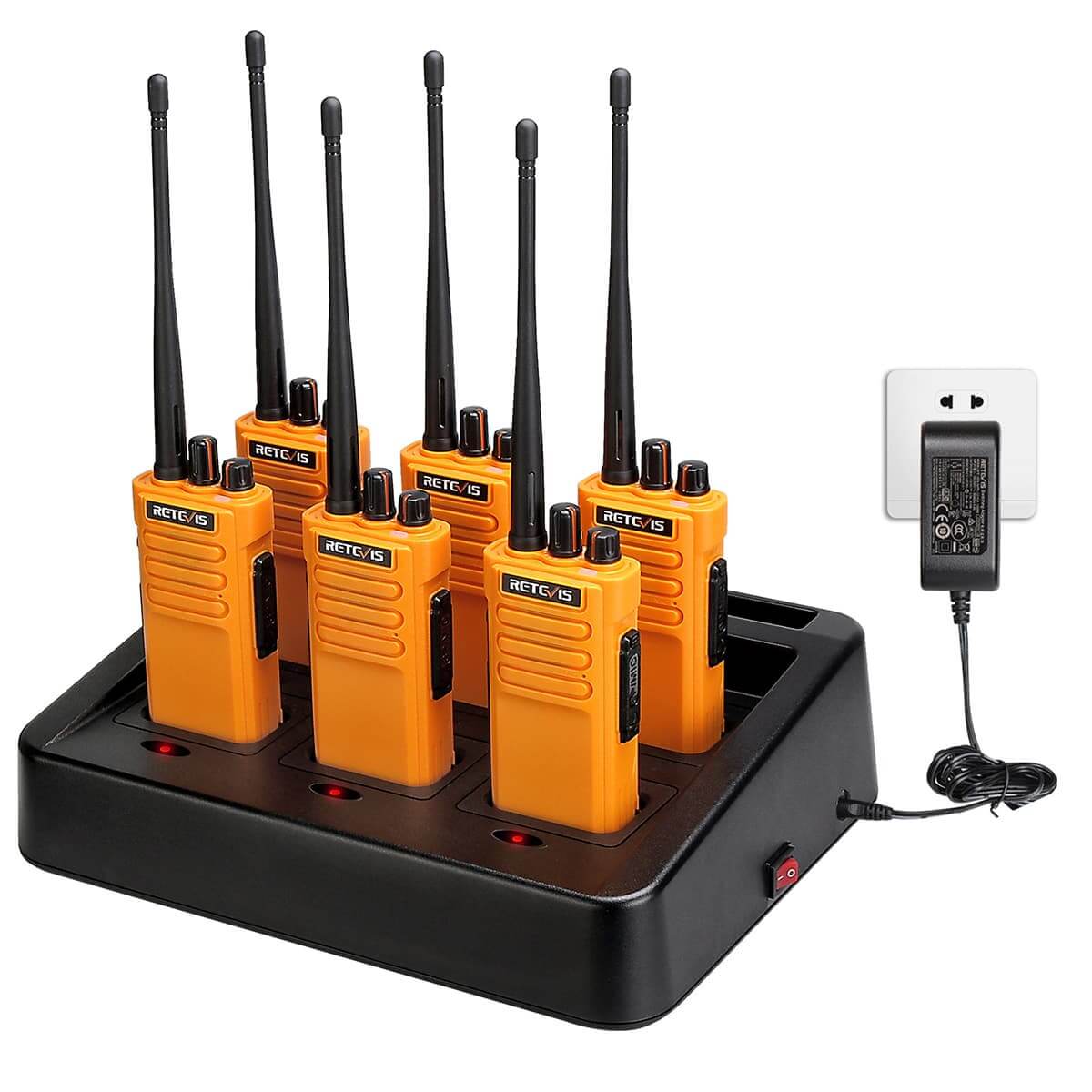
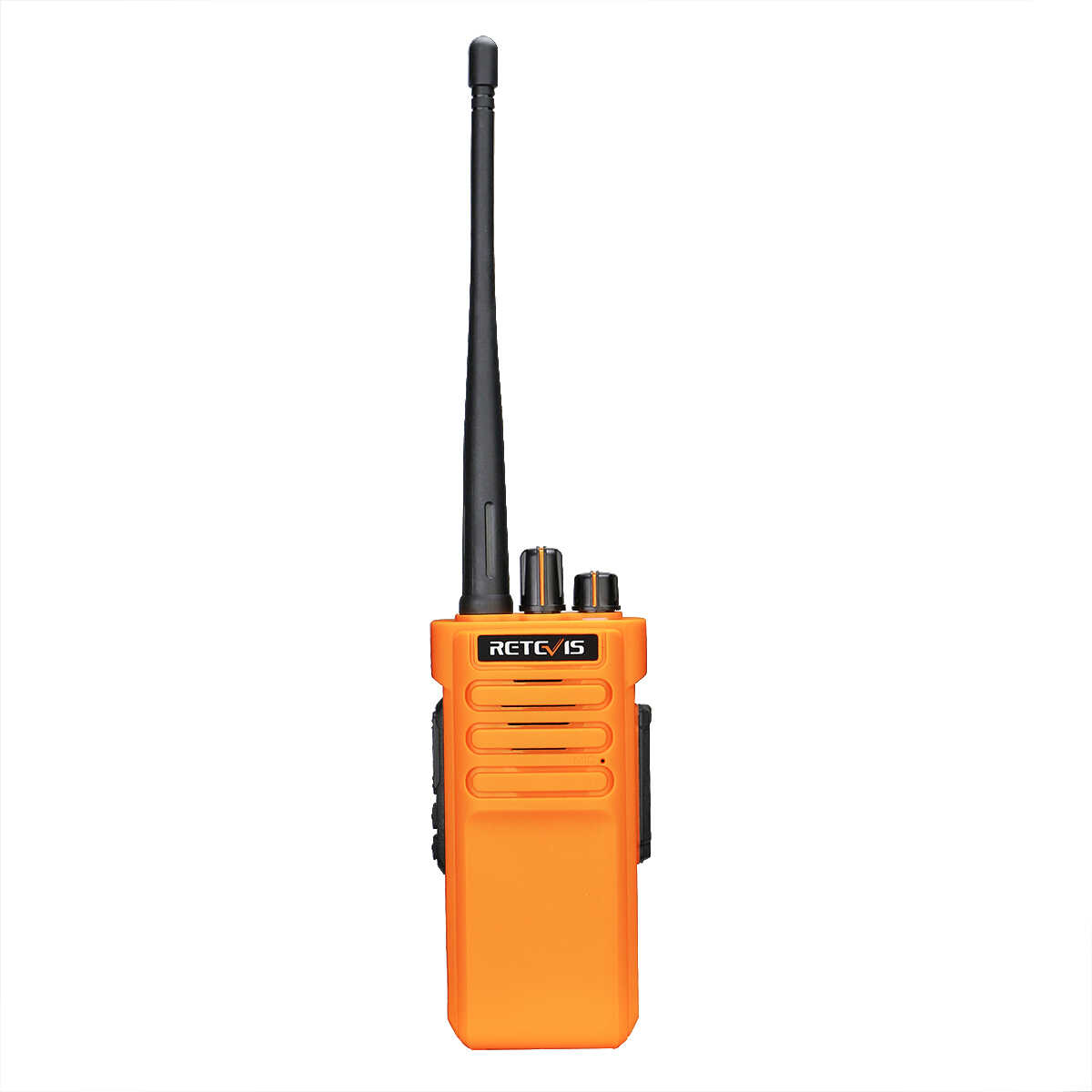
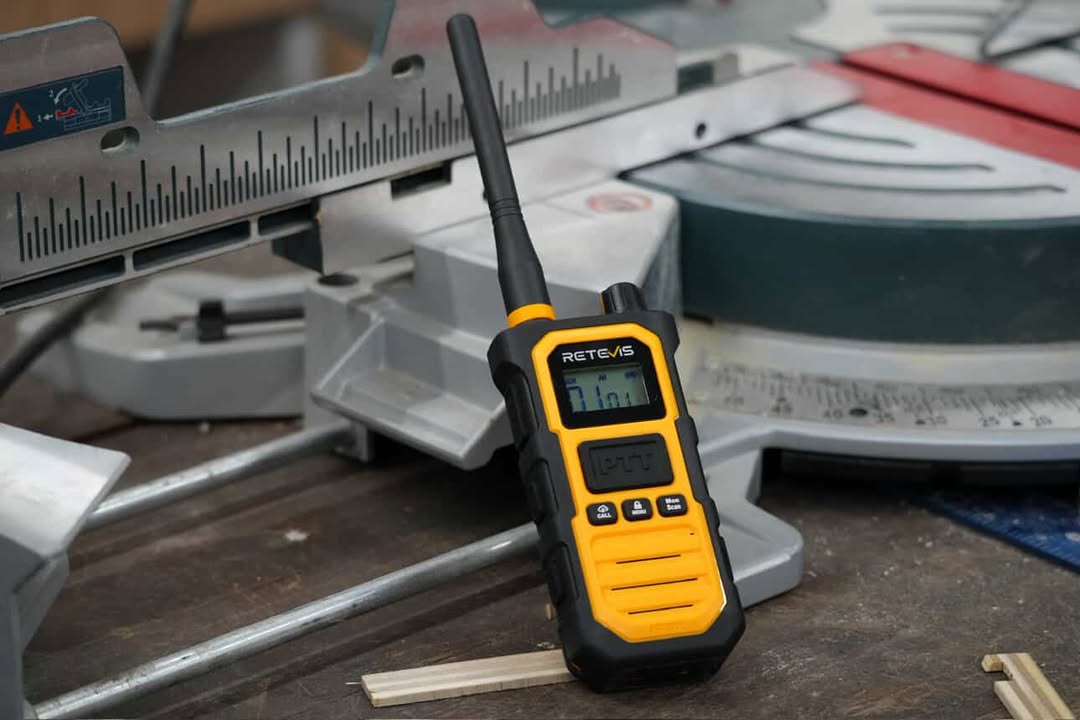
In the construction industry, Retevis walkie-talkies stand out for several reasons:
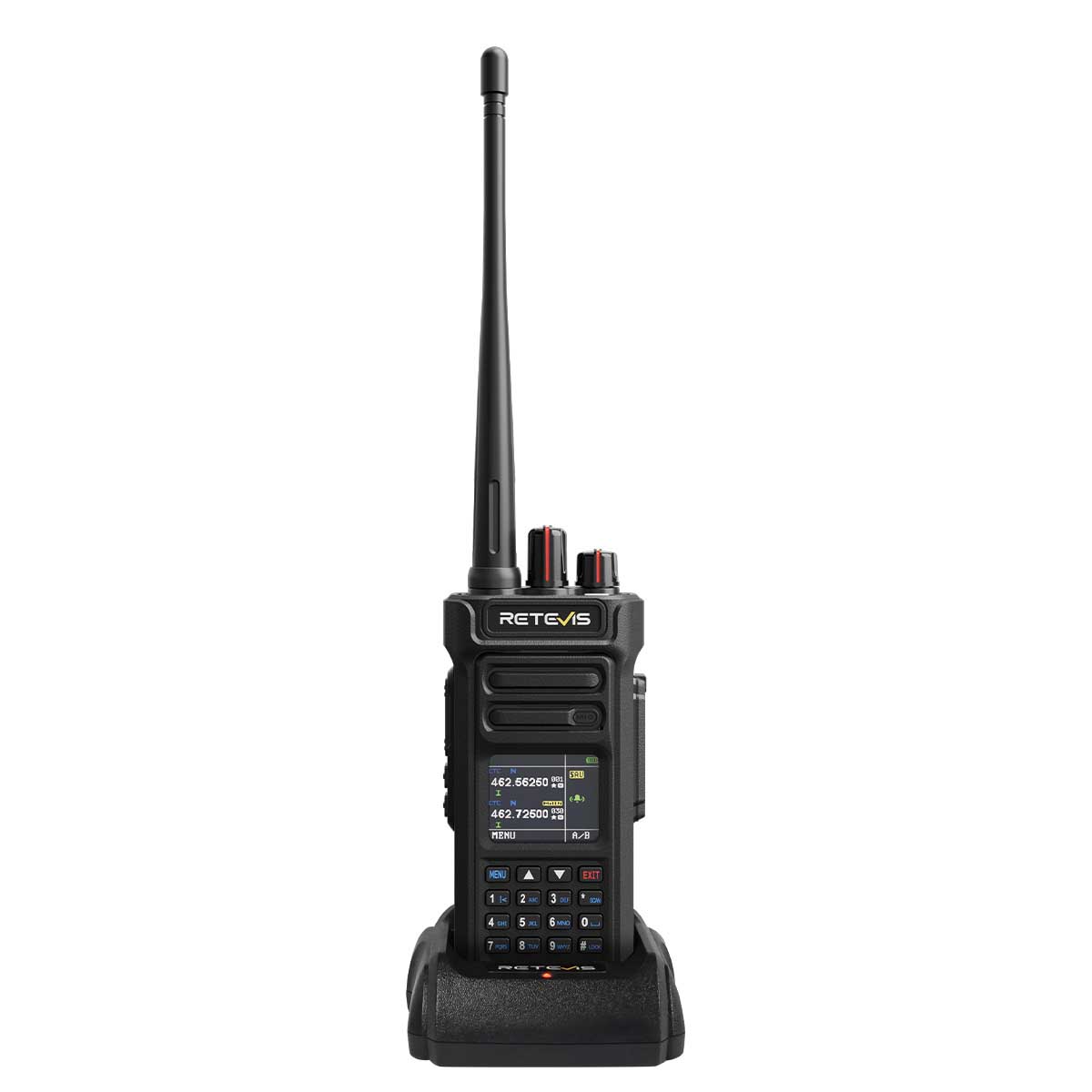
- Long Distance Walkie Talkie Communication : Maintains crane radio communication over a wide area.
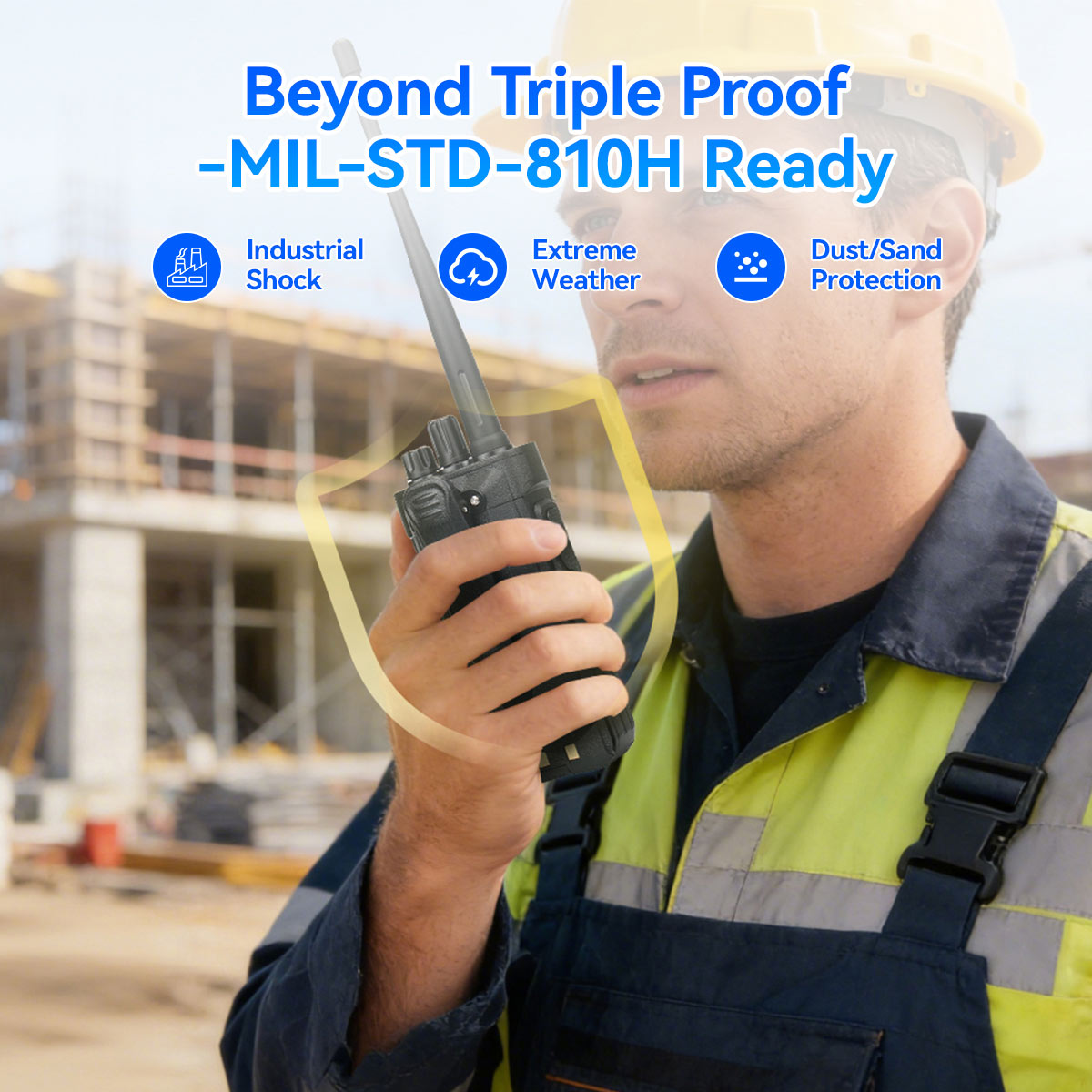
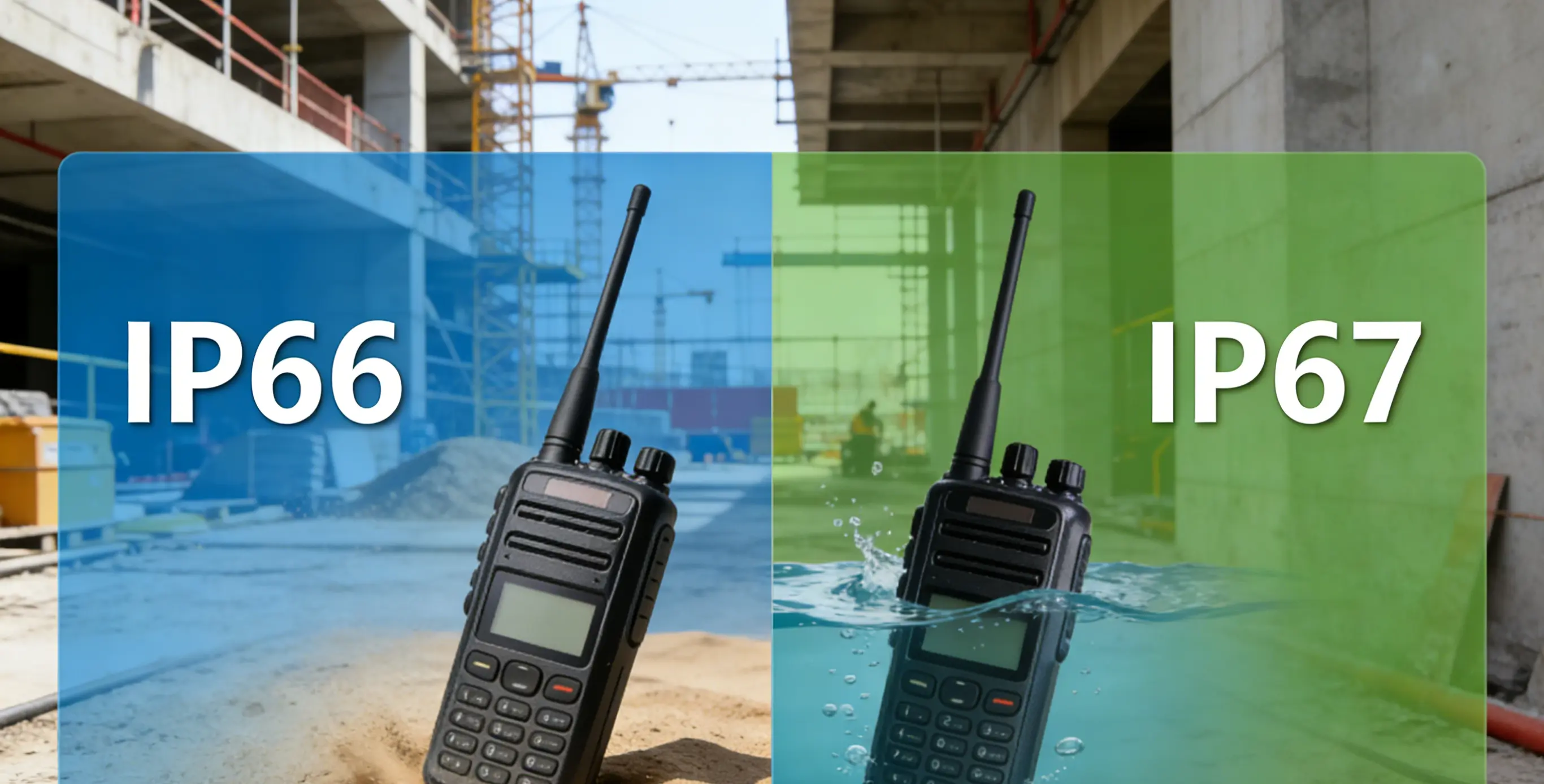
- Durable Design: Rugged, shockproof, and waterproof, suitable for harsh construction environments.
- Easy to operate: Intuitive crane radio controls make training quick and easy.
- Emergency functions: Quick access buttons provide immediate alerts to operators and supervisors.
By using Retevis radios, teams can ensure their cranes' radio remote control systems are both reliable and easy to use, improving safety throughout the site.
Choosing the Right Crane Radio Remote Control System
Choosing the right crane radio remote control system supplier is not just about choosing the cheapest option. Here are some factors to consider:
- Reliability: Ensure the system maintains a strong crane radio signal even in complex environments.
- Compatibility: Must be compatible with existing truck crane radio remote controls and tower crane radio control systems.
- Range: Choose high-power radio units to extend coverage over large sites.
- Safety features: Emergency stop, redundancy, and signal integrity are non-negotiable.
- Ease of use: Operators need minimal training to communicate effectively.
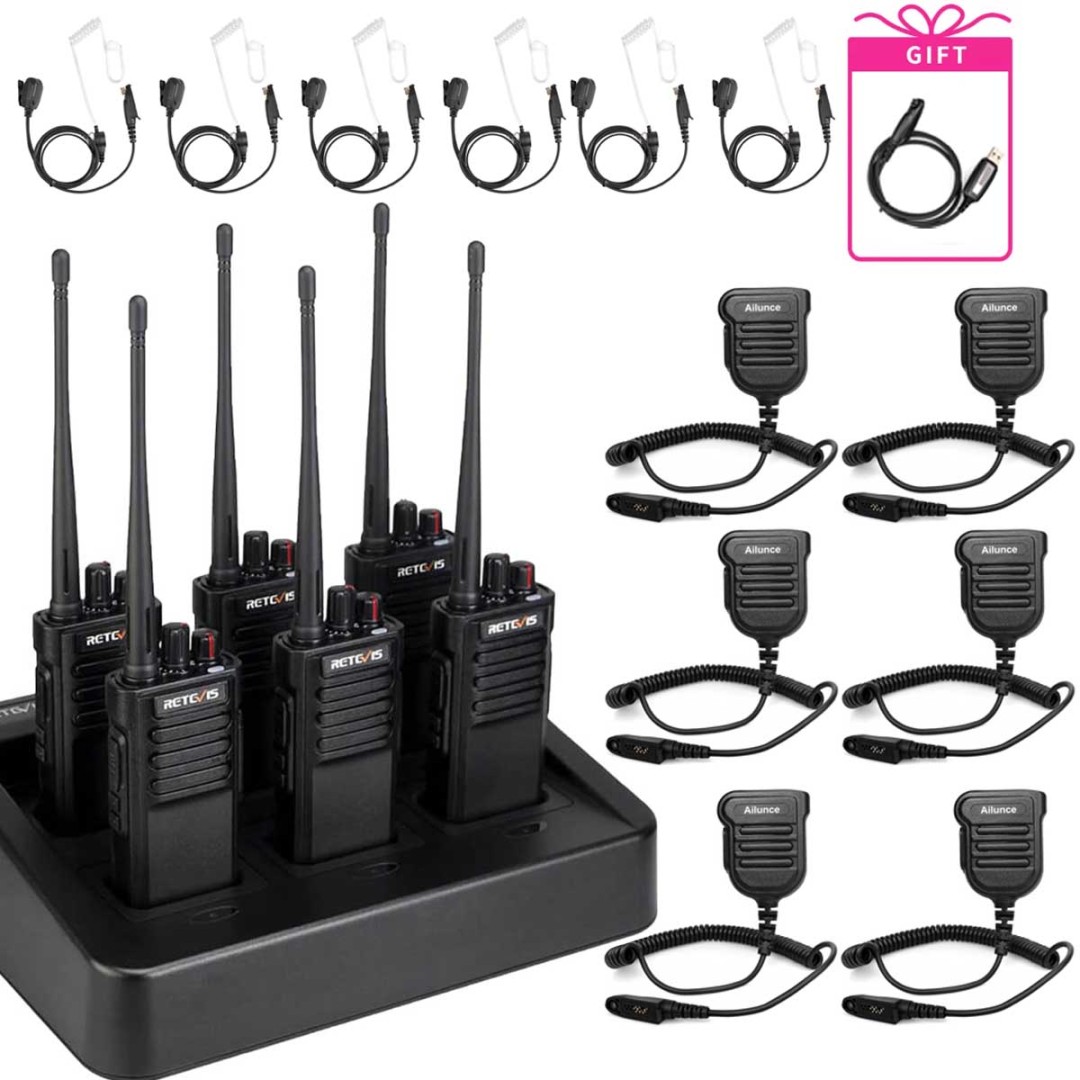
Maintenance and Safety Tips for Crane Radio Communications
Even the best crane radio control systems require proper maintenance:
- Regular signal checks: Test radio communication equipment before each shift to avoid communication interruptions.
- Battery Management: Maintain adequate equipment power and monitor low battery alerts.
- Interference Avoidance: Identify and mitigate the impact of other equipment that may interfere with crane radio communications.
- Training: Ensure all personnel understand emergency procedures and how to effectively use handheld radios.
- These simple steps maximize the efficiency of crane radio remote control and reduce potential hazards.
Utilizing Crane Radio Communications for Enhanced Safety and Efficiency
From truck crane radio remote controls to tower crane radio controls, handheld radios have revolutionized communication on construction sites. By ensuring clear crane radio signals, investing in high-powered radio equipment, and choosing a trusted crane radio remote control system supplier, project managers and site supervisors can better ensure safety, increase efficiency, and effectively control operations.
Retevis radios provide the rugged, reliable, and long-range communication capabilities needed for modern construction sites. With these tools, every operator, manager, and supervisor can stay connected, coordinate, and ensure every lifting, rotating, and loading operation is completed accurately.
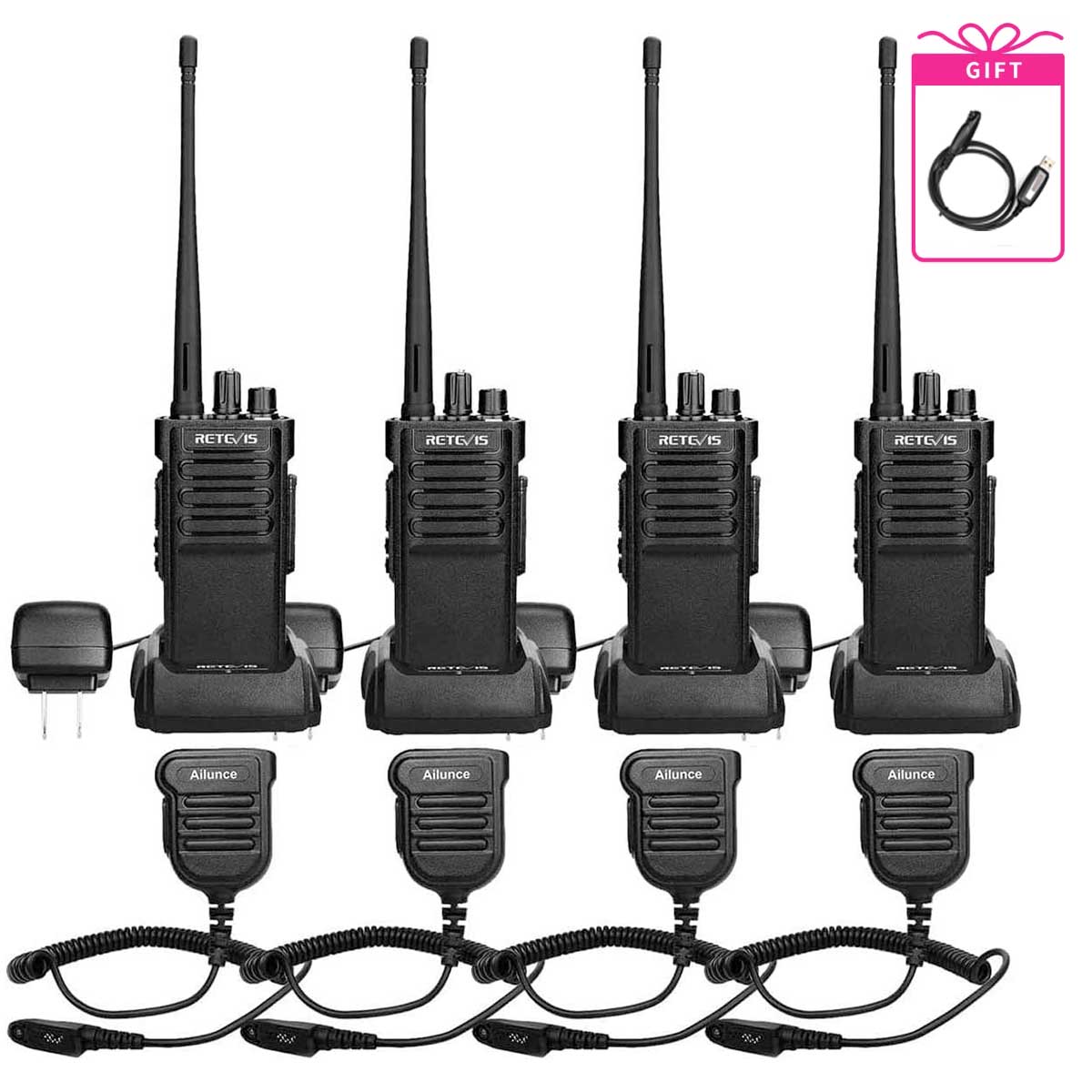




 Google
 Amazon
Comments
No data Yet