

Table of Contents
IP66 vs IP67: Which Protection Rating Is Better for Construction Site Walkie-Talkies?
- Posted by:Retevis
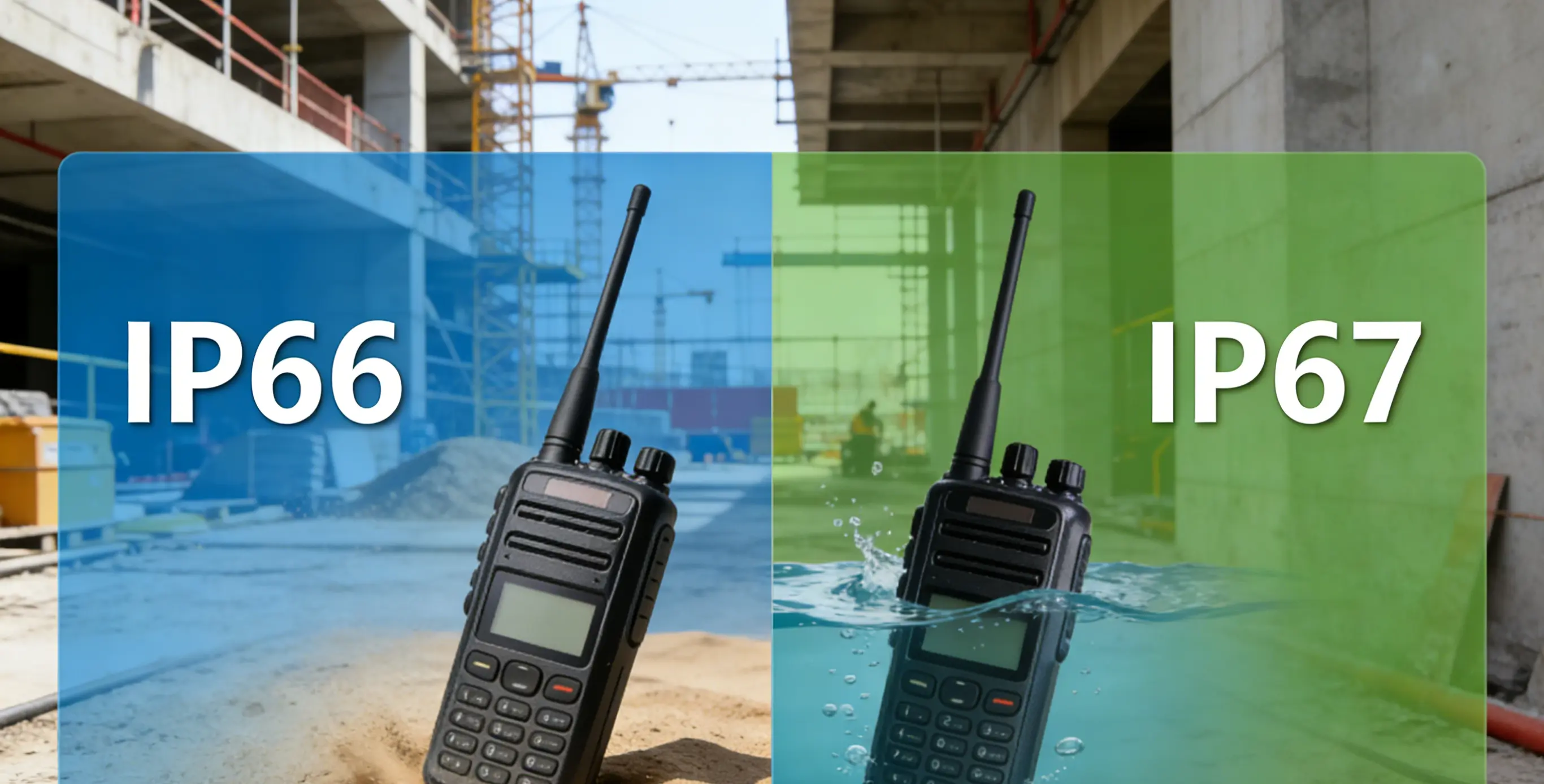
Construction sites are harsh, unforgiving environments—where dust chokes the air, sudden downpours drench equipment, temporary puddles form in trenches, and heavy machinery kicks up debris. For construction teams, reliable communication isn’t just a convenience; it’s a safety imperative. Walkie-talkies, the backbone of on-site communication, must stand up to these challenges—and that’s where IP ratings come in. Two of the most common ratings for construction-grade walkie-talkies are IP66 and IP67, but understanding their differences can mean the difference between a device that lasts a shift and one that fails when you need it most. In this guide, we’ll break down the IP66 vs IP67 rating debate, focus on their real-world performance in construction settings, and recommend Retevis walkie-talkies that deliver uncompromising protection for your team.
What Are IP Ratings, and Why Do They Matter for Construction?
IP (Ingress Protection) ratings, developed by the International Electrotechnical Commission (IEC) under standard 60529, are a universal system to measure how well a device defends against solid objects (like dust, dirt, and debris) and liquids (like rain, water jets, and immersion). Each IP rating consists of two digits: the first digit (0–6) indicates protection against solids, and the second digit (0–8) indicates protection against liquids. The higher the number, the stronger the protection.
For construction sites, where dust is omnipresent and water exposure is inevitable, a high IP rating isn’t a luxury—it’s a necessity. A walkie-talkie with a subpar IP rating can short-circuit from dust or water, leaving teams disconnected, delaying projects, and even creating safety hazards. That’s why understanding the difference between IP66 and IP67 ratings is critical for anyone purchasing walkie-talkies for construction use.
IP66 vs IP67 Rating: Breaking Down the Differences
At first glance, IP66 and IP67 might seem nearly identical—both start with a “6,” meaning they offer complete dust tightness (no dust particles can enter the device, even the smallest airborne debris common on construction sites). The real difference lies in their liquid protection, which is make-or-break for construction environments. Let’s break down each rating in detail, including test methods and real-world implications.
What Is IP66 Rating?
An IP66 rating offers complete dust protection (first digit “6”) and protection against powerful water jets (second digit “6”). To earn an IP66 rating, a device must pass rigorous testing: it is sprayed with high-pressure water (100 kPa, 12.5 mm nozzle) from any direction for at least 3 minutes, at a distance of 3 meters, with a water volume of 100 liters per minute. This level of protection is designed to withstand heavy rain, water from pressure washers (used to clean construction equipment), and splashes from puddles or hoses.
For construction teams, IP66 walkie-talkies are ideal for most general on-site use—they can handle the dust of concrete mixing, the spray of pressure washing, and even sudden downpours without skipping a beat. However, they are not designed for submersion in water.
What Is IP67 Rating?
Like IP66, an IP67 rating offers complete dust protection (first digit “6”). The key difference is the liquid protection (second digit “7”): an IP67-rated device can withstand temporary submersion in water up to 1 meter deep for 30 minutes. Testing for IP67 involves fully immersing the device in water, with at least 15 cm of water above the top of the device, for a half-hour—no harmful water ingress is allowed.
For construction sites with trenches, puddles, or areas prone to flooding (e.g., after heavy rain), IP67 walkie-talkies provide an extra layer of security. If a device is accidentally dropped into a puddle or shallow pool of water, it will continue to function once retrieved—something an IP66 device cannot guarantee.
IP66 vs IP67 Waterproof: Key Takeaways for Construction
- Dust Protection: Both IP66 and IP67 offer identical, complete dust protection—perfect for construction sites where dust is a constant threat.
- Water Protection: IP66 defends against high-pressure water jets (rain, pressure washers), while IP67 adds temporary submersion protection (up to 1m for 30 mins).
- Durability: Both ratings are built for harsh environments, but IP67 offers extra peace of mind in wetter construction settings.
IP66 vs IP67 in Construction: Which One Do You Need?
The answer to “ip66 vs ip67 which is better” depends entirely on your construction site’s specific conditions. Here’s a clear breakdown to help you decide:
Choose IP66 Walkie-Talkies If:
- Your site is mostly dry, with occasional rain or pressure washing.
- You’re working in above-ground areas (e.g., scaffolding, building exteriors) where submersion is unlikely.
- You want a balance of protection and affordability (IP66 devices are often slightly more budget-friendly than IP67).
Choose IP67 Walkie-Talkies If:
- Your site has trenches, puddles, or areas prone to temporary flooding (e.g., basement construction, rainy seasons).
- Workers are often near water sources (e.g., concrete mixing stations, drainage systems).
- You want maximum protection against water damage, even in unexpected scenarios (e.g., dropping a walkie-talkie into a puddle).
Retevis Walkie-Talkies for Construction: IP66 & IP67 Recommendations
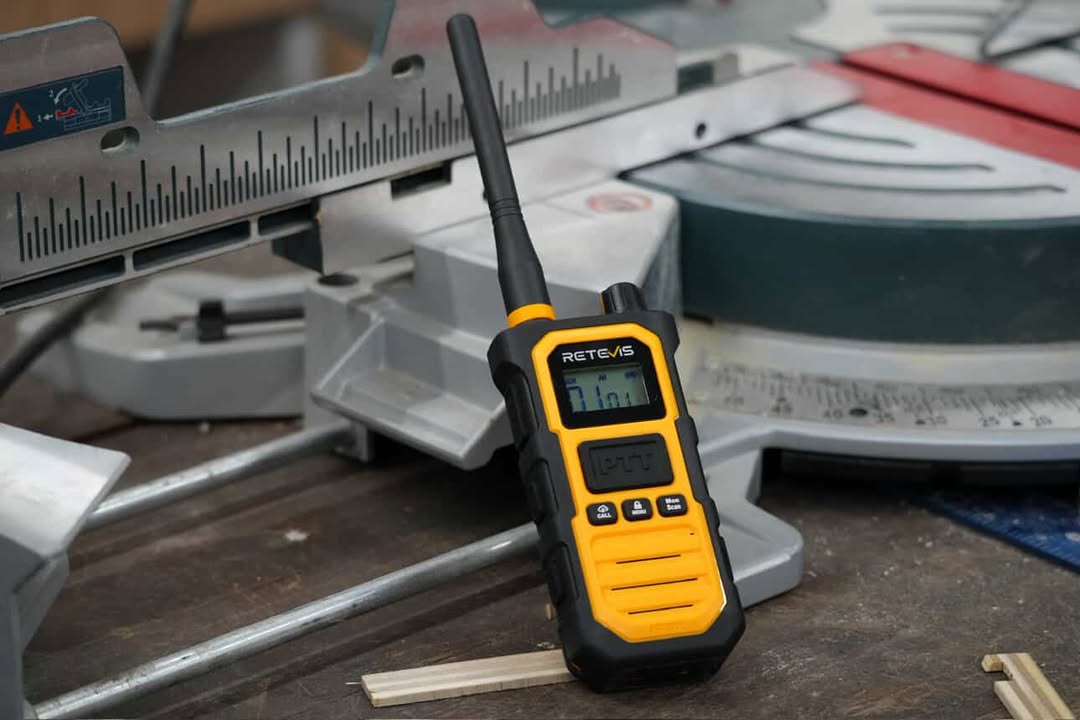
Retevis is a trusted name in industrial-grade walkie-talkies, offering durable, high-performance devices tailored to construction environments. Below are our top recommendations for IP66 and IP67 walkie-talkies that combine reliable communication with the protection your team needs.
IP65, IP66 & IP67: Pure Data Explanation
|
IP Rating |
Solid Protection (1st Digit) |
Liquid Protection (2nd Digit) |
Test Method |
Core Application Scenarios (Construction) |
|
IP65 |
Complete dust tightness (no dust ingress) |
Protection against low-pressure water jets from any direction |
6.3mm nozzle, 30kPa pressure, 12.5L/min water volume, 3m distance, at least 15 minutes |
Indoor construction, general outdoor work with light rain, no high-pressure water or submersion risk |
|
IP66 |
Complete dust tightness (no dust ingress) |
Protection against powerful high-pressure water jets from any direction |
12.5mm nozzle, 100kPa pressure, 100L/min water volume, 3m distance, at least 3 minutes |
Above-ground outdoor construction, areas with pressure washing, heavy rain exposure |
|
IP67 |
Complete dust tightness (no dust ingress) |
Temporary submersion in water up to 1m deep for 30 minutes |
Immersion with 15cm water above the device, 30 minutes total, no harmful water ingress |
Basement construction, drainage projects, areas prone to temporary flooding or puddles |
The table above details the core technical parameters of IP65, IP66, and IP67 ratings, helping you understand their protection capabilities without product-related information. Below is a detailed comparison of Retevis walkie-talkies matching these ratings, tailored to construction scenarios.
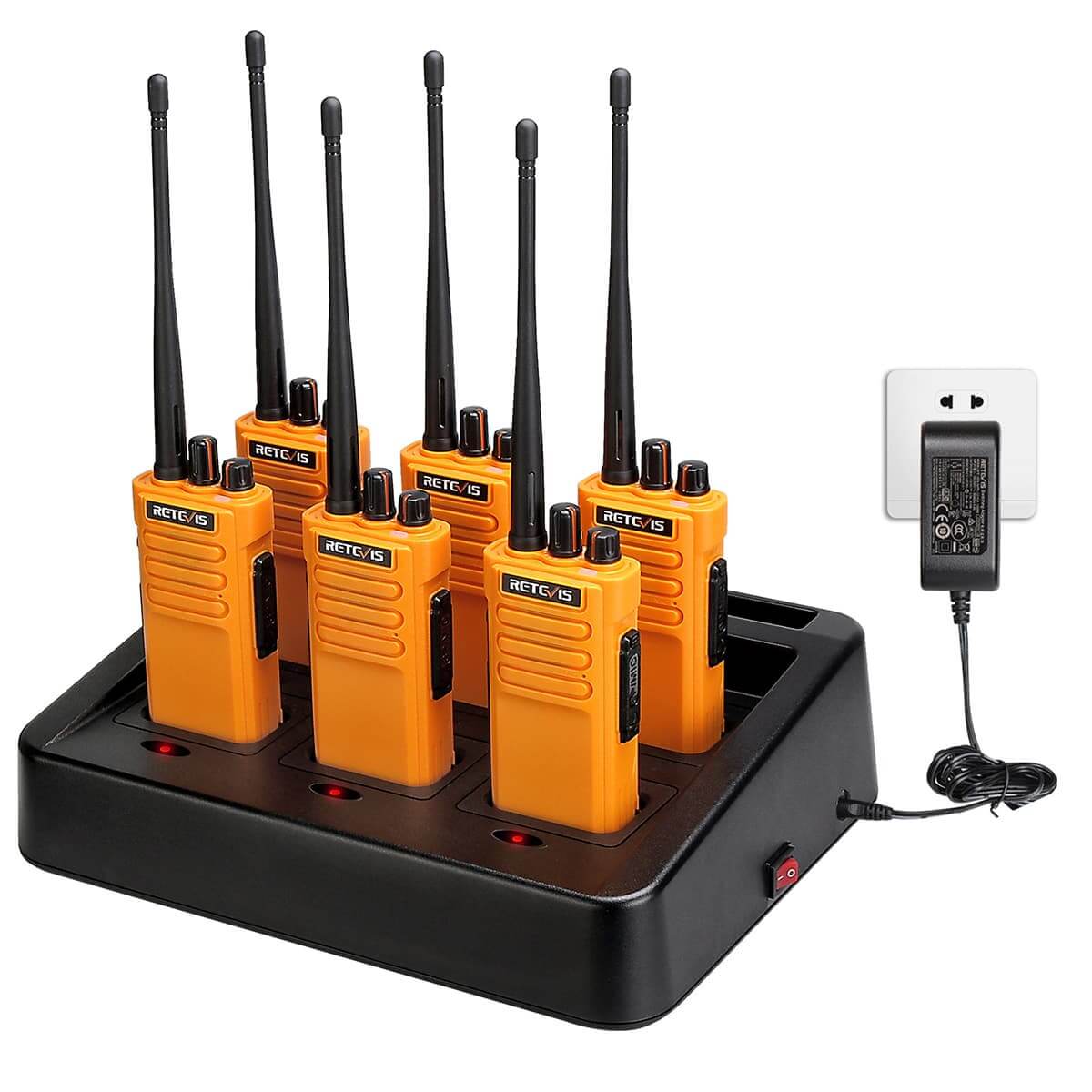
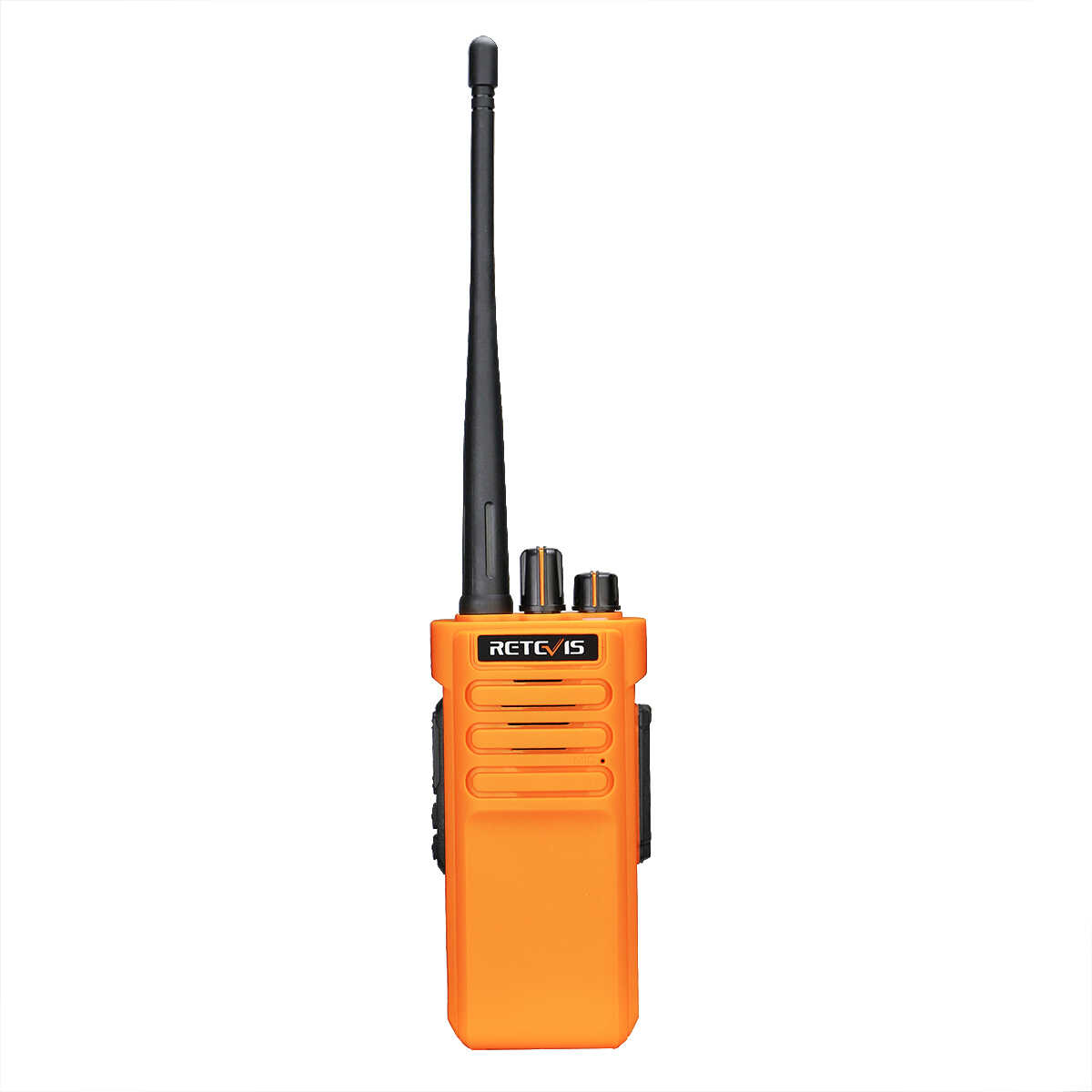
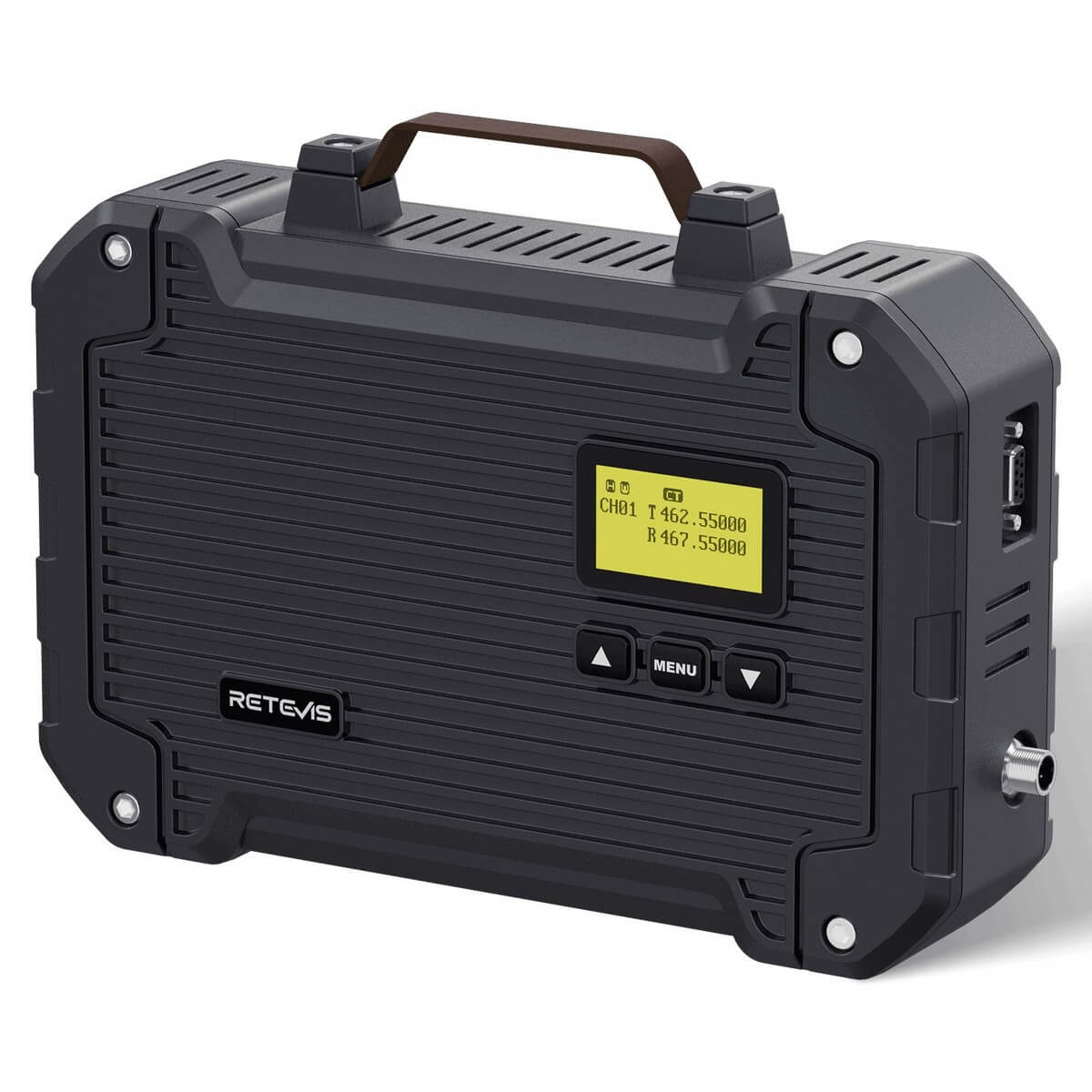
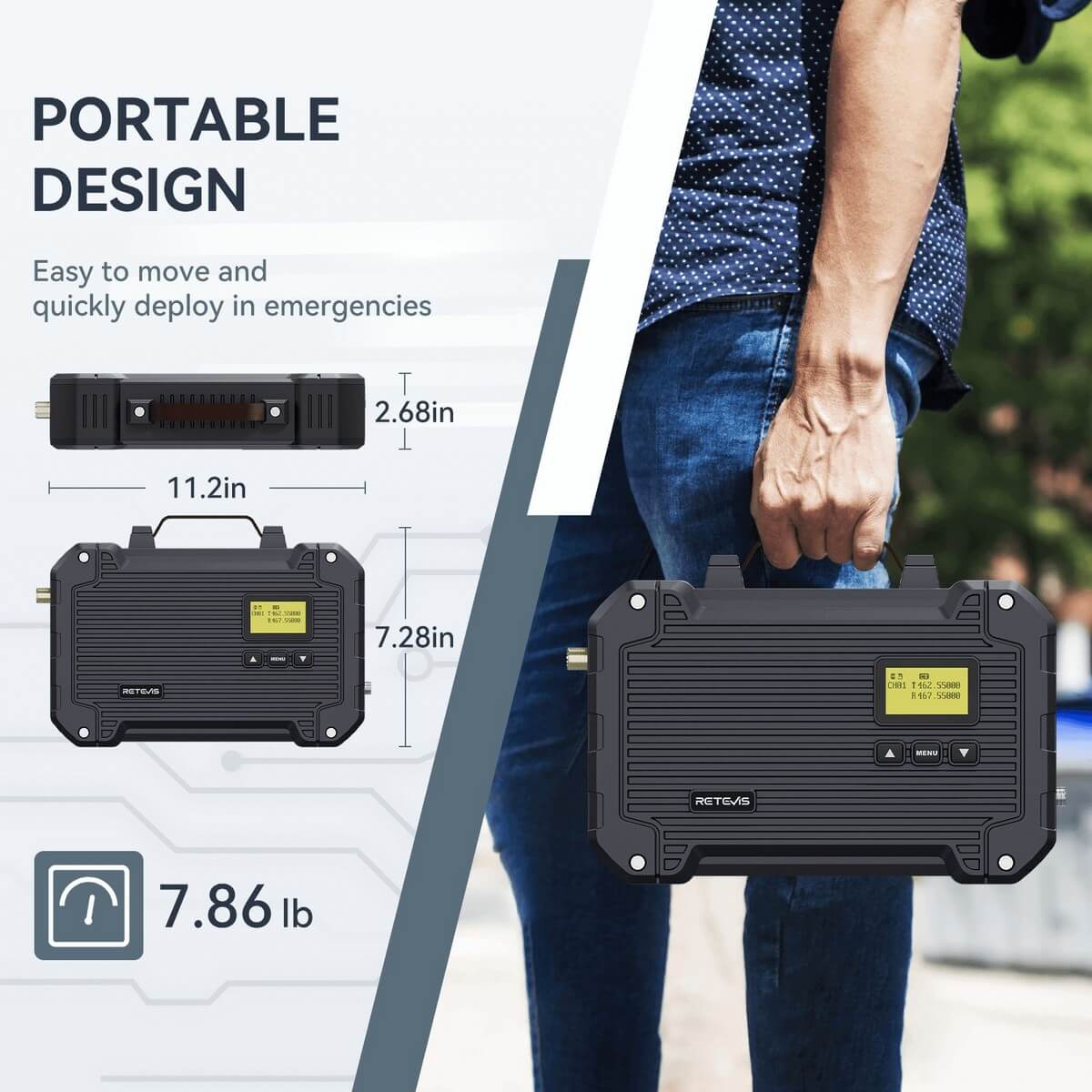
Retevis Walkie-Talkies: Product Data Comparison
|
Walkie-Talkie Model |
Matching IP Rating |
Communication Range (Open Area) |
Key Hardware Features |
Battery Performance |
Suitable Construction Scenarios |
|
IP67 |
3-5km |
Noise-canceling audio, shock-resistant (2m drop), rugged casing |
2000mAh battery, up to 12 hours continuous use |
Basement construction, drainage projects, flood-prone areas, puddle-exposed sites |
|
|
IP66 |
Up to 15km |
25W high power, gmrs radio compatibility, portable and ease use, FM Modulation |
Mobile vehicle power supply, supports full workday use |
Above-ground construction, general site work, pressure washing areas |
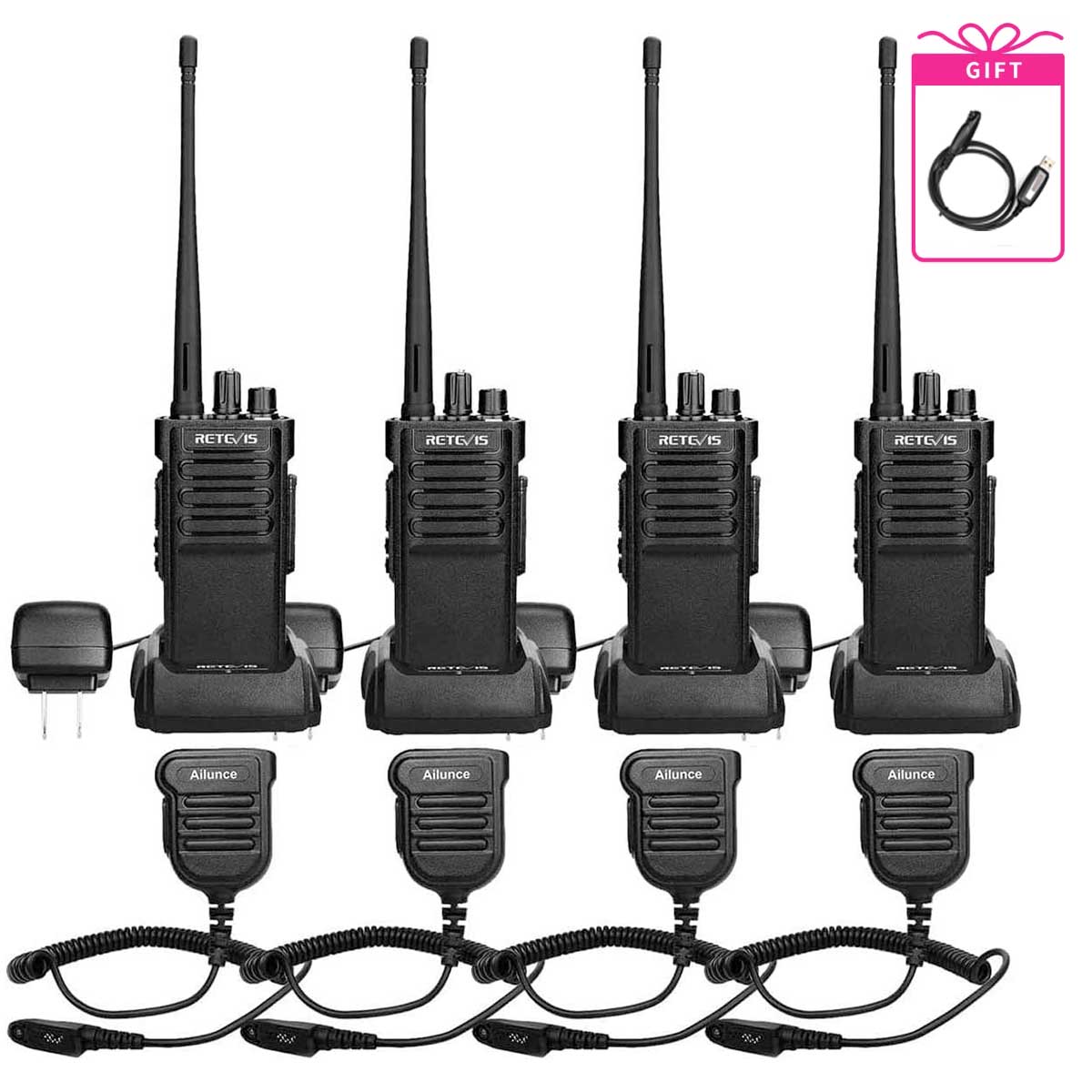
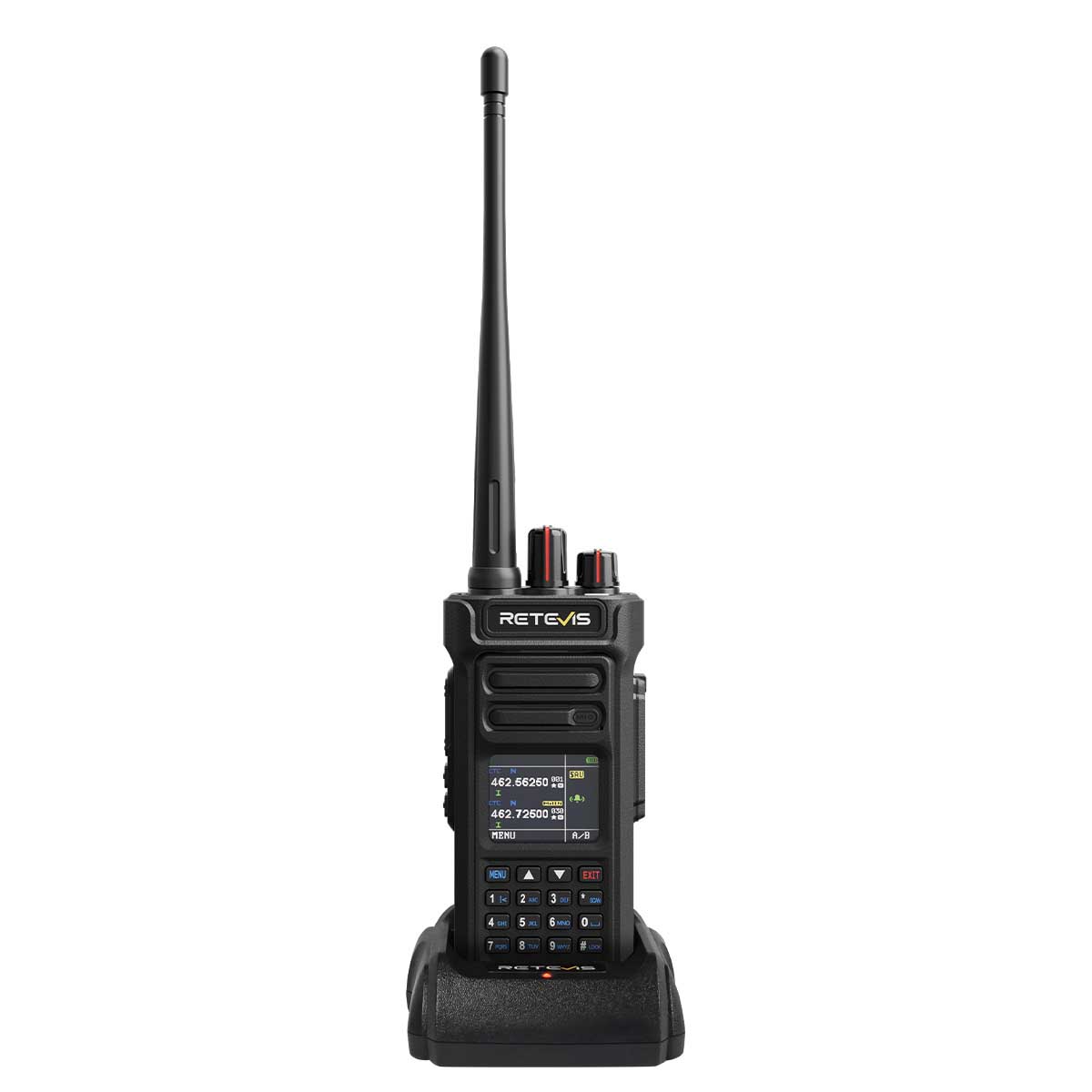
The table above clearly outlines the core differences between the two Retevis walkie-talkies, helping you quickly match the right device to your construction site's needs. Both models are built to withstand the harsh conditions of construction sites, ensuring reliable communication for your team.
FAQ: IP66 vs IP67 Rating (Answering Your Most Common Questions)
Is IP66 better than IP67?
No—neither is “better” universally; it depends on your needs. IP66 is better for environments with high-pressure water (e.g., pressure washing) but no submersion risk. IP67 is better for environments with temporary submersion (e.g., puddles, trenches). For most construction sites, IP67 offers more versatility, but IP66 is more budget-friendly.
Is IP66 fully waterproof?
No. IP66 is water-resistant (protects against high-pressure water jets and heavy rain) but not fully waterproof. It cannot withstand submersion in water—even for a short time. If you need waterproof protection for submersion, choose IP67 or higher (e.g., IP68).
Is IP66 better than IP68?
No. IP68 offers higher water protection than IP66: IP68 can withstand continuous submersion in water deeper than 1m (varies by device), while IP66 only protects against high-pressure jets. However, IP68 devices are often more expensive, and most construction sites do not require IP68 protection—IP66 or IP67 is sufficient.
Is IP66 enough for heavy rain?
Yes. IP66 is more than enough for heavy rain. Its protection against high-pressure water jets means it can easily withstand even the heaviest downpours, making it suitable for outdoor construction work in rainy weather. The only time IP66 may not be enough is if the device is at risk of being submerged in water.
Do IP66 and IP67 walkie-talkies work in dusty construction sites?
Yes! Both IP66 and IP67 have a first digit of “6,” which means they are completely dust-tight. No dust particles—even the fine dust from concrete, drywall, or sand—can enter the device, ensuring reliable performance in the dustiest construction environments.
Final Thoughts: Choose the Right IP Rating for Your Construction Team
When it comes to IP66 vs IP67 walkie-talkies for construction, the choice boils down to your site’s water exposure risks. For most general construction work, IP66 is sufficient and cost-effective. For sites with trenches, puddles, or frequent rain, IP67 offers the extra submersion protection that can save you from costly device replacements and communication breakdowns.
Retevis’s IP66 and IP67 walkie-talkies—like the RT97l repeater and RT29—are built to handle the harsh realities of construction sites, combining durable protection with clear, reliable communication. Whether you need IP66 for general site work or IP67 for wetter conditions, Retevis has a solution that keeps your team connected and safe. Invest in the right walkie-talkies today, and ensure your construction team stays connected—no matter how harsh the site gets.



 Google
 Amazon
Comments
No data Yet