Effective communication is essential on large construction and architectural projects. Walkie talkies long range provide reliable connectivity across sites, ensuring timely collaboration, enhanced safety, and workflow efficiency. Whether you’re coordinating multi-story buildings, sprawling industrial areas, or outdoor site operations, choosing the radio communication for long range is critical.
[]
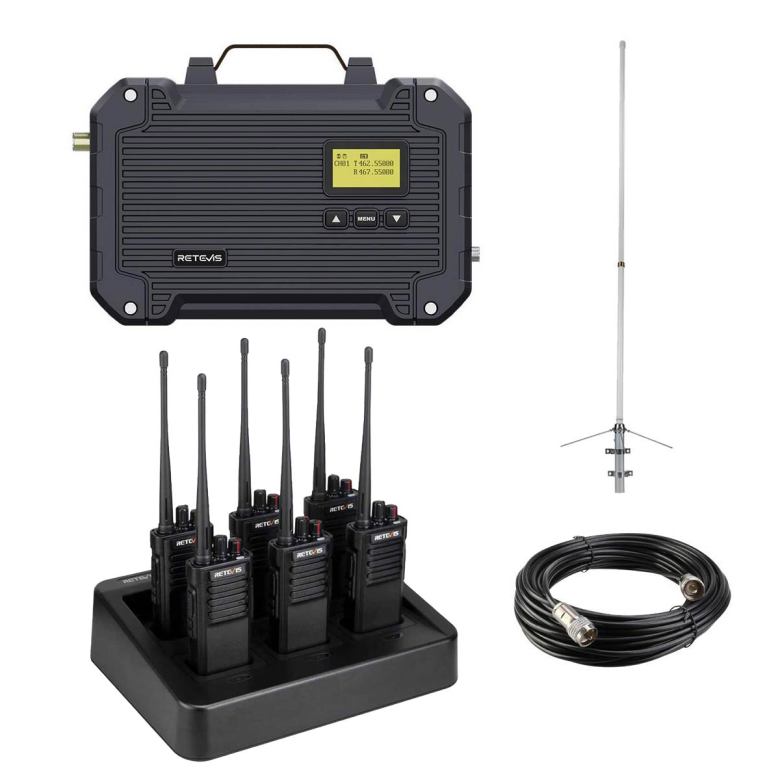
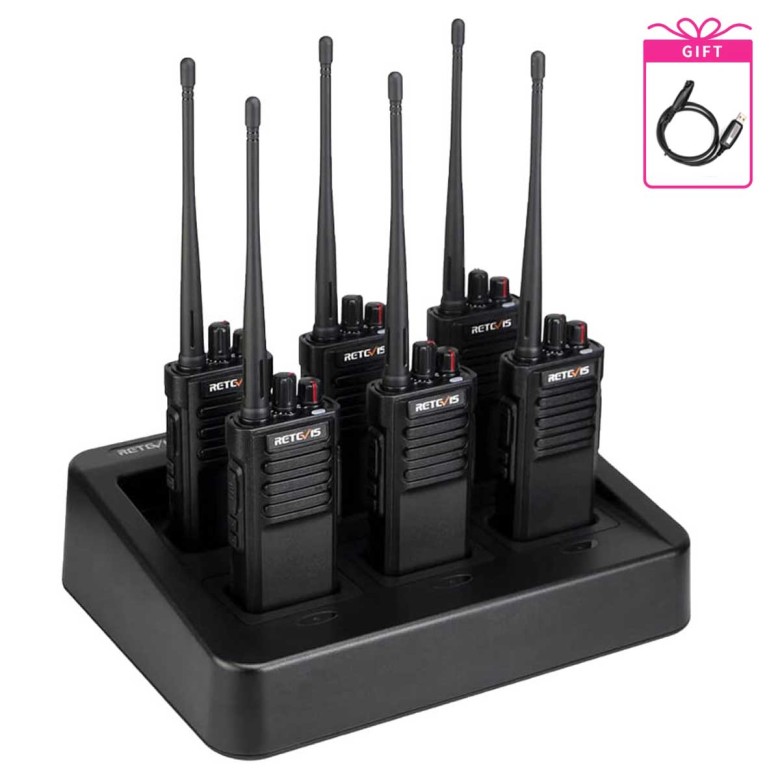
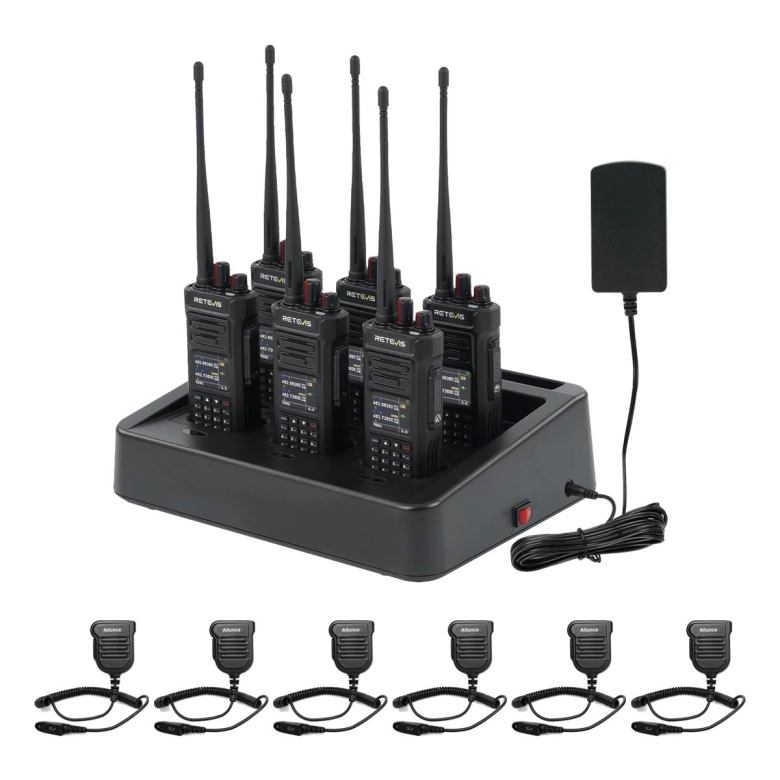
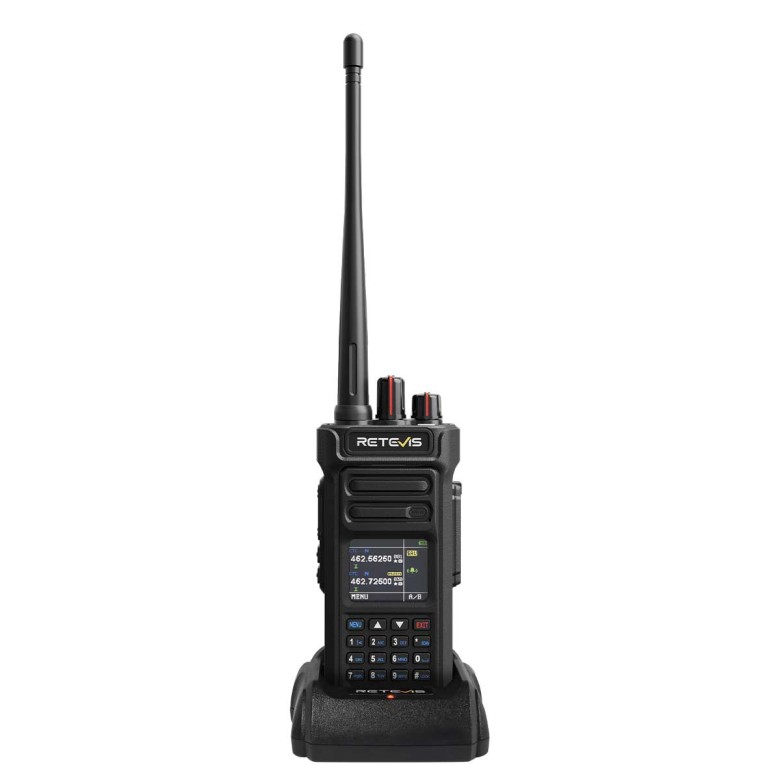
[]
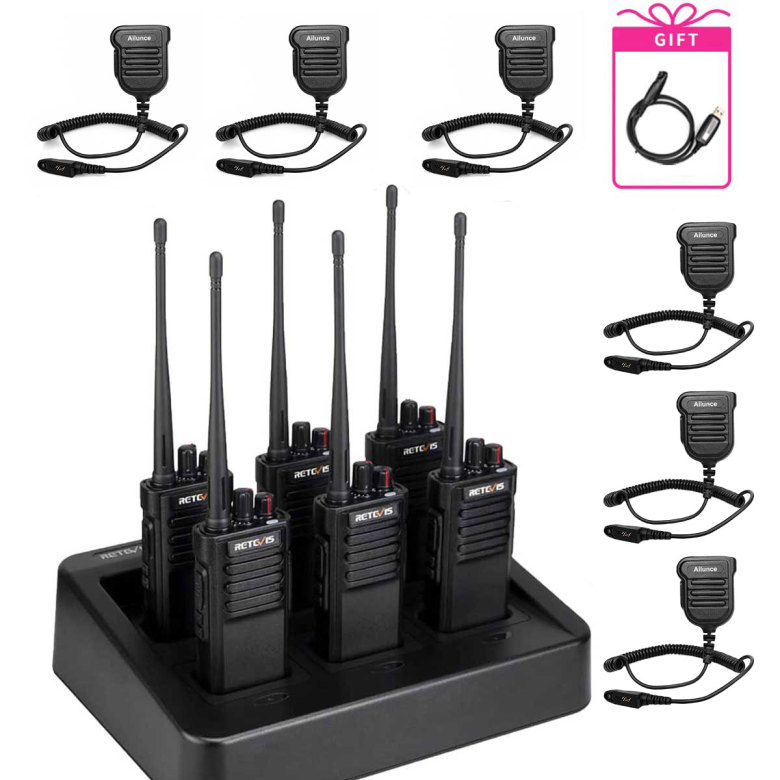
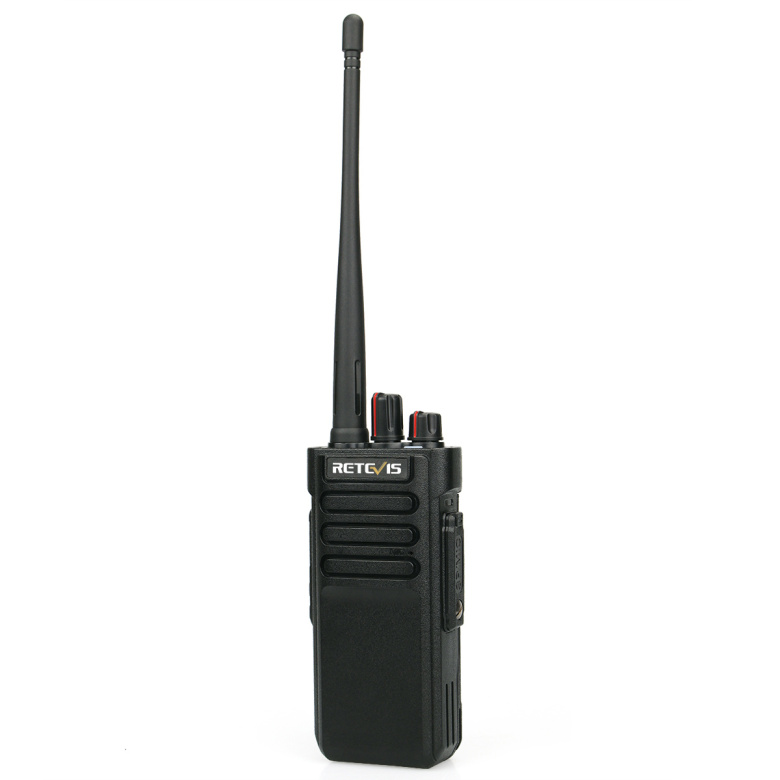
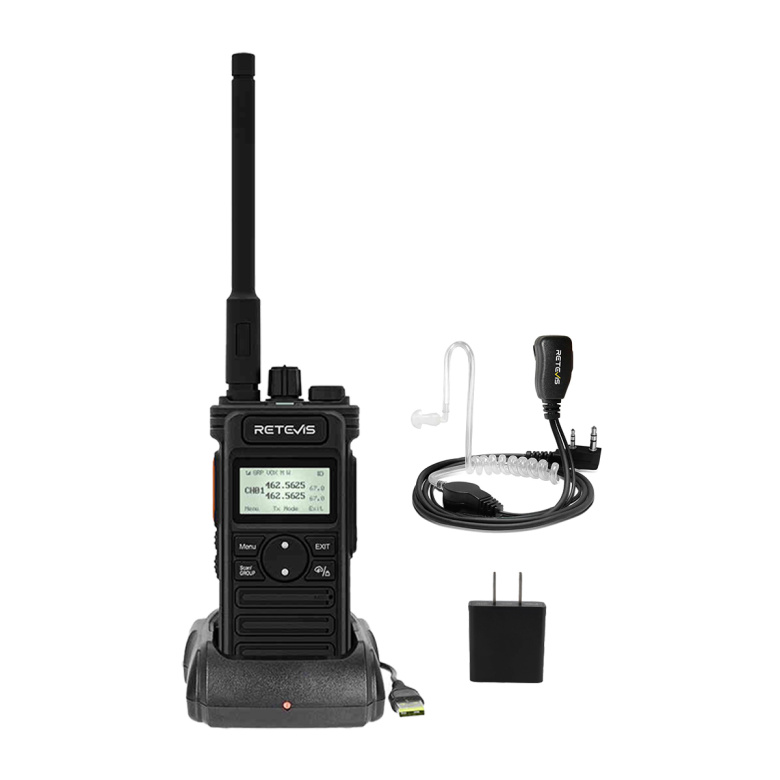
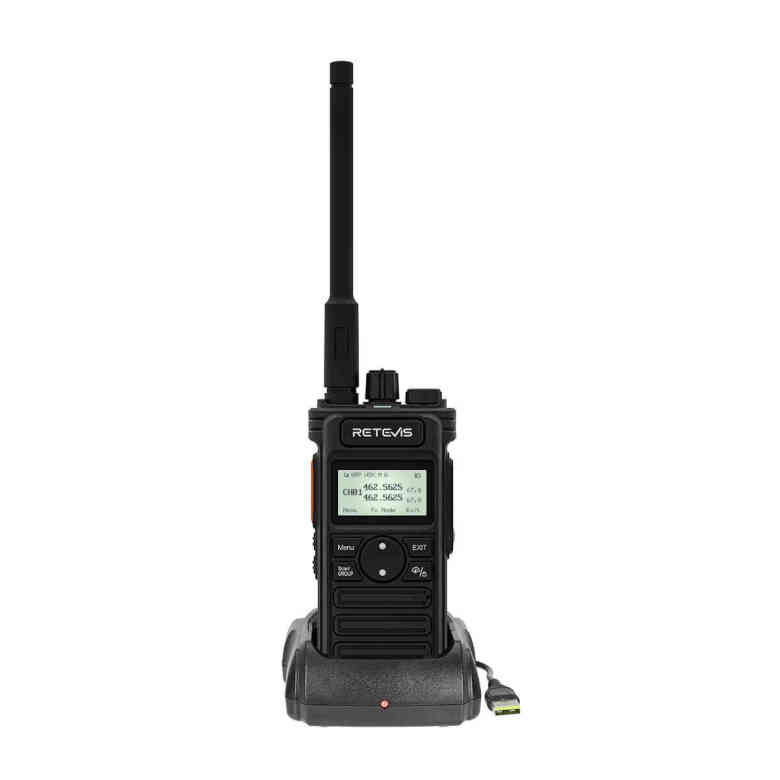
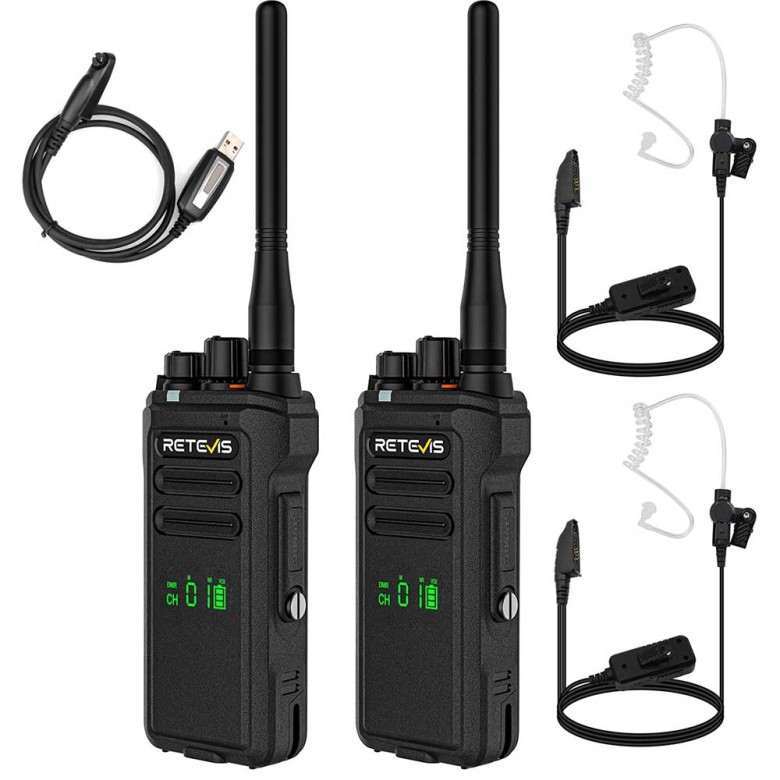
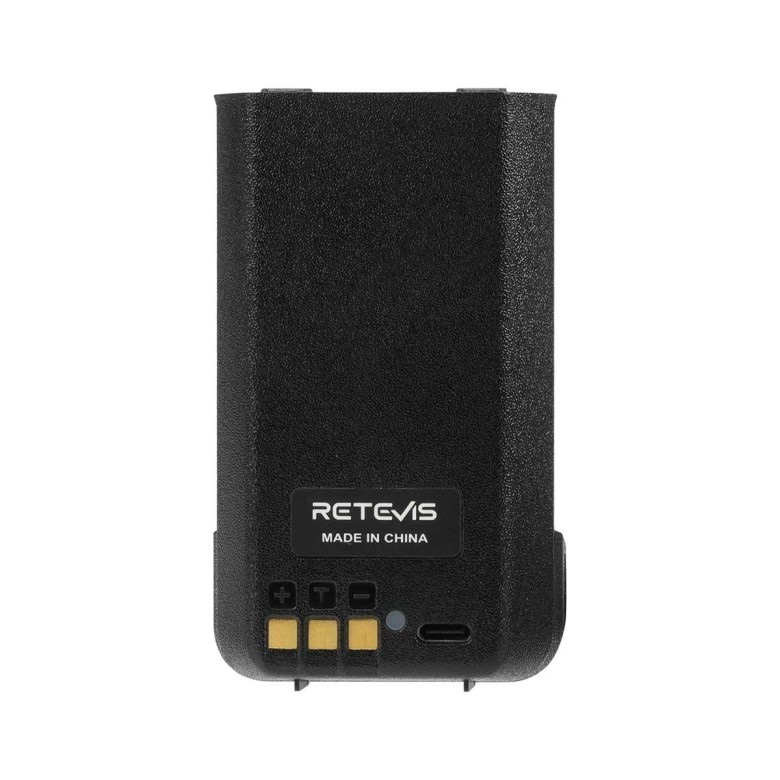
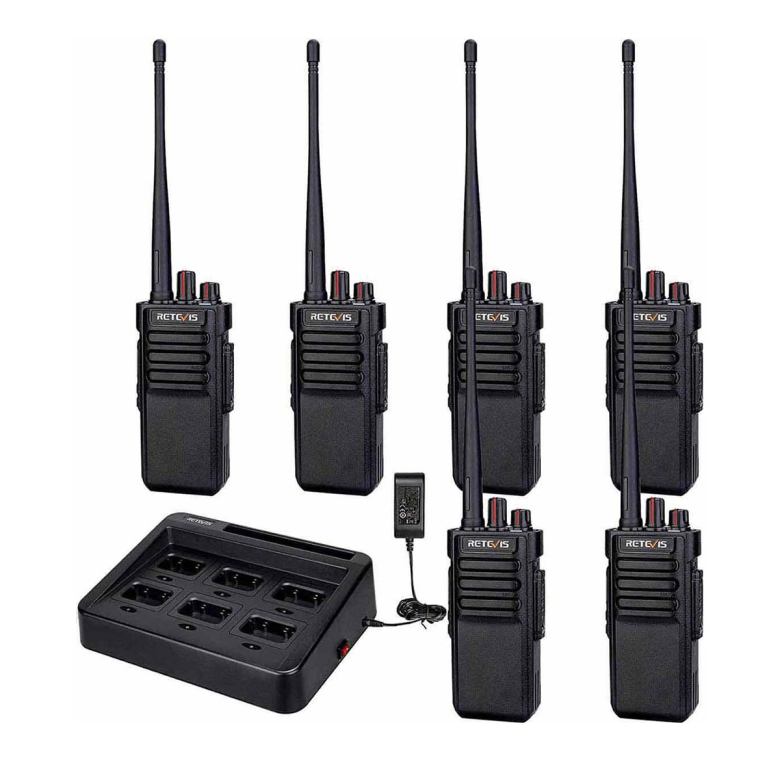
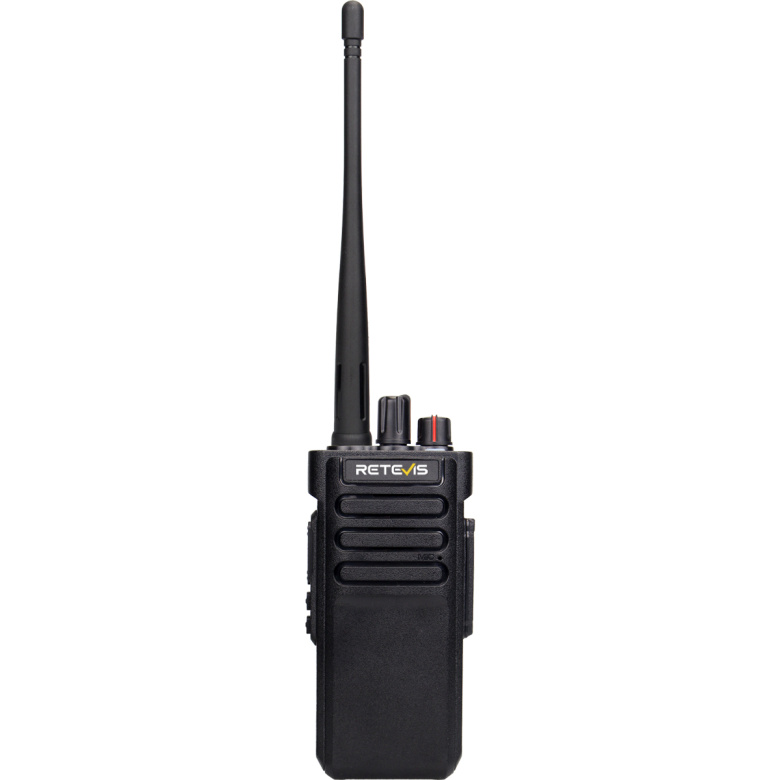
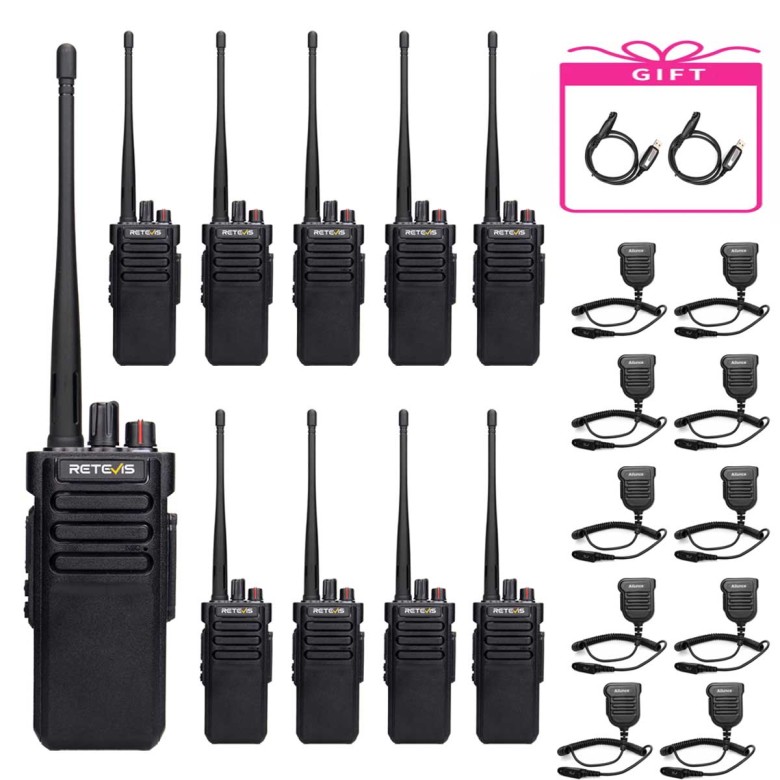
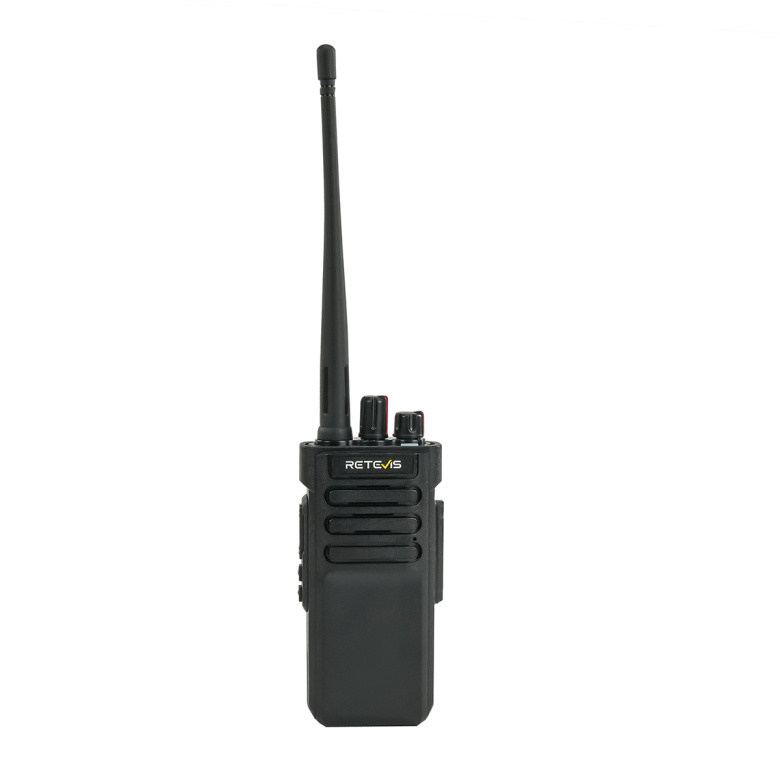
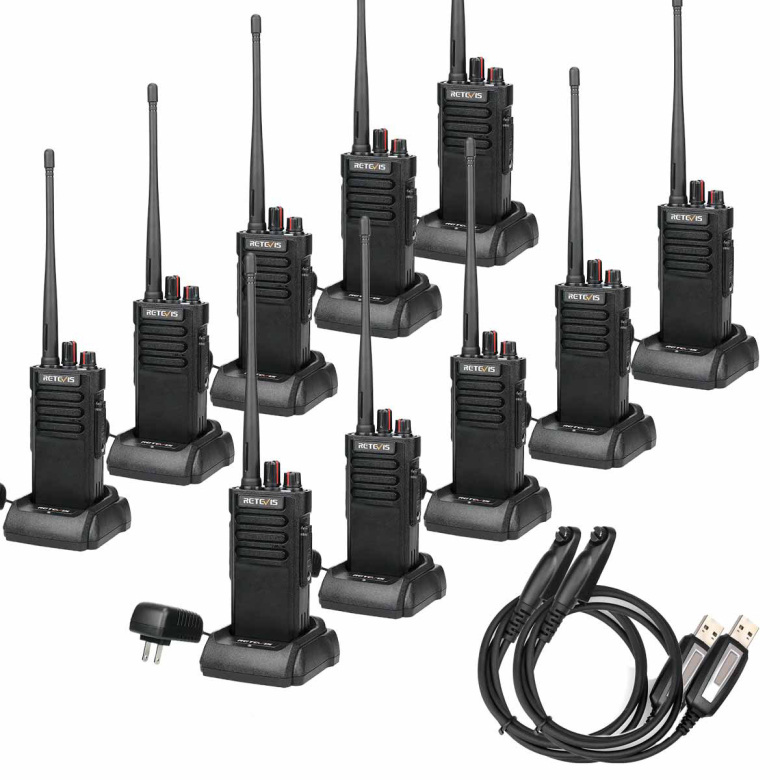
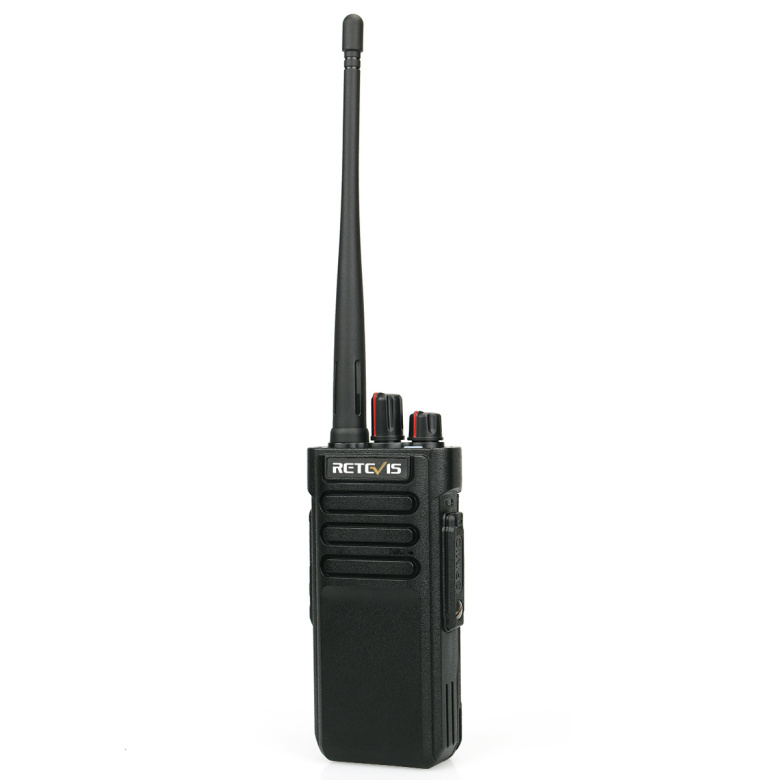
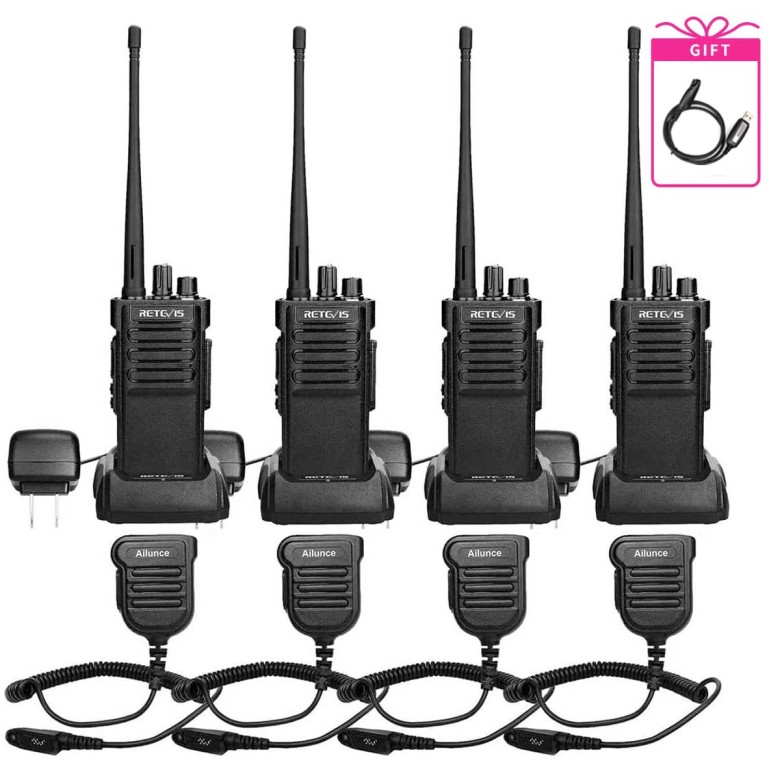
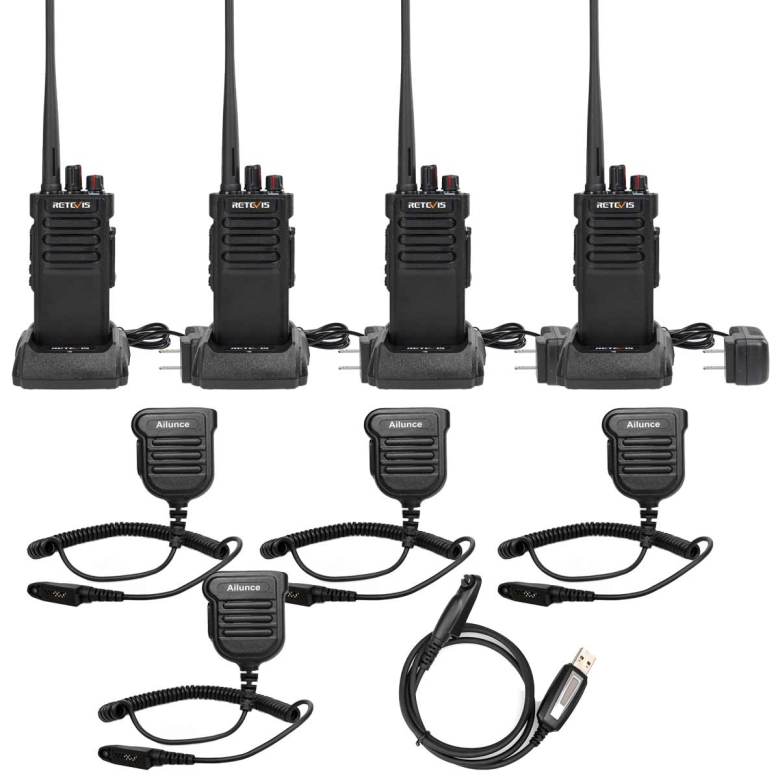
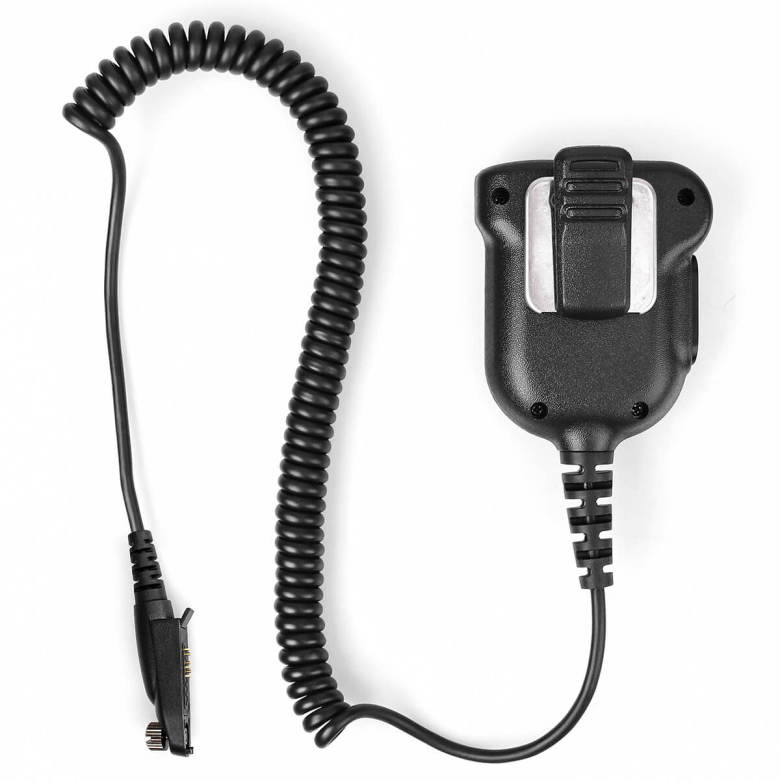
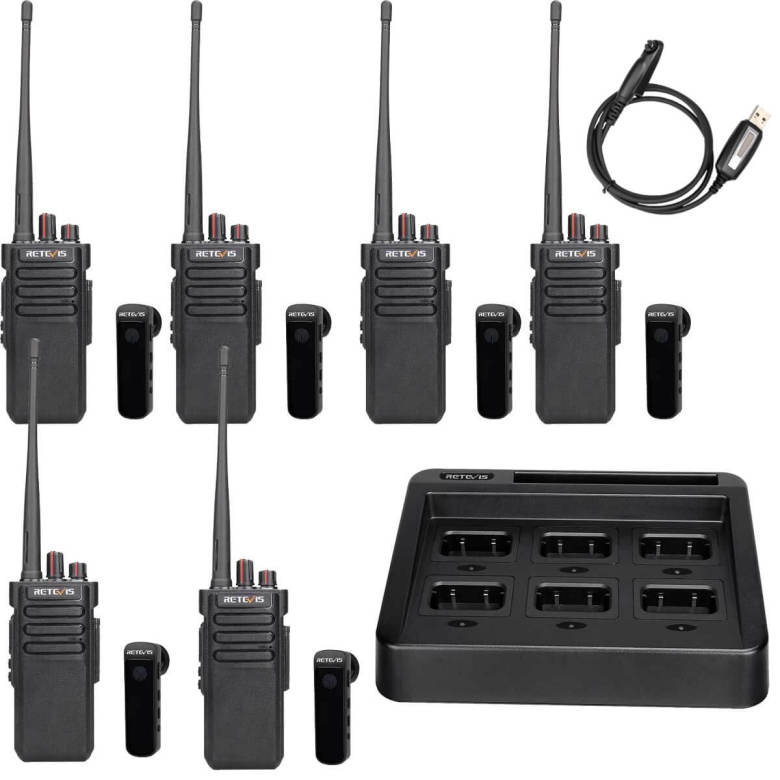
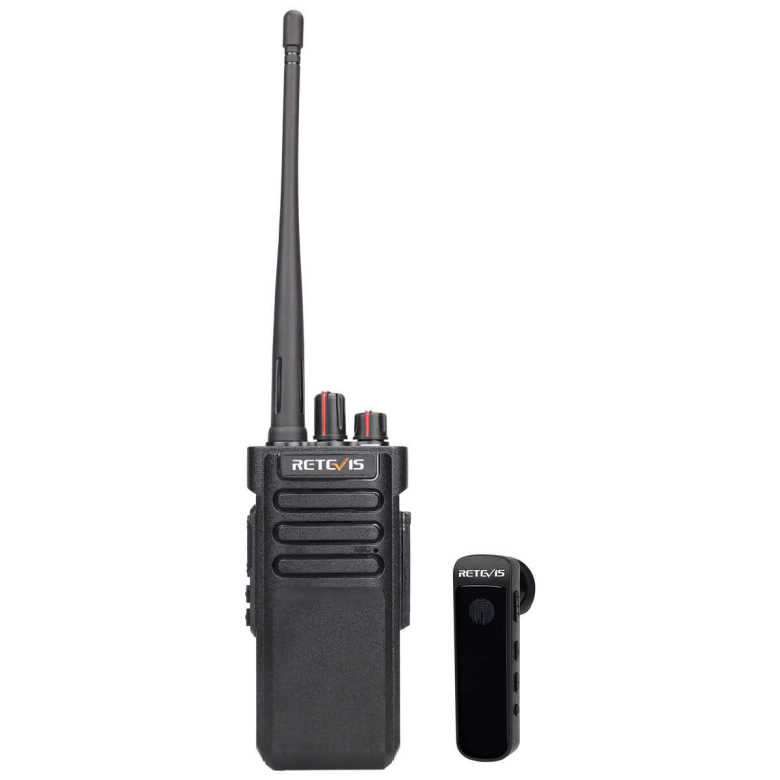
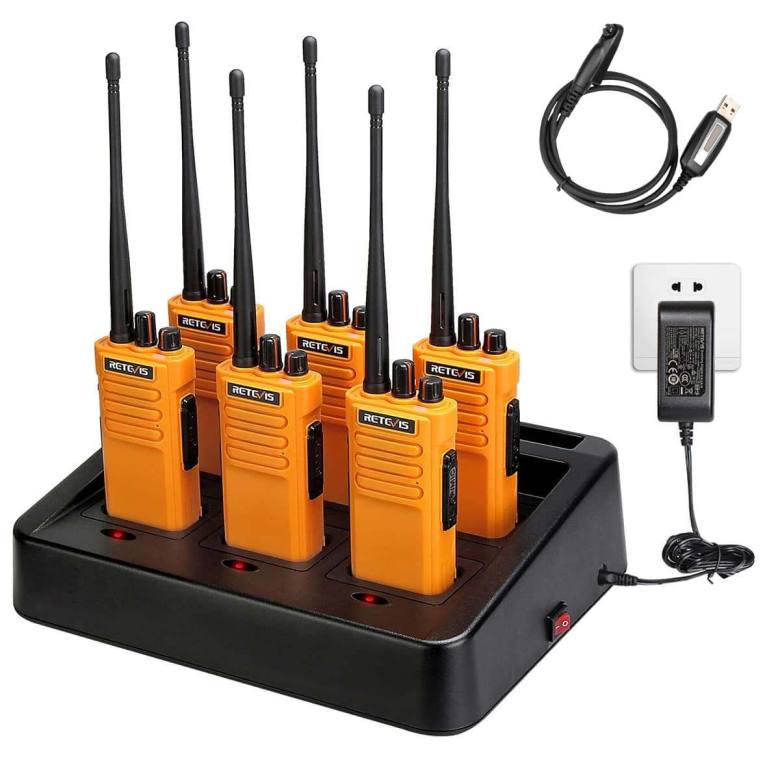
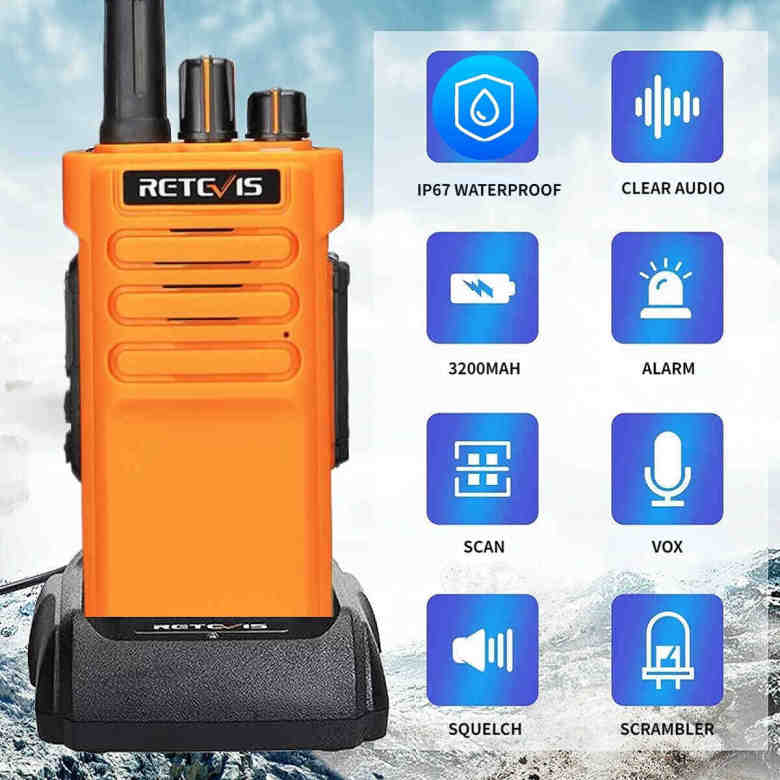
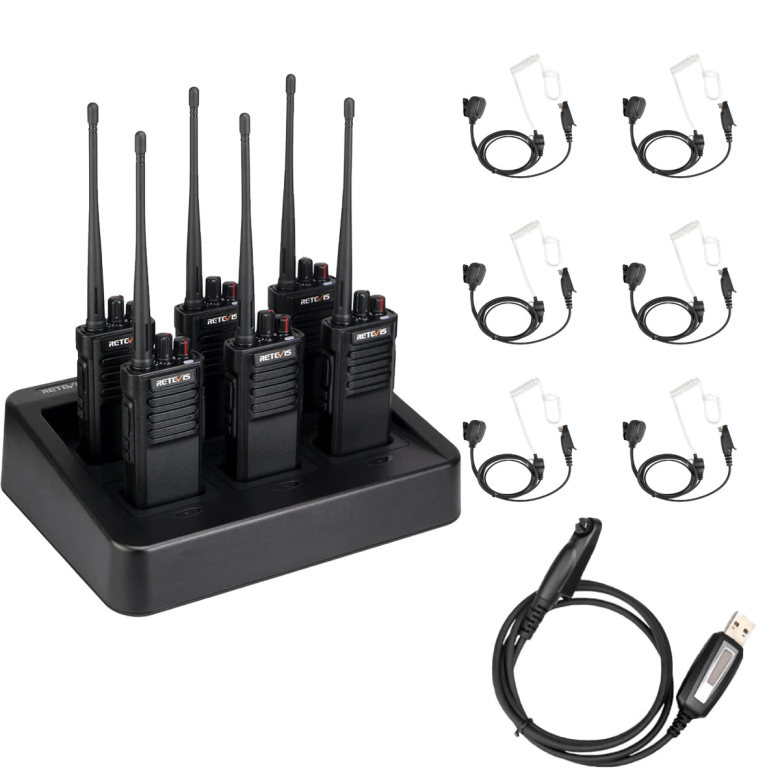
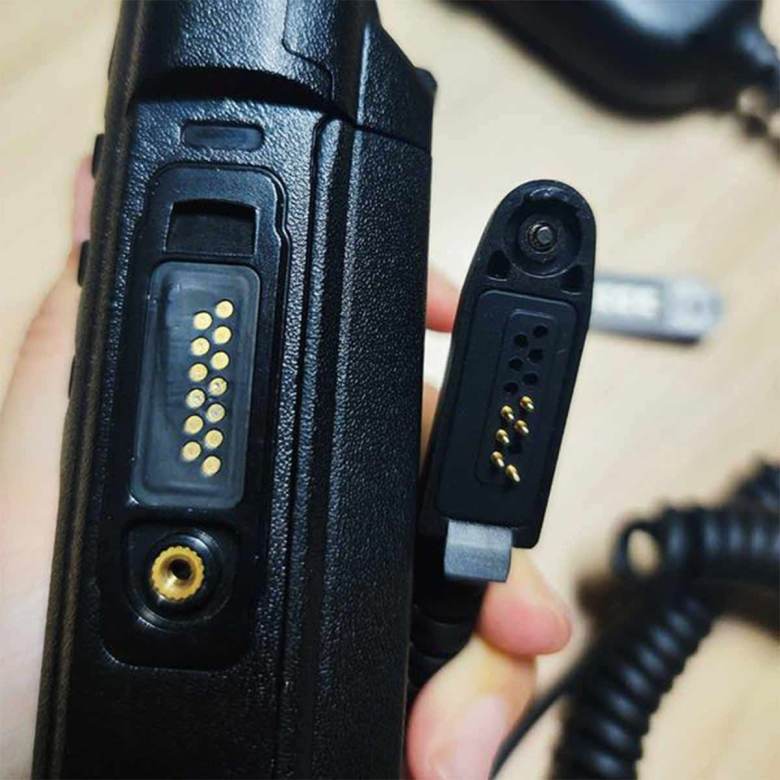
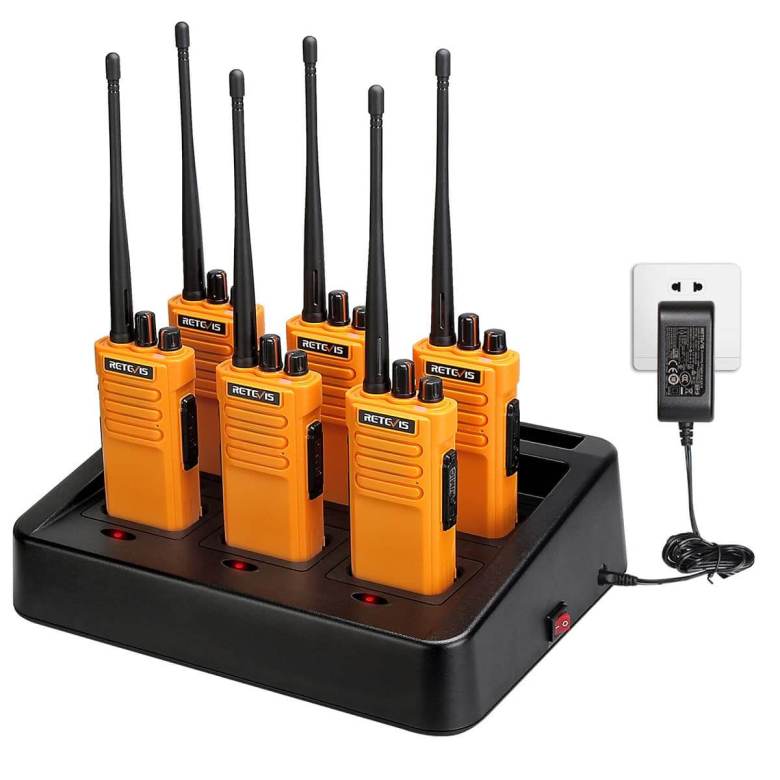
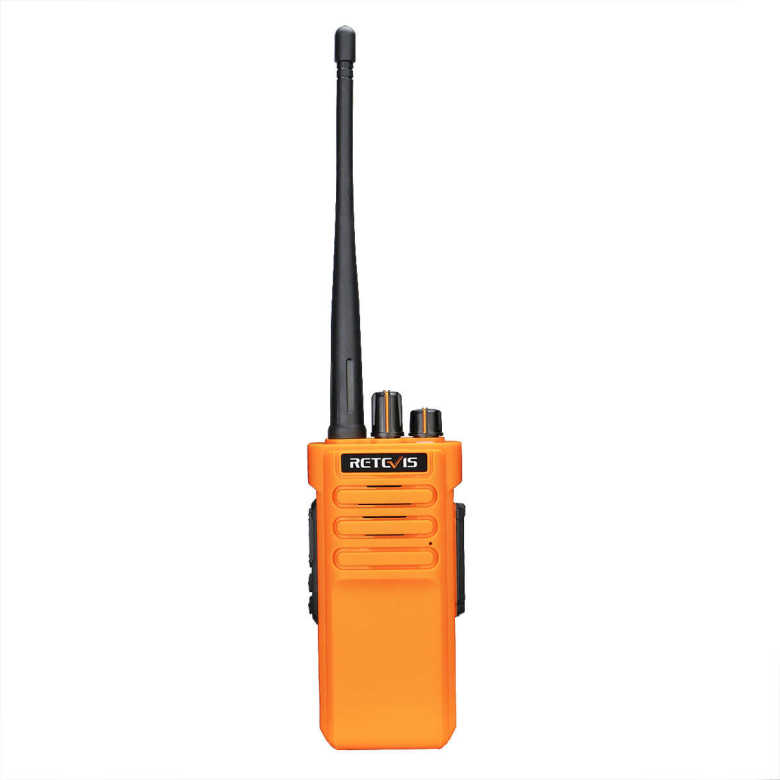
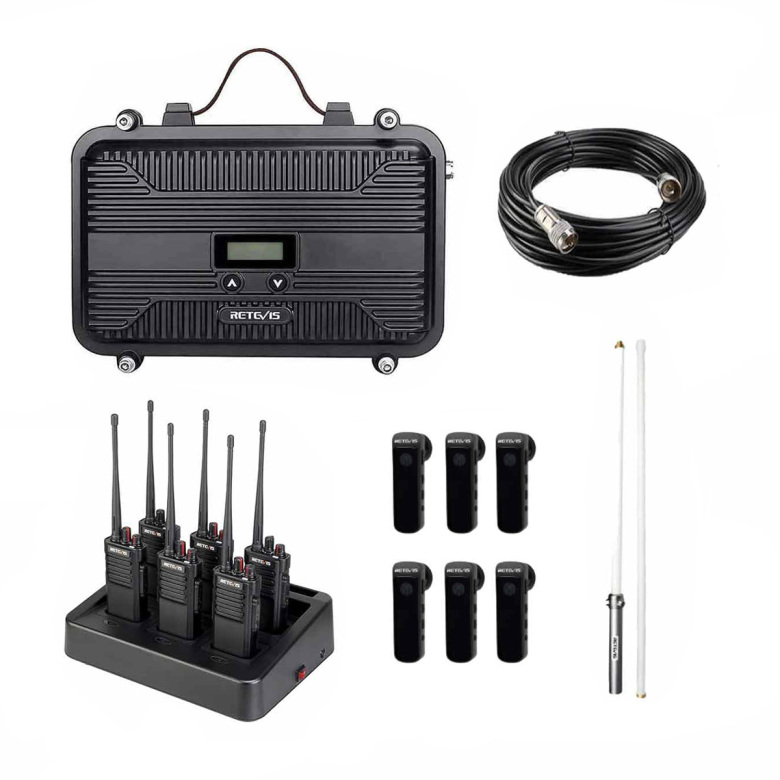
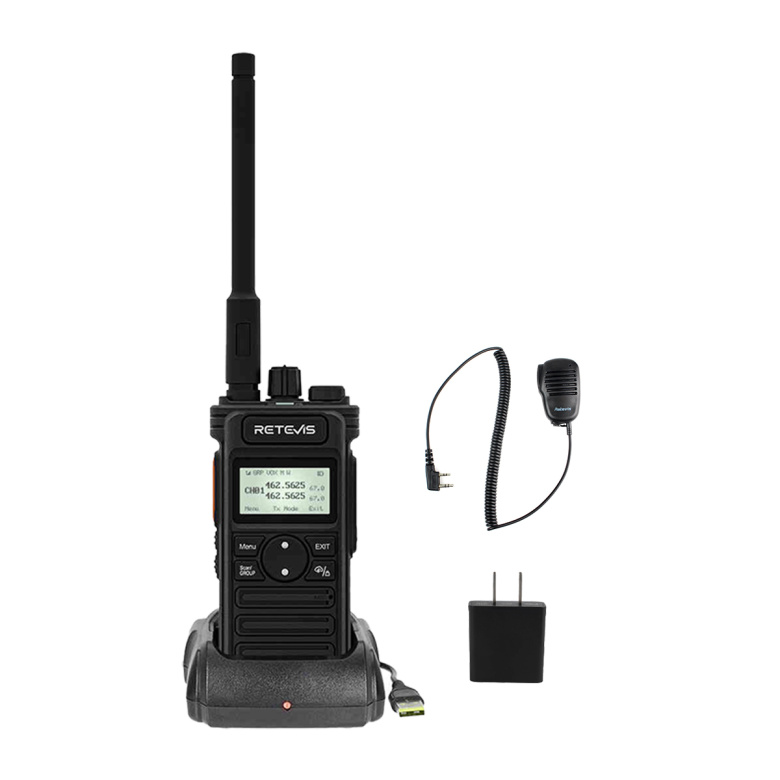
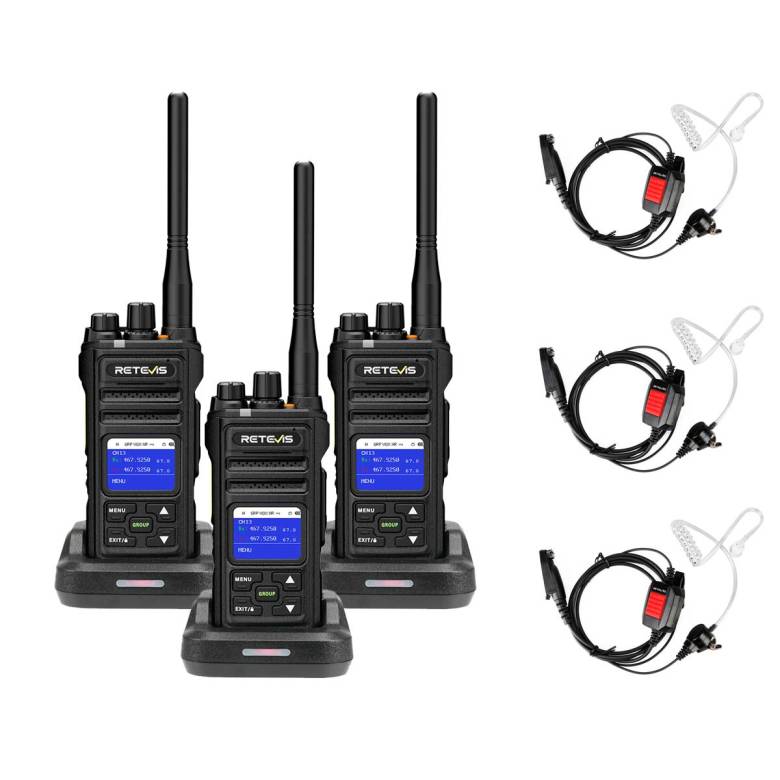
The commercial two-way walkie talkie radios provide seamless, long-distance communication for efficient coordination, improved safety, and reliable coverage in challenging environments.
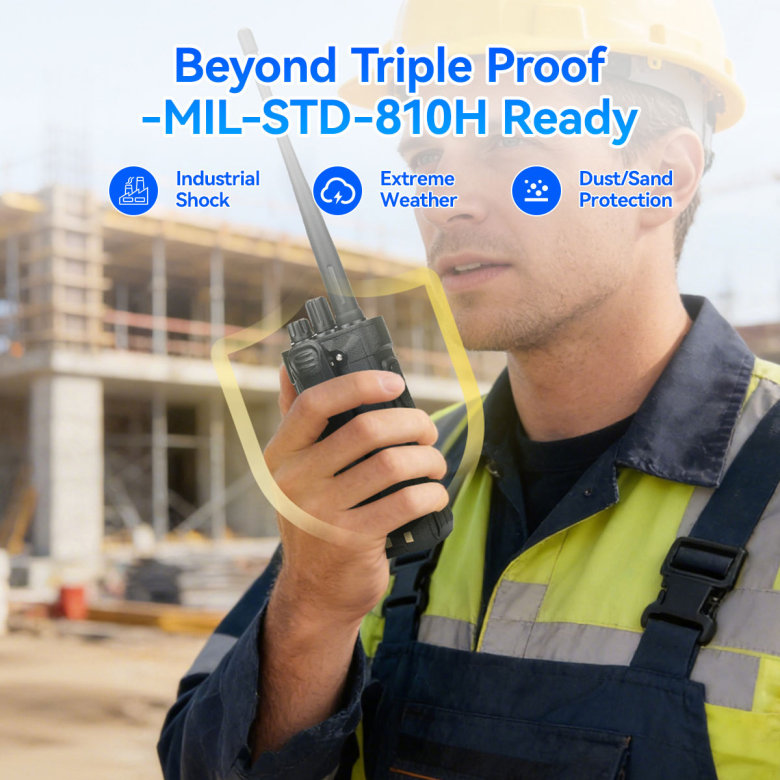
 Construction Sites Comms
Site-wide coverage. Shift-long reliability.
 Manufacturing Use
Clear commands over factory noise.
 CiMunicipal Services City Use
Always connected. Always on duty.
 Logistics Coordination
Instant coordination across warehouses.
 Security Communication
Reliable communication for critical moments.
 Utilities Walkie Talkie
Built for tough terrain and harsh weather.
These radios enhance safety, improve productivity, and simplify coordination, allowing your team to work more efficiently and stay in touch, no matter the distance. With Retevis long-distance radios, you can rely on clear, uninterrupted communication, making them the perfect solution for remote locations, large work sites, or outdoor activities.
In real use, handheld-to-handheld range is about 1-2 miles in built-up areas, where buildings absorb and reflect radio signals; 5-10 miles across open farmland, water, or elevated terrain; and 25-60 miles when a repeater or base station relays the signal. Claims of 100 miles or 1,000 miles for a handheld radio are not realistic. And a 5-10 watt handheld cannot carry a usable voice signal beyond that without a repeater. Considering three factors: antenna height, terrain, and whether a repeater is part of your plan. These factors determine coverage more than wattage alone.
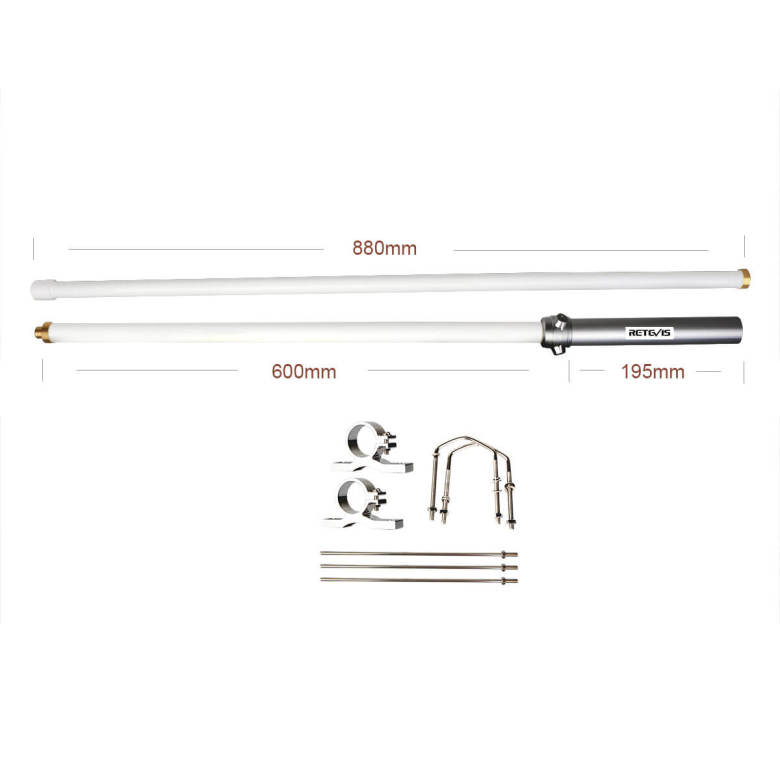
Power sets the upper limit for communication distance: handheld devices typically have an output power ranging from 1 to 10 watts, with higher power settings enabling clear voice transmission in open terrain. The external environment and terrain affect signal range; for instance, hilly landscapes, steel-structured buildings, and dense forests can all reduce the distance over which a signal can be transmitted. Antenna height is the most cost-effective way to extend communication range: increasing the height of an antenna at a base station or repeater is generally more effective for expanding coverage than simply increasing power. The frequency band, meanwhile, determines how a signal behaves when encountering obstacles.
Risk-free purchase with a 30-day satisfaction guarantee.
Long-term warranty for reliable daily operation.
Continuous firmware and software updates at no extra cost.
Dedicated technical support to help your team deploy faster.




 Google
 Amazon