
Plumbing and HVAC crews often work in places where normal communication is not easy.
A plumber may work in a basement or pipe shaft. An HVAC technician may be inside a ceiling, mechanical room, or equipment area. Concrete walls, steel structures, pipes, ducts, and equipment can all make communication harder.
That is why radios for plumbing and HVAC contractors and crews need to do more than provide long range. They need to work well inside buildings, handle tough jobsite conditions, and keep workers connected while they work.
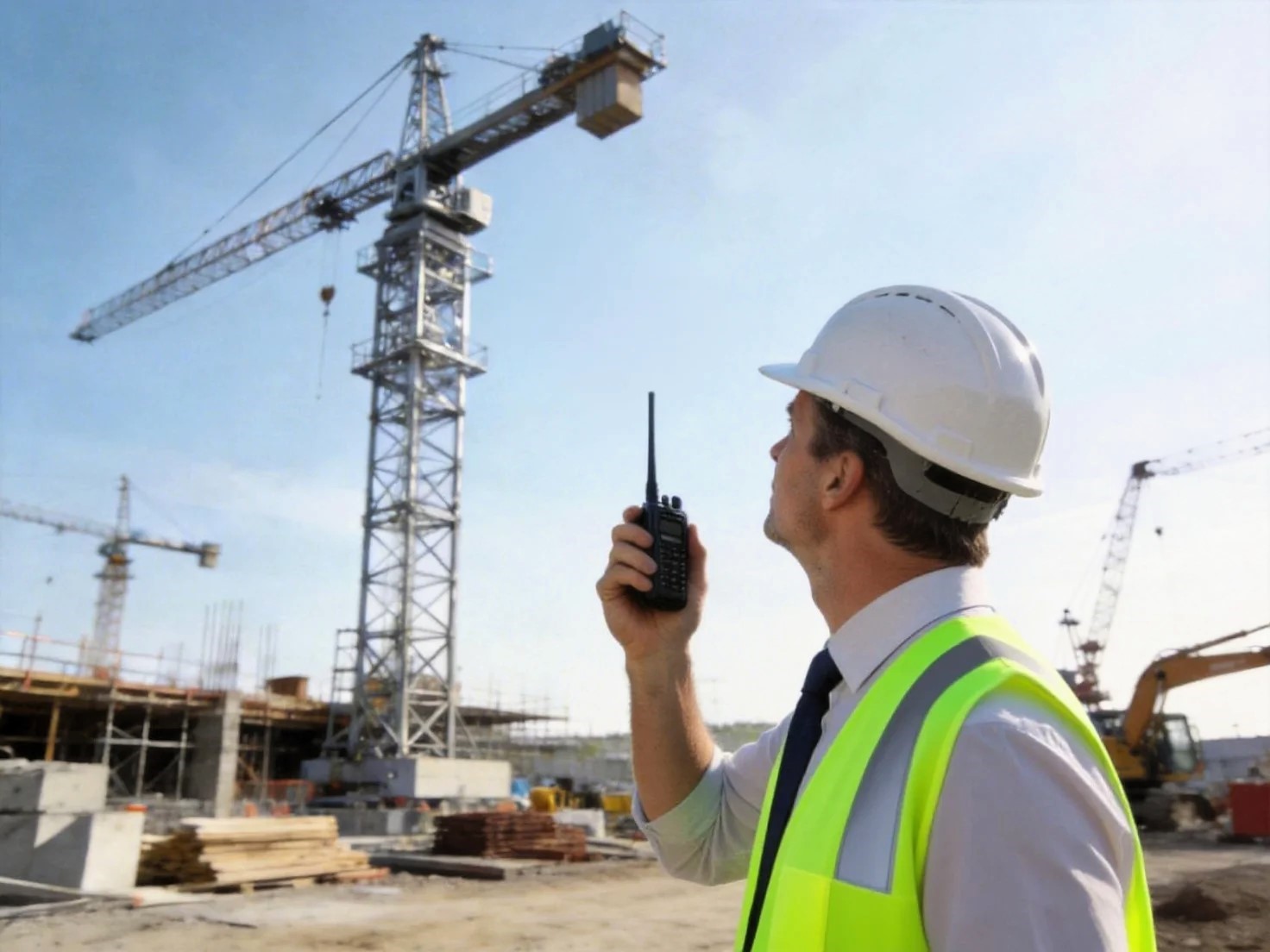
Many plumbing and HVAC jobs take place inside commercial buildings.
For example, a plumbing crew may need to communicate between a basement utility room and the floors above. An HVAC team may work between a mechanical room, ceiling space, and rooftop equipment area.
In these situations, building materials can weaken radio signals. UHF two-way radios are often a good choice for indoor and multi-level work because they are commonly used for communication in built-up areas.
If you are comparing the best two way radio for inside a building, look at the building layout first. A radio that works well outdoors may not perform the same way inside a large commercial building.
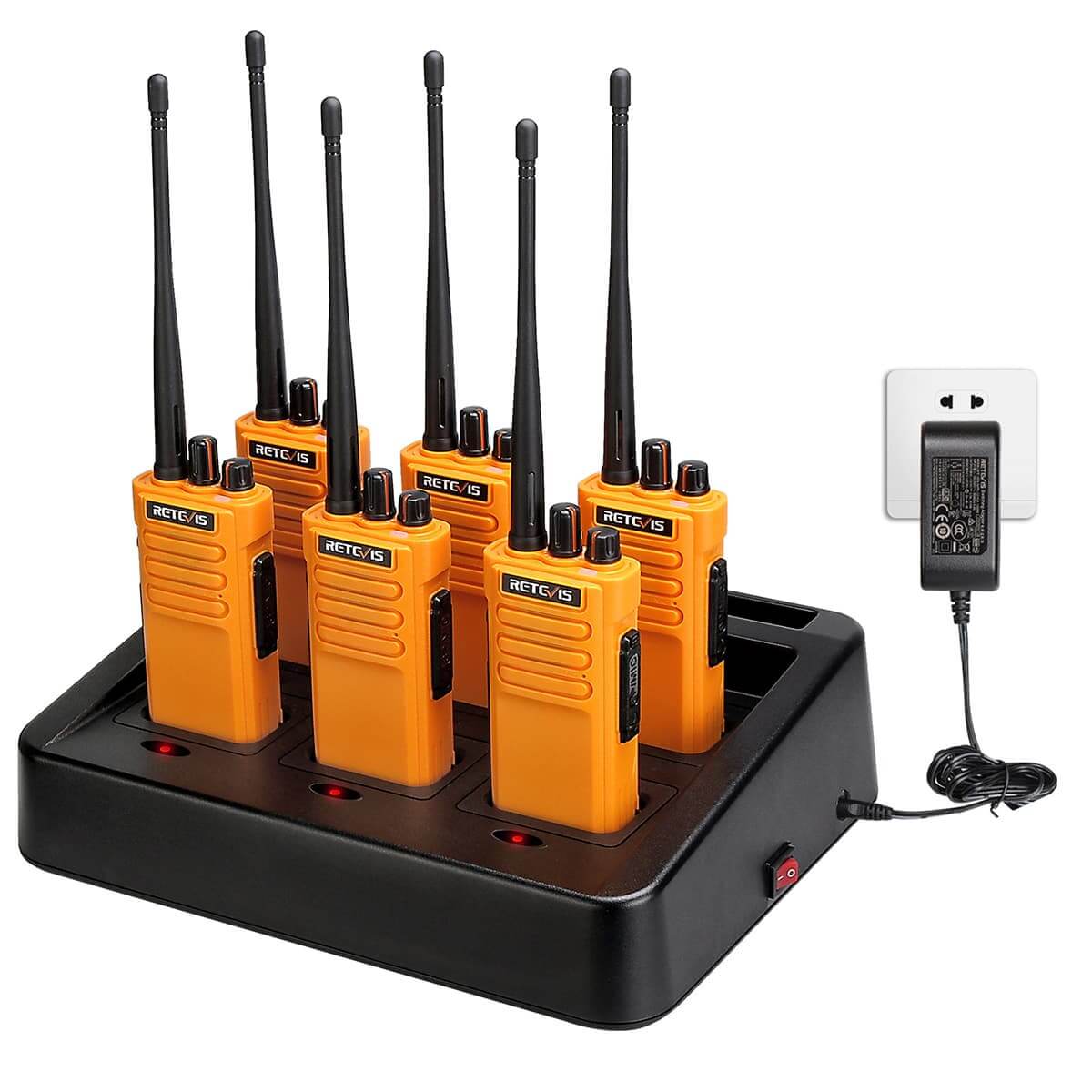
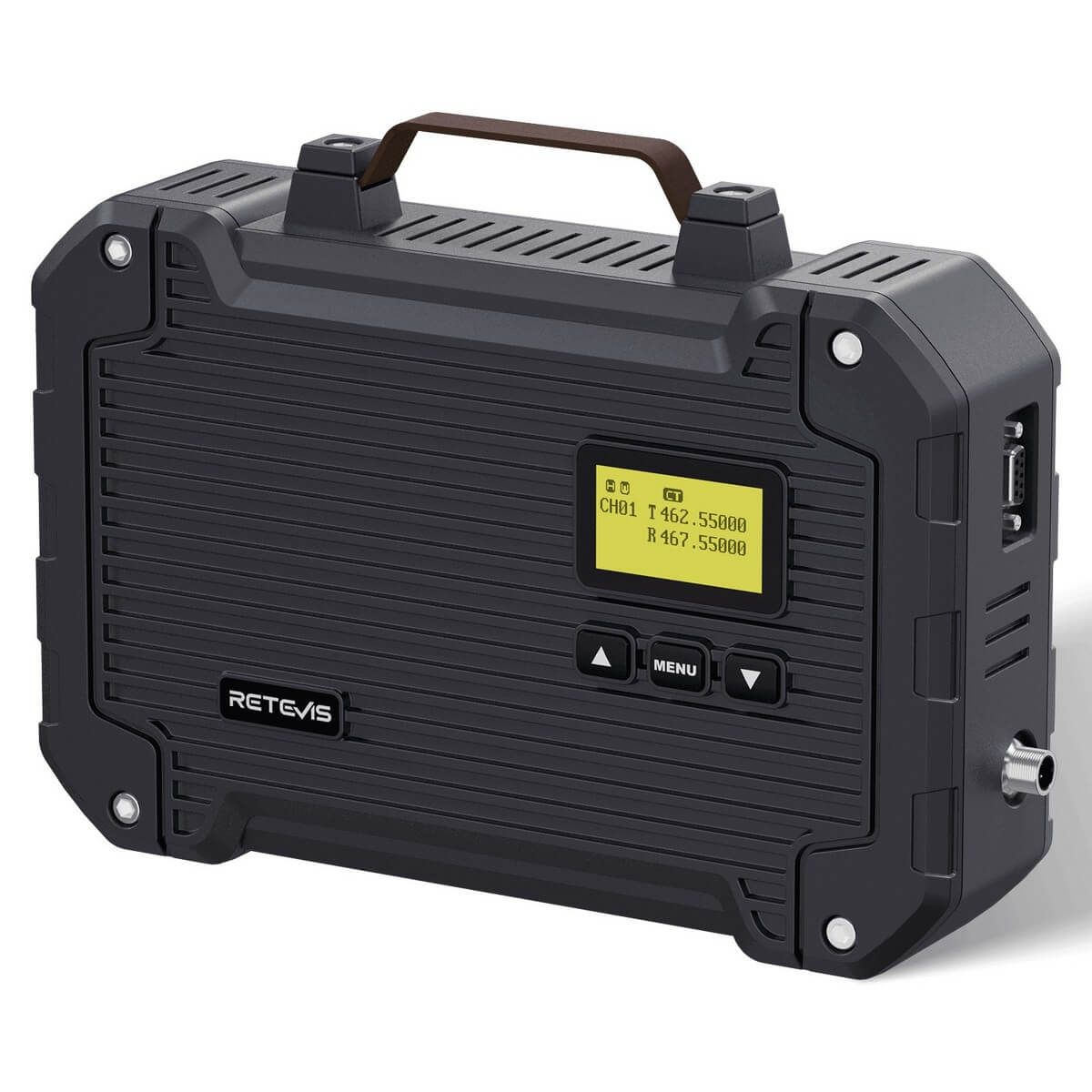
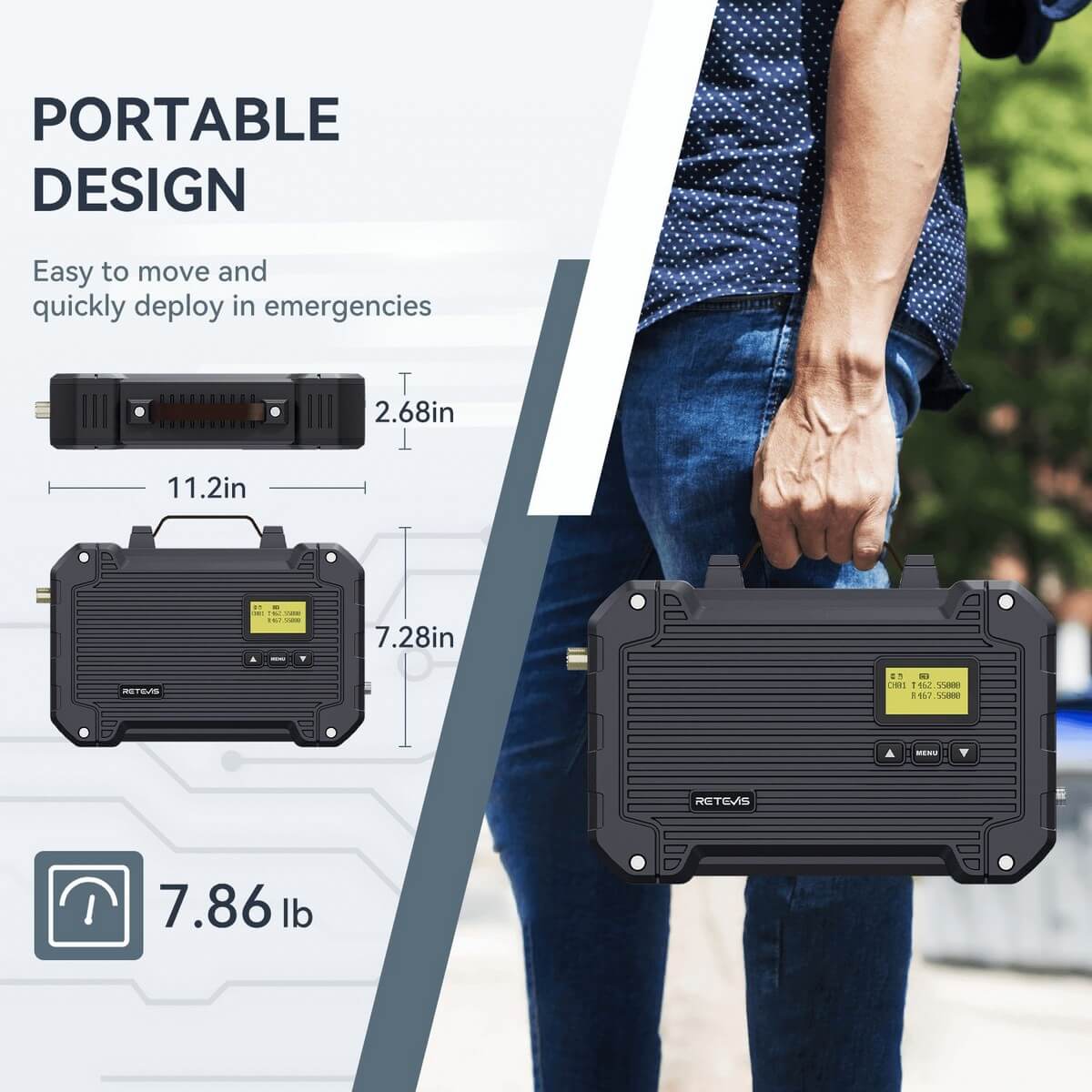
For larger sites with multiple floors or difficult coverage areas, a repeater can also extend coverage. This can turn handheld radios into a more complete construction radio system. See our guide to [UHF vs. VHF for building penetration] for more details.
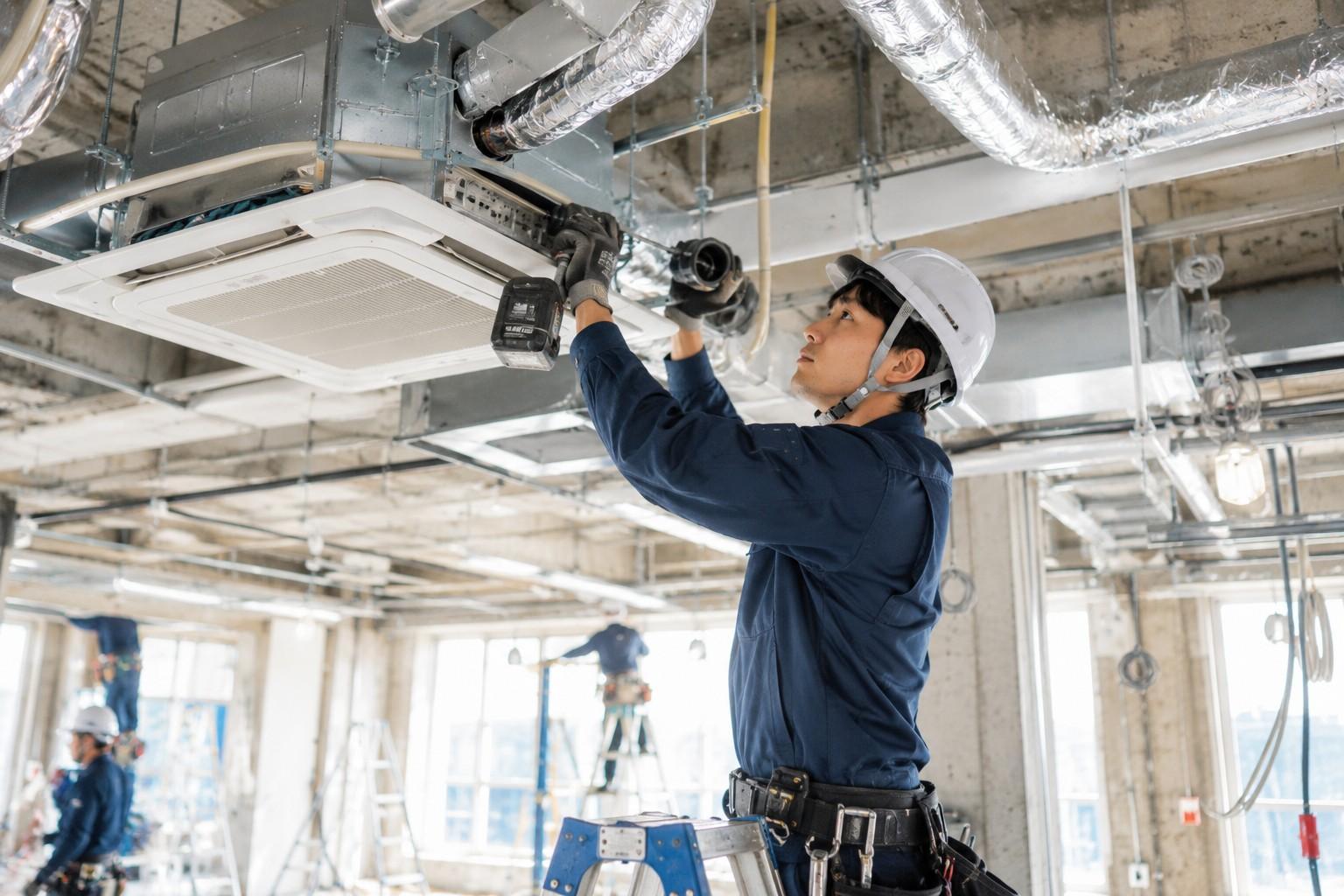
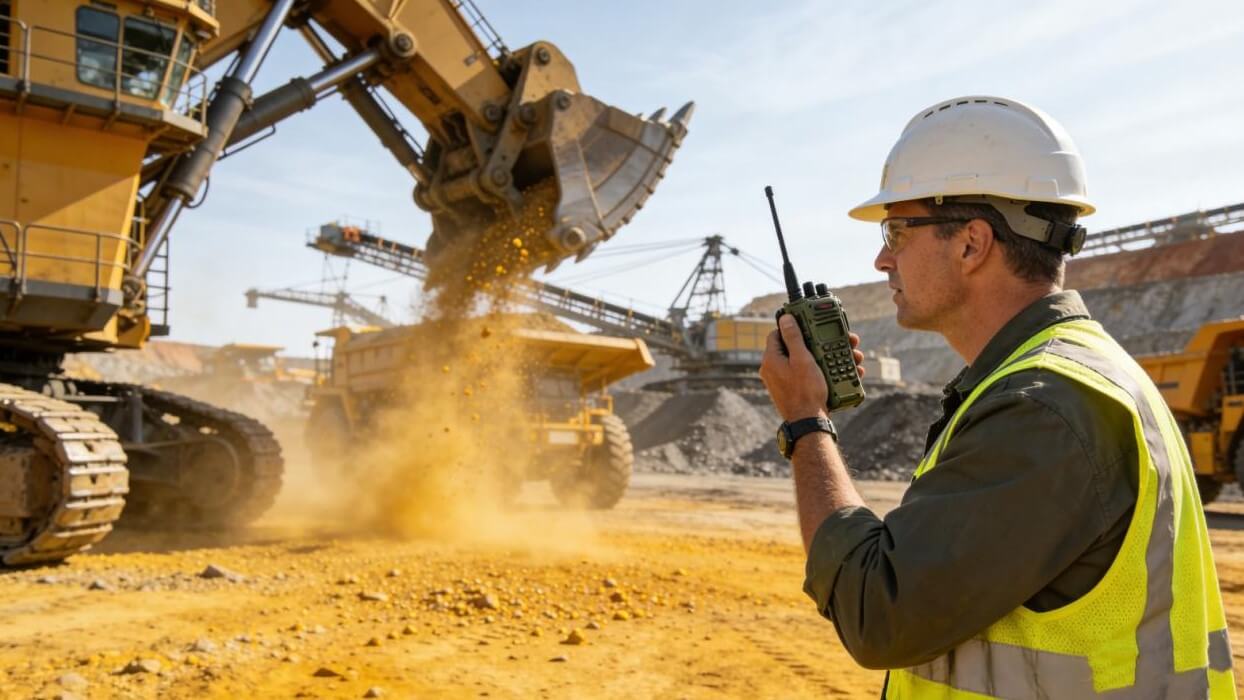
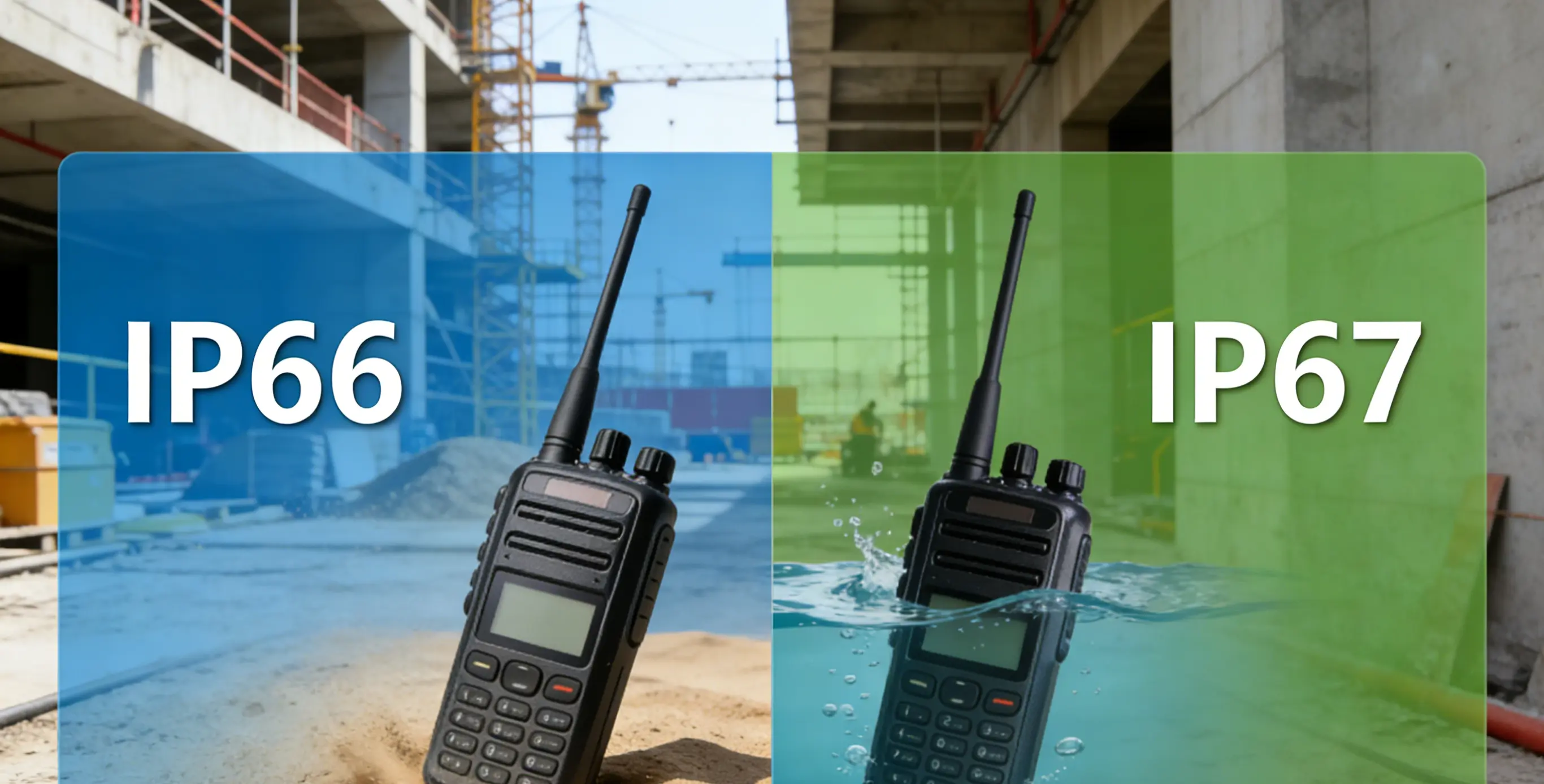
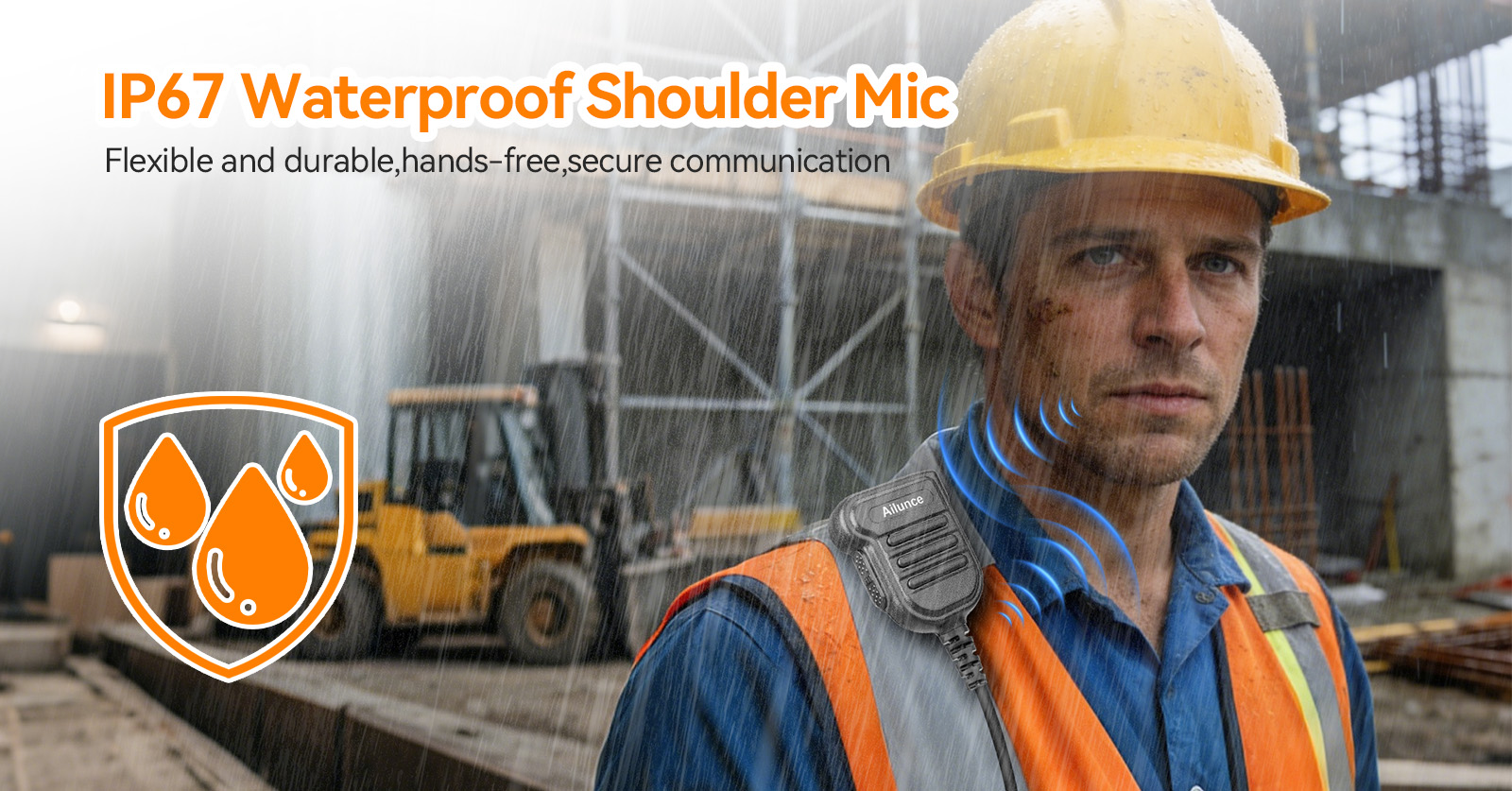
Plumbing work can be wet and dirty. HVAC installation can also expose radios to dust, rain, mud, and construction debris.
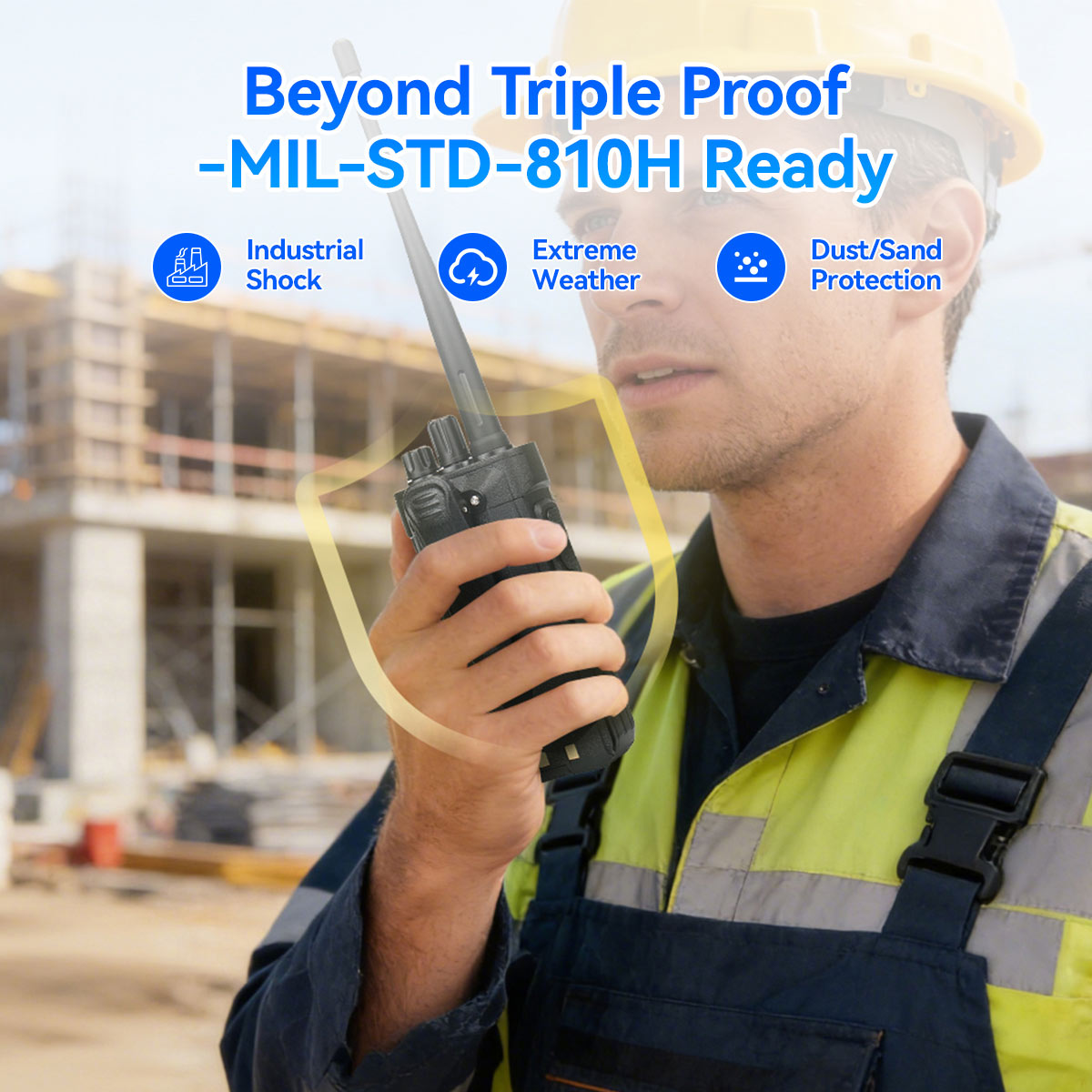
A rugged two-way radio is better suited to these conditions than a basic consumer walkie-talkie.
Look for:
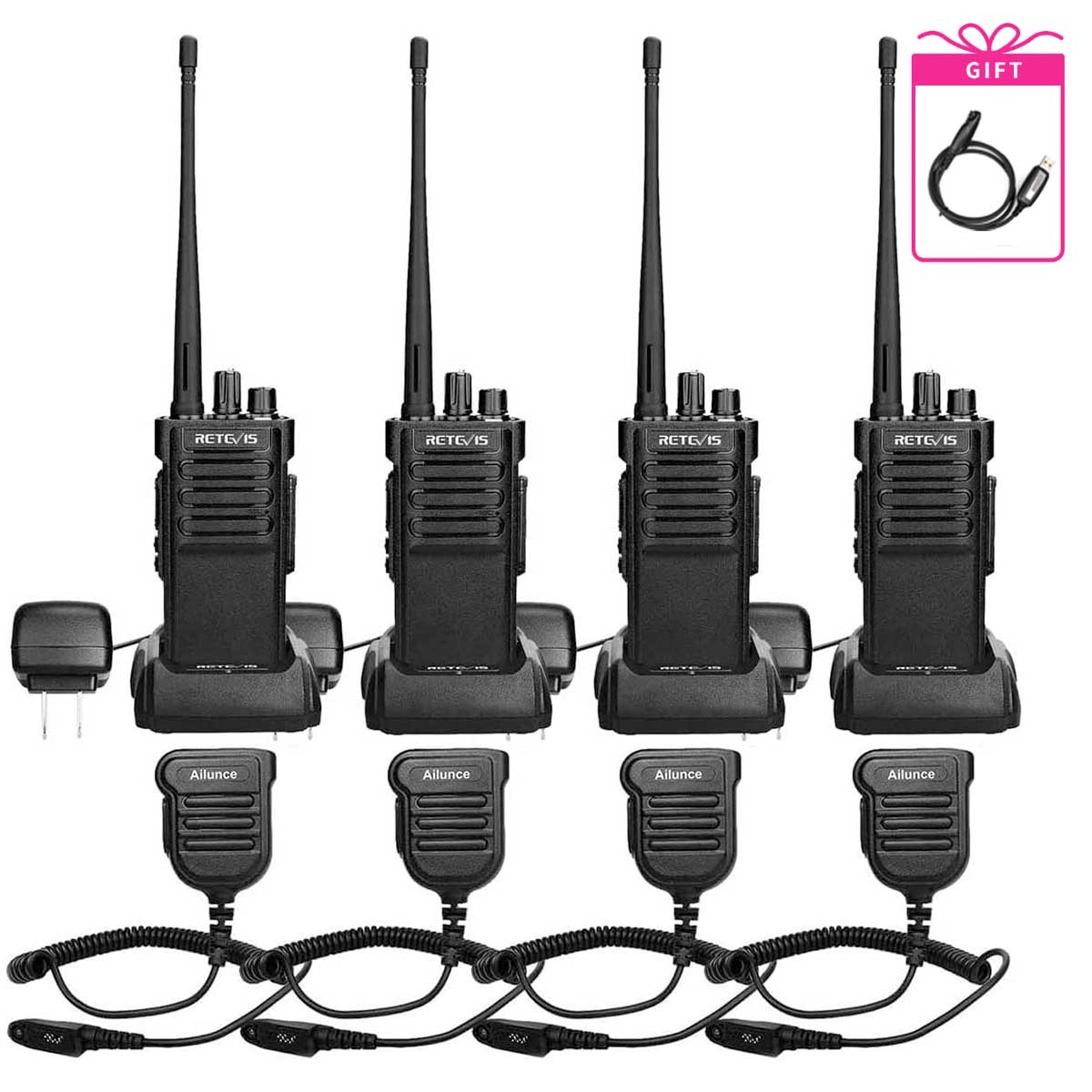
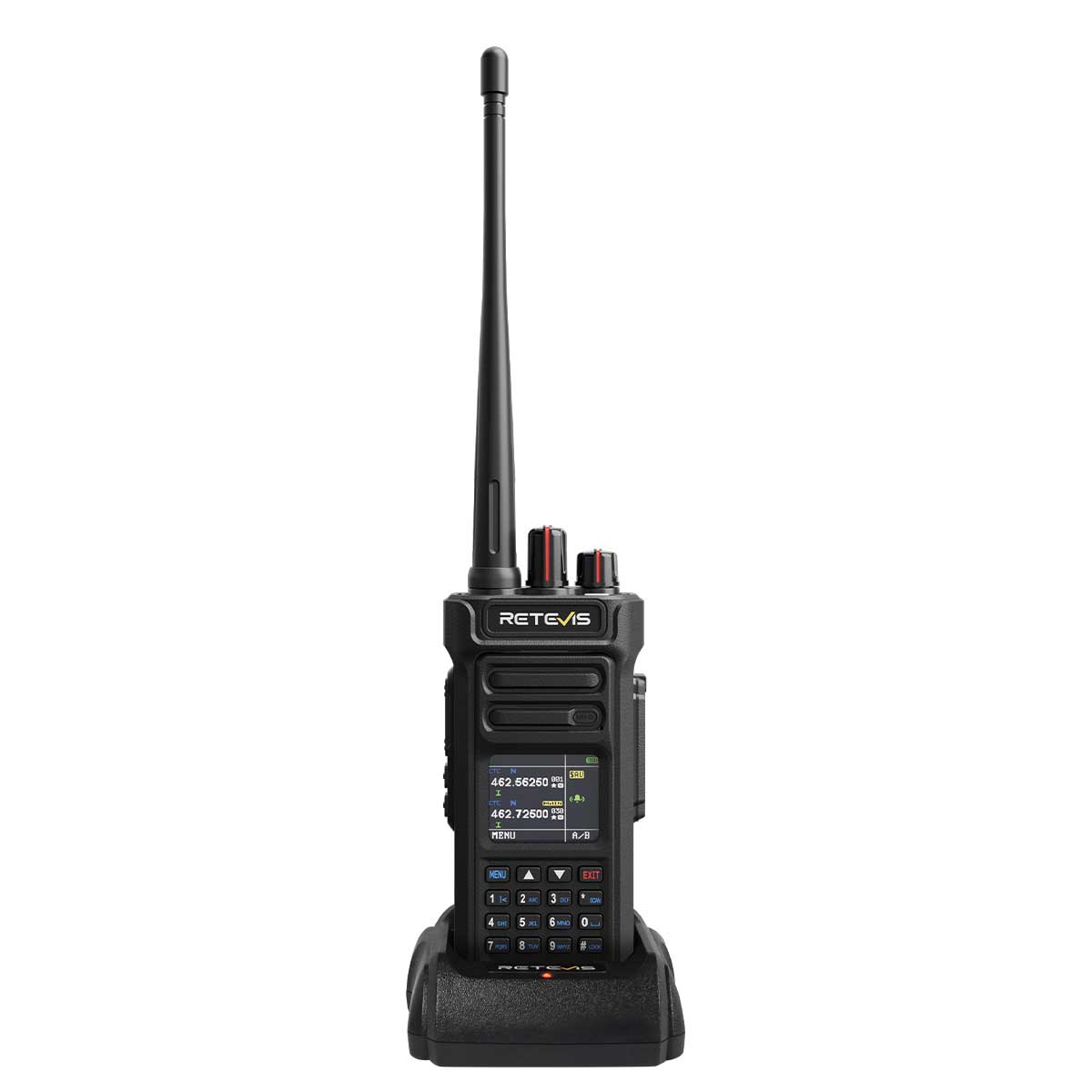
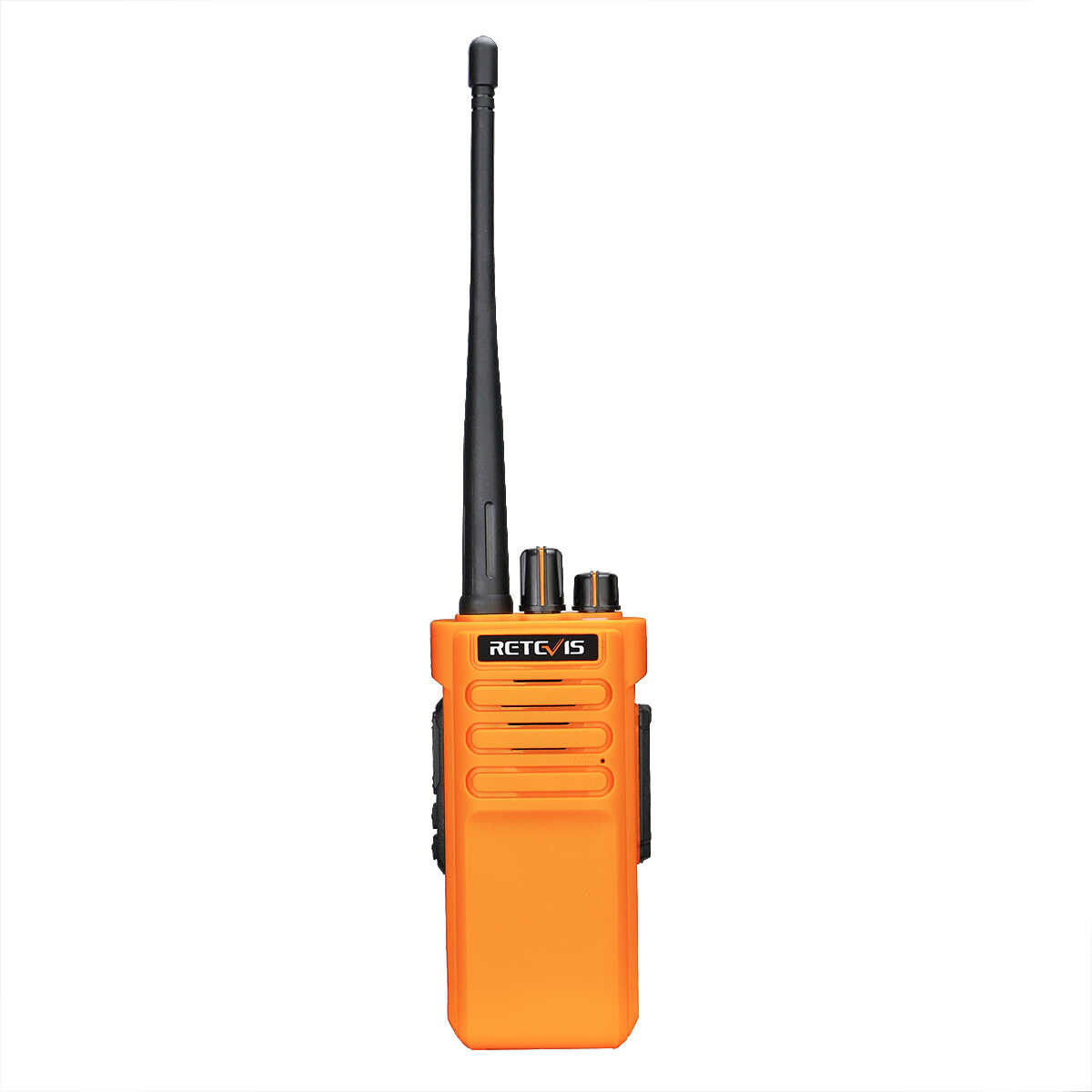
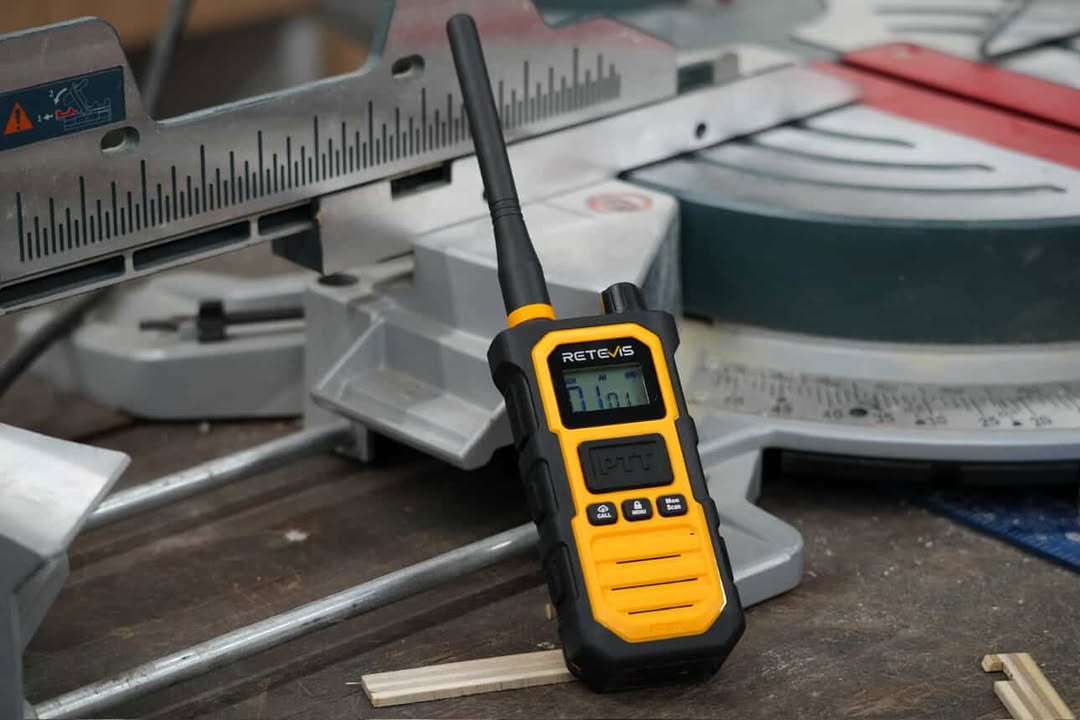
For example, the Retevis RT29 combines UHF communication with IP67 protection. It is one example of a construction grade two way radio designed for demanding jobsite conditions.
This type of radio can also work well as a worker radio for crews that move between indoor and outdoor work areas.
Plumbers and HVAC technicians often need both hands to do their jobs.
A plumber may hold a pipe while another worker checks the connection. An HVAC technician may work above a ceiling while carrying tools. Stopping to pick up a radio can slow the job down.
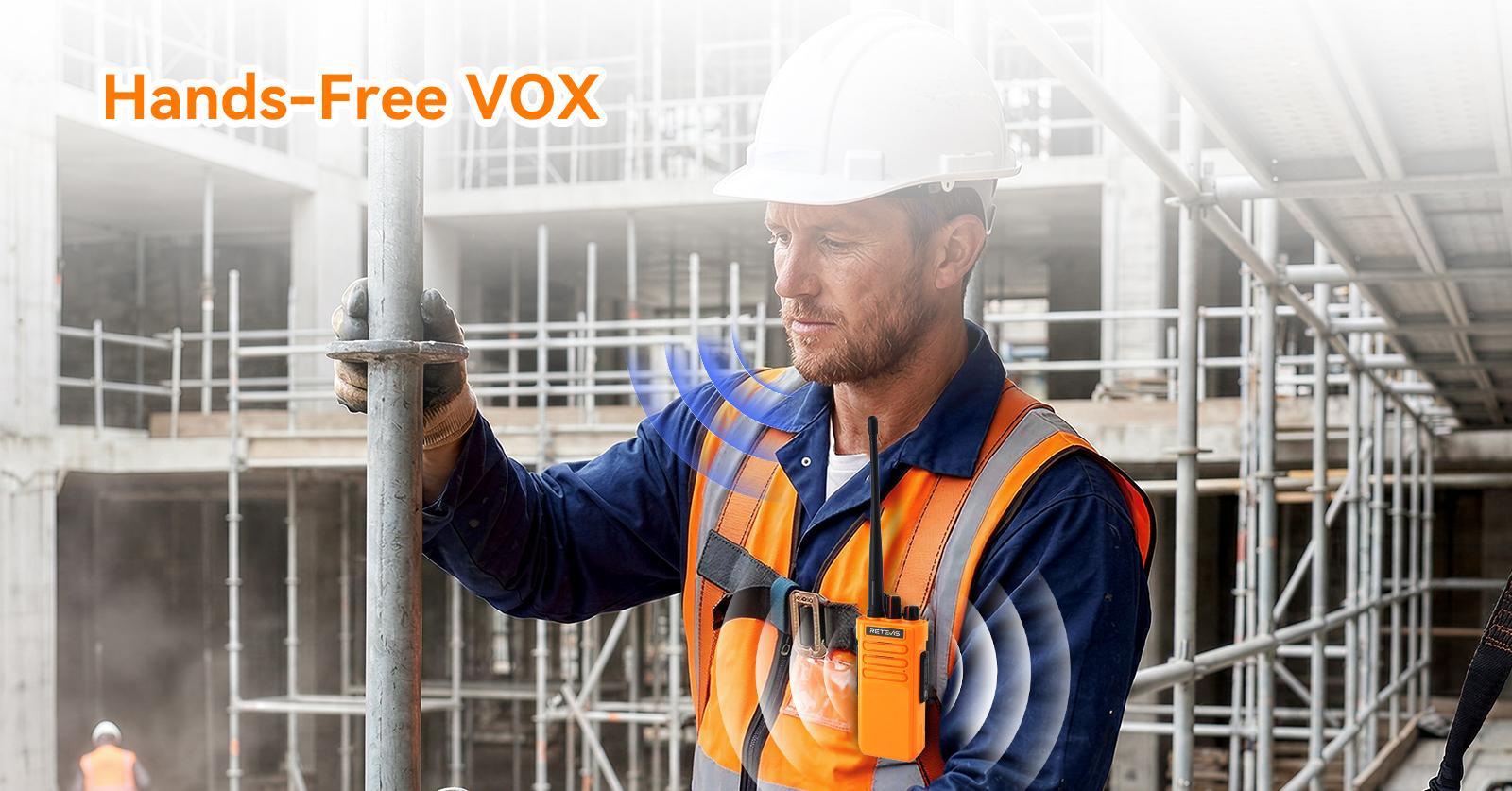
That is where hands-free radio for busy workers can help.
VOX can allow workers to speak without pressing the PTT button every time. Speaker microphones and headsets can also make communication easier.
Depending on the work environment, useful options include:
For crews that need more flexibility, a bluetooth two-way radio or Bluetooth construction headset can also reduce cables and keep communication equipment easier to manage.
Mechanical rooms are not quiet.
Compressors, pumps, fans, air handlers, drills, and other equipment can make it hard to hear a radio message.
For HVAC crews, a good radio should provide clear audio and work well with accessories such as speaker microphones or headsets.
If your team works around loud machinery, look for a handheld radio with clear audio in loud environment conditions. Noise reduction can also help workers understand short instructions without repeating them.
This matters for more than convenience. Clear communication can help crews coordinate work and respond faster when conditions change.
The right commercial construction radio depends on where and how the crew works.
|
Jobsite |
What to look for |
|
Basement or utility room |
UHF radio |
|
Multi-floor building |
UHF + repeater when needed |
|
Wet or muddy plumbing work |
IP67 or similar protection |
|
Pipe or ceiling installation |
VOX / hands-free options |
|
Noisy mechanical room |
Clear audio + noise reduction |
|
Large commercial project |
Extended coverage + repeater |
For larger teams, construction communication radios can also support different groups, such as plumbing, HVAC, electrical, and site management.
For a wider range of options, see our construction radios, including rugged handheld radios and repeater-based communication solutions.
The best construction jobsite two way radio is not always the one with the biggest range number.
Start with the actual work environment.
Working in basements or multi-level buildings? Consider UHF.
Working around water, mud, and dust? Choose a rugged, water-resistant design.
Working with both hands occupied? Look for VOX, Bluetooth, or hands-free accessories.
Working around loud HVAC equipment? Prioritize clear audio and noise reduction.
Managing a large commercial site? Consider a complete construction radio system with extended coverage.
For radios for plumbing and HVAC contractors and crews, the goal is simple: reliable communication that fits the job.
The right two way construction radios can help plumbers, HVAC technicians, foremen, and site managers stay connected from the basement to the mechanical room and across the jobsite.
No data Yet




 Google
 Amazon