

Table of Contents
Emergency Communication Systems After an Earthquake: Supporting Rescue, Response, and Recovery
- Posted by:Retevis
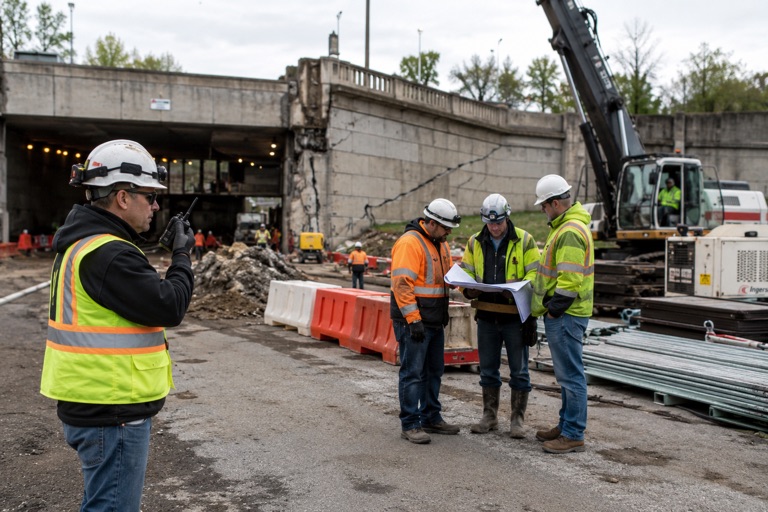
When a major earthquake strikes, the first challenge is not only physical destruction but also the sudden loss of coordination. Buildings collapse, roads become blocked, utilities fail, and mobile networks may become overloaded within minutes. In these conditions, Emergency communication systems and reliable Emergency communications become essential for saving lives, protecting responders, and organizing recovery.
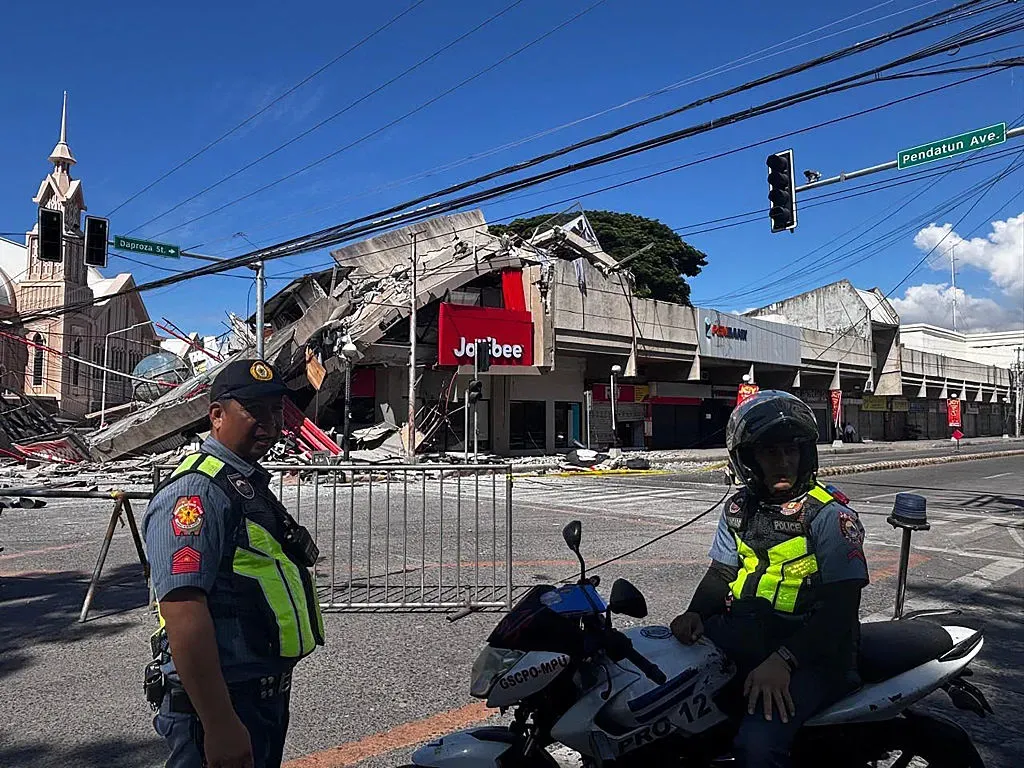
The magnitude 7.8 earthquake that struck southern Philippines in June 2026 is a strong reminder of this reality. Public reports described collapsed buildings, dozens of fatalities, more than 100 injuries, and a series of powerful aftershocks across the Mindanao region. As search and rescue operations continued, authorities also faced school closures, damaged public facilities, and ongoing safety risks.
In disasters like this, communication is not just a support function. It is a core operational tool. From the first hours of rescue to the later stages of rebuilding, dependable Emergency response communications, resilient Public safety communications, and practical radio tools help teams work faster, coordinate more effectively, and respond with greater confidence.
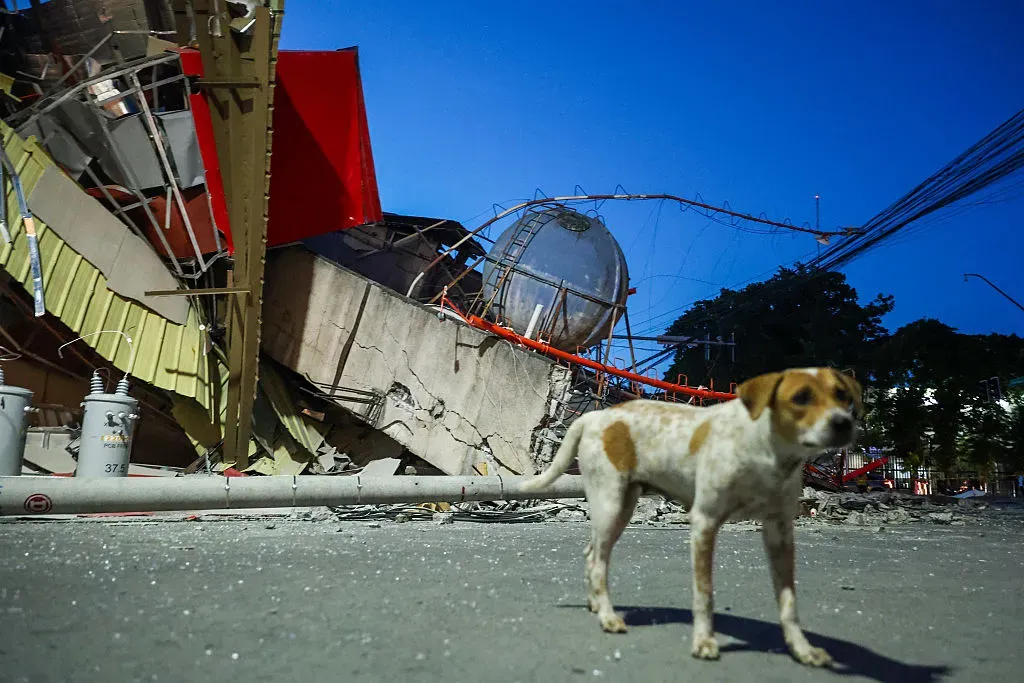
Why Emergency Communication Systems Matter Immediately After an Earthquake
A major earthquake creates a fast-changing and highly unstable environment. Rescue teams must assess collapsed structures, locate survivors, secure hazardous areas, and respond to repeated aftershocks. At the same time, hospitals, emergency services, local authorities, and utility crews all need accurate, real-time information.
This is where Emergency communication systems make a measurable difference. They support communication between field teams and command centers, allow rapid updates to be shared, and help maintain order when operations become fragmented. Without effective Emergency communications, even well-prepared responders can face delays, duplicated effort, and increased safety risks.
Earthquakes can also damage parts of the local Emergency communication network. Power failures, damaged infrastructure, and overloaded commercial networks can all reduce communication reliability. That is why emergency preparedness should include communication methods that remain effective even when public systems are under pressure.
In the first 24 hours after an earthquake, communication shapes nearly every critical decision: where teams are deployed, how hazards are reported, which routes remain accessible, and how medical transport is organized. Strong emergency construction radio communication systems on jobsite are therefore a critical part of effective disaster readiness.
How Emergency Communications Strengthen Emergency Response Communications and Public Safety Communications
In earthquake response, speed matters, but coordination matters just as much. Emergency communications help connect search and rescue teams, ambulance services, firefighters, police units, civil defense personnel, and local government agencies. This coordination is what makes Emergency response communications so important in the earliest phase of a disaster.
At the field level, responders need to share real-time updates on:
- collapsed structures
- survivor locations
- hazardous areas
- evacuation routes
- medical needs
- equipment requests
At the command level, supervisors rely on timely updates to assign resources and adapt to changing conditions. This is one of the most important functions of Public safety communications. It helps agencies protect civilians, improve responder safety, and maintain control in complex operating environments.
After an earthquake, public safety extends beyond immediate rescue. It also includes securing unstable structures, restricting access to dangerous zones, supporting school and hospital safety measures, and helping manage traffic and crowd movement. Reliable Emergency communications help connect all of these efforts into a more coordinated response.
The Role of Emergency Radio Communication in Earthquake Rescue Operations
Among the different tools used in disaster response, Emergency radio communication remains one of the most practical and dependable. While mobile phones and internet-based platforms can support communication, they may not always be reliable in areas affected by physical damage, congestion, or power loss. Radios provide immediate push-to-talk contact, faster group communication, and simpler operation under pressure.
For front-line teams, Emergency radio communications can support:
- search and rescue in damaged areas
- perimeter control around unstable structures
- movement of injured survivors
- coordination between field teams and command personnel
- hazard alerts after aftershocks
- logistics and supply distribution
An emergency responder radio communication system is particularly valuable when several teams are working at once. It provides a structured way to deliver instructions, confirm actions, and reduce communication gaps in high-pressure situations. In earthquake response, fast voice communication can often be more effective than fragmented or delayed alternatives.
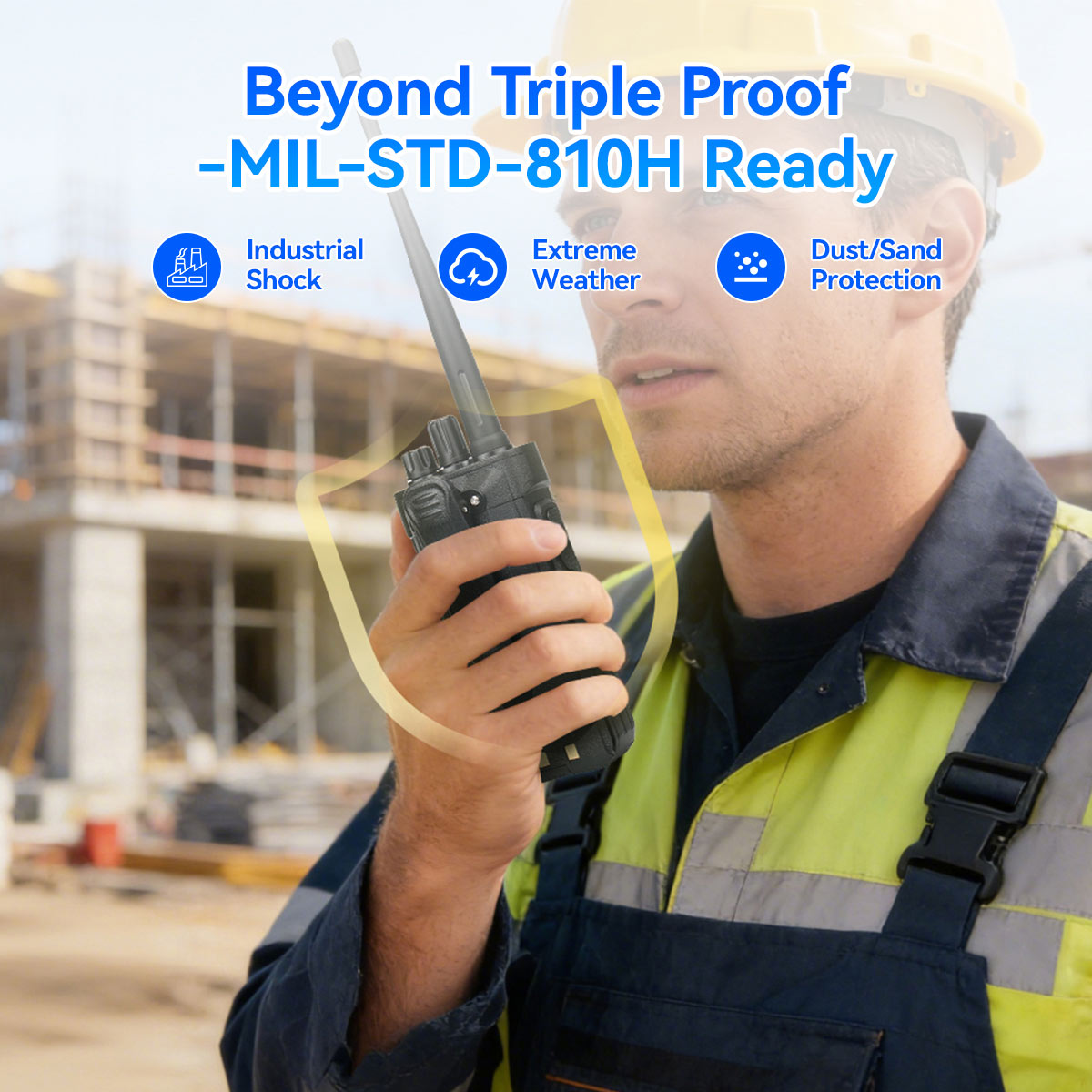
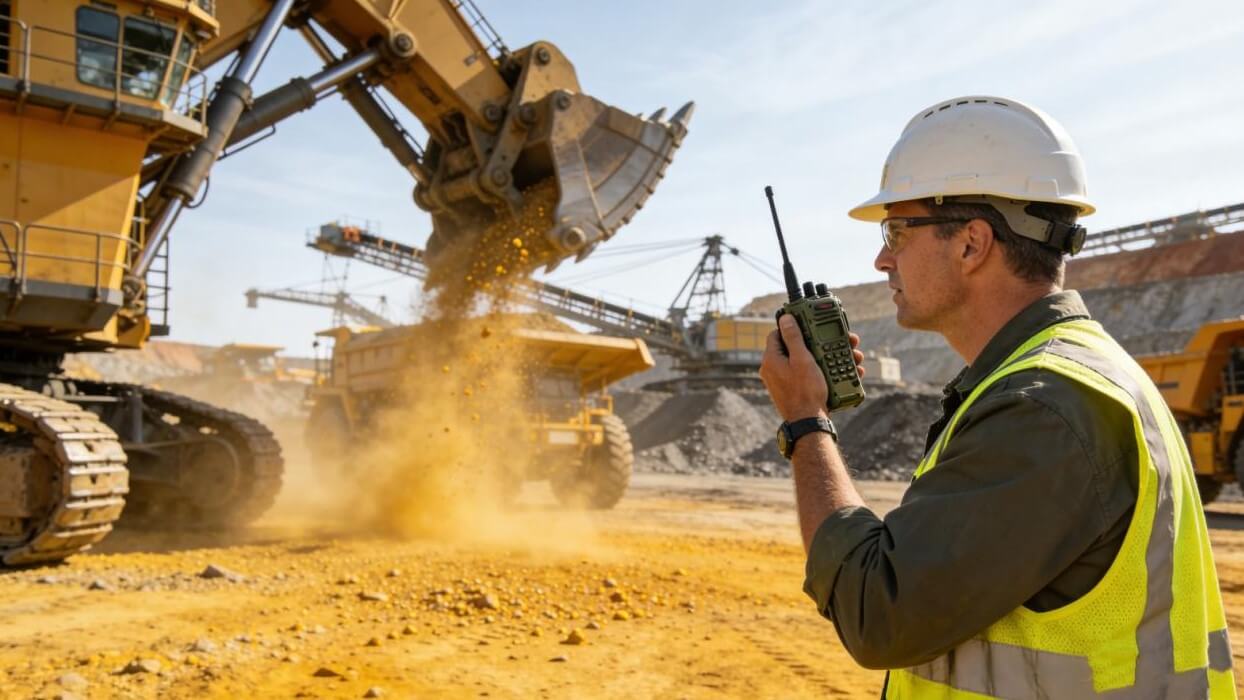
Another advantage of an emergency construction communication radio on jobsite is usability. In dusty, noisy, and unpredictable environments, responders need tools that are simple, direct, and quick to operate. Radios are especially effective for group-based field coordination, where multiple team members need to receive the same information at the same time.
Why Emergency Communication Equipment Still Includes Two Way Radio for Emergency Communications
Even as emergency technology continues to evolve, core Emergency communication equipment still includes radio devices for a reason. A two way radio for emergency communications remains highly effective in fast-moving field environments where teams need immediate, reliable contact.
After an earthquake, responders may move between collapsed buildings, temporary shelters, triage areas, school grounds, and damaged roads. In these settings, communication tools need to be portable, easy to use, and dependable without complex setup. Radios remain a strong fit because they support clear, direct communication between individuals and teams.
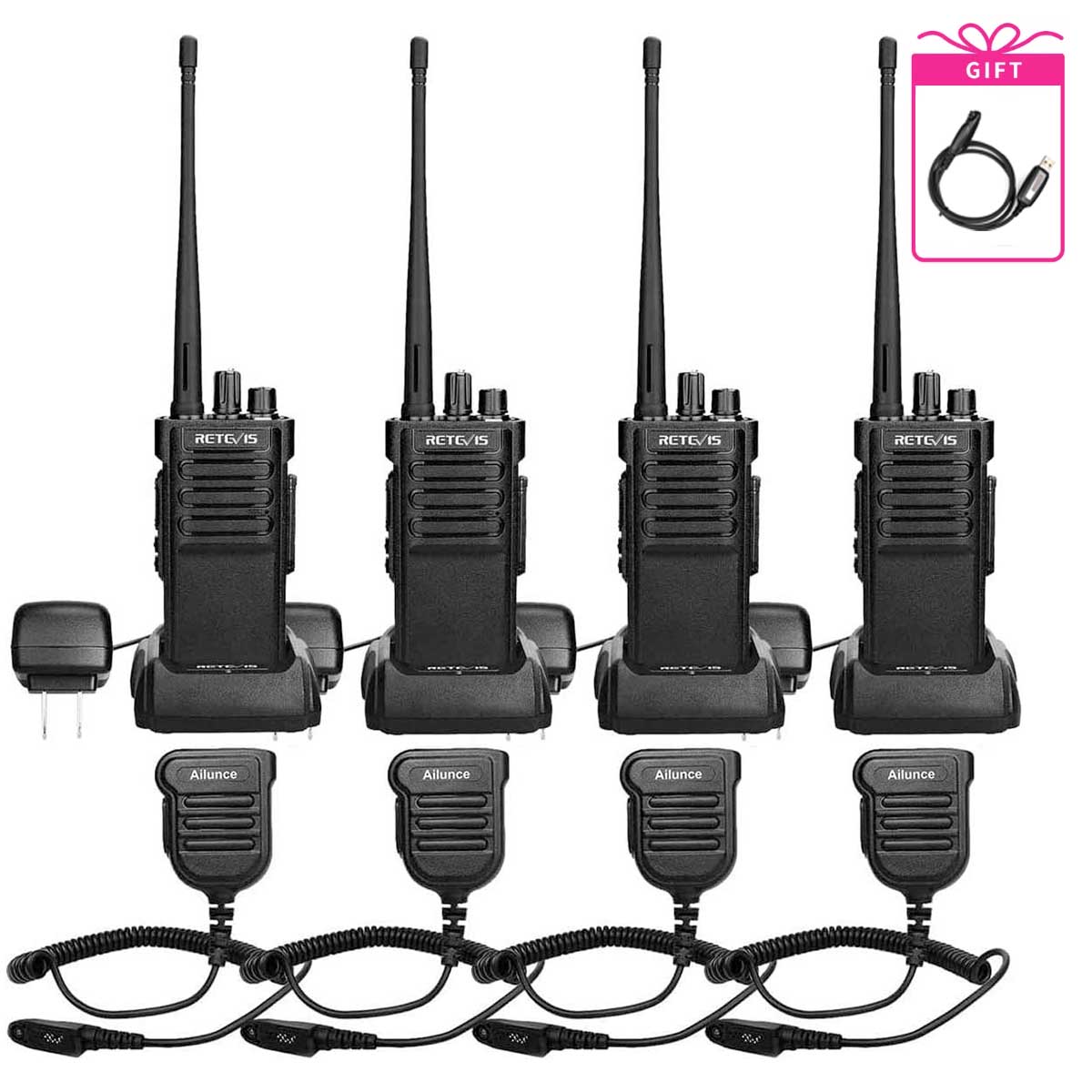
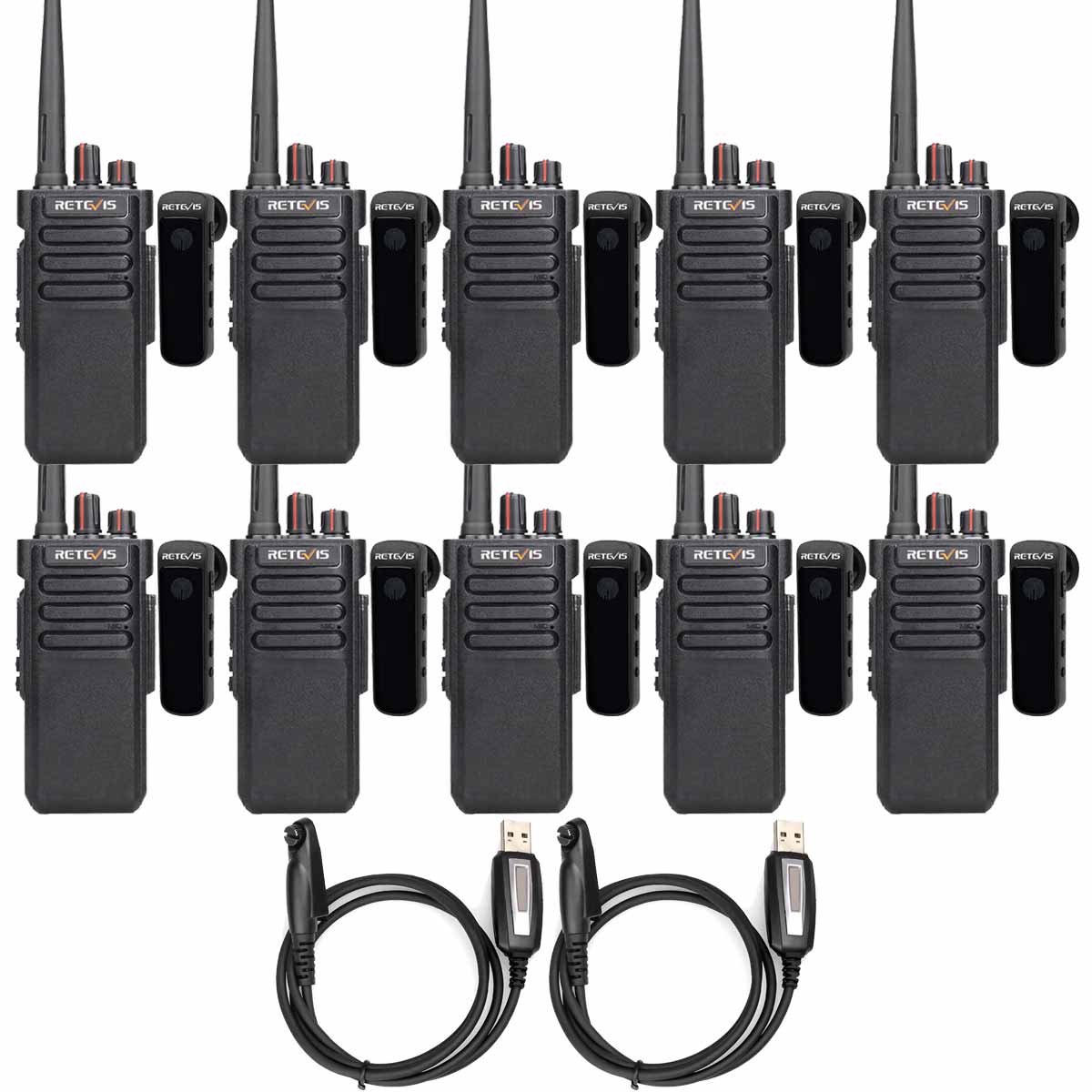
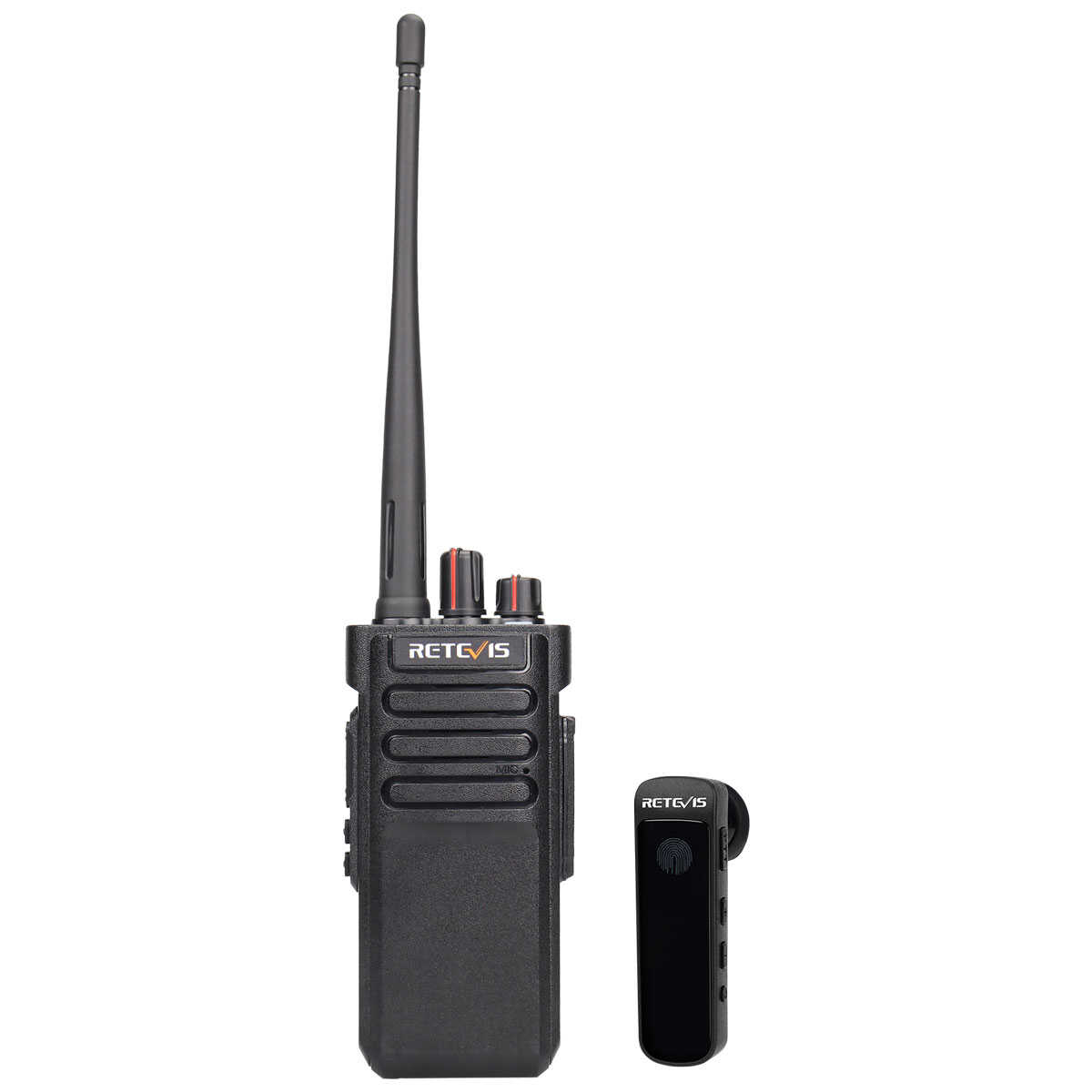
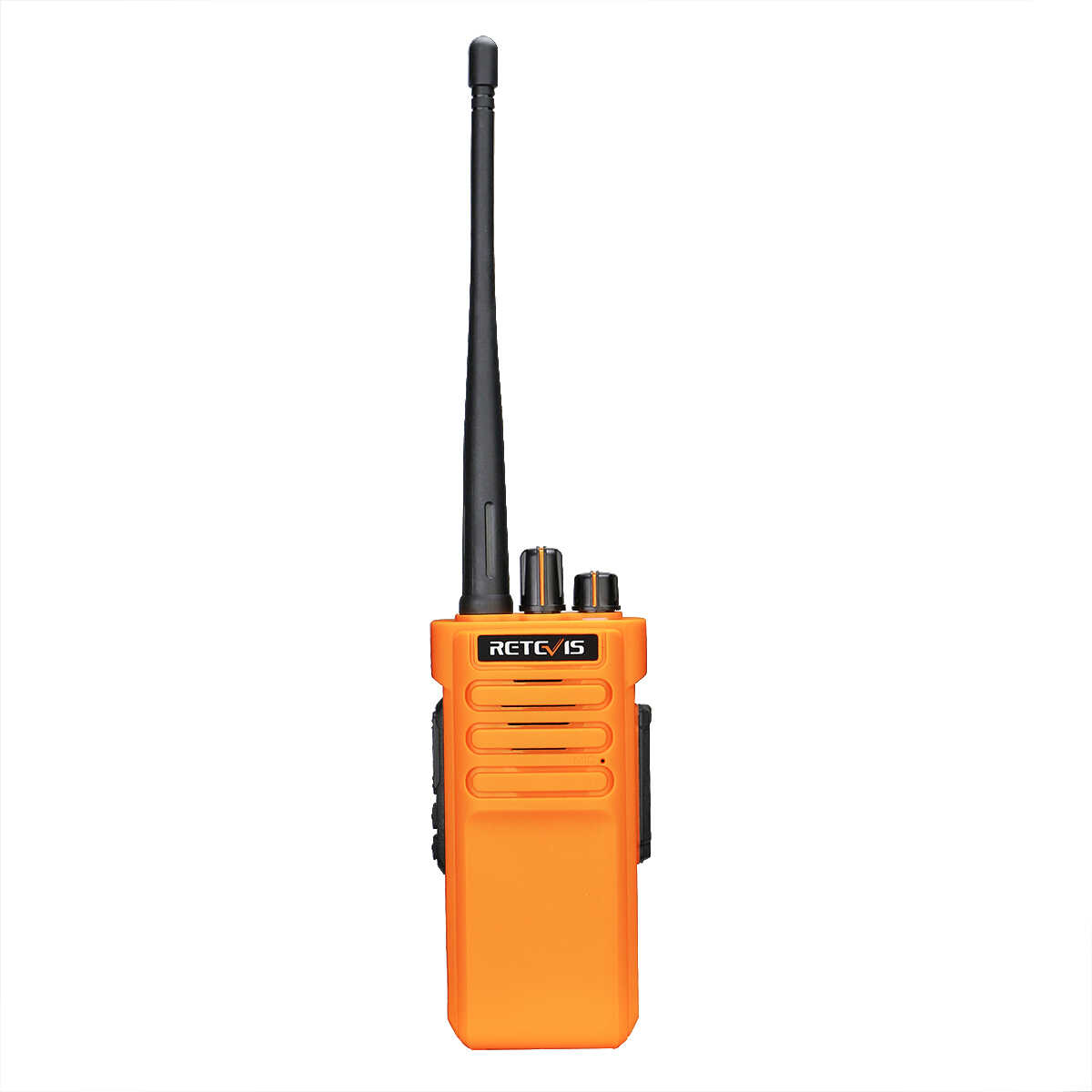
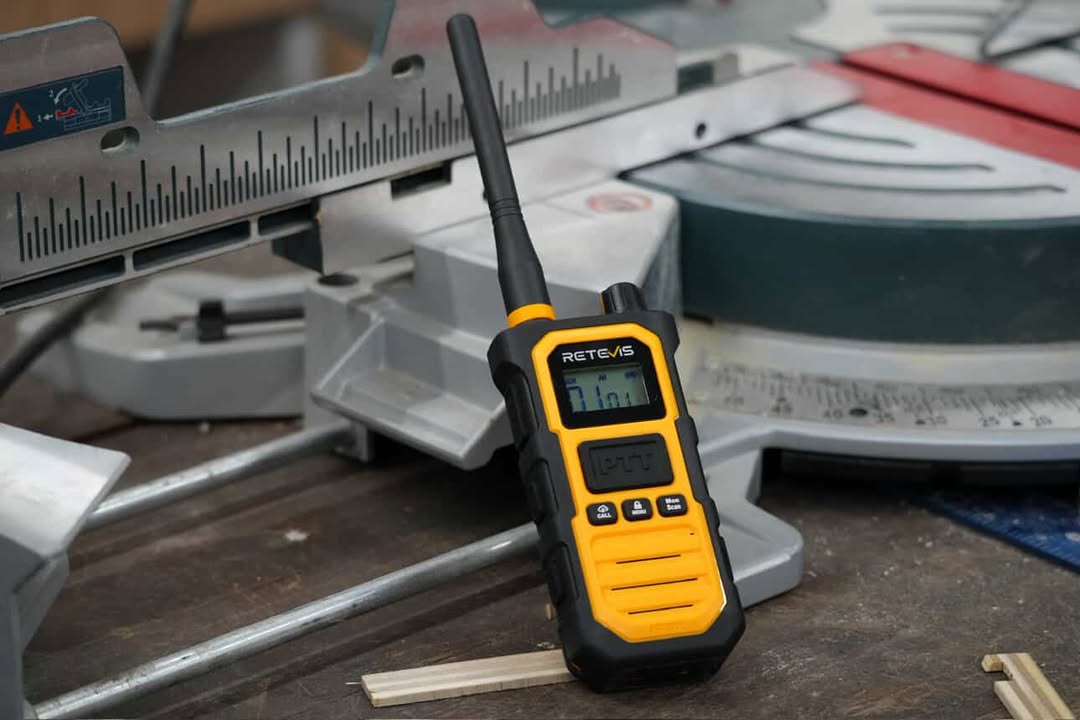
For teams operating in the early rescue phase, compact and easy-to-carry radios can help maintain faster coordination on the ground. In this context, a model such as the HD2 can be a practical fit for frontline communication, especially when responders need straightforward and dependable voice contact during time-sensitive operations.
When organizations evaluate Emergency communication equipment, they often focus on several essentials:
- clear audio
- ease of use
- portability
- battery performance
- durability
- effective team communication
Within broader Emergency communication systems, radio devices continue to play a vital role in helping teams stay connected where it matters most.
Can Amateur Radio Emergency Communications Help During Major Disasters?
In some situations, amateur radio emergency communications can provide useful supplementary support, especially when conventional communication channels are disrupted. Trained volunteer operators may help relay information between communities, local coordination groups, and response networks when standard systems are limited.
This is one reason why ham radio emergency communications continue to be discussed in disaster preparedness planning. In remote areas or large-scale emergencies, ham radio for emergency communications may help maintain backup contact and support local resilience. For readers interested in amateur radio emergency communication basics, the key point is that amateur radio can sometimes help bridge communication gaps when primary systems are unavailable.
However, there is an important distinction between volunteer support and operational field response. Professional emergency teams, public agencies, and infrastructure crews typically depend on dedicated communication plans and formal emergency responder radio communication systems. Amateur radio may be helpful in certain cases, but it is usually not the primary communication method for organized rescue and recovery work.
From Rescue to Recovery: Why Disaster Recovery Communications Remain Essential
Communication needs do not end when the immediate rescue phase begins to stabilize. They simply shift. This is where Disaster recovery communications become just as important as the communication systems used during initial rescue efforts.
After a major earthquake, organizations must move into broader recovery tasks such as:
- damage assessment
- road clearance
- utility inspection
- service restoration
- public facility checks
- reconstruction planning
Effective Disaster recovery communication helps connect local authorities, utility providers, emergency managers, contractors, and public works teams as they transition from emergency action to organized recovery. Without reliable communication, post-disaster operations can become slower, less coordinated, and more vulnerable to safety and operational risks.
This is also where Disaster management communication becomes especially important. It helps decision-makers prioritize repairs, dispatch crews, identify critical service gaps, and maintain coordination across multiple departments and work zones. In practice, communication remains just as essential in recovery as it is in rescue.
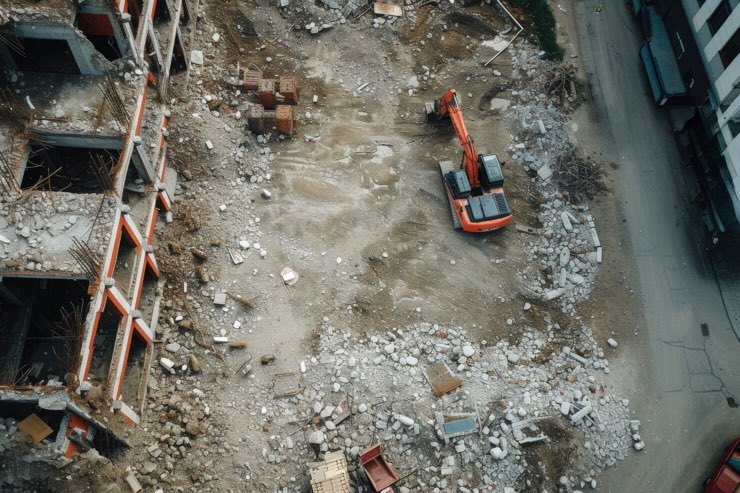
Critical Infrastructure Communications and Utility Communication Systems in Post-Disaster Recovery
Earthquakes do more than damage homes and injure residents. They also interrupt the systems that communities depend on every day. Roads, bridges, water lines, electrical networks, schools, hospitals, and government facilities may all require inspection, repair, or full restoration. That makes Critical infrastructure communications a central part of post-disaster recovery.
In this stage, communication supports:
- infrastructure inspections
- utility dispatch and coordination
- field safety reporting
- worksite updates
- supervision of repair crews
- movement of service vehicles and materials
For utility providers, well-planned Utility communication systems help maintain contact between field crews, dispatch teams, and operational control points. For local governments and municipal teams, Public works communication is equally important in managing debris removal, road access, drainage clearance, and site safety.
This phase is also part of wider Infrastructure emergency response. Even after the first rescue operations have slowed, the environment often remains unstable. Damaged structures, interrupted services, and public access risks continue to demand close coordination. Strong communication helps reduce delays, improve accountability, and support safer working conditions across recovery teams.
How Public Works Communication Supports Disaster Recovery Construction and Team Coordination
As recovery progresses, affected communities often enter a longer stage of Disaster recovery construction. This may include rebuilding damaged public facilities, restoring utility networks, repairing roads, and supporting temporary or permanent service restoration.
These efforts usually involve multiple teams working across separate sites at the same time. Engineers, utility crews, contractors, transport teams, and public works departments all need timely information to stay aligned. This is why Public works communication is not just helpful, but necessary.
During reconstruction, communication is needed for:
- work assignments
- safety alerts
- hazard reporting
- vehicle and material coordination
- progress updates
- coordination between field teams and supervisors
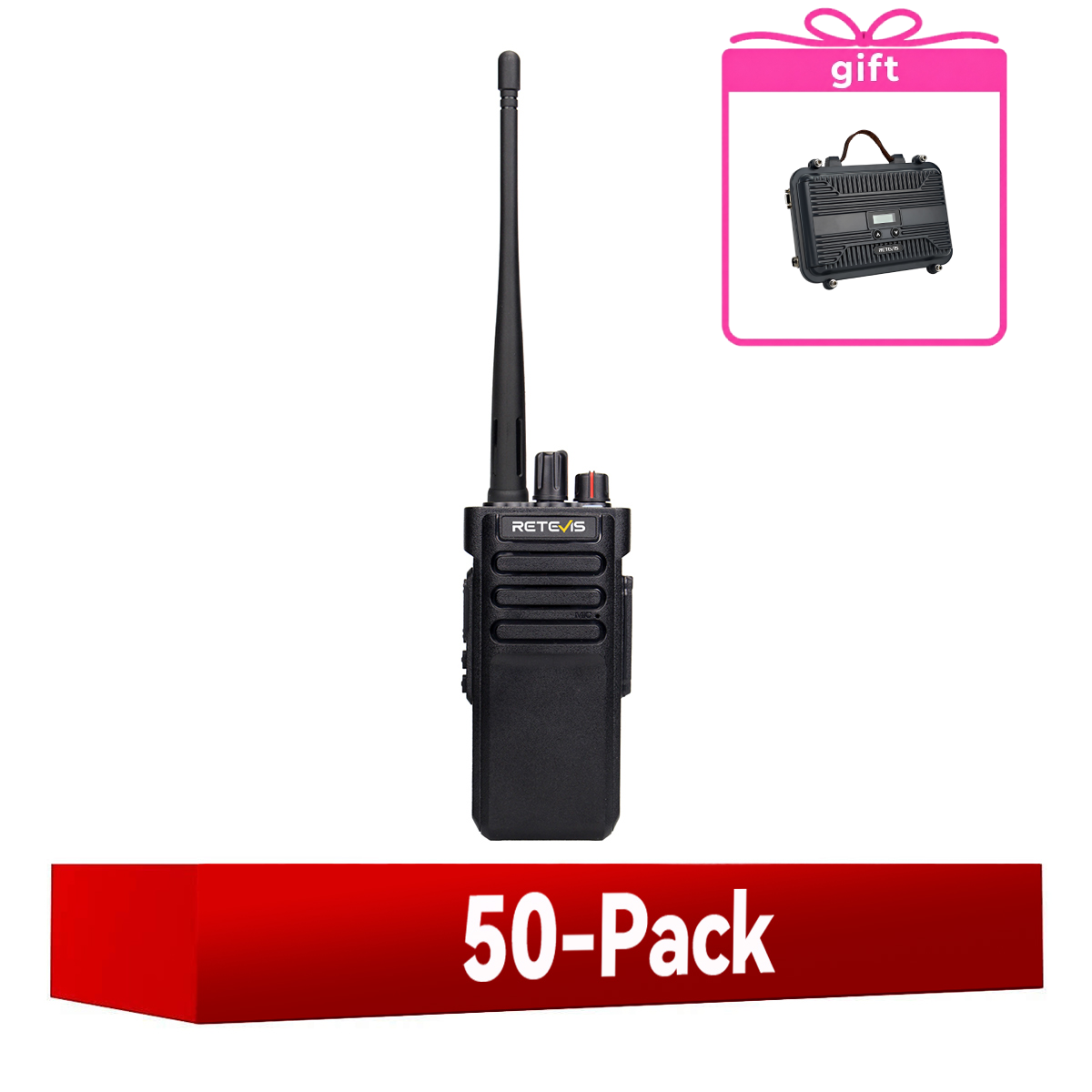
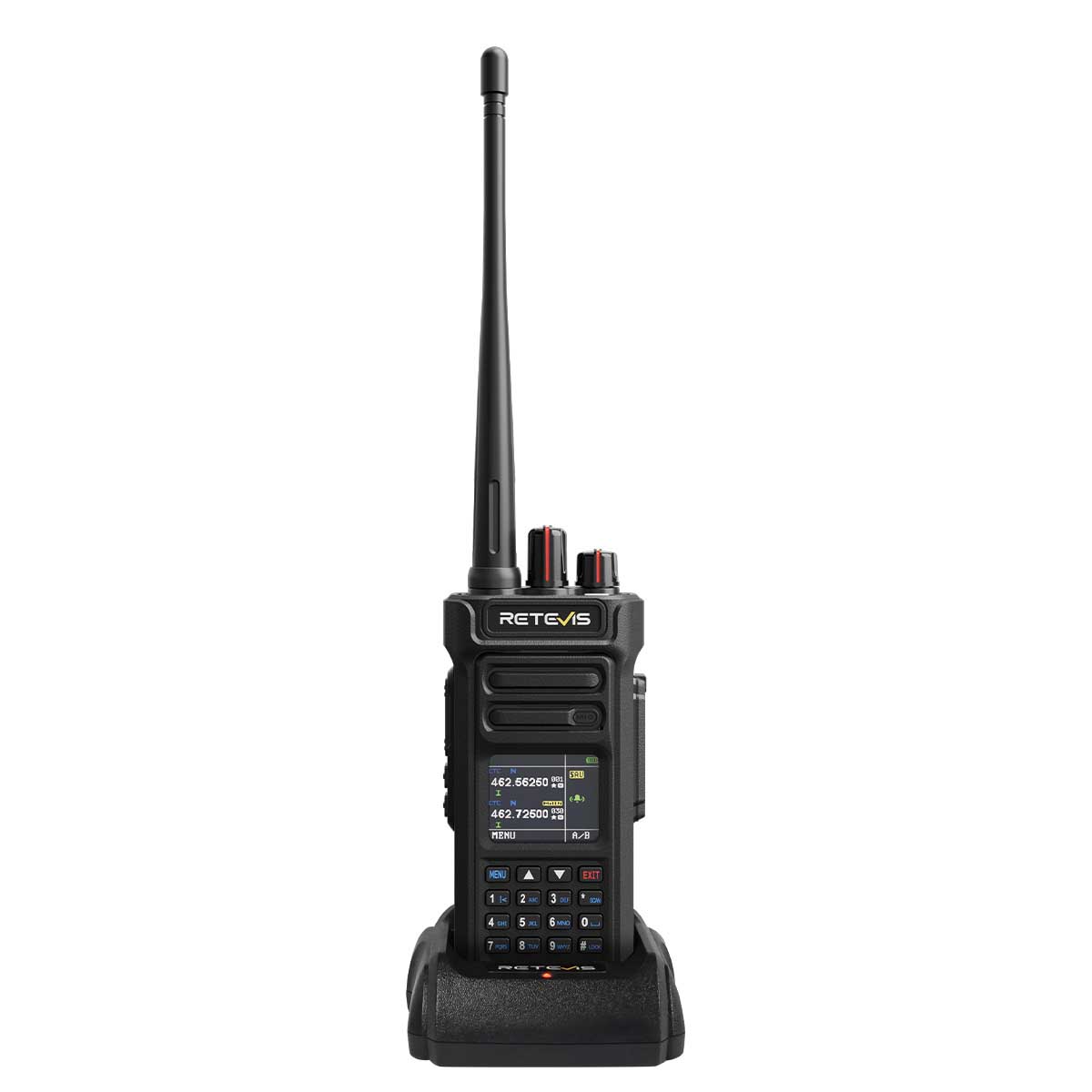
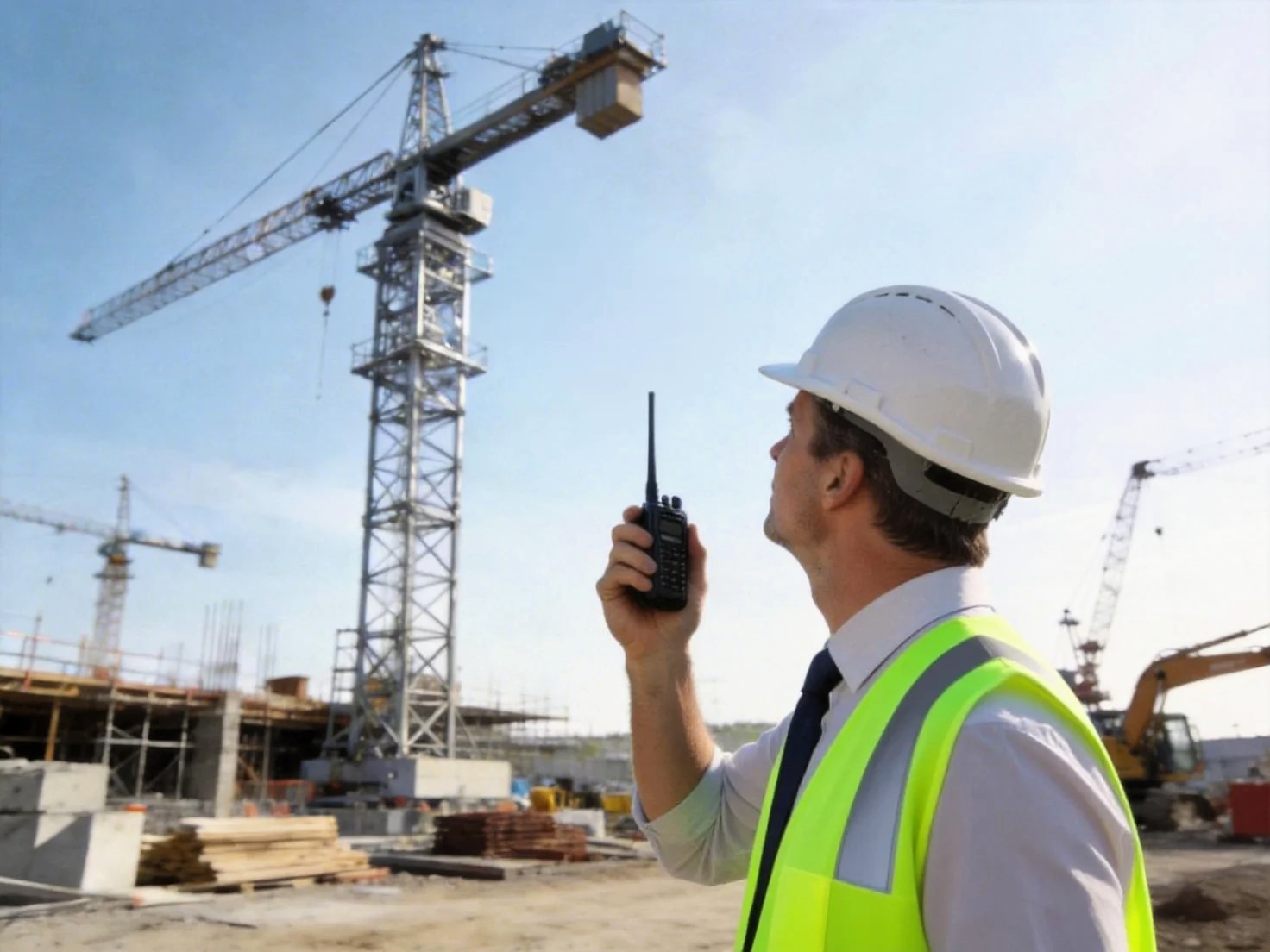
As recovery work moves into repair and reconstruction, communication needs often shift toward stable coordination among multiple teams and worksites. For these environments, a model like the RT29 can be a practical option for crew communication in utility restoration, public works activity, and broader Disaster recovery construction tasks.
At this stage, reliable communication continues to support both efficiency and safety. Clear coordination helps prevent confusion, reduces duplicated effort, and improves response when new issues arise at active worksites.
Building a More Resilient Emergency Communication Network for Future Disasters
Every major earthquake reinforces the same lesson: communication resilience must be planned in advance. A dependable Emergency communication network should support not only the first emergency response, but also the full cycle of rescue, coordination, utility restoration, and reconstruction.
To strengthen readiness, organizations should consider:
- communication planning for different disaster stages
- backup communication options
- field-ready radio capabilities
- clear response procedures
- interoperability across agencies and teams
- communication support for infrastructure repair
A resilient system combines strong Emergency communications, well-prepared Emergency communication systems, and practical Disaster management communication planning. It also supports the broader demands of Critical infrastructure communications, especially in regions exposed to earthquakes and other natural hazards.
Preparedness is not only about having equipment available. It is about making sure responders, public safety teams, utilities, and reconstruction crews can communicate effectively when normal systems are disrupted.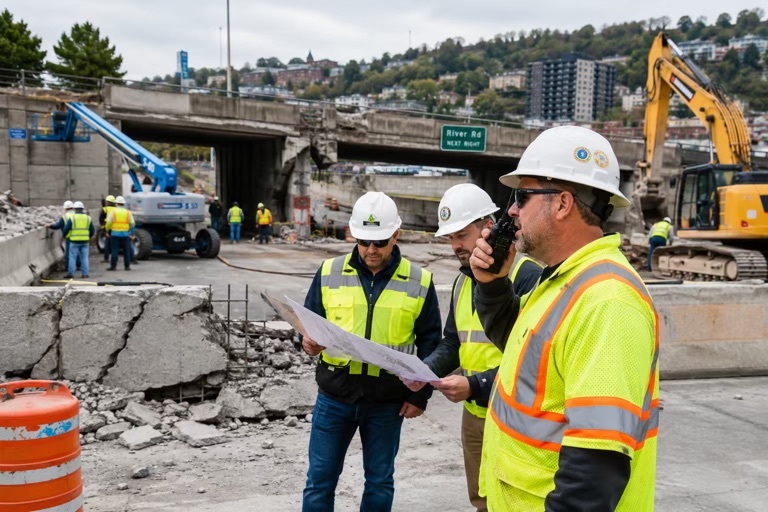
Conclusion: Emergency Communications Are Essential From Immediate Rescue to Disaster Recovery
The 2026 southern Philippines earthquake showed how quickly a natural disaster can become a communication challenge. In the first hours, Emergency communications help connect rescuers, improve responder safety, and support urgent decision-making. In the days and weeks that follow, Disaster recovery communications help restore services, coordinate public works, and support reconstruction.
From earthquake rescue operations to long-term rebuilding, effective Emergency communication systems remain a critical part of disaster resilience. Emergency radio communication, practical field equipment, and dependable team coordination tools continue to play a vital role when infrastructure is damaged and time matters most.
Whether the goal is faster rescue, stronger Public safety communications, or better Critical infrastructure communications during recovery, one principle remains constant: when disaster strikes, communication is one of the most important capabilities any organization can have.
Leave a Reply





 Google
 Amazon
Comments
No data Yet