

Table of Contents
Ham Radio Call Signs Lookup: FCC Rules, List & Etiquette for Beginners
- Posted by:Retevis
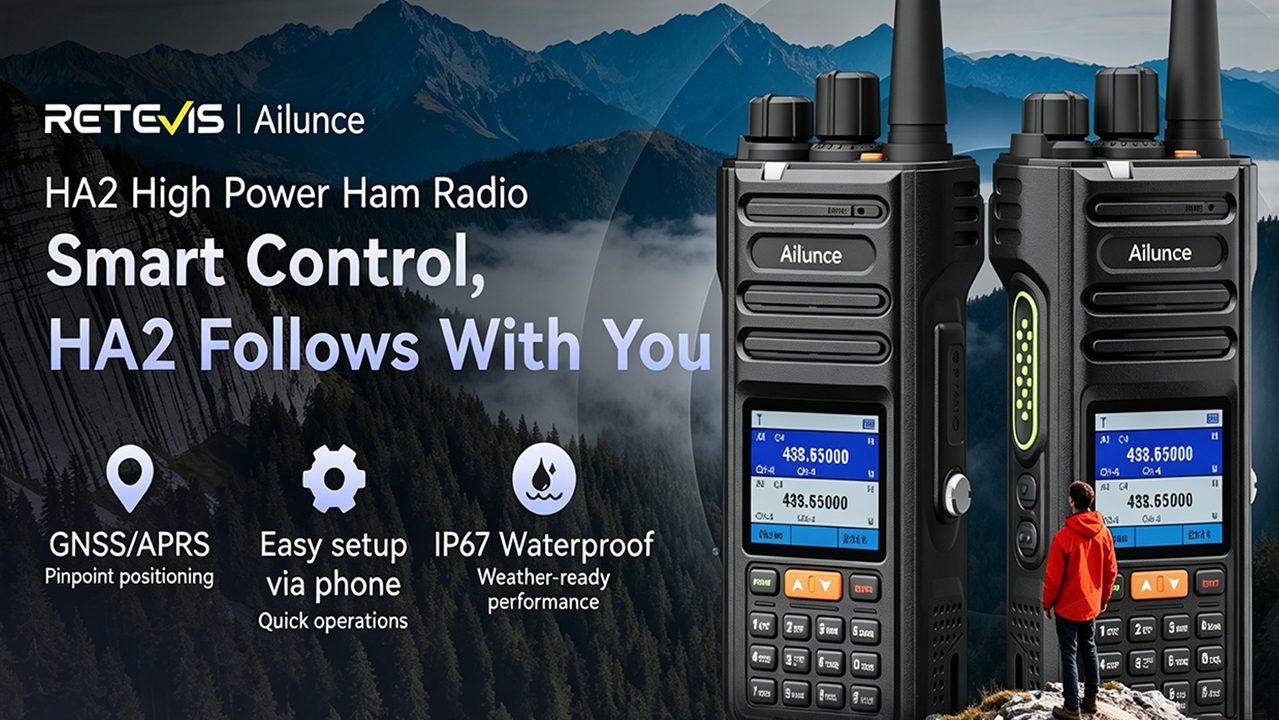
Every licensed amateur radio operator knows that a unique ham radio call sign is more than just a random set of letters and numbers. It is your official identity on the air, your legal license marker, and your passport to connect with fellow hobbyists worldwide. Whether you’re a new operator verifying your license status, a seasoned HAM looking to identify a distant station, or someone needing to cross-check official credentials, mastering ham radio call sign lookup skills is non-negotiable.
Many new enthusiasts search daily for ham radio call lookup tools, official FCC ham call sign databases, and clear breakdowns of ham radio call sign rules and etiquette. Without proper guidance, it’s easy to rely on outdated third-party data or accidentally break official communication standards. In this complete guide, we cover everything you need to know about amateur radio call signs, trusted lookup methods, official FCC regulations, standard call sign lists, and unwritten community etiquette to keep your on-air activity legal and respectful.
What Are Amateur Radio Call Signs? (FCC Official Definition)
An amateur radio call sign is a unique alphanumeric identifier assigned exclusively to licensed amateur radio operators by regulatory bodies—in the United States, this responsibility falls entirely on the FCC. Every valid ham call sign entry is registered in the federal database, ensuring no two active operators share the same on-air identity.
A Valid Ham Radio Call Serves Three Core Purposes:
Legal Verification: Confirms you hold a valid amateur radio license to transmit on designated frequencies.
Operator Identification: Lets other operators quickly identify your location, license class, and operational privileges during QSOs.
Global Standardization: Creates a universal system for communication, eliminating confusion during local, national, and international contacts.
Unlike casual radio handles or usernames, FCC-issued amateur radio call signs are legally binding. They cannot be modified, shared, or transferred without official FCC approval, making accurate ham radio call signs lookup critical for every operator.
The Best Ham Radio Call Signs Lookup Methods (Trusted Tools)
When you need to perform a fast and accurate ham radio call sign lookup, relying on official and verified platforms is essential. Unofficial databases often contain expired, revoked, or incorrect entries, which can lead to misidentification during critical communications. Below are the most reliable ways to complete a ham radio call lookup and access a valid list of ham radio call signs.
Official FCC Database (Most Authoritative)
The FCC’s official Universal Licensing System (ULS) is the gold standard for checking FCC ham call sign information. This database hosts every active, expired, and pending ham call sign record in the United States. You can search by call sign, operator name, or location to verify license validity, license class, issue date, and expiration status.
This lookup method is 100% free, updated daily, and required for any official verification. For serious operators, the FCC database is the only trustworthy source for confirming legitimate amateur radio call signs.
Popular Verified Third-Party Lookup Platforms
While the FCC database is official, third-party tools offer more user-friendly interfaces, filtered searches, and additional community data. These platforms compile and organize the official list of ham radio call signs to simplify quick lookups. They allow you to search call signs by region, filter active operators only, and view community activity history tied to each ham radio call.
These tools are perfect for casual daily ham radio call sign lookup tasks, while the FCC database should always be used for formal or legal verification.
Global Amateur Radio Call Sign Lists
For international communications, you’ll need access to a global list of ham radio call signs. These databases aggregate call sign records from global regulatory bodies, letting you look up overseas amateur radio call signs and identify international operators during DX contacts.
Essential Ham Radio Call Sign Rules You Must Follow
Operating without following official ham radio call sign rules can result in license warnings, fines, or even full license revocation by the FCC. Every holder of an FCC ham call sign must adhere to these core regulatory standards to maintain legal operating status:
Use Only Your Assigned Call Sign: You must only use the exact ham radio call assigned to you by the FCC. Altering numbers, letters, or adding unofficial suffixes/prefixes is strictly prohibited. You cannot borrow, share, or allow unlicensed individuals to use your amateur radio call sign for transmission.
Mandatory Identification: You must identify yourself with your valid call sign at the start and end of every QSO, and at least once every ten minutes during ongoing contacts. This is one of the most basic and enforced ham radio call sign rules for all license classes.
No Expired/Revoked Call Signs: Expired or revoked ham call sign entries cannot be used for any transmission. Always complete a ham radio call sign lookup to confirm your license status before operating, especially if you have recently renewed or modified your license.
Update Location Information: Call signs are tied to your licensed location. Permanent and temporary station location rules apply, and you must update the FCC with any address changes to keep your amateur radio call signs record valid.
Key Ham Radio Call Sign Etiquette for Polite On-Air Operation
Beyond legal FCC rules, respected operators always follow proper ham radio call sign etiquette. These unwritten community standards keep amateur radio airwaves friendly, organized, and respectful for all participants, new and experienced alike:
Clear Pronunciation: Always speak your ham radio call slowly and use the NATO phonetic alphabet during weak signal or long-distance contacts to avoid miscommunication. Rushing or slurring call signs is considered unprofessional and disruptive.
Confirm Call Signs: Always confirm the other operator’s call sign before concluding a QSO. Double-checking via quick ham radio call lookup (if needed) prevents logging errors and shows respect for the other operator’s identity. Never guess or misreport amateur radio call signs in contact logs.
Respect Call Sign Identities: Never mock, misuse, or parody active FCC ham call sign identifiers. Every ham call sign entry represents a licensed operator, and disrespectful use of call signs violates community norms and may even lead to FCC complaints.
Avoid Over-Identification: In crowded band conditions, avoid repeating your call sign excessively. Follow the standard identification rules but refrain from unnecessary over-identification, which clutters the airwaves. This core etiquette keeps band traffic smooth for everyone.
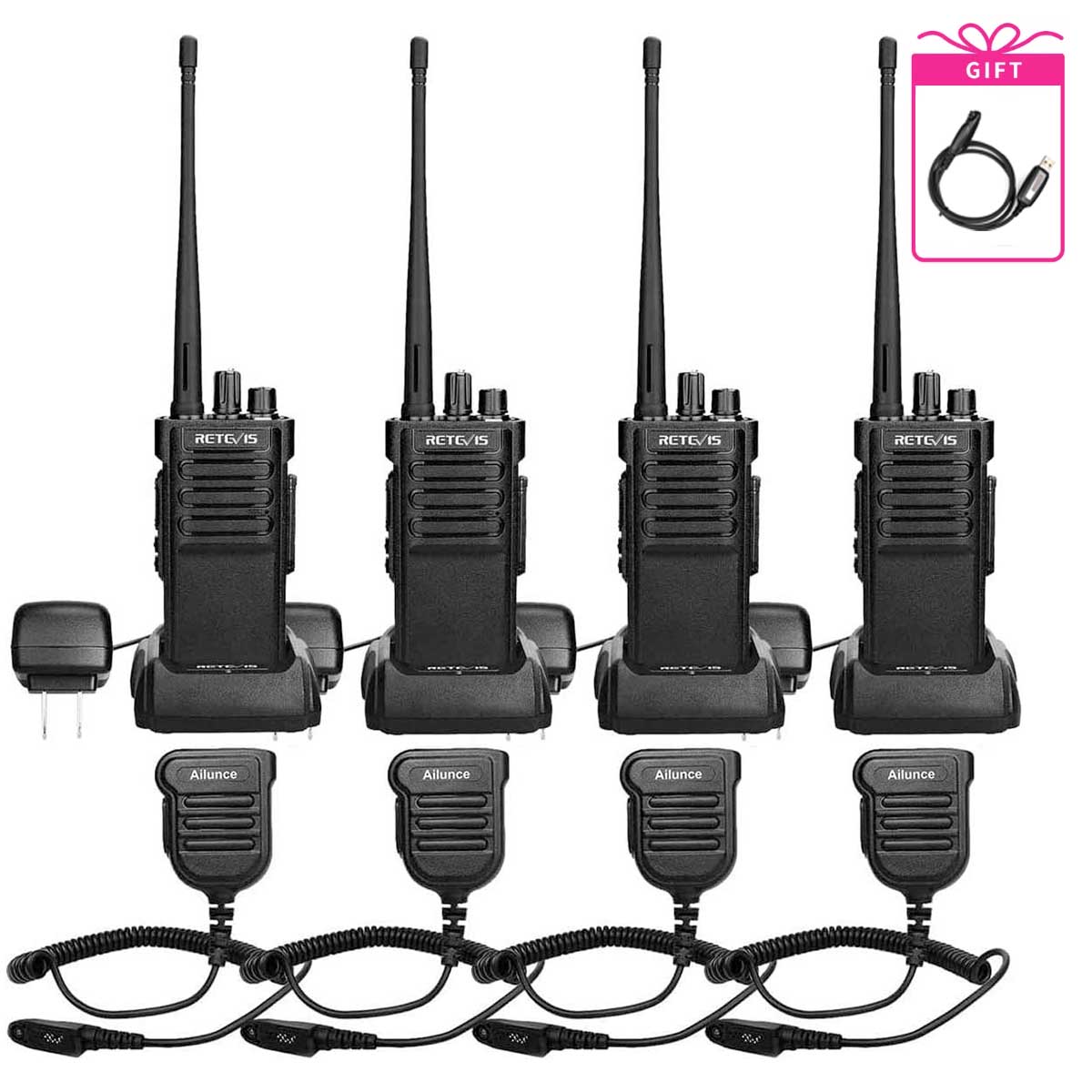
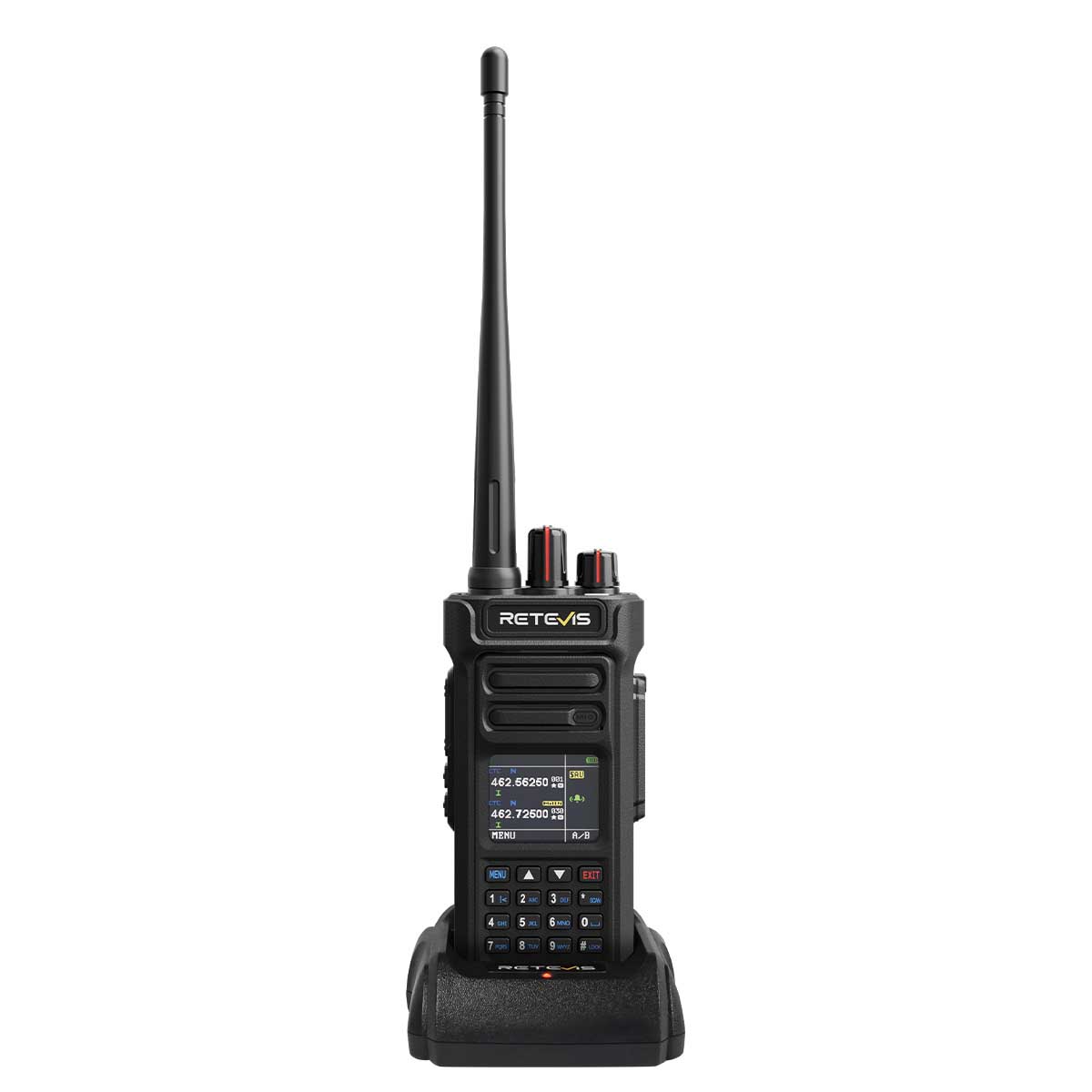
Elevate Your Call Sign Practice with the Retevis Ailunce HA2 High Power Ham Radio
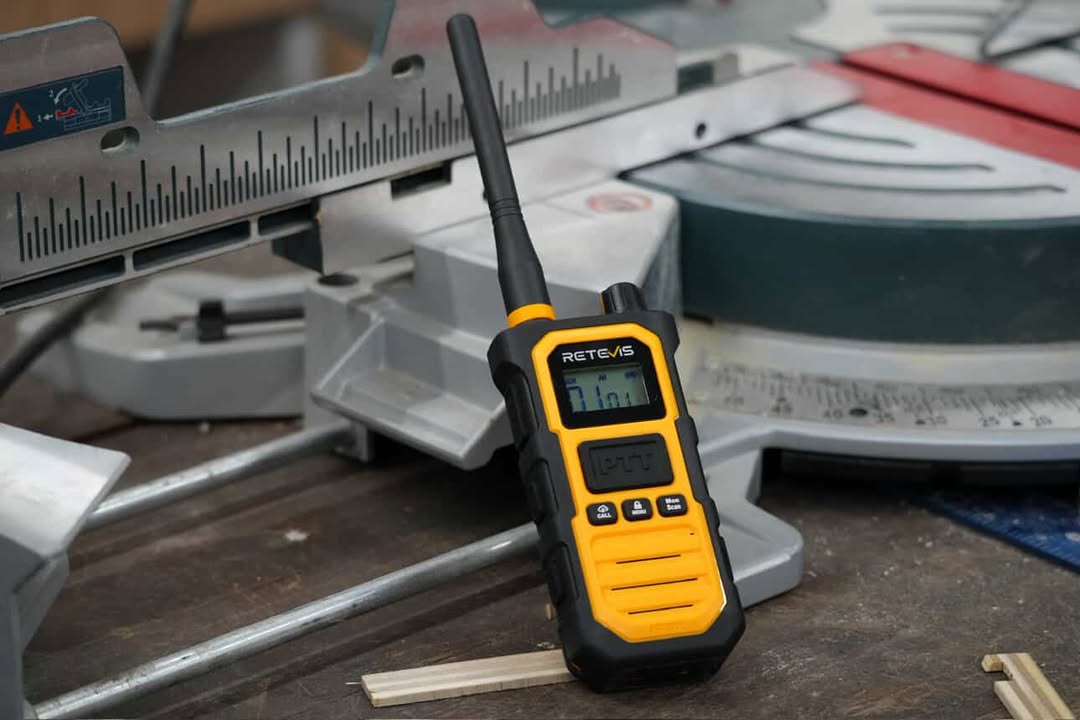
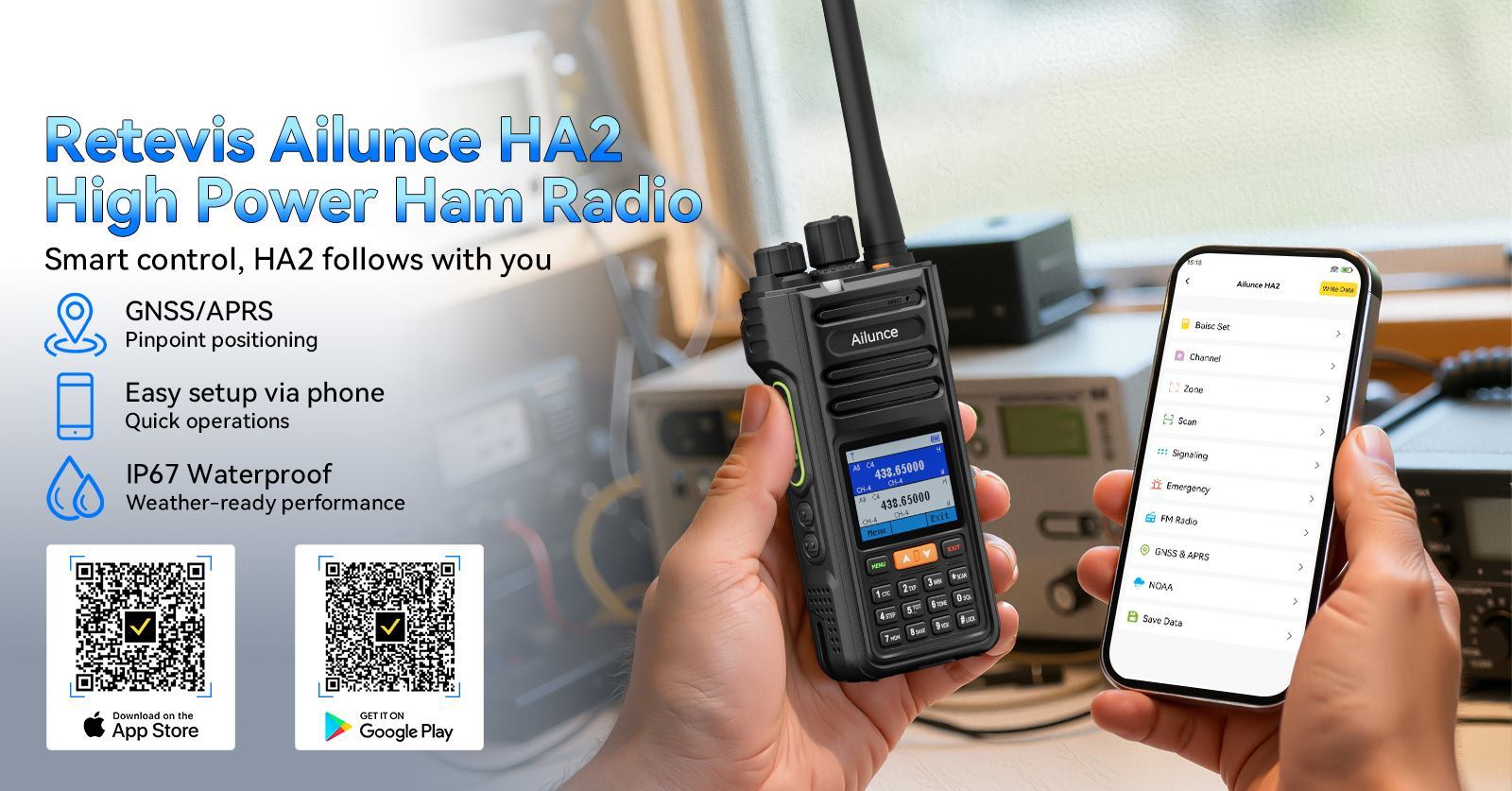 For operators looking to combine compliance, convenience, and performance, the Retevis Ailunce Retevis HA2 High Power Ham Radio is a game-changer. Built to streamline your on-air experience while keeping you connected, it addresses common pain points that new and seasoned operators face when managing call signs and communications:
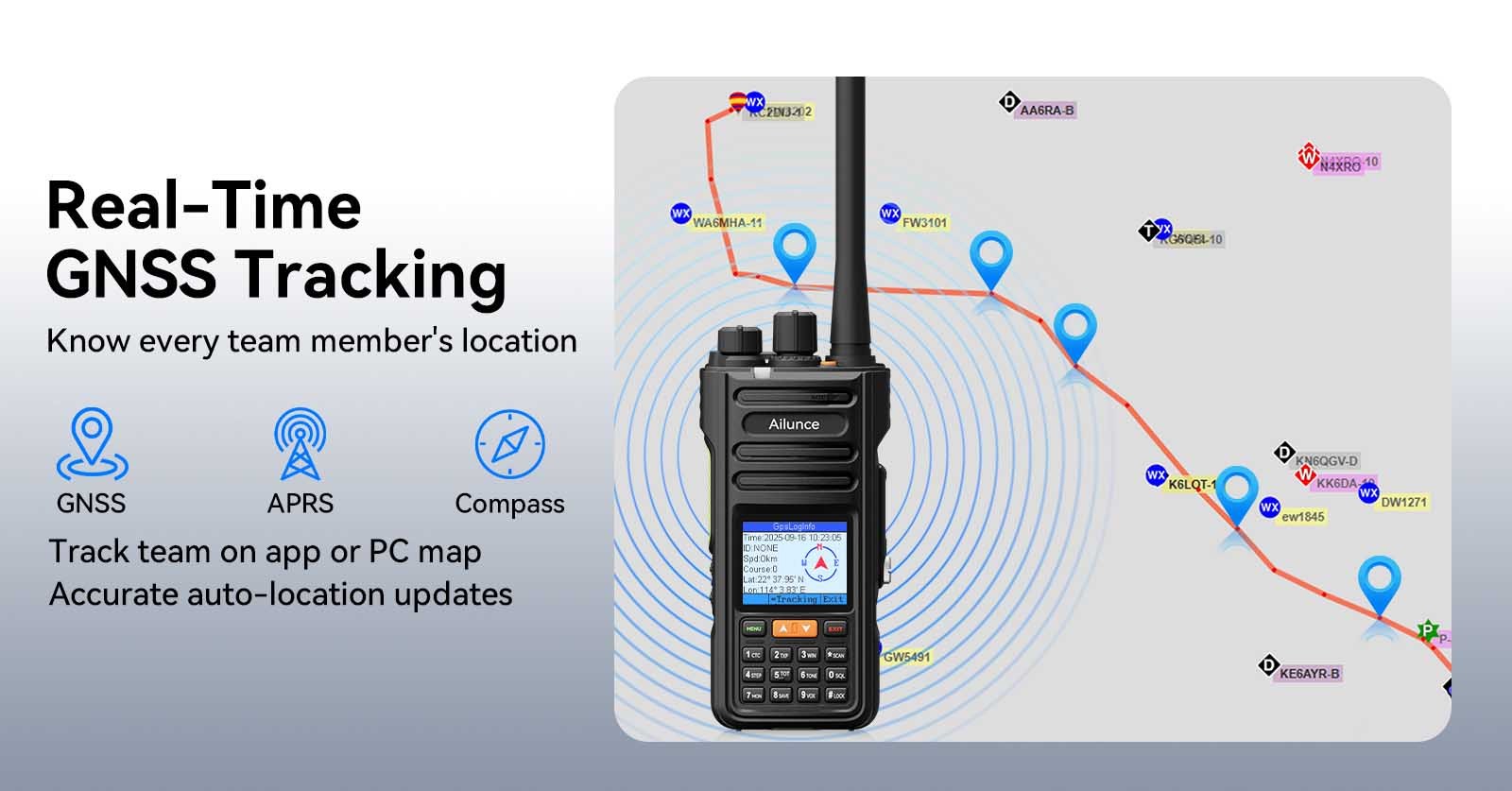
GNSS/APRS Real-Time Tracking: Pinpoint your location and track team members in real time, making it easier to verify and log contacts accurately. Whether you’re operating locally or during a field day event, the built-in GPS eliminates guesswork about your station’s location, simplifying compliance with FCC location reporting rules.
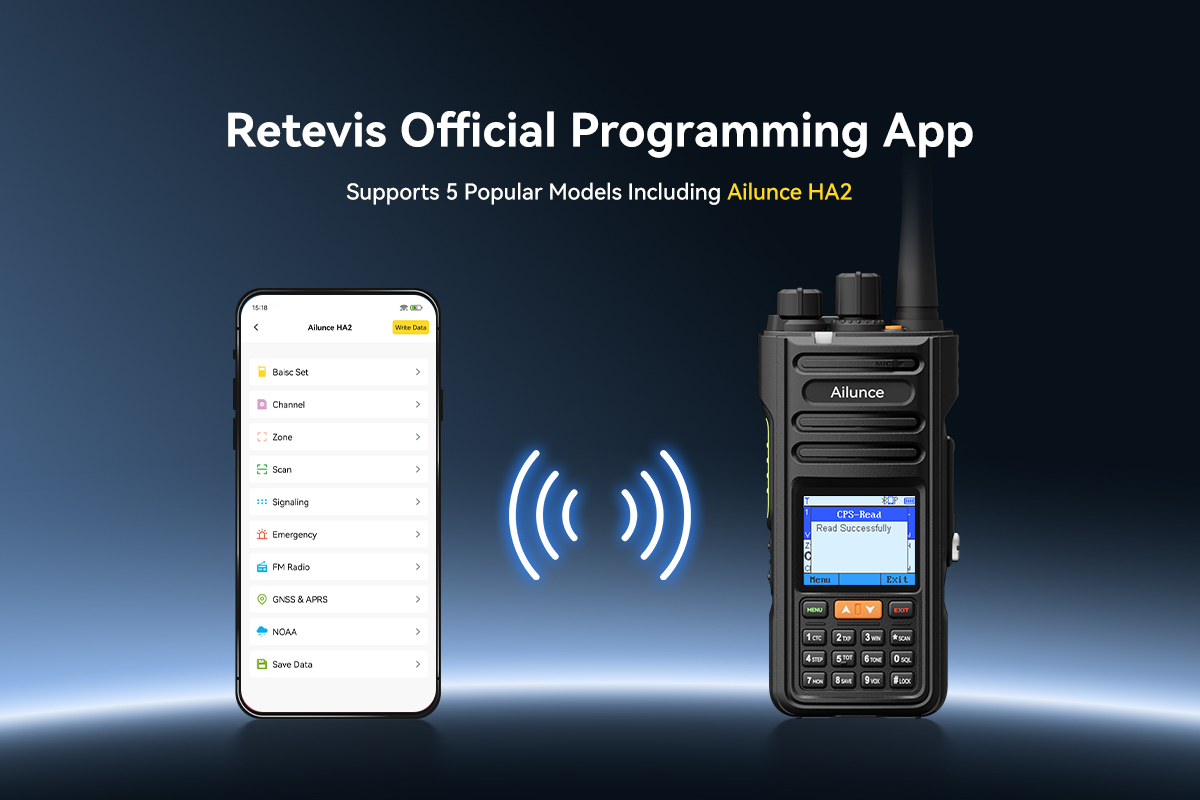
Smart Phone App Control: Program and configure your radio via a dedicated mobile app, so you can quickly set up channels, zones, and scan lists without complicated desktop software. This means you can adjust settings on the go, ensuring you’re always ready to identify yourself with the correct call sign during contacts.
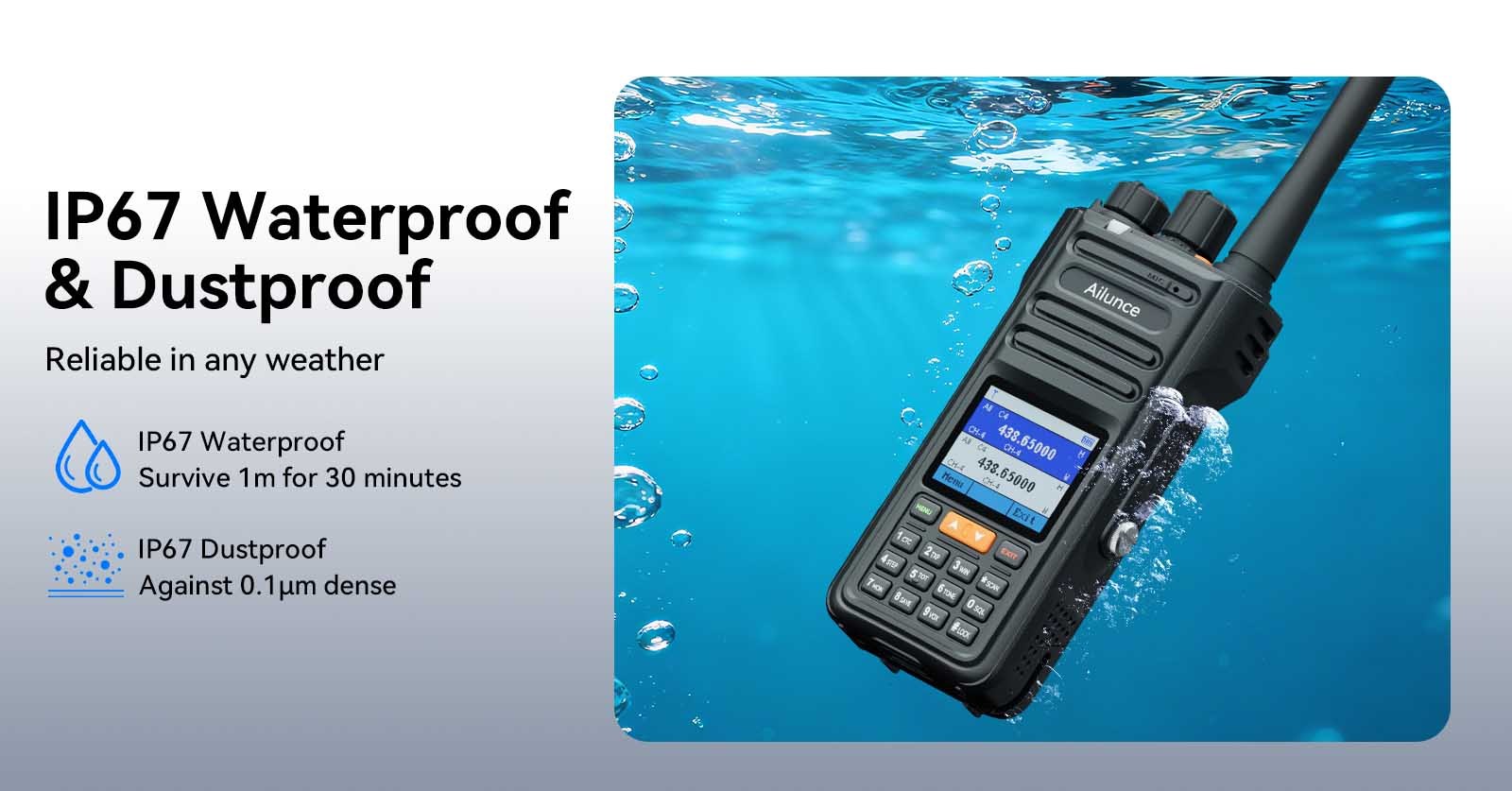
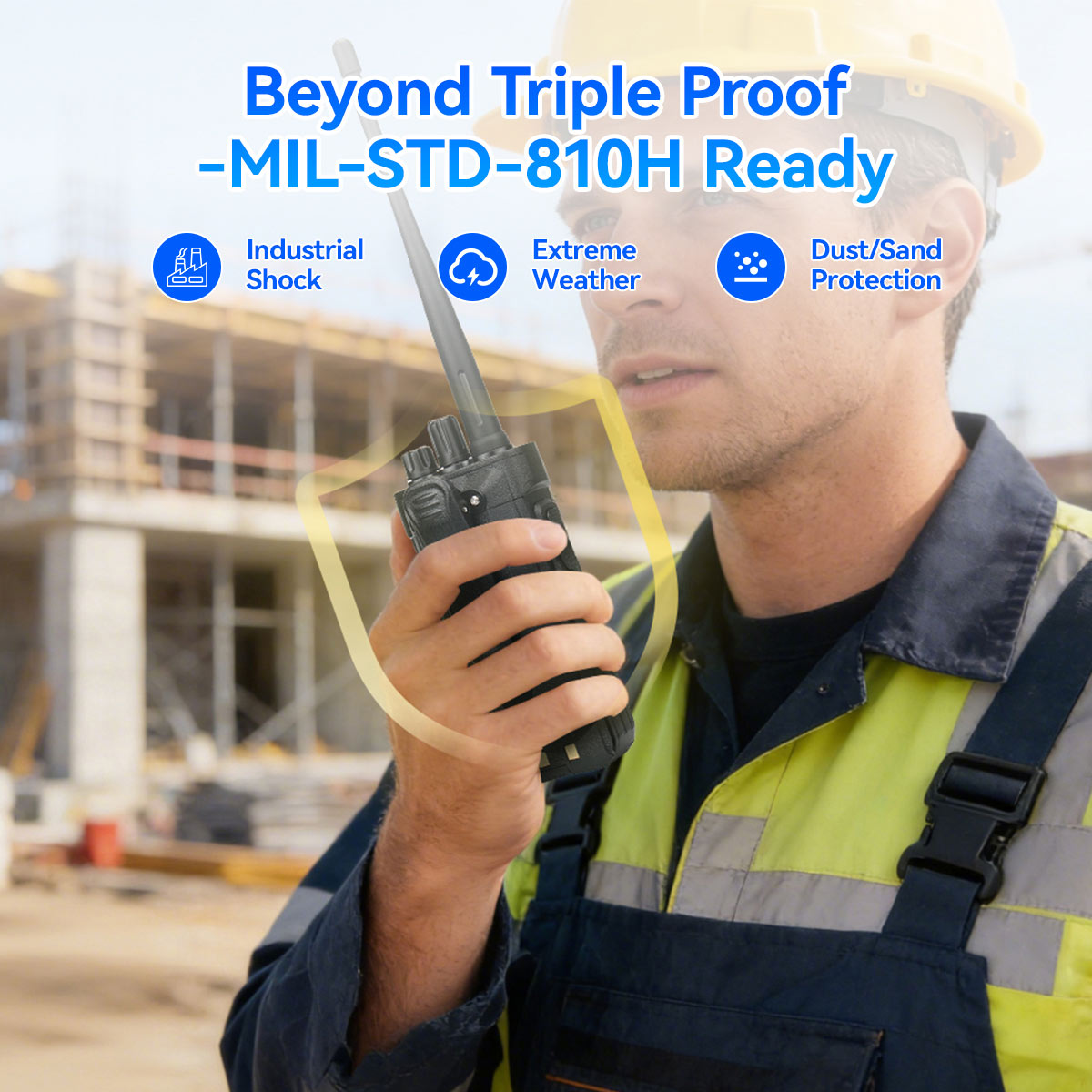
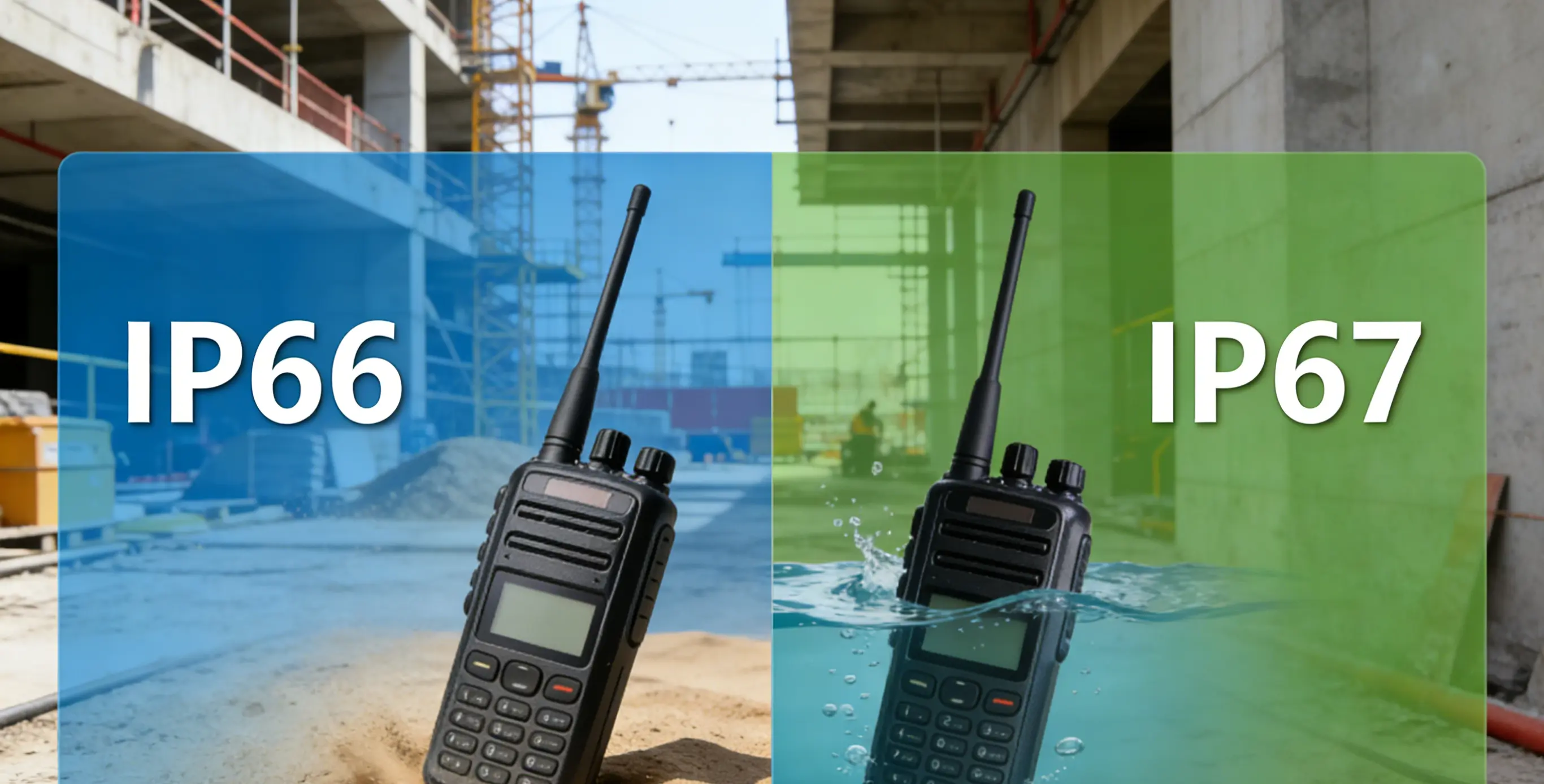
IP67 Waterproof & Dustproof: Built to withstand the elements, this radio works reliably in rain, snow, or dusty environments—critical for field operations where you need to stay connected and compliant, no matter the weather.
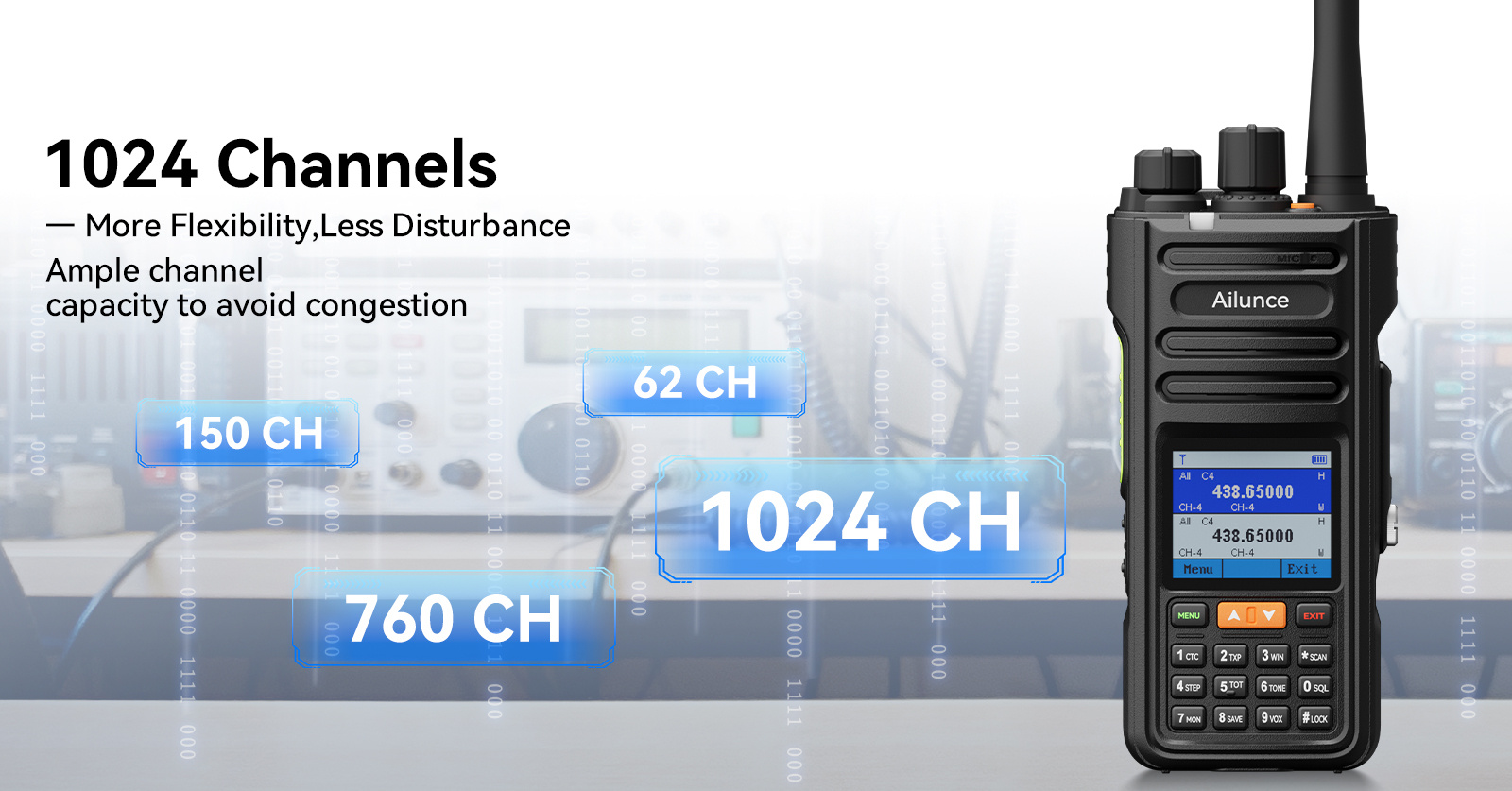
1024 Channels & Customizable Scanning: With ample channel capacity, you can store call sign-specific frequencies and filter out interference, making it easier to follow identification rules even on crowded bands. You can tailor scan modes (channel, VFO, range-limited, CTCSS) to prioritize contacts and ensure you never miss a call sign exchange.
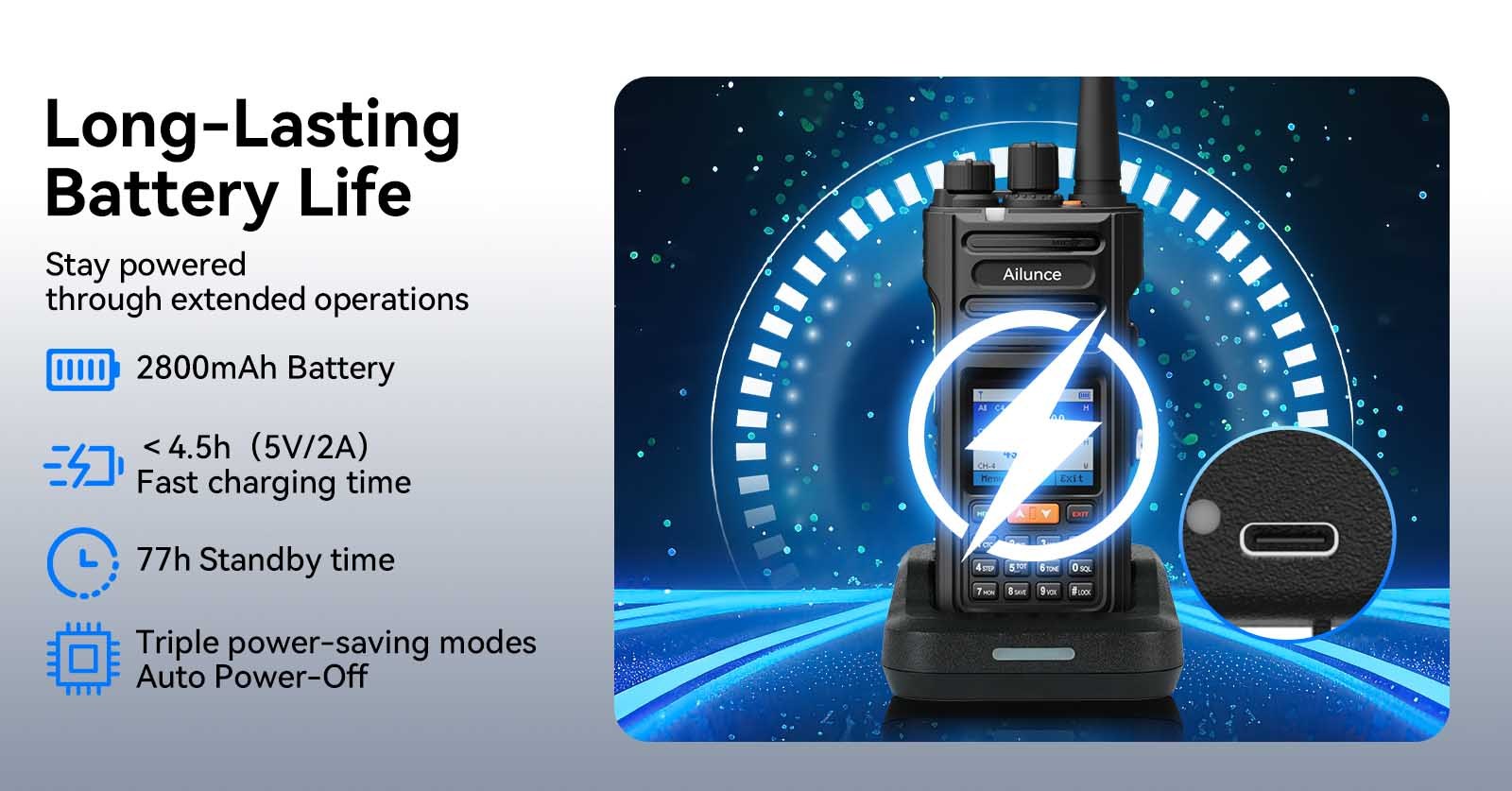
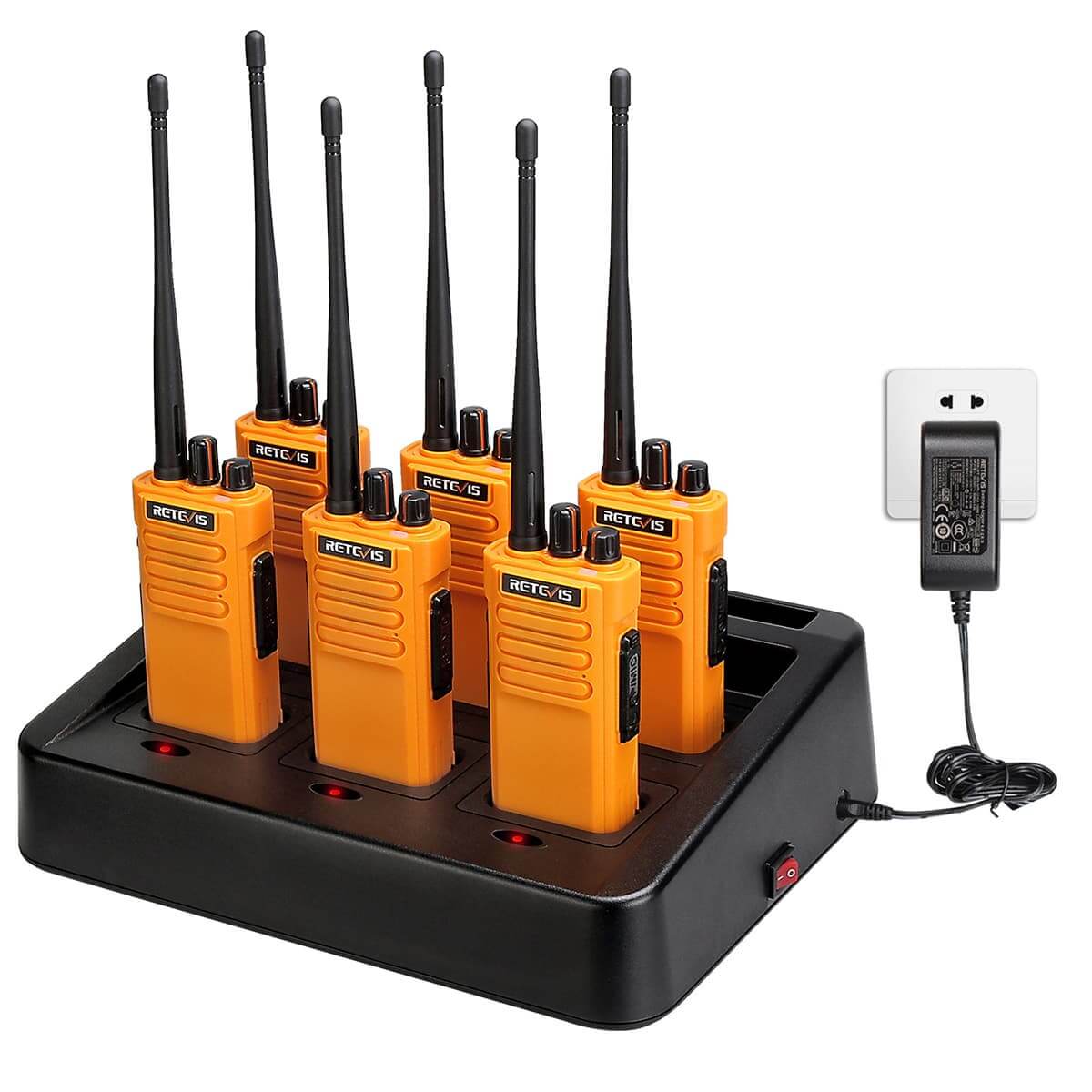
Long-Lasting Battery Life: The 2800mAh battery delivers up to 77 hours of standby time, with fast charging (under 4.5 hours) and three power-saving modes. You’ll never have to worry about your radio dying mid-QSO, ensuring you can always complete proper call sign identification.
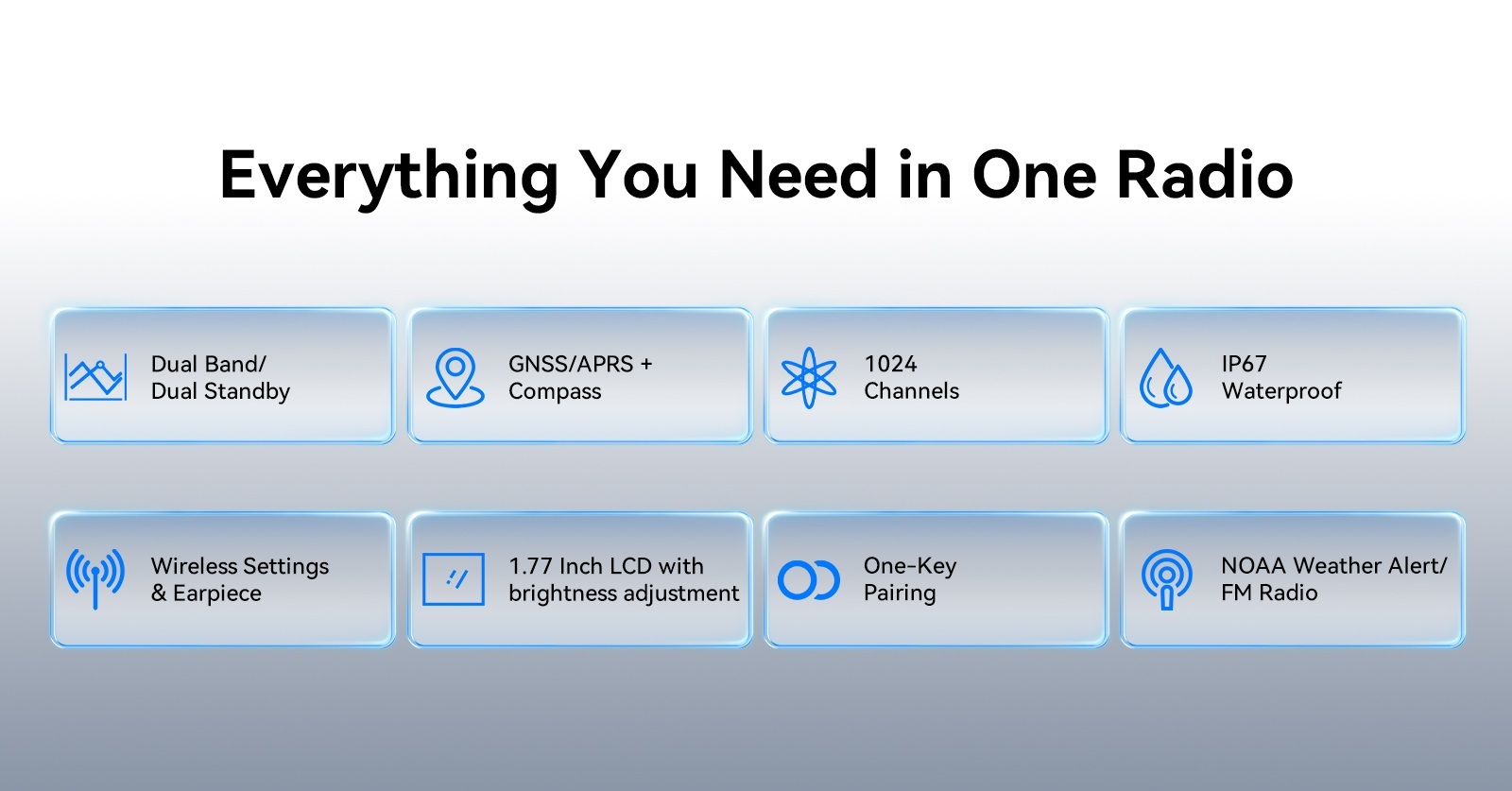
The HA2 also supports precision airband reception, NOAA weather alerts, and wireless headset compatibility, making it a versatile tool for both everyday ham radio use and emergency preparedness. Whether you’re verifying call signs, logging contacts, or staying connected with fellow operators, the HA2 keeps you compliant and confident on the air.
Frequently Asked Questions About Ham Radio Call Signs
Q1: What is the fastest way to do a ham radio call sign lookup?
A1: The fastest official method is the FCC ULS database for verified FCC ham call sign records. User-friendly third-party tools offer quicker casual searches with additional community features.
Q2: Are ham radio call signs public record?
A2: Yes. All FCC-registered amateur radio call signs are public information, and anyone can access a list of ham radio call signs via official and approved platforms.
Q3: What happens if I ignore ham radio call sign rules?
A3: Violating ham radio call sign rules can lead to FCC penalties, including written warnings, monetary fines, and permanent license suspension for repeated or severe violations.
Q4: Why is ham radio call sign etiquette important?
A4: Following ham radio call sign etiquette ensures clear communication, reduces on-air confusion, and maintains the positive, collaborative spirit of the amateur radio community.
Final Thoughts
Your ham radio call sign is the foundation of your amateur radio journey. Mastering accurate ham radio call signs lookup techniques, understanding official FCC ham call sign regulations, and practicing proper ham radio call sign etiquette will make you a competent, respectful, and compliant operator.
Whether you’re searching a list of ham radio call signs to identify a new contact, reviewing ham radio call sign rules for license compliance, or refining your on-air manners, these core skills are essential for every HAM. Always prioritize official FCC data for critical lookups, and uphold community etiquette to keep the amateur radio hobby vibrant for everyone.
For a seamless experience that supports your call sign practice and beyond, consider the Retevis Ailunce HA2 or other powerful ham radios—designed to keep you connected, compliant, and ready for every QSO.






 Google
 Amazon
Comments
No data Yet