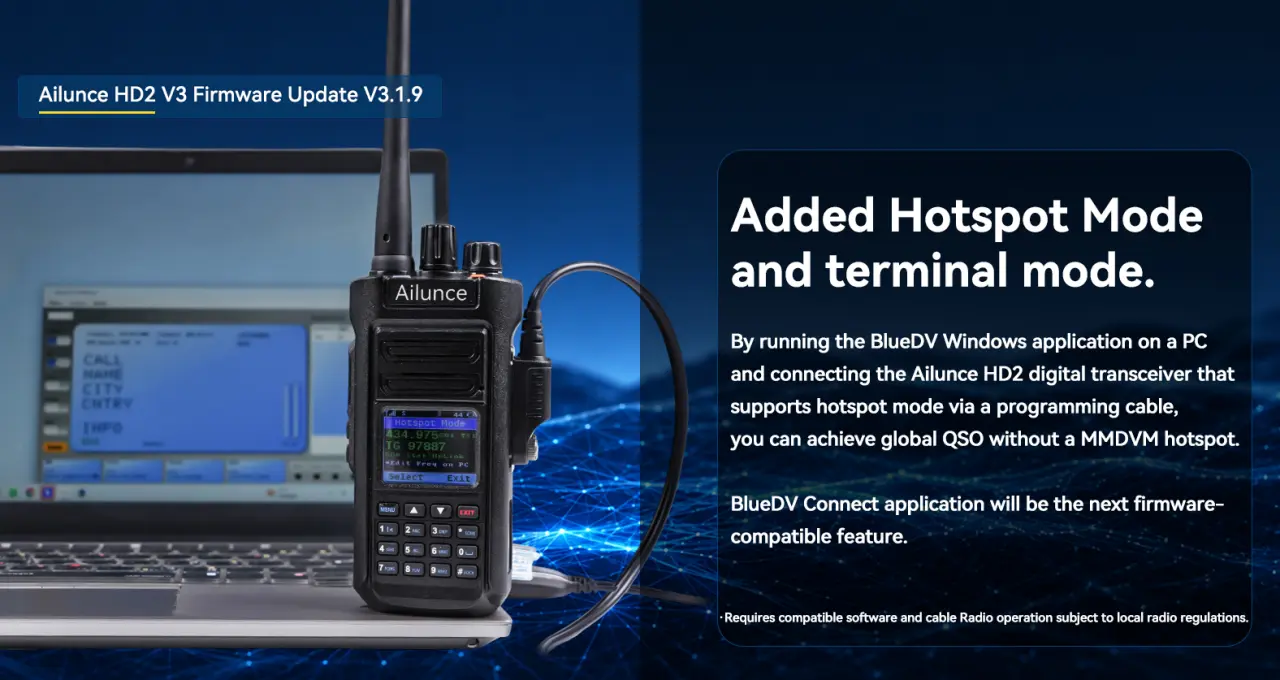
The HD2 V3 is a single unit that combines analog FM, DMR and PC linked operation on a dual band handheld radio. Its value isn't in having a longer list of features. It's in the fact that you have fewer changes to make between radios, channels and network paths. This guide looks at where those gains are actually going to be of value in a real QSO (radio contact) and where the radio still requires the use of other equipment.
A ham station can take several routes to a QSO. A local FM repeater will be using the analog settings. A DMR repeater adds in a colour code (which governs digital access), a time slot (which selects one of the two shared time slots) and a talkgroup (which is the virtual group you're calling). A network connection via a computer adds another layer of hardware and software.
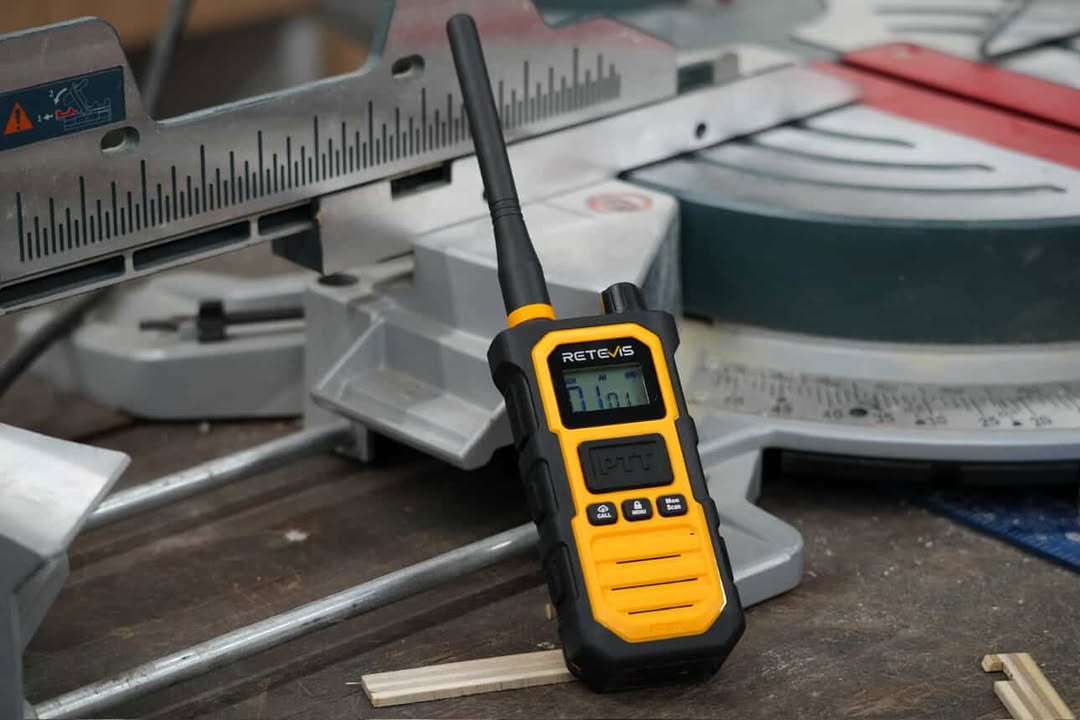
The Retevis HD2 V3 brings all of these paths into one handheld. That's its primary practical value. It doesn't in any way eliminate repeaters, computers or internet service. It simply reduces the number of times the operator has to change equipment in order to use them.
This is important. A radio at its best will take work out of a routine. The HD2 V3 does that via the way its key features work in concert.
The HD2 V3 supports both analog FM and DMR on the VHF and UHF amateur bands with regional transmit limits. You can have local analog channels and local DMR channels in the same radio rather than having to carry two separate handhelds.
It has a capacity of 3,000 channels so there's room for repeaters, simplex and travel channels. The zones and clear channel names make that capacity useful. You can group the channels by location or by function rather than just having one long list to wade through.
Dual Push to Talk adds another useful feature. Once Dual PTT is enabled the main PTT will be on Band A and Side Key 1 can be on Band B. You don't need to switch the active band prior to every transmission. You still have to check the channel and the transmit settings but the physical workflow is now shorter.
For a ham station that's got both analog FM and DMR this is a straight reduction in the day to day operating friction.
DMR has a numeric radio ID. A number on its own doesn't tell you much when you're in the middle of a busy talkgroup. The HD2 V3 deals with that in two ways.
Firstly, the current V3 product spec lists 300k preloaded DMR contacts and support for up to 500k contacts. The radio will be able to match a stored ID to a name or callsign at initial setup without the need for a fresh bulk import.
Secondly, V3 supports Talker Alias. That can carry alias text (typically a callsign or name) with the voice transmission. Gives the receiving radio another means of identifying the calling station.
These two systems perform quite different functions. The contact database is the one that resolves the local ID. Talker Alias uses the data that was supplied during the call. Neither of them in any way guarantees a callsign on every path. The result is going to be affected by the sending station, the receiving radio and the DMR network. A numeric ID can still show up even if the alias data is not available or not supported.
The real benefit is not a perfect display on every QSO. It's a much better chance of spotting the station without having to stop and look up the ID.
Terminal Mode gives the HD2 V3 another way into DMR networks. With compatible V3 firmware the radio connects to a Windows PC via its programming cable and BlueDV on the PC and the PC's internet connection provide the network link.
This gets rid of the need for a separate MMDVM hotspot (the little hardware box that you normally use to link your digital radio to an internet network). It doesn't get rid of the computer, the software or the internet connection. It doesn't turn your handheld into a worldwide off-grid radio.
That boundary is the feature's value. Terminal Mode is useful for the operator who wants PC linked DMR without the need to go out and buy another dedicated hardware box. A standalone hotspot of course still makes perfect sense in a setup which is built around an always on independent hotspot.
Hotspot Mode is a separate thing and should not be confused with Terminal Mode. The value of the product is in providing multiple connection paths rather than in making all the paths the same.
Front panel programming (often abbreviated to FPP) allows the operator to change a great many of the settings from the keypad. VFO mode is available for direct frequency operation and new channels can be saved on the radio.
This is important when a channel needs a minor correction away from the computer. The operator can make the change and go back to the QSO rather than treating every little adjustment as a programming session.
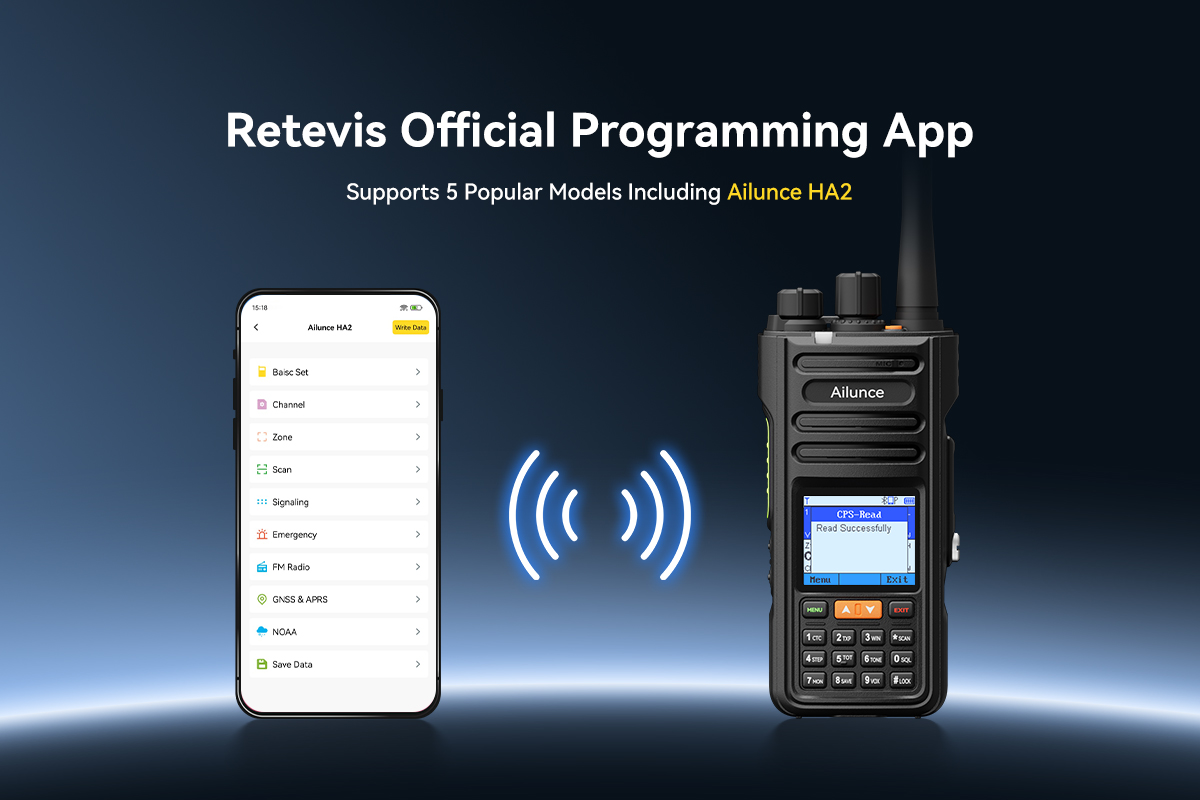
FPP in no way removes the requirement for correct DMR data. The frequency, colour code, time slot and talkgroup still have to be correct for the system you're trying to talk to. RETEVIS CPS (the V3 programming software) is still very useful for larger edits, backups and contact imports. The real benefit is that you're free of the computer for the mundane changes rather than free from having to understand the settings.
The manufacturer offer four transmit power settings: 10W, 5W, 1W and 0.5w. The lower settings are ideal for short range or hotspot work. The higher settings can be of use when you need more power on the radio path, but they won't fix a wrong talkgroup, bad repeater site or a path that's just simply obstructed.
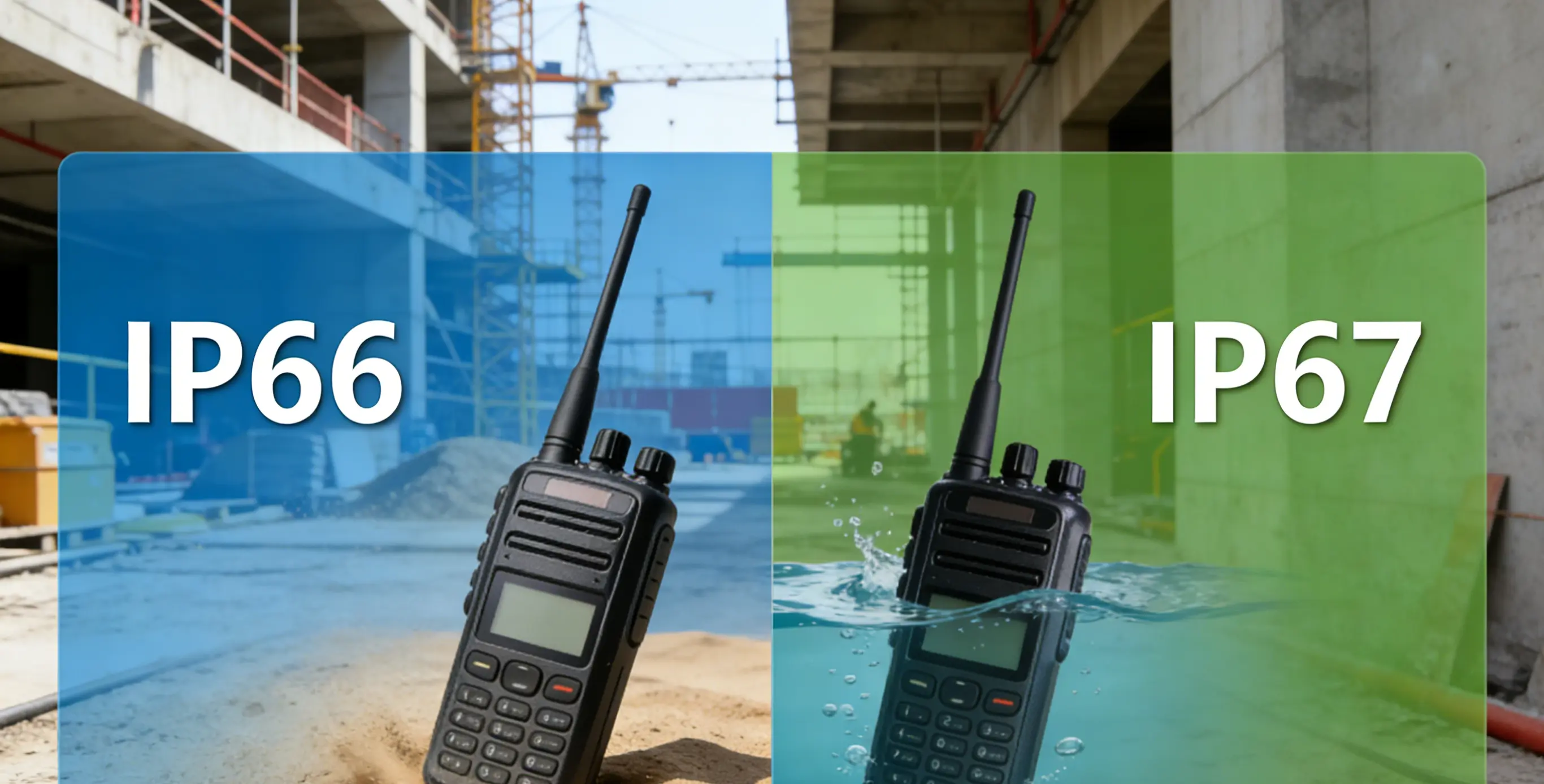
GPS can give you coordinates and can facilitate the exchange of location data between DMR stations that are compatible. The HD2 V3 does not offer automatic position reporting via APRS (a packet radio system which is used for position reports and other data). It has an IP67 rating which gives it dust protection and some degree of water resistance under the specified conditions. It doesn't improve coverage at all and is not a radio that you can use for extended periods of time underwater.
These features support the operating task. None of them in any way replaces the need for sound frequency planning or correct DMR configuration.
The Retevis HD2 V3 is the clear value proposition for the operator who is using both analog FM and DMR, who wants PC linked DMR without the need for a separate MMDVM box, or who just wants some useful front panel control without having to be at a computer.
It offers very little value to the operator who is purely analogue and just wants the simplest possible radio. An existing DMR handheld and independent hotspot may well still be the better option if Terminal Mode and Talker Alias are just going to add nothing to that station's normal operation.
The right question is therefore not how many features the radio has. It's how many steps those features take away from the actual operation.
The Retevis Ailunce HD2 V3 is easiest to justify as a way to simplify real QSOs, not as a promise of greater range or a replacement for every part of a ham station.
No data Yet




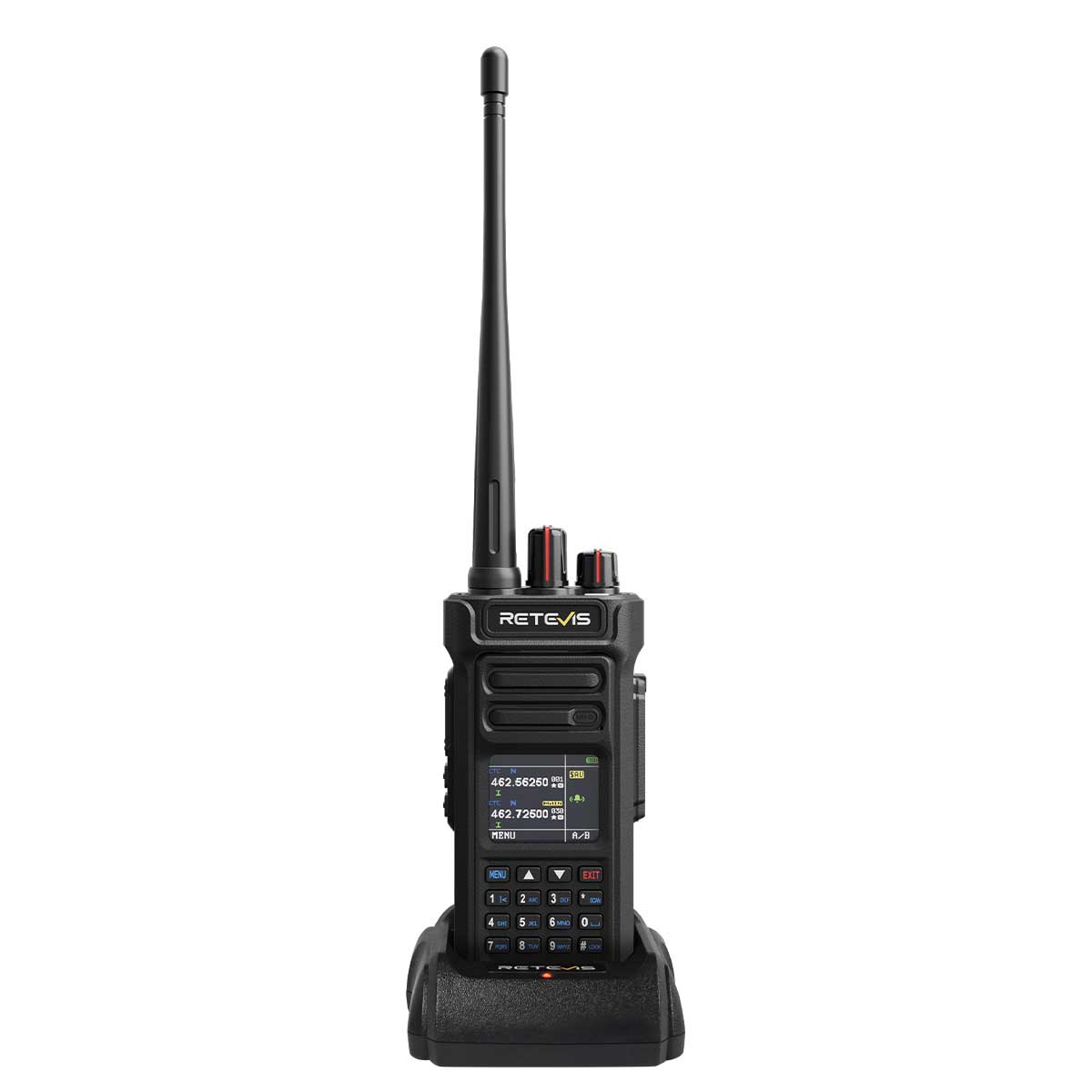

 Google
 Amazon