
Table of Contents
How HD2 DMR Radios Simplify Large-Scale Event Coordination
- Posted by:Retevis
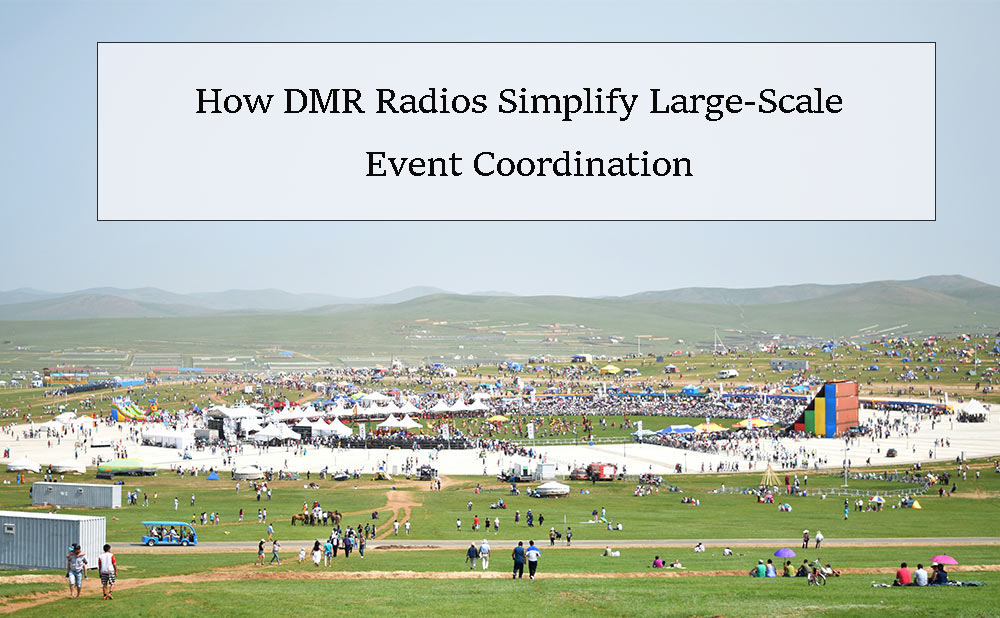
DMR Radios for Events: How HD2 Technology Improves Large-Scale Event Coordination
Large-scale events often look seamless from the outside—music flowing, crowds moving in sync, lighting perfectly timed. But behind the scenes, the reality is far more complex. Security teams are tracking movement across crowded zones, stage crews are coordinating precise cues, medical staff are on standby, and organizers are constantly adjusting operations in real time.
This level of coordination depends on one thing above all else: reliable, instant communication systems built for high-pressure environments.
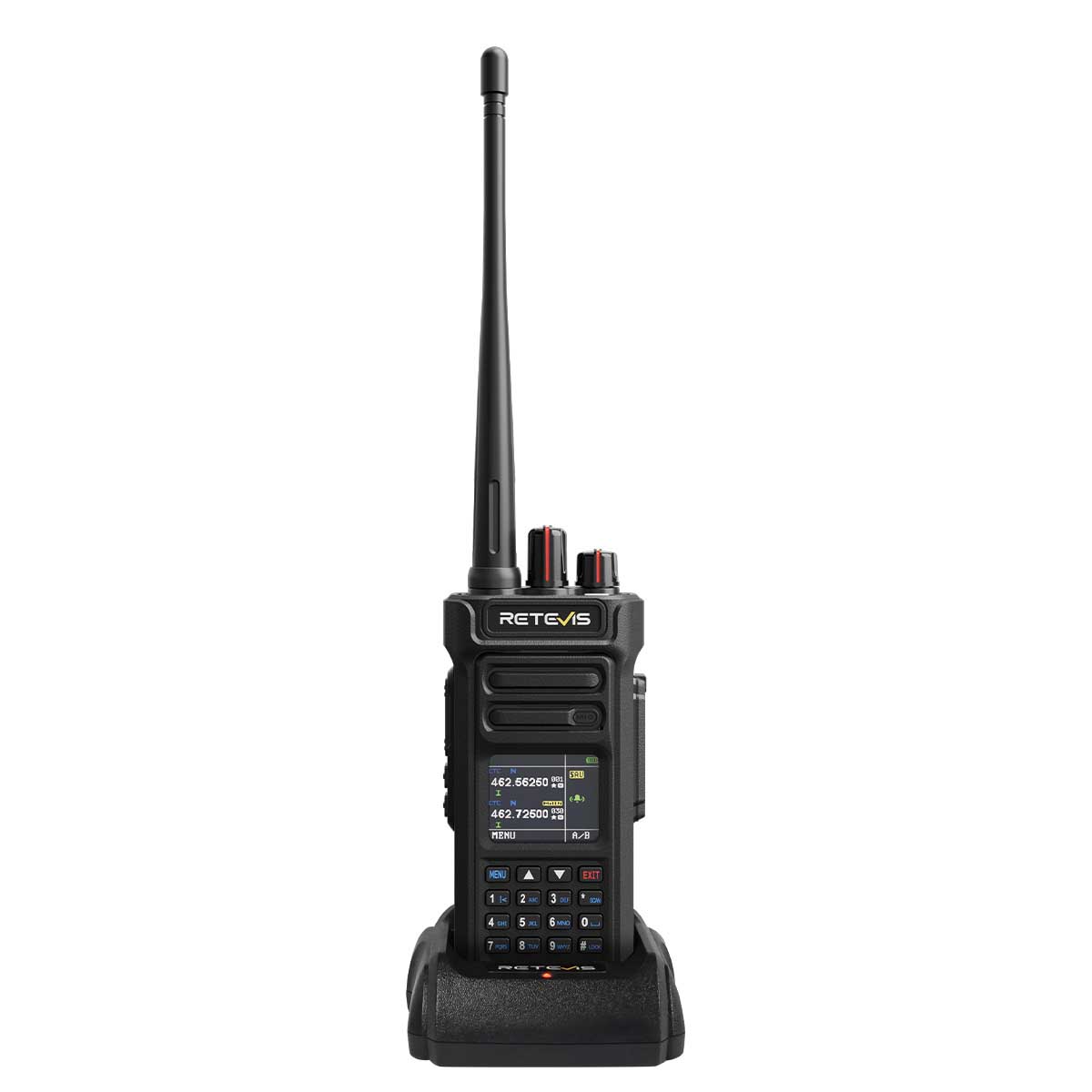
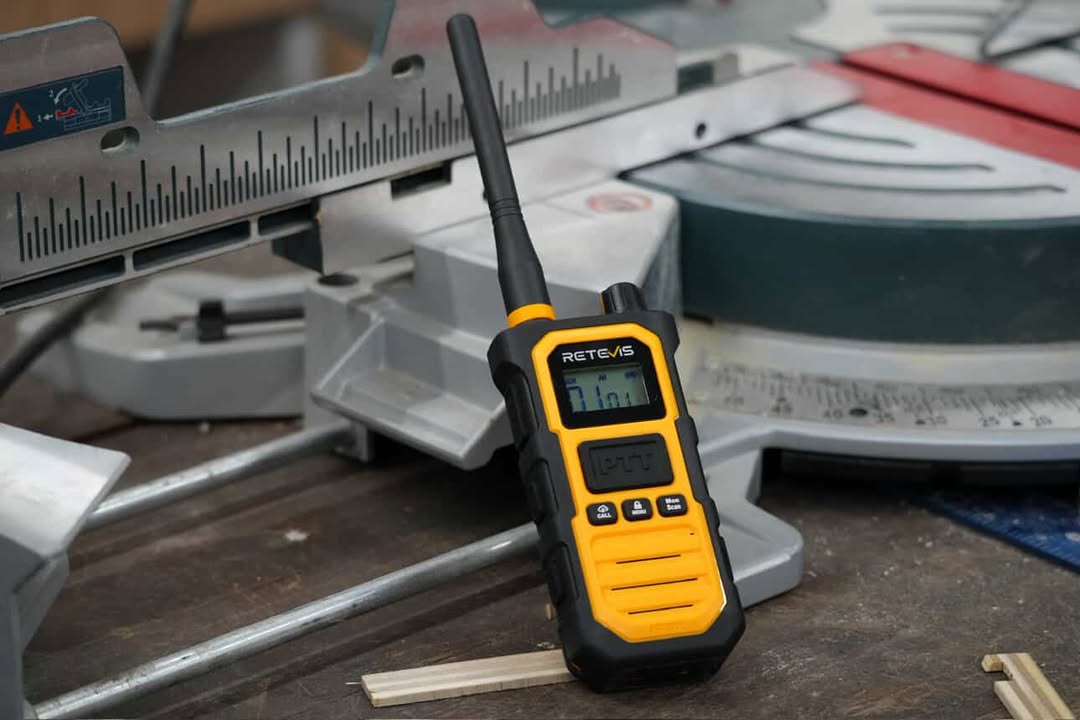
That’s where DMR radios for events, especially HD2 dual-band devices like the Retevis HD2, come into play, significantly improving how large events are managed and coordinated.
Why Event Communication Needs an Upgrade
Many events still rely on analog radio systems—but these tools often struggle in demanding environments.
Consider a typical outdoor music festival:
- Loudspeaker systems overpower voice communication
- Thousands of attendees move unpredictably across zones
- Security teams are spread across wide areas
- Weather conditions can change quickly
In this environment, even a small communication delay can lead to confusion or operational risk.
Modern event organizers are increasingly turning to DMR radio systems because they offer clearer, more structured communication across multiple teams and departments.
How DMR Radios Support Different Event Teams
Security & Crowd Control
Security teams rely on fast, clear communication to maintain safety.
DMR radios help by enabling:
- Instant alerts during incidents
- Coordination across multiple zones
- Improved situational awareness
Stage & Production Teams
Production teams depend on timing precision.
DMR communication supports:
- Coordinated lighting and sound cues
- Smooth stage transitions
- Reliable communication in high-noise environments
Medical & Emergency Response
In emergencies, response speed is critical.
DMR radios enable:
- Fast dispatch of medical teams
- Clear coordination between first aid stations
- Emergency alerts for rapid response
VIP & Artist Coordination
Discretion is essential when managing performers or VIP guests.
With encrypted and private communication channels:
- Movements remain confidential
- Routes and schedules are protected
- Coordination remains discreet and controlled
Why DMR Outperforms Analog and LTE Communication
Event organizers often compare different communication options, but each has limitations.
Analog Radios
- Poor clarity in noisy environments
- No encryption or GPS support
- Susceptible to interference
LTE / Mobile Apps
- Depend on network congestion
- Can fail during peak event usage
- Require stable cellular coverage or Wi-Fi
DMR Radios
- Dedicated communication channels
- Stable performance under heavy load
- Clear, interference-resistant audio
- Longer battery efficiency
DMR systems are designed specifically for reliability in demanding, real-time environments.
HD2 DMR Technology: Designed for High-Pressure Environments
At the core of improved event communication is digital voice processing, which significantly enhances clarity compared to traditional analog systems.
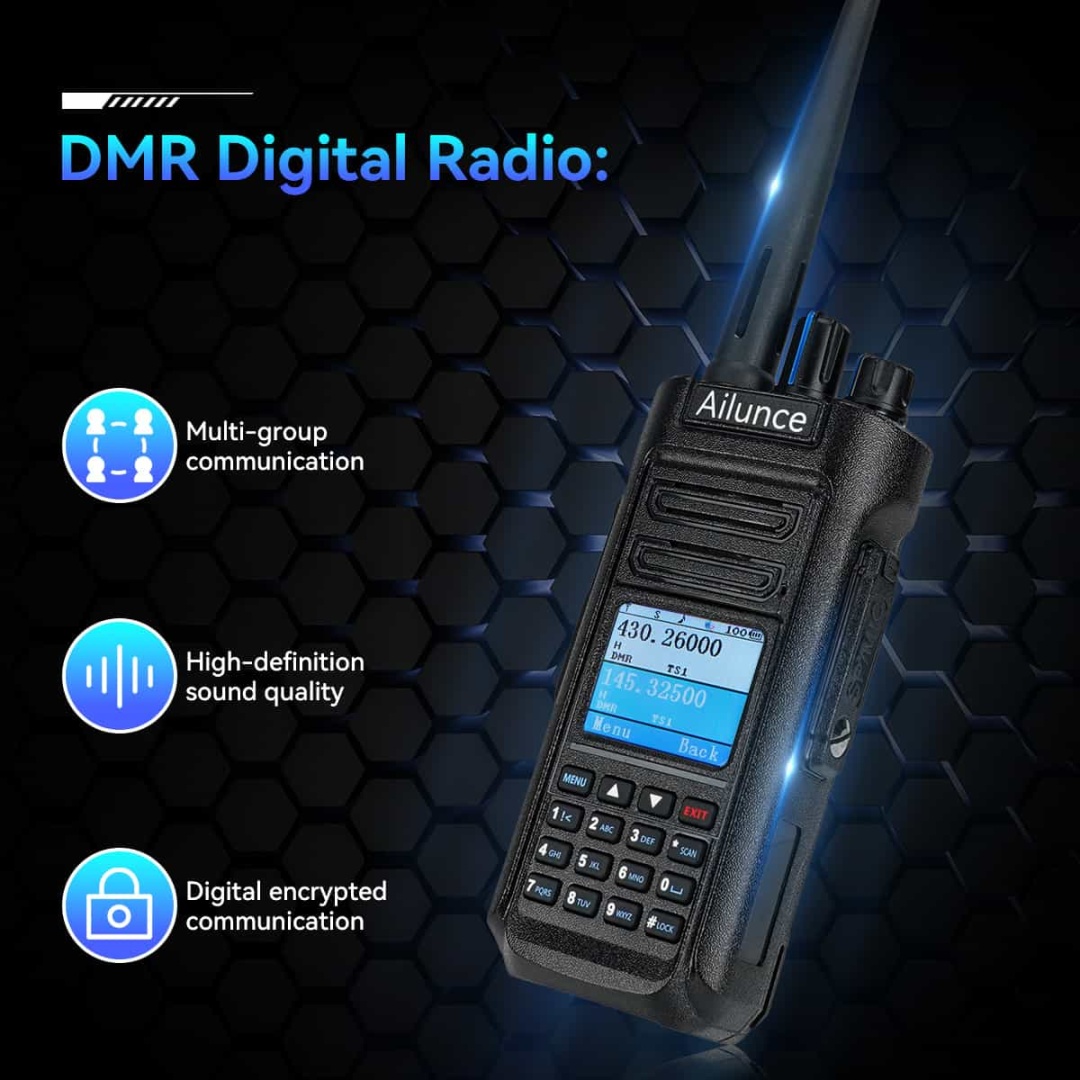
1. Clear Audio in Loud Environments
Events are inherently noisy, which makes communication difficult. HD2 technology helps by:
- Reducing background crowd and stage noise
- Enhancing voice clarity and intelligibility
- Maintaining stable audio quality even near loudspeakers
This ensures instructions are delivered clearly whether teams are backstage, in the crowd, or managing perimeter security.
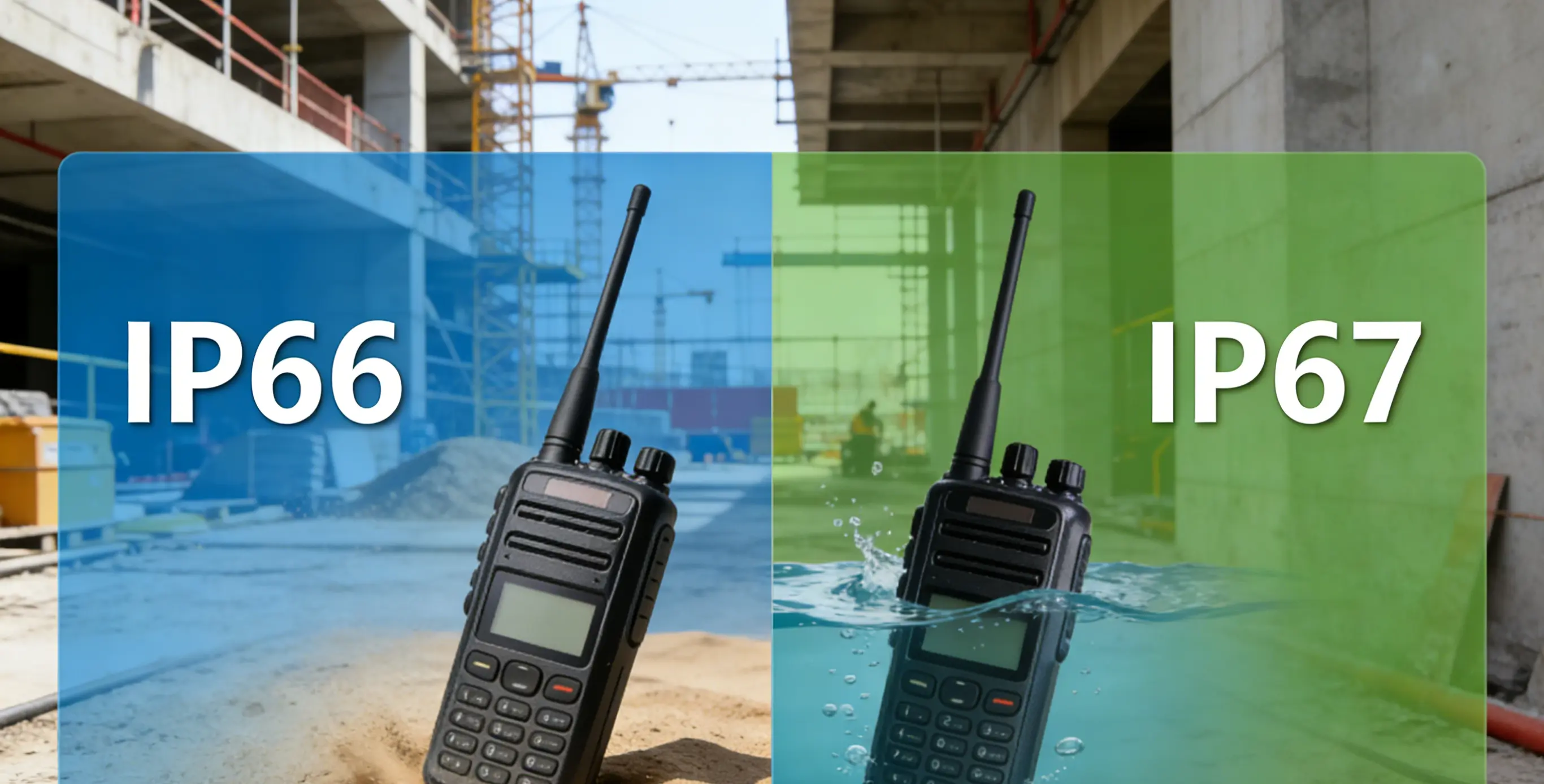
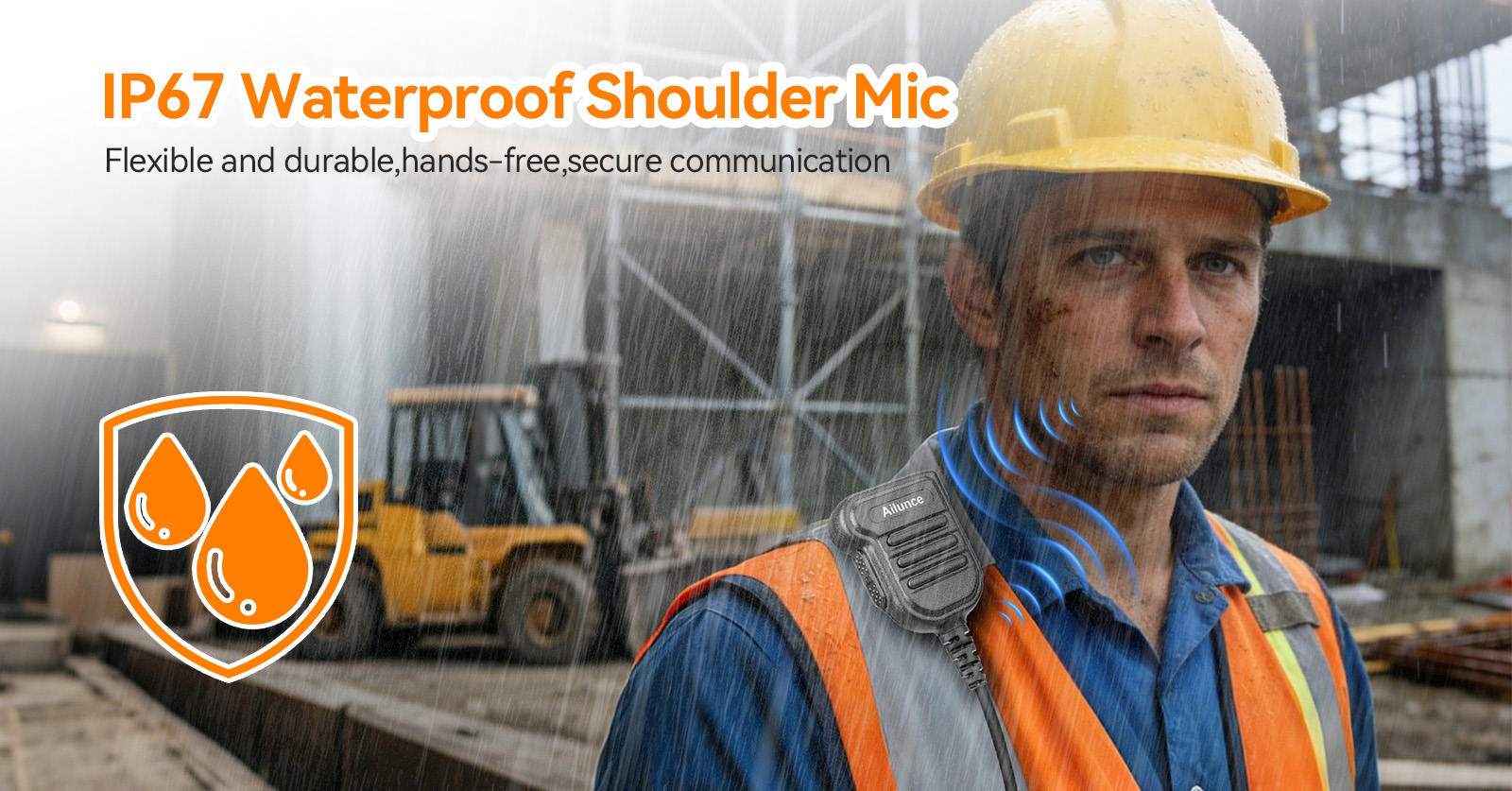
IP67 Protection: Built for Unpredictable Conditions
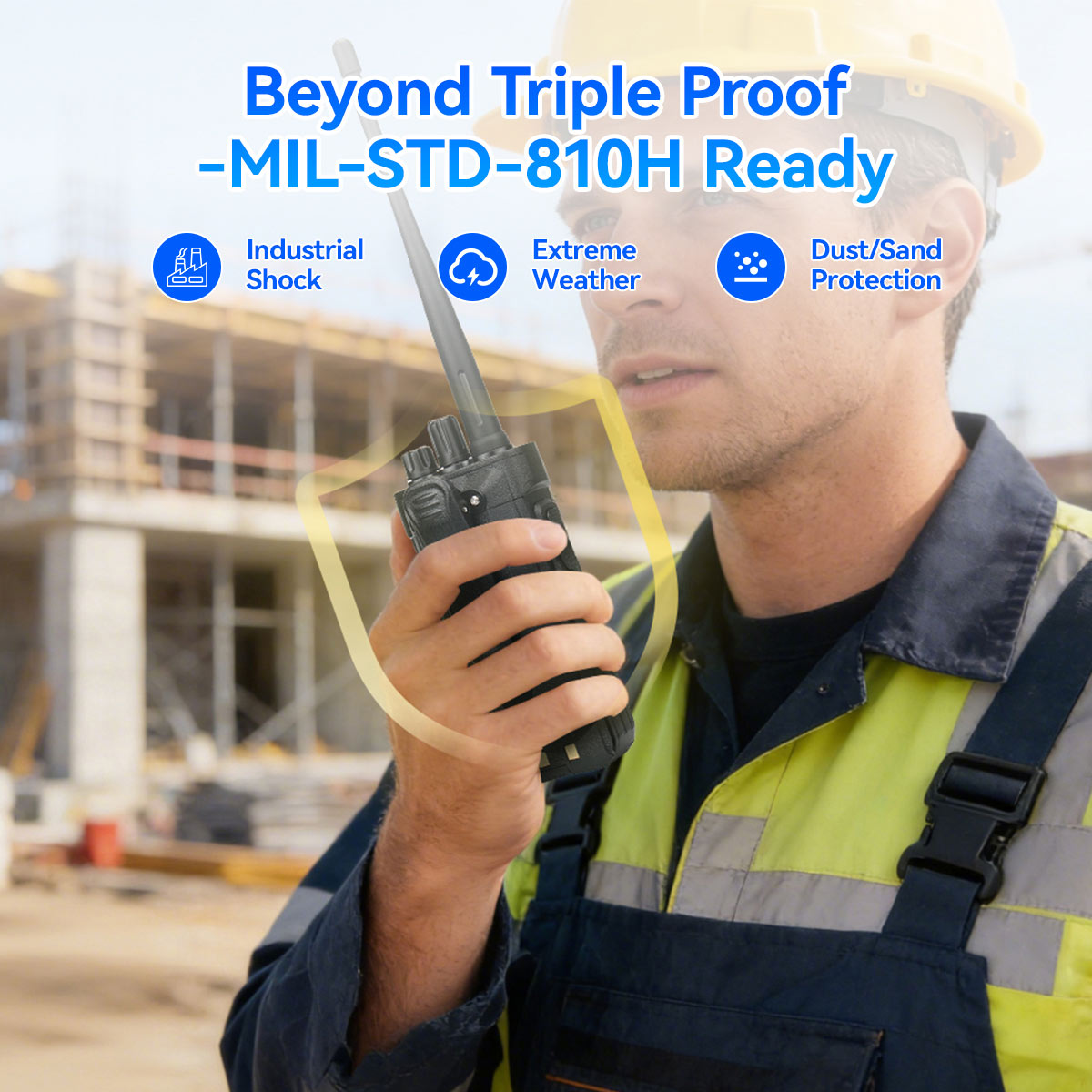
Outdoor events are rarely predictable. Equipment is often exposed to rain, dust, or accidental impacts.
HD2 radios with IP67-level protection are designed to handle these challenges:
- Resistance to heavy rain and water exposure
- Protection against dust-heavy environments
- Durability against drops and accidental splashes
This reliability allows teams to focus on operations rather than equipment failures.
GPS Tracking for Better Coordination
One of the most challenging aspects of large-scale event management is visibility—knowing where teams are at any given moment.
Integrated GPS functionality helps improve this significantly:
- Locate security personnel during incidents
- Track crowd control teams across large venues
- Dispatch medical responders more efficiently
- Monitor operational zones in real time
Some systems also support geofencing alerts, which help managers maintain tighter control over restricted areas.
Bluetooth Connectivity for Hands-Free Communication
During events, staff often need both hands free while working.
Bluetooth-enabled DMR radios support hands-free operation through wireless headsets, which is especially useful for:
- Stage production crews handling lighting or sound equipment
- Medical teams assisting attendees
- Security personnel managing crowd movement
This improves both safety and workflow efficiency during fast-paced operations.
Secure Communication Channels
Large events often involve sensitive coordination that should not be publicly accessible.
DMR systems support:
- Encrypted communication channels
- Department-specific group configurations
- Controlled access to operational discussions
This ensures that critical information remains secure within designated teams.
How HD2 Radios Improve Event Efficiency
When communication becomes reliable, overall event performance improves significantly:
- Faster decision-making
- Better inter-team coordination
- Reduced operational delays
- Fewer communication errors
- Improved crowd management flow
This results in smoother, more predictable event execution.
Real-World Impact on Large Events
Consider a festival with 20,000+ attendees.
Without a reliable communication system:
- Security response times slow down
- Medical coordination becomes fragmented
- Stage scheduling risks disruption
- Staff miscommunication increases
With a DMR-based system:
- Teams stay connected continuously
- Instructions are delivered in real time
- Emergencies are handled faster
- Event flow becomes controlled and efficient
The difference lies in operational visibility and communication stability.
Final Thoughts: The Role of DMR in Modern Event Management
As events grow larger and more complex, communication systems must evolve alongside them.
DMR technology, especially HD2-based systems from Retevis, brings together key capabilities needed in modern event environments:
- Clear communication in high-noise settings
- Durable performance in outdoor conditions
- Real-time coordination through GPS support
- Hands-free flexibility via Bluetooth
- Secure communication channels for sensitive operations
Ultimately, successful event coordination is not just about planning—it is about maintaining continuous, reliable connection between every moving part.
With the right DMR radios for events, large-scale coordination becomes more structured, responsive, and significantly more efficient from start to finish.



 Google
 Amazon
Comments
No data Yet