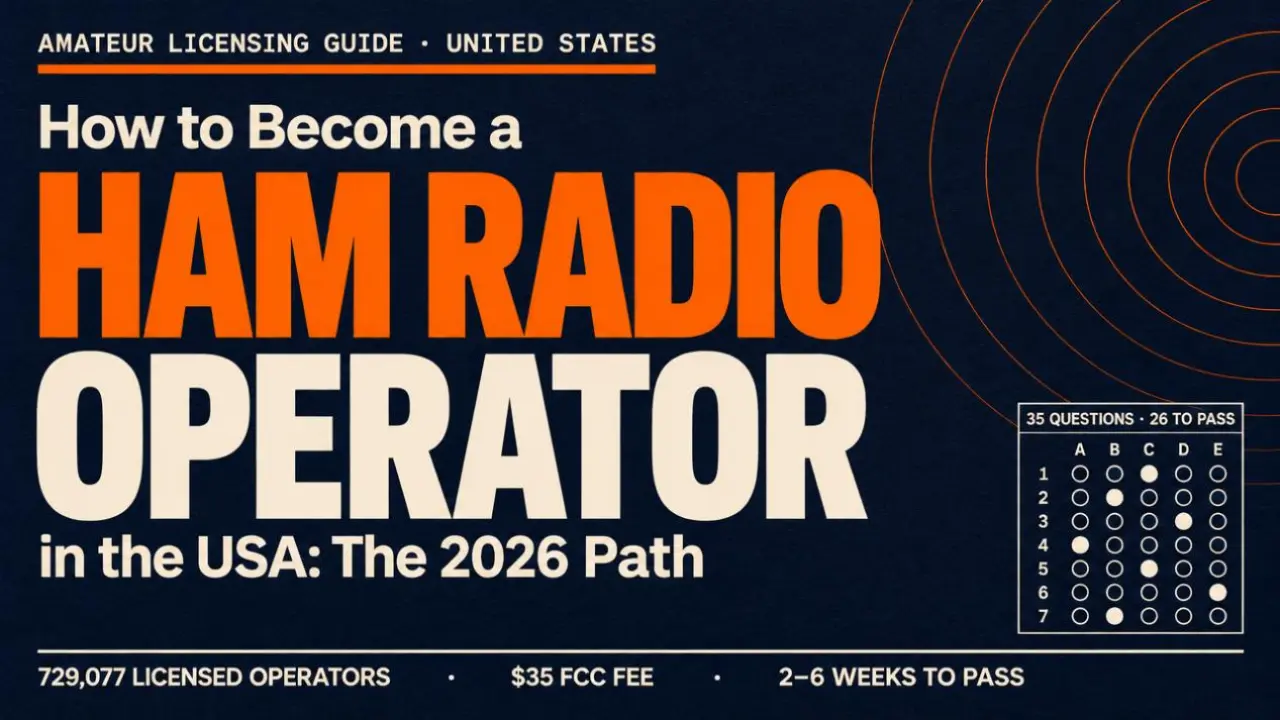
People searching "how to become a ham radio operator in the USA" usually ask two questions at once: what the path costs in time and money, and how many licensed ham radio operators are in the US. The second question matters because it describes the group a newcomer is about to join. Start there, then walk the actual route: license class, exam, study method, and the paperwork that ends with a callsign.
The most current count comes from the FCC's own license data, compiled weekly by the ARRL. Through October 2, 2026, 729,077 people held active amateur licenses. That number needs two qualifications to be read correctly.
First, it counts active grants to individuals. Licenses that lapse and pass their renewal window drop out, and club stations, military recreation stations, and other non-person grants are counted elsewhere. That is why a 2025 Congressional document cited "more than 770,000": it used the broader figure that includes those station grants.
Second, the number is a snapshot of a living database, not a fixed census. It moves every week as licenses issue, renew, and expire.
The class breakdown is the more revealing half. Technician accounts for 357,803, General 184,084, and Amateur Extra 157,579. Two older classes, Advanced and Novice, still appear on the rolls but cannot be newly earned. Nearly half the hobby sits at Technician, the entry license, which means almost every operator on the air today started through the same exam. Worldwide, about three million people hold amateur licenses.
The trend has run mostly upward since 2008, with a sharp pull forward during 2020 when exam teams moved to video sessions and preparedness interest rose. The headcount answers the "is the hobby dying" question with data: it is not shrinking, and its entry class is its largest one.

The license ladder follows a logic worth understanding: privileges expand as an operator proves more theory, and the theory tracks the reach of the signals. Technician grants full access above 50 MHz. That covers the bands where local repeaters live, mainly 2 meters at 144 MHz and 70 centimeters at 430 MHz, along with 6 meters and the other VHF and UHF bands. On HF, the long-distance bands, Technician includes CW, the on-off tone mode, on portions of 80, 40, and 15 meters, and CW plus voice on 10 meters. A Technician can talk across town on day one and across continents when 10 meters opens.
General adds nearly all HF bands, phone and digital modes included, which is the license for worldwide voice. Amateur Extra adds the remaining subbands and every privilege the FCC grants. Morse code is not tested for any class. That requirement ended in 2007, and it remains the most repeated myth newcomers bring to forums.
The Technician exam holds 35 multiple-choice questions, and 26 correct answers, 74 percent, pass it. Each exam draws from every section of the question pool, so skipping one topic wholesale fails the coverage math. A candidate must be at least passable across all ten sections.
The pool itself is public. The current 2026 to 2030 pool took effect July 1, 2026, holds 409 questions and three diagrams, and replaced the 412-question pool before it. This is unusual among professional licenses, and it is deliberate. FCC rule 97.523 requires one shared pool per exam element, at least ten times the length of the test, published in advance.
Amateur radio is a self-policing service. The FCC stopped running exams decades ago and delegates them to Volunteer Examiner Coordinators. Their Volunteer Examiners are licensed operators who give sessions as unpaid work. An open pool keeps that volunteer system fair and consistent across the country.
Sessions run in person, often hosted by clubs, and online through video-supervised teams. Remote sessions follow strict rules: a camera on the applicant for the full session, a room scan before starting, and a cleared desk. Either way, the test itself takes most people ten to fifteen minutes.
Because every exam question comes from a fixed public pool, the efficient method targets recognition and retrieval, not coursework.
Stage one is a cold practice test. HamStudy.org and similar sites offer it free, and the first failing score is useful. It maps the weak sections before any study.
Stage two is flashcard drilling on those sections, with one discipline: read the full explanation for every missed question, including why the wrong choices fail. Questions reappear with numbers or wording changed, and memorizing a letter answer loses to those variants.
Stage three is full timed practice exams. Schedule the real session once scores hold at 85 percent or above across several tests. The margin above 74 absorbs exam-day nerves and a different draw of questions.
Timelines cluster between two and six weeks at thirty to sixty minutes a day. Applicants with an electronics background often finish faster; that is a function of the material, not talent. Resources cost as much or as little as wanted: free flashcards and practice tests, the free No-Nonsense study guide by KB6NU, and paid books or video courses for anyone who prefers structured reading. Two errors account for most failed attempts: passive cover-to-cover reading that creates a recognition illusion without retrieval practice, and booking the session too far out, which lets the forgetting curve undo early study.
Before the session, register an FCC Registration Number, the FRN, through the CORES system. The session application, FCC Form 605, goes out under that number. Two separate fees follow, and keeping them apart removes confusion at checkout. The exam team charges a session fee for its costs, currently about fifteen dollars for ARRL sessions, while several other coordinators run free sessions. The FCC charges a separate thirty-five dollar application fee, paid directly to the Commission through CORES. That fee took effect in April 2022 and covers new licenses, renewals, and modifications. The license then runs ten years.
After a passed exam, the team files the paperwork, and the FCC sends a payment email within roughly one to two business days. Once the thirty-five dollars is paid, the callsign usually issues within another one to two business days, sometimes the next business day. New licensees must wait until the grant and callsign appear in the FCC database before transmitting. The passing slip alone authorizes upgrades for existing operators, not first-time applicants.
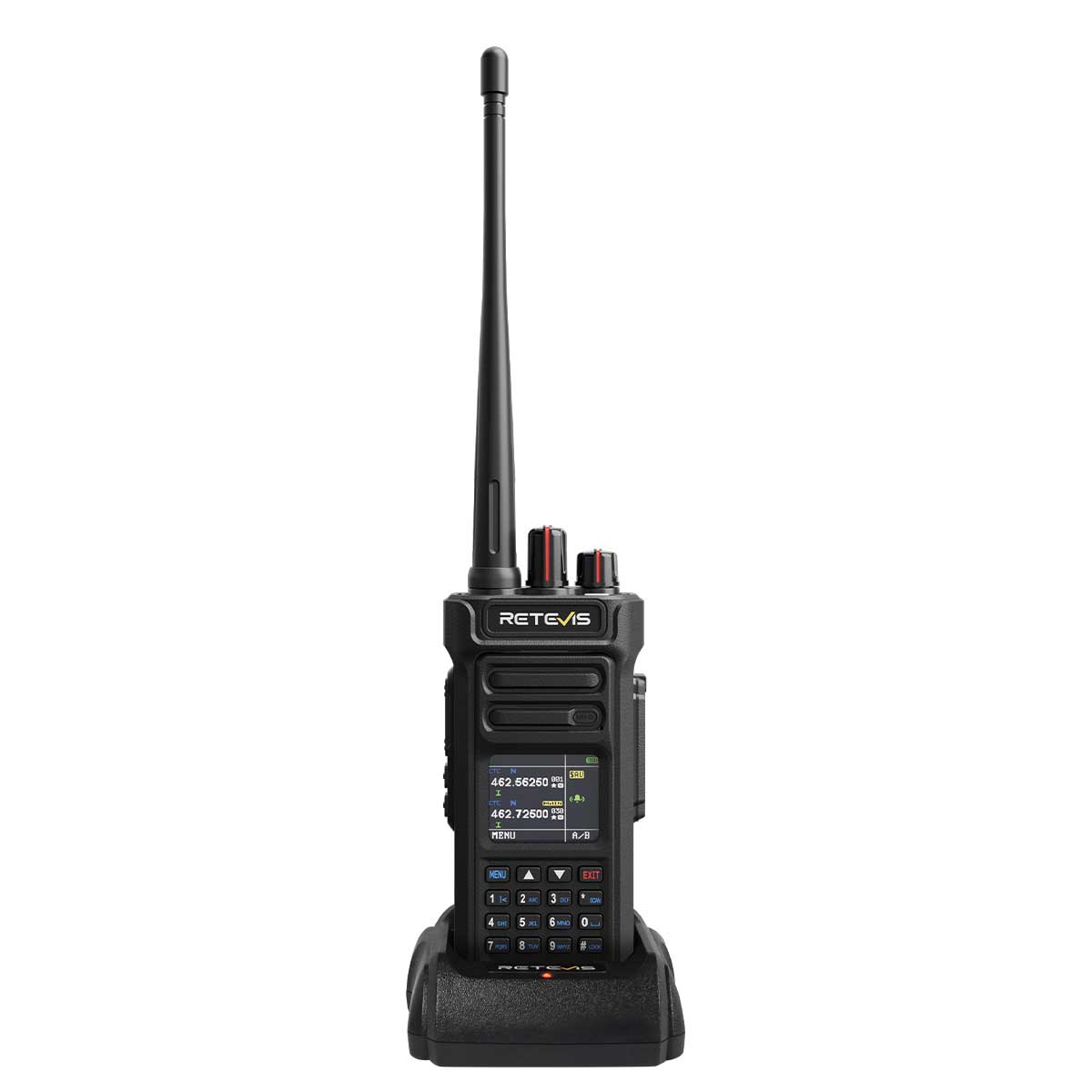
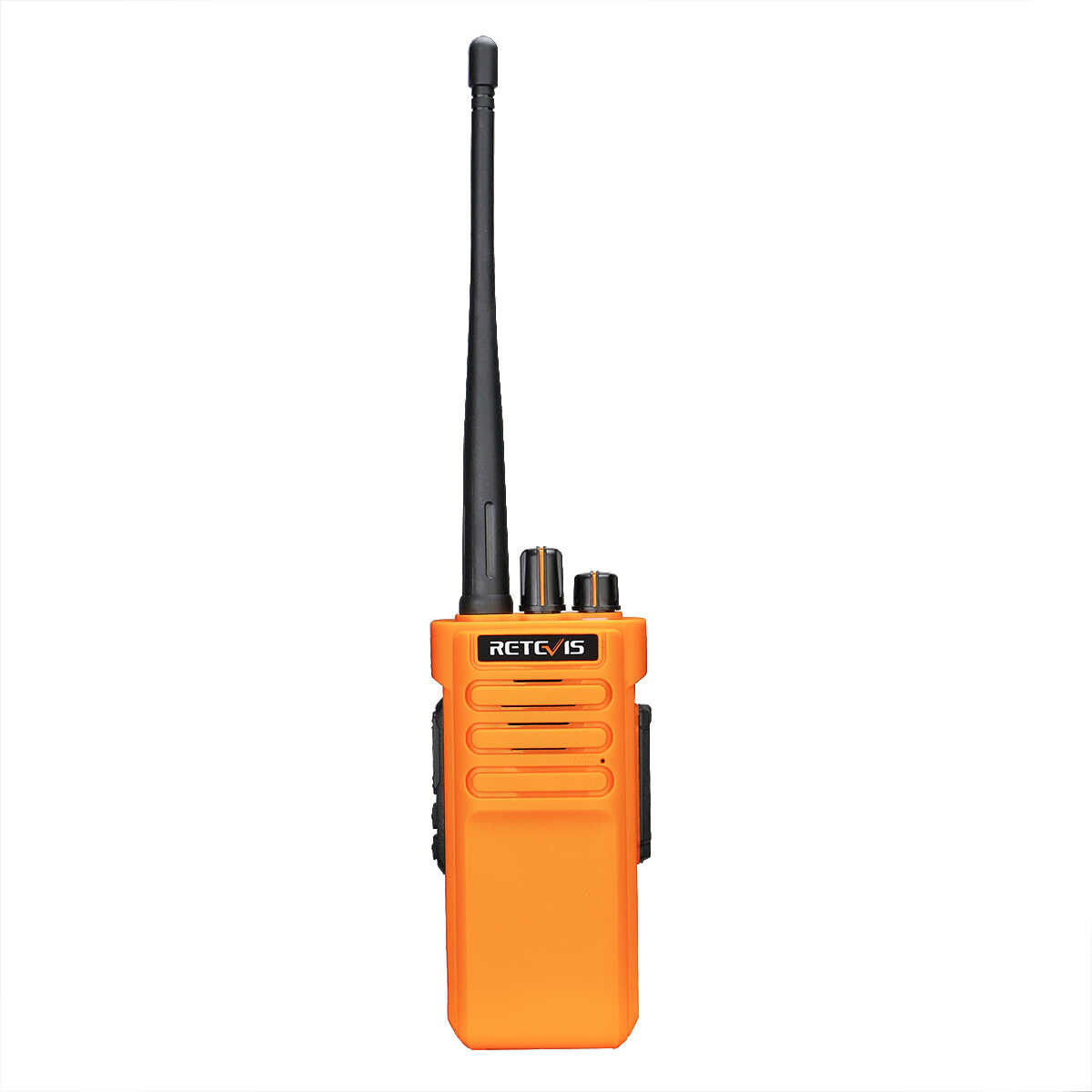
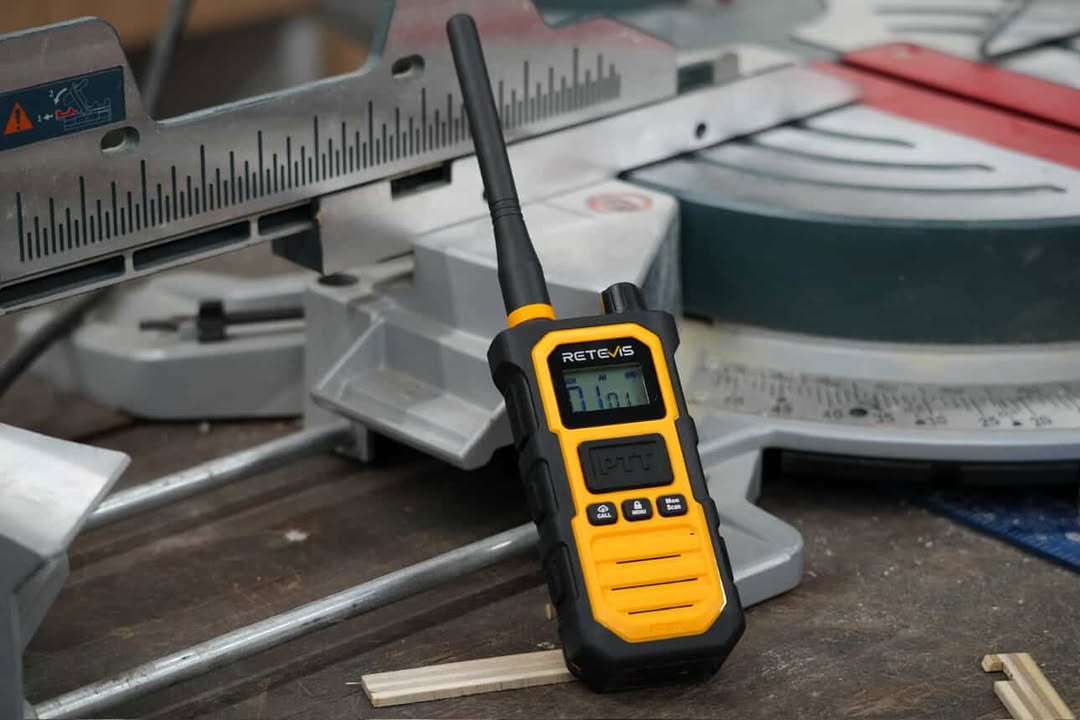
The total cost before buying a radio stays low: study can be free, the session runs zero to fifteen dollars, and the federal fee is thirty-five dollars, under eighty dollars all told. After the callsign arrives, the practical hobby starts with a handheld radio, the local repeater directory, and a club, where a first contact typically happens within the same week.
How do you become a ham radio operator? Take a cold practice test, drill the weak sections with explanations, hold practice exams at 85 percent, sit the 35-question Technician exam, pay the thirty-five dollar FCC fee, and wait for the callsign. Anyone asking how many licensed ham radio operators are in the US joins at 729,077 and counting, through the same door nearly half the hobby already used.
No data Yet




 Google
 Amazon