

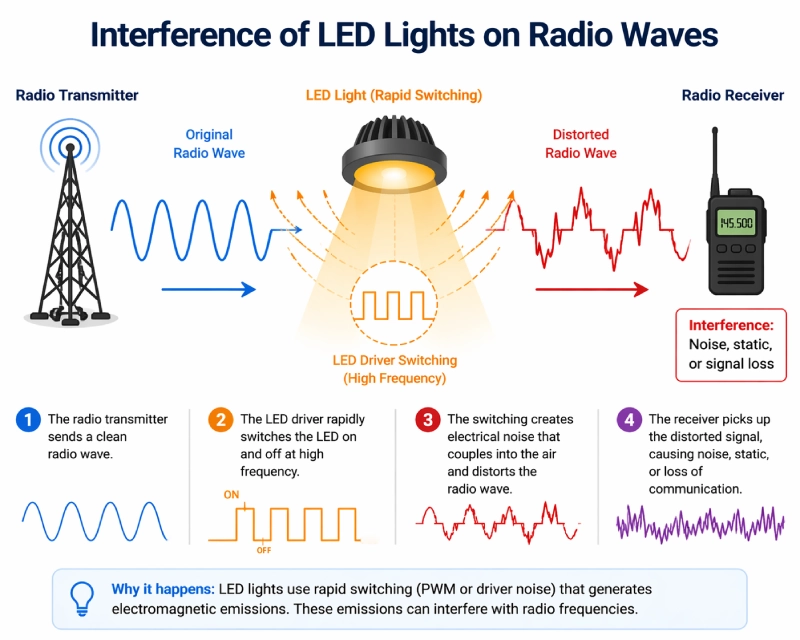
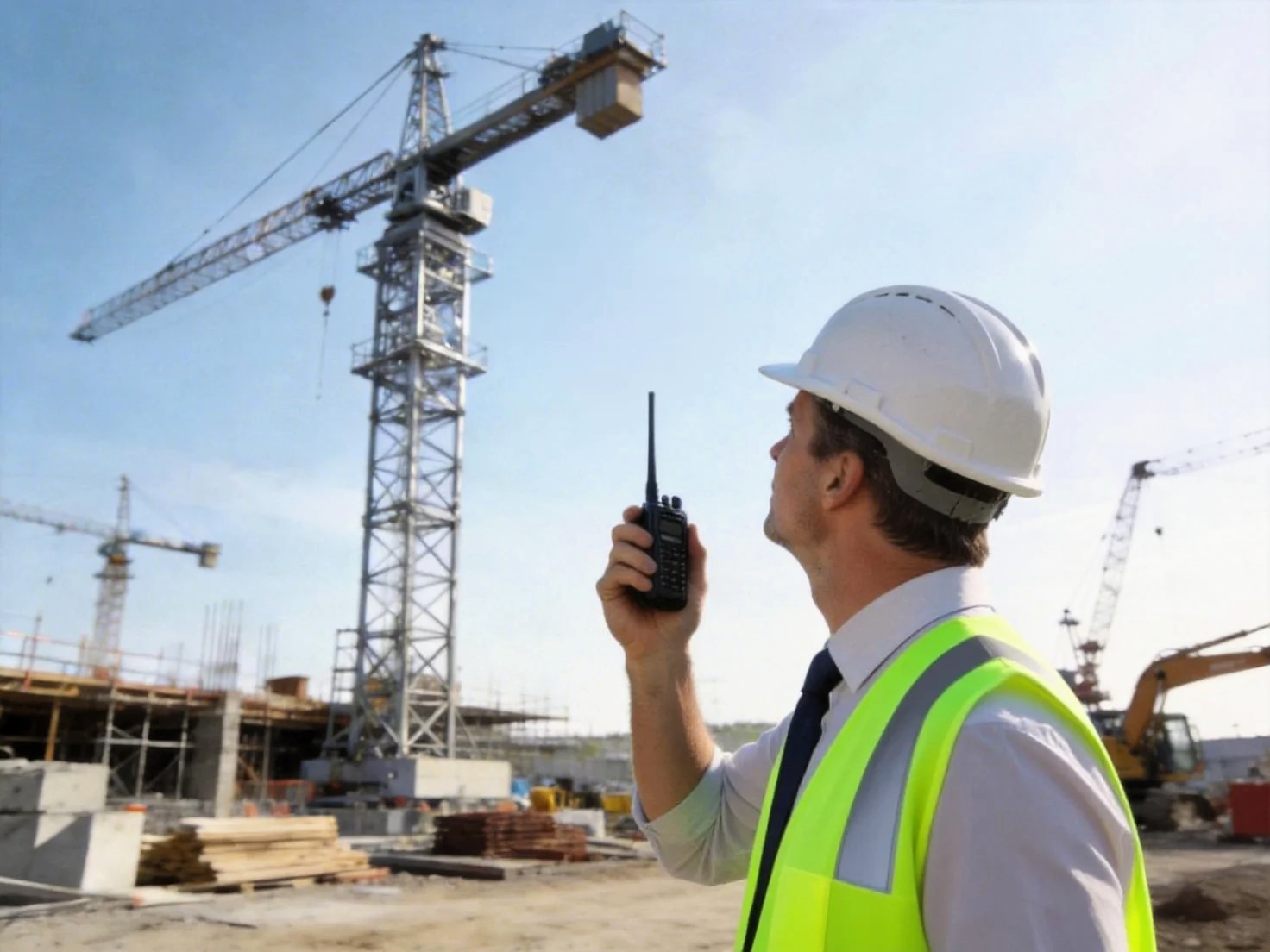
Have you ever experienced walkie-talkie malfunctions at a busy construction site or crowded event? Intermittent signal, sudden drops in conversation, or even complete loss of contact? This is what radio professionals call radio frequency interference (RF interference), which usually originates from external factors and significantly reduces efficiency.
What is RF Interference?
So, what exactly is RF interference? RF interference, also known as electromagnetic interference (EMI), refers to electromagnetic interference affecting wireless signals, causing a decrease in communication signal performance or malfunction. This interference can distort transmitted signals, generate electrostatic noise, or even completely block the signal.
Common Sources of Interference
Many factors can cause interference, in addition to common electronic equipment interference. Here are three common sources of RF interference encountered during construction:
LED Light Radio Interference – Surprisingly, even energy-efficient LED work lights(amber strobes) can emit frequencies that conflict with radios.
Electronic Equipment – Generators, power tools, and other machinery can radiate signals that interfere with your two-way radio communications.
Frequency Overlap – Multiple devices operating on similar channels can generate chaotic electrostatic interference and packet loss.
What are the Signs of Radio Interference?
Signal distortion, crackling, and sudden signal drops are typical symptoms. You may find yourself needing to repeat instructions or mishearing critical commands, which can be extremely dangerous in high-risk environments such as construction sites or event management. Sometimes, the radio interference is predictable. For example, your radio might only disconnect near areas with LED lighting. Identifying these signs will help you pinpoint the source of interference and take the right steps.
How to find and Fix RF interference
Now, let's get to the practical part. Understanding how to find and resolve RF interference is crucial for smooth communication.
Using an RF interference detector
An RF interference detector is like a signal metal detector. It helps you pinpoint the source of interference so you can address the problem directly. Walk around your site with the detector, observe signal spikes, and note which devices or areas are associated with signal problems.
Common solutions for LED light radio interference
LED lights can interfere with radios. How can you resolve LED light interference with your radio? First, adjust the radio's position to keep it away from LED lights. In some cases, Using an RF interference shielding or an RF interference filters can also be very effective. Metal casings, ferrite beads, and grounding shields help prevent unwanted frequencies from entering the radio circuitry.
Practical Tips for Avoiding Frequency Interference at Busy Construction Sites
How can you avoid frequency interference at busy construction sites? The following methods work:
Channel Management and Clear Frequency Planning
Carefully arrange radio channels. Assign specific channels to different teams or equipment to avoid frequency overlap. This is like lanes on a highway—traffic flows smoothly when everyone is doing their job.
Equipment Placement and Environmental Factors
Keep radio equipment away from high-frequency equipment, large metal structures, and dense clusters of electronic devices. Elevate antennas as high as possible and regularly check for potential sources of interference.
Improving Walkie-Talkie Radio Performance
A high-quality walkie talkie radio can be your best ally in interference-heavy environments.
Choosing the Right UHF/VHF Radio for Busy Venues
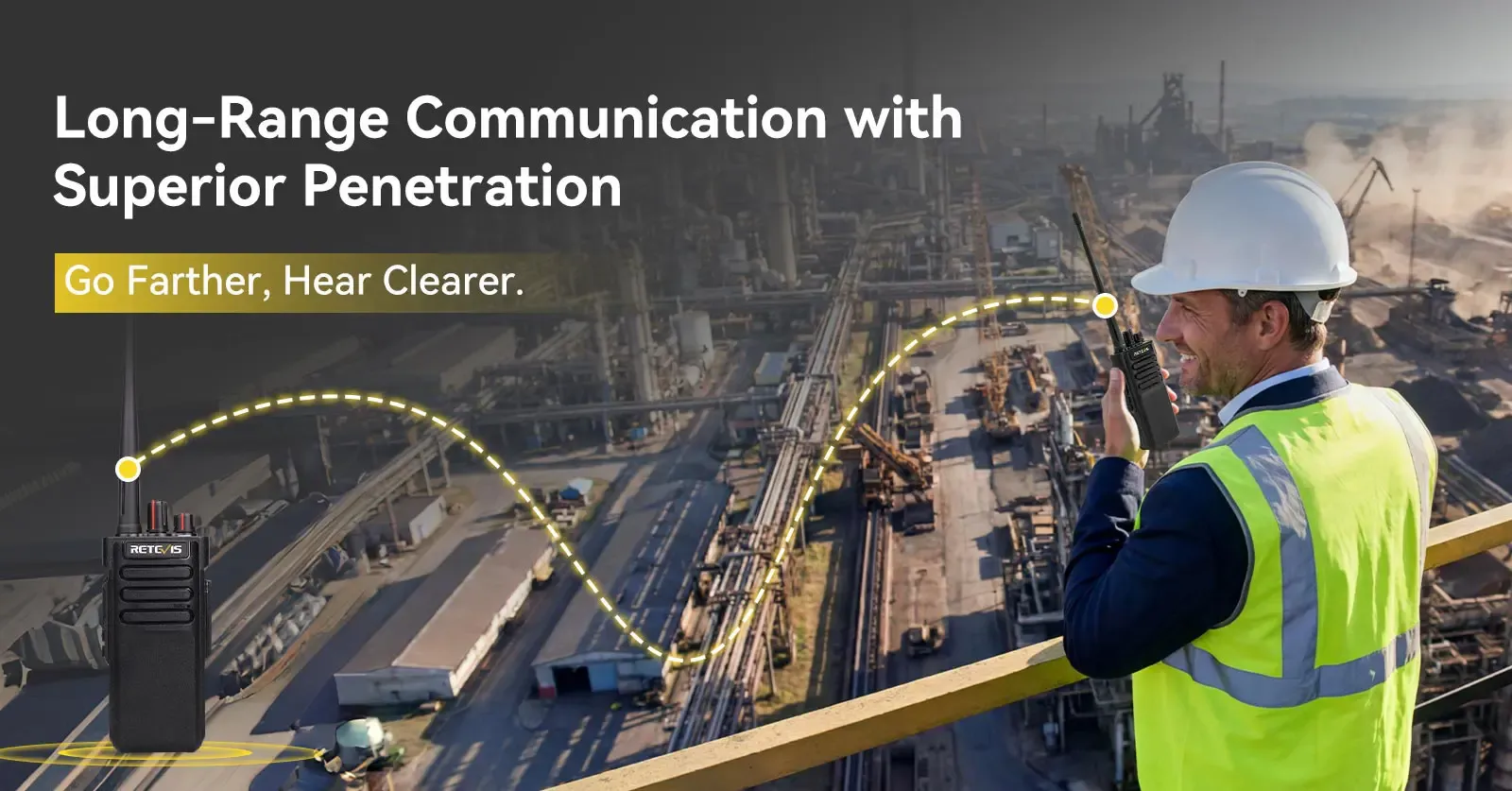
UHF radios are highly penetrating through walls and confined spaces, while VHF radios perform better in open areas. Choosing the right type of radio for the environment can reduce two-way radio interference and improve call clarity.
Proper Maintenance and Routine Inspections
Regular inspections are crucial. Dust, water ingress, or loose antennas can exacerbate interference. Regular maintenance ensures your radios are always in optimal condition, reducing unexpected downtime.
Investing in High-Quality Radios and Tools to Prevent Signal Interference
High-quality radios, equipped with built-in filters and robust designs, ensure stable radio signal transmission through steel and concrete; choosing appropriate RF interference shielding equipment and RF interference detectors improves communication efficiency and reduces safety risks during installation, improving your team coordination.
Real-World Cases and Case Studies
Let's illustrate this with a real-world example:
Event Management Sites
At large festivals or exhibitions, hundreds of radios compete for bandwidth. Organizers notice that LED lights on the main stage interfere with radio signals. Communication clarity was significantly improved through the introduction of shielding and channel management.
Large Construction Sites
A multi-story building project encountered signal outages in the basement and steel structure floors. Reliable jobsite radio signal coverage was restored by installing RF interference filters and strategically deploying antennas.
Industrial Factory and Warehouse
Forklifts, conveyor belts, and various mechanical equipment often generate electrostatic interference. The team used RF interference detectors to pinpoint the equipment causing strong interference and adjusted its operation, thus ensuring uninterrupted communication between shifts.
In conclusion
In busy workplaces, radio interference can become an obstacle to team coordination and communication. To maintain team connectivity, safety, and efficiency, and improve work productivity, it is essential to strategically deploy tools such as RF interference detectors and filters in advance, and to scientifically manage radio channels to mitigate signal interference from sources such as LEDs and electronic devices. Investing in durable, high-quality wireless equipment also improves return on investment and operational safety.
FAQs
What causes radio frequency interference?
Radio frequency interference can be caused by LED lights, electronic equipment, overlapping radio channels, and environmental obstacles like steel structures or concrete walls.
How can I fix interference on 2-way radios?
Use a radio frequency interference detector, implement shielding, adjust channel planning, and apply interference filters to restore clear signals.
How do I avoid frequency interference on busy construction sites?
Plan clear frequency channels, maintain proper equipment placement, shield radios from high-frequency sources, and use UHF/VHF radios suited for the environment.
Can LED lights cause radio interference?
Yes, LED lights can emit frequencies that disrupt walkie-talkie signals. Proper shielding or relocation of radios can resolve this issue.
What is a radio frequency interference filter?
It’s a device designed to block unwanted frequencies from entering a radio, reducing static and improving clarity.






 Google
 Amazon
Comments
No data Yet