

Table of Contents
How to Set Up Radios for Multiple Construction Crews: Fast Deployment for Peak Construction Season Crunches
- Posted by:Retevis
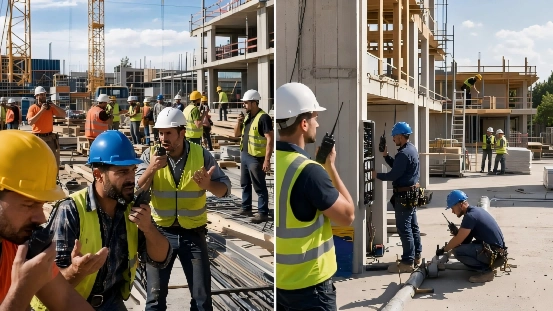
Peak construction season work crunches are standard across European construction sites. Concentrated project launches and tight delivery windows create hard, fixed deadlines. Teams bring in extra crews and temporary workers to hit targets on schedule. More workers and more parallel tasks put heavy pressure on on-site communication.
Many sites run into the same problem. Existing radio setups cannot keep up with expanded teams. Crews talk over each other on shared channels. Important management or safety messages get lost in routine work chatter. New temporary workers do not know channel rules.
This disorganization slows work for everyone. For site supervisors racing tight deadlines, these small delays quickly turn into missed milestones.
This guide explains how to set up radios for multiple construction crews without complex technical work. It covers a simple deployment framework, a proven channel plan, and clear management rules to keep communication orderly during peak construction season crunches.
Why Peak Construction Season Crew Expansion Breaks On-Site Communication
Short-term crew expansion creates unique communication challenges that do not appear on steady, long-term projects.
First, timelines leave no room for slow setup. Peak season deadlines are fixed. There is no extra time for slow equipment configuration or lengthy training. Every hour spent fixing communication issues takes time away from construction work.
Second, mixed experience levels create inconsistency. Temporary workers may have never used the site’s radio model before. They may speak different first languages and have limited onboarding time. Without clear, simple rules, they misuse channels or miss important calls.
Third, basic channel setups cannot handle more trades. Many smaller sites run all work on one or two channels for simplicity. This works for small crews. When 3 to 5 extra trade teams join for a crunch, constant cross-talk blocks critical updates. Safety alerts and management direction get buried under routine chatter, creating productivity losses and safety risks.
Finally, rushed deployment leads to lasting chaos. Teams often hand out radios with no clear channel plan just to get people on site fast. This confusion lasts for the full crunch period, with constant channel switching and missed messages eating into productivity.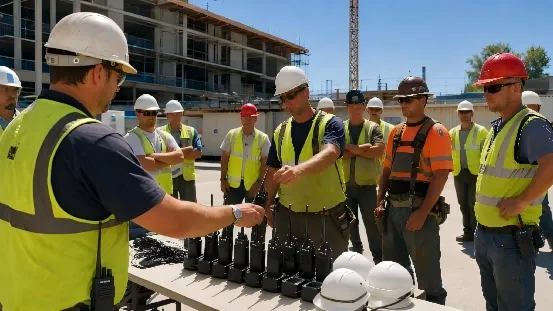
3-Step Fast Deployment Framework for Temporary Crew Expansion
This framework focuses on process and responsibility, not technical programming steps. It works for teams of any size and gets full crew communication ready as quickly as possible.
- Allocate devices by crew and role
Assign fixed radio batches to each trade crew. Label every unit clearly with its crew and channel assignment, so workers can grab the right device immediately. Set aside 10 to 15 percent of devices as backups for supervisors, safety officers, and last-minute hires. This prevents device shortages and reduces handoff confusion between shifts.
- Pre-configure all channels in bulk
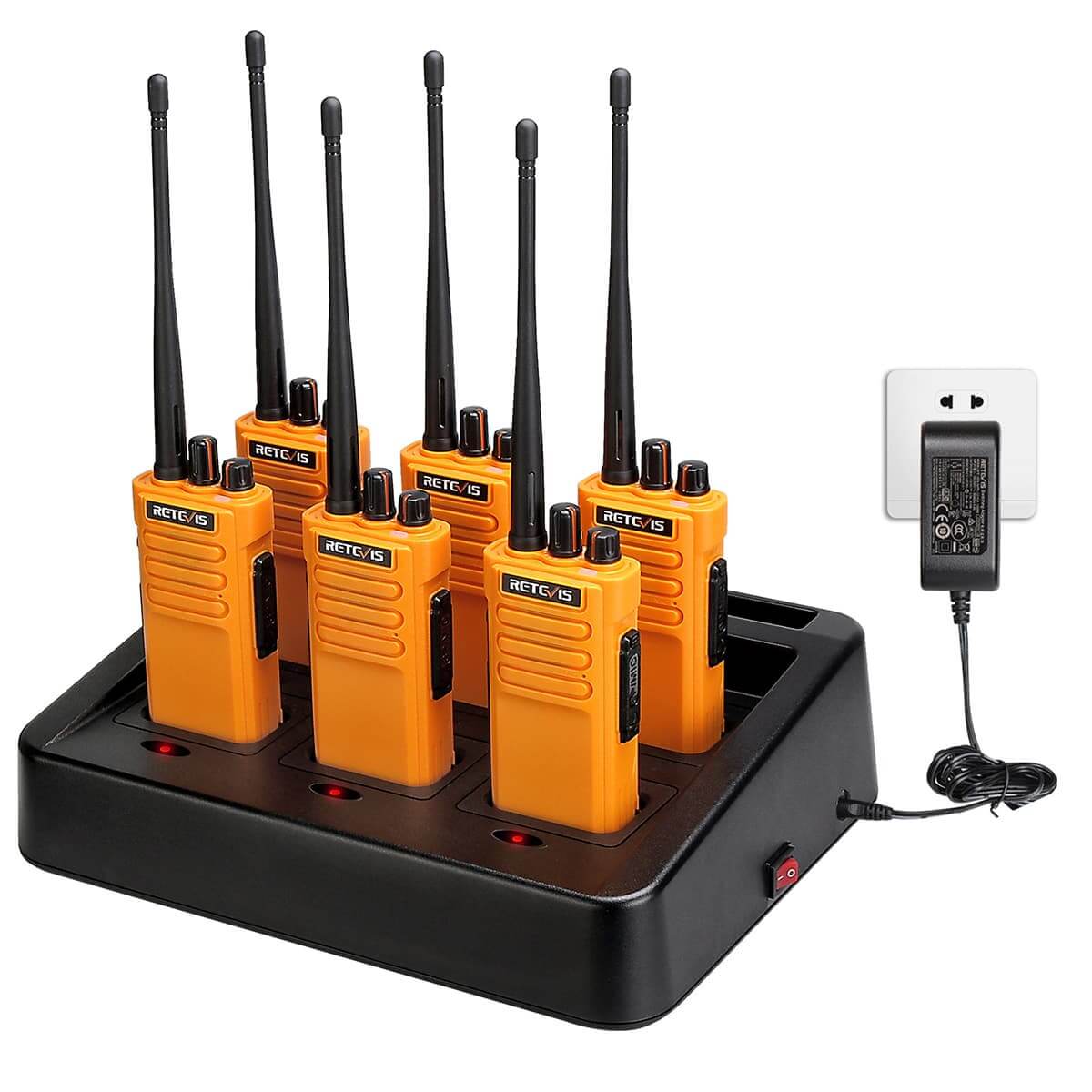
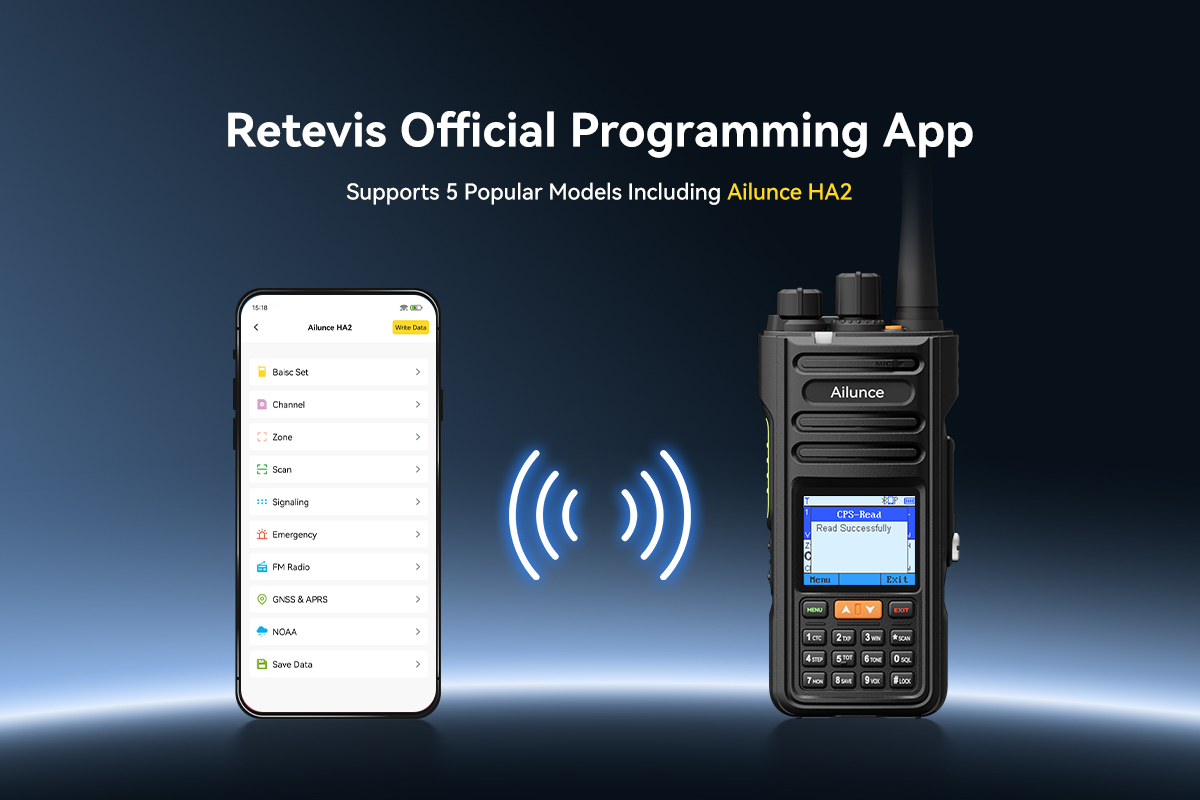
Set up all channels and settings before handing radios out. Use computer-based programming to apply identical settings to all units at once. This stops workers from accidentally changing channels or adjusting settings on shift. It also cuts setup time from hours to minutes by removing individual radio programming. All units follow the same plan, so there is no mismatch across crews.
- Deliver minimal, role-based training
Skip full feature training for temporary workers. Most crews only use 2 to 3 channels and basic call functions. Teach workers only what they need for their role: their team’s channel, how to make a call, and how to switch to the safety channel for emergencies. Use simple visual guides for multilingual crews. This gets workers up to speed in 10 minutes or less with no unnecessary technical detail.
Standard Channel Plan for Multi-Crew Construction Sites
This 4-tier structure works for most residential and commercial build sites. It separates communication by purpose, eliminates cross-talk, and leaves room for last-minute expansion.
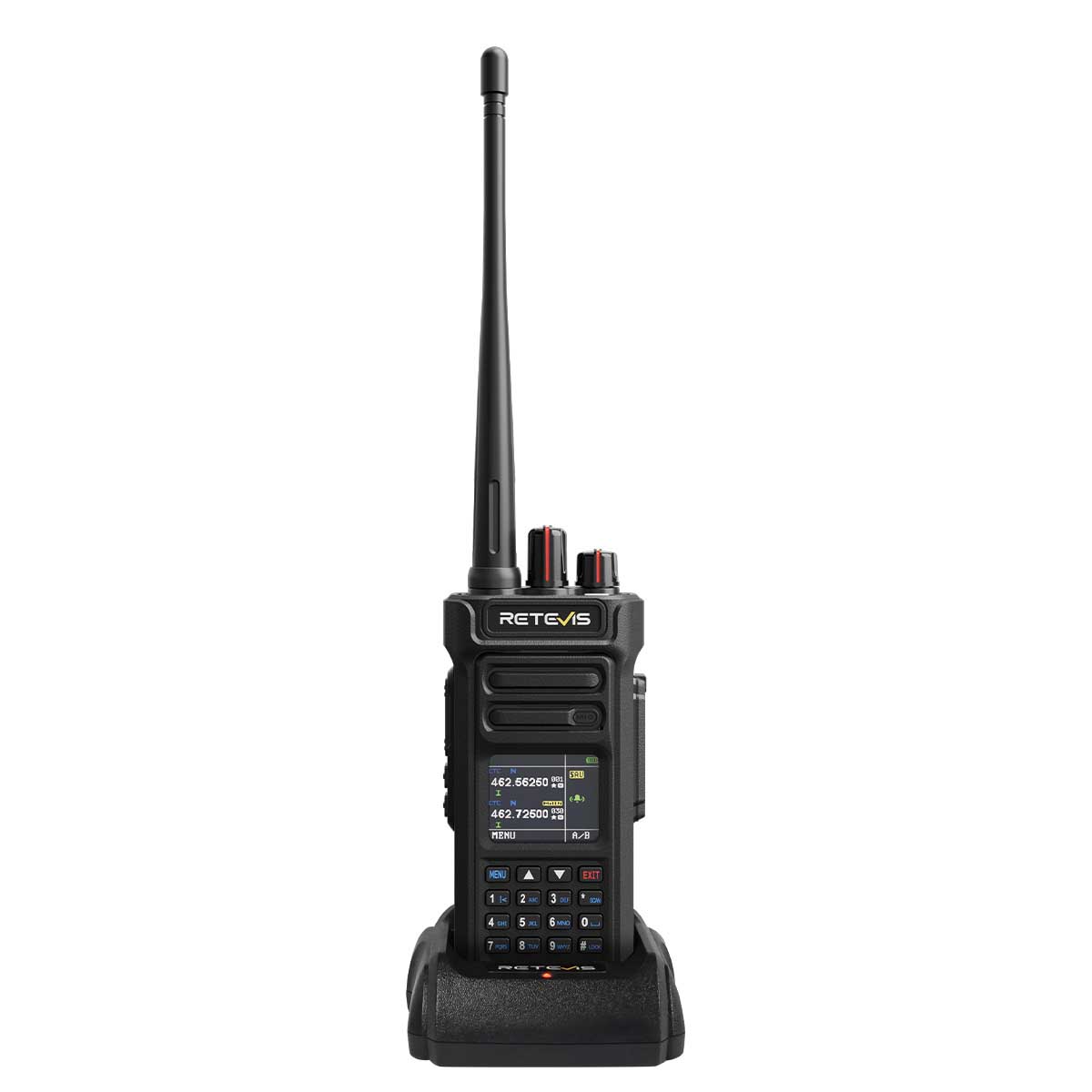
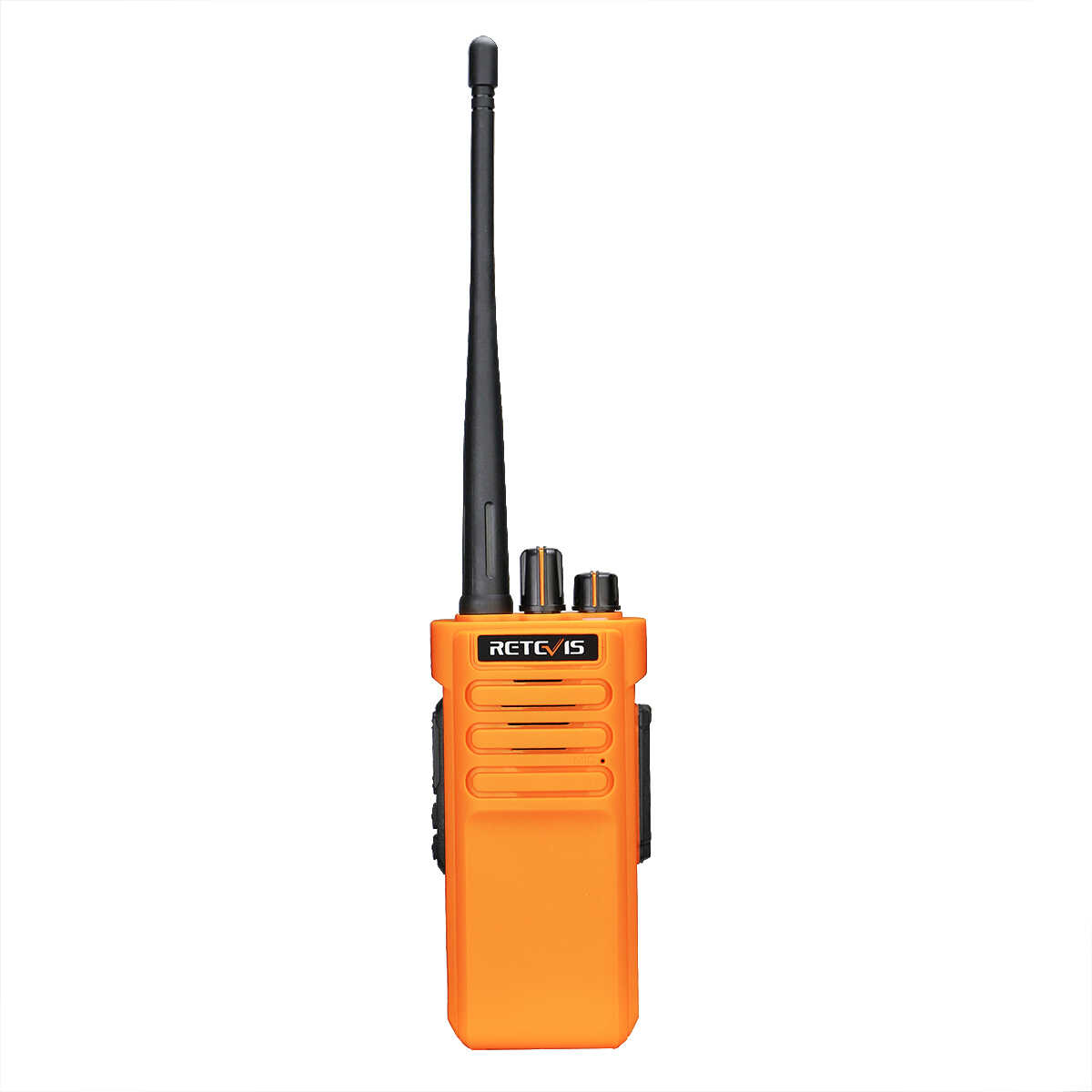
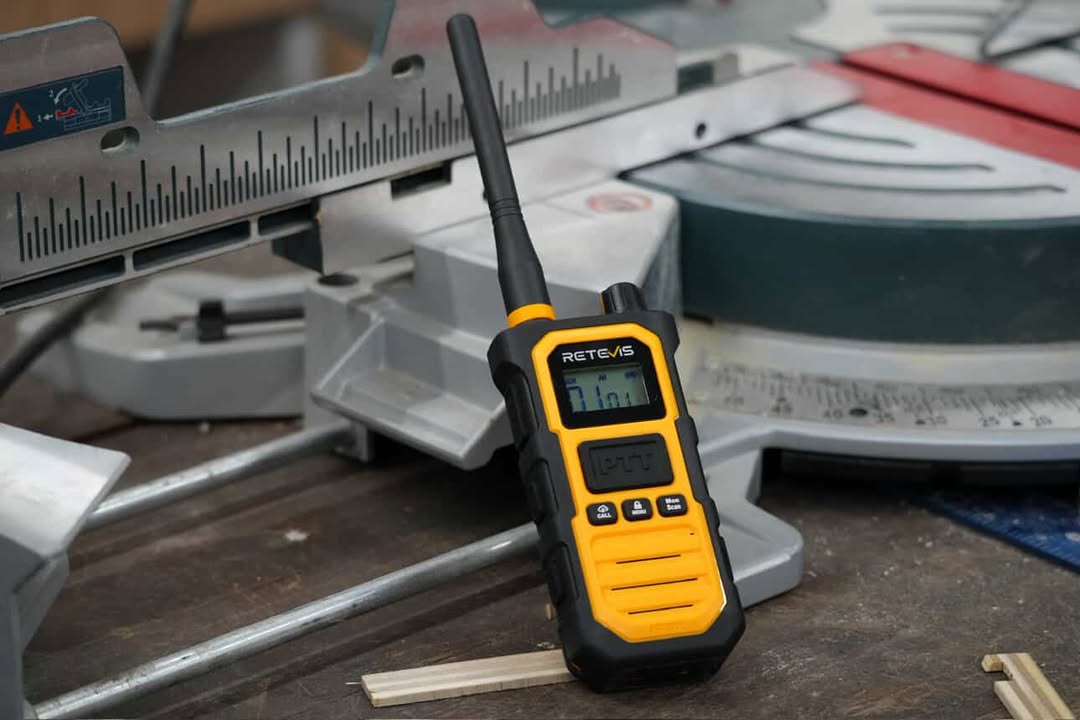
The Retevis RT29’s 16-channel capacity supports this full plan with extra room for future growth.
Channel 1: Site Management Channel
Reserved only for site supervisors, foremen and project leads. Used for cross-crew scheduling, milestone updates, and high-level coordination.
No frontline crew traffic is allowed here. This ensures management messages always get through, without being blocked by routine work talk.
Channels 2–8: Trade-specific Work Channels
Assign one dedicated channel to each active trade: framing, electrical, plumbing, concrete, finishing, and so on. Crews use their own channel for all internal task coordination.
This removes cross-trade chatter and lets each team work at their own pace without interruptions.
Channel 9: Site Safety Channel
Dedicated fully to safety alerts, emergency calls, and hazard announcements. All workers monitor this channel alongside their work channel. No routine work discussion is allowed here.
This structure aligns with EU construction safety standards and ensures emergency messages reach every crew immediately.
Channels 10–16: Backup and Special Task Channels
Keep these channels open for temporary use. They work for extra subcontractors, special delivery coordination, or isolated task teams that join mid-project.
Reserved backup channels mean supervisors never have to rearrange the full plan when last-minute crews join for a peak season crunch.
3 Rules to Keep Multi-Crew Communication Clear
Even the best channel plan fails without basic ground rules. These three simple rules prevent most common communication chaos on busy sites.
- Enforce strict channel access rules
Make it clear which crews use which channels, and what each channel is for. Ban casual chatter on management and safety channels. Remind crews daily during pre-shift briefings. Consistent enforcement prevents overcrowding and keeps critical lines open.
- Use short, standardized call format
Ask all workers to start calls with their name or crew. Keep messages short and work-focused. This reduces channel hold time and cuts down on misunderstandings. Shorter calls mean less wait time for other crews using the same channel.
- Keep channel settings centrally controlled
Do not let individual workers change channels or adjust settings on their own. All programming changes go through one designated person on site. This prevents accidental channel switches and keeps the entire site on the same agreed plan.
What to Look For in Radios for Multi-Crew Fast Deployment
Not all radios support fast, flexible multi-crew deployment. Focus on these core capabilities to make the channel plan work smoothly.
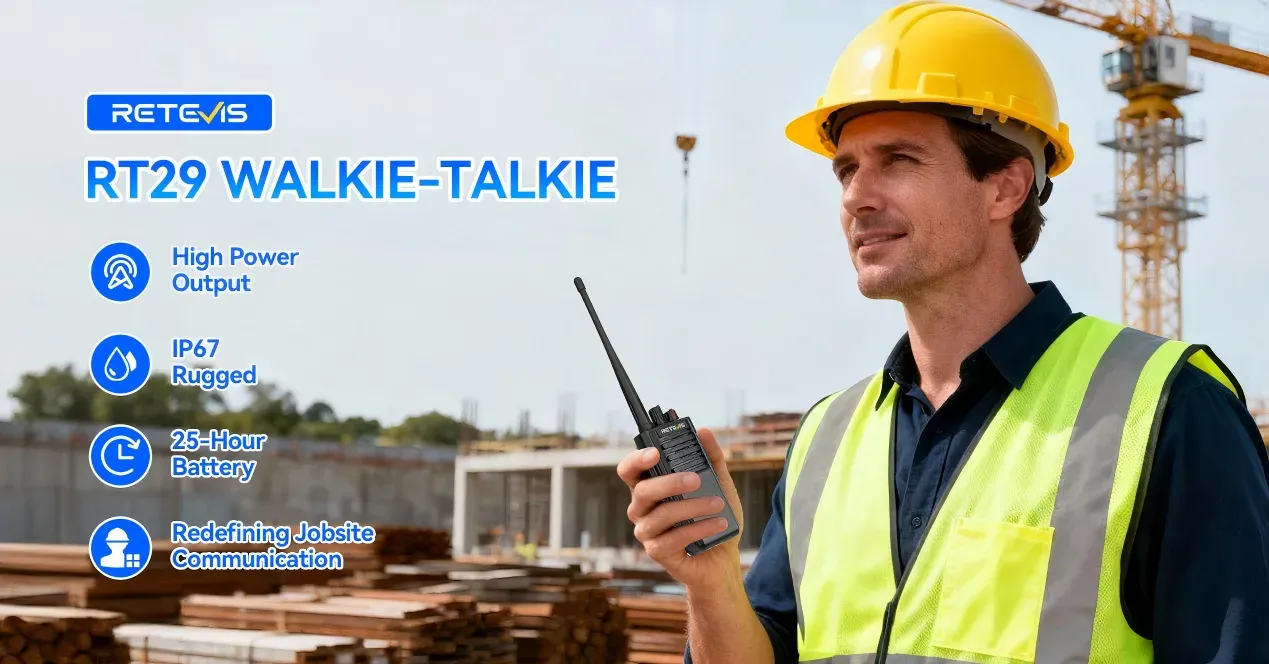
First, sufficient channel capacity. 16-channel radios provide enough room for dedicated management, safety, trade, and backup channels. The Retevis RT29 offers 16 fully programmable channels, working for both small residential sites and larger commercial projects with multiple crews.
Second, bulk programming support. Computer-based programming lets teams set up dozens of radios with the same channel plan in one session. This is the only practical way to deploy many temporary devices quickly ahead of a peak construction season crunch.
Third, reliable all-day battery life. Extra shifts and long hours are standard during peak construction season crunches. Radios need to last full 10 to 12-hour shifts without mid-day charges, so crews do not lose communication time during peak work.
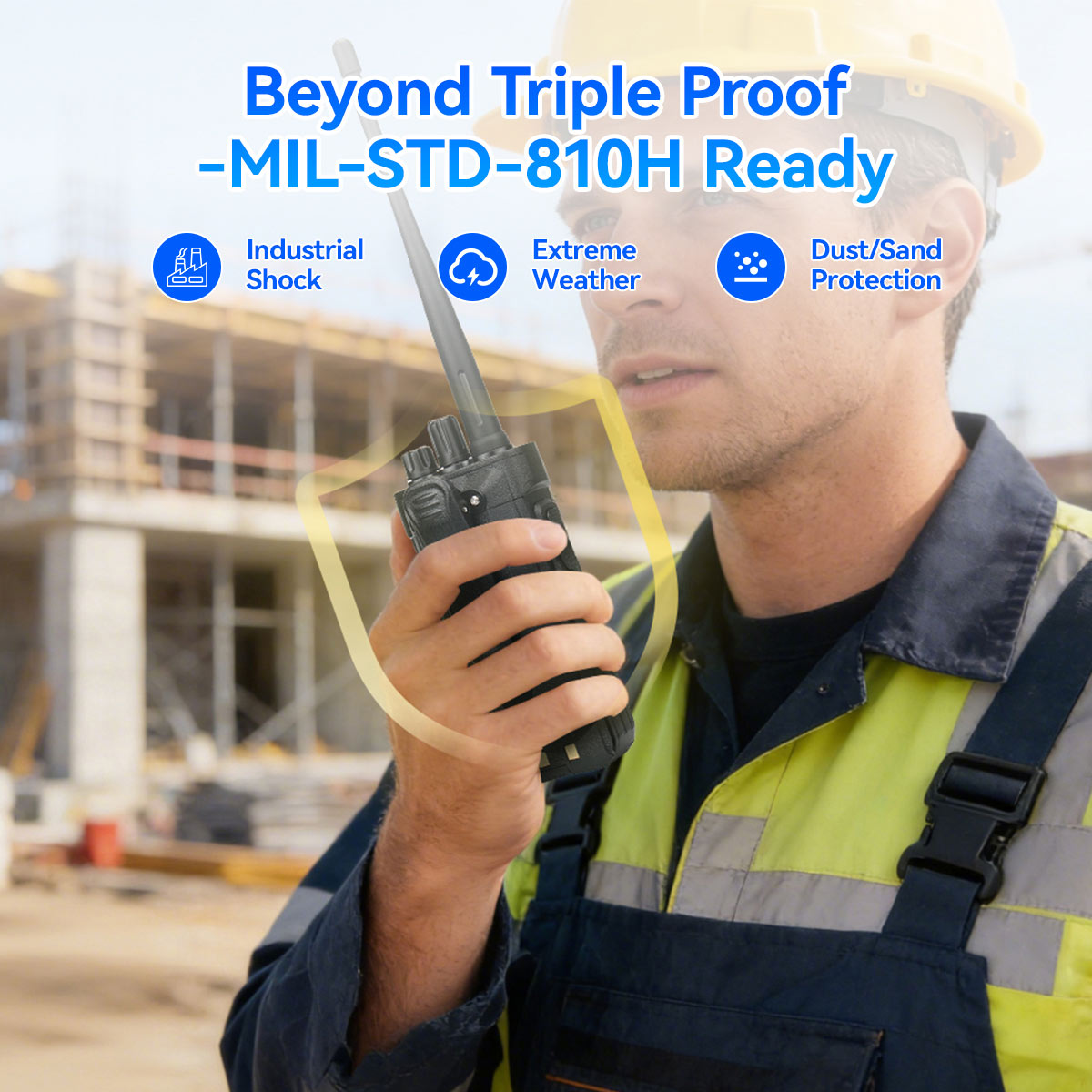
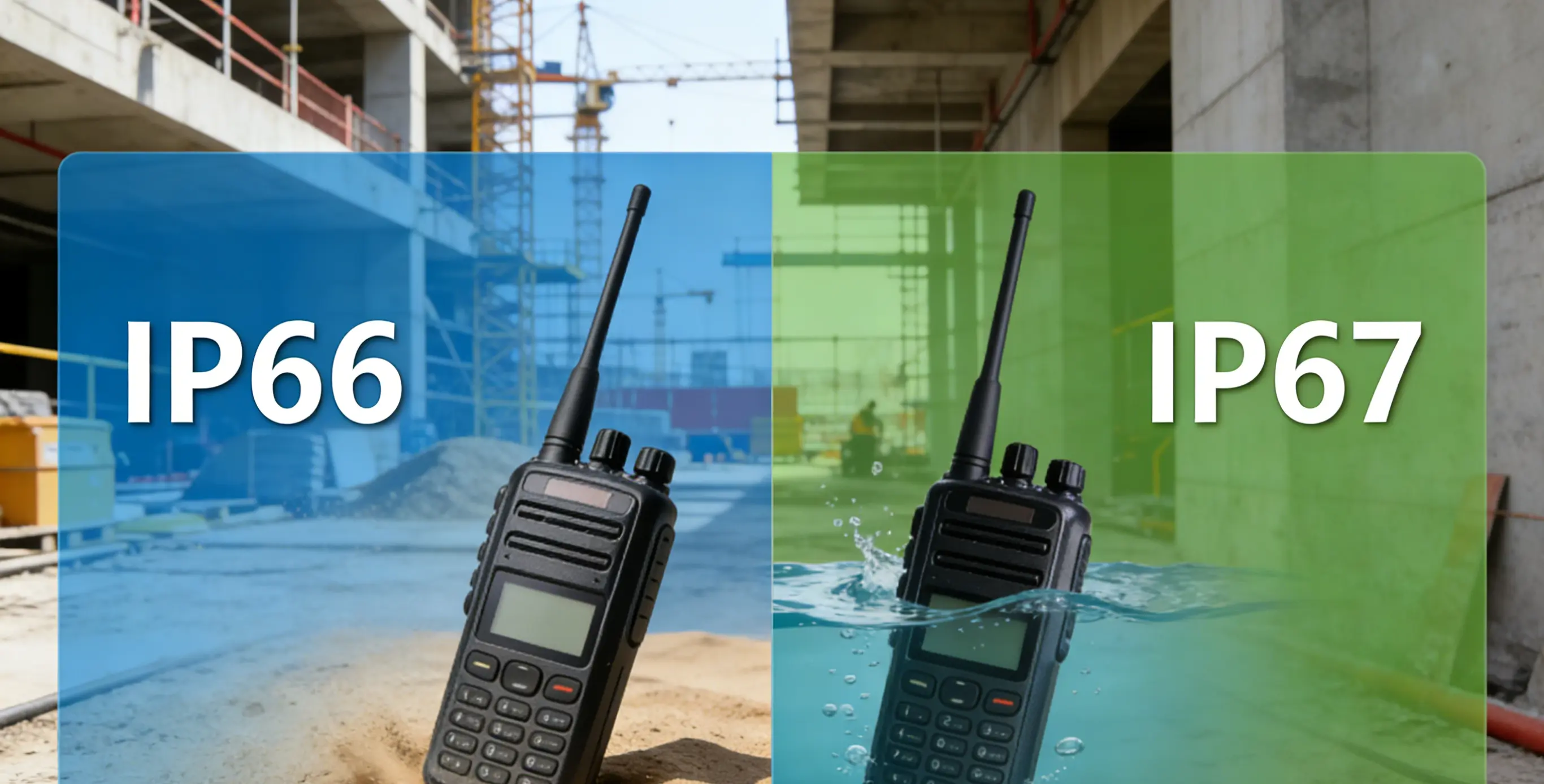
Fourth, rugged build quality. Temporary crews may handle devices less carefully than permanent staff. Dust and drop resistance keeps units working reliably through the crunch period, reducing breakdowns and replacements.
Frequently Asked Questions
Do we really need 16 channels if we only have 5 crews?
Reserving backup channels prevents costly reconfiguration when last-minute subcontractors or special teams join. Extra capacity means you can expand teams without rebuilding your entire communication plan mid-project.
How do we handle temporary workers with language barriers?
Use visual channel labels with icons or numbers instead of long text. Train only the 2 to 3 core functions each worker needs. Most temporary workers can master basic radio use in under 10 minutes with role-specific instruction.
Can this plan work for double-shift peak season crunches?
Yes. Assign fixed radio sets to each shift, instead of assigning them to individual workers. Charge all units between shifts. Keep the same channel plan across both shifts. This creates consistency and reduces handoff confusion.
Final Thoughts
Peak construction season crunches leave no room for disorganized communication. Learning how to set up radios for multiple construction crews relies on three core pieces: a fast structured deployment process, a clear tiered channel plan, and simple enforced communication rules.
Site supervisors who follow this plan cut cross-talk confusion, get temporary crews operational faster, and keep safety and management messages visible at all times. This directly helps teams hit tight peak season project deadlines without unnecessary delays.
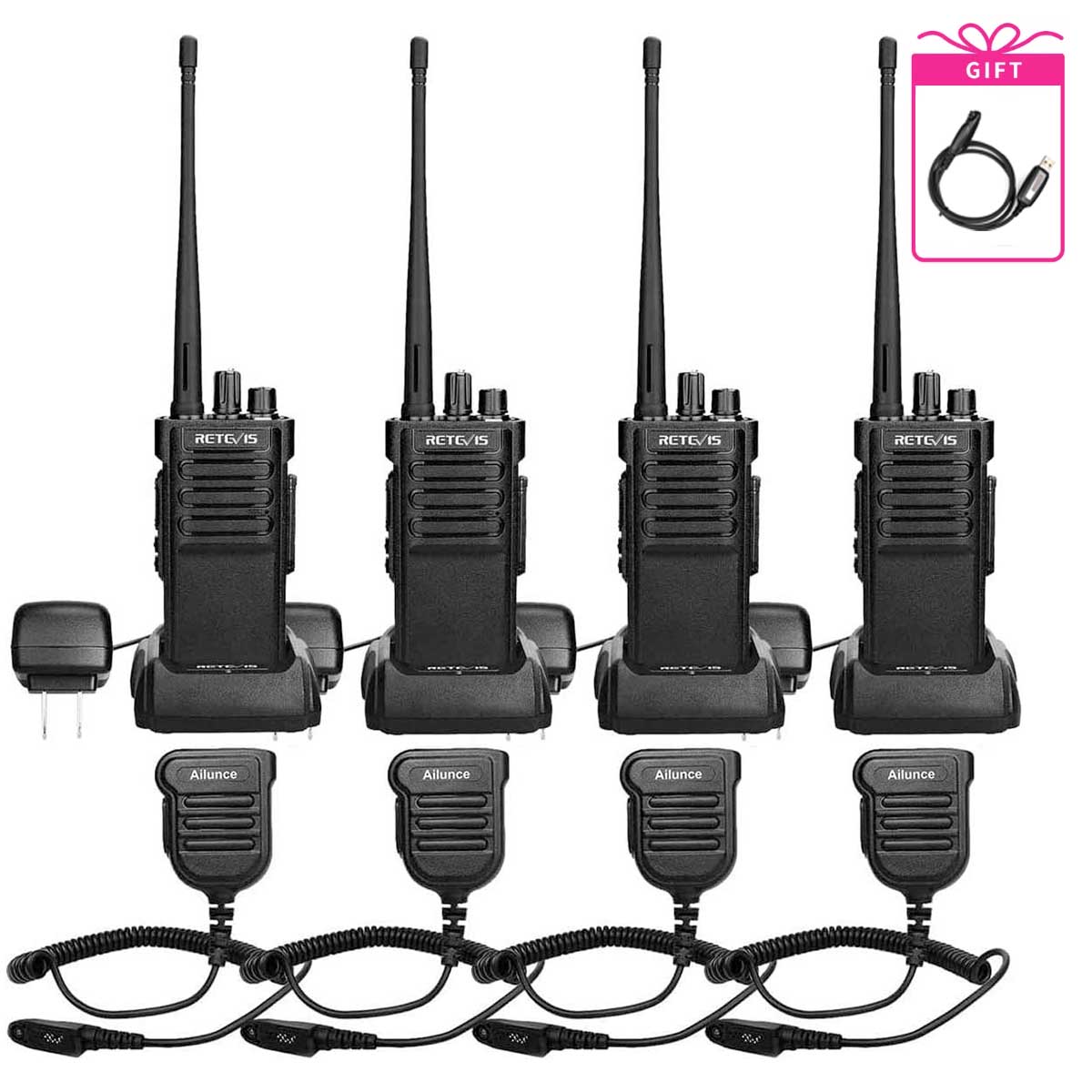
The RT29 supports this full multi-crew plan with 16 programmable channels, bulk programming capability, and long battery life for extended shifts. Full specifications are available on the product page.
Our next article in this series will cover off-peak period radio storage and maintenance best practices, to help teams keep equipment in good condition over extended work lulls.







 Google
 Amazon
Comments
No data Yet