

Table of Contents
What Is a Single Frequency Repeater? Retevis P1 DMR SFR Function Explained | Retevis Blog
- Posted by:Retevis
- 1 Comments
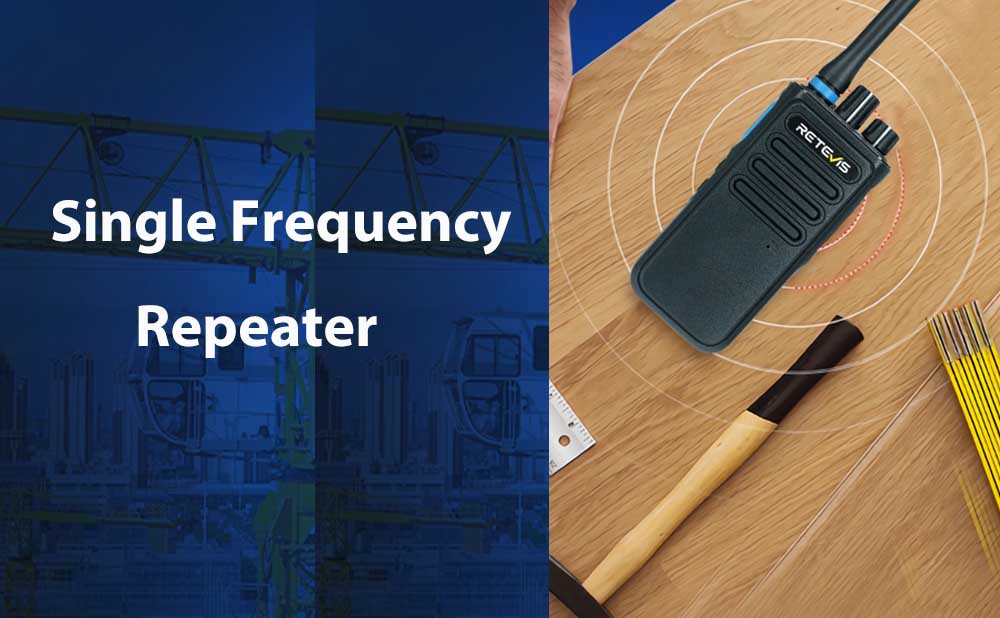
In digital mobile radio (DMR) communication, extending coverage is important for teams working across large or challenging areas. A single frequency repeater (SFR) provides a practical way to extend communication coverage without the infrastructure of a traditional repeater.
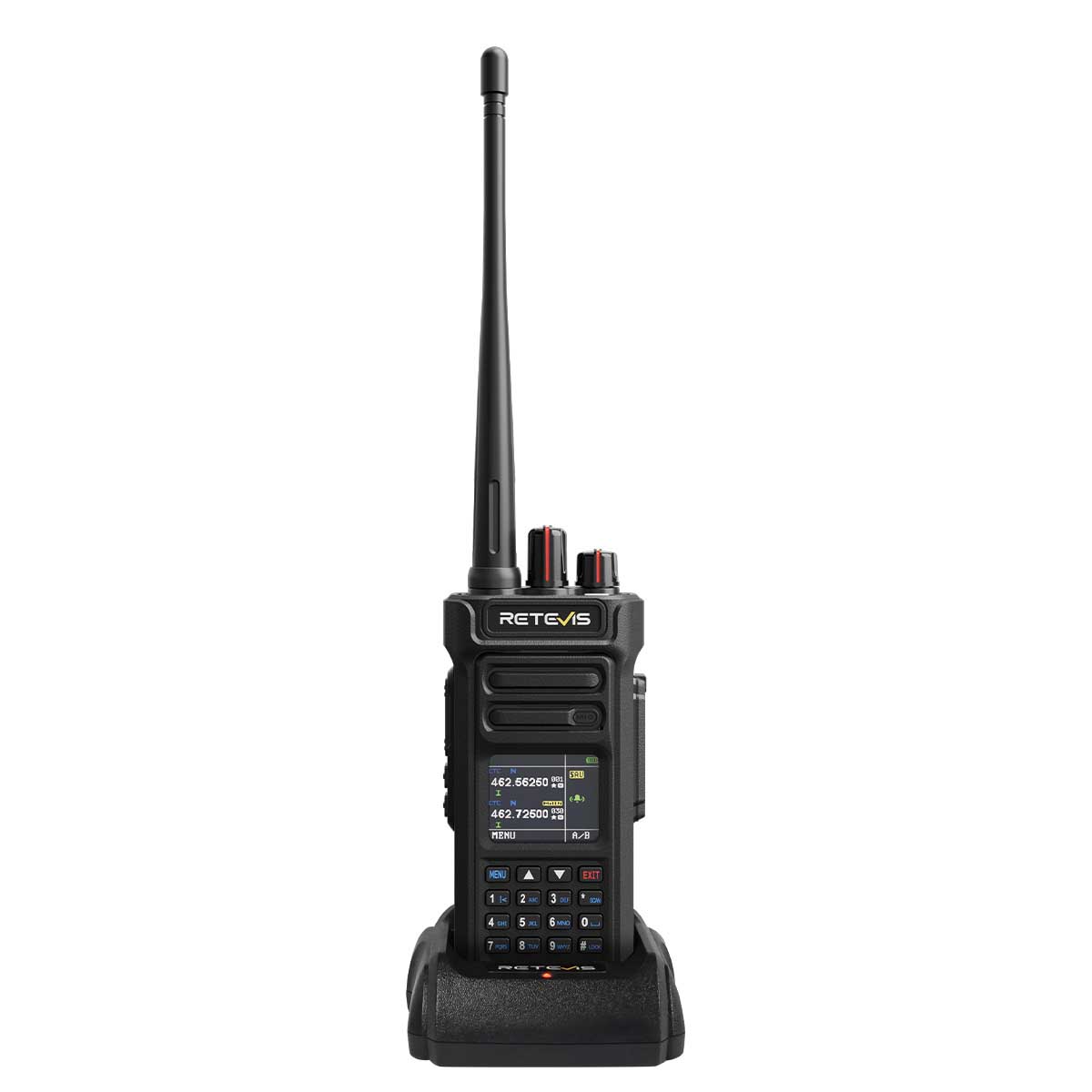
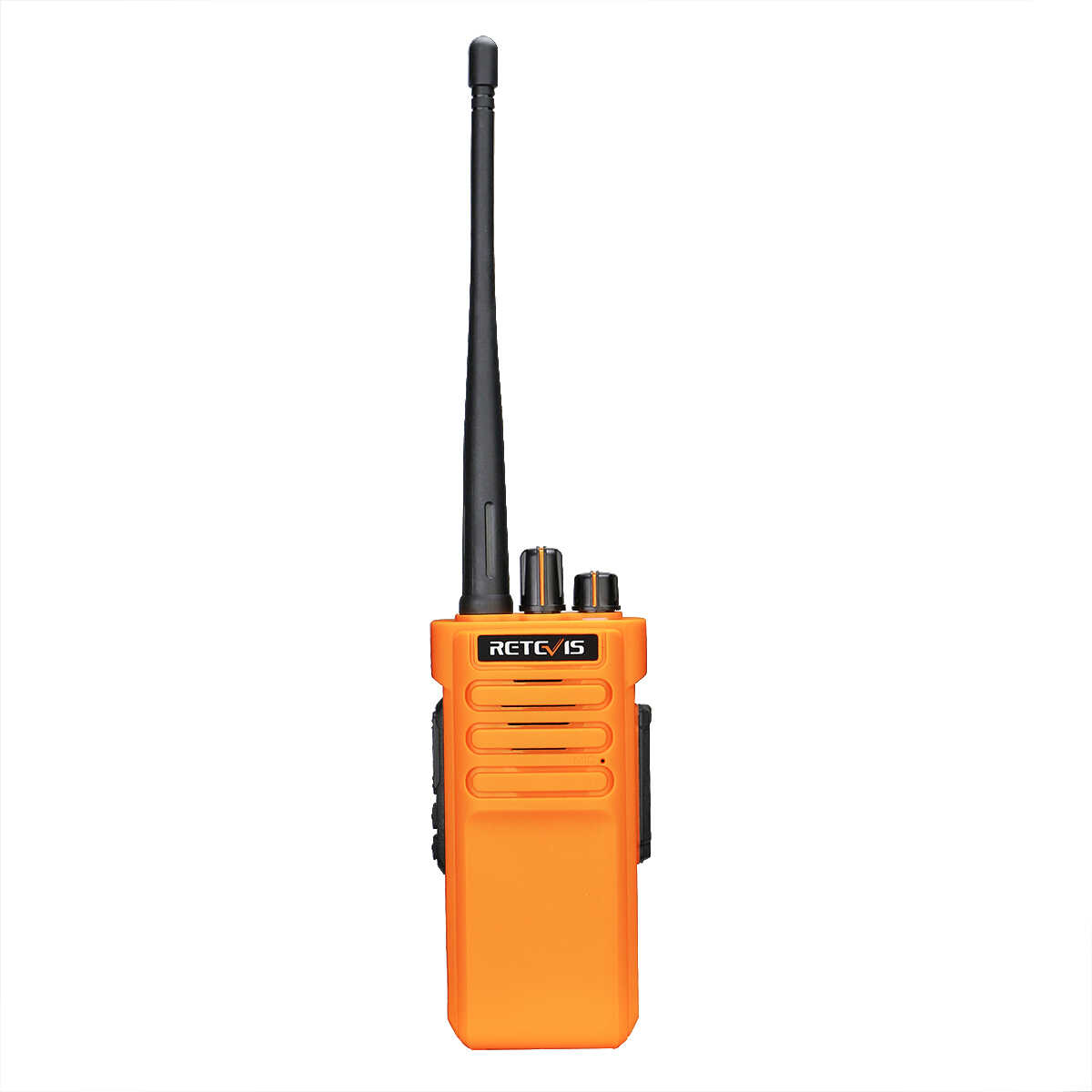
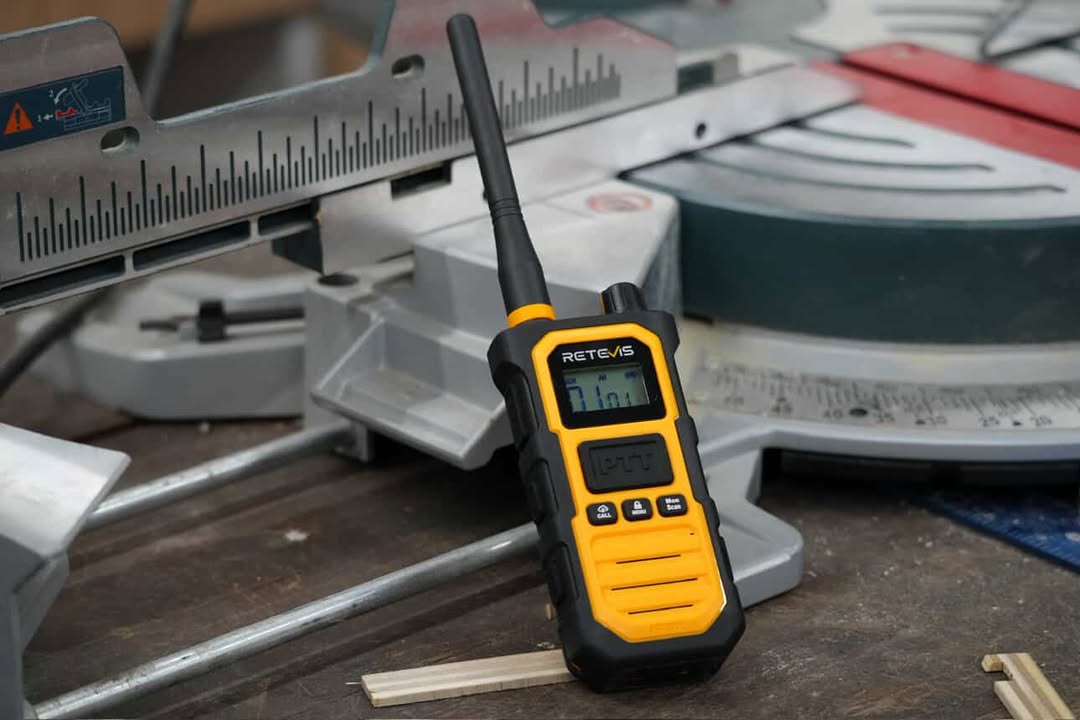
The Retevis P1 is a UHF DMR radio with a built-in single frequency repeater function, combining long-range communication, rugged construction, clear audio, and group communication for professional and outdoor use.
What Is a Single Frequency Repeater?
A single frequency repeater allows compatible DMR radios to relay communication using the same frequency, rather than requiring separate transmit and receive frequencies like a conventional DMR repeater.
In repeater mode, one compatible radio acts as the relay. It receives a digital transmission and retransmits it, helping other radios communicate when distance, buildings, or terrain make direct communication difficult.
How Does a DMR Single Frequency Repeater Work?
A basic SFR communication setup works like this:
Radio A → P1 in SFR Mode → Radio B
The P1 receives the digital signal from one radio and relays it to another compatible radio. This creates an additional communication path without requiring a dedicated repeater unit.
Note: SFR does not simply increase the radio's transmit power. It extends practical communication coverage by adding a relay point between radios.
For a practical demonstration, see our video and guide on operating the P1 single frequency repeater function.
Learn more: How to Operate the Single-Frequency Relay Function of P1
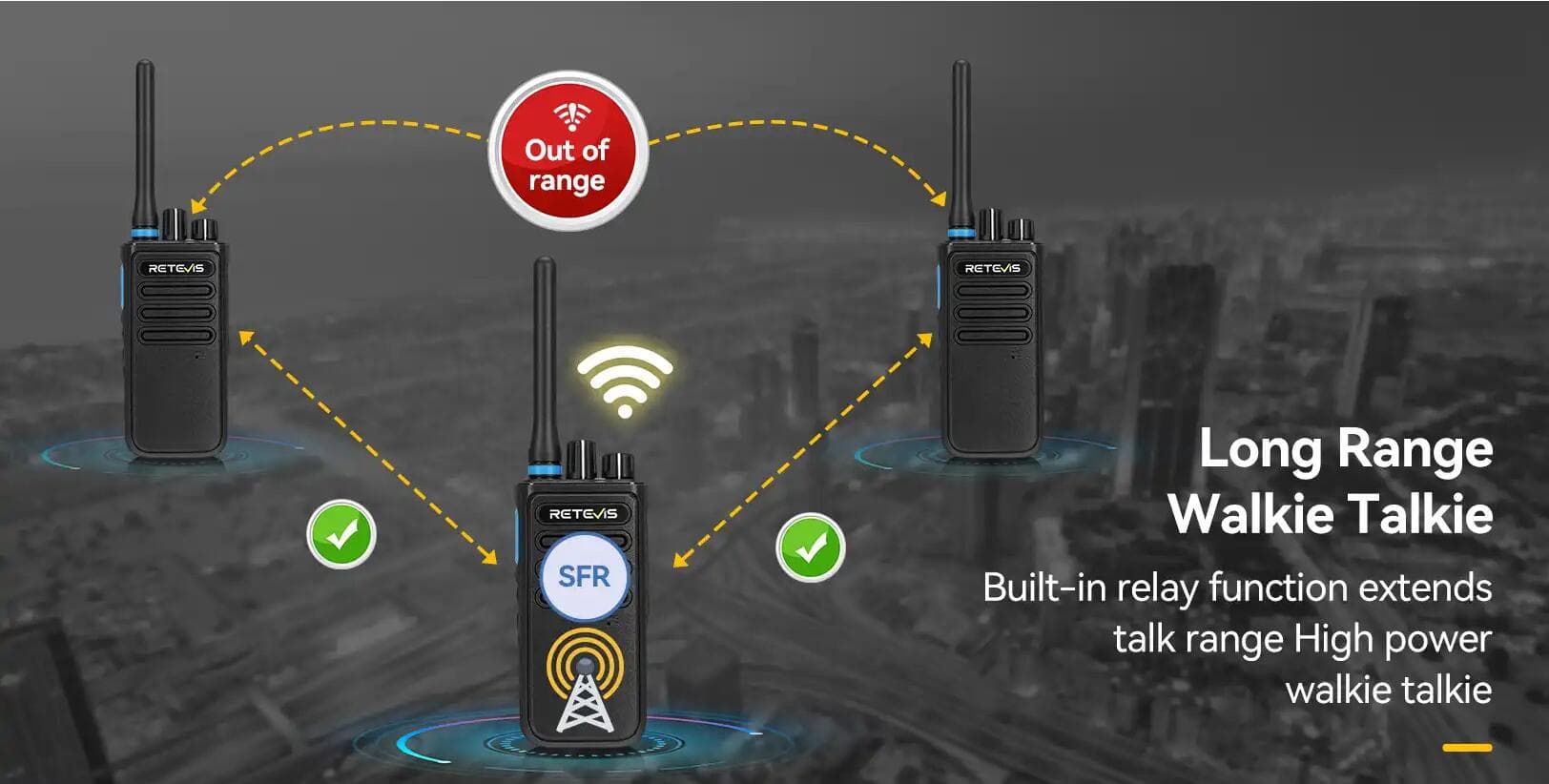
Retevis P1 DMR Radio with SFR Repeater Function
The Retevis P1 integrates SFR capability into a portable DMR handheld radio, making it useful when a temporary or mobile relay point is needed.
Key Features of Retevis P1
- Single Frequency Repeater: Helps extend communication coverage without a dedicated repeater.
- DMR Digital Communication: Supports clear and organized team communication.
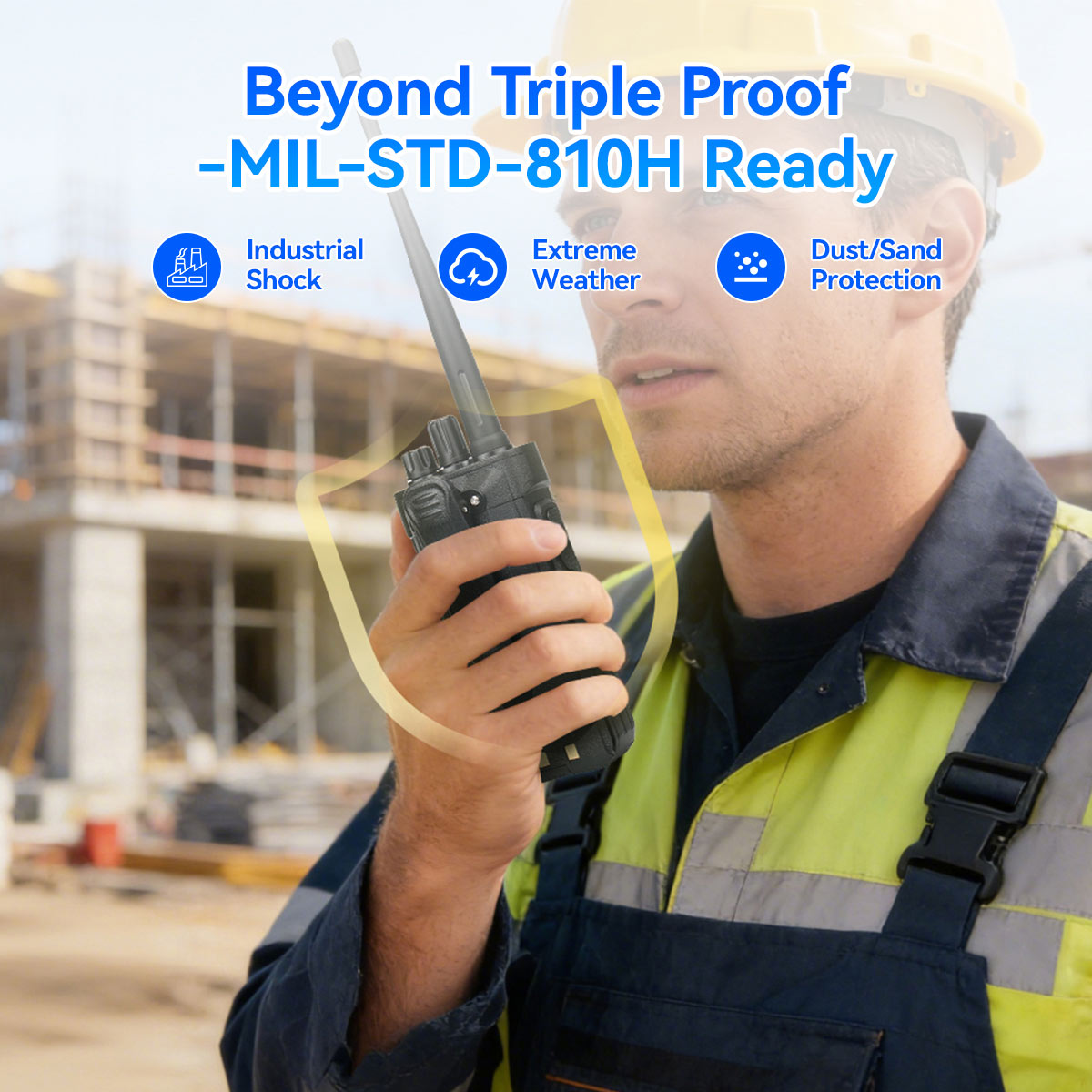
- Rugged Design: Suitable for demanding environments and field operations.
- Group Calls: Helps teams organize communication by department, location, or work group.
- High-Capacity Battery: Supports extended field operation.
How to Verify SFR Compatibility
Before using a DMR radio repeater setup, make sure the radios are configured with compatible DMR parameters. Check:
- Frequency: Use the required operating frequency.
- Color Code: Configure the same DMR color code.
- Time Slot: Confirm the appropriate time-slot setting.
- Talk Group: Use the required talk group configuration.
- SFR Support: The relay radio must specifically support single frequency repeater operation.
Compatibility should be confirmed using the radio's programming information or manufacturer's documentation rather than assuming that all DMR radios support SFR.
SFR Repeater vs. Traditional DMR Repeater
|
Feature |
SFR Repeater |
Traditional DMR Repeater |
|
Frequency |
Single frequency |
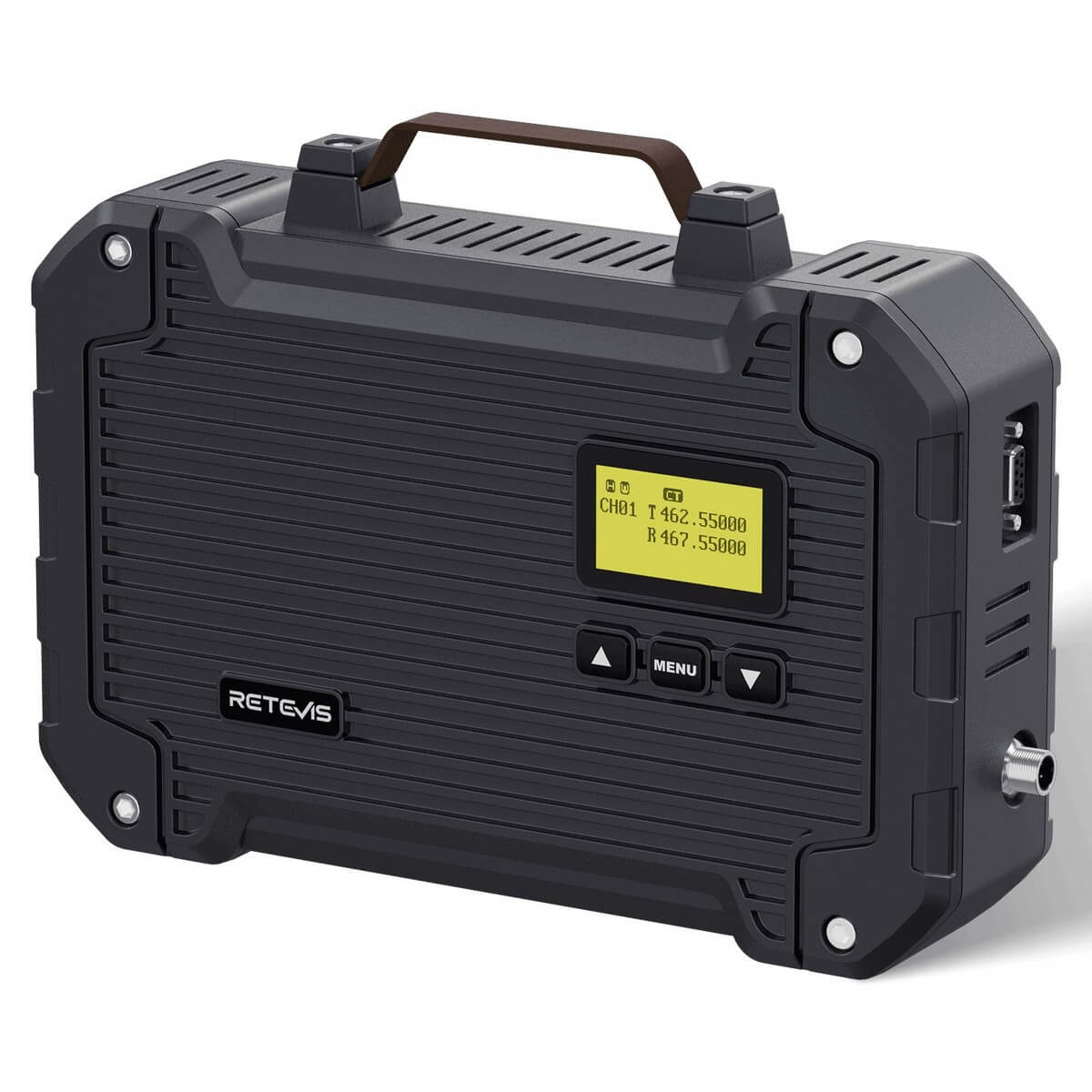
Separate transmit/receive frequencies |
|
Equipment |
Compatible DMR radio |
Dedicated repeater |
|
Deployment |
Portable and flexible |
Usually fixed |
|
Best for |
Temporary or field coverage |
Permanent communication networks |
An SFR repeater is particularly useful when portability and quick deployment are important. A dedicated DMR repeater may be more suitable for permanent networks or larger communication systems.
Applications of Retevis P1
The Retevis P1 can be used in environments where reliable team communication and flexible coverage are important:
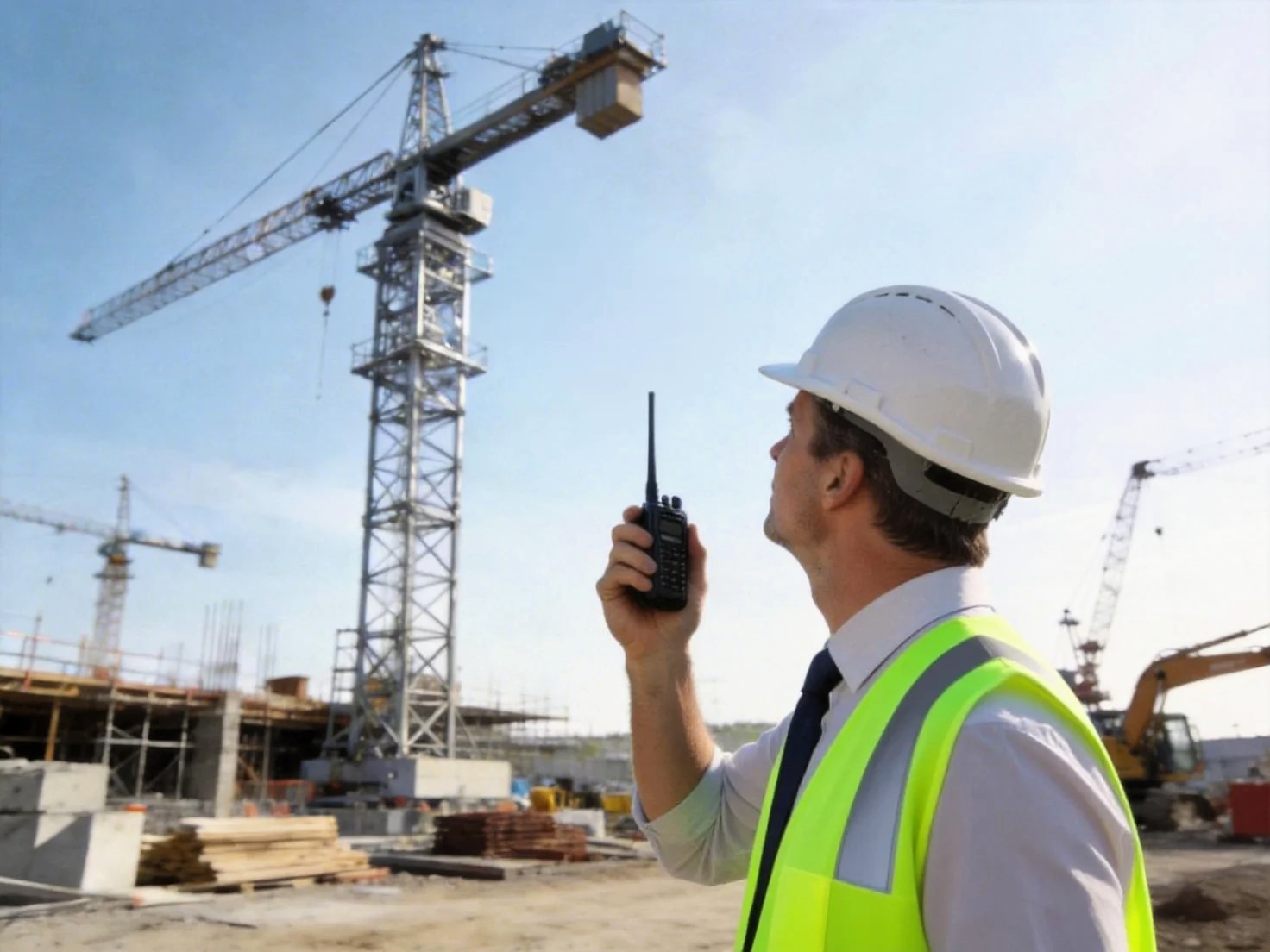
- Construction Sites: Extend communication between teams working across large sites or around obstacles.
- Farms and Large Properties: Support communication across wider working areas with group calling.
- Hotels and Business Sites: Organize communication between departments, floors, or work areas.
- Outdoor Operations: Provide a portable relay option for field activities where fixed repeater infrastructure is unavailable.
FAQ About DMR Single Frequency Repeaters
What is a repeater in DMR?
A DMR repeater receives and retransmits radio signals to help extend practical communication coverage.
Can any DMR radio work as an SFR repeater?
No. The radio must specifically support SFR or compatible repeater functionality, and the radios must use compatible DMR parameters.
Does an SFR repeater increase radio range?
It can extend practical communication coverage by providing a relay point. Actual coverage depends on terrain, buildings, antenna position, transmit power, and other RF conditions.
What is the difference between an SFR repeater and a DMR repeater?
An SFR repeater uses a single frequency and can be implemented with a compatible radio, while a conventional DMR repeater typically uses separate transmit and receive frequencies and dedicated repeater equipment.
How do I use the Retevis P1 in repeater mode?
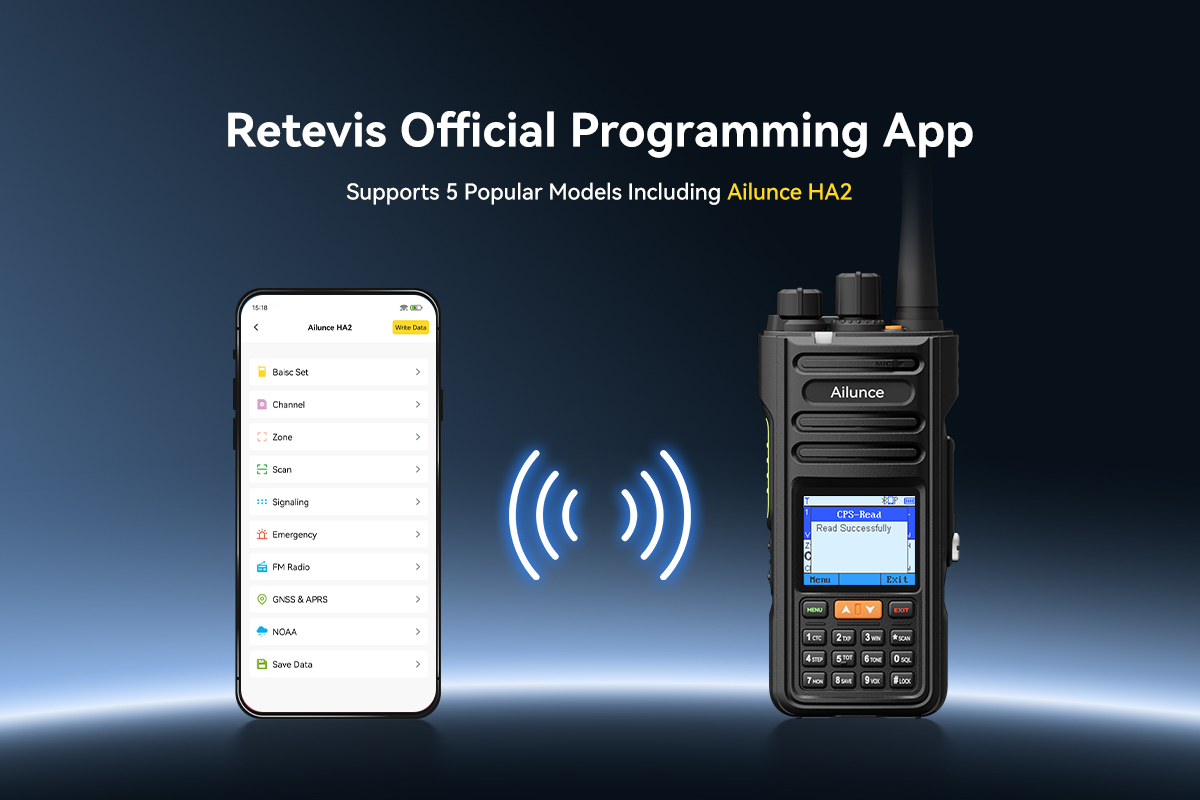
The P1 must first be programmed with the appropriate parameters before entering SFR/repeater mode. Follow the official P1 operating guide for the setup procedure.
Choose the Right P1 Bundle
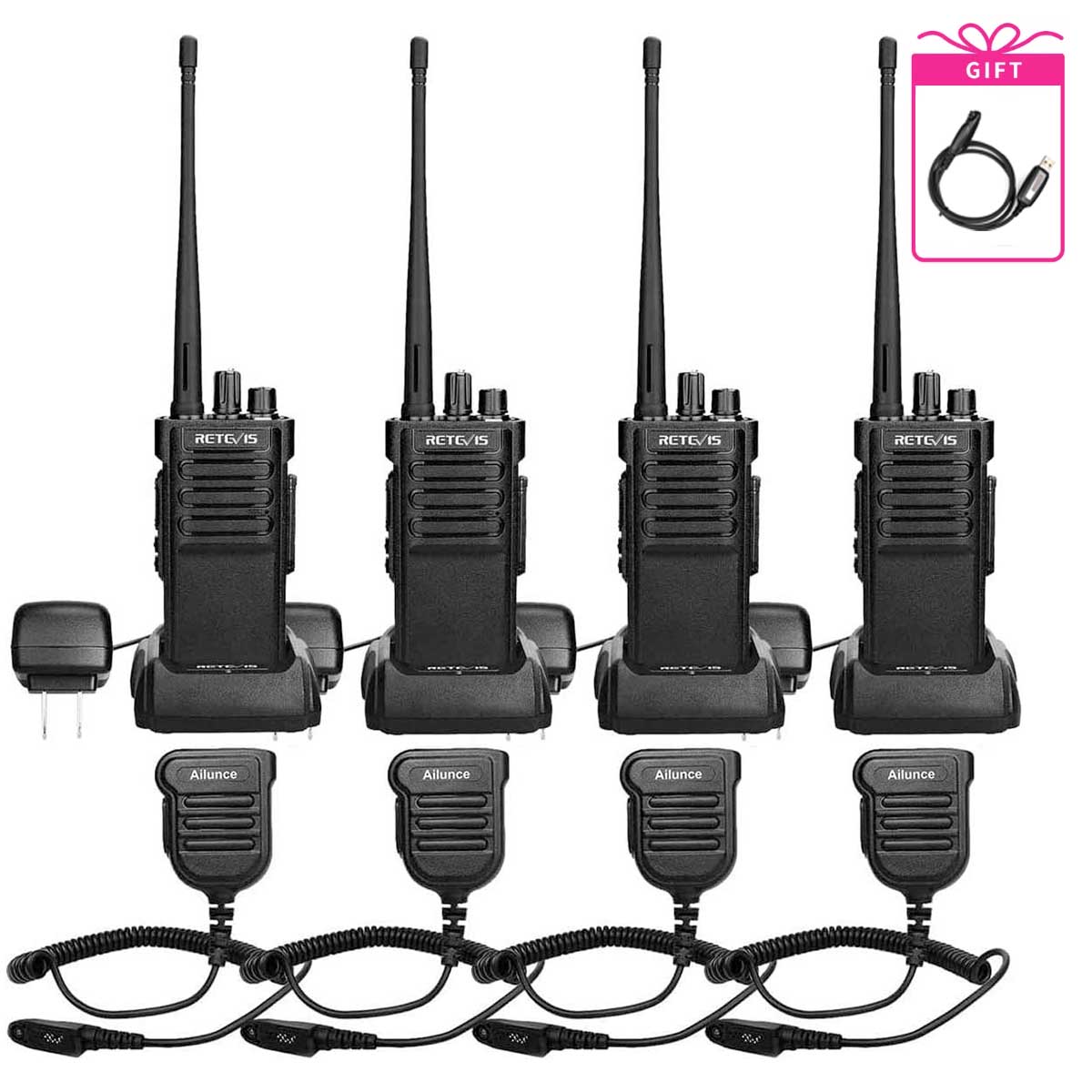
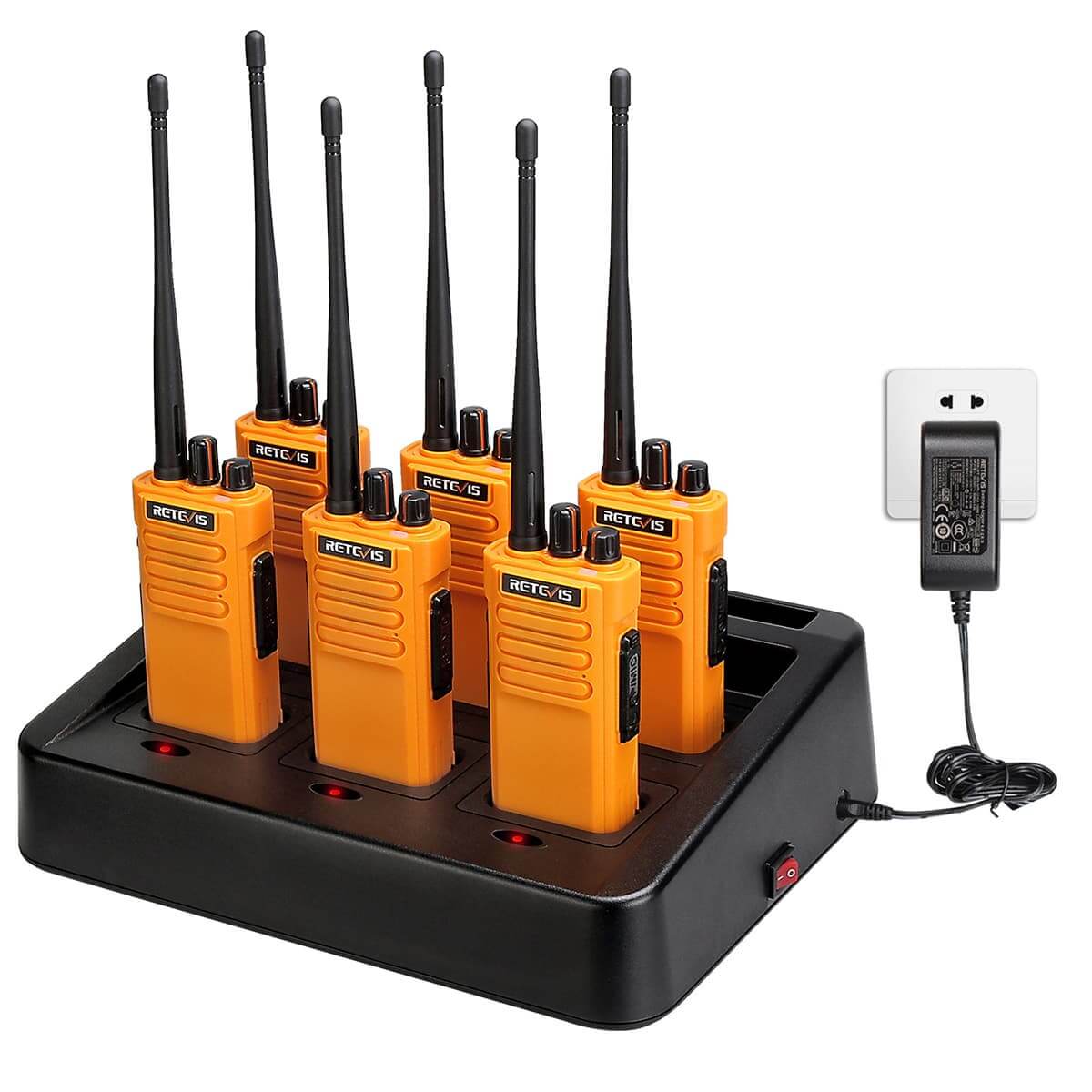
- 2-Pack with Free Programming Cable: Retevis P1 2-Pack
- 6-Pack with Acoustic Tube Earpieces and Programming Cable: Retevis P1 6-Pack





 Google
 Amazon
Comments (1)