
Table of Contents
What is the range of UHF radios?
- Posted by:Retevis
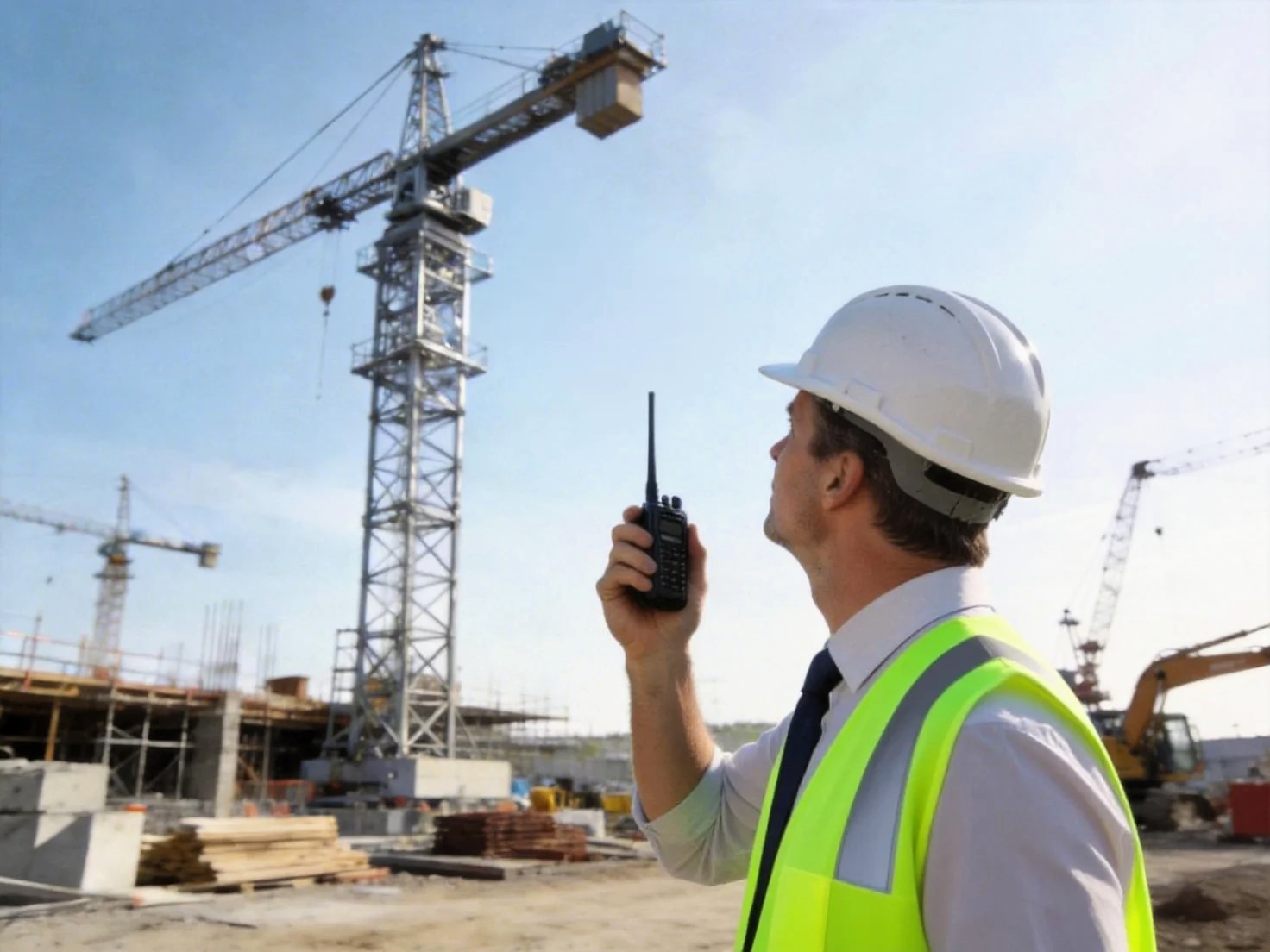
UHF radios are widely used in construction, transportation, security, hospitality, and public safety. But how far can a UHF radio transmit?
The actual UHF radio range depends on transmit power, antenna performance, terrain, buildings, interference, and whether a repeater is used. There is no single range that applies to every UHF two-way radio.
How Far Can a UHF Radio Transmit?
The range of UHF radios varies significantly by environment:
|
Environment |
Typical Range |
|
Indoor / urban |
Shorter due to walls and structures |
|
Open outdoor areas |
Longer with clear line of sight |
|
Elevated locations |
Potentially greater coverage |
|
Repeater-assisted |
Significantly extended coverage |
For this reason, advertised UHF range in km or miles should be considered an estimate under specific test conditions, rather than a guaranteed UHF radio distance.
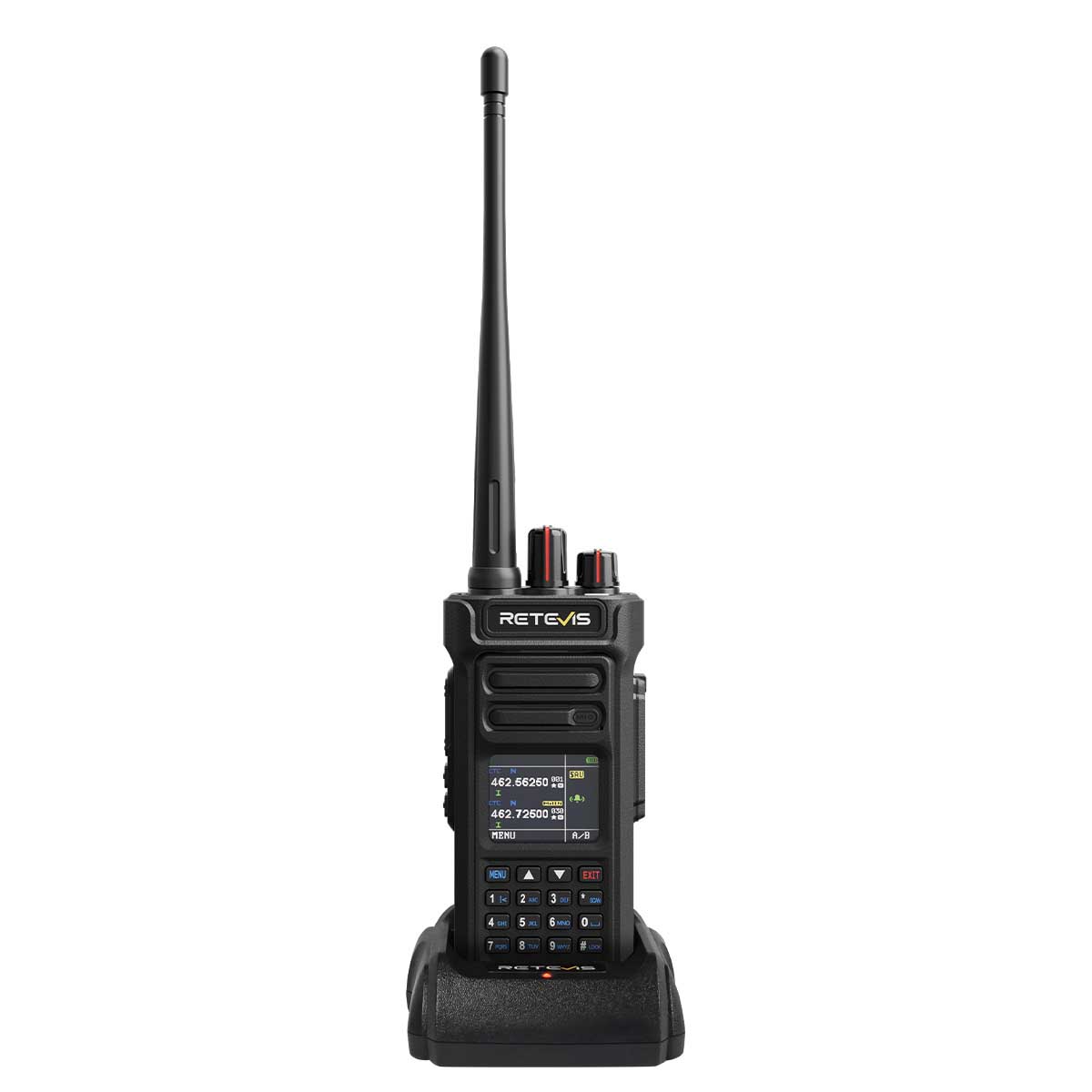
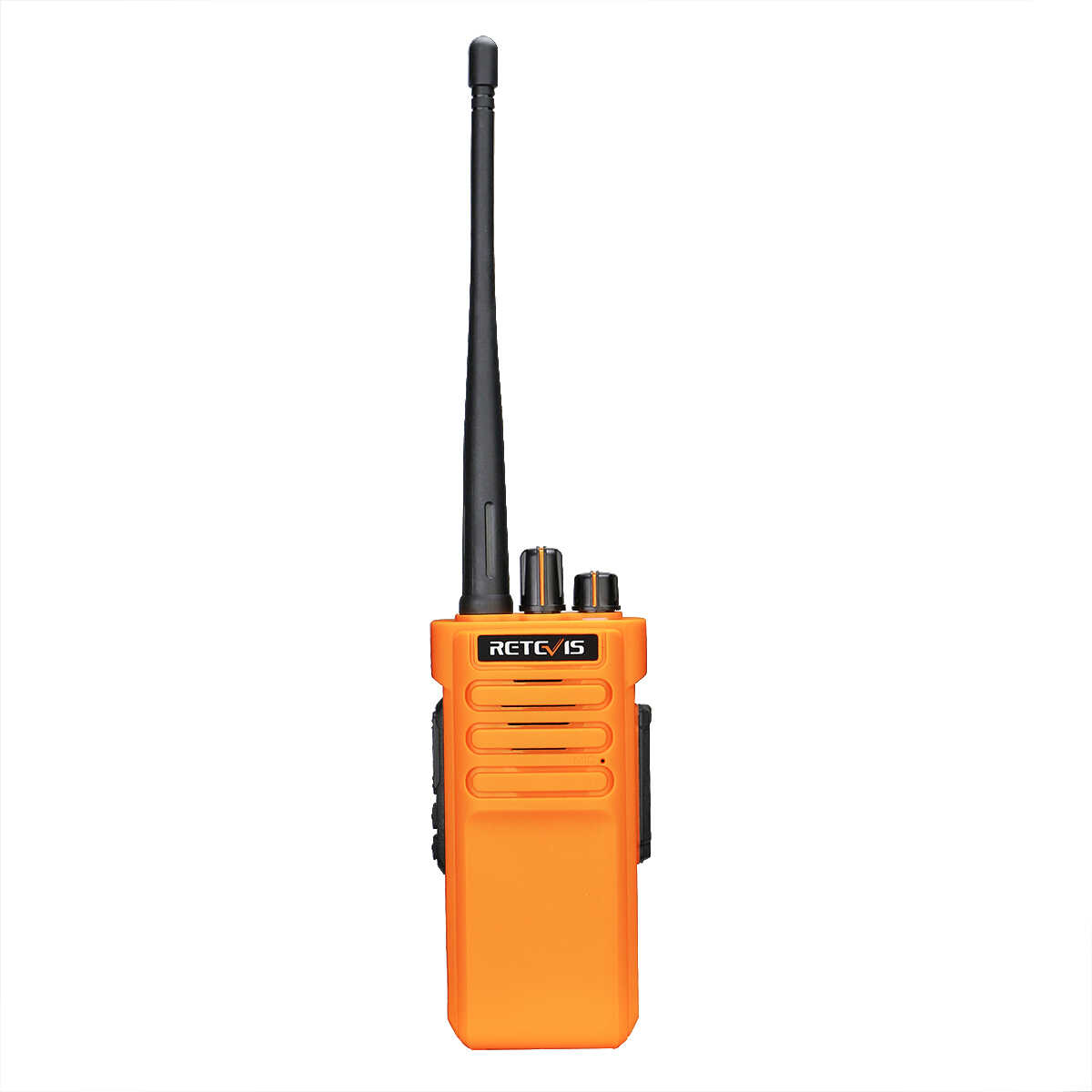
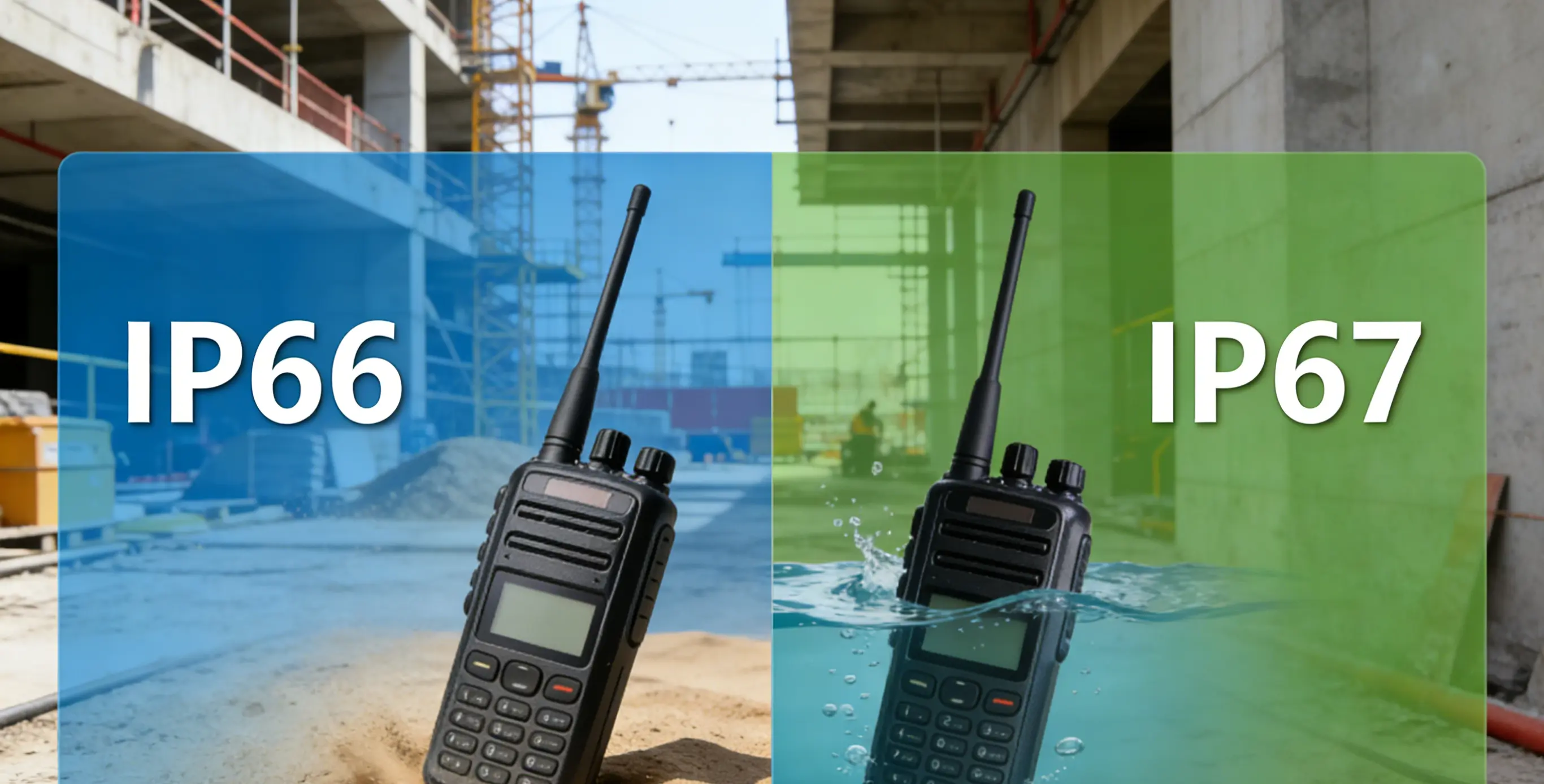
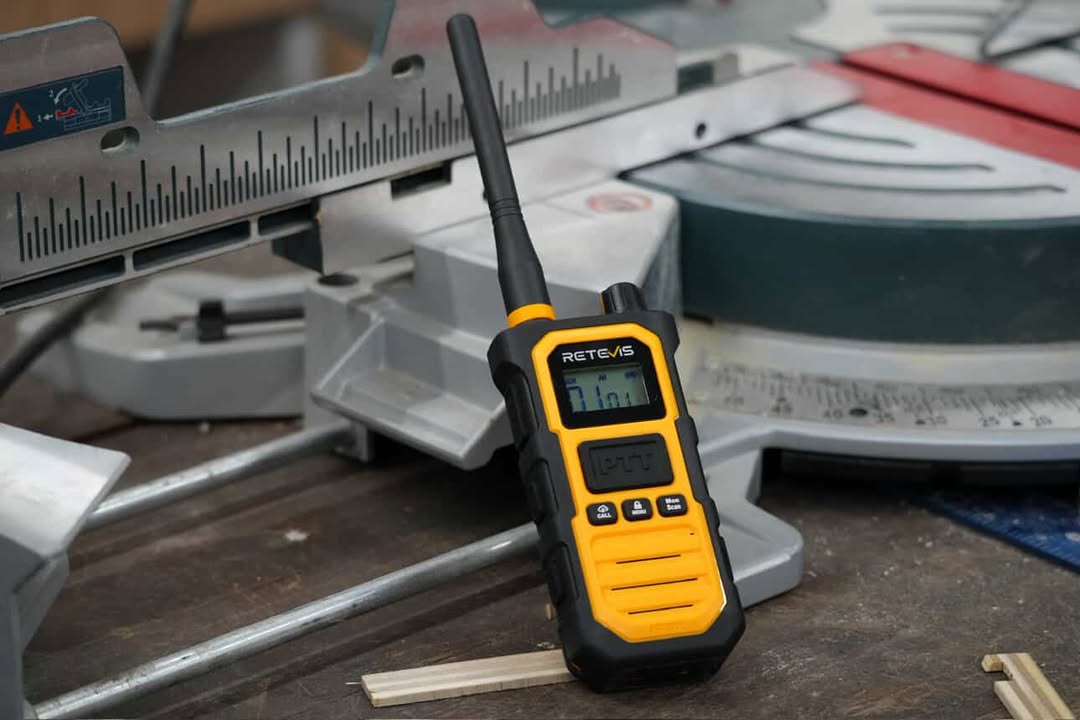
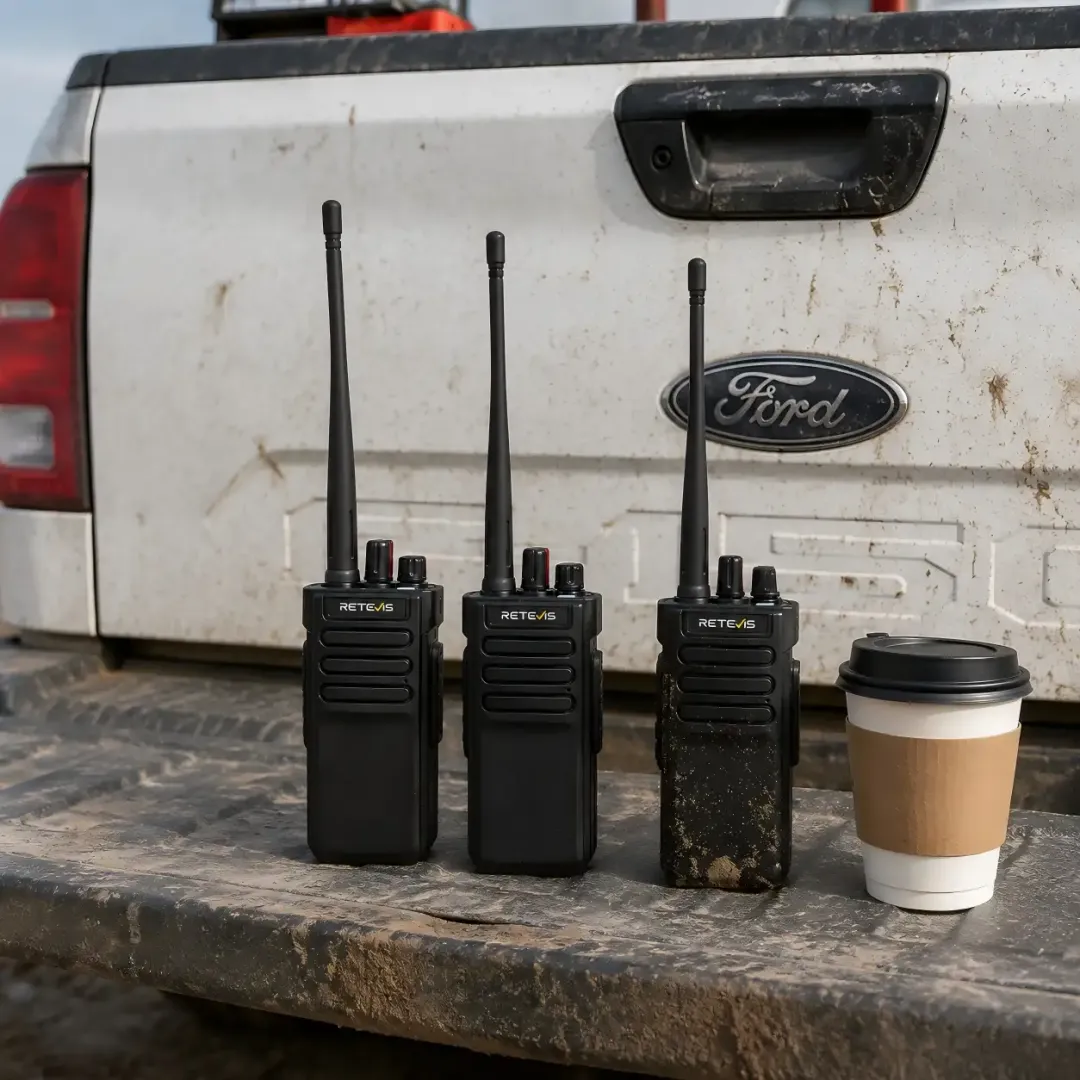 Retevis RT29 IP67 Long Range UHF Radio
What Is UHF Radio?
UHF (Ultra High Frequency) refers to radio frequencies from 300 MHz to 3 GHz. This is the standard UHF frequency range, also called the decimeter band.
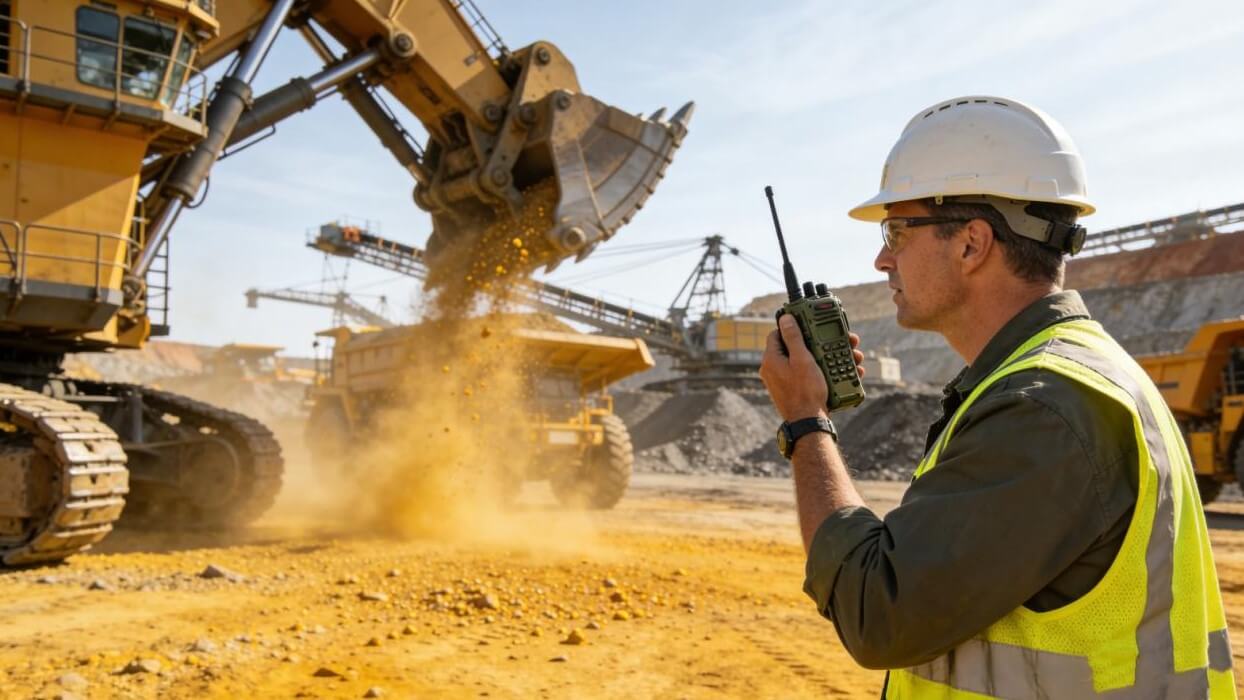
UHF radios are commonly used for communication around buildings, vehicles, warehouses, construction sites, and other environments where reliable two-way communication is needed.
What Frequency Range Is UHF?
The UHF radio frequency range is 300 MHz–3 GHz. However, a particular radio operates only within the frequencies permitted for its radio service and model.
What Affects UHF Radio Range?
Several factors determine the actual UHF walkie talkie range.
1. Line of Sight and Obstacles
Is UHF line of sight? Generally, UHF communication relies heavily on line-of-sight propagation. Buildings, concrete walls, hills, large trees, and metal structures can block or weaken signals.
A clearer and more elevated path generally provides better UHF distance.
2. Transmit Power and Antenna
Higher transmit power can improve coverage, but wattage alone does not determine range.
For example, a 5 watt radio range is not automatically five times greater than a 1-watt radio. Antenna efficiency, receiver sensitivity, terrain, and interference also affect the two-way radio range.
3. Terrain, Buildings, and Interference
Urban areas, dense forests, underground spaces, and large metal structures can significantly reduce the UHF radio distance. Radio interference can also affect communication reliability.
This is why the range of a walkie talkie can vary considerably even between two radios with similar specifications.
How to Improve UHF Radio Range
You can improve the effective range of UHF radio with several practical measures:
- Use a clear and elevated position to improve line of sight.
- Keep antennas away from large metal structures and other obstructions.
- Use clear channels to reduce interference.
- Keep batteries properly charged for consistent radio performance.
- Use a repeater when wider-area coverage is required.
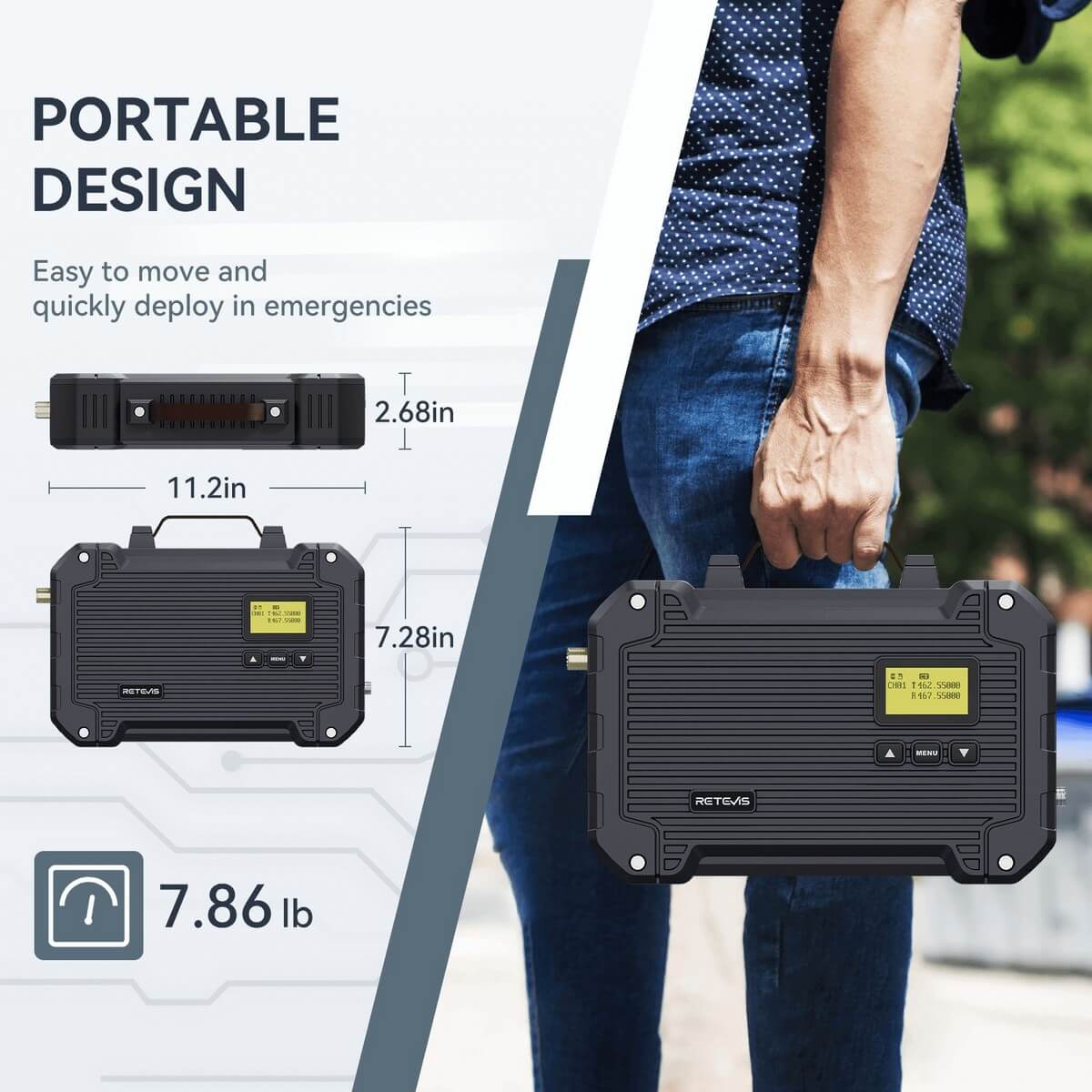
A repeater can receive and retransmit signals from an elevated location, greatly extending the effective UHF radio range.
UHF vs. VHF Range: Which Is Better?
When comparing UHF vs. VHF distance, neither frequency band is universally better.
|
UHF |
VHF |
|
Often suited to buildings and urban environments |
Often suited to open outdoor areas |
|
Performs well for many indoor applications |
Can be advantageous over open terrain |
|
Common in commercial and business communication |
Common in outdoor and rural applications |
The best choice depends on the environment, antenna, power, terrain, and communication requirements.
FAQ: UHF Radio Range
What is the range of UHF radio?
The range of UHF radio depends on the environment, transmit power, antenna, terrain, and obstacles. Indoor and urban ranges are generally shorter than those possible in open areas.
How far can a UHF radio transmit?
There is no universal UHF radio range. A clear line of sight, suitable antenna, and favorable terrain can provide greater coverage, while buildings and other obstacles can significantly reduce it.
How far do walkie talkies reach?
The range of walkie talkies varies by radio type and operating conditions. Manufacturer-rated range is usually based on specific or ideal conditions and may not reflect actual field performance.
Does a 5W radio have a longer range?
Higher power can help improve coverage, but 5W radio range is not determined by wattage alone. Antenna performance, terrain, interference, and receiver sensitivity also matter.
Can a repeater extend UHF radio range?
Yes. A properly deployed repeater can significantly extend UHF radio distance by receiving and retransmitting signals over a wider area.
What is the difference between VHF and UHF range?
VHF and UHF range depends on the environment. UHF is often a practical choice for buildings and urban areas, while VHF can be advantageous in open outdoor environments.
Key Takeaway
The UHF radio range is determined by much more than transmit power. Line of sight, antenna performance, terrain, buildings, interference, and repeaters all affect actual coverage. When choosing a UHF walkie-talkie, consider the environment and required coverage rather than relying only on an advertised maximum radio range.



 Google
 Amazon
Comments
No data Yet