

Table of Contents
Beyond Range: 5 HAM Radio Features That Matter Off-Grid
- Posted by:Retevis

Range gets all the attention. Every ham radio spec sheet leads with watts and miles. But off the grid, the radio that keeps you connected is rarely the one with the biggest power number. It is the one that stays powered through a three-day trip, survives a drop in a mud puddle, knows exactly where it is, and charges from a solar bank when the wall outlet is miles away.
This guide covers the best features HAM radio operators should look at beyond the range number.
Why Range Is Not the Whole Story
Most handheld ham radios run between 5W and 8W. Recoil Offgrid asked an industry expert named Harden about the real-world difference. "The difference in that range is usually negligible in the real world," he said. "Antenna quality and elevation are much more important for HTs."
Power matters when you step up to a 50W or 100W mobile or base station. For a handheld that you carry on a trail or in a bug-out bag, the other features decide whether the radio works when you need it.
Here are the five that actually matter.
The 5 Features That Actually Matter
1. Battery Life Measured in Days, Not Hours
Thewearify.com puts it plainly in its emergency radio guide: an emergency radio needs "battery life measured in days not hours."
A 10-hour battery sounds fine on a spec sheet. It fails on day two of a backpacking trip. It fails when a storm knocks out power for 48 hours. It fails when you forget the charger at home.
HAM radio battery life is the first feature to check. Look for three things: a high-capacity battery, a removable battery design, and power-saving modes. A removable battery lets you carry a spare and swap it without any charging. Power-saving modes stretch the battery by sleeping the receiver when no signal comes in.
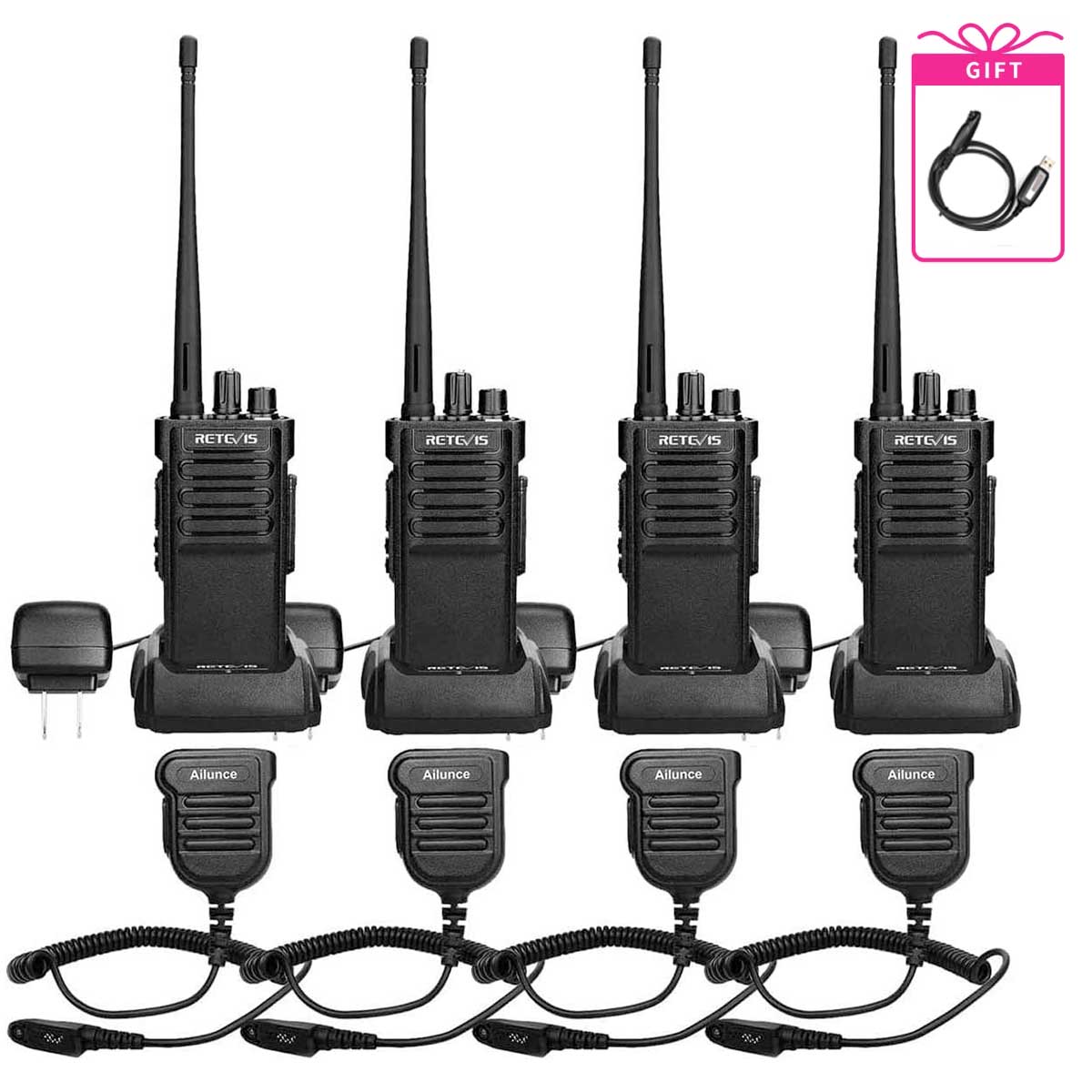
The Retevis Ailunce HA2 uses a 2800mAh removable battery with up to 77 hours of standby time. It offers three smart power-saving modes and charges in under 4.5 hours. You can carry a second battery in your pack and swap it mid-trip.
2. Waterproof Rating That Means Something
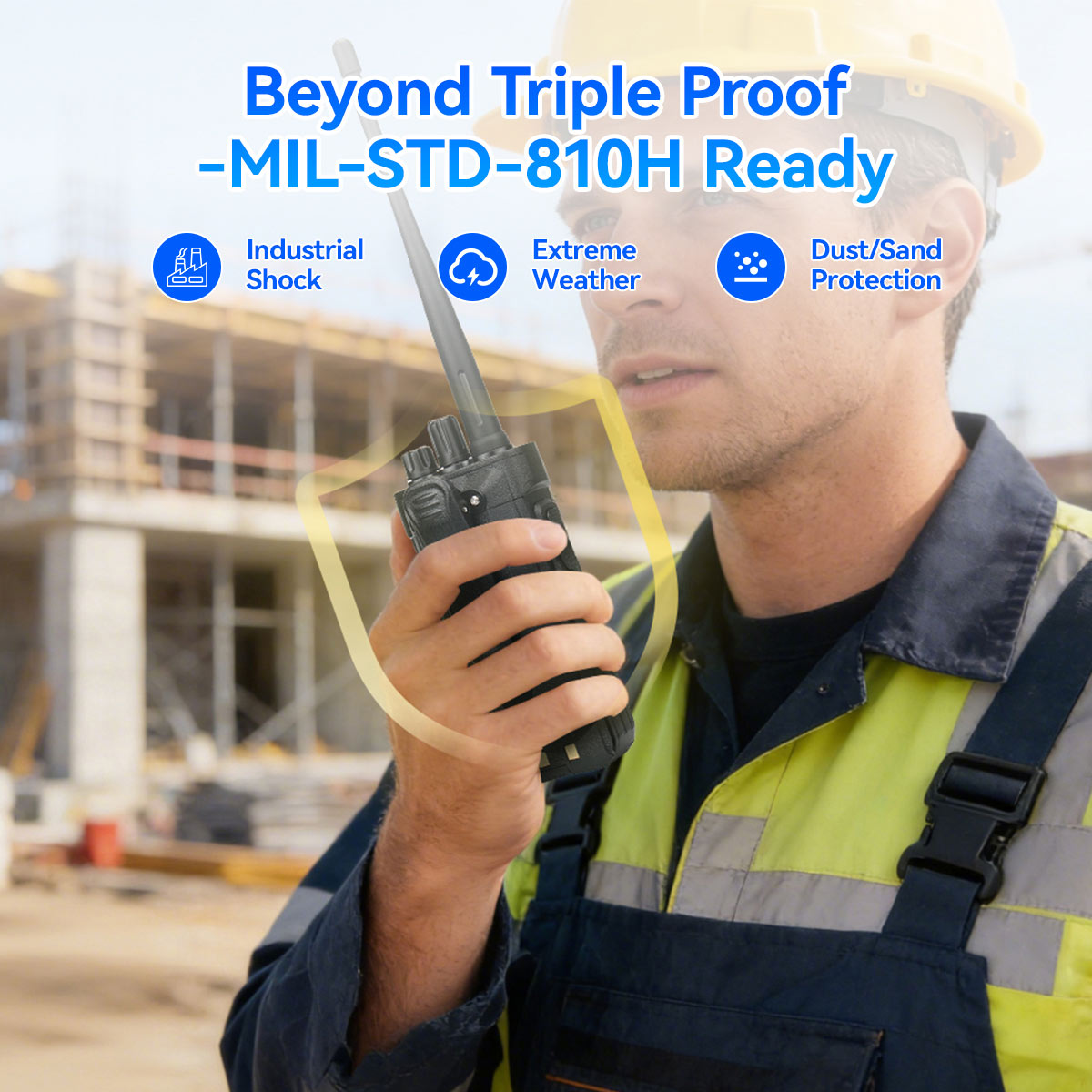
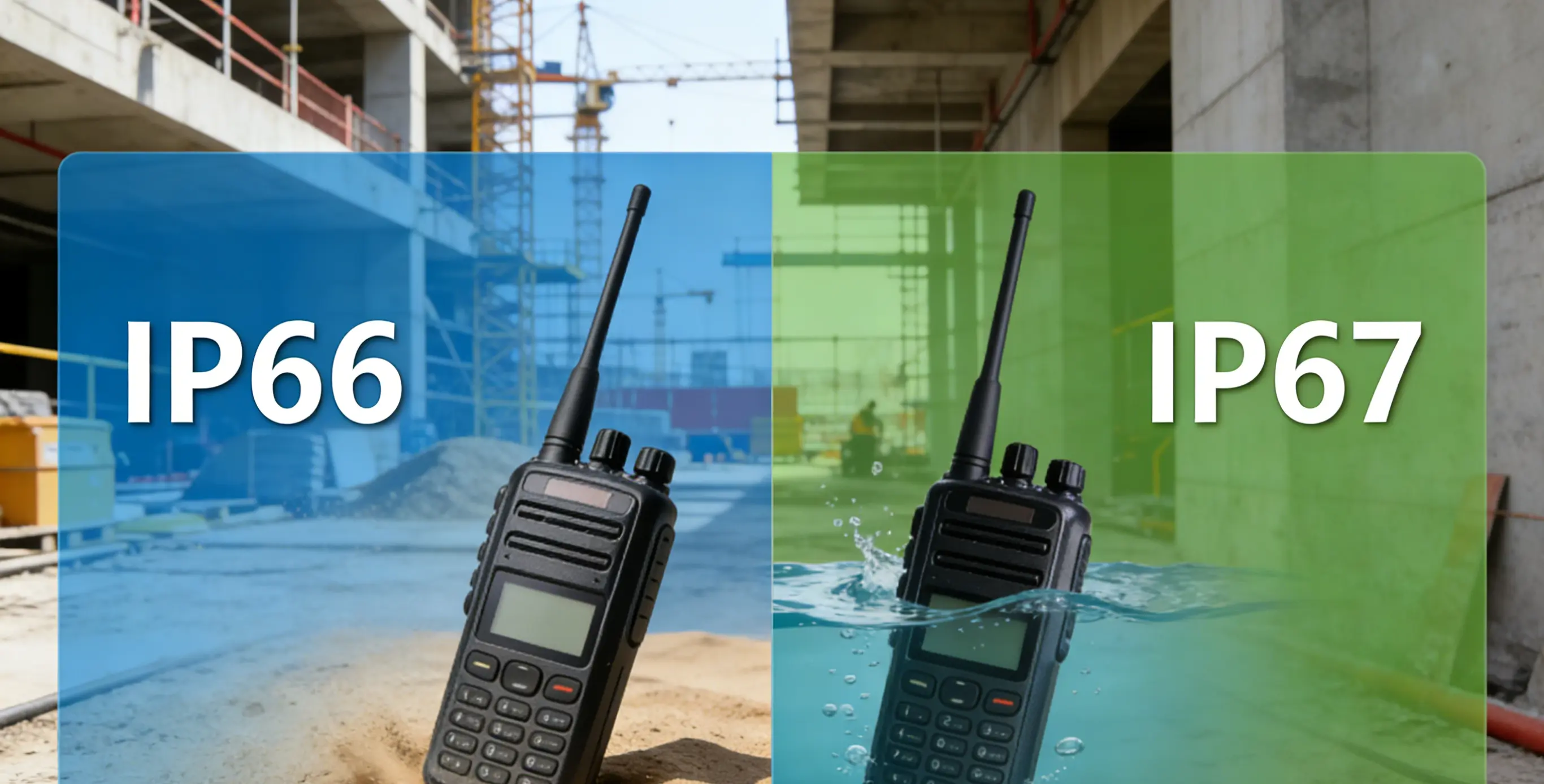
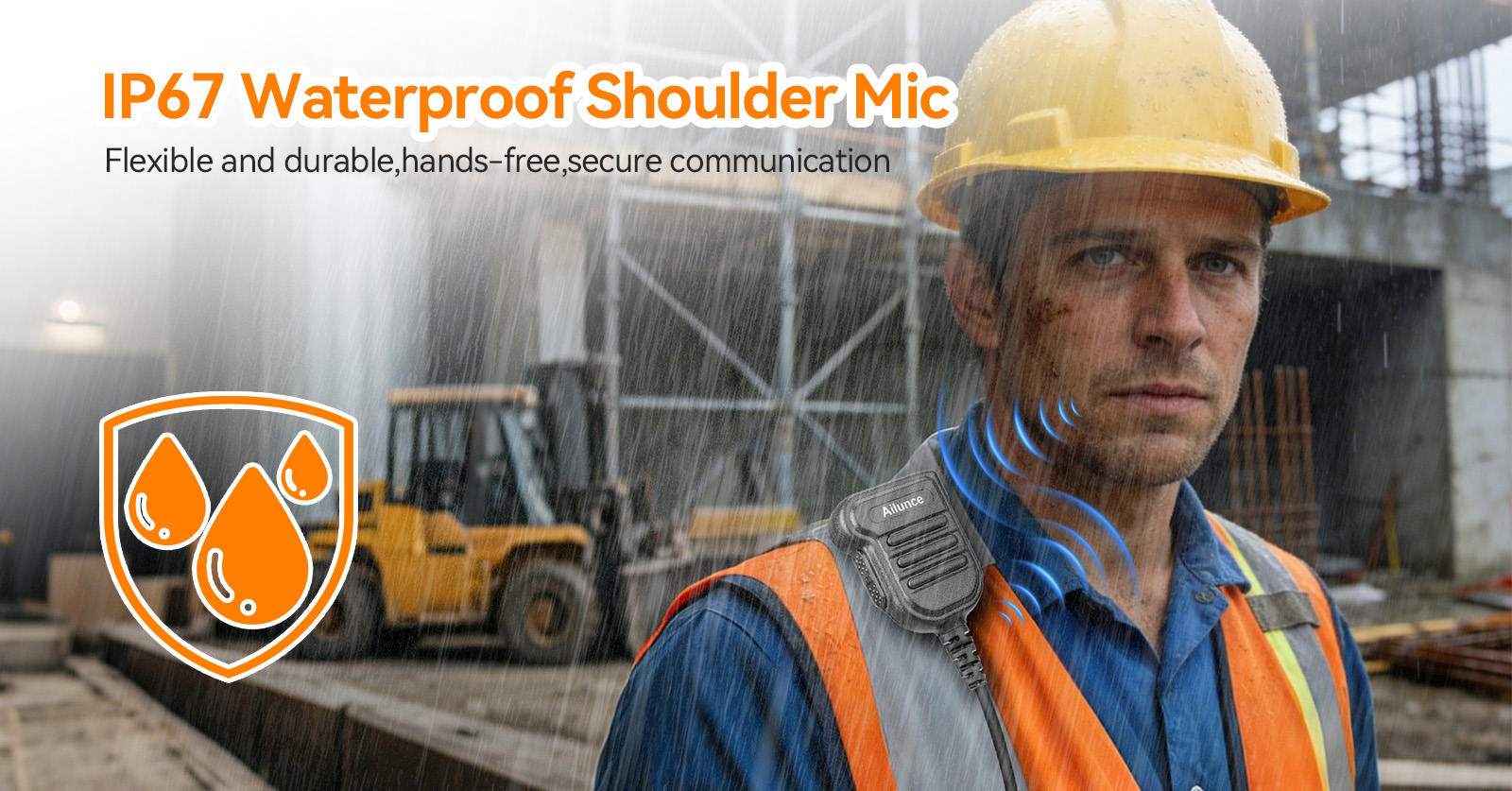
Not every waterproof HAM radio earns its rating. IP54 means splash protection. IP67 means the radio survives one meter of water for 30 minutes. If you hike in rain, cross streams, or operate in snow, IP67 is the rating you want.
Thewearify.com calls "physical seals that keep out water and dust" a must-have for emergency radios. A radio that dies in a rainstorm is a liability, not a tool.
Dust matters too. Concrete dust on a construction site, trail dust on a backpacking trip, fine sand in a desert — all of it gets inside unsealed buttons and charging ports and corrodes the circuits over time.
The Ailunce HA2 carries an IP67 rating for both water and dust. Doomsday Robots, in its September 2026 roundup of waterproof handhelds, called the HA2 "the best overall combination of waterproofing, features, and durability" for serious outdoor enthusiasts.
3. Built-In GPS and APRS for Position Awareness
A HAM radio GPS module alone tells you where you are. APRS — the Automatic Packet Reporting System — tells everyone else where you are. That difference matters when you are off-grid.
Thewearify.com puts it directly: "Telling someone your coordinates is often more important than having a conversation." In a survival context, a voice description of terrain wastes time and risks error. A GPS coordinate sent over APRS is exact.
Traditional APRS setups need three pieces: a handheld radio, a phone for GPS and the interface, and a Bluetooth KISS TNC to encode the data packets. That is three devices to carry, three batteries to charge, and three things that can break.
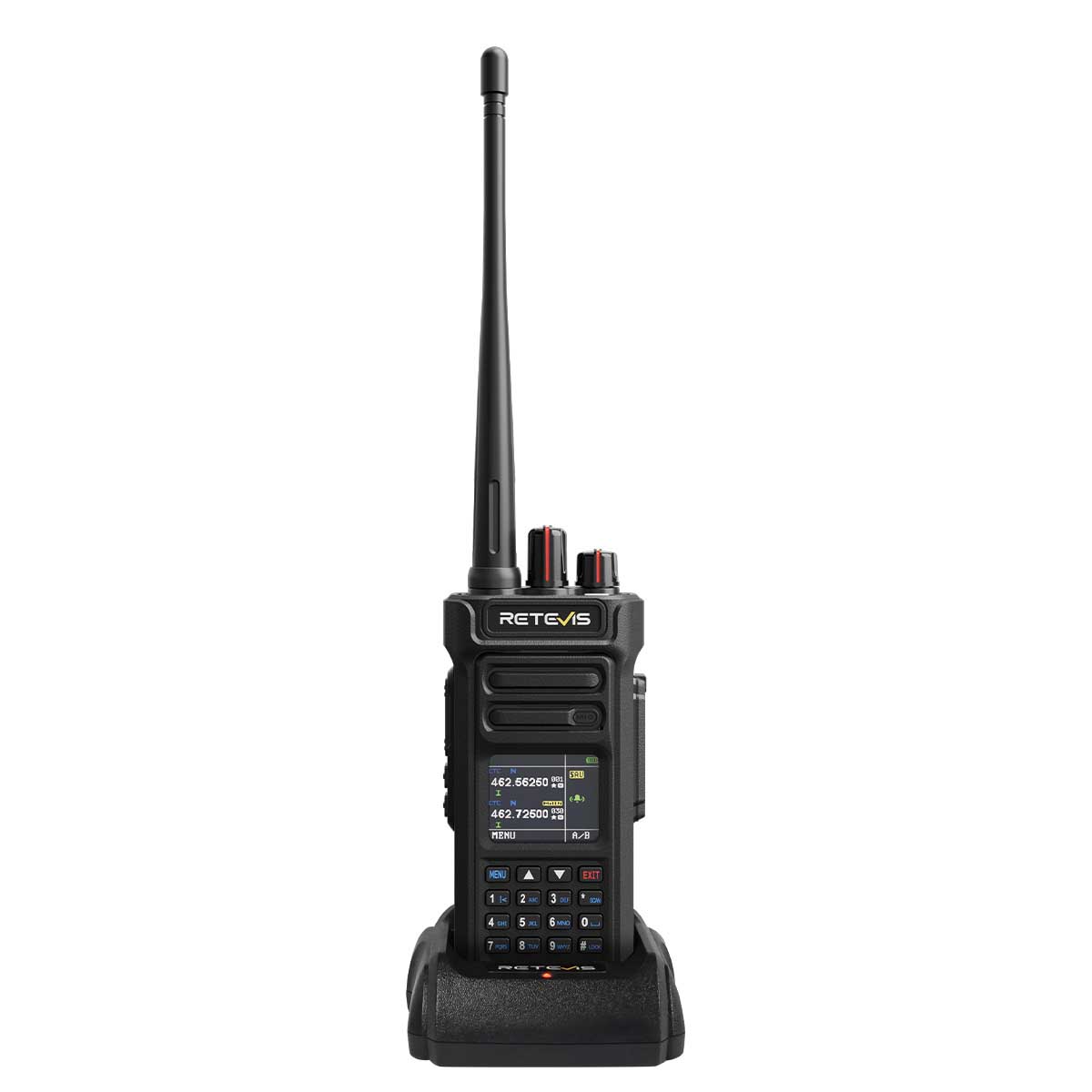
The Ailunce HA2 builds the GNSS receiver and APRS TNC into one handheld. You turn it on and it beacons your position. No external TNC. No phone GPS. The 2026 firmware adds offline GPS position reporting, Wind Link location sharing, and a complete APRS messaging system with @SMS, @EMAIL, and PINPOINT for sharing exact coordinates.
4. USB-C Charging for Real Off-Grid Power
A proprietary charging connector is a single point of failure. Lose the cable, and the radio becomes a paperweight until you buy a replacement. In a town, that takes two days. On a trail, it takes forever.
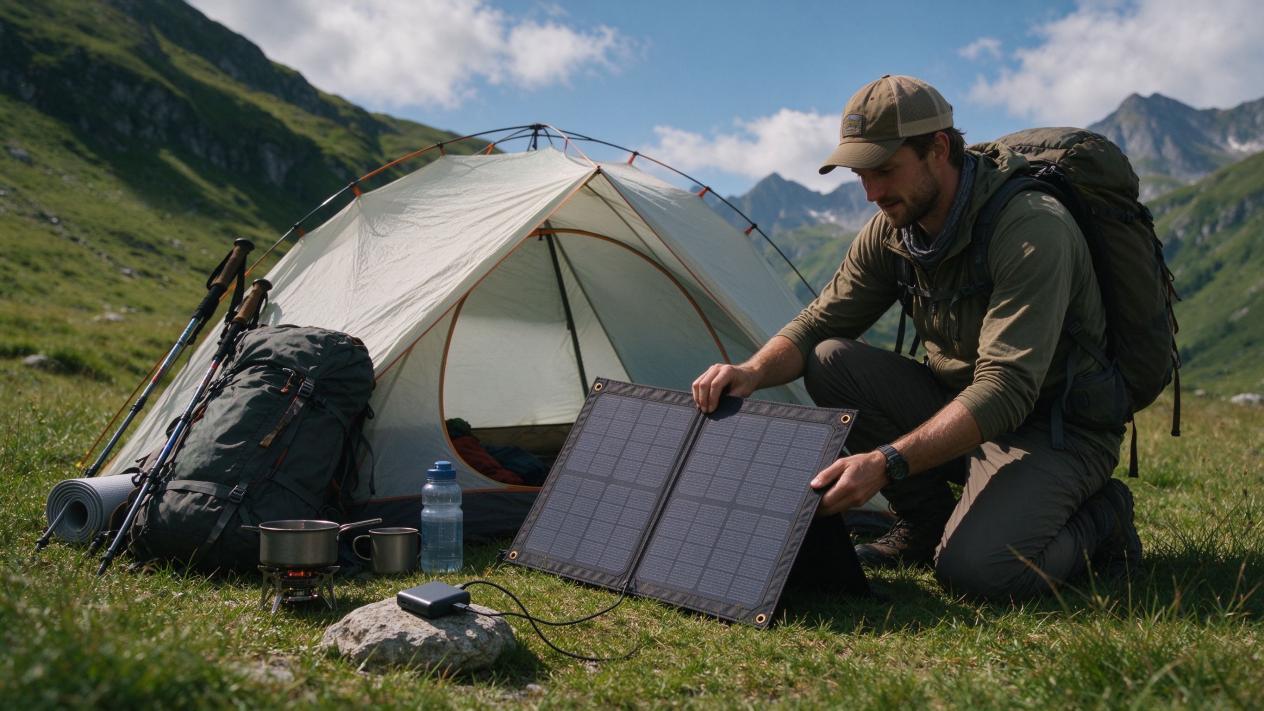
USB-C changes the math. The same cable that charges your phone, your headlamp, and your power bank charges your radio. The Survival Resource calls "USB-C charging with solar power bank compatibility" a key feature for off-grid survival because it lets you recharge from a solar panel when no wall outlet exists.
USB-C also means faster charging. Older radios with barrel connectors can take all day. A USB-C radio with fast charging tops up in hours.
The Ailunce HA2 charges over USB-C in under 4.5 hours. Pair it with a 10,000mAh solar power bank and you have a charging system that works anywhere the sun shines. The removable battery adds a second layer — you can charge one battery while using the other.
5. Operating Temperature and Build Quality
A radio that works at room temperature but shuts down at -10°C is not an outdoor radio. A radio with flat membrane buttons that you cannot press while wearing gloves is not a winter radio.
Look for a rated operating temperature range. The wider the range, the more conditions the radio handles. -20°C to +50°C covers winter mountaineering and desert hiking. Anything narrower limits where you can reliably use it.
Build quality covers the physical design: a sturdy housing, real buttons with tactile feedback, a removable battery door that seals properly, and a belt clip that does not snap off after two months. These details sound small until you are on a mountain in gloves and the button will not press.
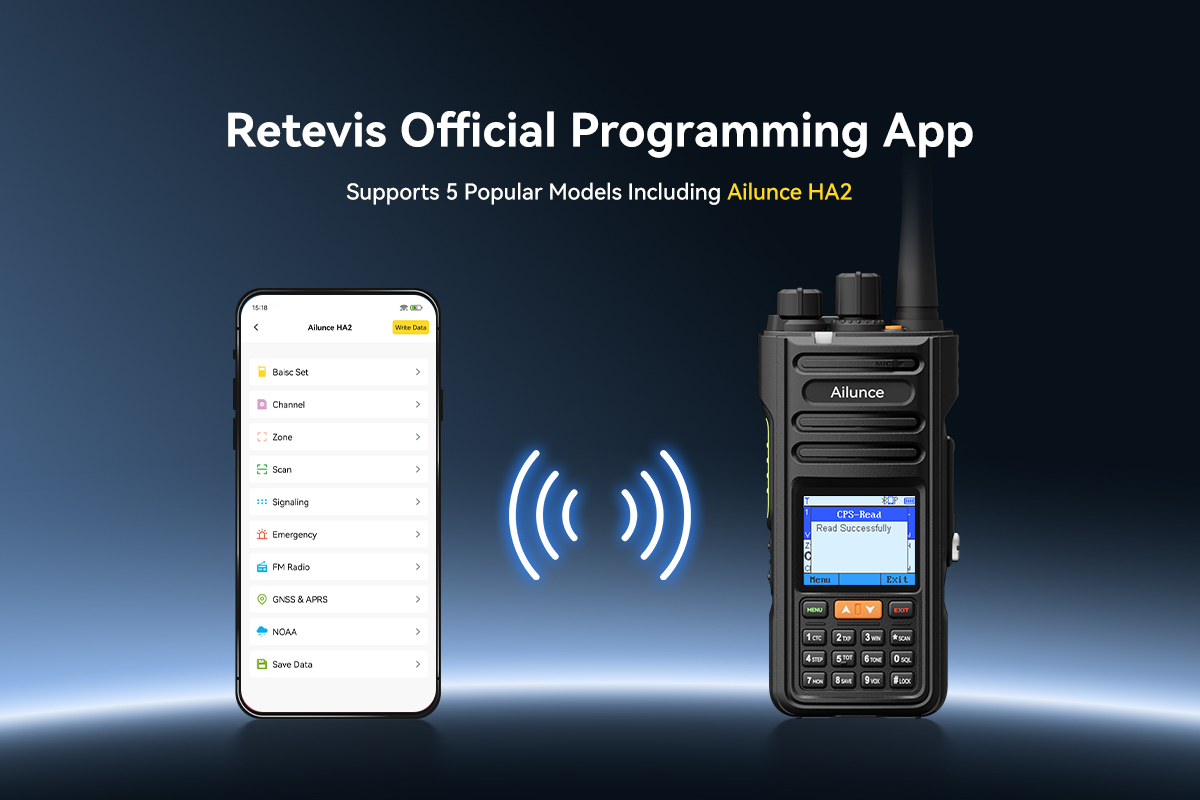
The Retevis Ailunce HA2 operates from -25°C to +50°C. It has a programmable button that you can set as an emergency alarm for immediate assistance requests. The dual-band VHF/UHF radio supports Bluetooth app programming, so you can change channels and settings from your phone without fumbling with the keypad in cold weather.
A Note on NOAA Weather Alerts
NOAA HAM radio weather alerts are another feature worth checking. NOAA broadcasts real-time weather warnings on dedicated frequencies. A radio that receives them can alert you to approaching storms before you see the sky change.
Thewearify.com and Camp Half Price both list NOAA weather alerts as a critical emergency function. The Ailunce HA2 includes a NOAA Weather Alarm in its feature set, giving operators advance notice when severe weather moves in. Off-grid, where you cannot check a weather app on your phone, a built-in NOAA alarm can mean the difference between sheltering in time and getting caught in a storm.
How the Retevis Ailunce HA2 Stacks Up
Across the five features that matter off-grid, the Ailunce HA2 covers every one.
It runs a 2800mAh removable battery with 77 hours of standby and three power-saving modes. It carries an IP67 rating for water and dust. It builds in GNSS and APRS in one all-in-one handheld. It charges over USB-C in under 4.5 hours. It operates from -25°C to +50°C with a programmable emergency button.
Doomsday Robots summed it up in September 2026: the HA2 offers "the best overall combination of waterproofing, features, and durability" as a HAM radio for outdoor use. That combination — not the wattage on the spec sheet — is what keeps a radio working when the grid goes down.
Different World. Same Connection.
A mountain summit in winter, a desert trail in summer, a rain-soaked forest path, a disaster zone with no power — different worlds, same reliable connection.
For 16 years, Retevis has built two-way radios that work where other communication fails. The Ailunce line brings that same reliability to amateur radio operators who push beyond the edge of the cell network.
This is the 16th anniversary story: not a celebration of years passed, but a recognition of the connections users have built. Different worlds. Same connection. Always reliable.
Explore the full 16th anniversary story and discover how Retevis keeps teams connected — on the summit, on the trail, and in the field.




 Google
 Amazon
Comments
No data Yet