

Table of Contents
GMRS Outdoor Communication Guide: What It Is, Why It Matters, and How to Choose the Right Radio
- Posted by:Retevis
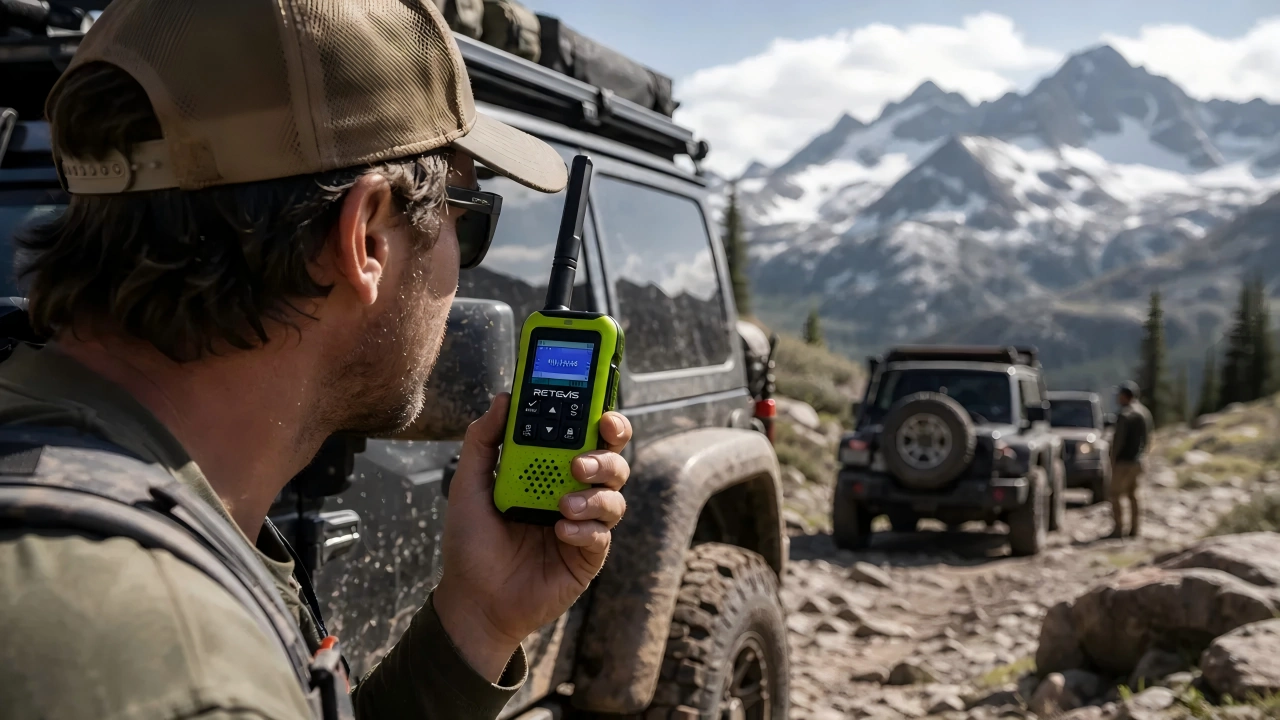
When you head into the mountains, the desert, or a remote forest road, one thing becomes clear very quickly: cell service is not something you can count on. For off-road drivers, overlanders, campers, and trail groups, communication often matters just as much as recovery gear, fuel planning, or navigation.
That is where GMRS radio becomes especially useful. In the United States, GMRS has become a trusted communication option for outdoor users who need a simple, reliable way to stay in touch without depending on a mobile network. Whether you are coordinating a Jeep convoy, checking in with another campsite, or sharing trail updates between vehicles, GMRS can make outdoor travel smoother and safer.
This guide explains what GMRS is, how it compares with other options, why so many outdoor users rely on it, and how to choose the right radio if you are just getting started.
What Is GMRS Radio?
GMRS stands for General Mobile Radio Service. It is a licensed two-way radio service in the US designed for personal and family communication. In practice, it is often used for outdoor activities, road trips, off-road groups, emergency coordination, and local communication where phones may not work reliably.
So, what is GMRS radio used for? Common uses include vehicle-to-vehicle communication, group coordination during outdoor travel, campground communication, event support, and backup communication in places with weak or no cell service.
If you are wondering how does GMRS radio work, the basic idea is simple. A GMRS radio sends and receives voice communication over designated radio frequencies. Instead of relying on cell towers or Wi-Fi, it communicates directly with other compatible radios on the same channel. This makes it especially practical for outdoor travel, where infrastructure may be limited or completely absent.
A common beginner question is: do I need a license for GMRS radio? In the United States, the answer is yes. GMRS does require an FCC license, but it is generally straightforward to obtain, and one license covers your immediate family. For many users, the added capability is worth the small extra step.
GMRS vs FRS vs Cell Phones
For new users, the easiest way to understand GMRS is to compare it with the options people already know: FRS radios, basic walkie-talkies, and smartphones.
|
Communication Tool |
Core Advantages |
Limitations |
Usage Scenarios |
|
GMRS Radio |
Higher power, stronger signal stability, longer communication range, reliable for complex terrains |
Requires a license for formal use |
Group travel, vehicle convoys, off-road driving, mountain and remote outdoor activities, long-distance team coordination |
|
FRS Radio |
License-free, simple operation, low cost, easy to use for beginners |
Low power, short communication range, poor performance in complex environments |
Short-distance casual use, campsite activities, daily simple outdoor contact |
|
Cell Phone |
Powerful functions, supports long-distance communication and multi-media interaction |
Fully dependent on cellular coverage; no signal in remote mountains, canyons and off-grid areas |
Daily urban communication, outdoor activities with complete signal coverage |
Why Outdoor Users Choose GMRS Radio
There are several reasons GMRS has become part of the outdoor communication culture in the US, especially among Jeep owners, overlanders, campers, and trail riders.
Works without a network. When cell towers are too far away or terrain blocks service, GMRS still allows direct communication between radios. That makes it one of the most practical tools for travel in remote areas.
Group coordination. Outdoor travel often happens in teams, not alone. A driver may need to warn the vehicle behind them about a washout, obstacle, wildlife crossing, route change, or fuel stop. GMRS makes that kind of communication quick and natural. There is no dialing, no waiting, and no need for internet access.
Suited to moving vehicles. For people looking for a GMRS radio for off road use, the value is obvious. You can communicate across a convoy, keep spacing organized, and maintain awareness during difficult trail sections. This is one reason people often search for the best GMRS radio for Jeep travel or the best GMRS radio for overlanding.
Camping is another strong use case. A GMRS radio for camping can help families and groups stay in touch between vehicles, campsites, trailheads, and activity areas. Even when the trip is more relaxed than technical overlanding, reliable short-range communication can still make a difference.
Many new buyers also wonder about GMRS radio range in mountains. The honest answer is that range depends on terrain, elevation, obstacles, antenna quality, and radio power. Mountain conditions can reduce range because rock formations and elevation changes interfere with line-of-sight communication. Even so, GMRS remains far more practical than depending on a phone with no signal at all.
What Makes a Good GMRS Radio for Beginners?
Choosing your first radio does not have to be complicated. A good beginner setup should balance capability with simplicity.
For most outdoor users, a strong starter radio should offer:
l clear audio
l easy channel selection
l practical portability
l dependable battery performance
l simple charging options
l comfortable everyday use
l a design that works well for travel groups
In other words, the best GMRS radio is not just the one with the biggest technical claims. It is the one that fits how people actually travel.
This is especially important for those looking for a portable GMRS radio for outdoor adventures. If the device is awkward, confusing, or difficult to manage on the trail, people are less likely to use it effectively. For new users, a simple GMRS radio setup for beginners is often more valuable than advanced complexity.
Why Retevis EZTalk 5 Is a Smart GMRS Radio Choice
Standard entry-level GMRS radios only offer basic long-range communication, failing to address core outdoor pain points: poor team situational awareness, complicated setup, and awkward operation in harsh conditions. The Retevis EZTalk 5 evolves beyond traditional GMRS devices, serving as an all-in-one smart solution tailored for safe, convenient off-grid team communication.
Its biggest upgrade over ordinary GMRS radios is the combination of stable long-range communication and practical outdoor safety features. It delivers clear, reliable audio in challenging terrains like forests and canyons where cell service fails, outperforming short-range FRS radios. Built-in real-time GPS tracking and emergency alerts solve the key risk of off-grid travel—team disconnection. It does not just enable voice communication, but keeps your entire team connected, locatable and protected in remote areas.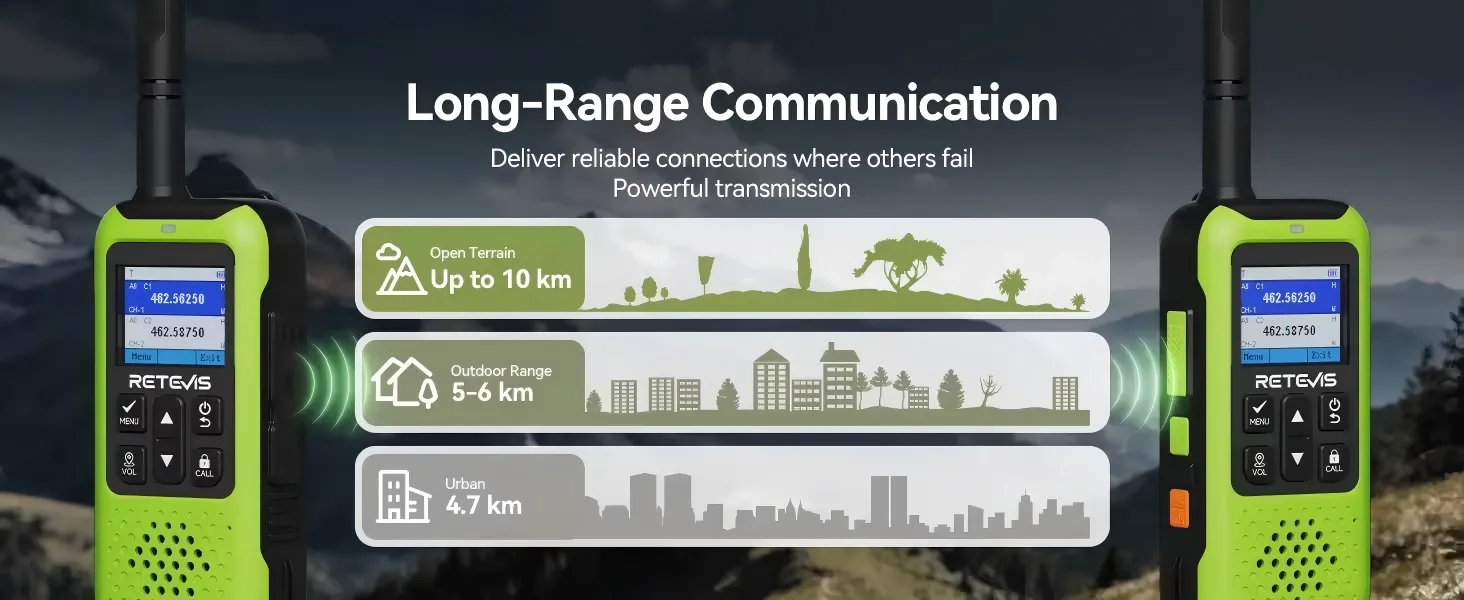
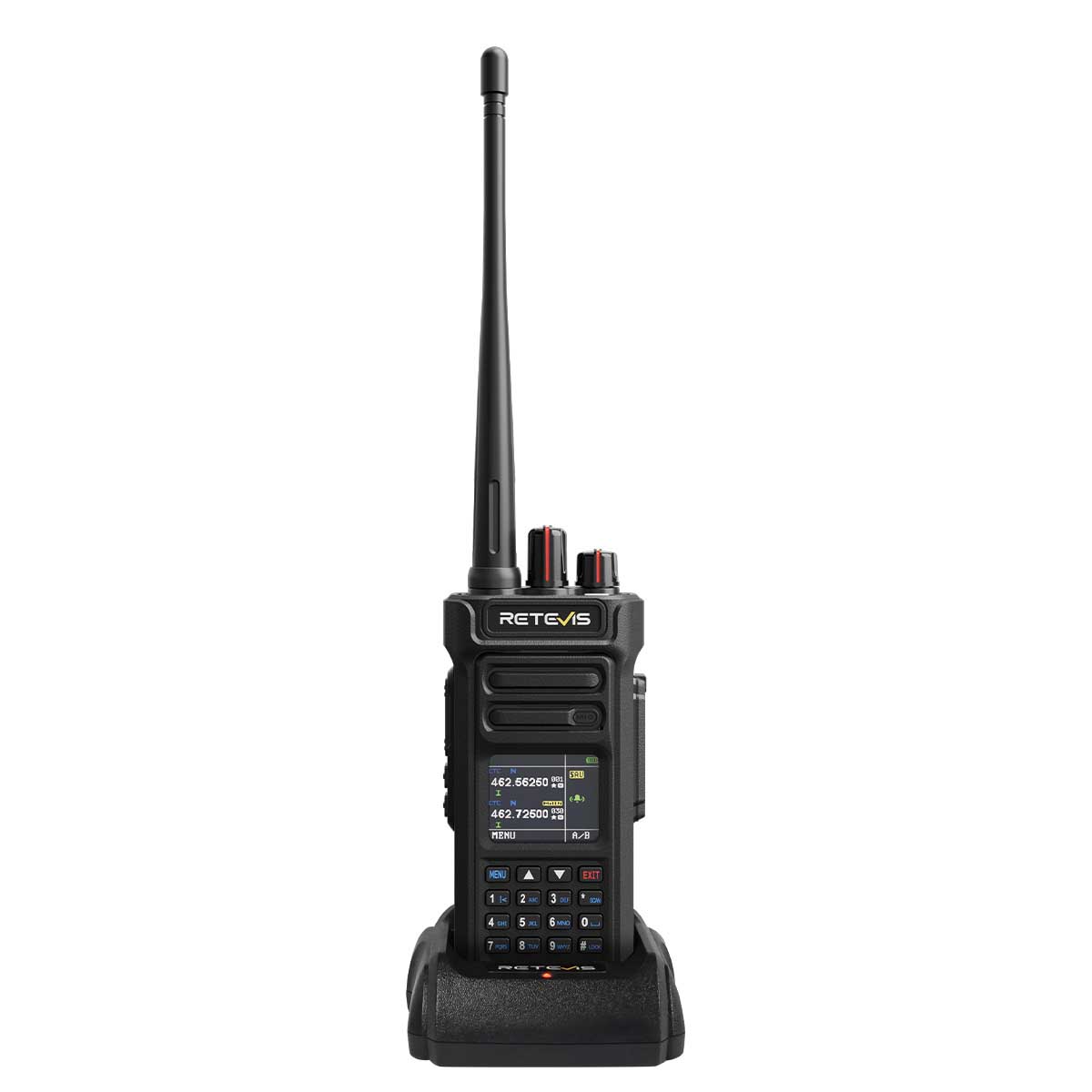
The EZTalk 5 also balances professional performance with beginner-friendly usability, fixing the complex operation flaw of most professional radios. The 1.77-inch sunlight-readable color screen ensures clear data viewing in bright outdoor light, while oversized tactile buttons support easy operation even with wet hands or thick gloves. Its rugged, user-focused design guarantees hassle-free use in all outdoor weather and scenarios.
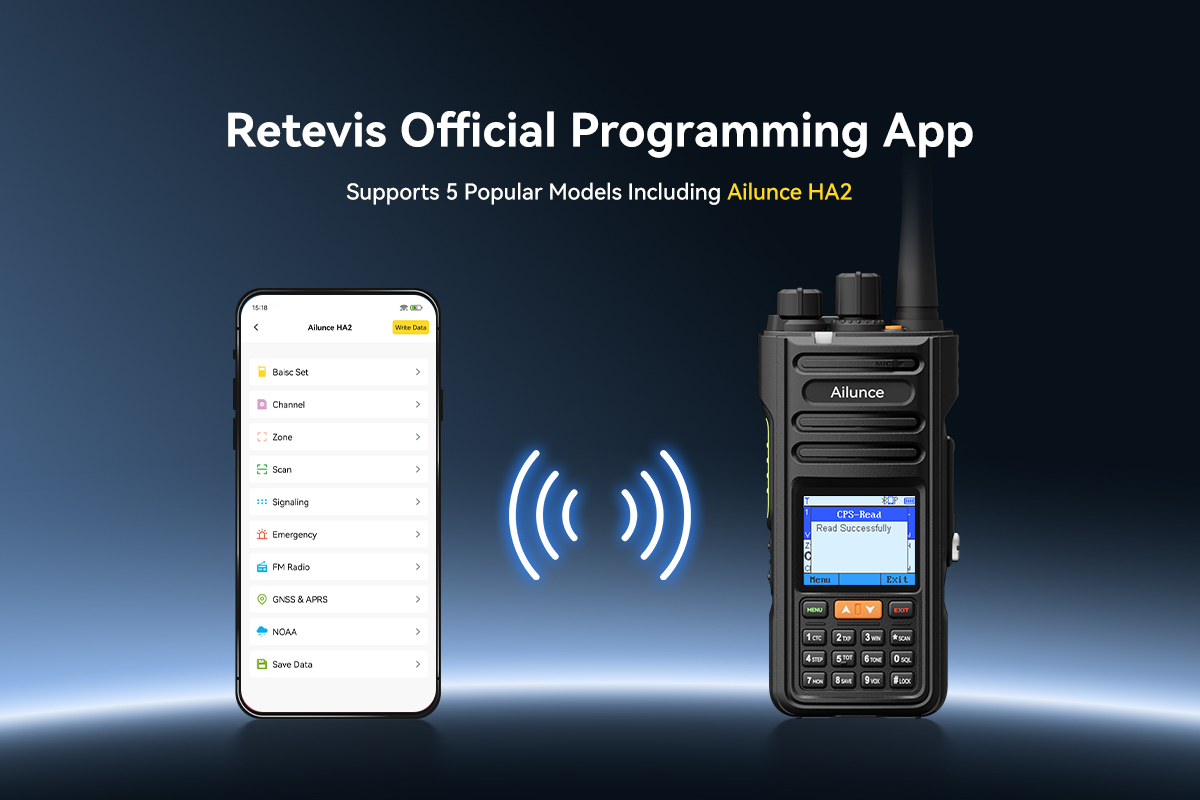
To further simplify outdoor team management, it supports wireless Bluetooth control via the upgraded Retevis App. Compatible with EZTalk 5 and EZTalk 65, the app enables cable-free channel programming and setting synchronization for fast setup. It also integrates advanced GPS functions—real-time location sharing, route tracking, waypoint marking and geofencing—all accessible via a dedicated shortcut key. This streamlined system makes professional-grade GMRS functionality easy to master for all outdoor enthusiasts.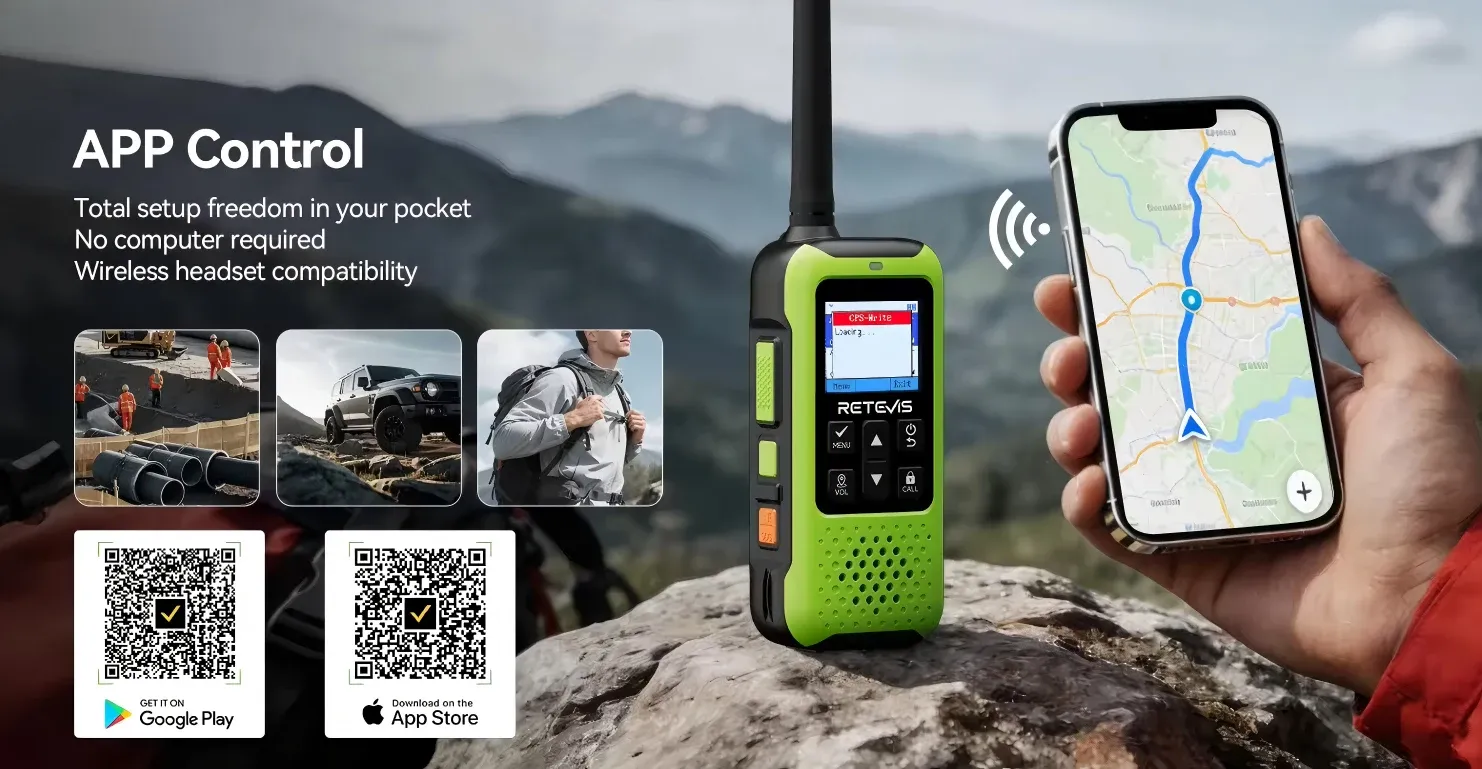
For buyers considering new outdoor gear this year, it may also be worth keeping an eye on 2026 Retevis anniversary offers. For people building a first radio setup or adding backup units for group travel, anniversary promotions can be a practical time to invest.
Beginner Tips for Getting Started With GMRS
If you are new to GMRS, a few simple habits can make your first trip smoother.
First, make sure you understand the licensing requirement and complete that step before regular use. Second, test your radios before heading out so the group knows the channels, controls, and basic operating style. Third, keep communication short and clear, especially when several vehicles are sharing the same channel.
It is also smart to think beyond the radio itself. A practical outdoor setup may include charging options, spare power, clips, cases, or backup units for longer trips. The best GMRS radio setup is the one that fits your travel style and is easy to use when conditions become unpredictable.
Final Thoughts
For outdoor travel in the US, communication should never depend entirely on phone coverage. A reliable GMRS radio gives drivers, campers, and trail groups a practical way to stay connected when the route gets remote.
For beginners, the appeal of GMRS is easy to understand: it supports direct group communication, works without cell service, and fits naturally into off-road, camping, and overlanding use. Whether you are researching what is GMRS radio used for, comparing GMRS vs FRS radio, or looking for the best GMRS radio for your first trip, the goal is the same—clear and dependable communication outdoors.
If you want a simple starting point, the Retevis EZTalk 5 is a strong option worth considering. And if you are planning a gear upgrade, checking Retevis 16th Anniversary 2026 could be a smart way to build your setup at the right time.
Leave a Reply




 Google
 Amazon
Comments
No data Yet