

Table of Contents
Off-Road Communication Gear Guide: How to Stay Connected When Cell Signal Disappears
- Posted by:Retevis
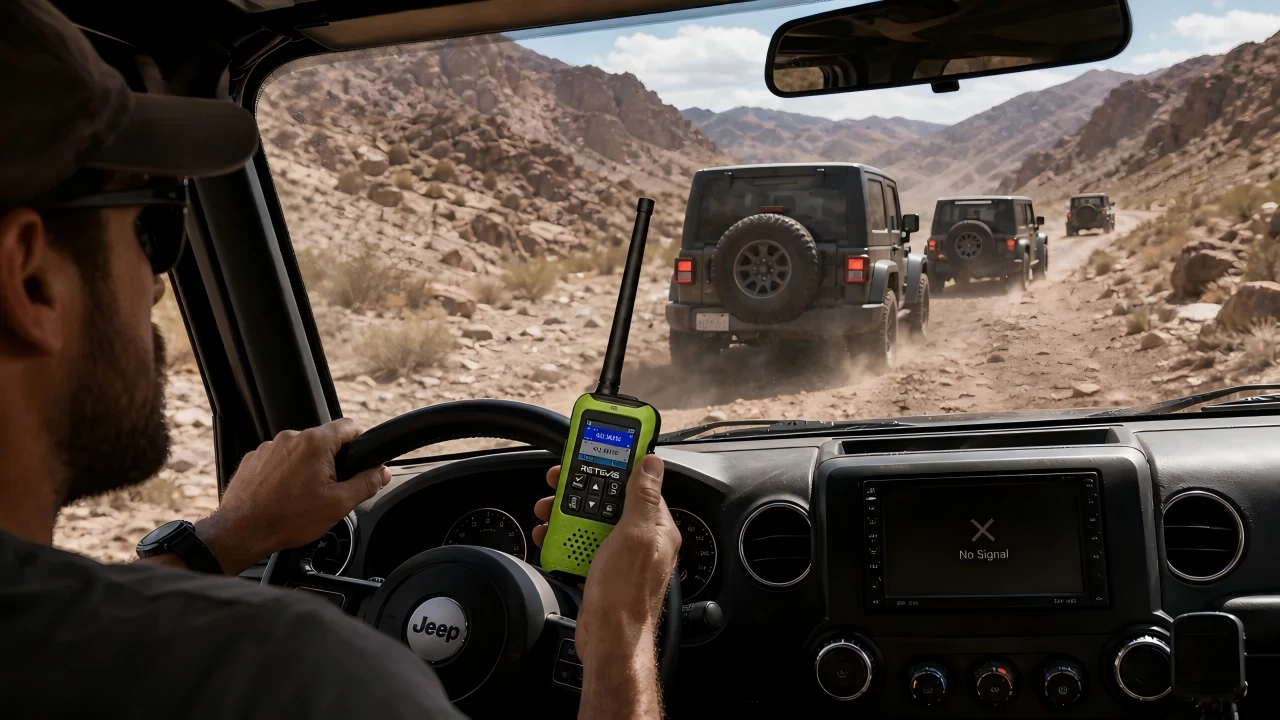
When cellular connectivity disappears, the trail experience changes completely.
It usually starts with a small change. One minute your group is moving together across a desert track, forest trail, or mountain road. The next minute, the phone signal drops to nothing. A few turns later, one vehicle slows down, another takes a wrong path, and the convoy is no longer as tight as it was five minutes ago. In places like this, “I’ll just call you” is no longer a plan.
For off-road drivers, that moment changes everything. The trail becomes more than a route. It becomes a place where distance, terrain, and communication all matter at once. And once the bars on your phone disappear, the real question becomes clear: How do you communicate without cell service outdoors?
That is where the right off road communication gear starts to matter. Not as a luxury, but as a practical part of staying together, staying aware, and staying safe.
Why Your Phone Isn’t Enough for Remote Off-Road Adventures
A smartphone is useful until it is not. In remote off-road areas, the first problem is usually simple: there is no cellular coverage. Desert valleys, deep forest roads, and mountain trails often sit outside normal network range. Even if your phone still has power, it may not have a signal worth depending on.
The second problem is battery life. Off-road trips often take longer than planned. GPS apps, photos, music, and constant searching for service can drain a phone quickly. If the battery dies, you lose not only communication, but also one of your most important backup tools.
The third problem is group communication. Phones are not built for fast, shared trail coordination. If vehicles separate, if someone needs to stop, or if the convoy changes pace, a phone becomes slow and awkward. You have to stop, unlock the screen, search contacts, wait for a connection, and hope the call goes through.
That is why a communication device when there is no cell service needs to do more than replace a phone. It needs to support the way people actually travel off road.
What Makes Good Off-Road Communication Gear?
Good off road communication gear is not just about talking. It is about staying in contact when the trail becomes unpredictable. That means the gear should support useful range, stable communication, and easy use in real driving conditions.
Useful Range
On the trail, range matters because vehicles do not always stay close together. A good communication setup should give drivers enough reach to stay in touch when one vehicle turns a corner, climbs higher ground, or falls behind slightly.
Stable Communication
Off-road environments are not quiet. Wind, engine noise, and terrain all make communication harder. A good system should keep messages clear enough to use without confusion.
Group Communication
Off-roading is often a group activity. Whether it is a Jeep run, a family overlanding trip, or a multi-car convoy, people need a way to share quick updates with everyone at once.
Durability
Dust, bumps, vibration, and changing weather are normal on the trail. Gear that cannot handle rough use will not stay useful for long.
Battery Life
If the trip lasts all day, the communication gear has to last too. Reliable power is one of the most important parts of any off-road setup.
Easy Operation
When you are driving, navigating, or helping another vehicle, you do not want a complicated device. A good communication tool should be simple enough to use quickly.
These are the qualities people should look for when choosing the best communication device for off roading.
Choosing the Right Communication Setup for Different Off-Road Trips
Not every trail trip has the same communication need. A Jeep day trip is not the same as a multi-day overlanding route. A mountain convoy is not the same as a desert run. That is why the best setup depends on the type of trip.
Jeep Trail Rides
Shorter Jeep trail rides usually need fast, simple communication between a few vehicles. The main goal is to keep the group together and avoid confusion when the route changes.
Overlanding
Overlanding trips often take longer and cover more distance. Here, communication is not only about convenience. It is also about planning, check-ins, and coordination across multiple stops.
Desert and Mountain Trips
These trips often involve open space, rough terrain, and changing group distance. Communication needs to stay stable even when vehicles separate a little.
Group Convoys
Convoys need shared communication because one message may need to reach several drivers at once. A setup that supports group coordination is especially valuable here.
This is why how to communicate without cell service outdoors depends so much on the trip itself. Different adventures need different communication planning.
How a Two-Way Radio Fits Into an Off-Road Communication Kit
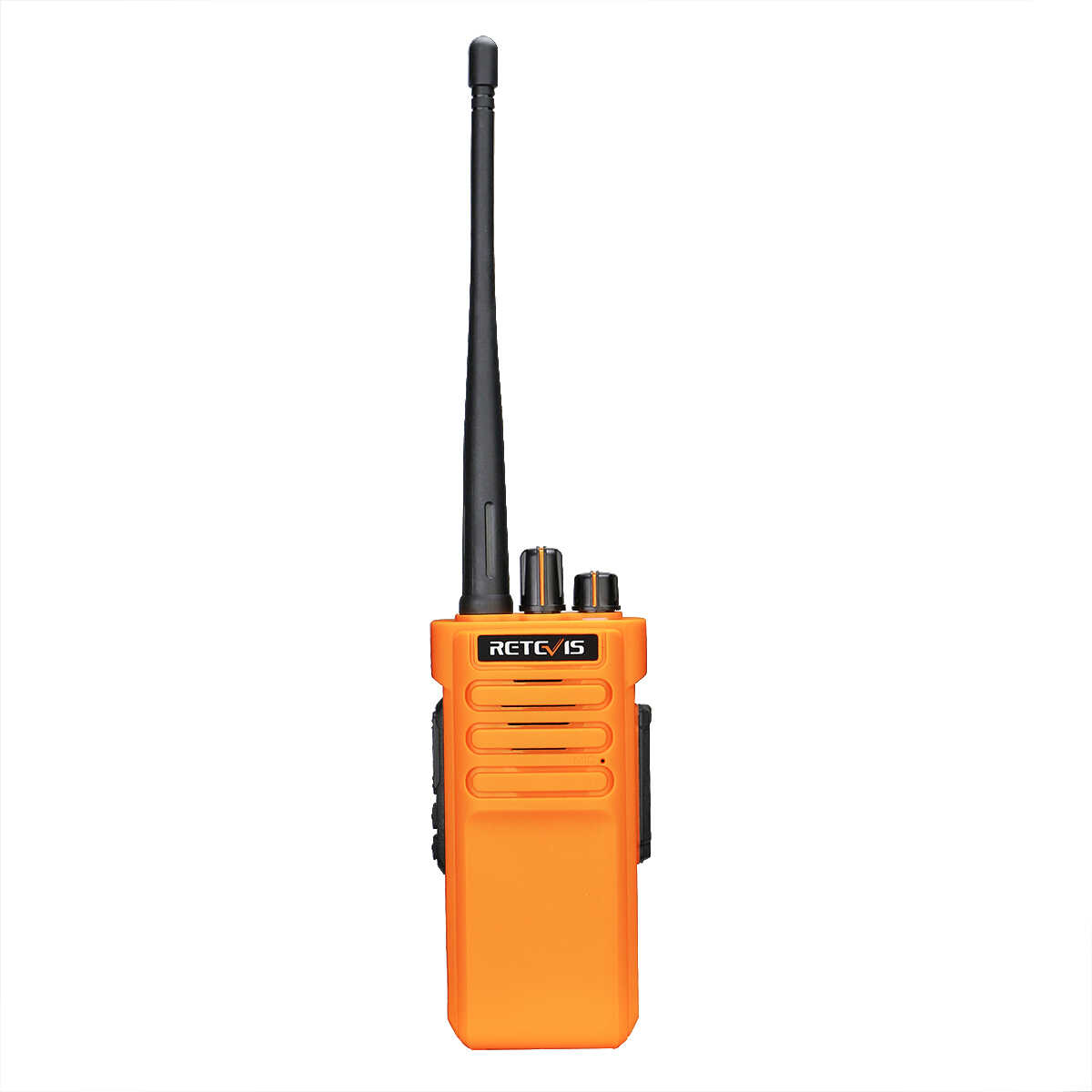
A two-way radio is one of the most practical tools for off-road travel because it supports direct communication between vehicles. Unlike a phone, it is built for quick group updates and trail coordination.
A full off-road communication kit usually includes more than the radio itself. It may also include:
- spare power
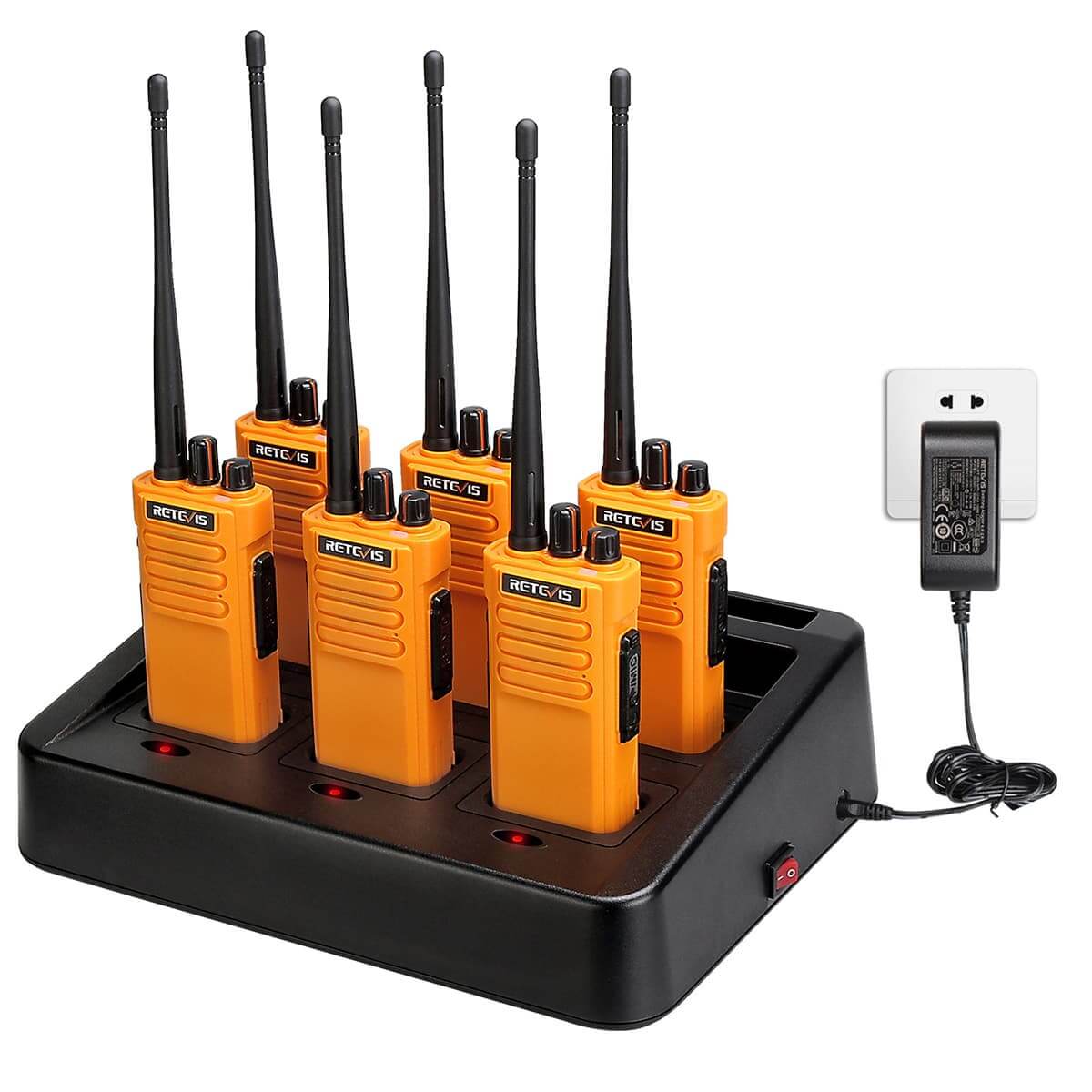
- charging options
- accessories like clips or headsets
- a simple communication plan for the group
- backup units for longer trips
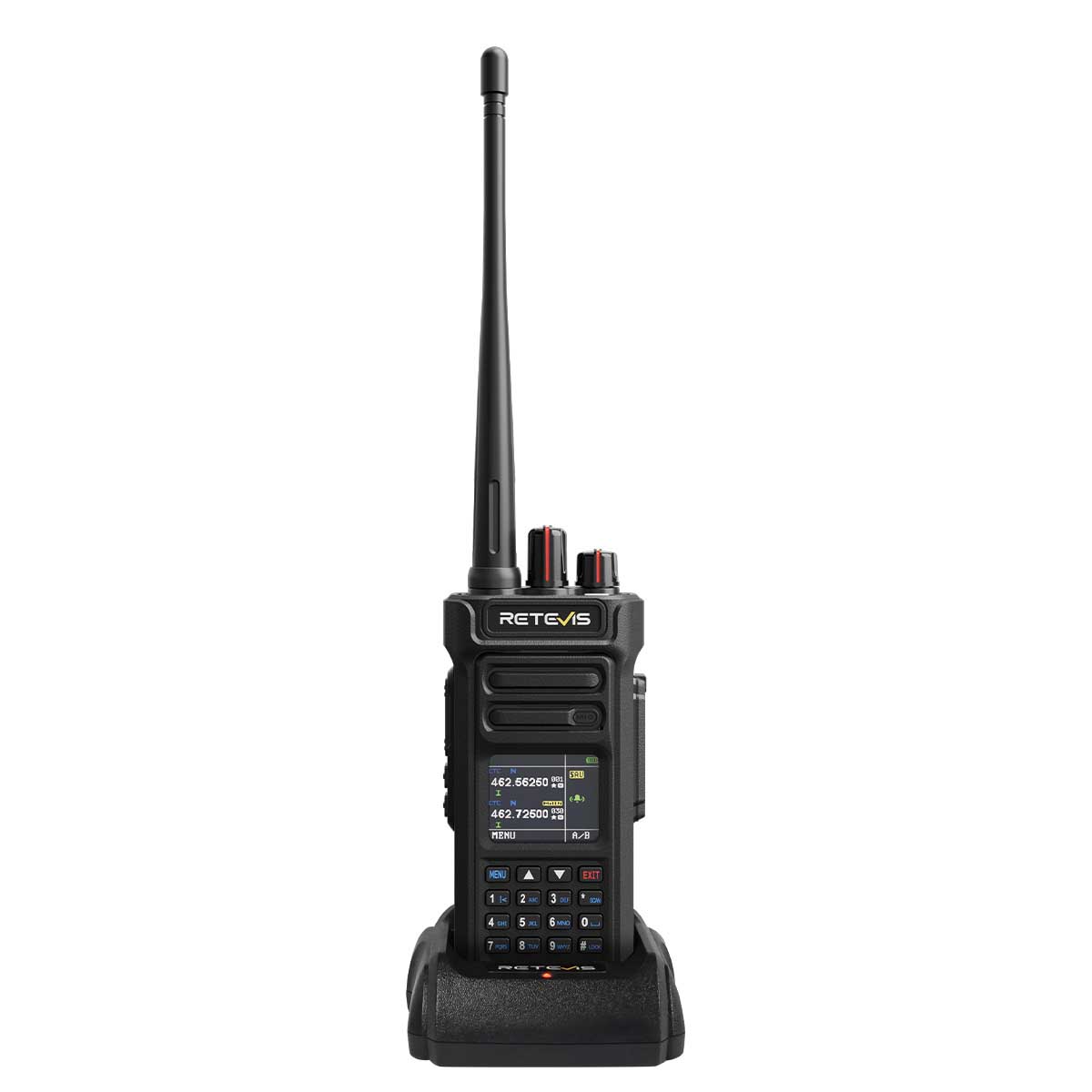
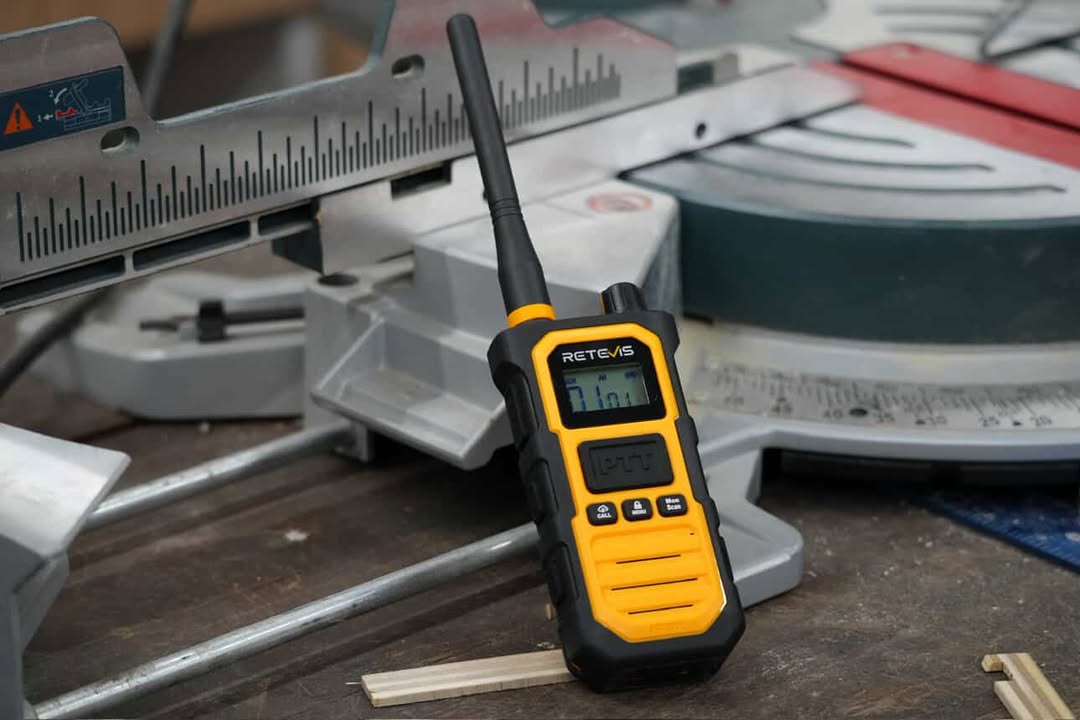
That is where the Retevis EZTalk 5 fits in. It can be part of a practical trail communication setup for people who want to keep a group connected without relying on cell service. For buyers planning a gear upgrade, it may also be a good time to watch for Retevis 16th anniversary deals, which can make it easier to add radios, backup units, or useful accessories to a complete off-road communication kit.
Why EZTalk 5 Can Be a Practical Option for Off-Road Communication
When looking at a product like the EZTalk 5, the important question is not just what it is, but what it means for an off-road user.
Long Communication Range
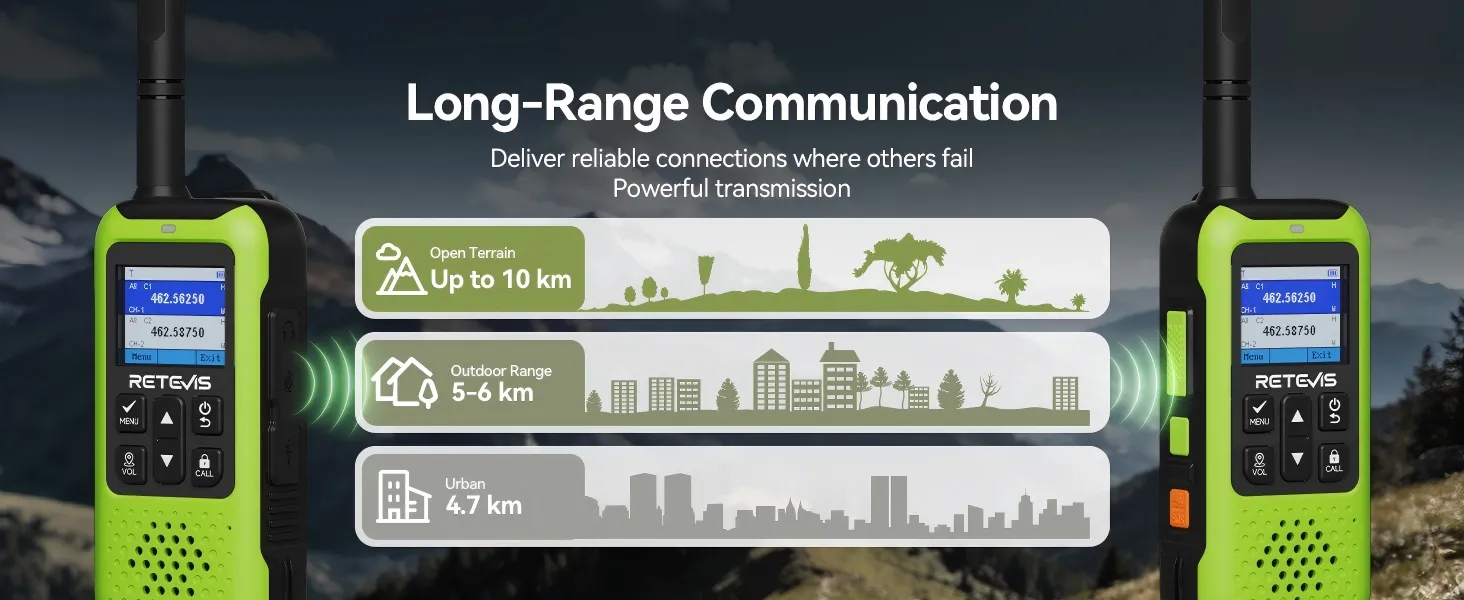
A 5-watt GMRS signal holds clean audio across open ridges and through canopy cover. That is enough for a lead vehicle to warn the convoy about road conditions before the rest of the group sees them, without constant regrouping.
Clear Group Communication
Off-road travel involves more than two people. GPS and BeiDou positioning show where everyone is on the trail, even when no one is talking. A lead driver can glance at the app and see that the tail vehicle is stopped at an obstacle, keeping radio channels clear for actual conversation.
Easy Operation
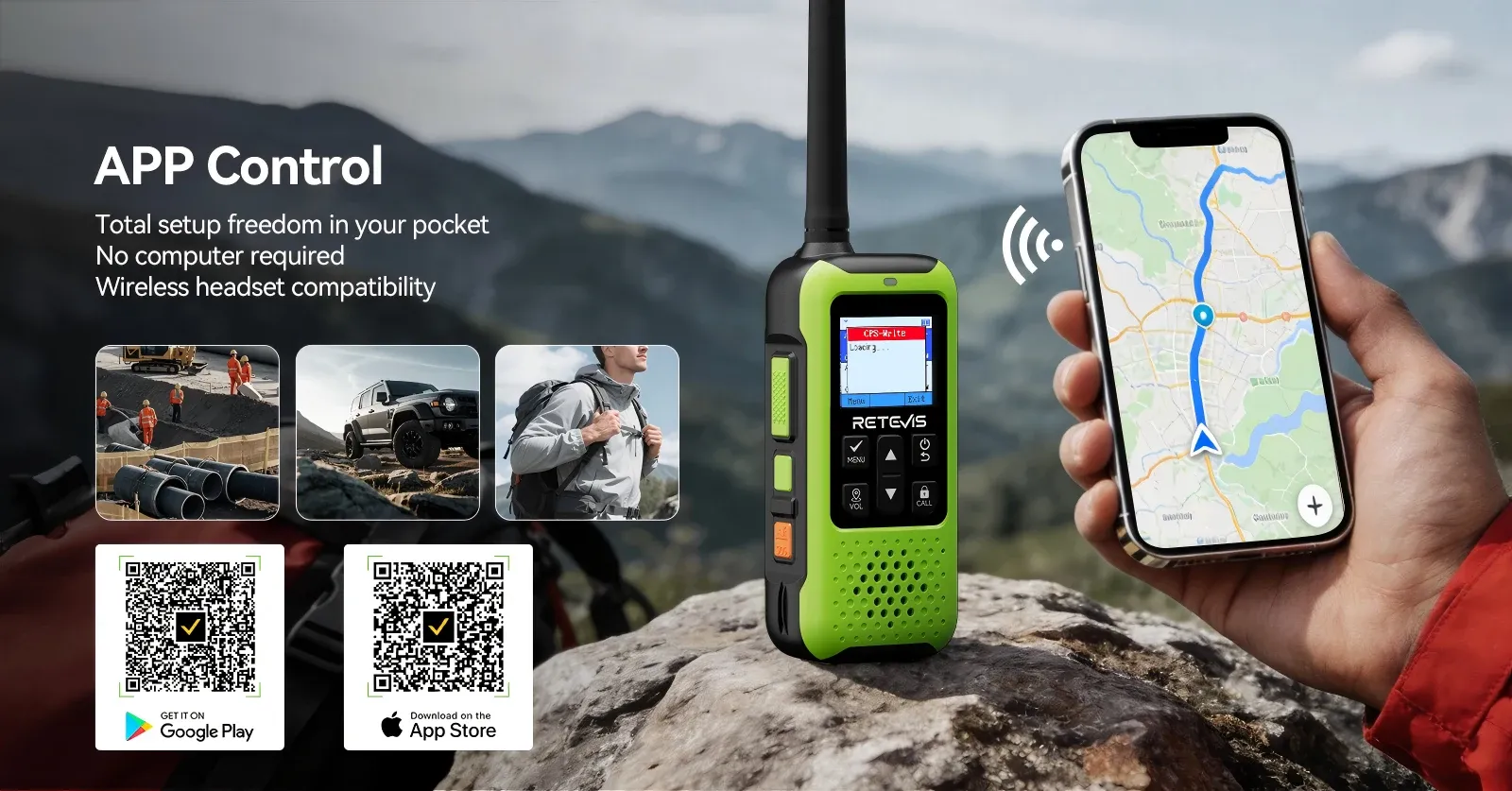
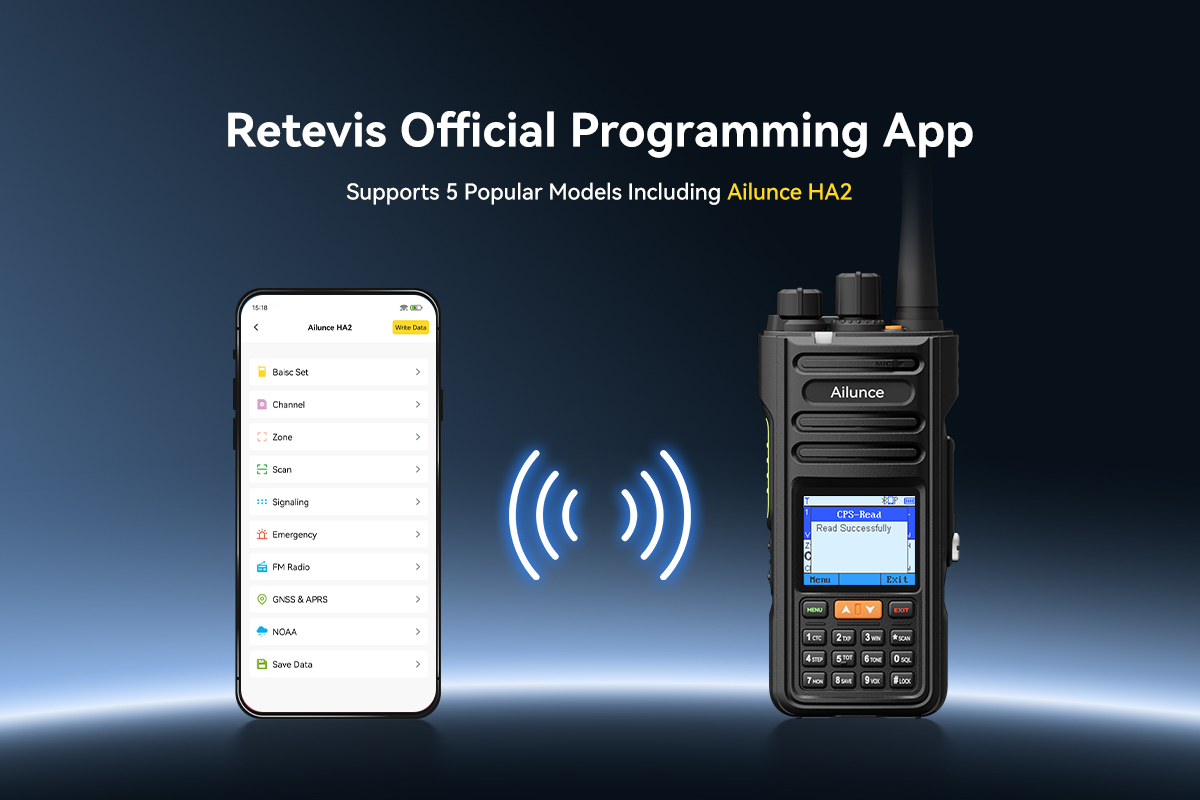
Trail radios get passed between drivers and reconfigured on the fly. Bluetooth app control means a new driver joins the convoy and receives the full group settings in under a minute. No cables, no manual frequency entry, no one left behind because they could not figure out the setup.
Support for Off-Road Conditions
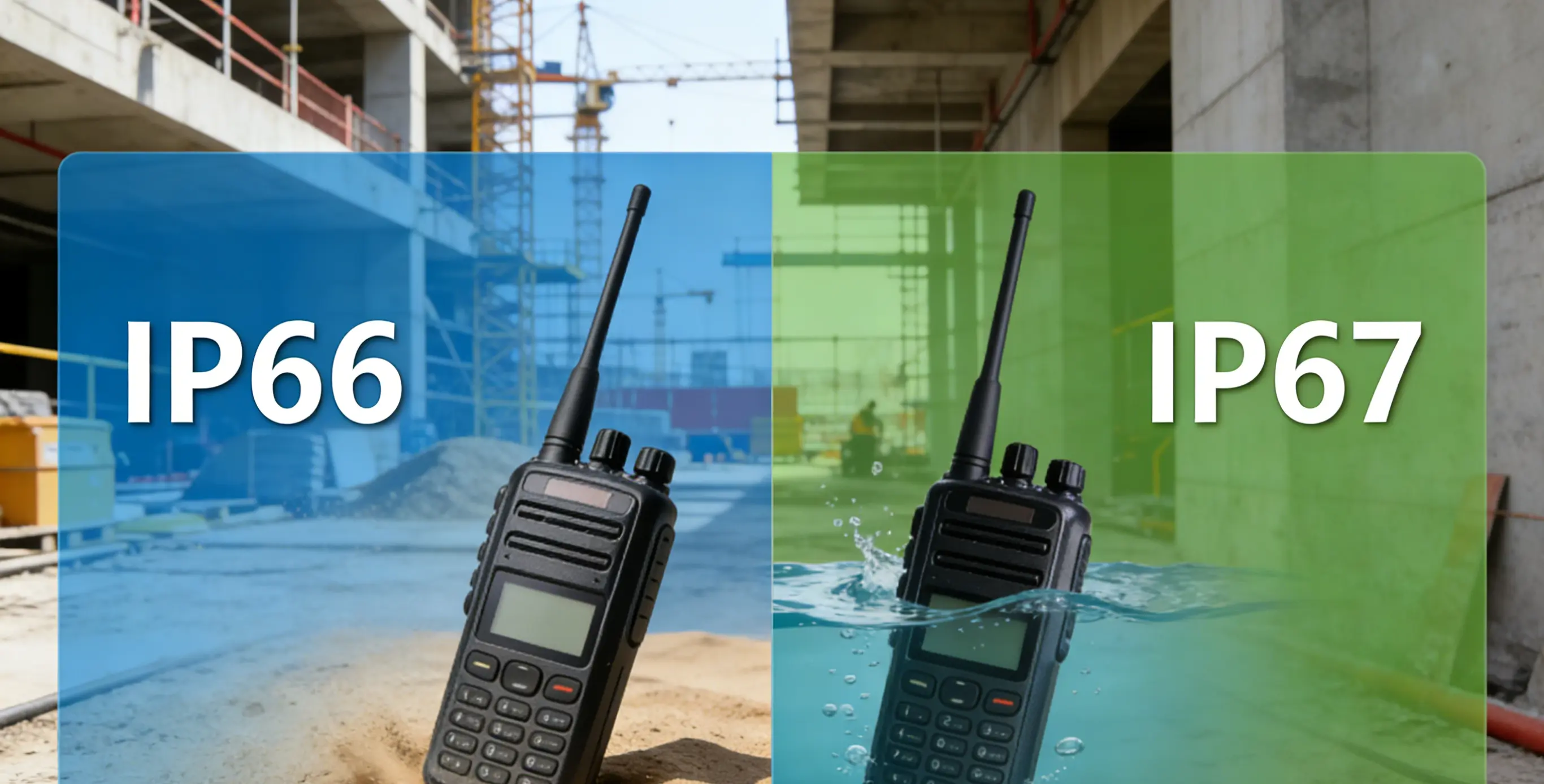
A 2000mAh battery and USB-C charging outlast a full day of driving and recharge from any power bank the group already carries. The IP54 rating handles dust, rain, and splashes, and the 1.77-inch color display stays readable in direct sunlight on an exposed ridge.
This is what makes the EZTalk 5 relevant in an off-road setting. It is not about adding more gear for the sake of it. It is about helping drivers stay connected when the trail gets more remote.
Off-Road Communication Gear Checklist
Before heading out, it helps to think of communication as a full kit rather than a single device. A practical checklist may include:
- a primary communication device
- a backup unit
- charging or power support
- useful accessories for trail use
- an emergency backup plan
- a clear group communication setup
If you are planning a longer trip or a group convoy, it is smart to prepare for more than one scenario. That way, if the route changes or the group separates, the communication system is already ready.
Final Takeaway: Stay Connected When the Trail Takes You Off the Grid
No cell service does not have to mean no communication. In off-road travel, the best setup is the one that helps you stay connected to the people traveling with you.
The goal is not just to be online. It is to keep the convoy coordinated, make the trip safer, and keep the experience smoother when the trail gets remote. For Jeep trail communication system planning, overlanding trips, or general off-road adventures, reliable communication gear can make a real difference.
If you are thinking about upgrading your trail setup, it may also be worth checking current Retevis 16th anniversary deals, especially if you need multiple radios, backup units, or accessories for group travel.
In the end, the best communication device when there is no cell service is the one that helps the group stay together when the trail takes you off the grid.
Leave a Reply




 Google
 Amazon
Comments
No data Yet