

Table of Contents
How to Build Reliable Walkie Talkie Coverage Across Large Worksites
- Posted by:Retevis
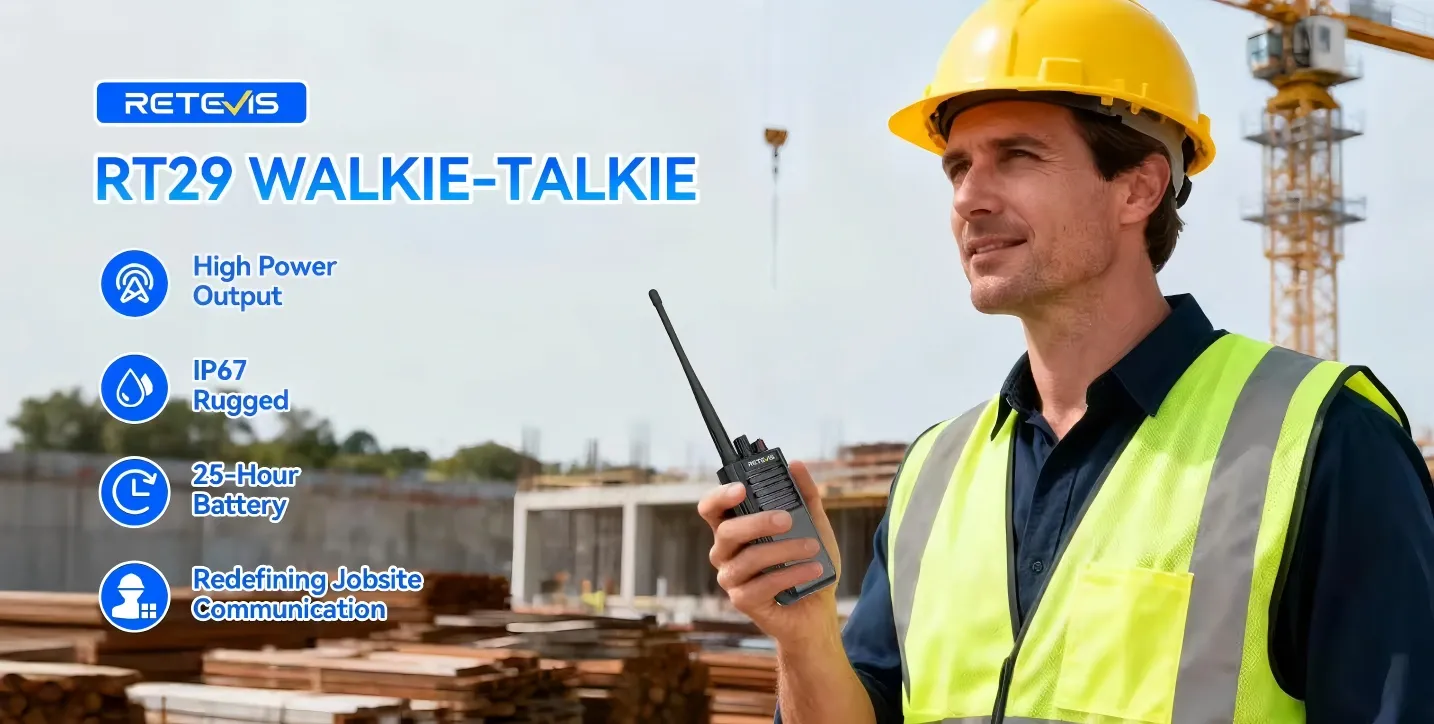
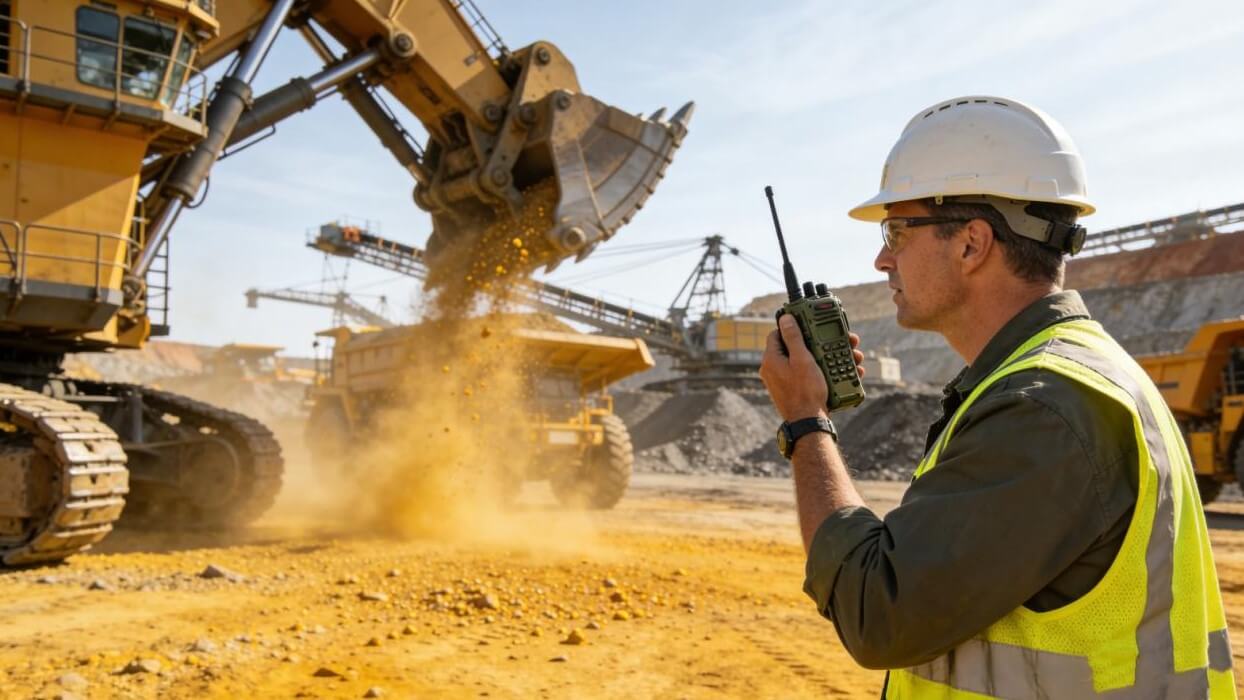
Burke Dewey runs an excavation team in a wet, muddy valley. His crews work in deep trenches spread across a large site. For him, a radio that cannot reach the bottom of a trench is not an inconvenience — it is a safety hazard.
"The high-power signal is a necessity for the deep trenches and the large site area," he says.
Burke's problem is not unique. Every large worksite — construction, manufacturing, warehousing — has places where radios stop working. The question is: what do you do about it?
Step 1: Walk Your Site. Find Your Dead Zones.
Before you buy anything, walk your site. You need to know exactly where your radios fail.
Run these three tests:
- Walk to the farthest corner of your property. Press PTT. Can the other person understand you clearly?
- Go into your basement, elevator shaft, or deepest rack aisle. Is there any signal at all?
- Stand at your loading dock and call someone inside the warehouse. Does the call cut out at the door?
If any test fails, you have dead zones.
This is not a broken radio. Metal racking creates a Faraday cage effect that blocks and reflects signals. Reinforced concrete walls absorb radio energy before it reaches the other side. Signals bounce off glass and steel and arrive out of phase, causing distortion even when your radio shows signal bars.
How far do Retevis walkie talkies reach? The answer depends on where you stand. A radio that works perfectly in the parking lot may go silent three aisles into a warehouse. Distance is not a fixed number — it is a function of your environment.
Step 2: Ask — Is a Better Handheld Enough?
If your dead zones are "weak signal" rather than "no signal," a better handheld may solve the problem.
A handheld is enough when:
- Your site is a single building under 50,000 square feet
- You have no areas with zero signal — just occasional weak spots
- You do not need communication across separate buildings or multiple floors
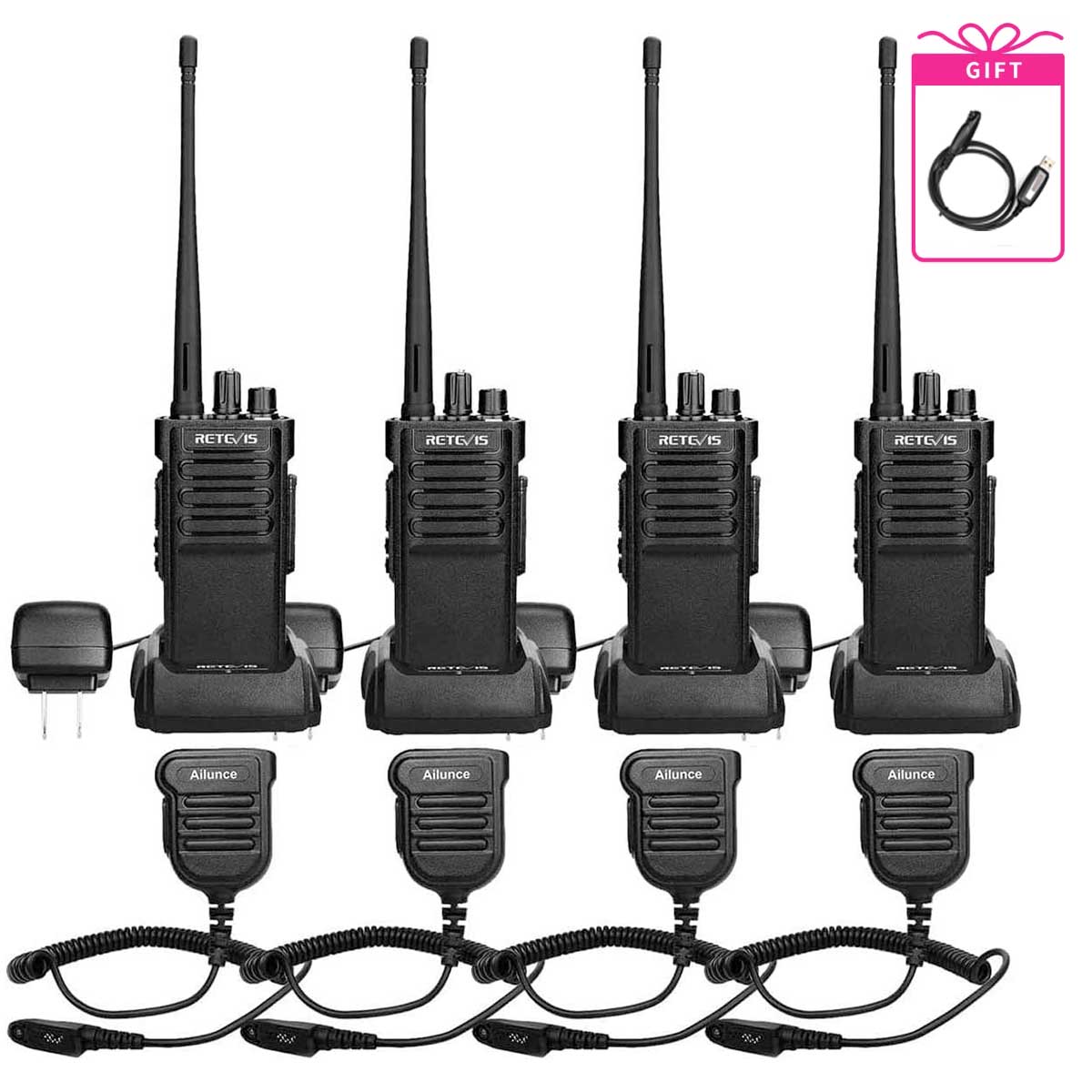
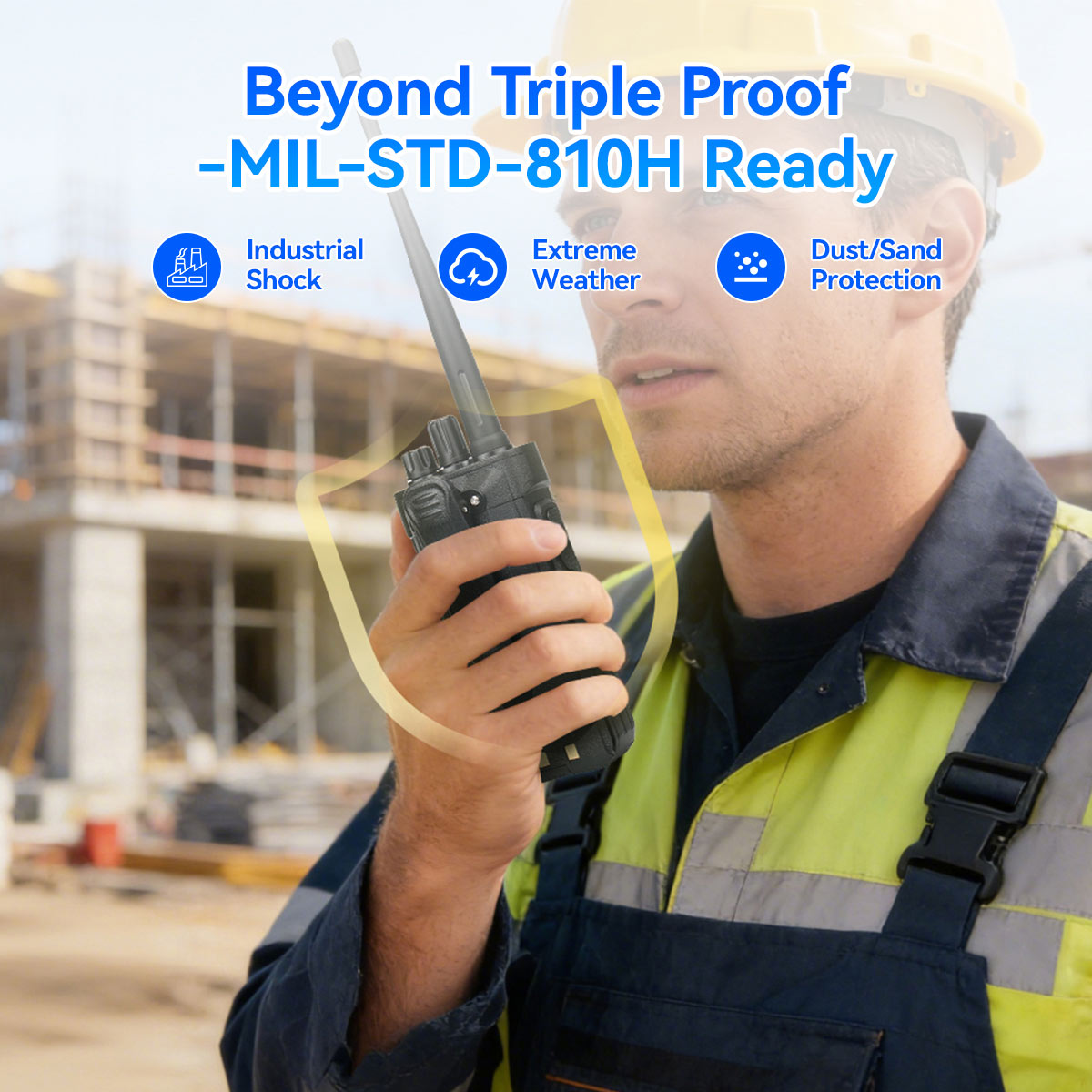
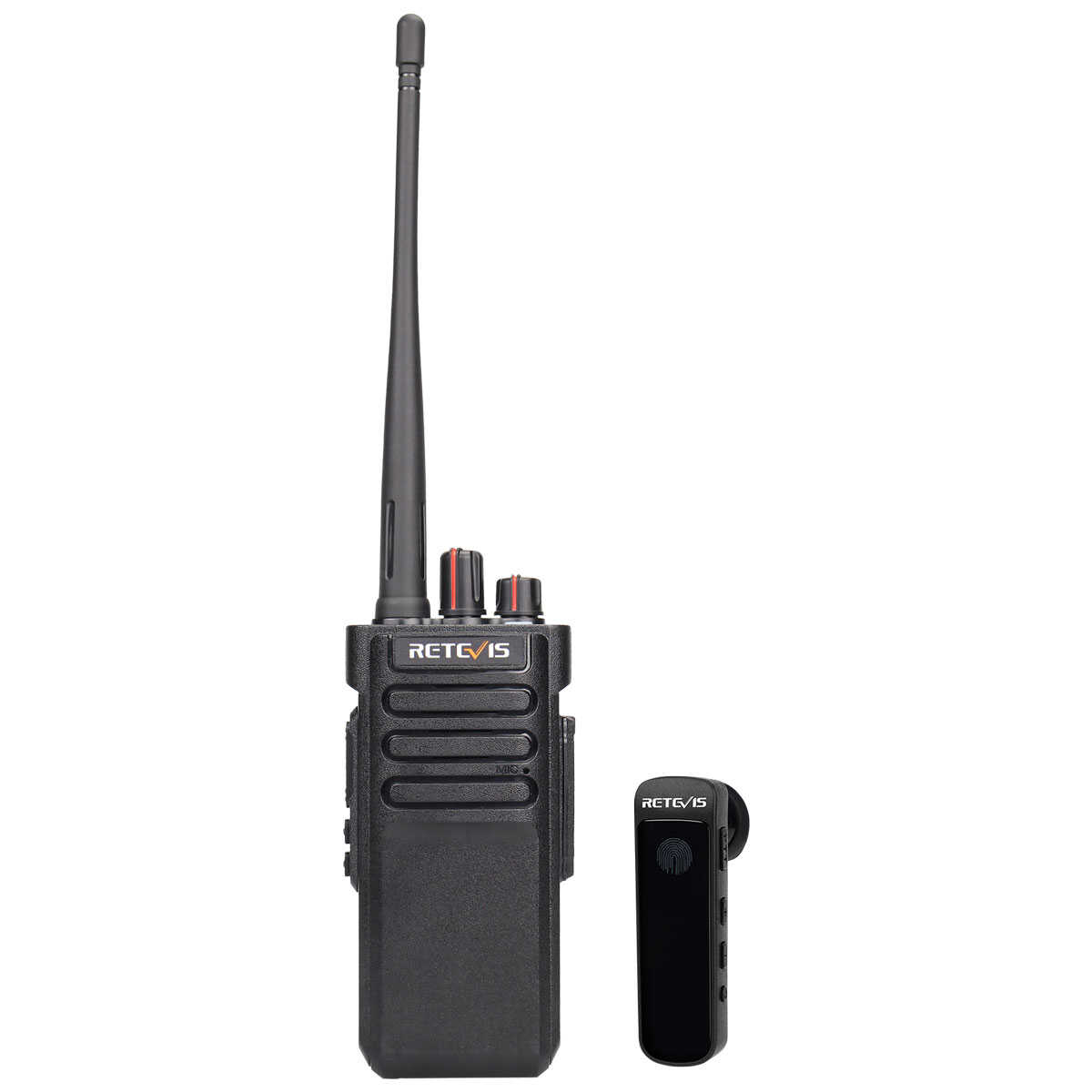
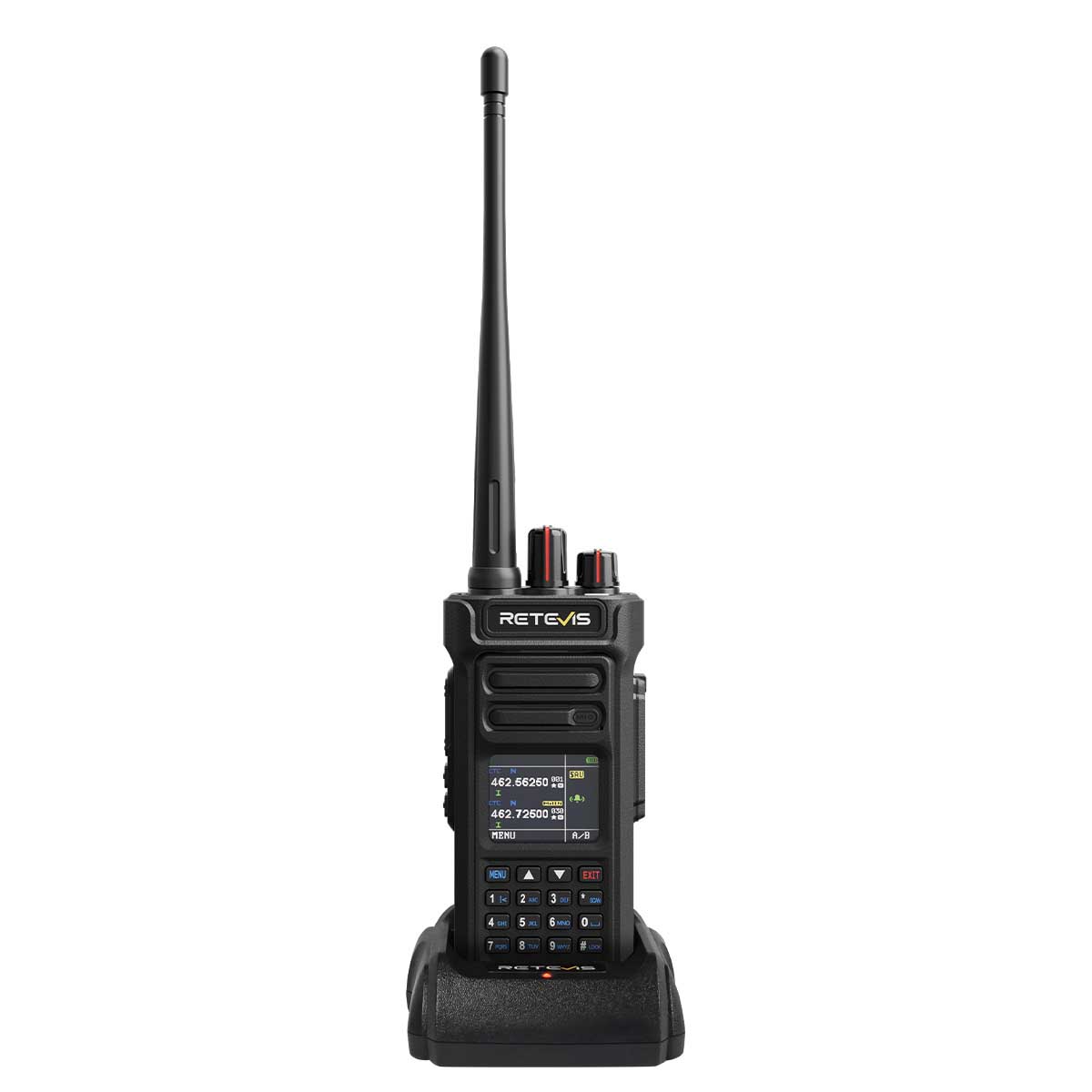
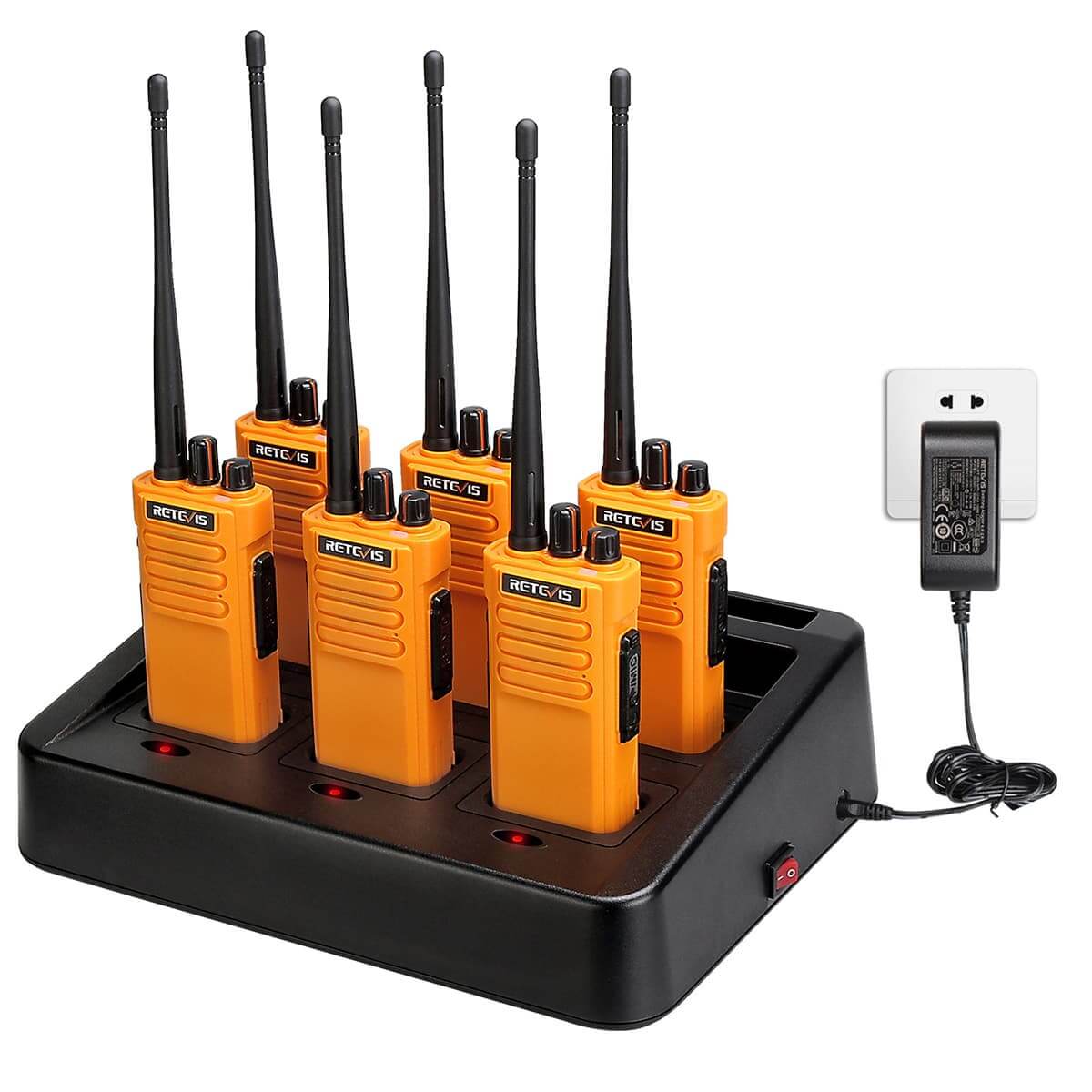
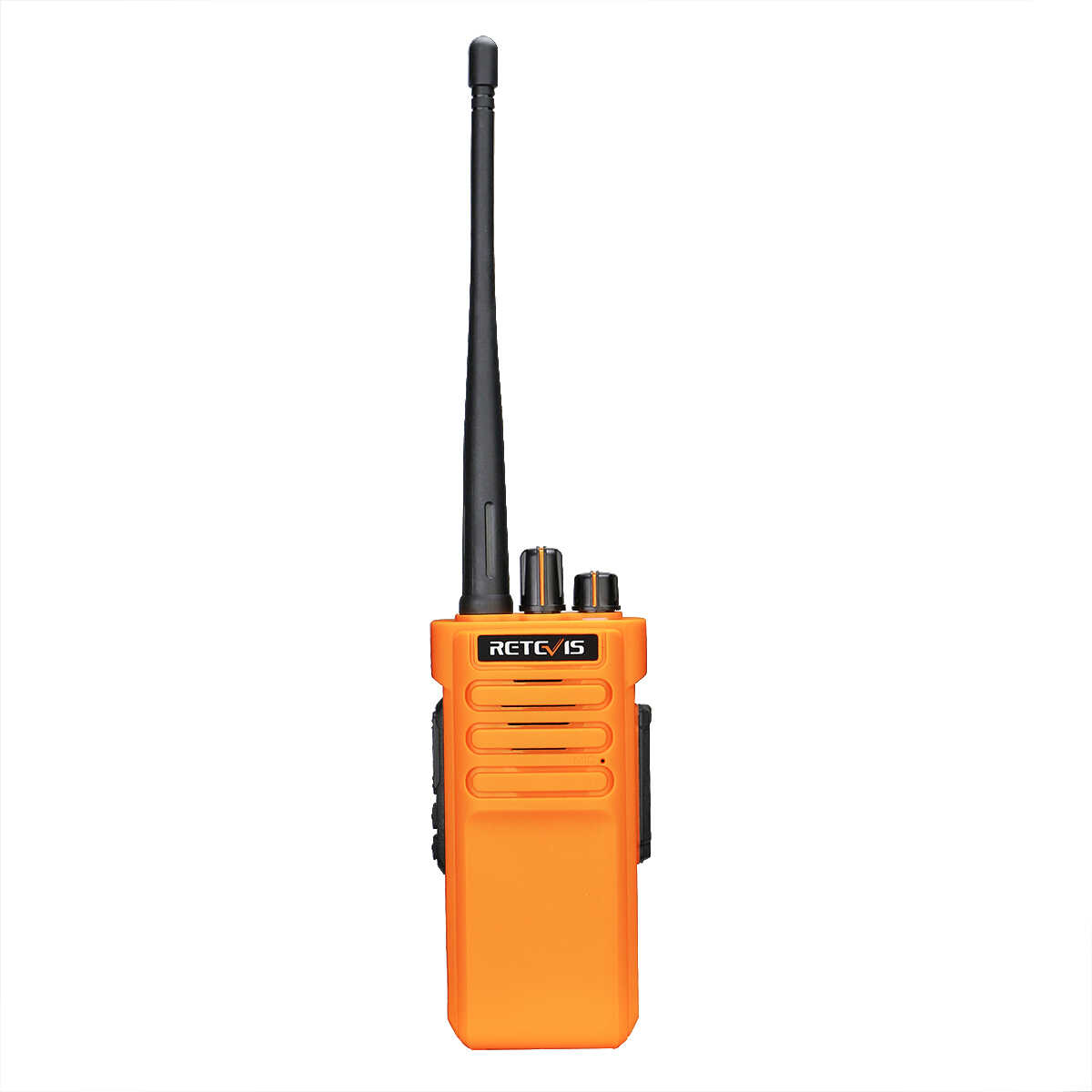
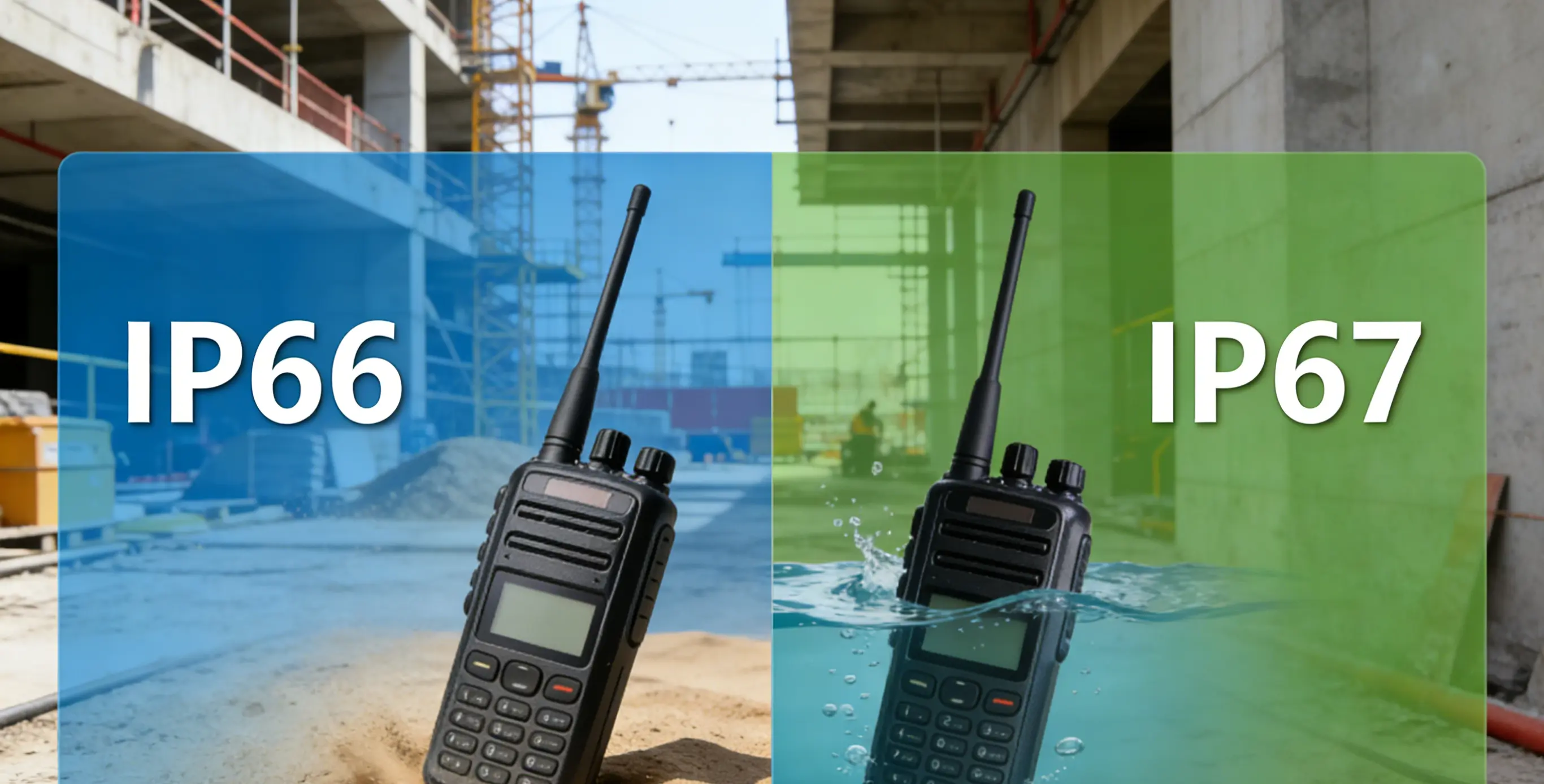
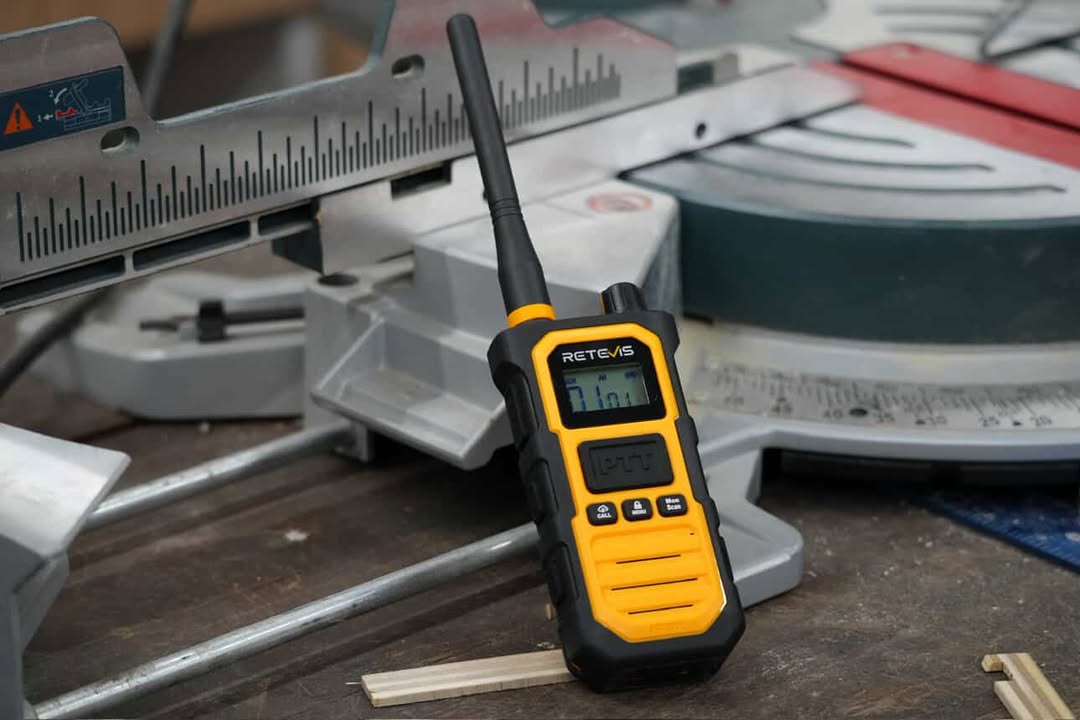
The Retevis RT29S is built for this scenario. It is one of the long range walkie talkies Retevis offers for worksite use, with high output power that pushes signals through walls and metal that weaker radios cannot penetrate. Its IP67 rating means it survives the mud, rain, and drops that come with worksite use. The LCD screen and full keypad let team members check channel and signal status at a glance, and the built-in noise reduction keeps voice audio clear when machinery is running. The RT29S is the upgraded version of the RT29 series — Burke Dewey's team uses the RT29, and the RT29S adds the screen, keypad, and noise reduction on top of the same high-power platform.
For teams spread across a single large floor or a moderate-sized yard, upgrading to long range two way radios like the RT29S may be all you need. No infrastructure. No installation. Just better handhelds.
Step 3: If You Have Real Dead Zones, You Need a Repeater
If your site has areas with zero signal — basements, elevator shafts, deep rack aisles, multi-story buildings — a handheld alone will not fix it. No matter how much power you put into a handheld, it cannot punch through three floors of reinforced concrete from ground level.
You need a repeater when:
- You have areas with zero signal, not just weak signal
- Your site exceeds 50,000 square feet or spans multiple floors
- You need communication between indoor and outdoor areas, or between separate buildings
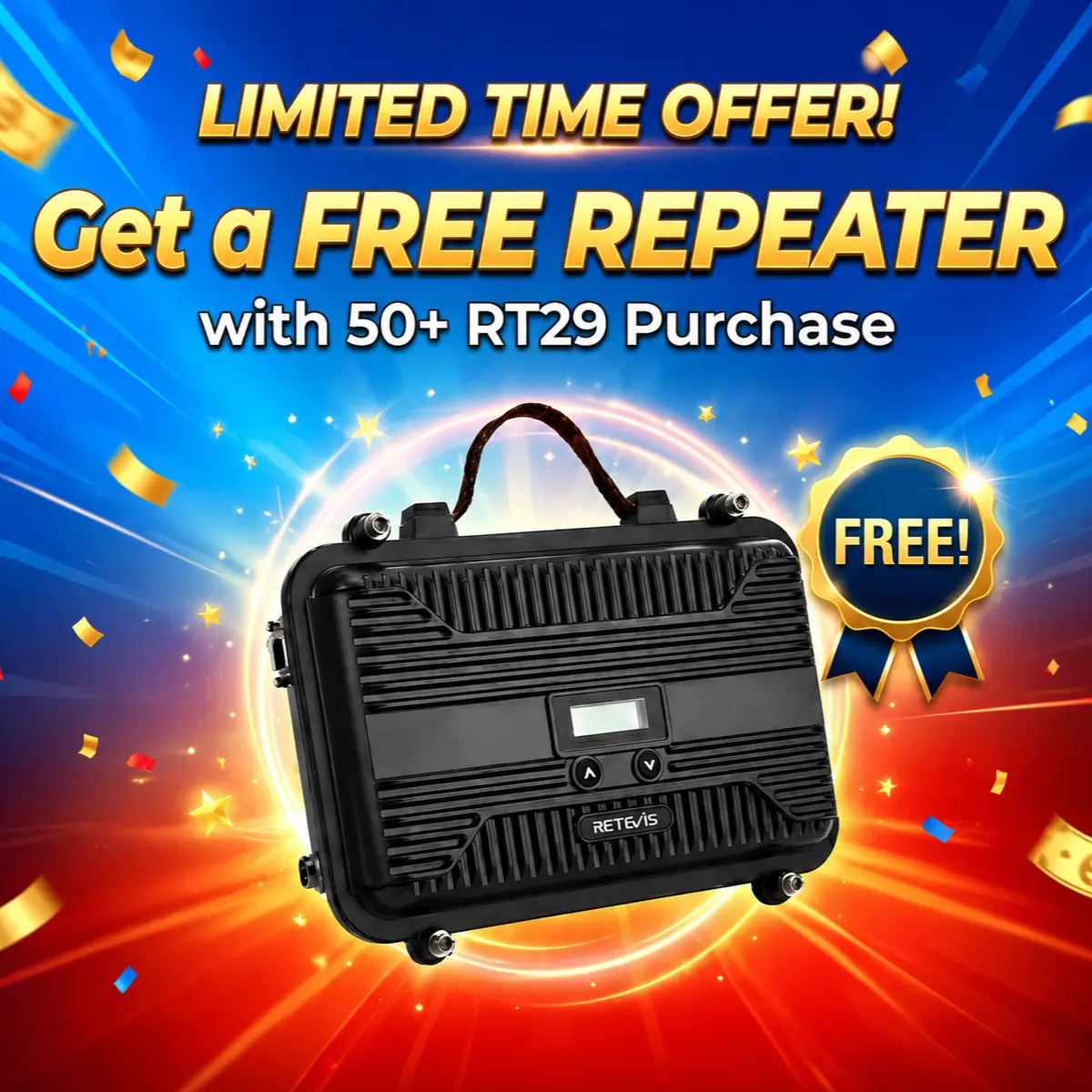
A repeater works by sitting at a high point — a rooftop, a tower, a water tower — and retransmitting signals it receives from handhelds below. A crew member in the basement transmits on their long distance walkie talkie. The repeater picks up that weak signal, amplifies it, and rebroadcasts it at 25 watts across the entire site. Everyone — from the basement to the rooftop to the loading dock — hears the call.
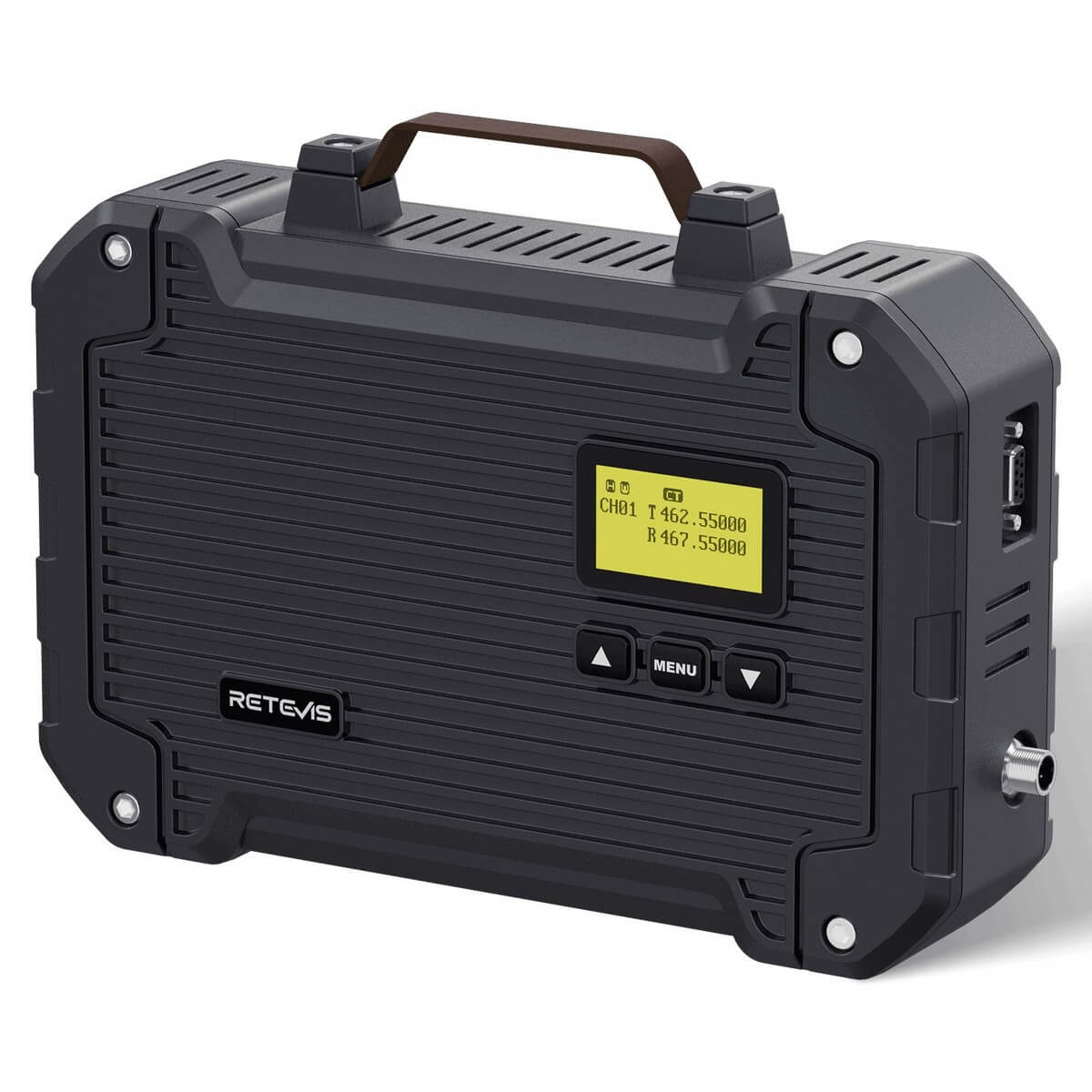
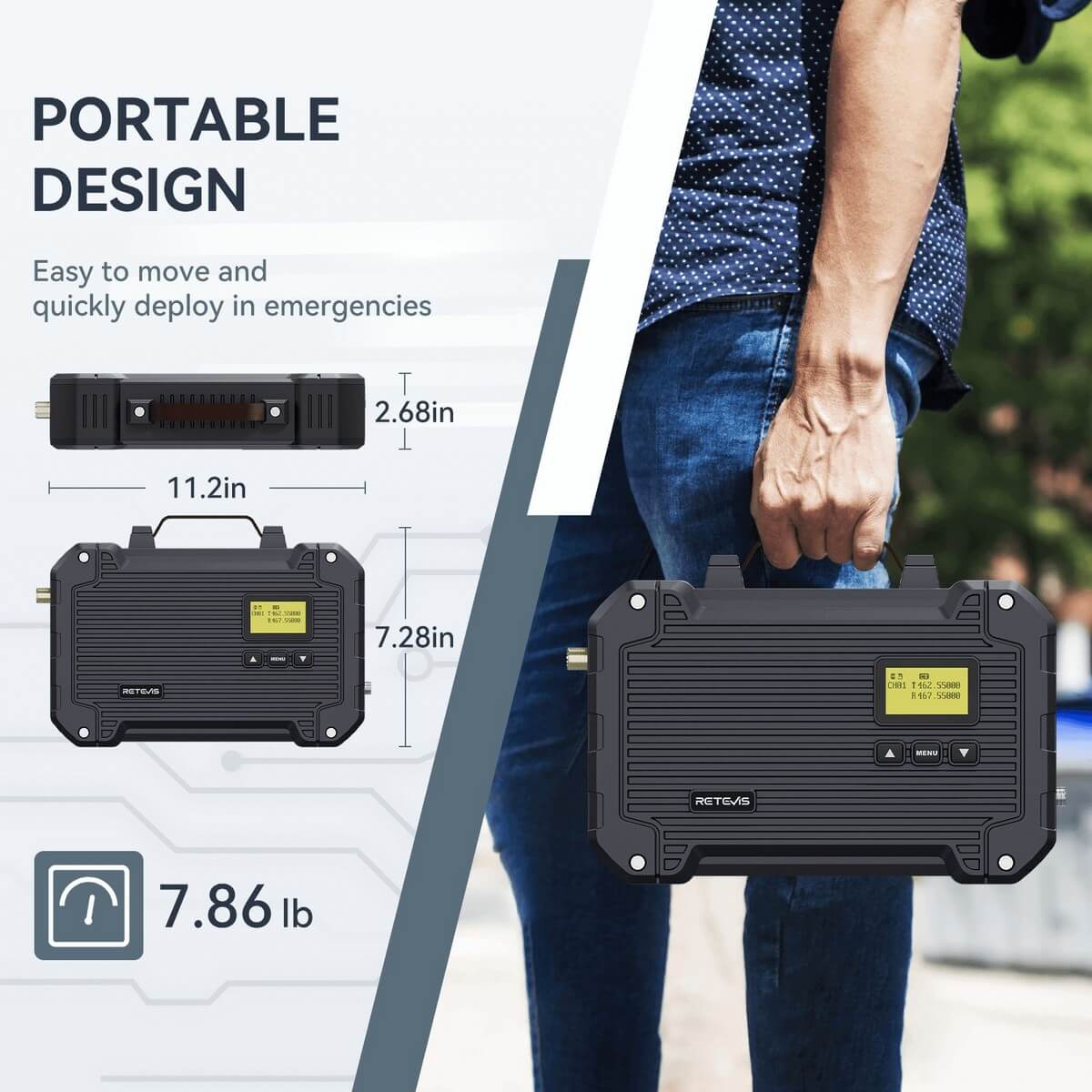
The Retevis RT97L is built for this role. It is one of the long range radios Retevis offers for site-wide coverage. Its 25-watt output covers large sites from a single elevated position. The IP66 housing and -15°C automatic heating system mean it can sit on a rooftop year-round through rain, snow, and summer heat. The all-aluminum fanless design has no moving parts to fail. Full-duplex operation means team members can talk and listen simultaneously, without the "wait your turn" delay of simplex operation.
One critical detail: FRS radios cannot use repeaters. If you are currently using FRS handhelds and want to add a repeater, you will need to move to GMRS radios. A GMRS license costs $35 for 10 years and covers the licensee plus immediate family members — for a business, it covers the organization's designated users. The RT97L operates on GMRS frequencies. Retevis offers GMRS-compatible versions of the RT29 series handhelds — including the RT29S — that can be configured to work with the RT97L. Retevis's own official solution pairing, documented in the company's April 2026 release on multi-story and underground construction coverage, is the RT97L repeater with the RT29 radio.
What Real Users Found
Burke Dewey's excavation team is one example. The high-power signal from their RT29 radios reaches the bottom of deep trenches and across a large, muddy site — areas where weaker radios went silent. "The high-power signal is a necessity," he says.
Retevis documented this exact scenario in an April 2026 release on multi-story and underground construction coverage. The RT97L repeater, used with RT29 series long distance two way radio handhelds, was shown to eliminate communication blind spots in basements, elevator shafts, and deep within multi-story buildings — areas where handheld-to-handheld communication consistently fails. Construction teams using this setup reported being able to connect crews across floors and between indoor and outdoor areas that previously had no coverage.
These are not marketing claims. They are results from teams that walked their sites, found their dead zones, and fixed them.
Different World. Same Connection.
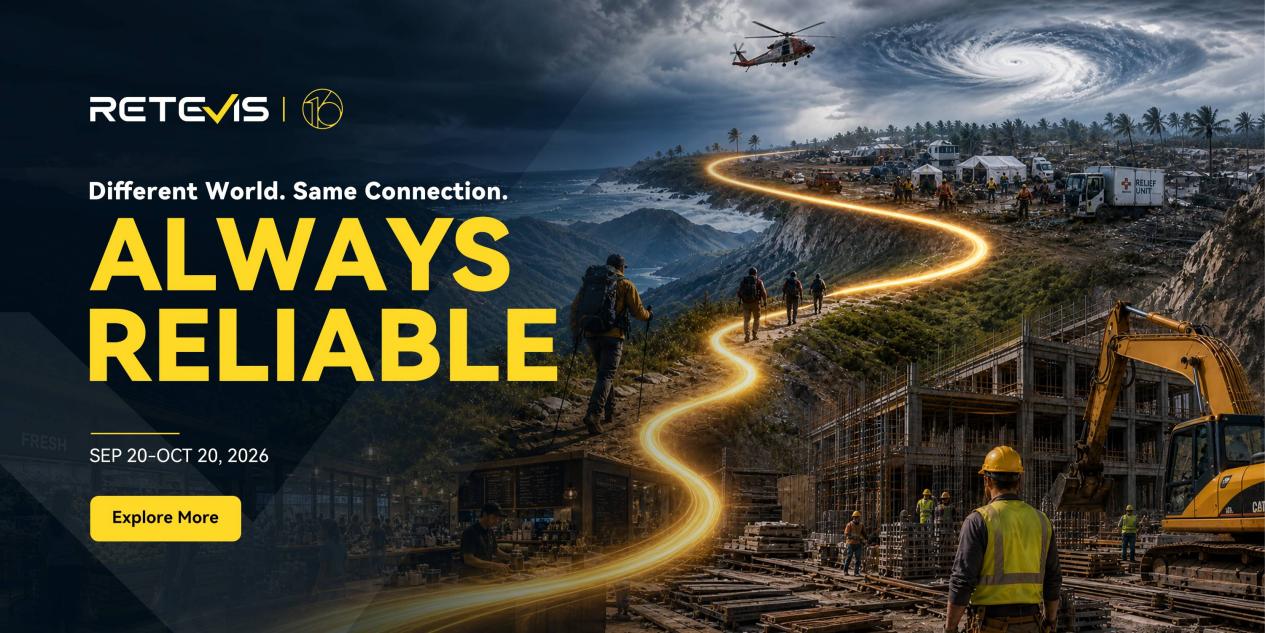
Sixteen years ago, Retevis started building radios. Today, we celebrate the connections you built with them — in deep trenches, on high-rise construction sites, across warehouse floors.
Construction sites. Manufacturing floors. Warehouses. Different worlds, same connection. Always reliable.
Walk your site. Find your dead zones. Fix them.
Leave a Reply



 Google
 Amazon
Comments
No data Yet