

Table of Contents
Why Industrial Walkie Talkies Fail on Construction Sites: 7 Common Problems and Fixes
- Posted by:Retevis
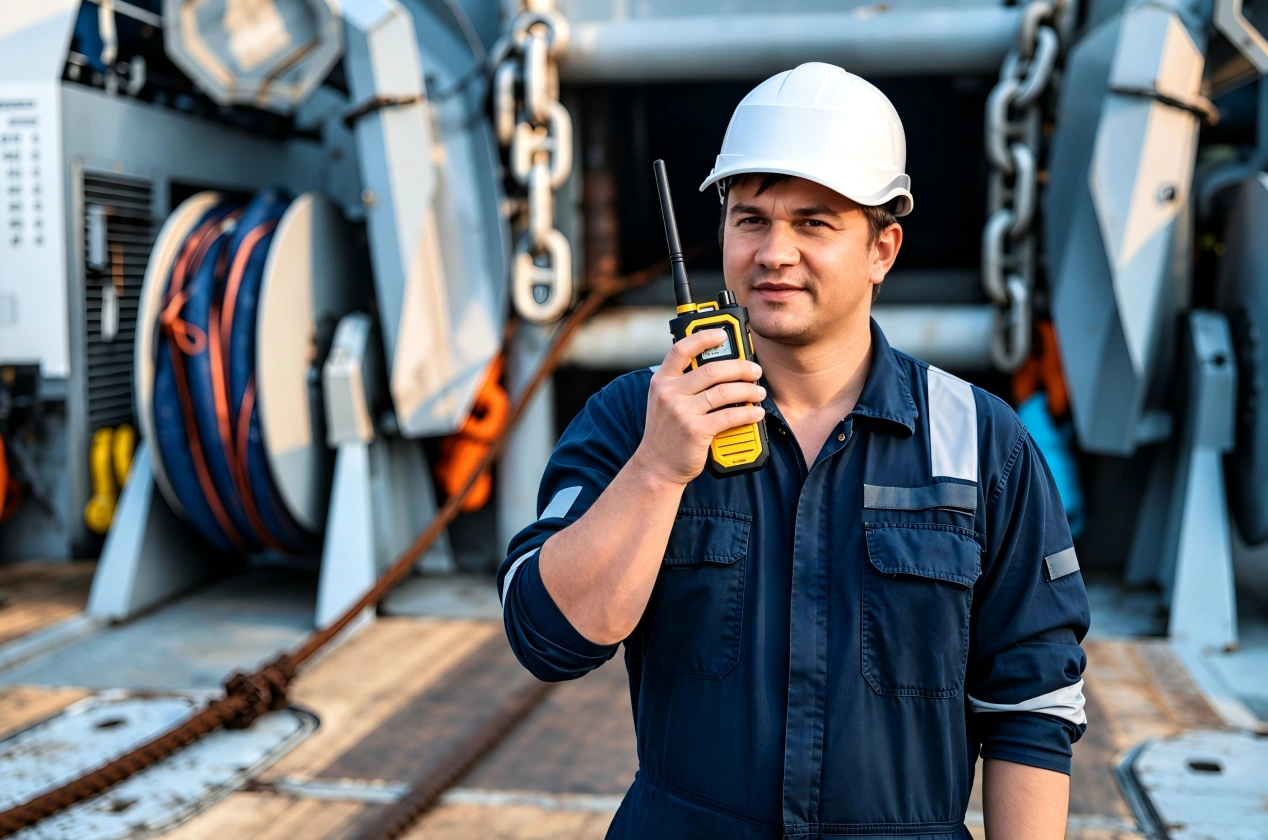
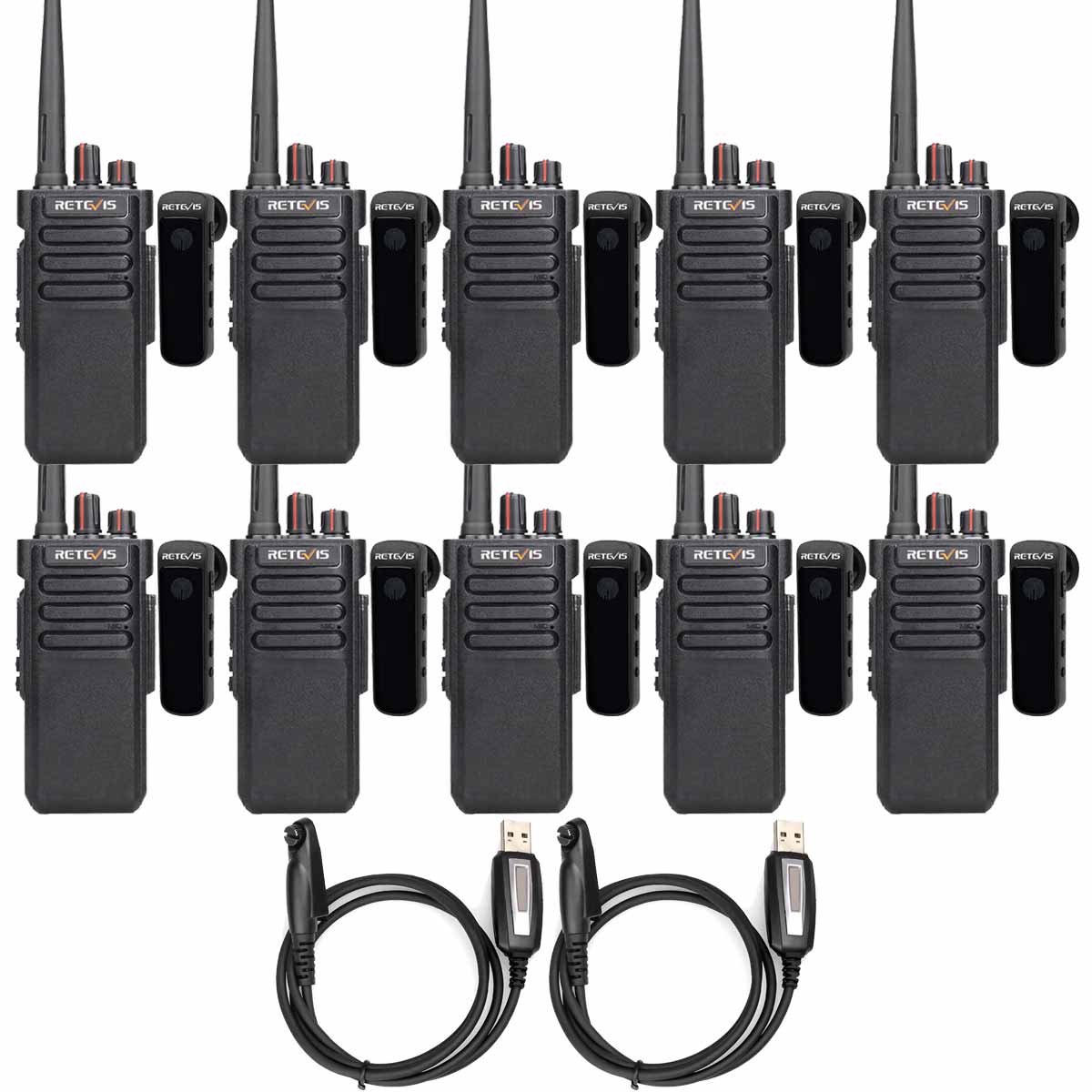
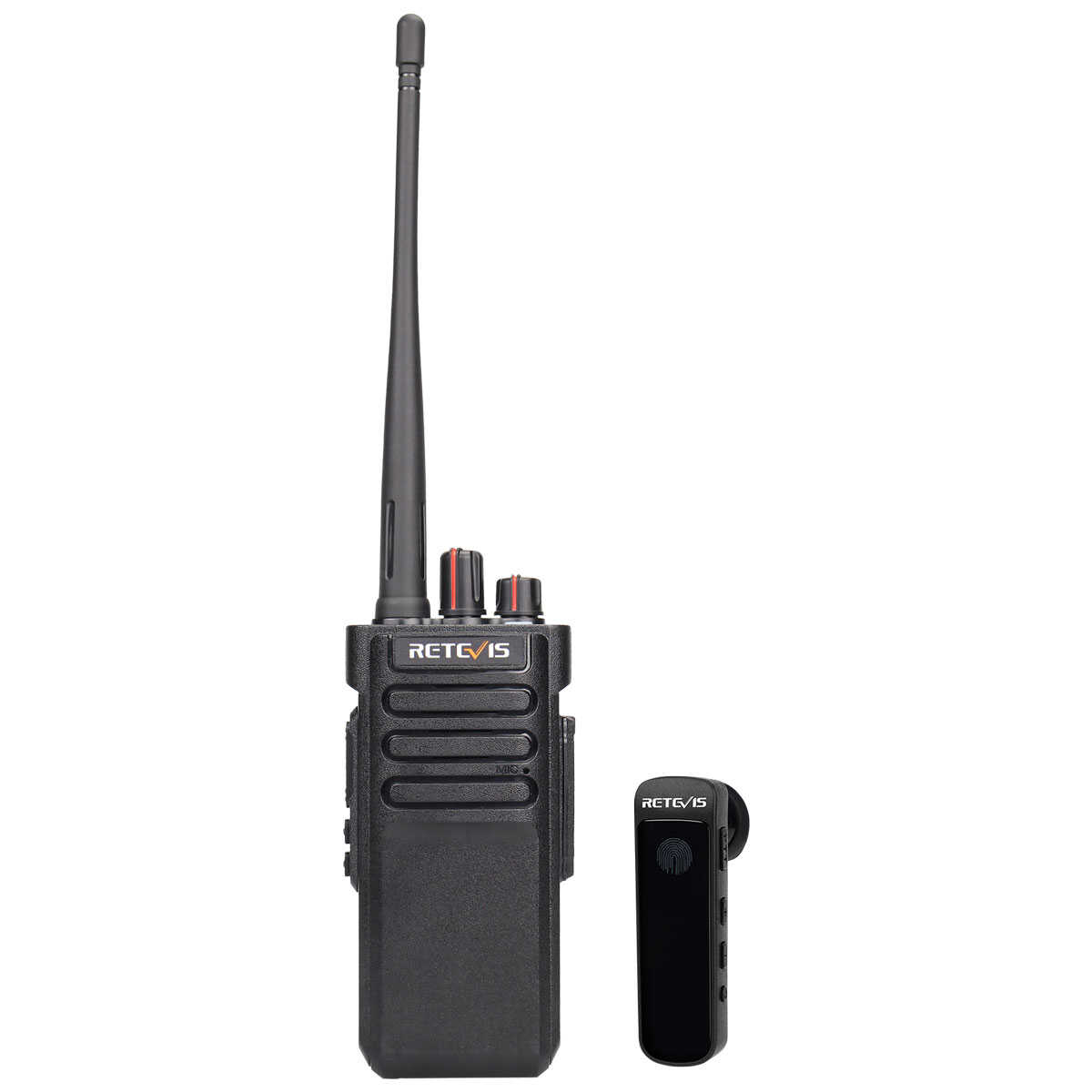
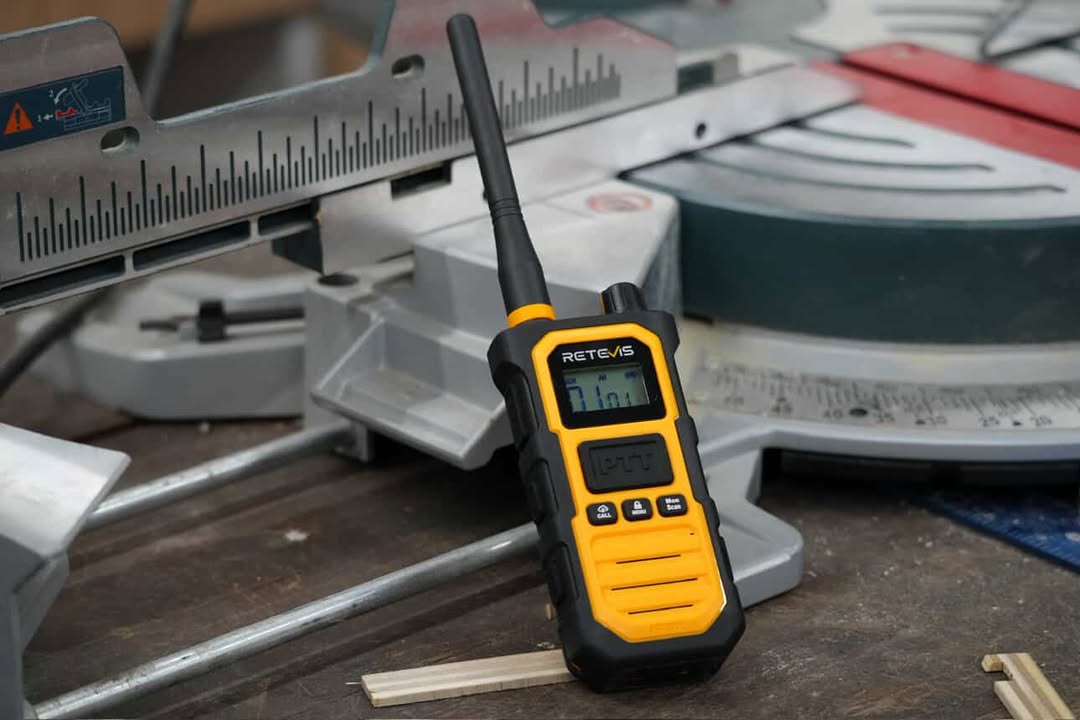
On any active construction site, reliable communication is the backbone of safety, productivity, and on-time project delivery. But standard consumer radios rarely hold up to the dust, drops, noise, and signal barriers of jobsite conditions, leading to frequent failures that slow work down and put teams at risk. A quality industrial walkie talkie is purpose-built to tackle these unique challenges, and the Retevis RB48 series of durable walkie talkies is engineered to solve the most common on-site communication pain points.
7 Common Reasons Construction Walkie Talkies Fail (and How to Fix Them)
1. Physical Damage From Drops, Dust, and Water Exposure
Construction sites are full of hazards for electronics: accidental 2-meter drops from ladders or scaffolding, fine concrete dust that seeps into internal components, and sudden rain or mud exposure. Regular radios crack, short out, or lose audio quality after just a few weeks on the job.
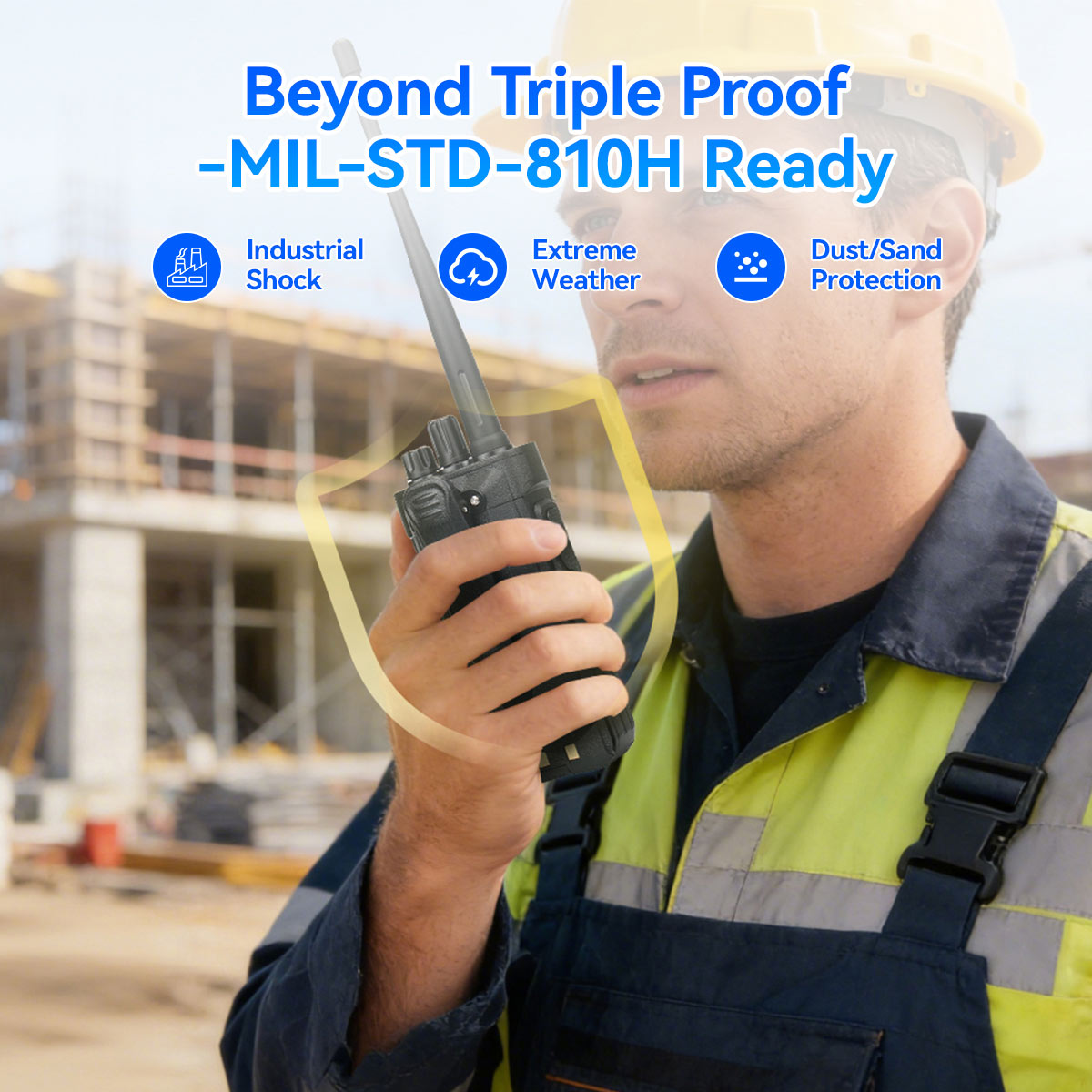
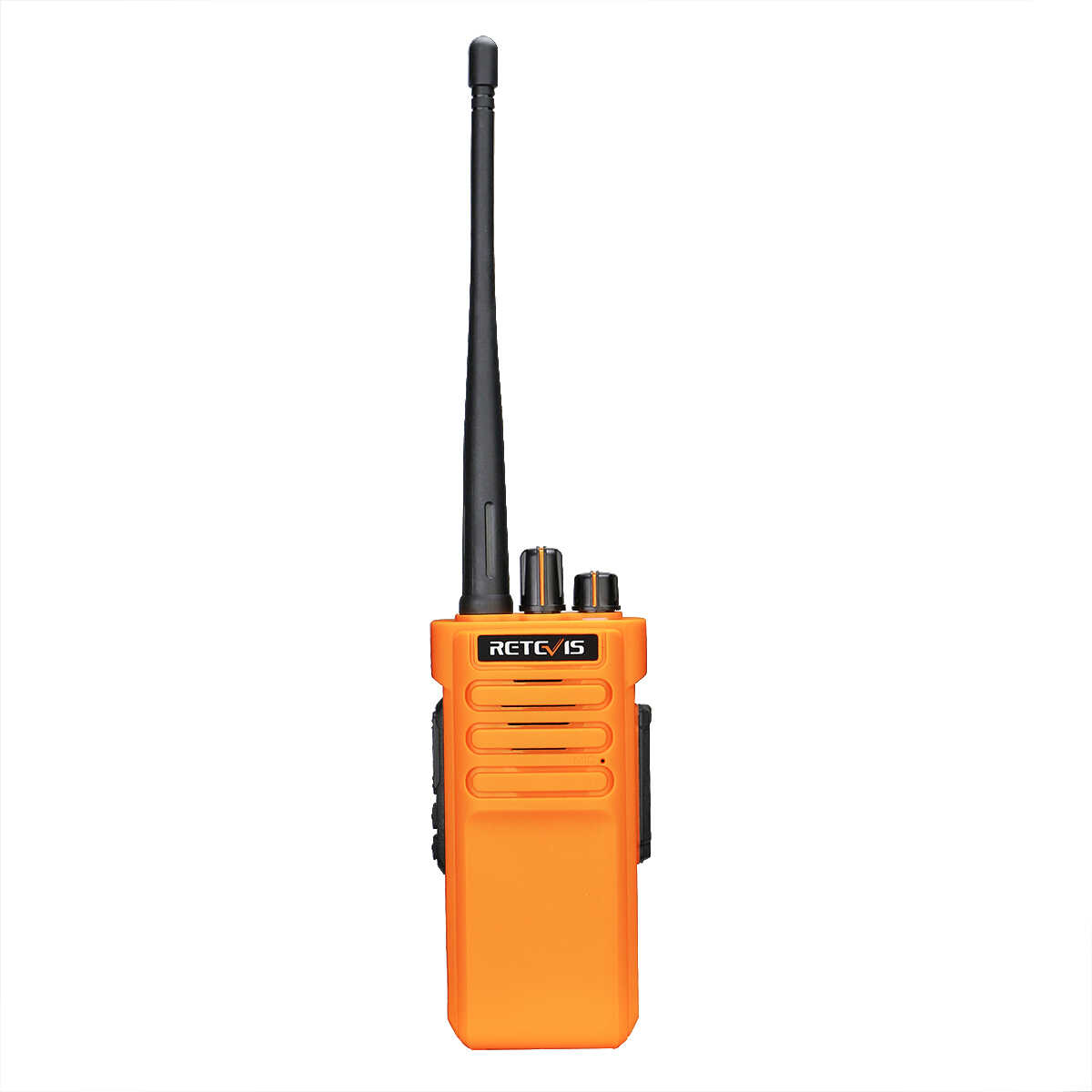
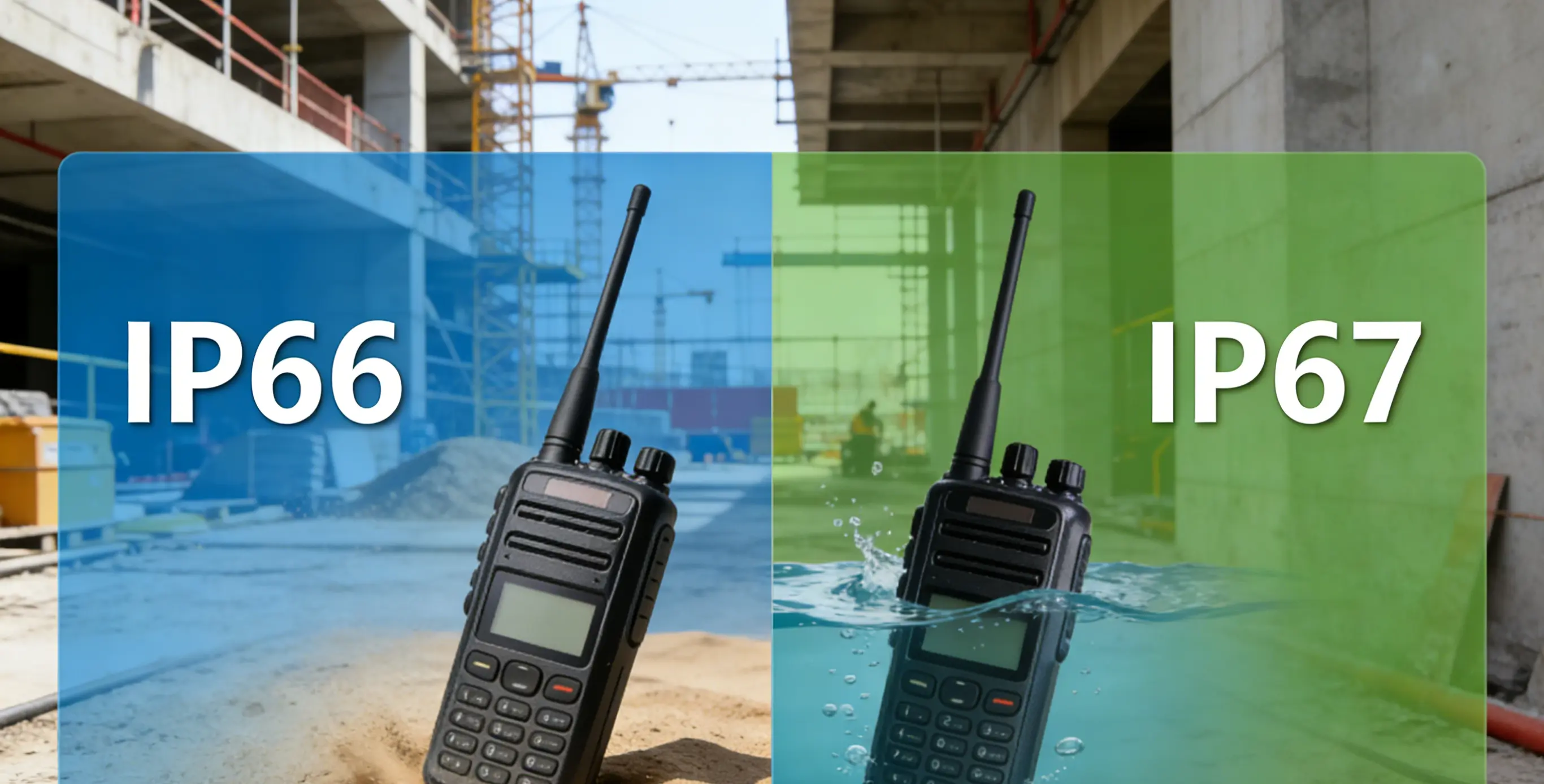
The fix: All models in the RB48 industrial walkie talkie line feature IP67 waterproof and dustproof sealing, protecting against 30 minutes of immersion in 1-meter deep water and blocking 0.1μm dense dust completely. Built with PC+TPE high-impact housing, they survive 1000+ 2-meter drops without functional damage. The base RB48 even floats on water, making it easy to retrieve if dropped in puddles or construction trenches.
2. Unintelligible Audio Over Heavy Machinery Noise
Cranes, jackhammers, generators, and heavy trucks create constant background noise on construction sites. Workers often miss critical instructions, have to repeat messages multiple times, or fail to hear safety warnings – all of which cut into efficiency and raise accident risks.
The fix: Upgraded RB48 rugged walkie talkie models include advanced noise reduction technology tailored for loud worksites. The RB48A uses two-way intelligent noise reduction to boost SNR by 25dB, filtering out drilling and engine noise on both transmit and receive ends. For even louder environments, the RB48 Pro uses a 3-layer DNN AI system trained on 400 million+ voice samples to isolate clear human speech, while the RB48D adds DSP digital processing for stable, interference-free audio.
3. Short Battery Life That Dies Mid-Shift
Construction shifts often run 10+ hours, with overtime and remote sites where charging access is limited. Dead radios leave teams disconnected, and frequent mid-shift charging wastes valuable work time. Many standard construction walkie talkies can’t make it through a full shift with regular use. The fix: Every RB48 durable walkie talkie is built with long-lasting batteries matched to jobsite schedules.
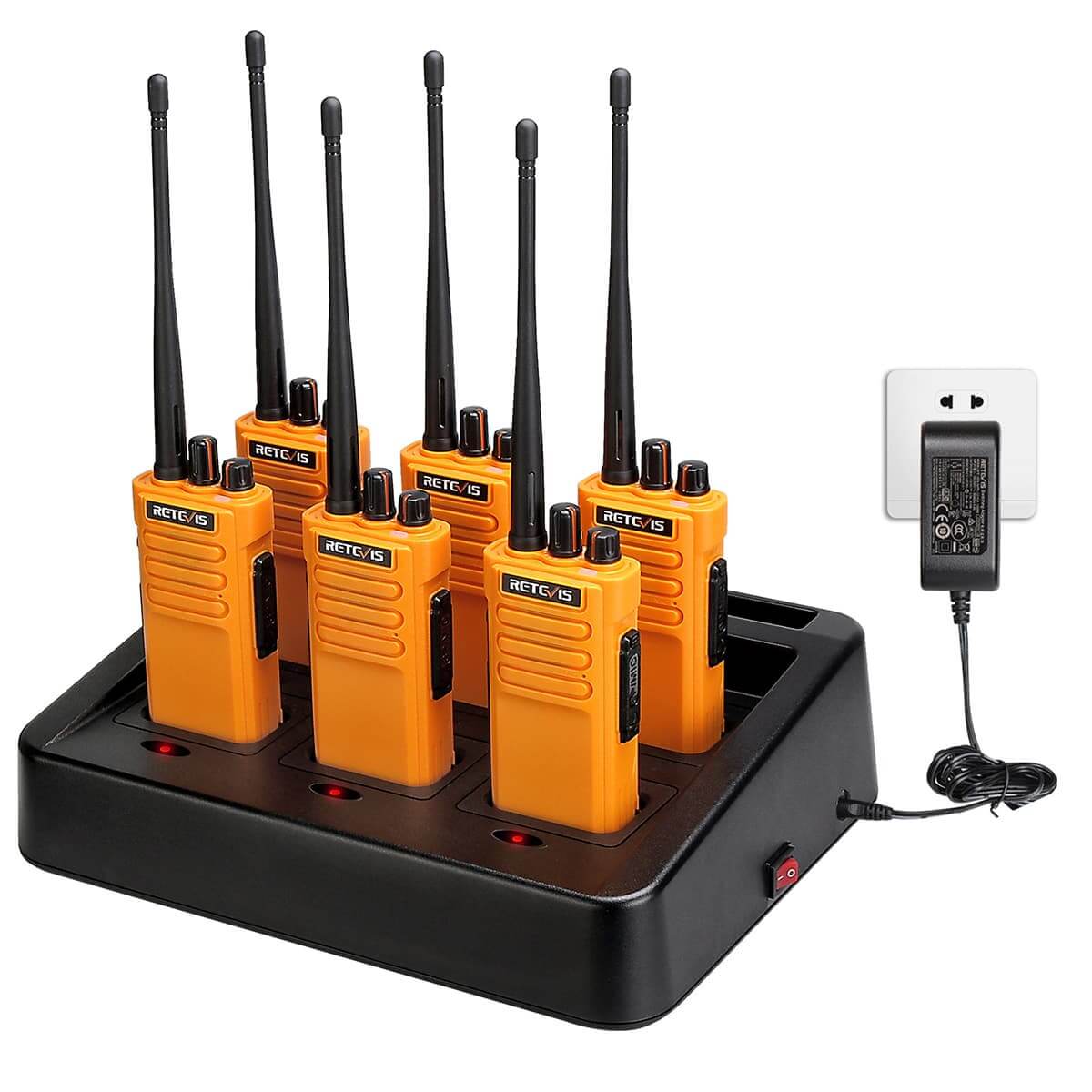
The base RB48 delivers 12 hours of continuous use from a 2000mAh battery, while the RB48A extends that to 23 hours of use and 70 hours of standby. For longer shifts, the RB48 Pro’s 2800mAh battery provides 18+ hours of runtime, and the RB48D offers 14 hours of continuous use with 30 hours of standby. All models support Type-C charging, compatible with car chargers, power banks, and computers, plus multi-unit charging stations for whole-team charging at shift change.
4. Limited Signal Range Through Concrete and Steel
High-rise builds, steel-framed structures, and sprawling outdoor sites create signal dead zones. Concrete walls and steel beams block radio signals, leaving teams in basements, upper floors, or remote work areas unable to connect with supervisors or other crews.
The fix: Higher-power RB48 industrial walkie talkie models are designed to penetrate construction materials and cover large areas.
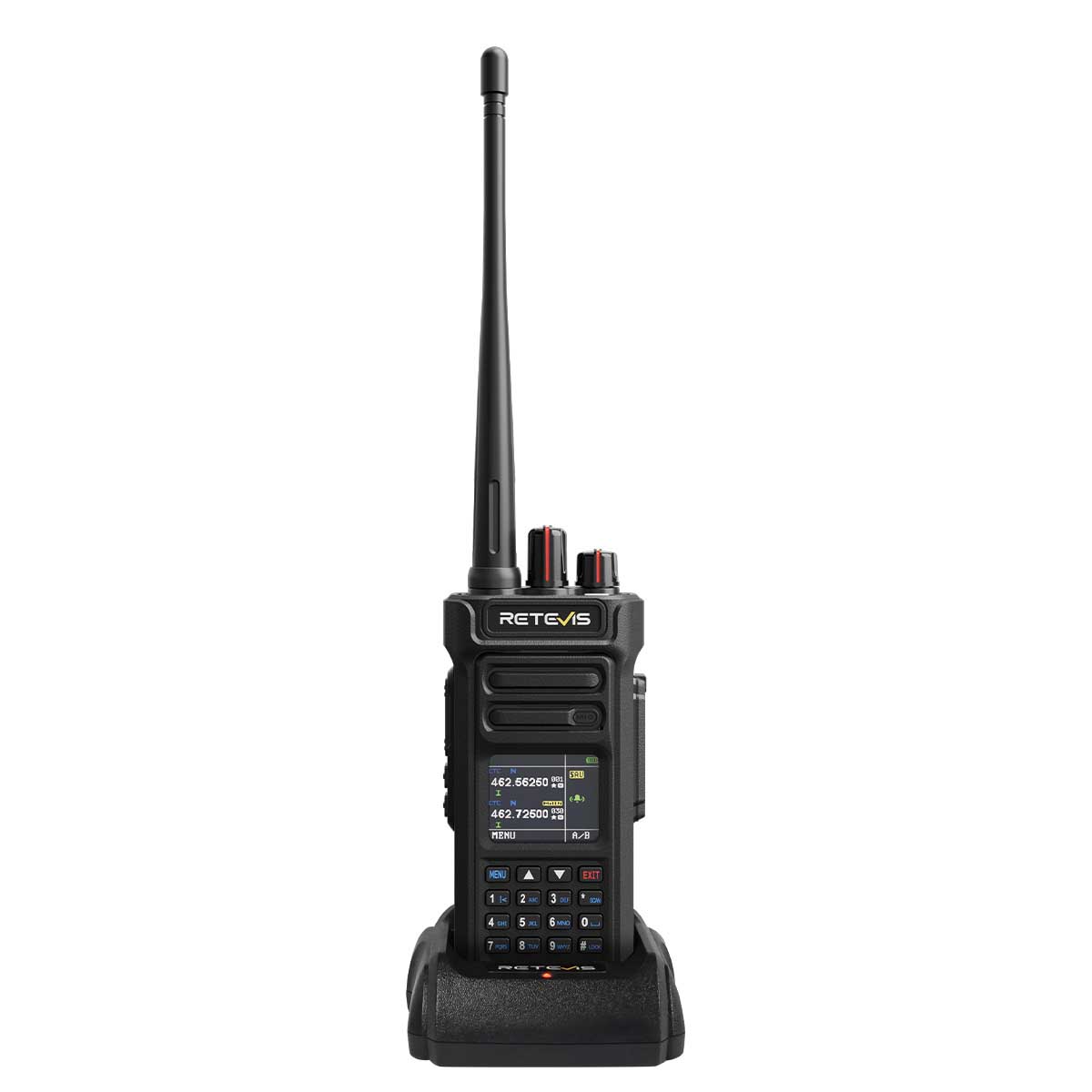
The RB48 Pro’s 10W transmission power covers 65,000 square meters across 50 floors, cutting through steel frames and concrete walls with zero dead zones. The RB48 Plus GMRS radio delivers 3–5km of outdoor range and 30 floors of indoor penetration, ideal for sprawling infrastructure and campus projects. The RB48D’s 5W DMR signal provides stable, long-range coverage across large complex sites.
5. Hard to Operate With Thick Work Gloves
Workers wear heavy protective gloves on construction sites for safety, but small, fiddly radio buttons are nearly impossible to press with gloves on. Fumbling with radios wastes time, leads to miscommunication, and can even cause accidents when workers take gloves off to adjust settings.
The fix: Every RB48 rugged walkie talkie features an oversized PTT button designed for gloved use, plus dual front and side PTT buttons for flexible, one-handed operation from any angle. For hands-full tasks like carrying materials or operating machinery, RB48 Pro, Plus, and D models include VOX voice-activated transmission, so workers can talk without pressing any buttons at all.
6. Disorganized Communication and Cross-Talk Between Crews
Most construction sites have multiple teams working at once – electricians, framers, plumbers, supervisors – all sharing the same radio channel. This leads to constant cross-talk, unnecessary interruptions, and missed messages meant for specific crews.
The fix: RB48 series walkie talkies for construction include dedicated channel and group call features to keep teams organized. The RB48 Pro and RB48 Plus offer one-key group calling, so supervisors can instantly reach specific teams without disturbing other crews.
For large, complex projects, the RB48D supports 512 channels across 16 zones, with storage for 128 contacts and single, group, and all-call modes. It also includes ARC4, AES128, and AES256 encryption to keep sensitive project communication secure.
7. No Built-In Safety Features for Emergencies
Construction is a high-risk industry, with falls, equipment accidents, and sudden weather changes posing constant threats. Standard radios lack dedicated emergency tools, so injured workers may struggle to call for help, and teams can be caught off guard by severe weather.
The fix: All RB48 industrial walkie talkie models include one-touch emergency alarms that trigger a loud local siren and send an alert to all users on the same channel, for fast response during accidents.
The base RB48 and RB48A also include 11 NOAA weather channels, so teams can monitor storm forecasts and take shelter before severe weather hits. For high-risk high-rise sites, the RB48D adds a man-down alert system that automatically triggers an alarm if the radio detects an abnormal tilt, signaling a worker may have fallen.
Which RB48 Model Fits Your Construction Site?
With five purpose-built options, the RB48 series has a match for every jobsite size and type:
- Small residential & light commercial sites: Retevis RB48 – simple, reliable, budget-friendly rugged radio with 12-hour battery life, ideal for general contractors and small crews.
- Mid-size noisy outdoor sites: Retevis RB48A – two-way noise reduction, 23-hour battery, and floating design, perfect for sites near water or with heavy equipment noise.
- Factory & large indoor construction: Retevis RB48 Pro – 10W high power, AI noise cancellation, and multi-unit charging, built for manufacturing facilities and large indoor builds.
- Sprawling outdoor & infrastructure projects: Retevis RB48 Plus – GMRS long-range, group calling, and triple-proof durability, made for highway, bridge, and campus construction.
- High-rise & high-risk complex sites: Retevis RB48D – DMR digital clarity, encryption, and man-down alert, the top choice for large-scale industrial and high-rise construction.

Conclusion
Unreliable radios don’t have to be a normal part of construction work. Most common industrial walkie talkie failures happen because consumer or low-grade radios aren’t built to handle jobsite conditions. The Retevis RB48 series of purpose-built construction walkie talkies solves these issues by design, combining rugged protection, clear audio, long battery life, and safety features to keep teams connected and productive all shift long. Investing in durable walkie talkies matched to your site’s needs reduces downtime, improves efficiency, and most importantly, keeps your workers safe.
Leave a Reply




 Google
 Amazon
Comments
No data Yet