

Table of Contents
Best Construction Site Communication Tools in 2026: Radios, Apps, Headsets & Jobsite Solutions
- Posted by:Retevis
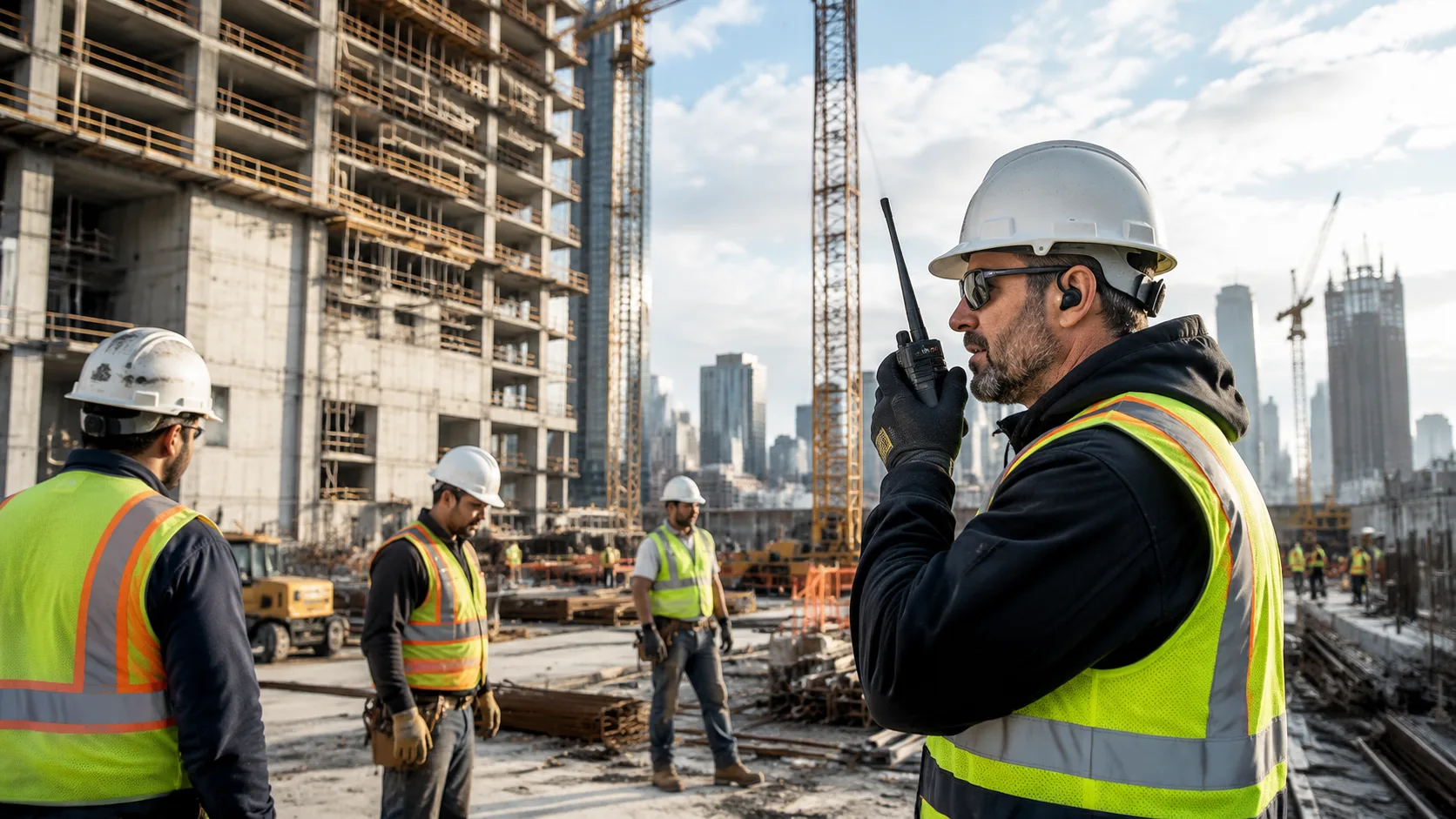
Construction sites are becoming larger and more complex. High-rise buildings, warehouses, industrial plants, and infrastructure projects often involve multiple crews working across different areas at the same time.
Reliable construction site communication helps teams coordinate tasks, improve safety, and reduce delays. Without effective communication, missed instructions, equipment conflicts, and workflow problems can impact project efficiency.
In 2026, contractors are using different construction communication tools, including two-way radios, construction communication apps, headsets, and integrated construction communication systems.
This guide explains the most practical communication solutions for modern jobsites.
Why Construction Site Communication Matters
Construction depends on fast coordination between workers, supervisors, subcontractors, and equipment operators.
A reliable jobsite communication system helps improve:
- Crew coordination
- Worker safety
- Response speed
- Project efficiency
- Emergency communication
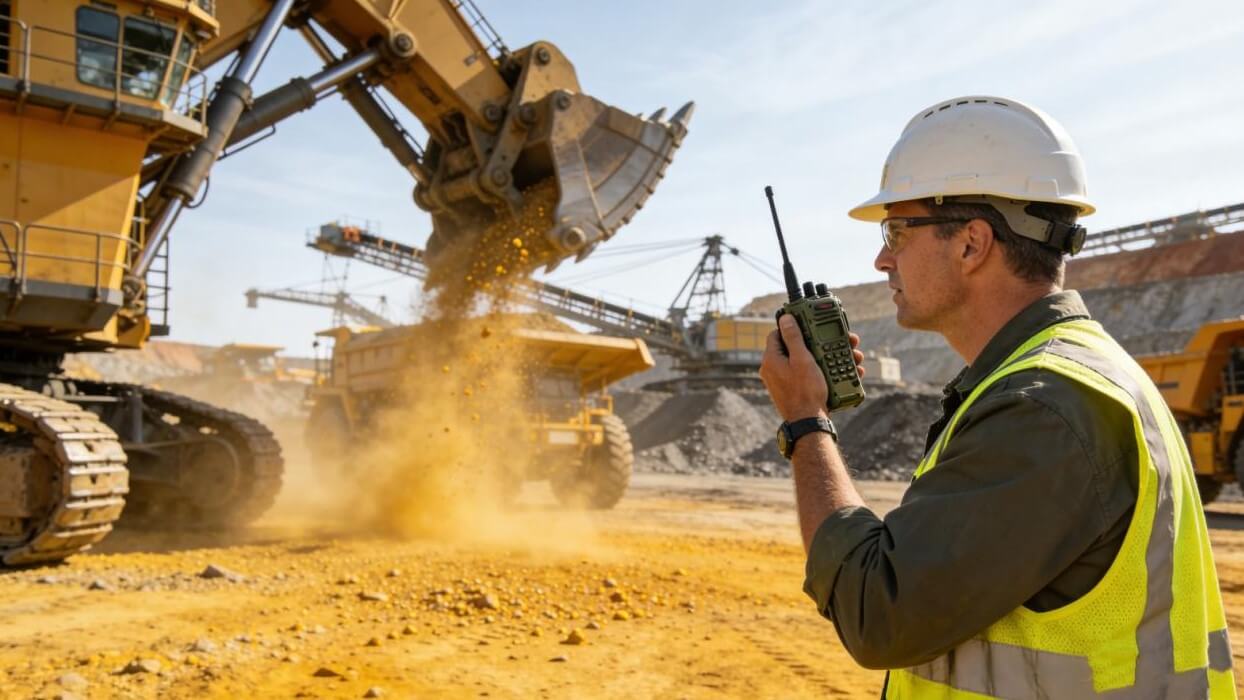
Noise, distance, and changing site conditions make communication challenging. Heavy machinery, drilling, and vehicles can prevent workers from relying on voice communication alone.
That is why many contractors choose dedicated construction communication solutions designed for demanding environments.
Key Features of Effective Construction Communication Tools
The right communication tool depends on project size, working conditions, and team requirements.
Long Range Coverage
Large construction projects often include multiple floors, outdoor areas, or structures that block signals.
Reliable range is especially important for:
- High-rise construction
- Industrial sites
- Warehouses
- Utility projects
Clear Audio
Construction sites are noisy. Features such as noise reduction, powerful speakers, and headset support help workers receive messages clearly.
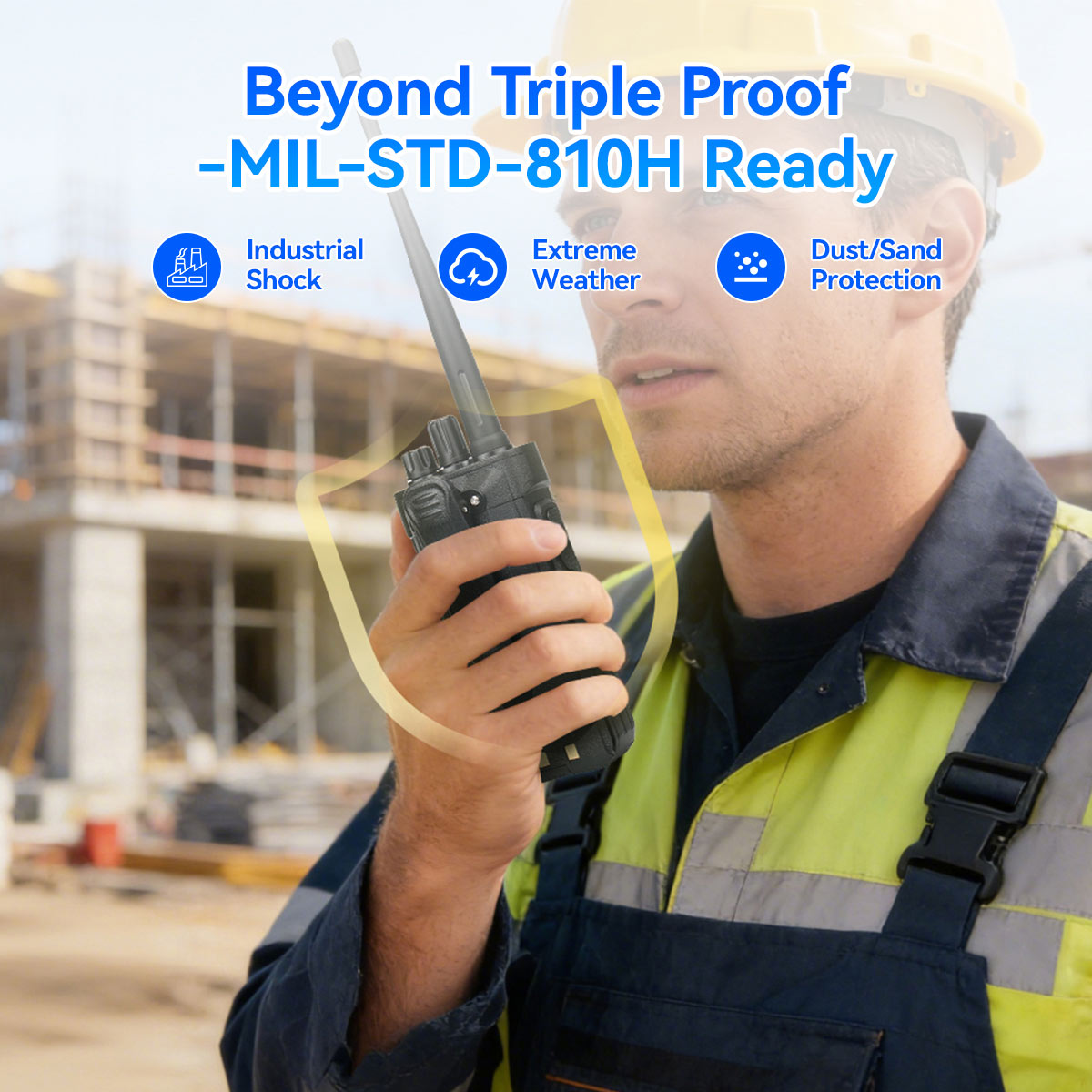
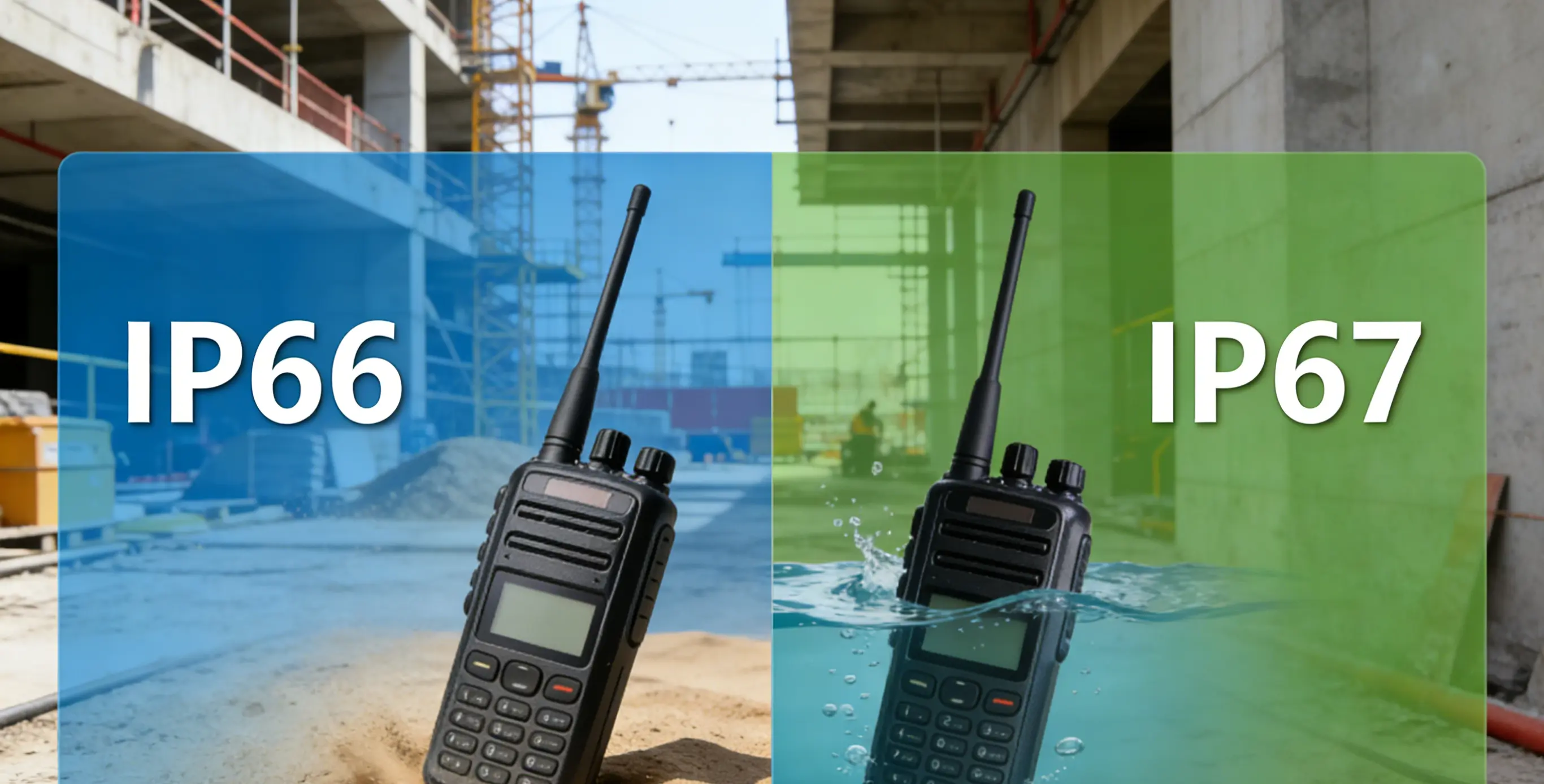
Rugged Design
Jobsite equipment should withstand:
- Dust
- Rain
- Drops
- Vibration
Durable devices provide better long-term reliability.
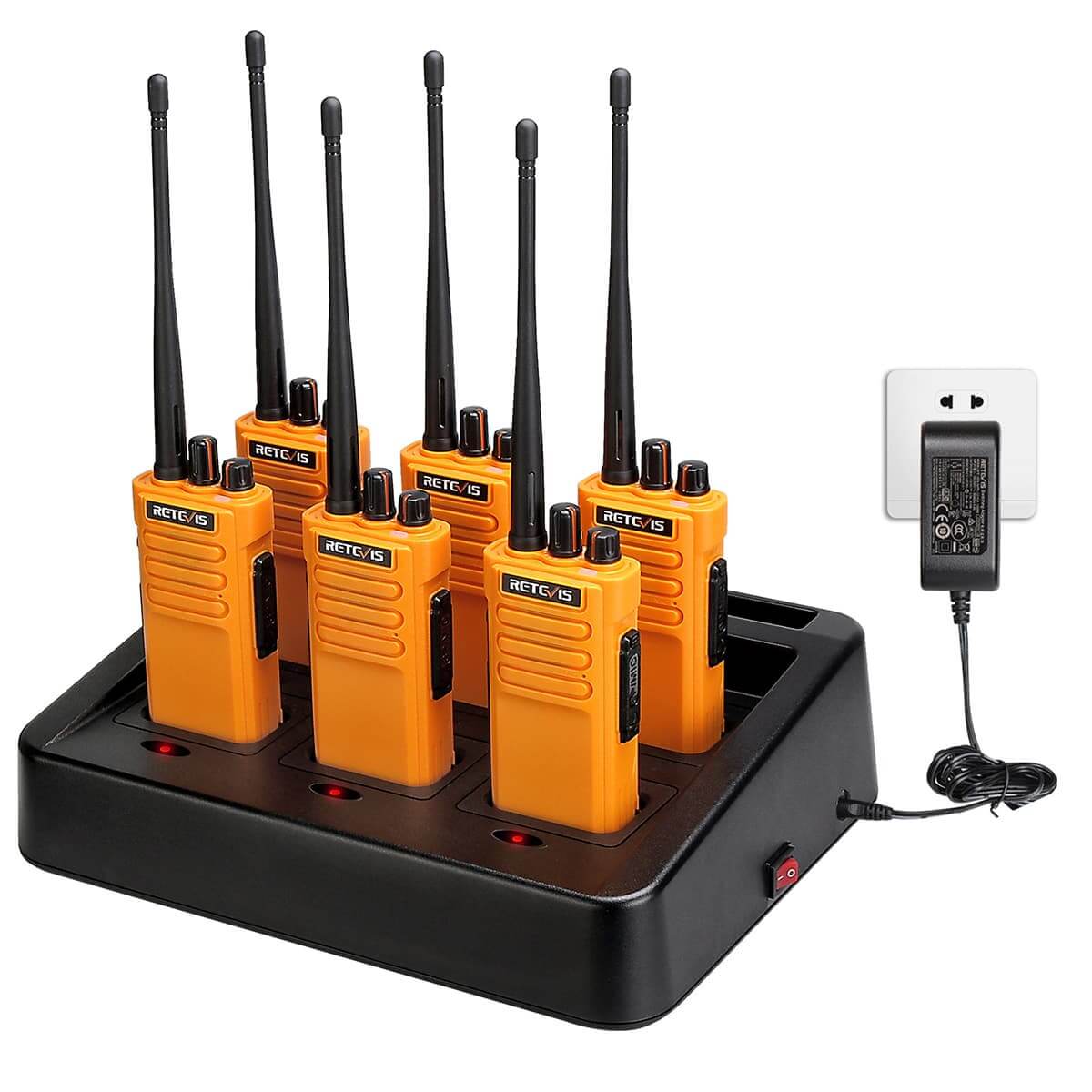
Long Battery Life
Many crews work long shifts, so communication devices should support full-day operation.
Hands-Free Communication
Construction communication headsets and earpieces allow workers to communicate while operating equipment or handling materials.
1. Two-Way Radios: The Core of Construction Communication
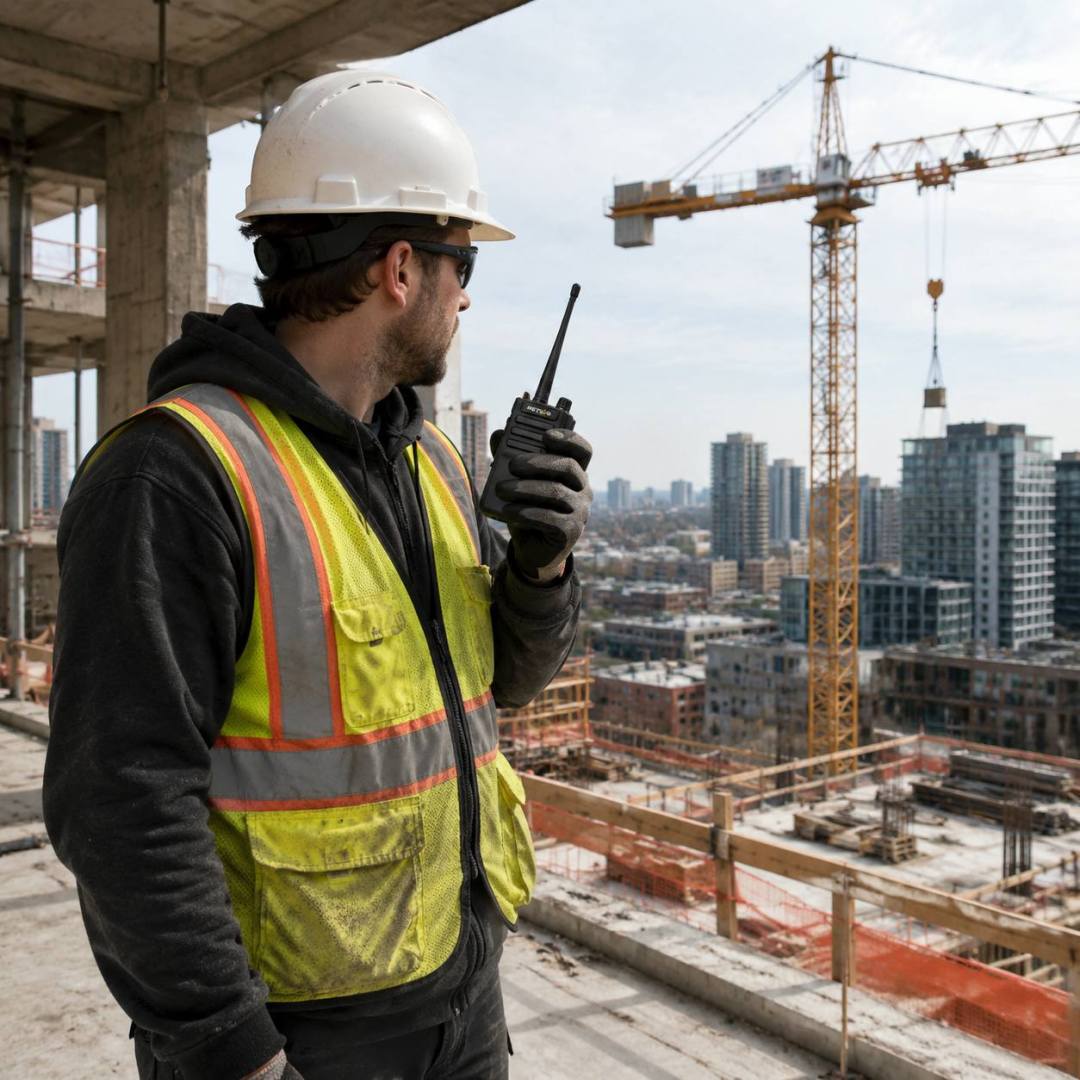
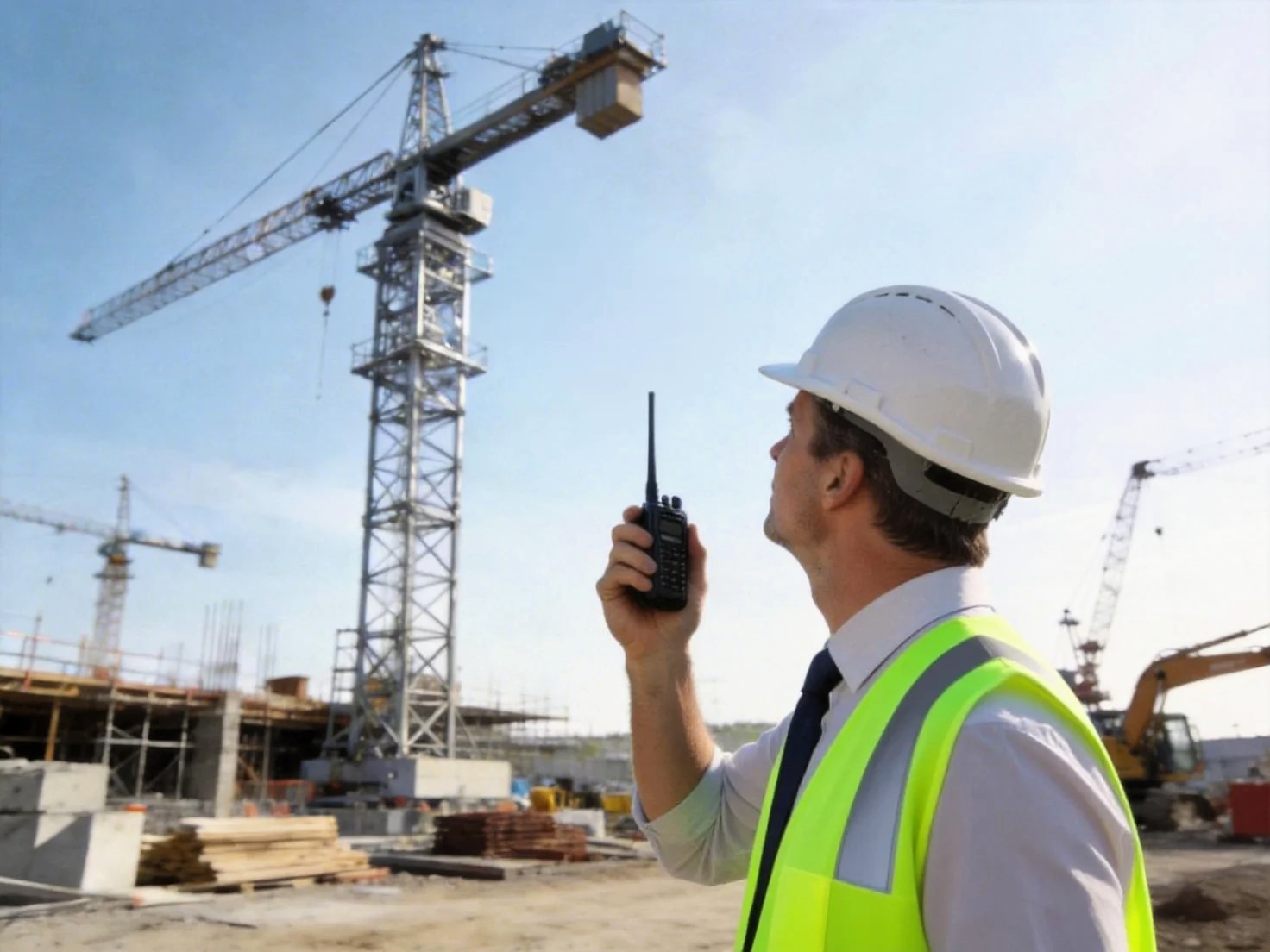
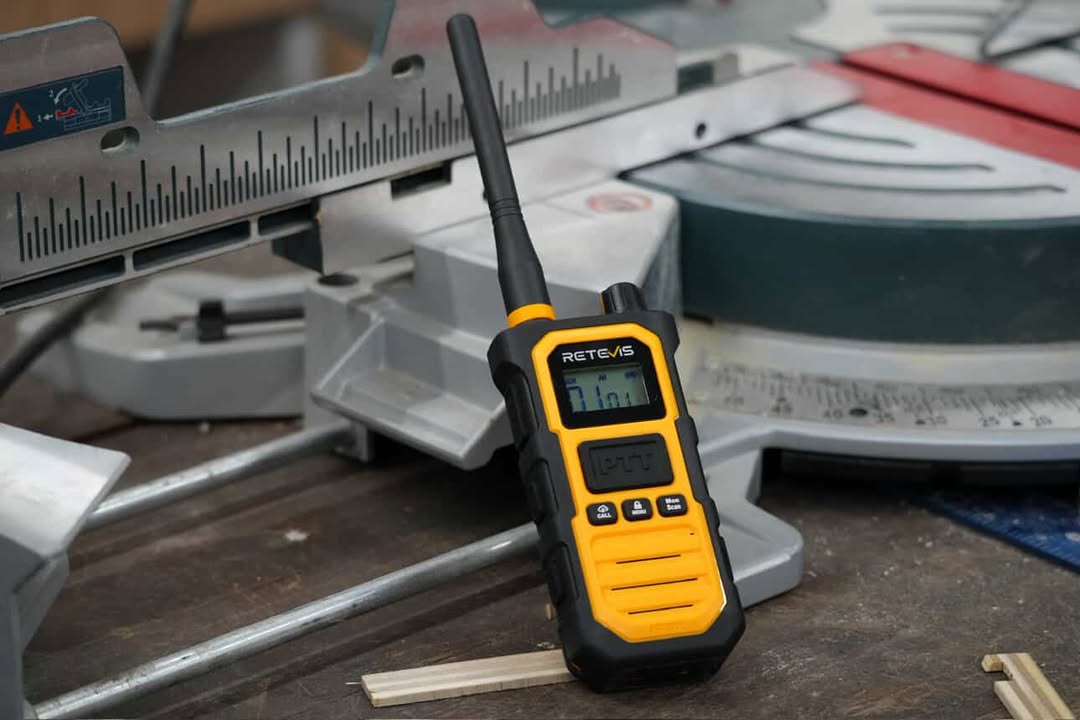
Two-way radios remain one of the most reliable construction communication tools in 2026.
They provide instant push-to-talk communication without depending on cellular networks or Wi-Fi, making them ideal for:
- High-rise construction
- Roadwork
- Warehouses
- Industrial projects
- Utility sites
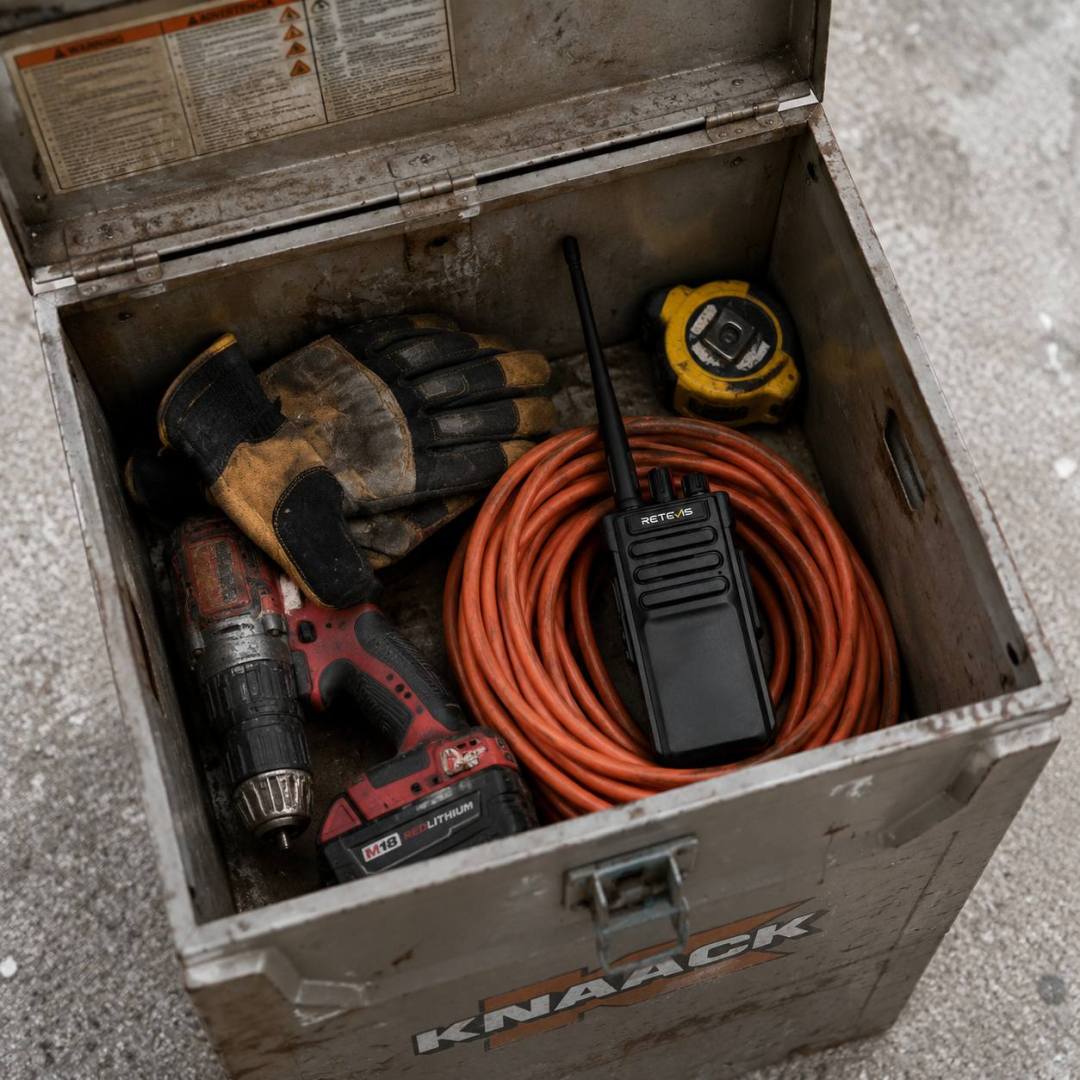
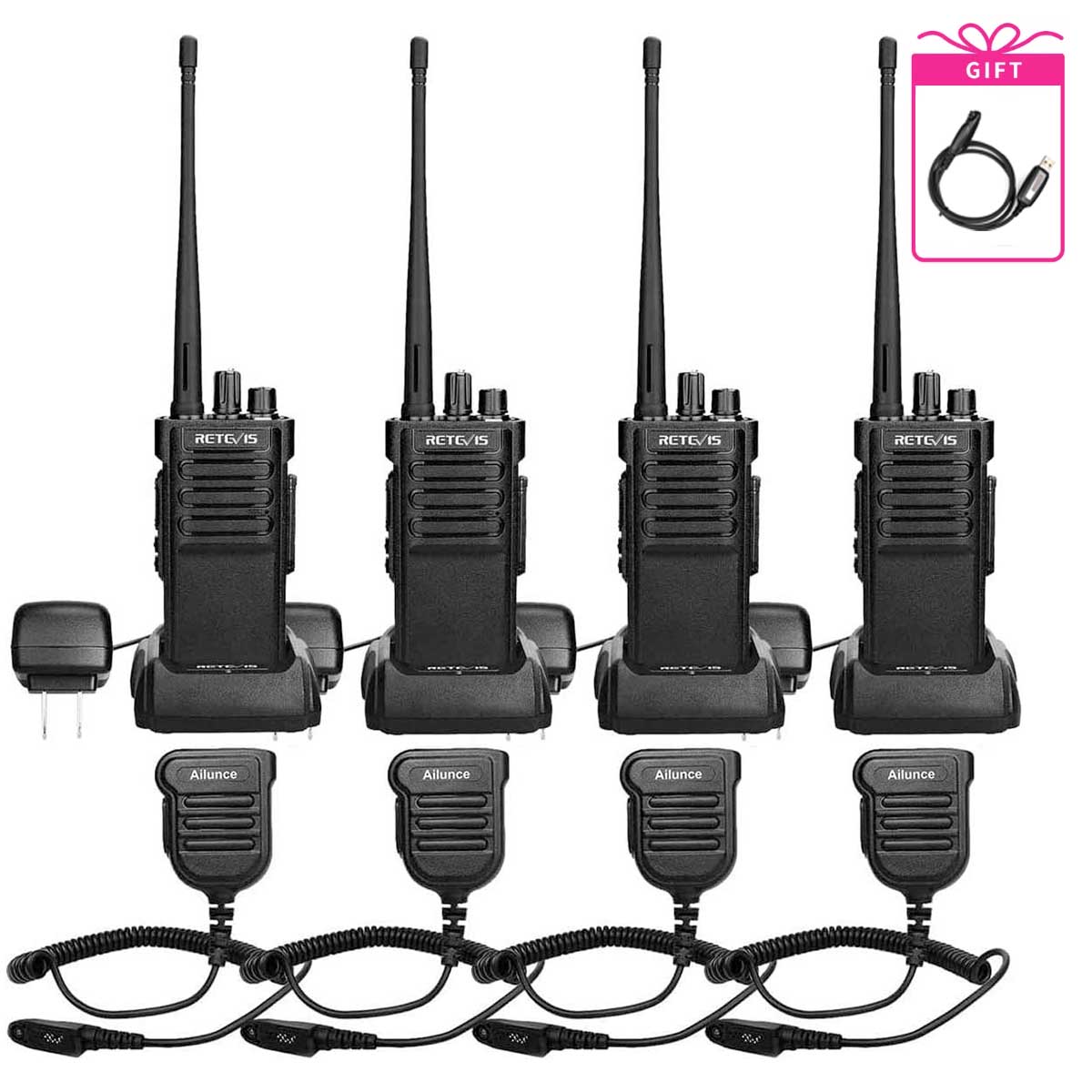
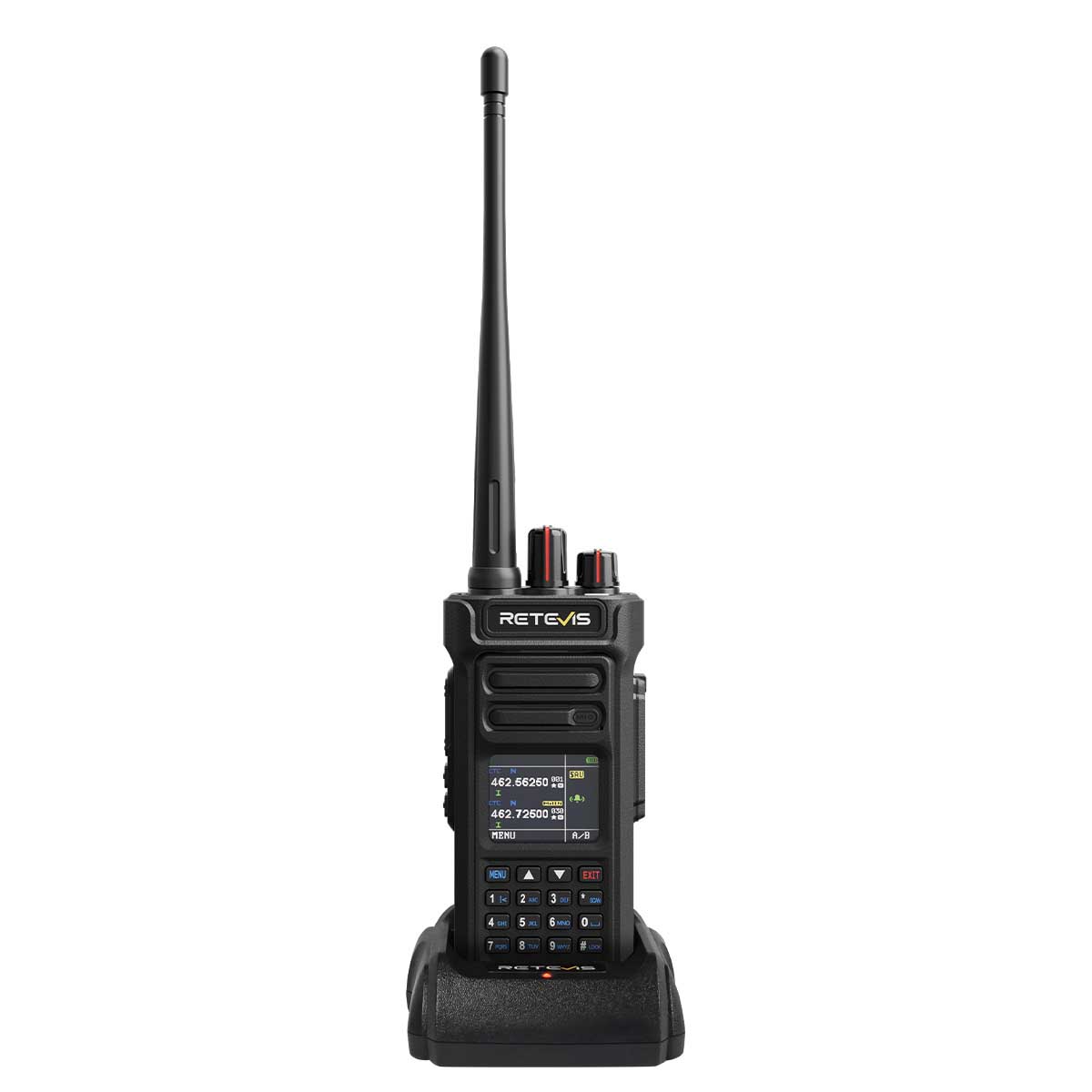
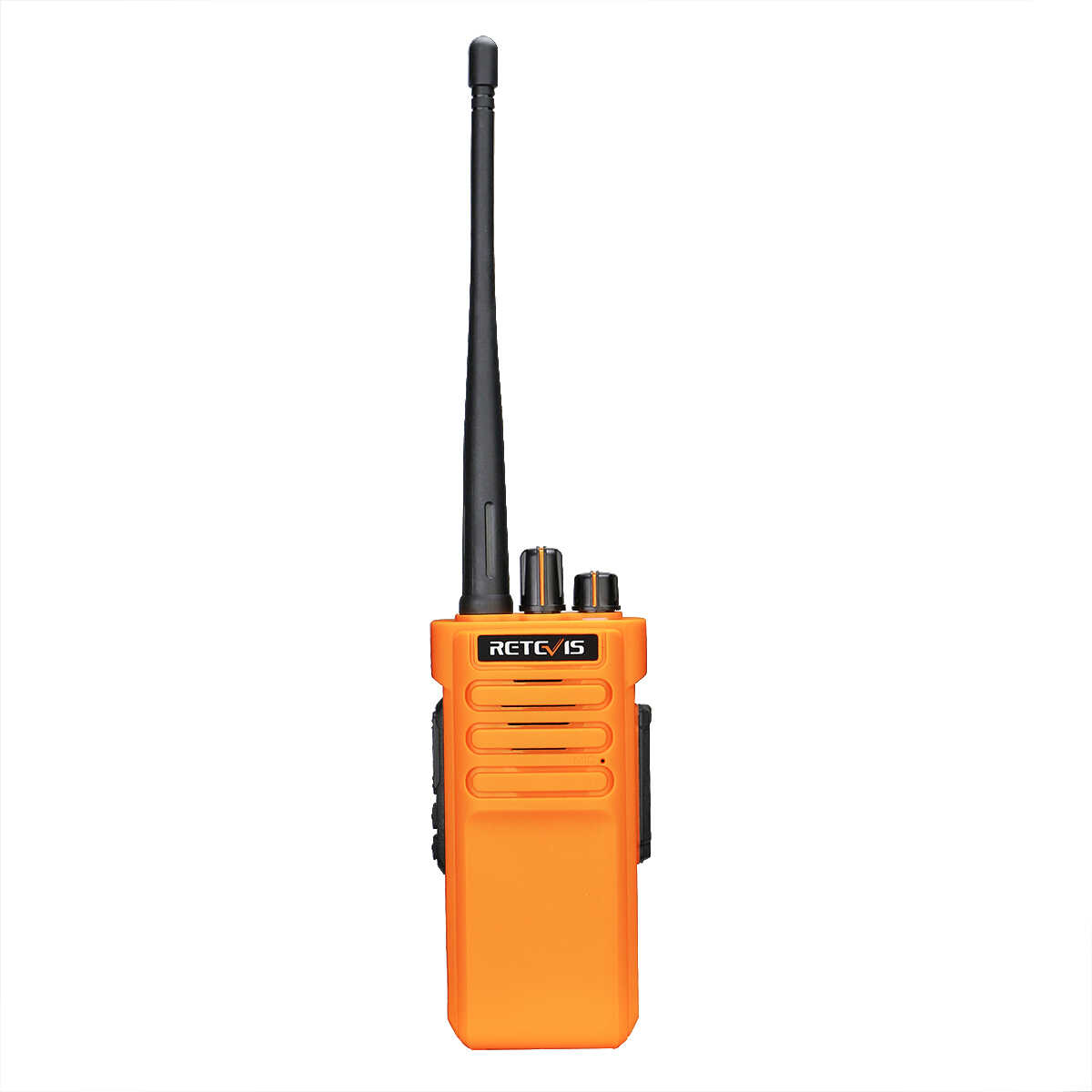
For contractors looking for the best two way radio for construction site, important features include:
- Long range
- Clear audio
- Rugged housing
- Long battery life
- Multiple channels
The biggest advantage of radios is speed. Workers can communicate instantly with teams and supervisors, supporting real time communication in construction.
For many contractors, radios remain the foundation of effective construction communication systems because they are simple, reliable, and designed for field conditions.
2. Construction Communication Headsets
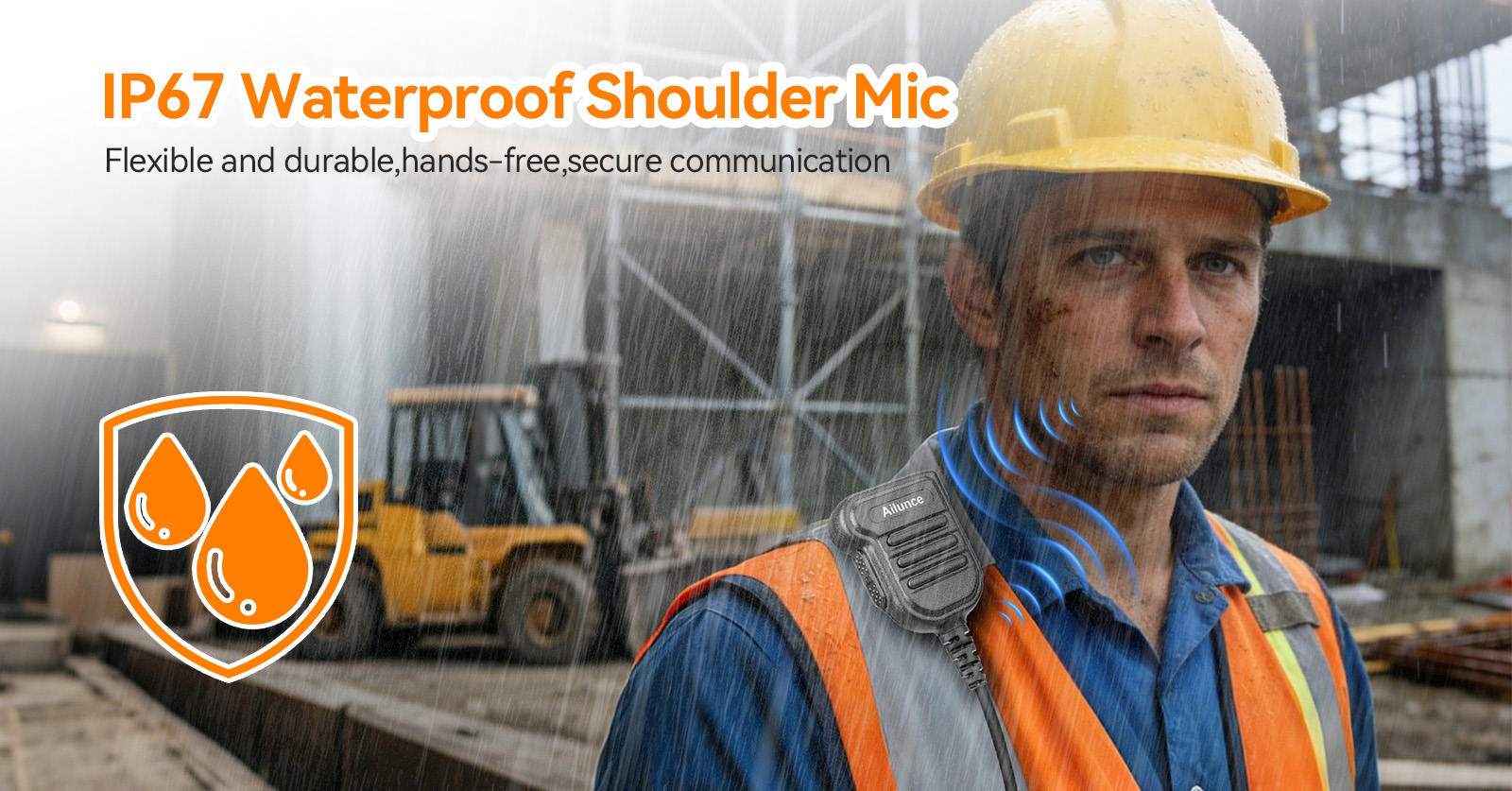
Construction communication headsets improve communication in loud environments by providing clearer audio and hands-free operation.
They are commonly used by:
- Supervisors
- Equipment operators
- Forklift drivers
- Logistics teams
Benefits include:
- Reduced background noise
- Better communication accuracy
- Improved worker mobility
Headsets are usually part of a larger system and work best when combined with radios or other communication devices.
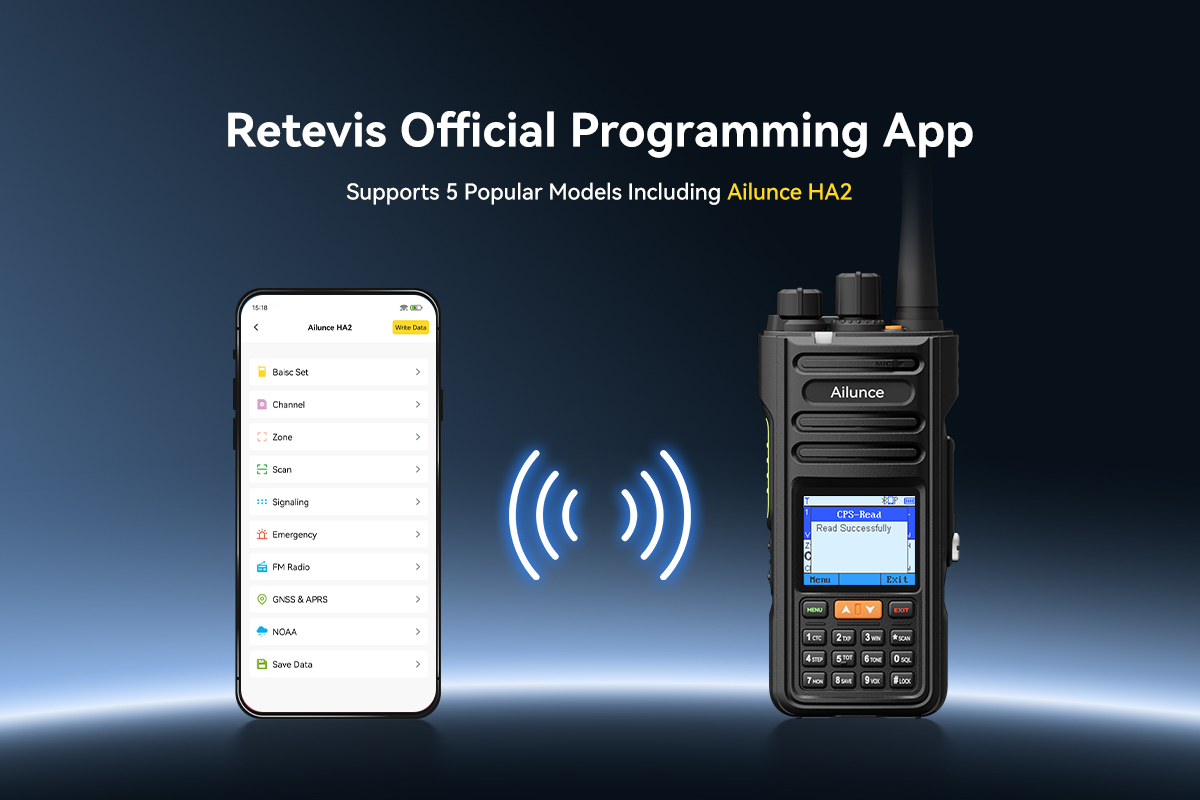
3. Construction Communication Apps
A construction communication app helps teams manage information and improve office-to-field coordination.
Common uses include:
- Task updates
- Daily reports
- Scheduling
- File sharing
- Safety documentation
Apps are useful for project management, but they are usually not the fastest option for urgent field communication.
For immediate instructions, radios often provide faster response than mobile messaging platforms.
Many contractors combine apps with radios as part of a complete construction communication solution.
4. Smartphones and Digital Tools
Smartphones support many construction tasks, including:
- Photos and documentation
- Calls with suppliers
- Reviewing drawings
- Sharing updates
However, smartphones have limitations on jobsites. They can be easier to damage, difficult to use with gloves, and dependent on network availability.
They work best as a supporting tool rather than the primary jobsite communication method.
5. Hybrid Construction Communication Systems
Most large projects achieve better results by combining multiple communication tools.
A typical construction communication system may include:
|
Tool |
Best Use |
|
Two-way radios |
Instant field communication |
|
Apps |
Planning and documentation |
|
Headsets |
Hands-free operation |
|
Smartphones |
External communication |
|
PA systems |
Emergency announcements |
A hybrid approach allows different teams to use the right tool for their role.
For example:
- Field crews use radios for instant coordination
- Supervisors use headsets in noisy areas
- Managers use apps for reports
- Safety teams use alert systems for emergencies
This creates more seamless jobsite communication across the entire project.
Best Communication Solutions for Different Construction Environments
High-Rise Construction
High-rise projects require communication across multiple floors and complex structures.
Key requirements:
- Reliable coverage
- Clear audio
- Multiple communication groups
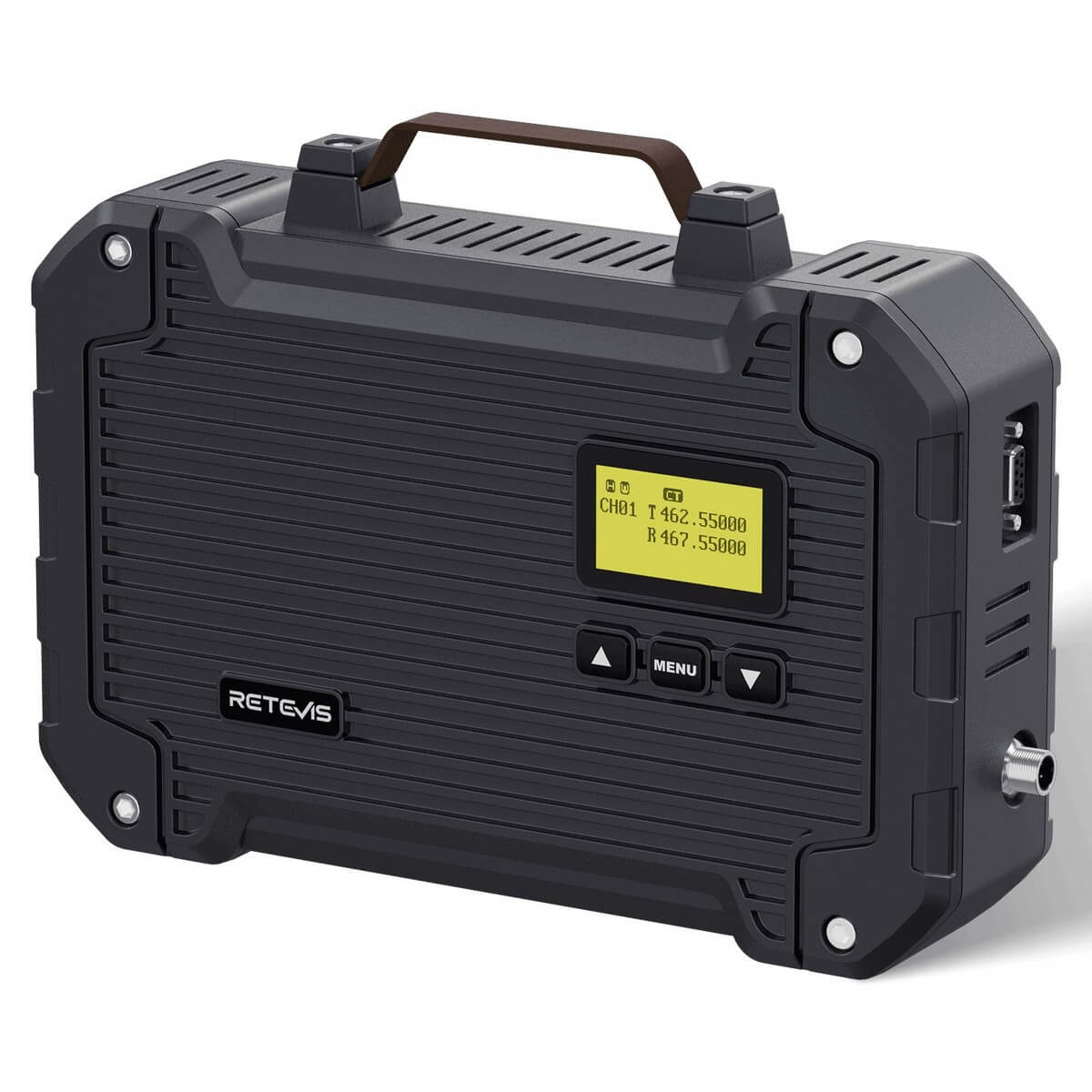
Radio systems with repeaters are often used to improve coverage.
Roadwork and Outdoor Projects
Outdoor teams need communication tools that support:
- Long distance
- Weather resistance
- Extended battery life
Industrial and Utility Sites
Industrial environments require durable equipment with strong audio performance due to heavy machinery and background noise.
Warehouses and Material Yards
Warehouses rely on fast coordination between:
- Forklift operators
- Loading teams
- Supervisors
- Security personnel
Radio-based systems are commonly used because they provide instant communication.
Radios vs Apps vs Headsets
|
Tool |
Best For |
Limitation |
|
Two-way radios |
Urgent field communication |
Limited documentation |
|
Apps |
Planning and reporting |
Depends on network |
|
Headsets |
Hands-free communication |
Usually require a system |
|
Smartphones |
Calls and records |
Less rugged |
There is no single solution for every project. The best communication tools for field service contractors usually combine multiple technologies based on jobsite needs.
Recommended Setup for Construction Sites in 2026
Small Teams
- Two-way radios
- Smartphones
- Basic communication apps
Medium Jobsites
- Radios for crews
- Headsets for supervisors
- Apps for project updates
Large Projects
- Multi-channel radio systems
- Repeaters for extended coverage
- Headsets
- Construction apps
- Emergency alert systems
The goal is not to use more tools, but to build the right communication system for the environment.
Conclusion
The best construction site communication tools in 2026 depend on site size, noise level, distance, and team structure.
Radios, apps, headsets, and smartphones each serve different purposes. For most construction projects, a hybrid approach provides the best balance of speed, flexibility, and safety.
Two-way radios remain an important solution because they deliver fast, reliable communication in challenging jobsite conditions.
A well-designed construction communication solution helps crews coordinate better, reduce downtime, and keep projects moving safely.
Frequently Asked Questions
What are the best communication tools for construction sites?
The most common tools include two-way radios, construction communication apps, headsets, smartphones, and emergency systems. The best choice depends on site requirements.
Are radios better than phones on construction sites?
For instant communication, radios are often more practical because they provide push-to-talk communication without relying on cellular networks.
What is the best communication for construction sites?
Most projects benefit from a combination of radios for field communication, apps for documentation, and headsets for noisy environments.
Why are construction communication apps useful?
Apps help teams manage schedules, reports, documents, and project updates.
Why do two-way radios still matter in 2026?
Two-way radios remain valuable because they provide fast, reliable communication in environments where durability and response speed are critical.



 Google
 Amazon
Comments
No data Yet