
Table of Contents
What Are the Best Radios for Long-Shift Industrial Teams? Key Features That Actually Matter
- Posted by:Retevis
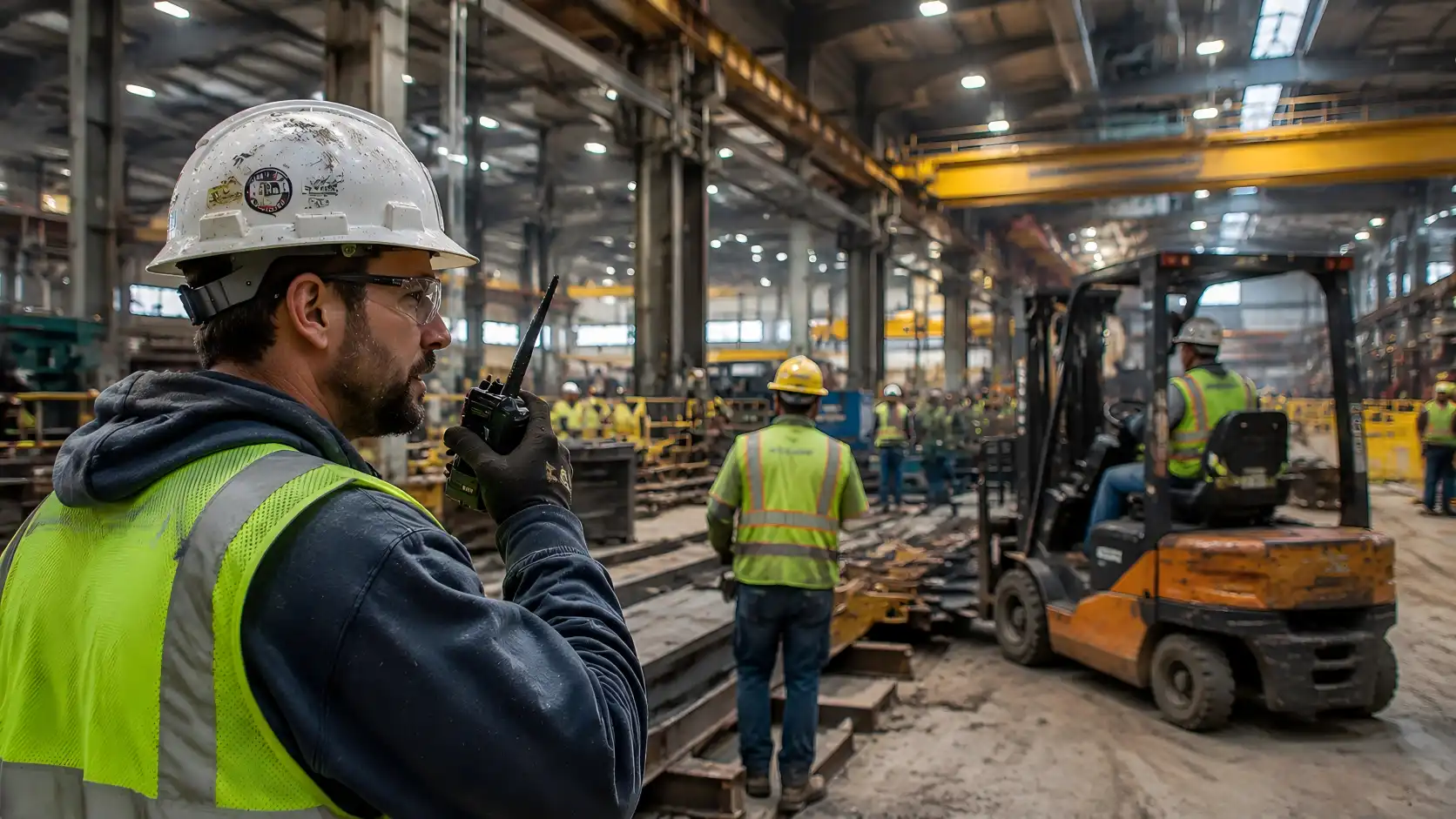
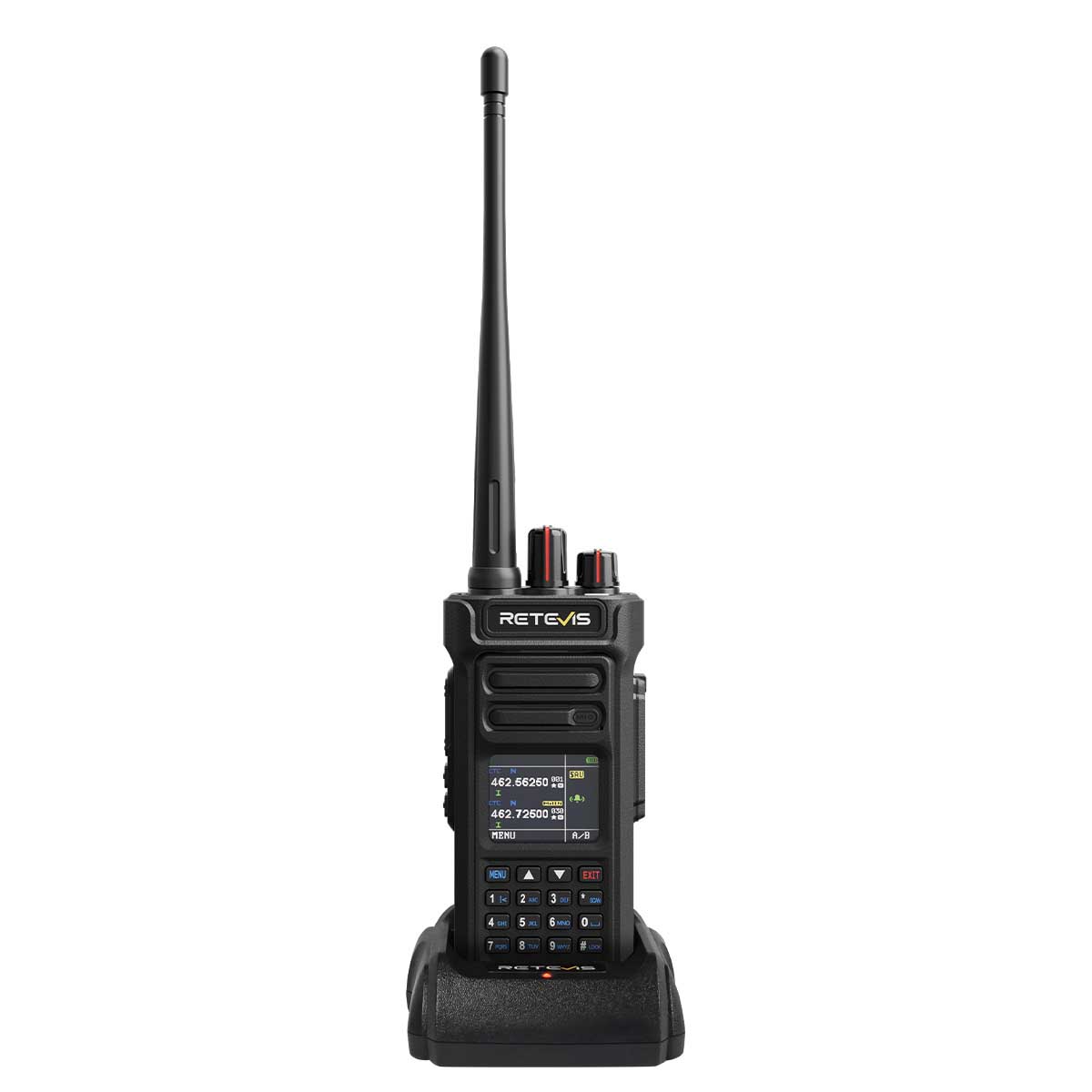
For industrial and construction teams, communication is not a nice-to-have. It is part of the job. When people work long shifts in noisy, busy places, they need a radio they can trust. A good industrial walkie talkie system helps teams stay safe, stay organized, and work better together.
That is why many site managers ask the same question: what are the best radios for long-shift industrial teams? In most cases, the answer is not the cheapest model or the one with the longest range on paper. The best choice is usually a professional tool made for real work. It should offer strong battery life, clear sound, and reliable industrial radio communication across the whole shift.
What Long-Shift Teams Need Most from a Radio?
When a team works a normal shift, battery life matters. When the shift runs long, battery life becomes even more important.
A radio that dies before the end of the day can cause delays and safety problems. It can break communication at the worst time. That is why the best two way radios for industrial use must stay reliable from the first hour to the last.
Long Battery Life
The first thing a long-shift team needs is simple: a radio that lasts.
Look for:
- Enough battery power for a full shift
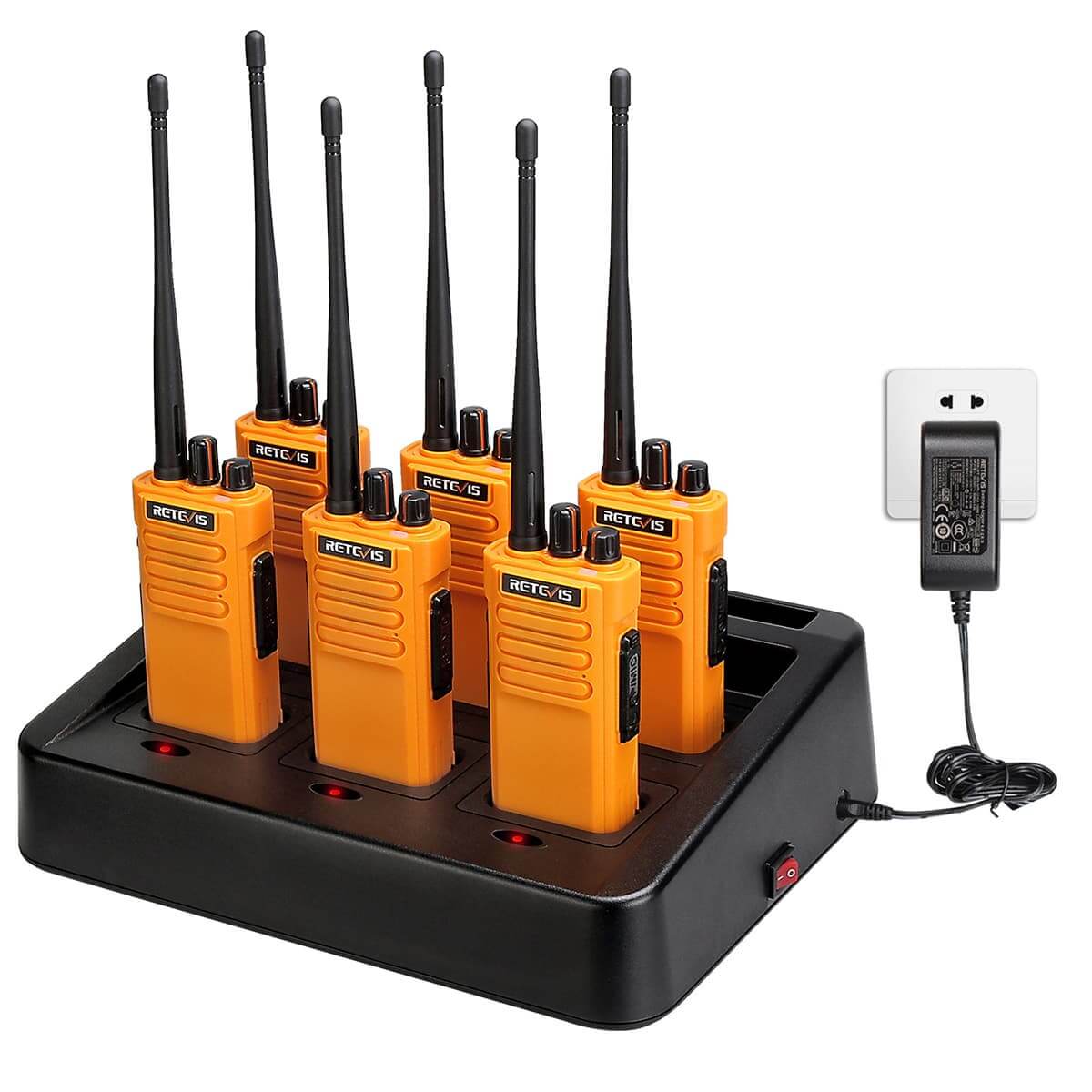
- Fast charging between shifts
- Spare batteries or swap batteries for longer workdays
If your team works overtime, rotating shifts, or double shifts, battery life should be one of your top priorities when choosing an industrial two way radio.
Clear Audio in Noisy Places
Industrial sites are loud. Machines, trucks, alarms, and people all create background noise. A radio that works fine in an office may be hard to use on a jobsite.
That is why clear sound is not just a nice extra. It is a must.
Look for radios that can:
- Reduce background noise
- Make voices easier to hear
- Keep sound clear without distortion
Without clear audio, even the best industrial walkie talkie radios may fail to deliver good communication.
Strong and Durable Build
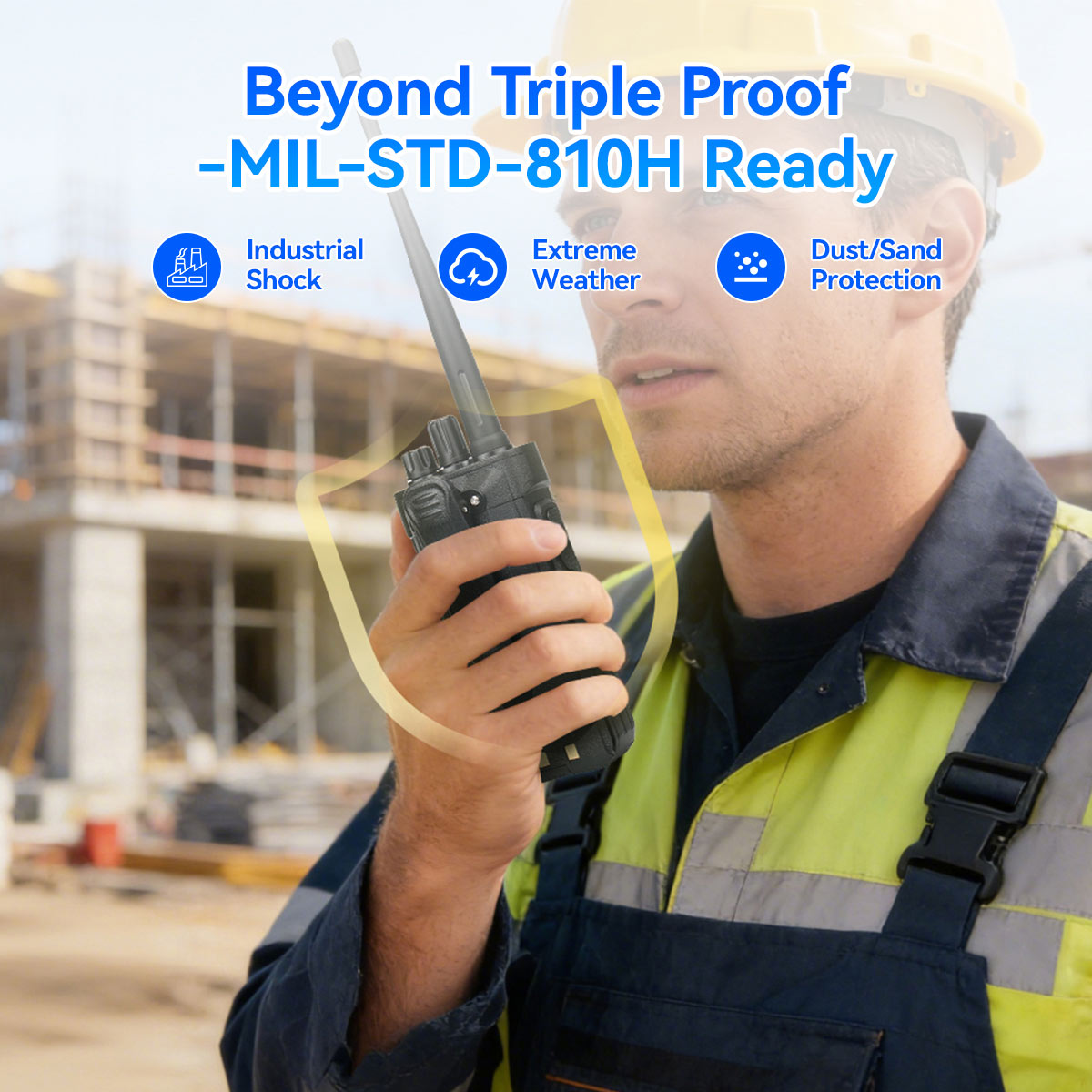
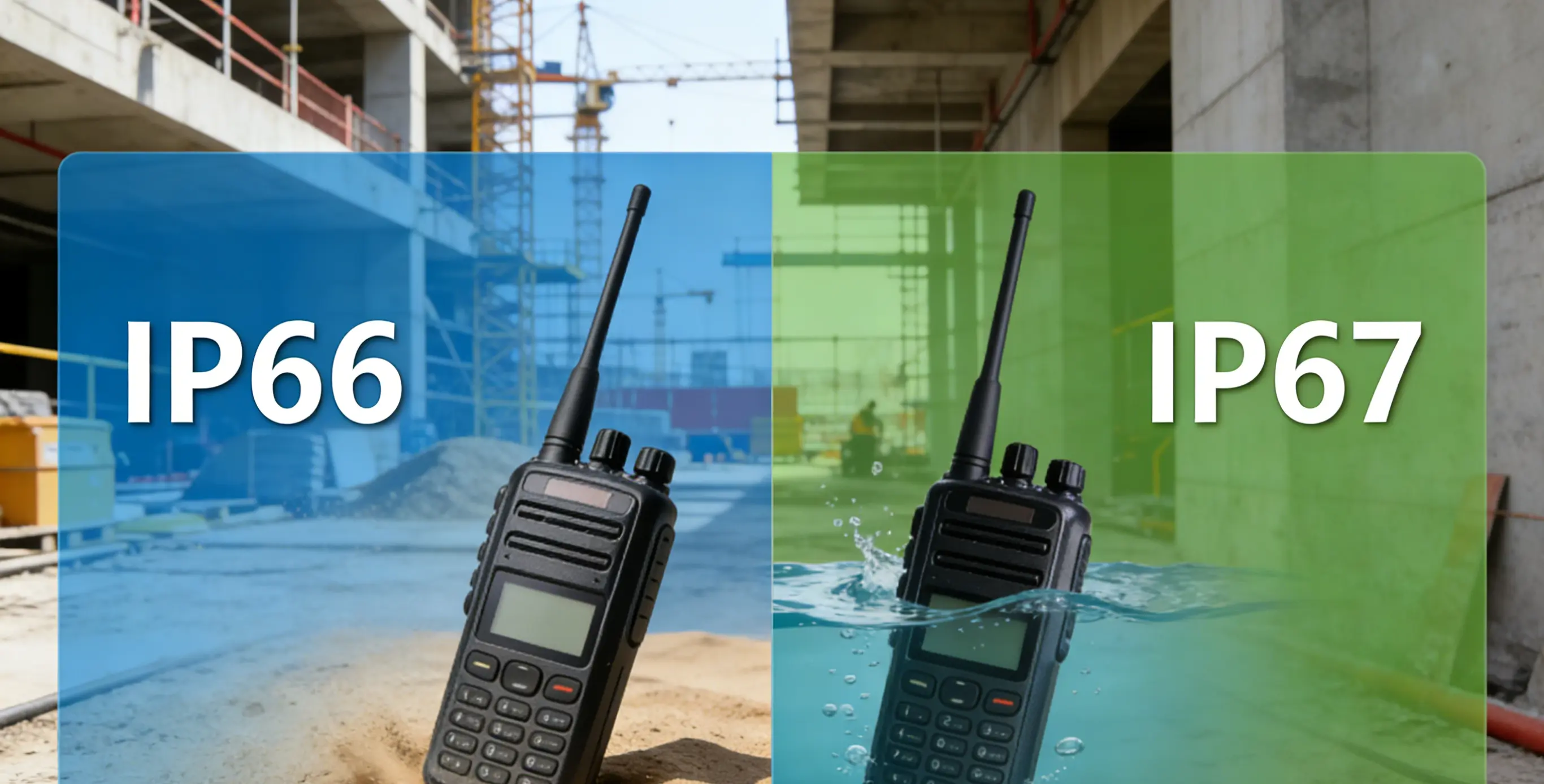
Industrial teams need radios that can handle rough use. Radios may drop, get dusty, face vibration, or work in rain and heat.
A good industrial radio should have:
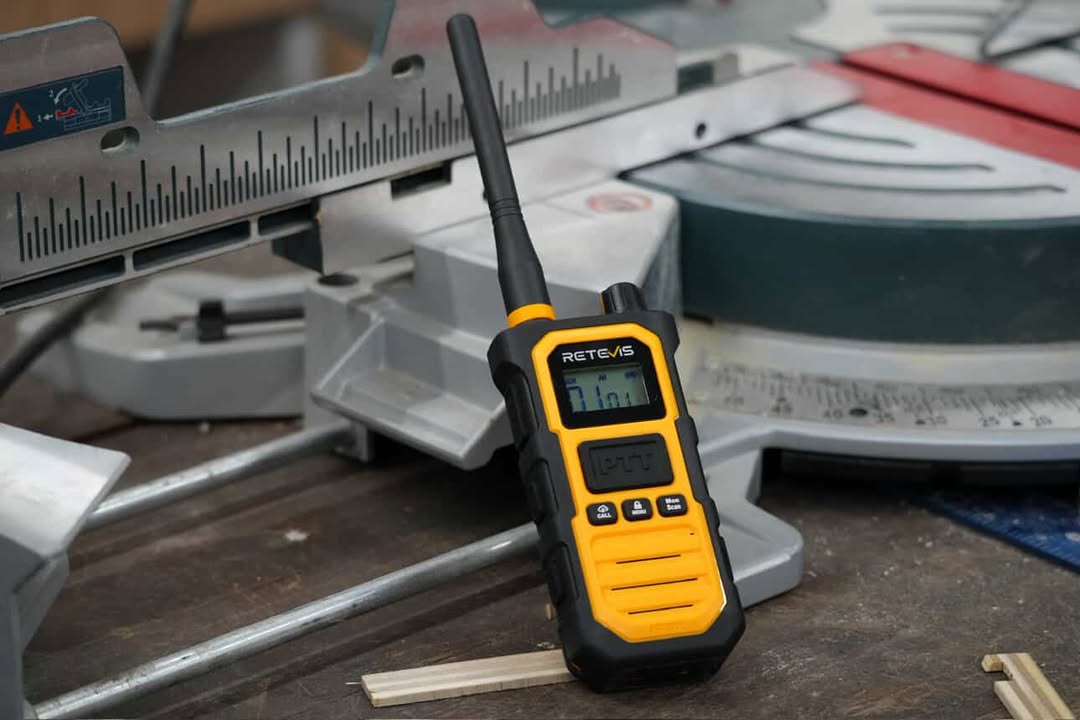
- A rugged body
- Drop resistance
- Dust and water protection
- Stable performance in harsh conditions
For construction crews and field workers, durability is not extra. It is one of the main things that gives a radio value.
Comfortable for All-Day Use
Long shifts mean workers may wear or carry the radio for many hours. If it is too heavy or awkward, people may stop using it properly.
Comfort matters more than many buyers expect. A radio that is easy to wear helps teams keep communication smooth through the whole shift.
Reliable Coverage
A radio is only useful if people can hear each other.
Large buildings, underground spaces, and outdoor sites with barriers can all weaken signal quality. The best long range two way radios are not always the ones with the biggest claim on the box. They are the ones that work well in the real work area.
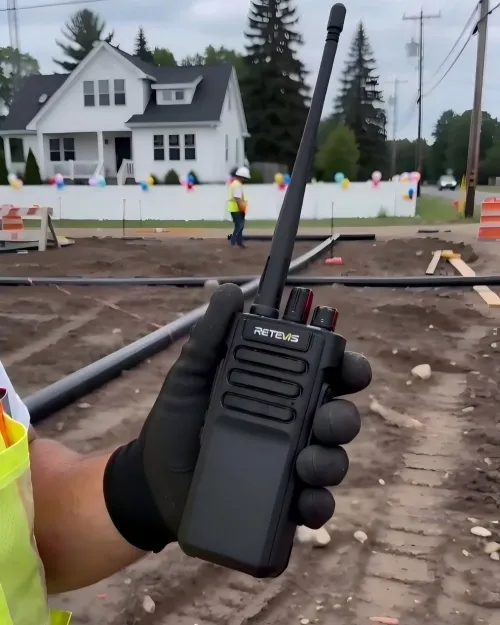
Which Radio Type Fits Industrial Work Best?
Not all radios fit the same type of job. The right radio that fits industrial work best depends on how the team works and how much reliability it needs.
Analog or digital?
This is one of the first choices many teams face.
Digital radios usually give clearer sound and better noise resistance. That makes them a strong choice for noisy jobsites, factories, warehouses, and other places where background sound can make communication hard. Digital models also help keep voices easier to understand when the team is spread out across a large area.
Analog radios may still work for simpler needs. They can be a practical option for small teams or work sites where communication is basic and the noise level is lower. They are often easier to understand as a starting point, but they may not perform as well in more demanding industrial settings.
For long shifts, digital usually gives a better experience because workers need clear sound all day, not just for a few quick calls.
Licensed or license-free?
This is another important point.
License-free radios are easier to set up. Teams can often start using them more quickly, which can be useful for small groups or short-term use. They are simple, flexible, and low-hassle.
Licensed radios are often better for larger or more serious industrial use. They usually offer more control, more stable communication, and better performance when many people need to talk at the same time. For large sites, busy operations, or teams that depend on radio communication every day, licensed systems often make more sense.
If communication is part of daily work, not just a backup tool, licensed radios are usually the stronger choice.
Basic or advanced models?
Industrial teams also need to think about how much the radio will be used.
Basic models work well for simple team communication. They can be enough for small crews that only need direct voice contact and do not face many communication challenges.
Advanced models offer better coverage, durability, and safety features. These radios are a better fit for larger teams, tougher sites, and longer shifts. They may include stronger battery support, better audio tools, hands-free use, and emergency functions.
If the jobsite is noisy, large, or safety-sensitive, advanced models are often worth the extra cost. They are built for real industrial work, not just casual use.
For most industrial teams, the right answer is not “the most expensive radio.” It is the radio that fits the job, the team, and the work environment.
Features That Matter Most for Long Shifts
Once you know the radio type, focus on the features that really help during long shifts.
High-Capacity or Swappable Batteries
Battery performance is one of the biggest parts of long-shift communication. A strong battery helps reduce downtime and keeps people connected.
For longer operations, hot-swappable or removable batteries can be a big advantage.
Noise Reduction and Voice Clarity
Industrial places are noisy. A radio should help people hear speech clearly, even when machines, vehicles, or other workers are nearby.
This is one of the biggest reasons people look for the best long range walkie talkie for industrial use.
Rugged Protection
A jobsite radio should be built for hard use. Look for:
- Dust and water resistance
- Shock protection
- A strong case
- Controls that still work when wearing gloves
Multiple Channels or Group Communication
Long-shift teams often need to split communication by role, area, or task. Multiple channels make this much easier.
This is especially useful for:
- Large construction sites
- Multi-team operations
- Industrial sites with different work zones
Hands-Free Accessories
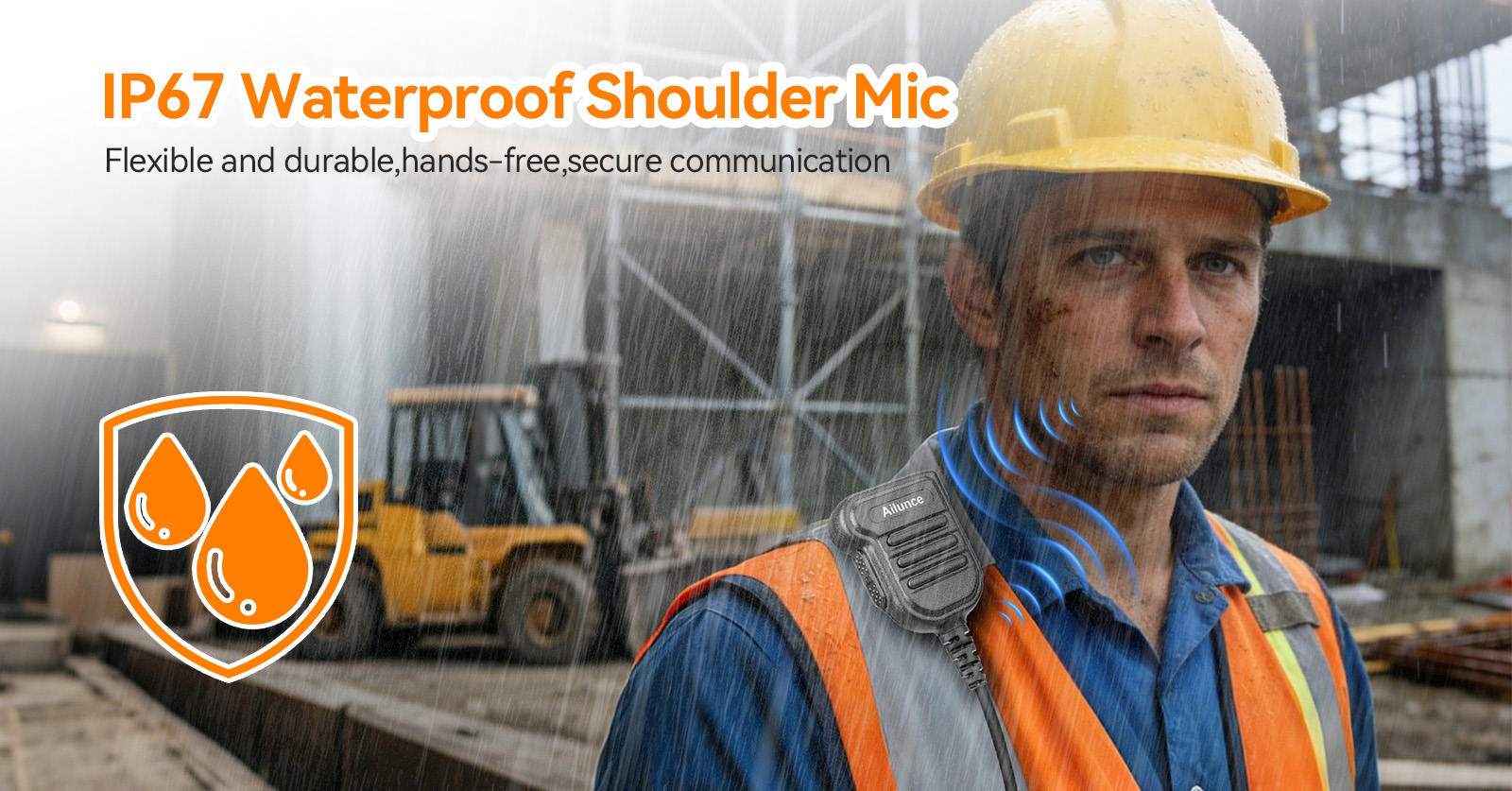
In many industrial settings, hands-free use is safer and easier. Headsets, earpieces, and push-to-talk accessories help workers communicate without stopping the job.
Emergency Functions
Some work environments need extra safety support. Emergency alerts and lone-worker features can help protect workers in high-risk or isolated areas.
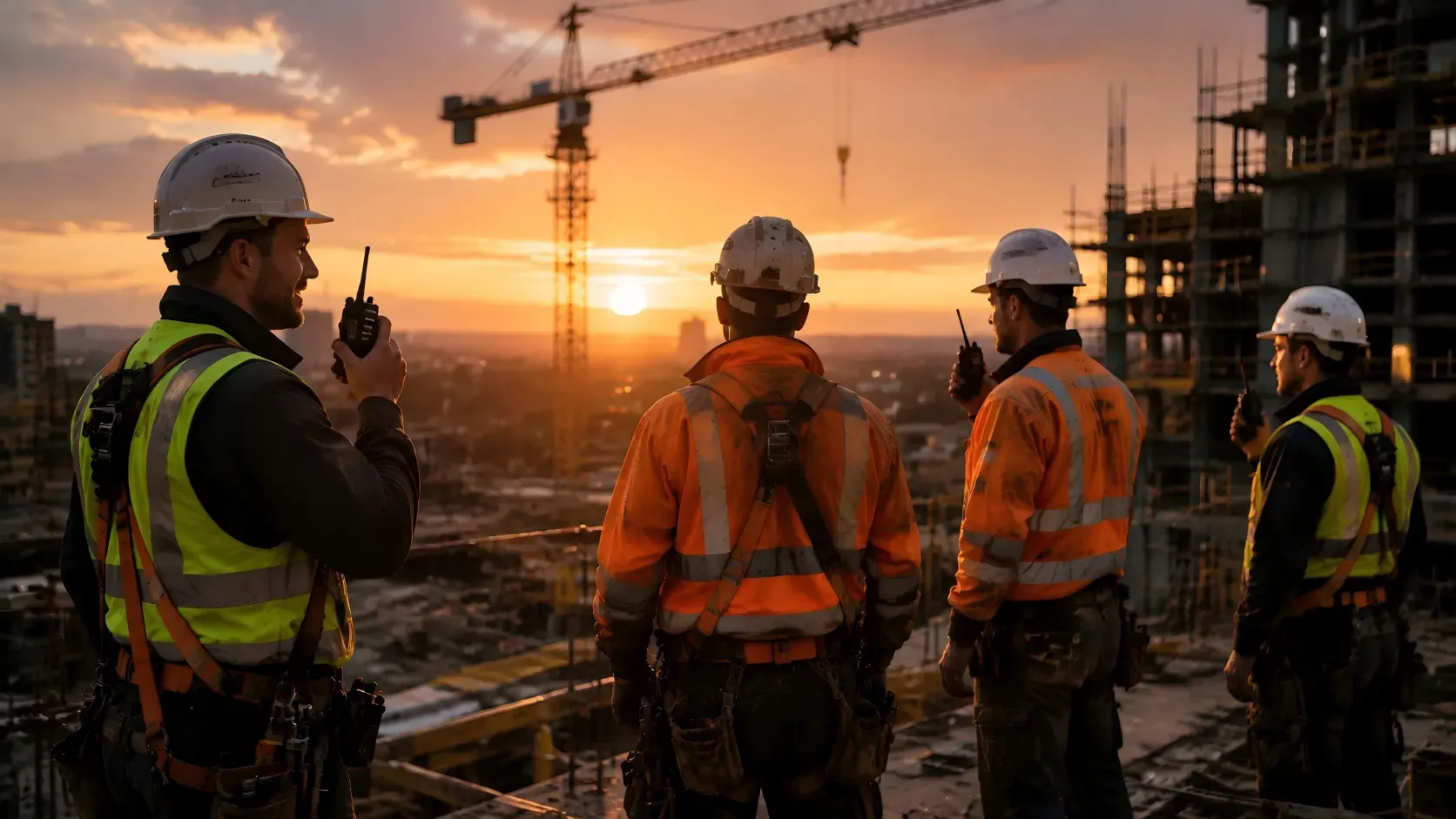
How to Choose Based on the Work Environment?
The best radio depends on the site.
Large Outdoor Sites
For big outdoor jobs, focus on:
- Coverage
- Durable build
- Battery life
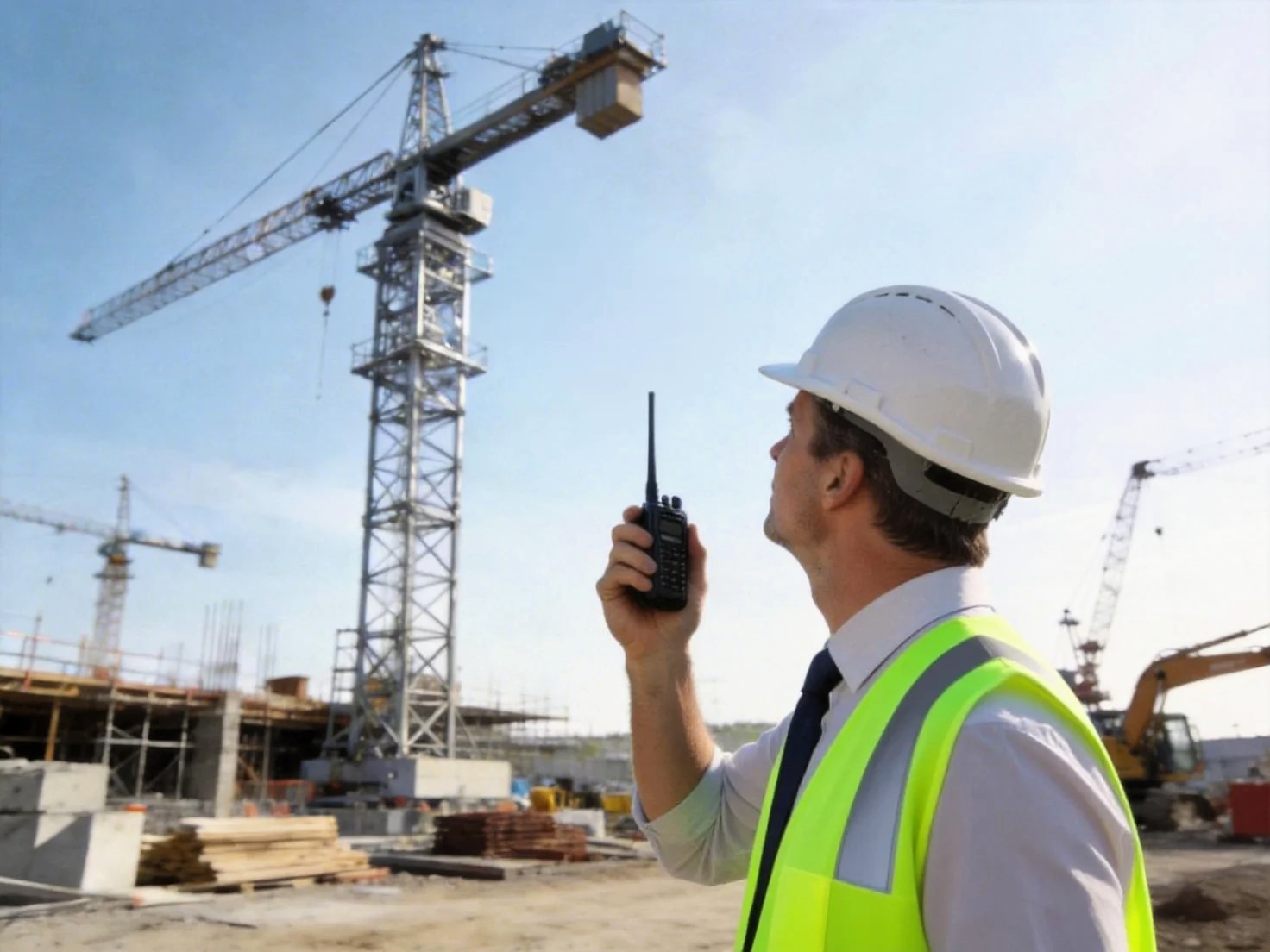
Construction sites, logistics yards, and field work often need a long range walkie talkie that can handle weather and distance.
Indoor Factories and Warehouses
For indoor spaces, focus on:
- Clear audio
- Low interference
- Comfort for all-day use
Walls, metal, and machinery can block signals, so stable performance matters more than the number on the box.
Mixed-Role Teams
If different teams need to talk across zones or tasks, choose radios that offer:
- Good channel control
- Group communication
- Easy compatibility with current systems
This helps reduce confusion and keeps communication organized.
Safety-Sensitive Teams
For teams in higher-risk jobs, look for:
- Hands-free use
- Emergency alert features
- Strong battery life
- Clear audio
The best two way radios for industrial use are often the ones that support both communication and safety.
Common Mistakes to Avoid
Many buyers choose the wrong radio because they focus too much on price or on features that only look good on paper.
Buying Consumer Radios
Consumer walkie-talkies may look affordable, but they are usually not built for industrial use. They may not last long enough or work well in tough conditions.
Ignoring Battery Needs
A radio that works for a few hours is not enough for a long shift. Always check how long it can really run.
Forgetting the Work Environment
A radio may work well in open space but fail in a factory or steel building. Always match the radio to the site.
Choosing by Price Only
A cheap radio may save money at first, but it can cause more problems later. Poor communication can slow work and increase costs.
Not Checking Compatibility
If your team already uses a system, new radios should work with it. This saves time and avoids confusion.
Conclusion: The Best Radio Is the One That Fits the Job
So, what are the best radios for long-shift industrial teams?
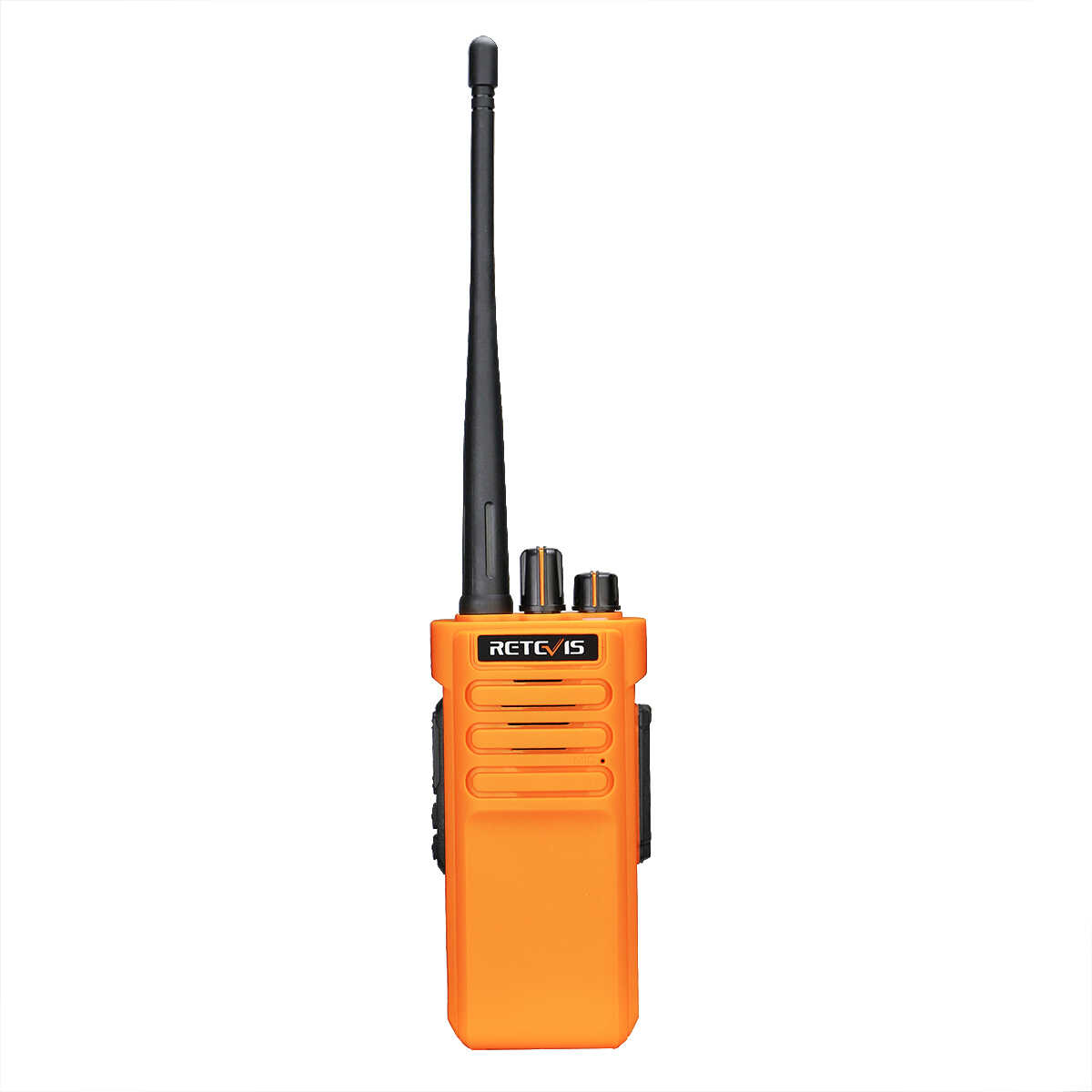
The best choice is a radio that gives long battery life, clear audio, strong durability, reliable coverage, and all-day comfort. For many teams, that means choosing a professional industrial walkie talkie or made for real worksite needs.
There is no single best model for every team. The right choice depends on the site, the shift length, the number of users, and the safety needs of the job. But when you focus on real working conditions instead of marketing claims, it becomes much easier to choose the right tool.
For long shifts, good communication is not just helpful. It is part of the work. The right industrial radio communication solution can help teams stay safe, stay connected, and get the job done.



 Google
 Amazon
Comments
No data Yet