
Table of Contents
Campus Event Management: Solving Communication Gaps for Field Days, Open Houses, and Large Gatherings
- Posted by:Retevis
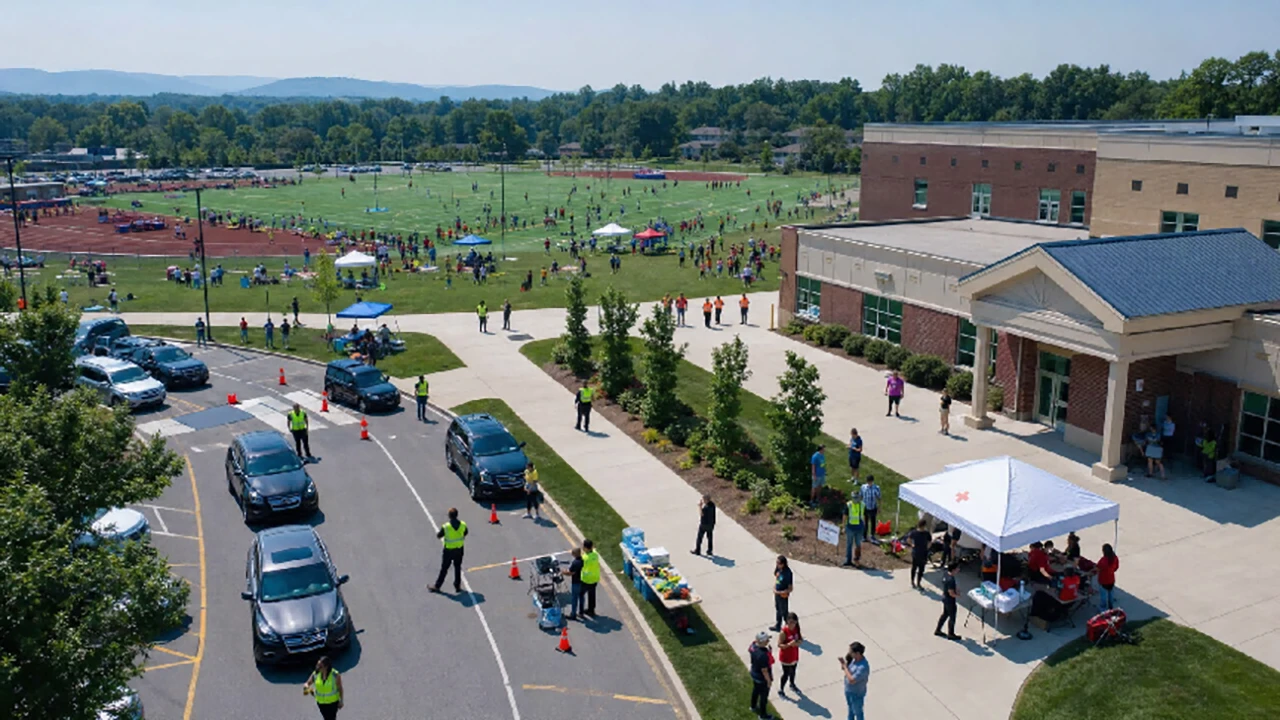
The average K-12 school hosts 12–15 large campus events per year, from field days and graduation to open houses, homecoming parades, and spirit week activities. A 2025 industry survey of 400 K-12 event coordinators found that 68% rank "on-site communication" as their single largest source of event-related stress, above budget constraints, volunteer shortages, and weather risks.
Unlike daily school operations, campus events create temporary, distributed teams across large physical areas, with mixed groups of staff, PTA volunteers, student helpers, and external vendors. Most schools rely on the same tools they use for daily communication—cell phones, group chats, and bullhorns—but these tools are not built for the unique demands of large, dynamic events.
This guide breaks down the three core communication pain points in campus event management and school communication, and how purpose-built license-free two-way radio systems resolve them to create real-time cross-team coordination, on-schedule execution, and reduced administrative burden.
Core Pain Point 1: Distributed Personnel Across Large Campus Areas
The Problem
Campus events rarely happen in one room. A typical elementary field day spreads personnel across 5–8 distinct zones:
- Parking lots and parent drop-off/pickup lines, often extending to side streets 1/4 mile from the main building
- Multiple playground and field stations for games, races, and activities
- Gymnasium, cafeteria, and classroom spaces for indoor weather backup
- First aid stations, check-in tables, and concession stands
- Bus loops and accessible entry points
Across these zones, cell service becomes unreliable when hundreds of parents arrive on campus simultaneously. Post-event reviews from 2024 show that 42% of events experienced partial or total cell network congestion during peak attendance, leaving staff in far zones unable to send or receive messages.
Personnel in these zones are often isolated: a volunteer directing traffic in the satellite lot has no way to know the main lot is full, leading to 20+ minute traffic backups that spill onto public roads. A first aid volunteer at the far end of the track cannot reach the nurse quickly when a student is injured.
The Solution: Infrastructure-Independent Communication
FRS (Family Radio Service) two-way radios operate on UHF frequencies independent of cell towers and building Wi-Fi. A 2W FRS signal penetrates cinder block walls, metal bleachers, and tree cover, delivering reliable communication across even the largest K-12 campuses without additional repeaters or infrastructure.
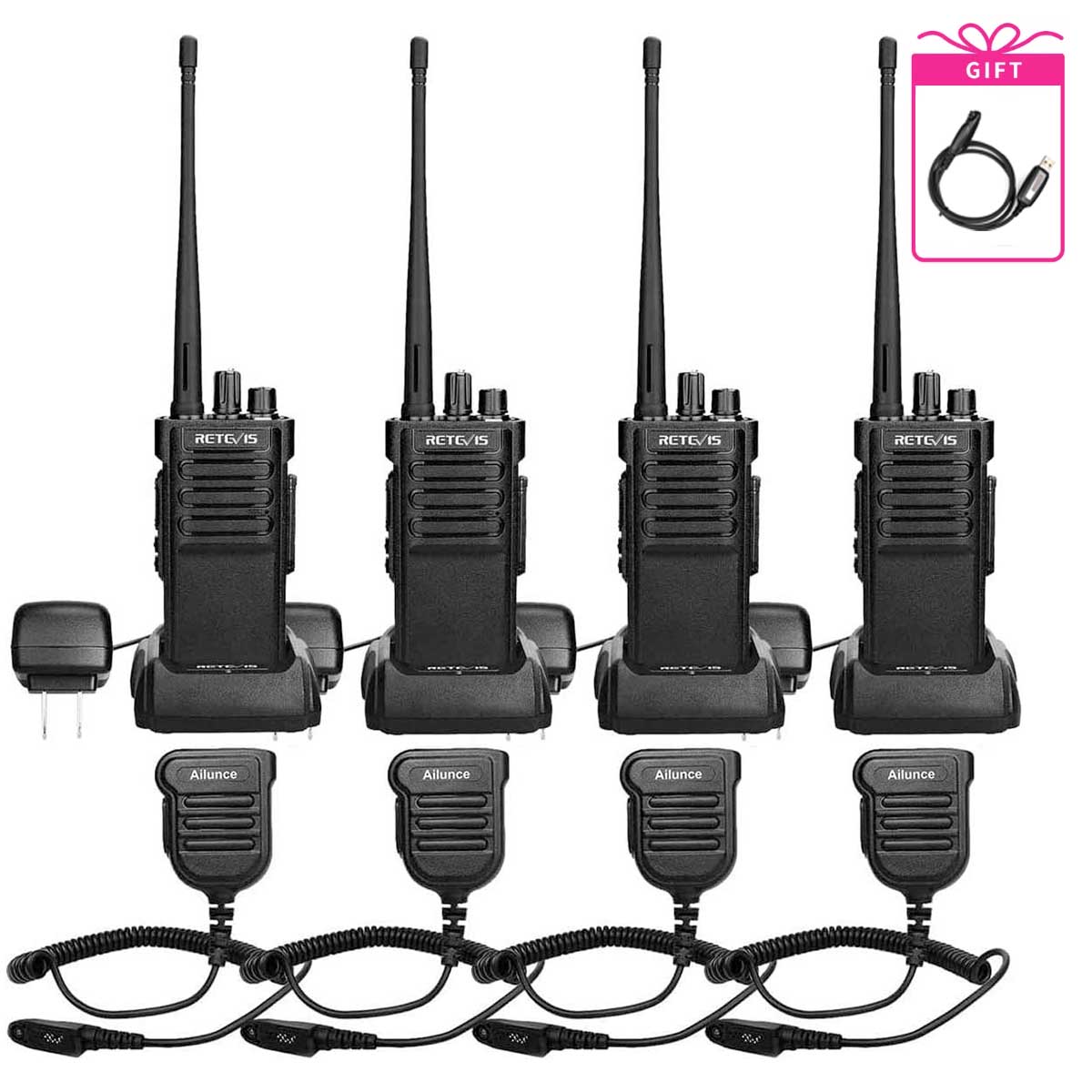
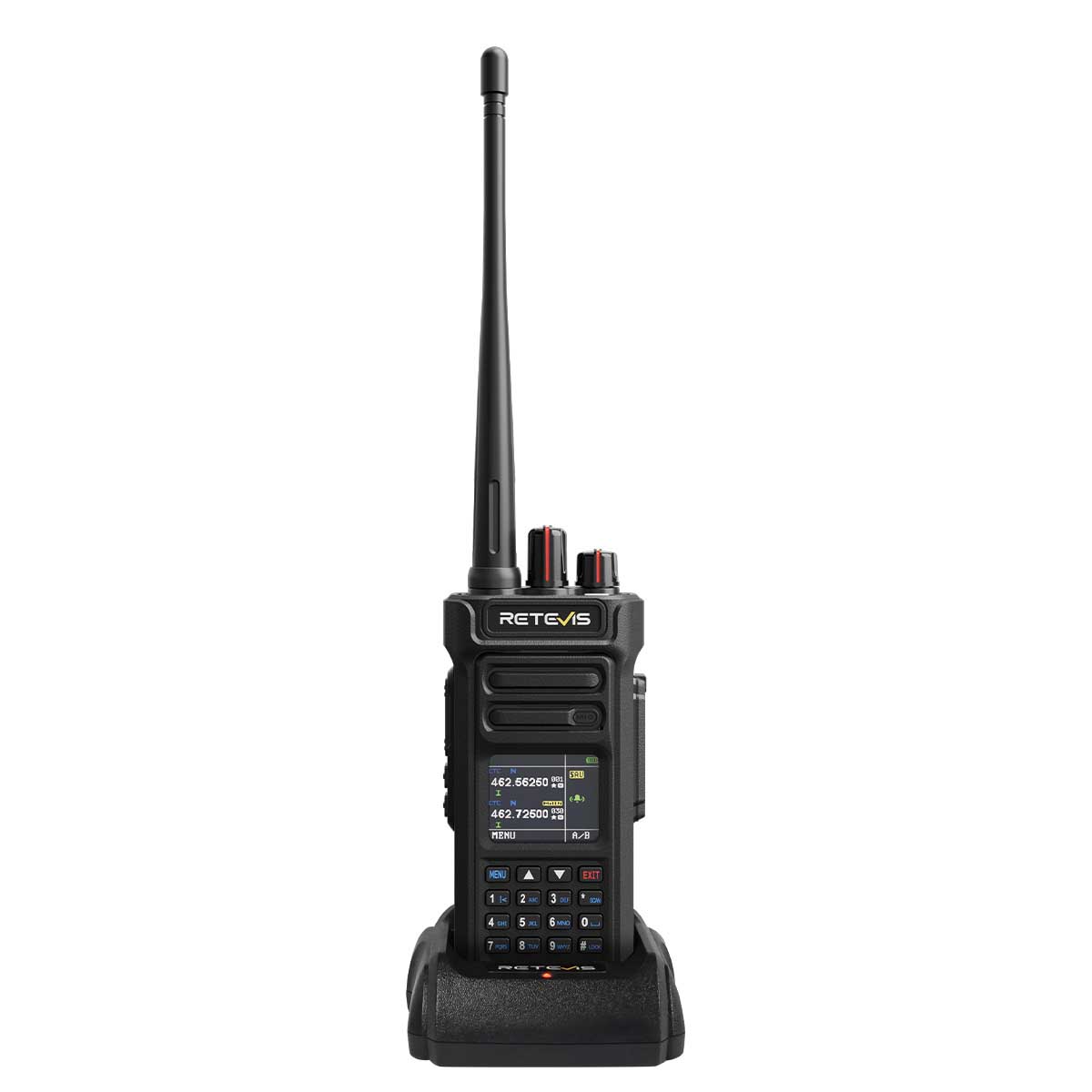
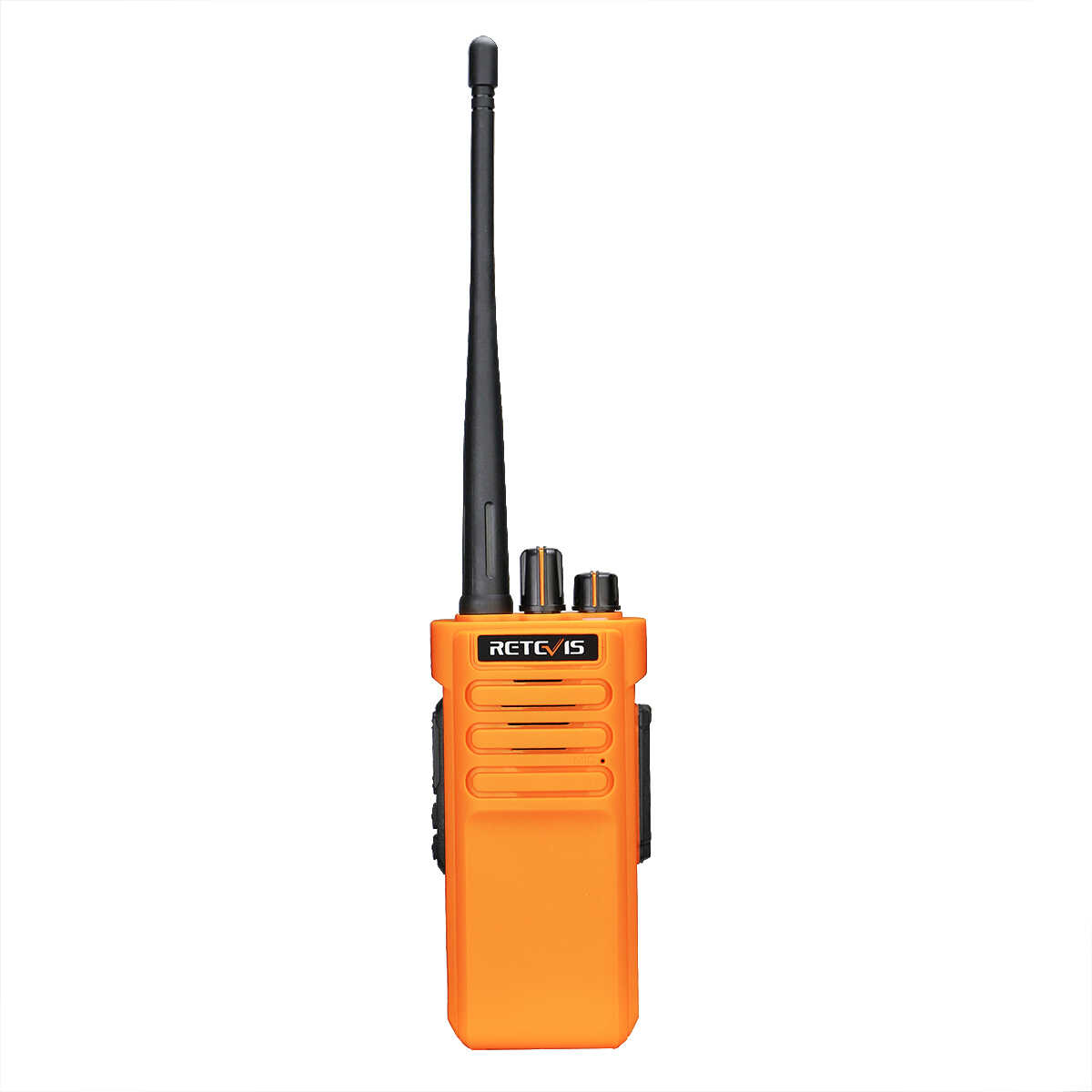
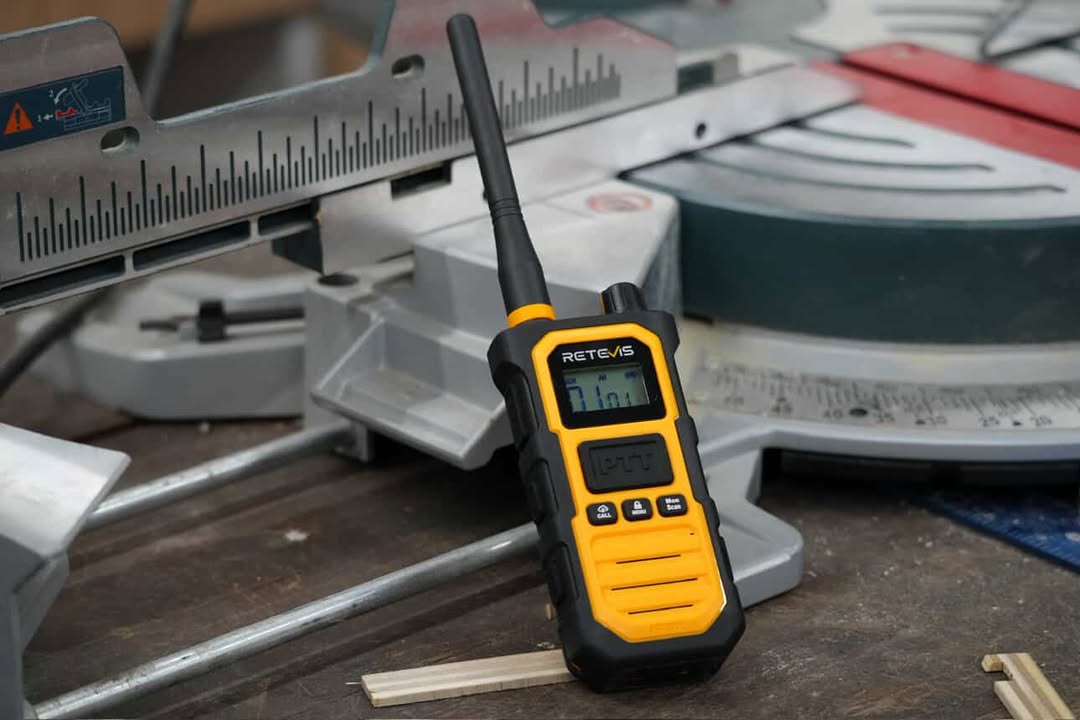
For distributed event teams, the Retevis RT68 series is the standard for K-12 deployments:
- 500mW high-output speaker delivers clear audio in windy outdoor parking lots and noisy gymnasiums, where smaller consumer radios become unreadable
- 1-meter drop rating withstands the inevitable falls and rough handling common in outdoor field settings
- 10–12 hour battery life covers full event setup, execution, and teardown on a single charge
This eliminates the "person in the far lot has no idea what is happening" problem. Every staff member, regardless of their position on campus, is reachable with one button press.
Value delivered: Multi-position real-time coordination across the entire campus, no dead zones.
Core Pain Point 2: Cross-Team Coordination Complexity
The Problem
Campus events are staffed by temporary, cross-functional teams that do not work together daily. A typical event includes:
- Core administrative staff and athletic directors
- SROs (School Resource Officers) and custodial teams
- Teachers pulled from regular duty
- PTA and parent volunteers with no prior event training
- Student helpers and club members
- External vendors (catering, DJ, photography, bounce house operators)
With cell phones, reaching the right person requires scrolling through contact lists, waiting for answers, and playing phone tag. A facilities issue at the concession stand requires first finding the custodian's number, calling them, waiting for them to answer, and explaining the location—wasting 5–10 minutes during which a line forms and event flow is disrupted.
Group chats devolve into chaos quickly: 50 people sending messages means important updates get buried under questions about extra napkins and weather concerns. There is no way to route specific types of messages to specific teams, so everyone sees everything, and critical information gets missed.
The Solution: Role-Based Channel Organization
Purpose-built event radio systems use dedicated channels for each functional team, eliminating cross-talk and ensuring messages reach the right people immediately. The standard K-12 event channel structure, validated across hundreds of school deployments, creates clear communication paths without overcomplicating the system for volunteers:
- Channel 1: Event director only, for all-staff announcements and emergencies
- Channel 2: Parking and traffic team
- Channel 3: Security and entry/exit team
- Channel 4: Medical and first aid
- Channel 5: Facilities and concessions
- Channel 6: General volunteer coordination
The RT68 two-way radio supports CTCSS/DCS privacy codes for each channel, so teams do not hear cross-talk from other groups or nearby community events. The three-model lineup maps directly to role requirements, with no overcomplicated features for temporary volunteers:
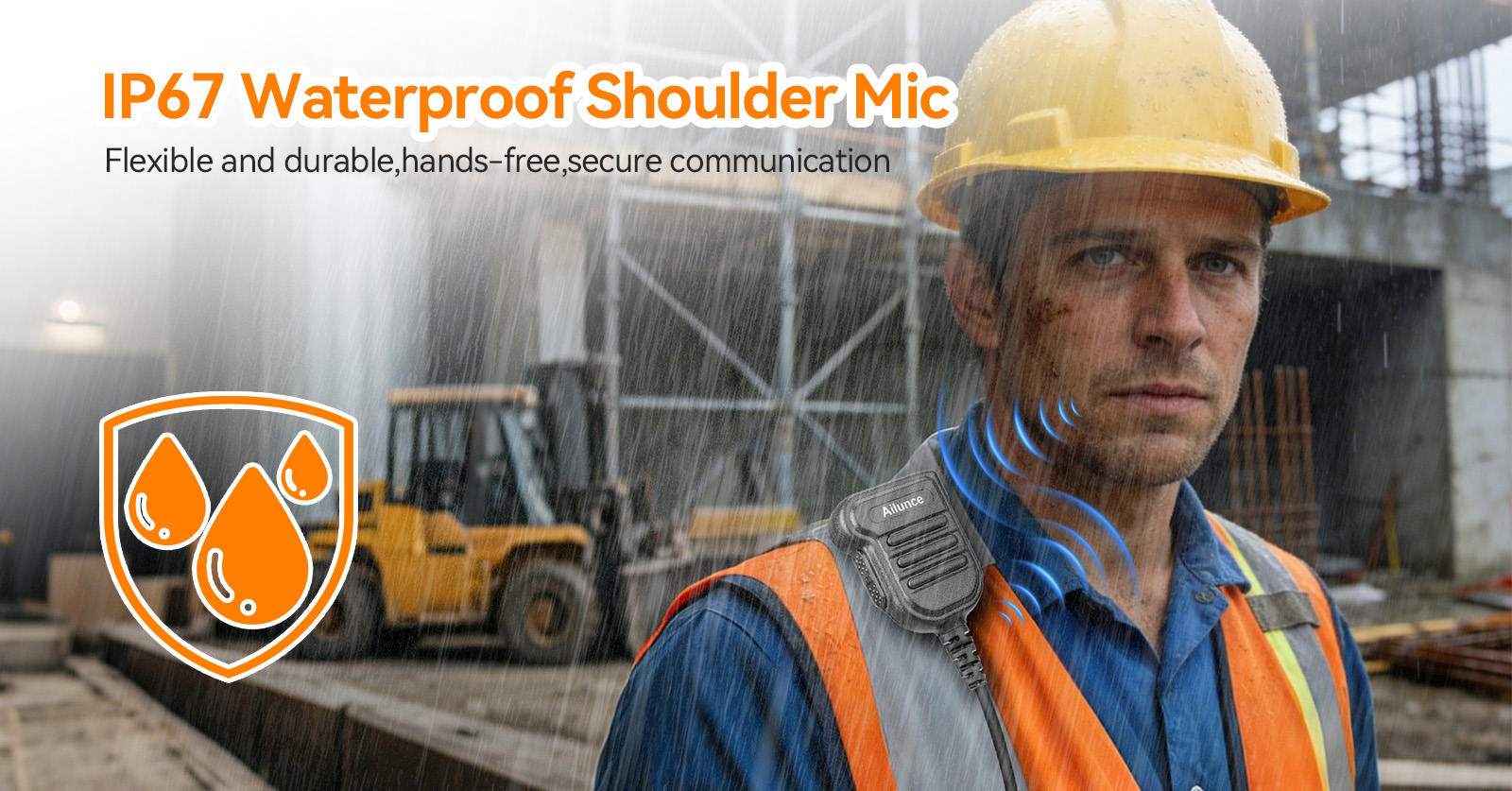
- RT68H with shoulder mics for parking and facilities staff, enabling hands-free communication while directing traffic or moving equipment
- RT68B with earpieces for SROs and medical staff, enabling private communication that does not cause public panic or disrupt event flow
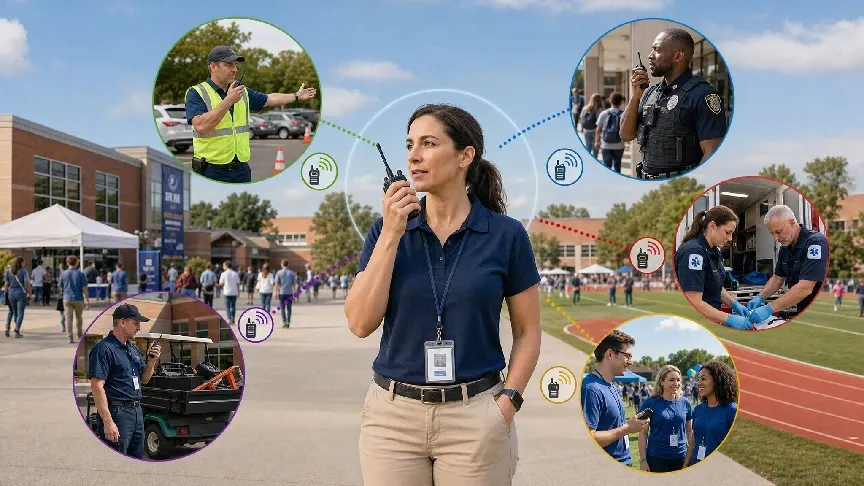
RT68 Classic no-screen units for parent and student volunteers, with one-button operation that requires zero training to use
With this structure, the concession lead does not have to track down the custodian's phone number—they switch to Channel 5, press the button, and the custodian hears the request immediately. No contact lists, no waiting for answers, no misrouted messages.
Value delivered: Efficient cross-team execution, with zero training required for temporary staff.
Core Pain Point 3: Delayed Information and Cascading Delays
The Problem
Event schedules are fragile. A 10-minute delay in one activity ripples through the entire day. When information moves slowly, small issues become large problems:
- The 4th grade relay is running 15 minutes late, but no one tells the schedule coordinator, so the awards ceremony starts 20 minutes behind
- The main parking lot fills up, but staff at the street entrance keep directing cars in, creating a 30-minute traffic jam
- A student has a mild allergic reaction, but it takes 12 minutes to locate the nurse, turning a minor incident into a parent concern
- Rain starts, but no one alerts staff at the far field stations to move kids inside, leading to 200 students waiting out a downpour while staff scramble
On average, K-12 events using only cell phones and bullhorns experience 28 minutes of total schedule delay per event, per 2025 industry data. Most of this delay comes from slow information transfer: every message has to travel through multiple people, and every minute of delay compounds.
Bullhorns only solve one-way communication: you can announce a schedule change, but you cannot get confirmation that everyone heard it, and staff cannot report issues back.
The Solution: Instant, Two-Way Information Flow
Two-way radios eliminate information lag entirely. Push-to-talk communication connects all staff instantly, with no dialing, no waiting for connections, no missed messages.
- When a station finishes early, the lead calls it in immediately, and the event director can adjust the schedule before gaps form
- When the main lot fills, the parking attendant calls it in instantly, and the street team starts diverting cars before traffic backs up
- When a medical issue occurs, the staff member on scene calls the nurse directly, providing exact location and details in seconds
- When weather moves in, the event director broadcasts one message to every radio on campus, and every staff member confirms receipt and moves students inside
Schools using dedicated event radio systems report average schedule delays of 7 minutes per event—a 75% reduction in lost time. Post-event surveys of staff at these schools show a 62% reduction in self-reported event-related stress, as staff no longer have to guess what is happening or run across campus to find answers.
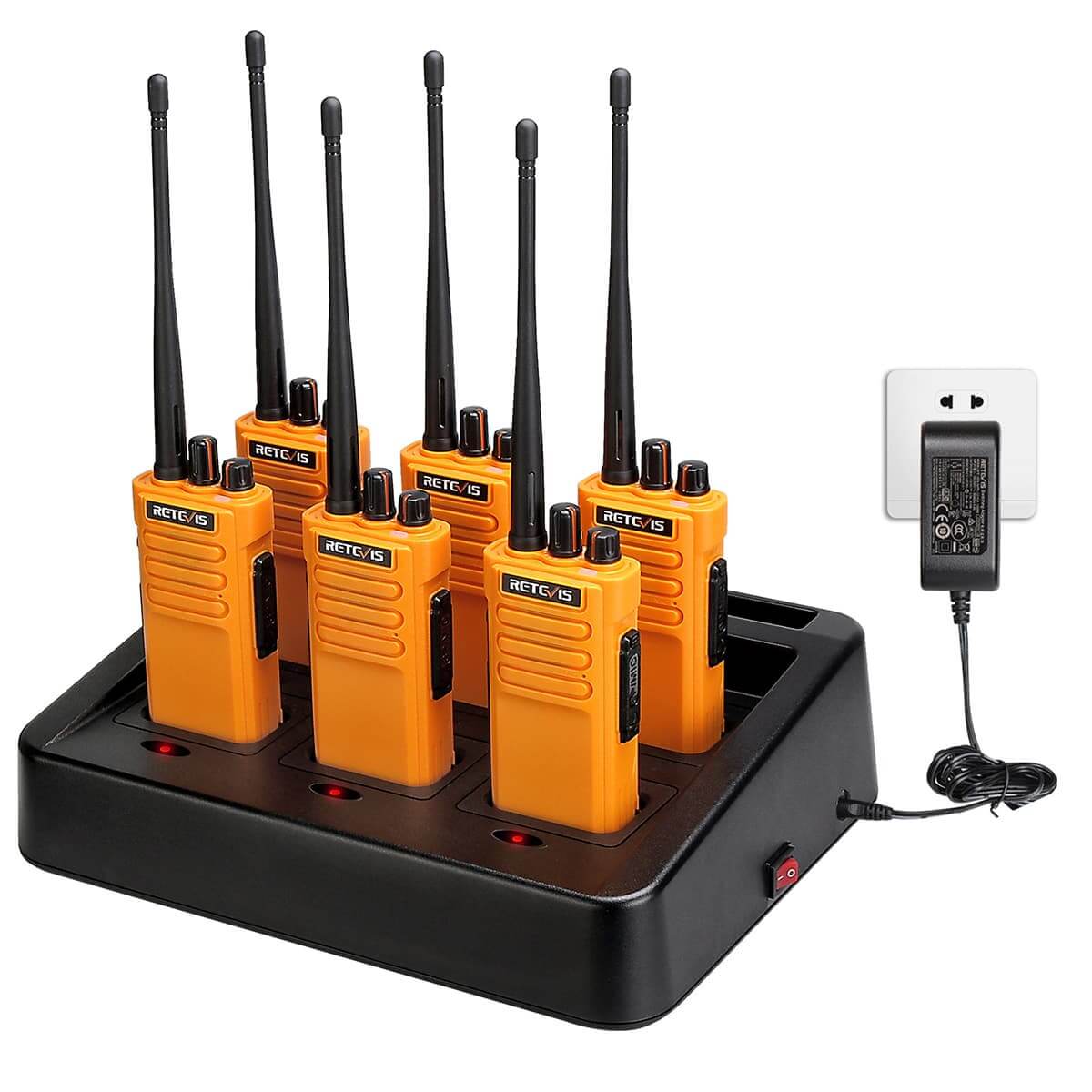
The multi-unit gang chargers included with RT68 event bundles eliminate another common source of delay: dead radios. All units charge in a single base between events, so staff never show up to a station with a dead radio.
Value delivered: Dramatically reduced management burden, with instant information flow that stops small issues from becoming major disruptions.
Standard Deployment For K-12 Events
For most 500-attendee school events, a 25-unit RT68 bundle covers all roles:
- 5 RT68H units for parking, facilities, and event leadership
- 4 RT68B units for SROs and medical staff
- 16 RT68 Classic units for volunteers and station leads
- Two 10-way gang chargers for centralized charging
- 5 spare batteries for extended events like graduation or football games
This is a one-time purchase with no recurring fees, no licensing requirements, and a 5–7-year usable lifespan. All units are certified for license-free use, so schools can deploy them the day they arrive with no additional paperwork or certification.
As event sizes grow, additional units can be added at any time, with full compatibility across the entire RT68 line and other FRS radios used for daily staff and security communication.
Campus event management does not require expensive software or complicated communication systems. It requires the ability to reach the right person, at the right time, with the right information—regardless of where they are on campus, how crowded the event is, or how reliable the cell network is that day.
For 90% of K-12 schools, purpose-built FRS two-way radio systems solve the three core communication pain points of event management, creating more coordinated teams, more efficient event flow, and less stress for the staff running the event.





 Google
 Amazon
Comments
No data Yet