

Table of Contents
How to Boost Walkie Talkie Signal for Basement Construction: Practical Repeater Solutions for Large Projects
- Posted by:Retevis
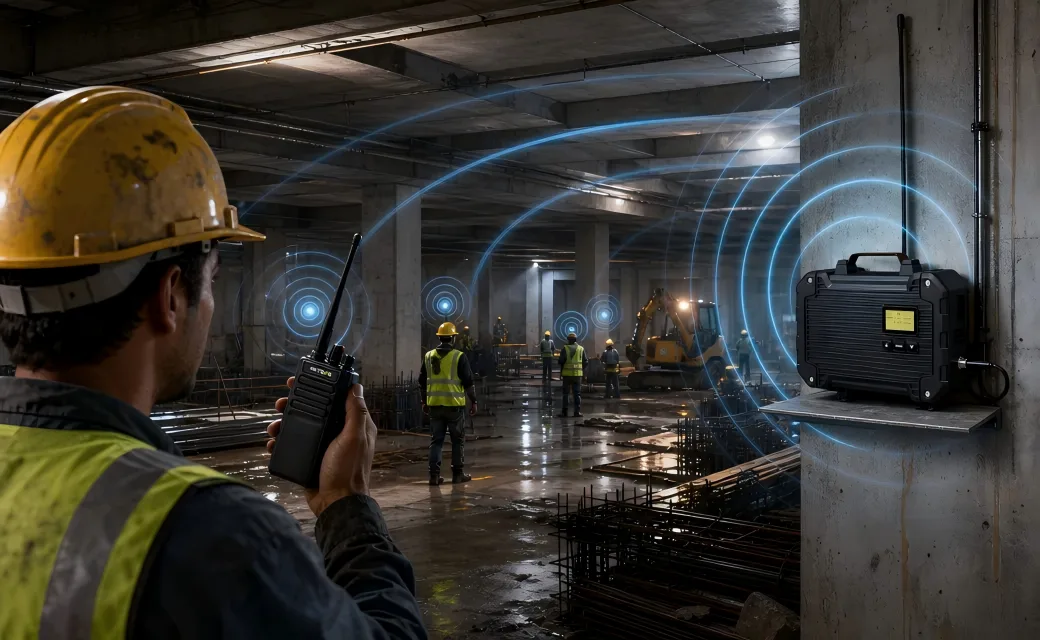
Large construction projects almost always include basement work. Underground parking levels, foundation spaces, and lower commercial floors are standard parts of modern builds. Once work moves below ground, standard handheld radios often stop working reliably. Dead zones appear across basement levels, and cross-level coordination breaks down.
For teams working on large residential and commercial builds, knowing how to boost walkie talkie signal in basement zones is critical to keep projects on track and workers safe. The most reliable approach is a portable repeater system paired with high-output handheld radios. A 25-watt repeater placed at ground level can capture weak signals from underground crews, amplify them, and retransmit clear audio across multiple concrete levels—effectively extending usable coverage from zero to full signal across 2 to 4 basement floors.
This guide explains why signals fail below ground, how repeater systems restore coverage, and how to deploy them across basement construction sites and other underground work environments.
Why Basement and Concrete Basement Construction Sites Lose Radio Signal
Radio signals travel best through open air. Solid obstacles weaken or block them entirely. Concrete basement construction sites have three main barriers that cut off standard radio communication.
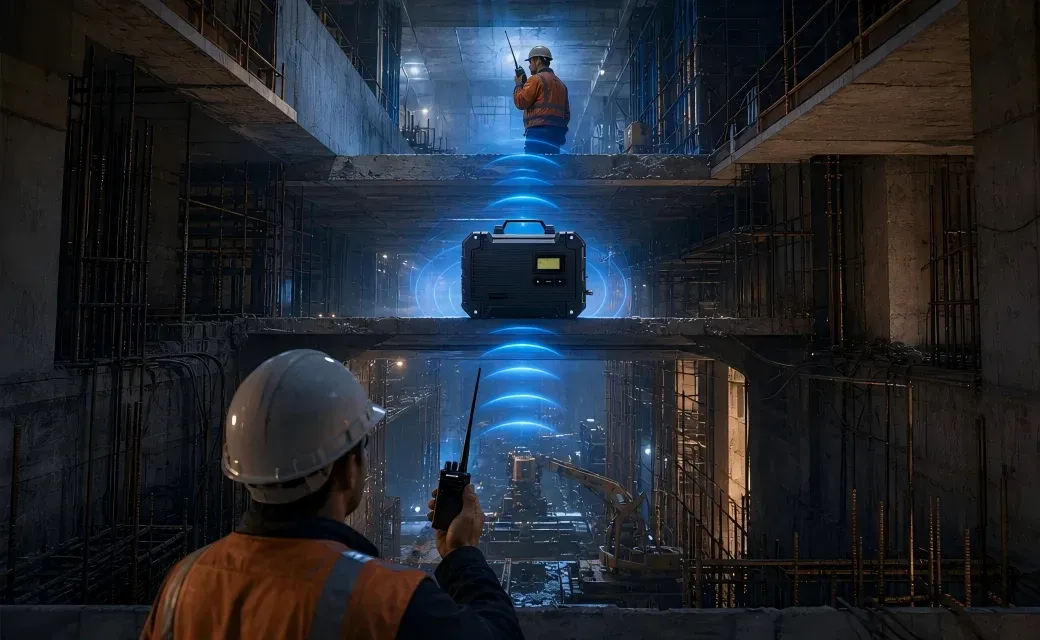
First, thick concrete and steel absorb radio waves. Modern basement structures use heavy reinforced concrete for walls and floor slabs. Steel rebar inside the concrete adds extra signal blocking. Standard handheld radios—typically operating at 2 to 5 watts—do not have enough output power to punch through these thick, dense materials.
Second, full below-ground placement removes line-of-sight connection. Surface-level crews have clear sight lines to each other across open lots. Basement crews sit entirely below ground level. No direct signal path exists between underground teams and surface supervisors.
Third, multiple basement levels multiply the blocking effect. Each additional floor slab adds another layer of concrete and steel. Signals from the surface weaken with every level deeper they travel. Deep basement levels often have zero usable signal from standard handheld radios alone.
How Repeater Systems Boost Walkie Talkie Range Underground
The most effective way to restore communication is to add a radio repeater. Repeaters act as middle points for radio signals. They work on a simple principle: a repeater receives weak radio signals from one area, amplifies those signals to full strength, and then retransmits the boosted signal to another area.
For basement work, teams typically place the main repeater unit at ground level or on an upper floor. The repeater picks up signals from surface crews and sends boosted signals down into all basement levels. It also picks up signals from underground crews and sends them back up to the surface.
This setup creates a continuous, clear connection between all work zones. Crews on level B3 can talk directly to supervisors on the ground floor.
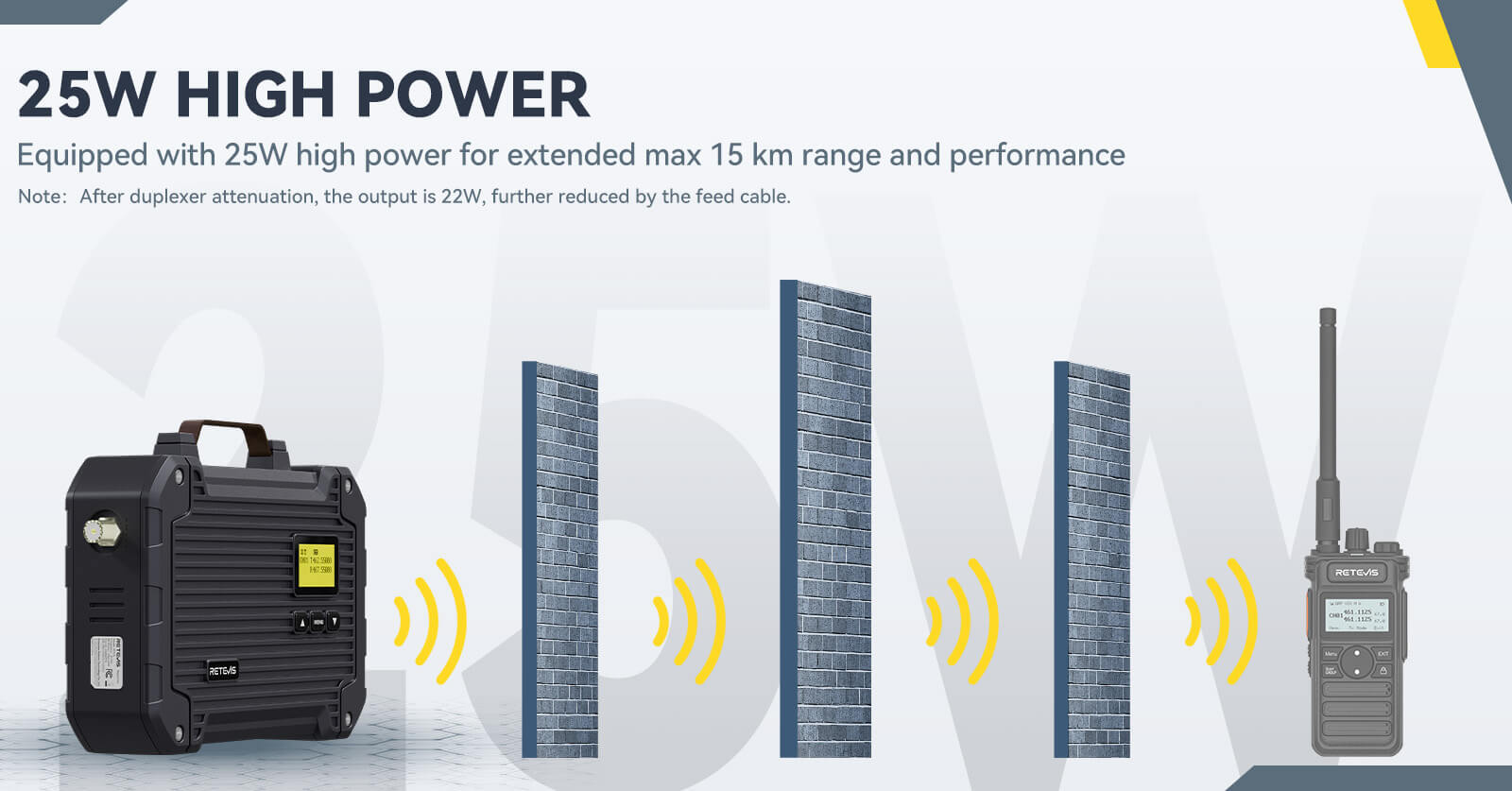
In practical terms, this is how to boost walkie talkie range in concrete environments. A standard 2–5W handheld radio might achieve reliable coverage of only a few hundred meters in open air, and essentially zero signal through multiple concrete slabs. A 25W portable repeater retransmits at roughly five to ten times the power of a standard handheld, effectively restoring full coverage across 2 to 4 basement levels depending on site width and concrete density.
Concrete Basement Construction: Beyond the Basement
Basement work is only one category of underground work. The same signal principles apply across a wider range of projects.
Underground construction sites such as subway stations, utility tunnels, and parking garages face identical challenges, often across longer horizontal distances. Underground facility construction—including wastewater treatment plants, power substations, and transit infrastructure—requires the same relay approach to maintain contact between deep work zones and surface control rooms.
Confined space construction presents even stricter communication demands. Safety frameworks define confined spaces as areas with limited entry and exit and poor natural ventilation. Continuous two-way communication is often a regulatory requirement, not merely a convenience. Without a repeater, a worker inside a concrete vault or underground pipe may have no way to signal an emergency.
Water tank construction and tank maintenance construction represent extreme cases. Metal tank walls create a Faraday-cage effect that blocks nearly all radio energy. A worker inside a cleaned fuel or water storage tank has zero direct radio contact with surface attendants. In these scenarios, a repeater with a donor antenna outside the tank and a service antenna inside—or a hardwired remote antenna extension—becomes a safety-critical link rather than an optional enhancement.
Step-by-Step Deployment to Boost Radio Signal in a Building
A repeater only works well when placed and configured correctly. Follow these steps to get the best coverage for your project.
Step 1: Place the main unit in a central, elevated position
Install the repeater base unit as high as possible on the ground floor or first above-ground level. A central location gives the most even coverage across all basement zones. Avoid placing the unit inside metal enclosures or next to heavy equipment, which can interfere with signal performance.
Step 2: Match antenna placement to your site layout
For deep or wide basements, use separate donor and service antennas. The donor antenna faces outward to pick up surface signals. The service antenna faces downward to broadcast boosted signal into basement levels. Proper antenna placement makes a much bigger difference than raw radio power alone.
Step 3: Test coverage before full deployment
Do a full signal test across all basement levels once the repeater is in place. Check corners, stairwells, and enclosed mechanical rooms. Adjust antenna position or repeater placement if any dead zones remain. Full testing prevents unexpected communication gaps once crews move in for full-scale work.
Recommended Equipment for Basement and Underground Projects
Two paired products work especially well for large basement and underground build sites.
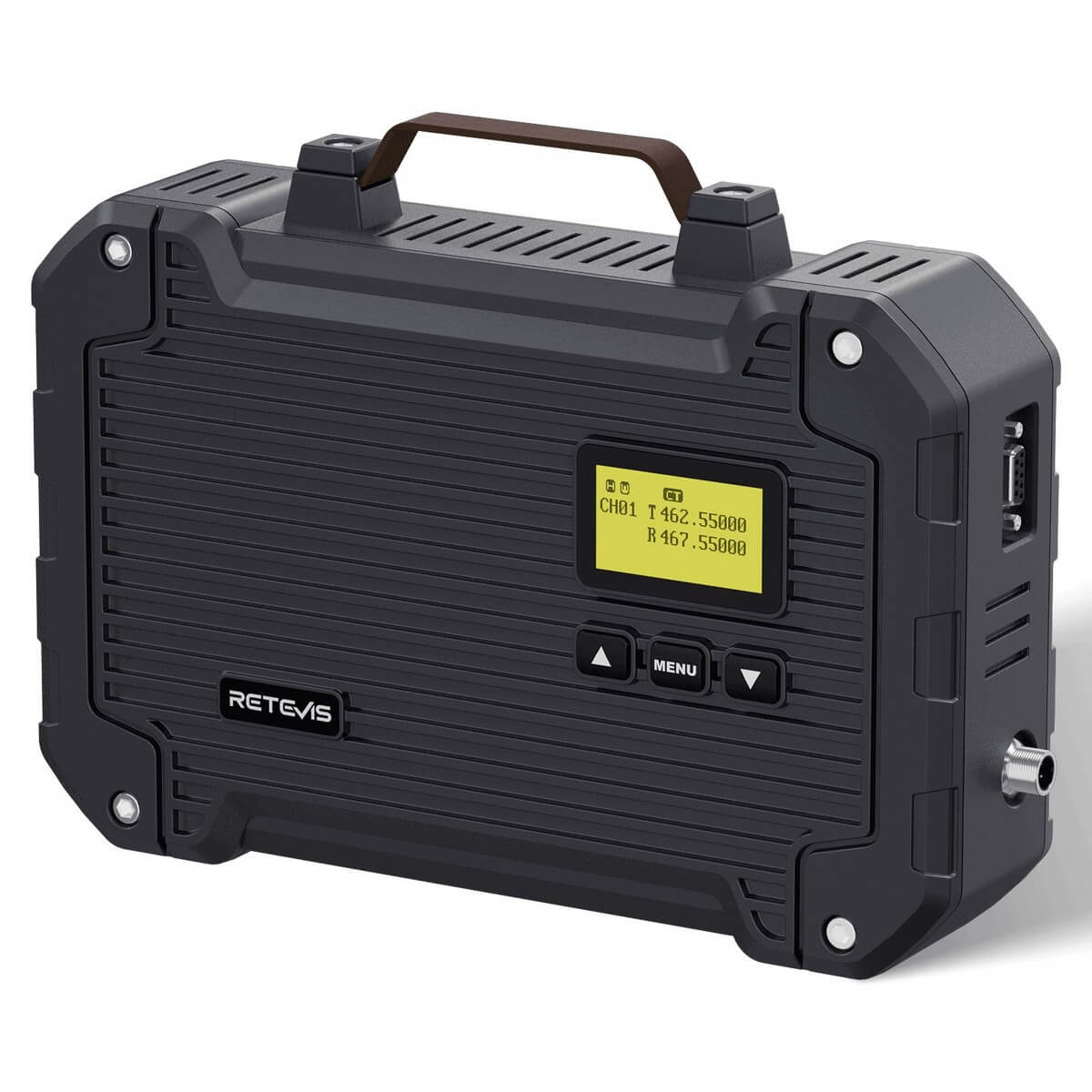
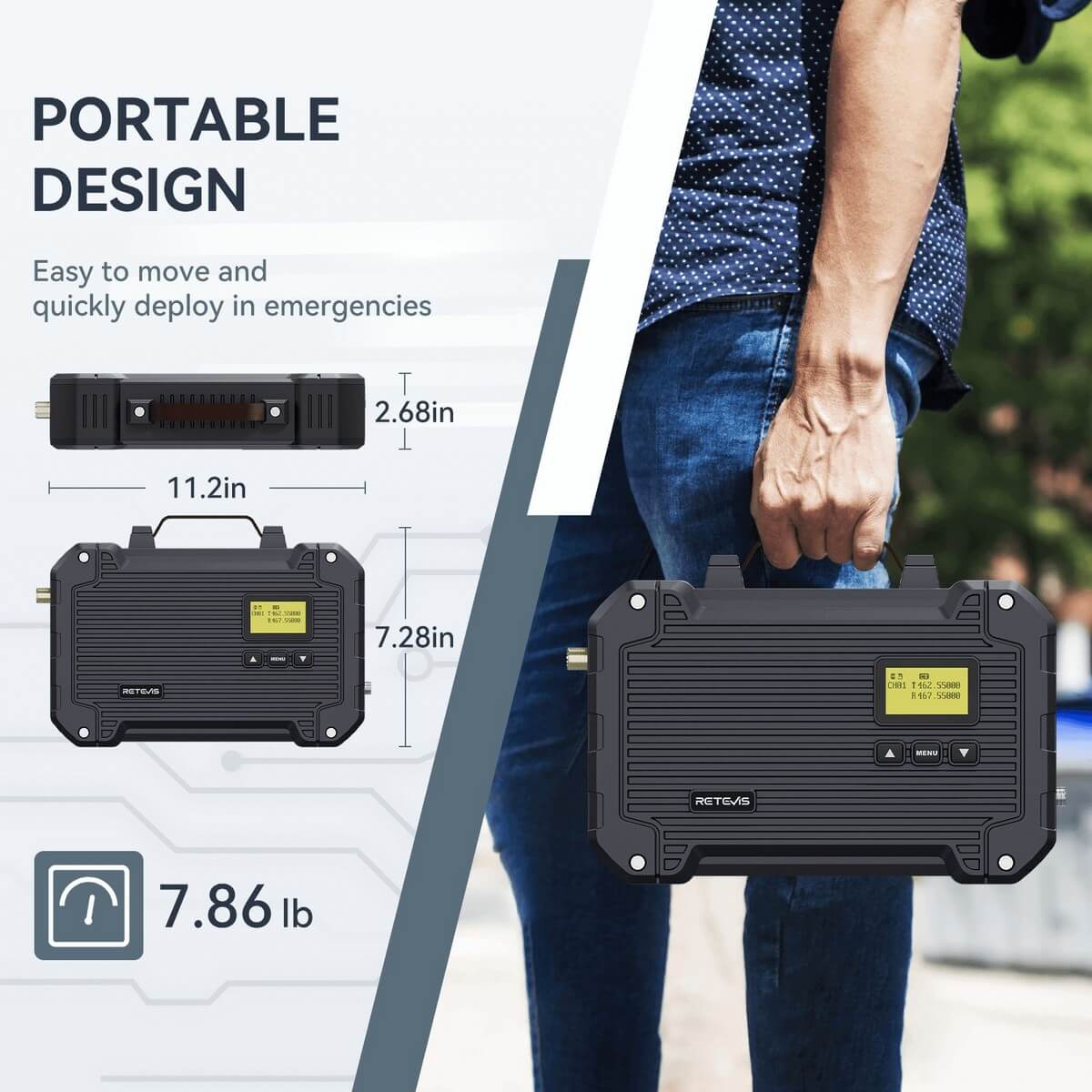
The RT97L portable repeater serves as the core signal boosting unit. It operates at 25W—significantly higher than the 2–5W output of standard handheld radios. Its compact design suits temporary construction setups, with no need for permanent installation. It supports clear coverage across multiple basement levels and pairs with standard handheld radios. It runs on standard power, making it easy to set up on any active job site.
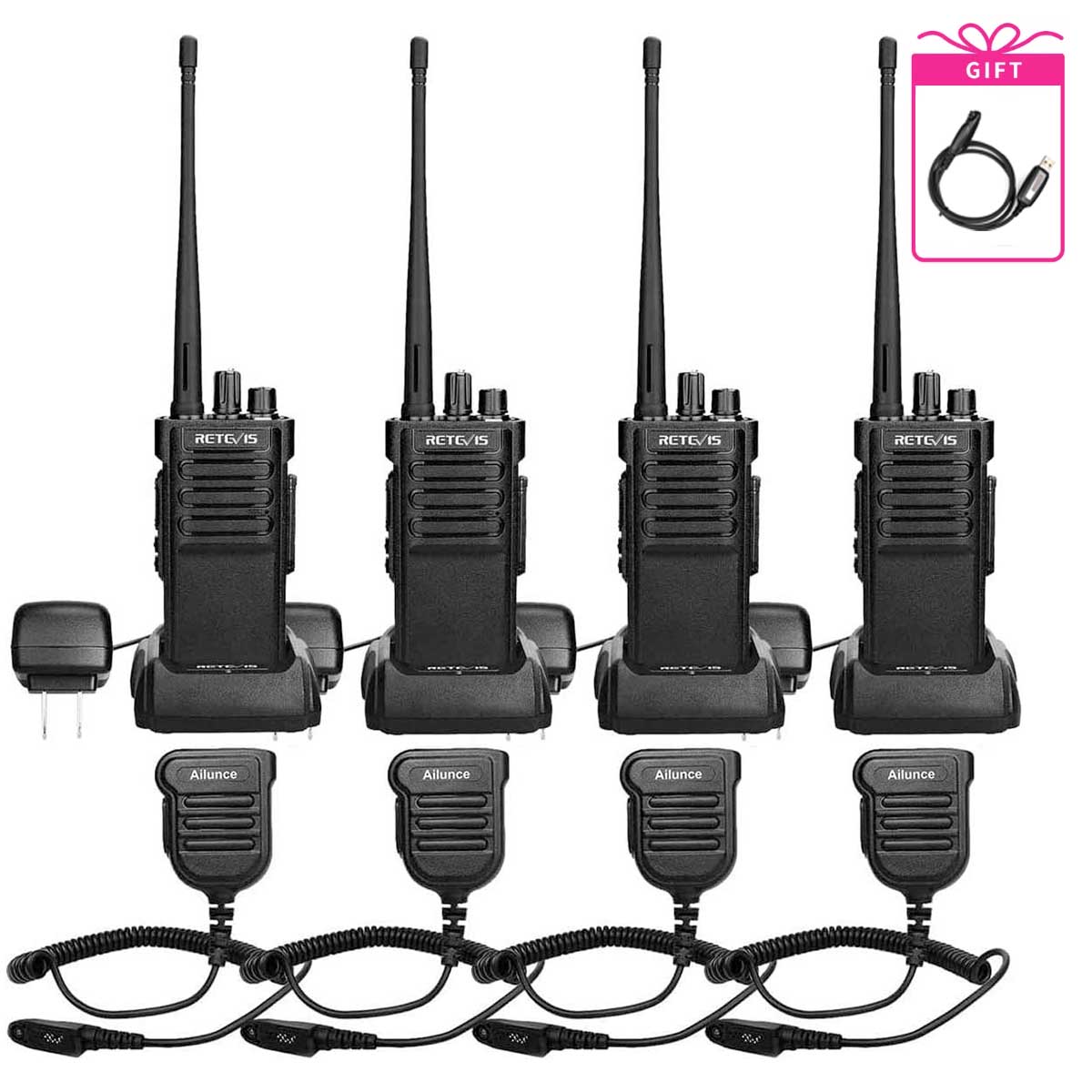
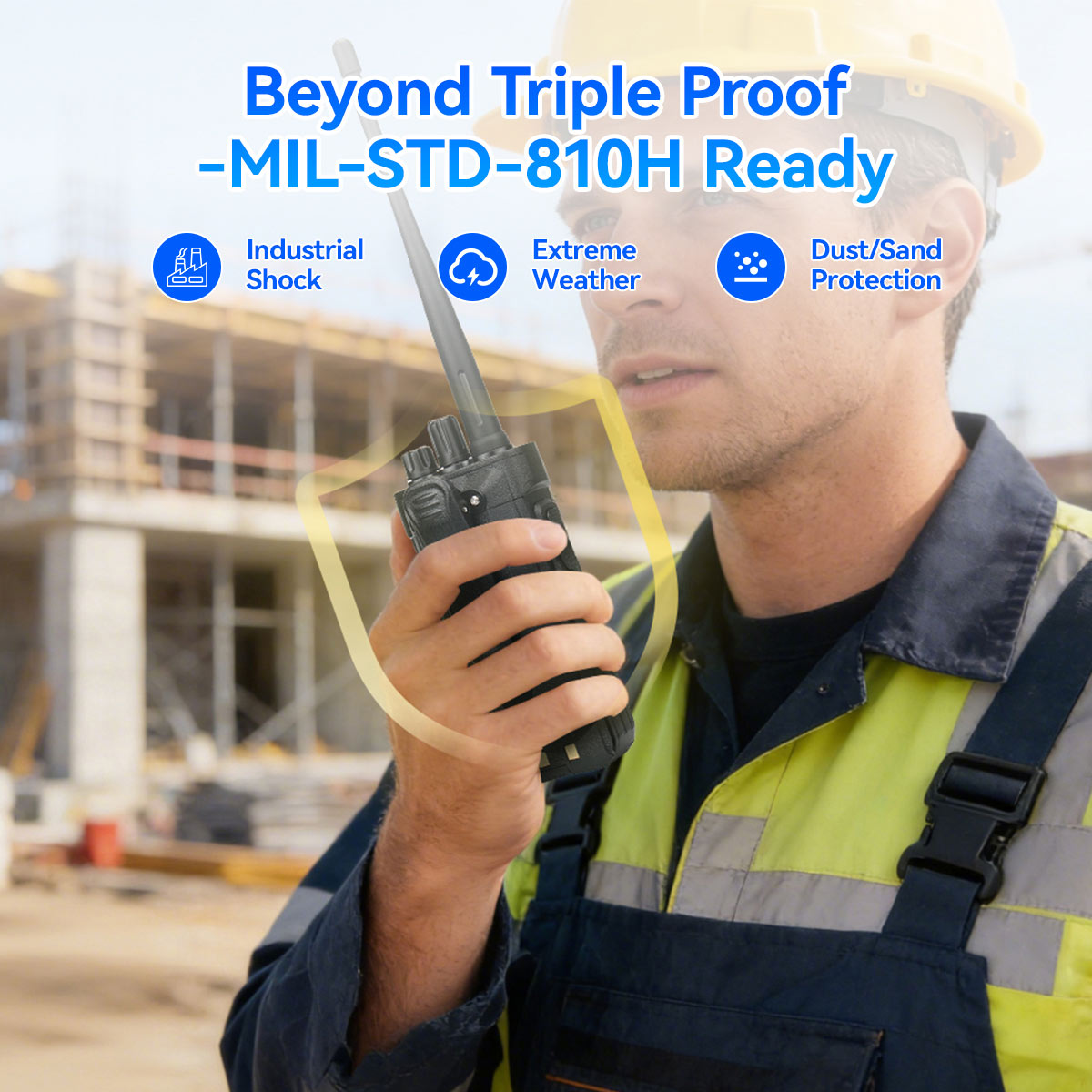
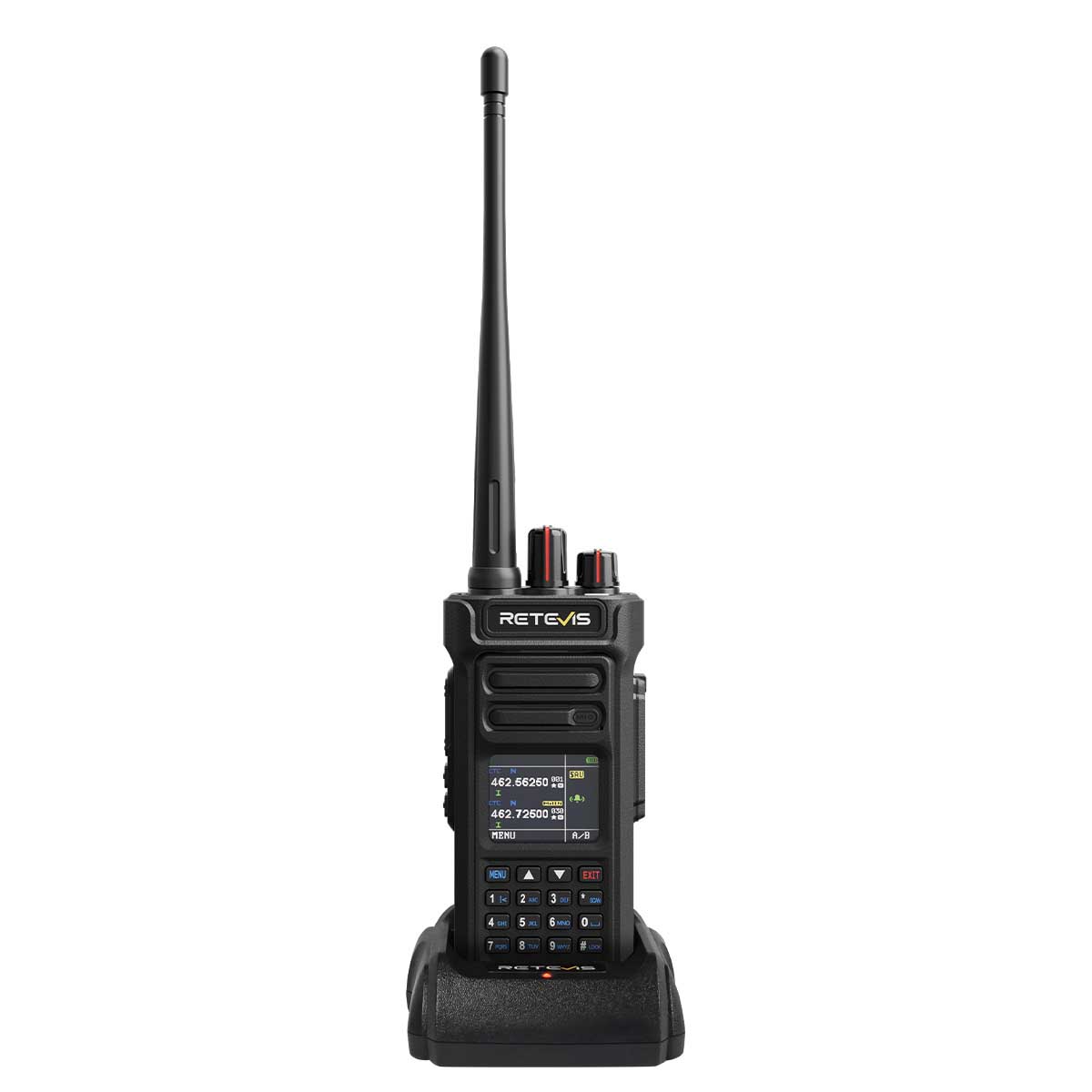
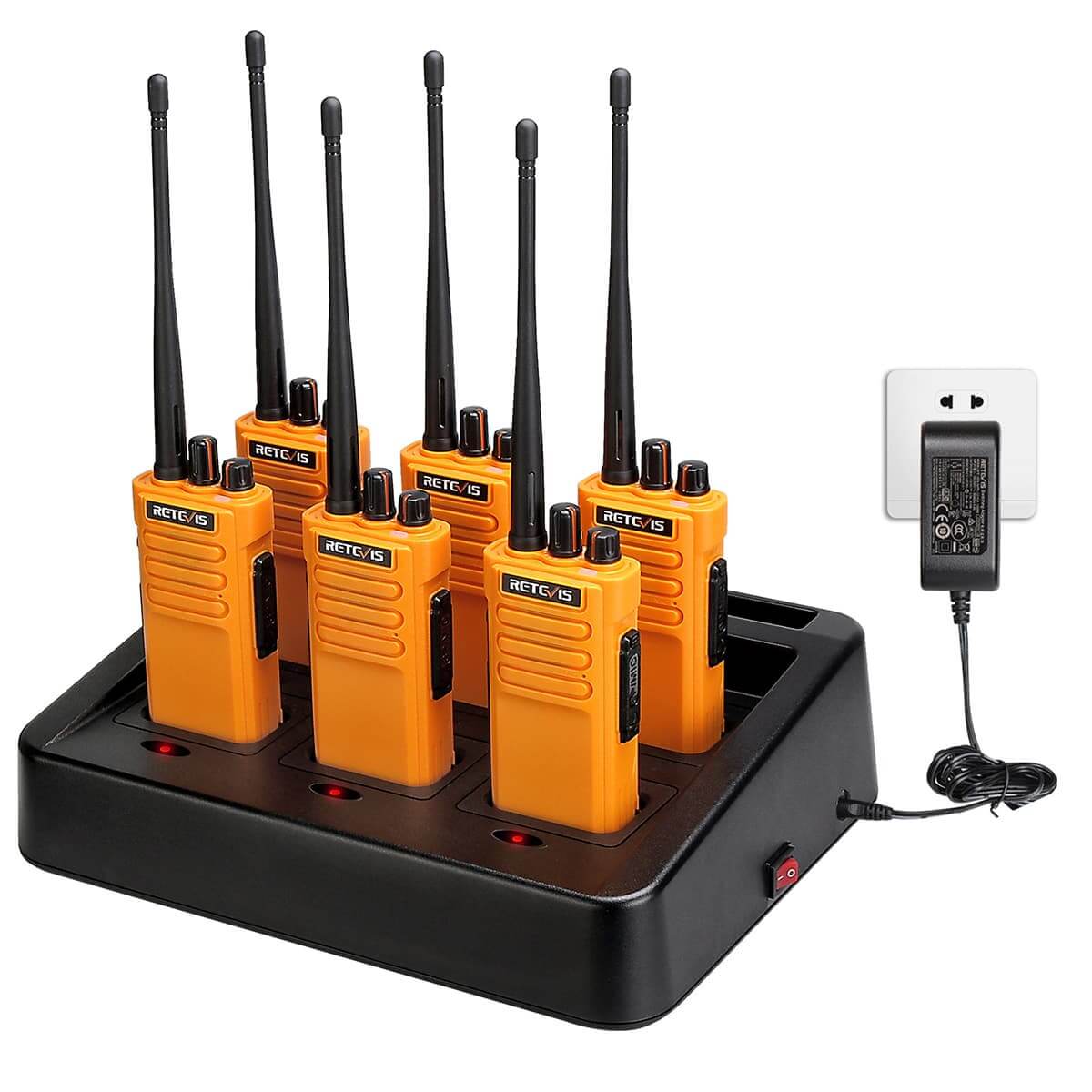
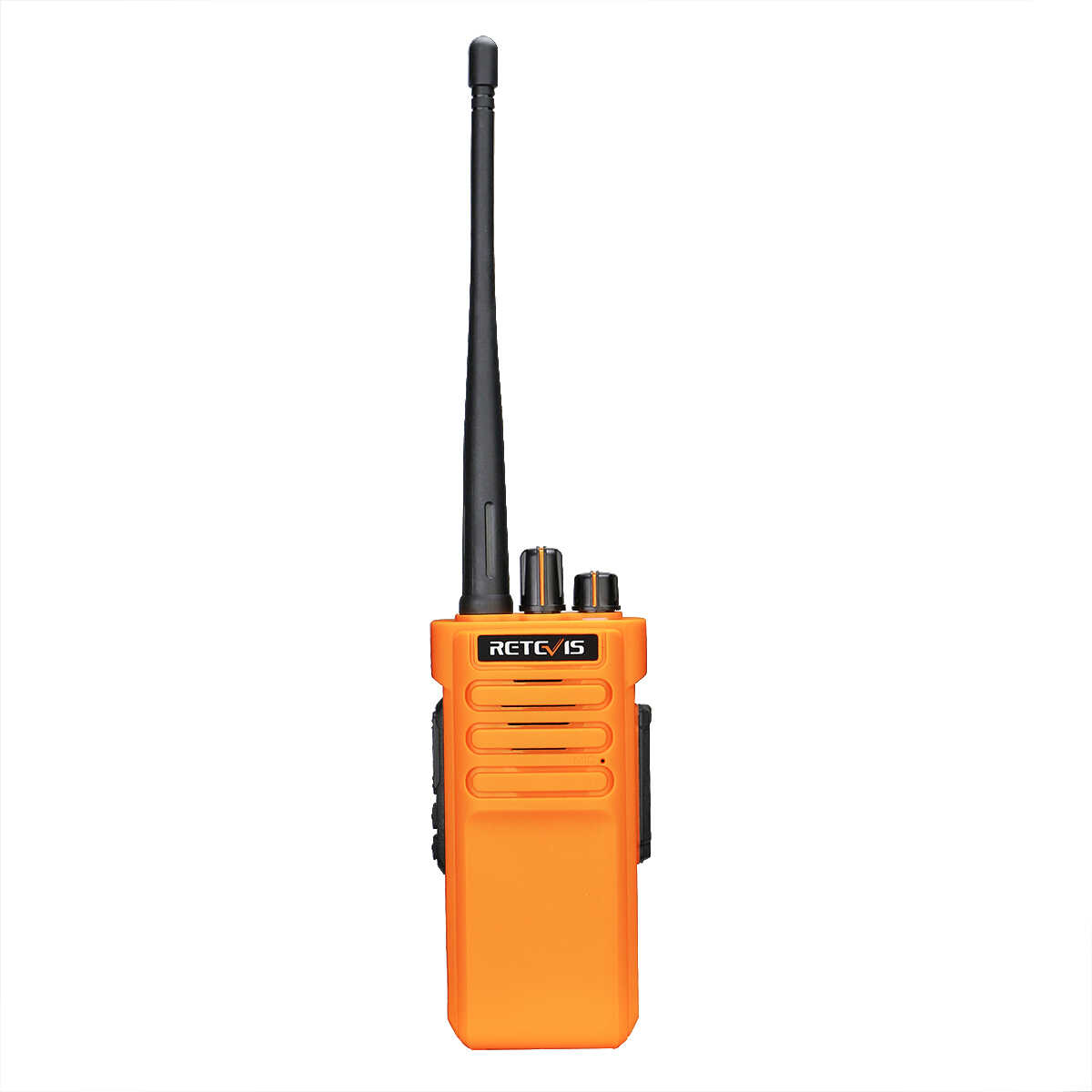
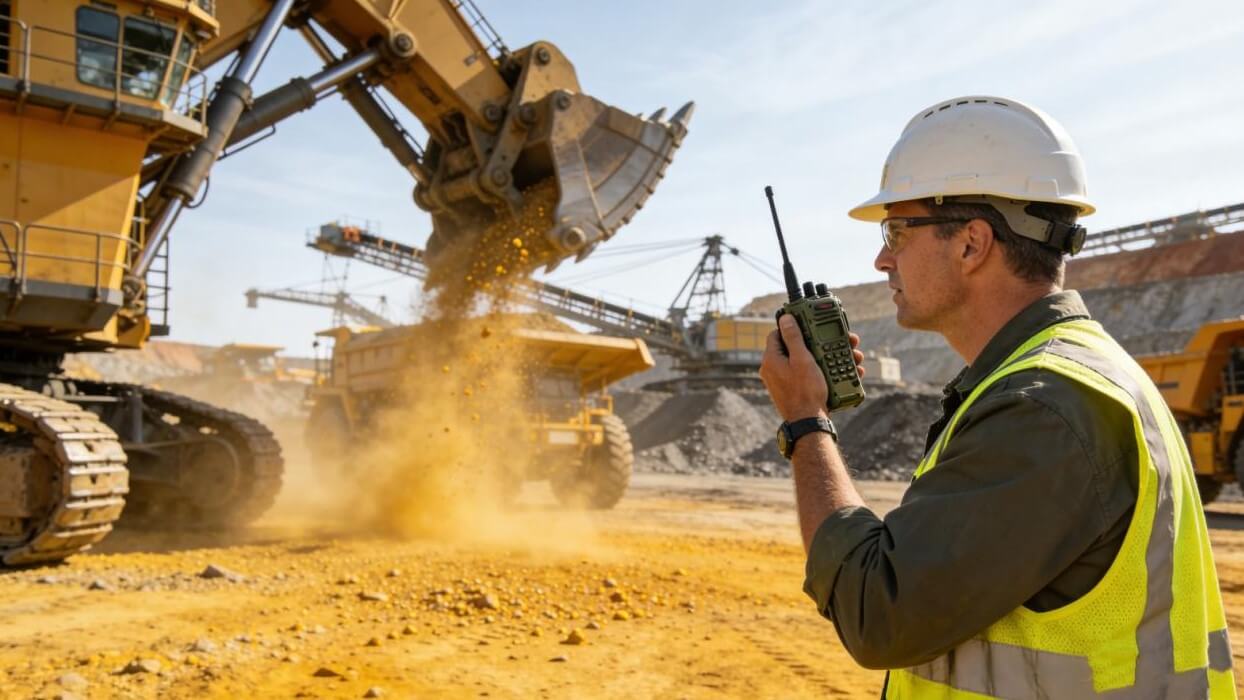
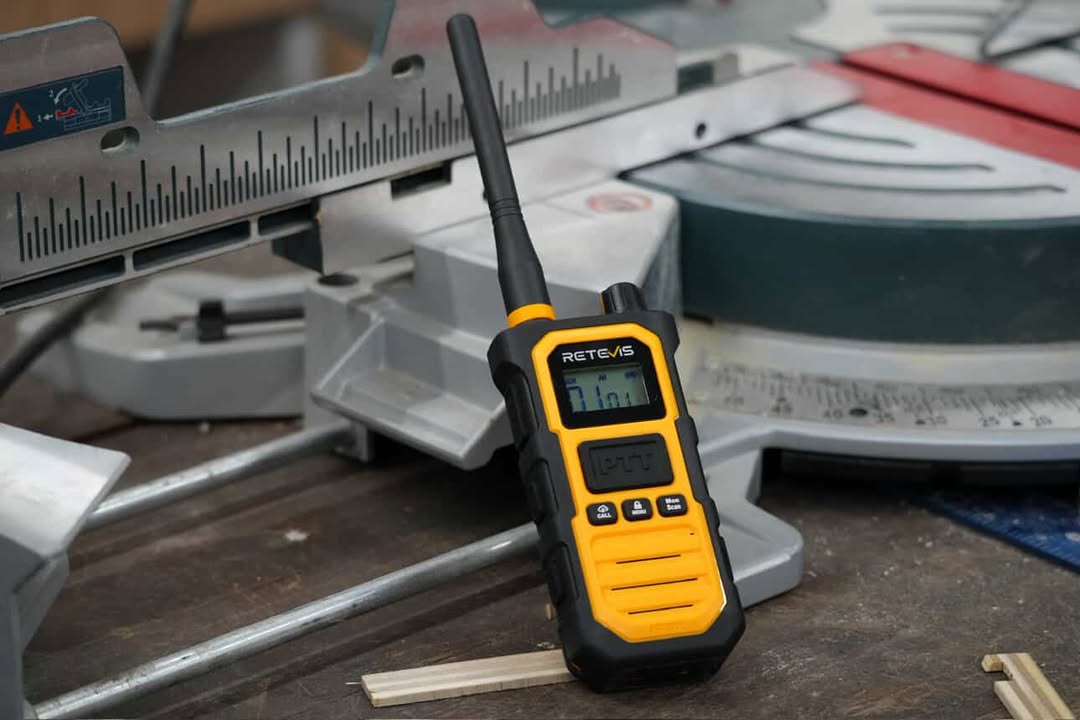
The RT29 high-power handheld radio pairs with the RT97L system. Its higher output power helps signals reach the repeater even from deep, enclosed basement corners. Its rugged build withstands dusty, wet construction site conditions. Its long battery life covers full 12-hour shifts without recharging. With 16 programmable channels, it supports separate channels for different basement crews and site management teams.
Together they deliver consistent, clear communication across all underground and above-ground work zones. The combination fits small basement additions and large multi-level underground construction projects.
Frequently Asked Questions
How many basement levels can one repeater cover?
A single well-placed repeater typically covers 2 to 4 basement levels, depending on site size and building design. Wider or deeper sites may need additional antenna placement to fill edge zones.
Do we need a professional installer for a job site repeater?
Portable repeaters like the RT97L are designed for simple setup. Site teams can install and adjust the unit with basic guidance, without specialized technical training.
Can we move the repeater as construction progresses?
Yes. Portable repeater units are built to be relocated. Teams can move the unit between building sections or to new project sites as work progresses.
What is the best way to boost walkie talkie range across multiple underground levels?
The most reliable method is a ground-level repeater paired with high-output handheld radios. The repeater retransmits at 25W—roughly five to ten times the power of a standard handheld—restoring full coverage across 2 to 4 concrete basement levels.
Will a repeater work inside a water tank or other confined metal structure?
Yes, with proper antenna placement. Metal tank walls block standard radio signals completely. A repeater with a donor antenna outside the tank and a service antenna inside—or a hardwired extension—can restore full communication. This setup is commonly used during water tank construction.
Do confined space construction regulations require continuous communication?
Most safety frameworks for confined space construction require continuous contact between workers inside and attendants outside. A repeater system ensures this link remains active in concrete vaults, underground pipes, and other enclosed work areas where standard radios fail.
Final Thoughts
Basement dead zones do not have to slow down your construction project. Learning how to boost walkie talkie signal for underground work comes down to one proven solution: a properly deployed repeater system paired with capable handheld radios.
Understanding why signals fail below ground helps teams plan coverage early. Following structured deployment rules ensures clear, reliable communication across every basement level and confined work zone. Better underground communication speeds up work coordination and removes unnecessary safety risks.
The RT97L repeater and RT29 radio combination gives construction teams a flexible, job-ready solution for basement and underground signal coverage. Full product details and specifications are available on the product pages.
Our next article in this series will cover multi-building construction site radio network planning, to help teams maintain clear communication across large, spread-out project campuses.



 Google
 Amazon
Comments
No data Yet