

Table of Contents
Why Rugged NOAA Weather Radios Are Essential for Outdoor Construction Safety
- Posted by:Retevis
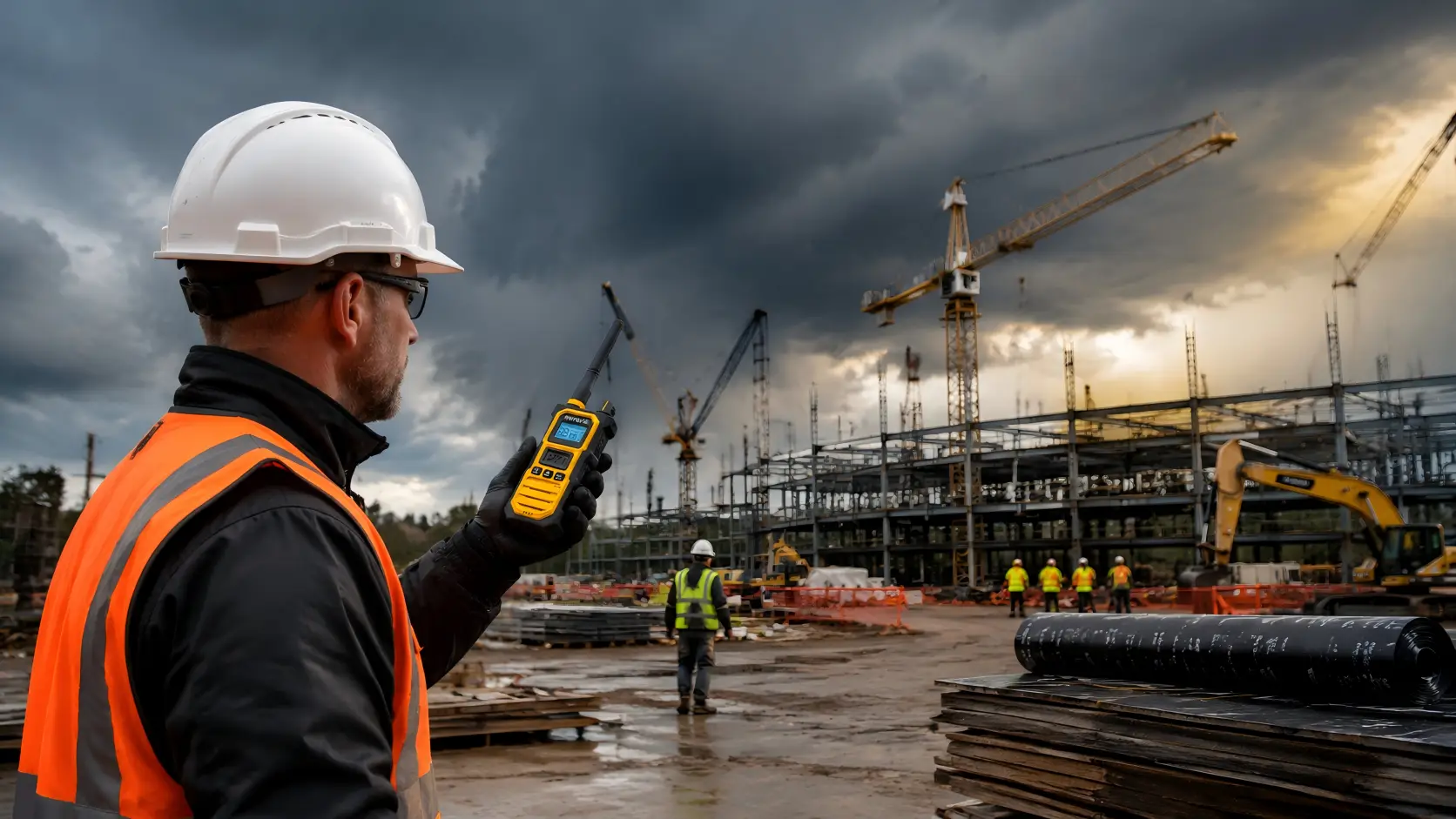
Outdoor construction work is tough. Crews deal with noise, dust, heavy equipment, and changing site conditions every day. But weather is one of the biggest risks on any jobsite. A storm can build fast. Wind can pick up without much warning. Rain can turn a safe work area into a slippery one in minutes. That is why a rugged NOAA weather radio for construction outdoor workers is such a useful safety tool.
For contractors, site supervisors, and safety managers, weather alerts are part of good construction communication. Many teams already use a construction site radio, jobsite communication radios, or a full construction site communication system to coordinate daily work. But weather alerts need their own reliable source. A rugged NOAA weather radio helps crews act faster, stay safer, and reduce delays when conditions change.
Weather Is a Serious Construction Safety Challenge
Construction crews work outside in all kinds of conditions. Unlike indoor teams, they cannot avoid weather exposure. If the weather changes, the whole site feels it.
Severe weather affects safety first. Lightning can put workers at risk, especially on roofs, scaffolds, and open ground. Strong wind can move materials, shake ladders, and affect lifting work. Rain can create slip hazards, reduce visibility, and make the ground unstable. Heat and cold can also hurt worker health and focus.
Weather also affects project schedules. A sudden storm can stop work, delay deliveries, and force crews to secure tools and materials. If the warning comes late, the site may not have enough time to respond in a safe way.
That is why early alerts matter. A few extra minutes can help a crew stop work, move to shelter, or protect equipment. A rugged NOAA weather radio for construction outdoor workers gives teams a simple and direct way to get those alerts.
Many companies already invest in construction site communication tools. They know fast communication helps keep people safe and work on track. Weather alerts should be part of that same system.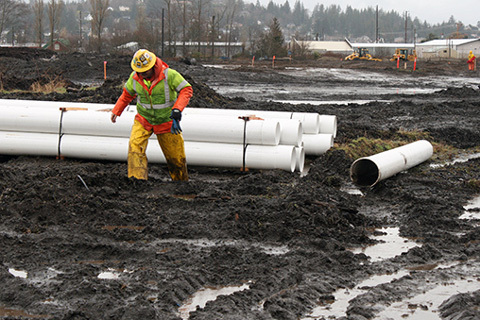
Why Weather Awareness Matters on Outdoor Jobsites
Weather awareness is more than checking an app in the morning. Conditions can change during the day, and crews need updates they can trust. Good weather awareness helps teams spot danger early and respond with less confusion.
Lightning
Lightning is a major risk for outdoor workers. It is especially dangerous for crews on roofs, steel structures, aerial lifts, and open sites. If a storm moves in fast, workers may have very little time to get clear. A weather radio helps site leaders react sooner.
High Winds
Wind can cause serious problems on a construction site. It can blow loose materials, affect crane lifts, and make ladder or scaffold work less safe. Roofing crews and exterior workers face even more risk. Early alerts help supervisors decide when to stop or adjust work.
Heavy Rain
Heavy rain brings several problems at once. It makes surfaces slick, reduces visibility, and changes ground conditions. It can also affect traffic flow on road projects and damage exposed materials. A good warning gives crews time to prepare.
Extreme Temperatures
Heat and cold can both affect worker safety. High heat can lead to dehydration, exhaustion, and heat stress. Cold weather can reduce grip strength, movement, and focus. Better weather awareness helps teams plan breaks, water intake, and protective gear.
Rapid Weather Changes
Some jobsites see fast weather changes. This is common on open roads, roofs, remote sites, and large commercial projects. A general forecast is not always enough. A rugged NOAA weather radio for construction outdoor workers gives crews a more direct source of alerts when timing matters most.
What Is a NOAA Weather Radio?
A NOAA weather radio is a device that gives continuous weather updates and emergency alerts. It shares official warnings about storms and other urgent hazards.
This type of radio is built for safety, not entertainment. Its job is to help people know when dangerous weather is coming. For outdoor construction teams, that makes it a useful part of jobsite planning.
A NOAA weather radio does not replace normal crew radios. It works alongside them. Many crews already use a construction radio setup or two way radio construction system to manage tasks and talk across the site. Those tools are important for daily work. But first, someone has to know there is a danger to report. A weather radio helps provide that first warning.
Many workers also check weather apps on their phones. That is helpful, but phones are not always the best tool on a busy site. Batteries run low. Screens crack. Signals can be weak on remote jobs. A rugged NOAA weather radio for construction outdoor workers is often more reliable in those conditions.
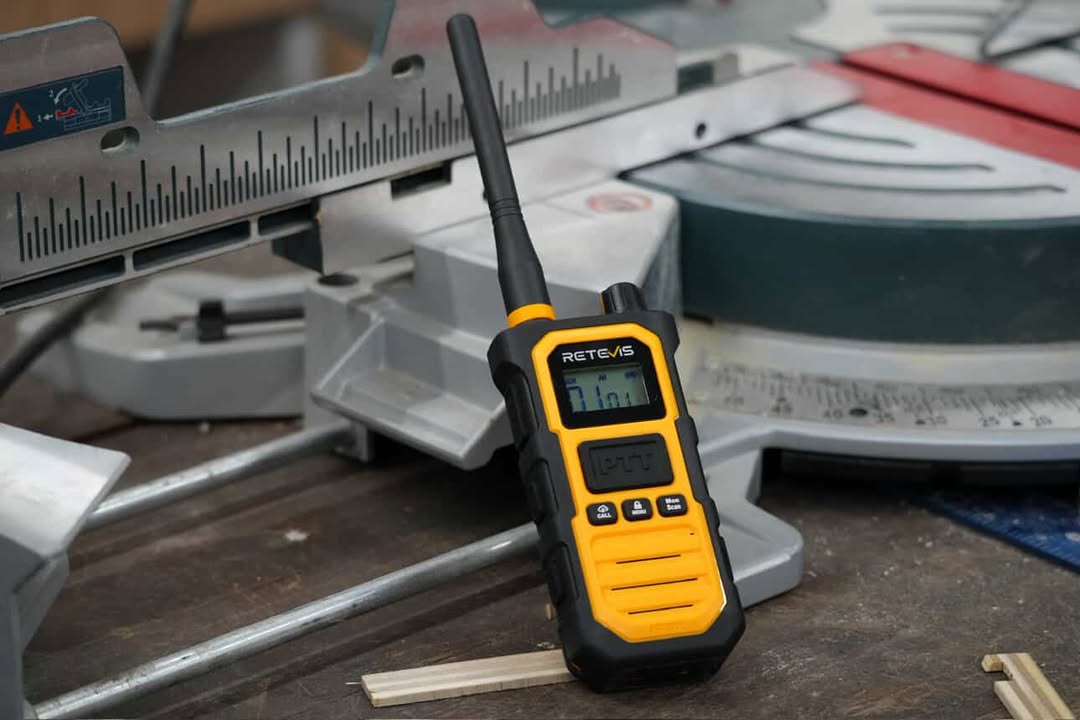
What Makes a NOAA Weather Radio Suitable for Construction?
Not every weather radio works well on a construction site. Some are fine for home use, but not for rough outdoor work. Construction crews need a device that can handle real jobsite conditions.
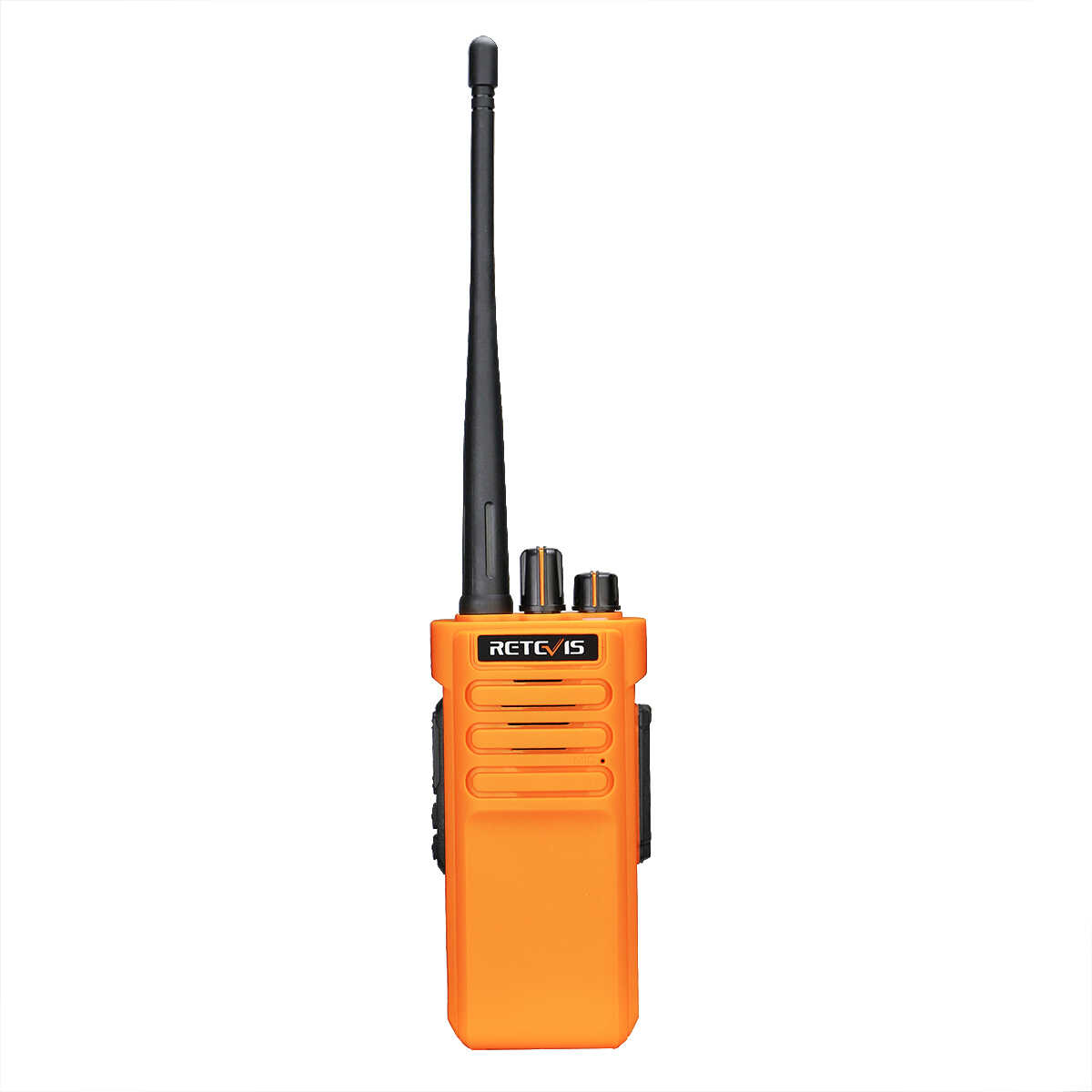
Rugged Design
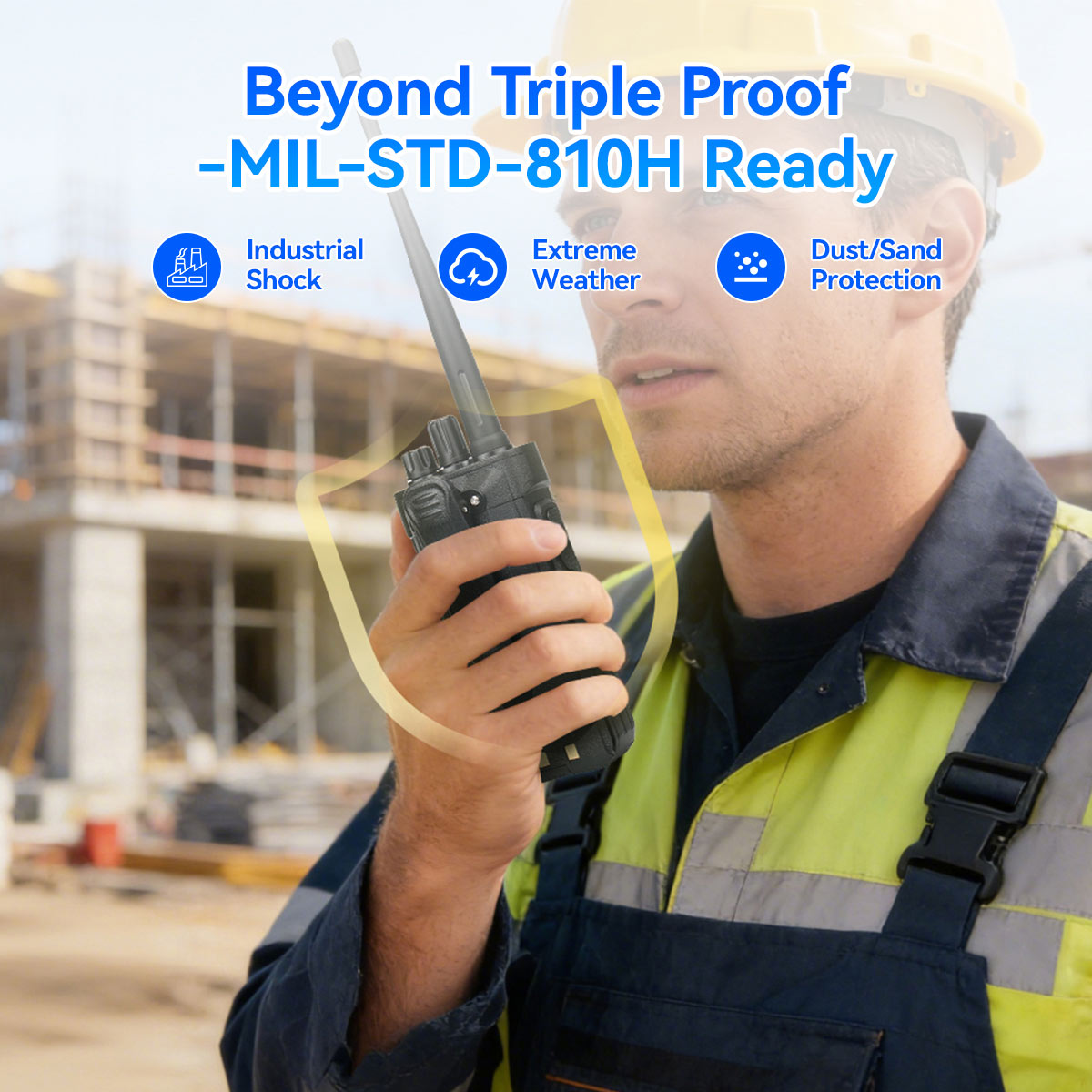
A jobsite is hard on equipment. Devices get dropped, bumped, and carried through dust and mud. A strong outer case helps the radio last longer and work when crews need it most.
Water and Dust Protection
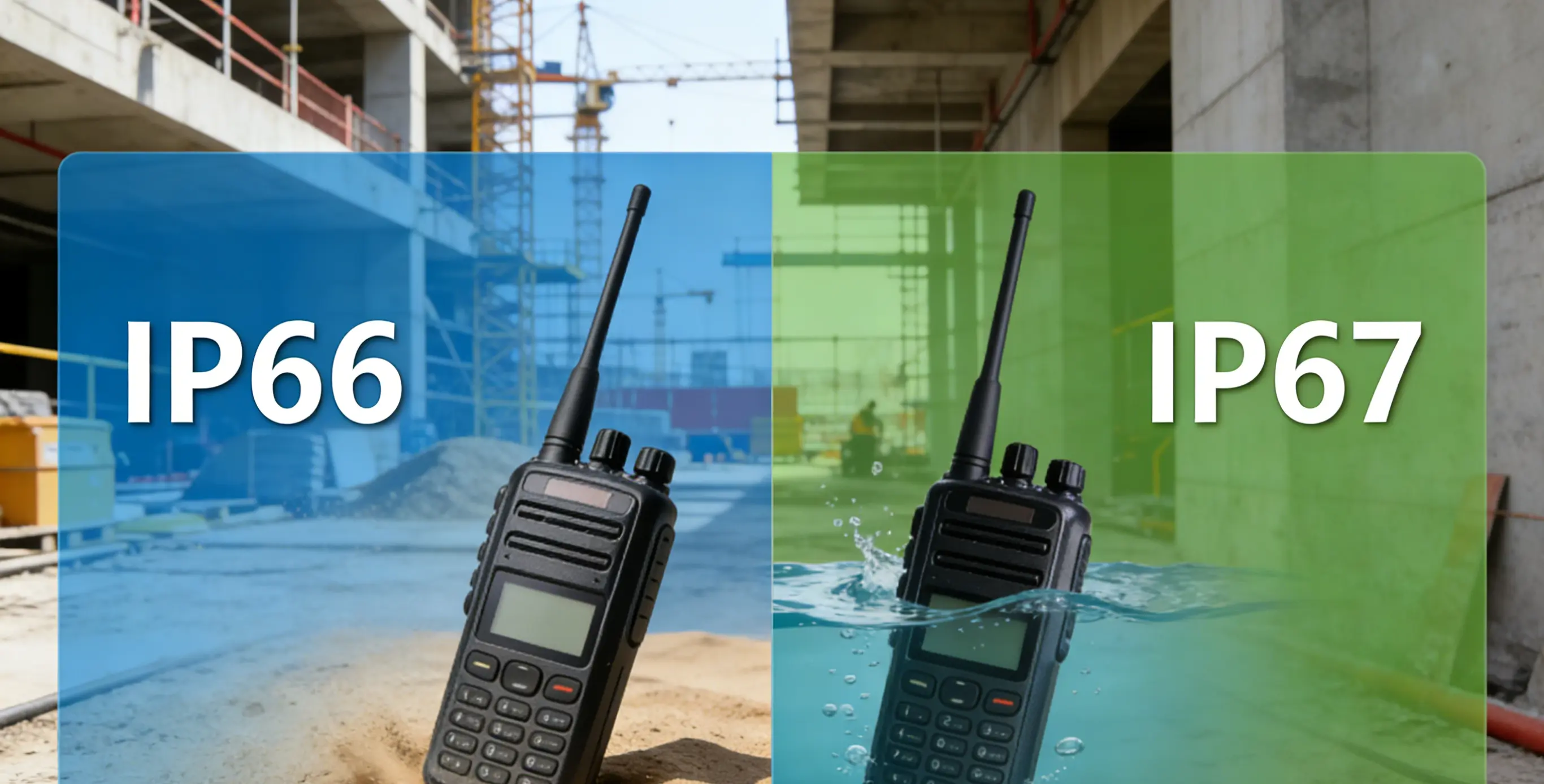
Outdoor work often means rain, splashing water, dirt, and debris. A good radio should stand up to those conditions. This is one reason many crews also choose waterproof walkie talkies or a waterproof two way radio for daily communication.
Drop Resistance
Crews move tools and gear all day. A radio may fall from a truck seat, tool cart, or workbench. Drop resistance is a key feature for any device used in the field.
Loud Audio
Construction sites are noisy. Engines, power tools, and traffic can drown out weak alerts. A weather radio needs loud and clear sound so workers can hear warnings right away.
Long Battery Life
Some crews work long hours away from power outlets. This is common on road crews, utility work, and remote jobs. A long-lasting battery helps make sure the radio stays on through the shift.
Easy Operation
Workers need simple controls. Large buttons and clear functions make the radio easier to use, even with gloves on. In bad weather, nobody wants to waste time figuring out a complicated device.
When companies compare safety tools or look at the best two way radios for construction, they should use the same standards for weather radios too. The device should be tough, simple, and ready for outdoor use.
How Weather Radios Support Construction Communication
A rugged weather radio works best as part of a wider construction site communication system. It does not replace a crew’s regular radios. Instead, it adds weather alerts to the site’s flow of information.
Here is a simple example:
- The NOAA weather radio sends out a severe weather alert.
- The supervisor checks conditions and decides what action to take.
- The team uses a construction site radio or other jobsite communication radios to share instructions.
- Workers stop exposed tasks, secure materials, and move to safe areas.
This is why weather alerts and jobsite communication go hand in hand. The radio gives the warning. The site communication tools help spread the message fast.
Teams that already use construction site radio communication can improve their response by adding a weather radio to the process. It helps leaders act earlier and communicate more clearly.
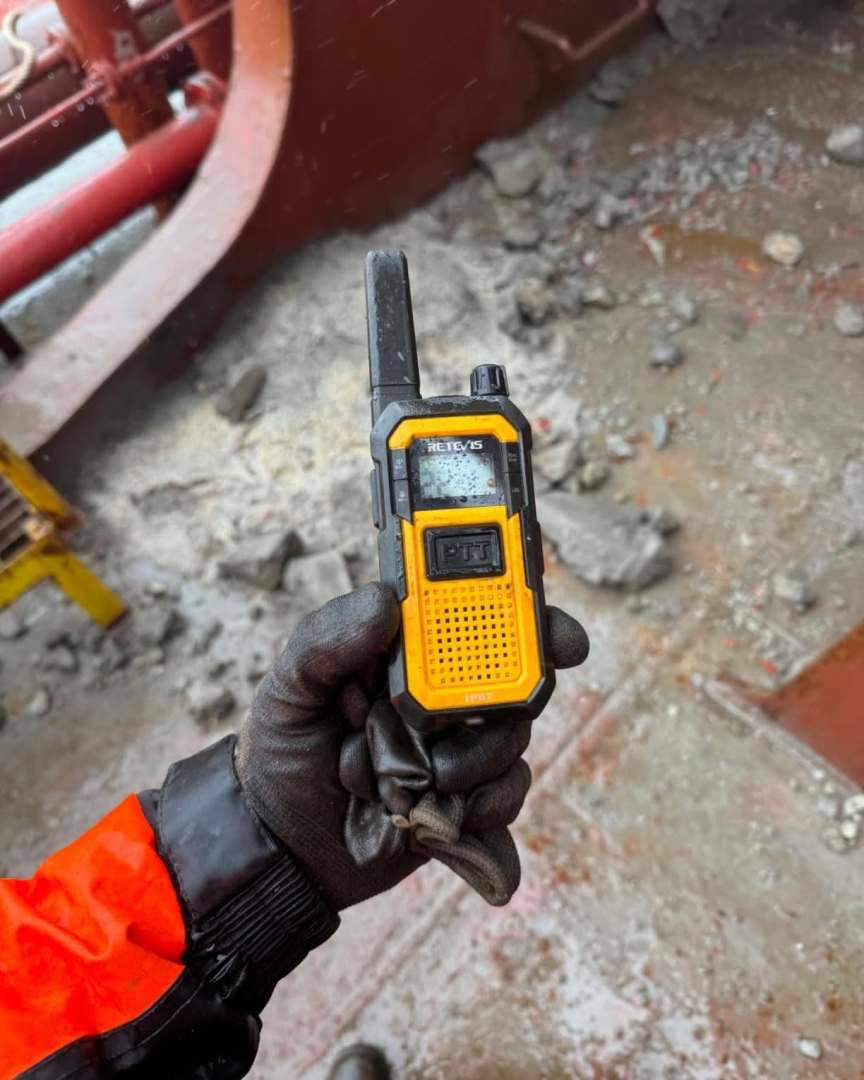
Construction Applications
A rugged NOAA weather radio for construction outdoor workers can help in many types of projects.
Road Construction
Road crews work in open areas with little shelter. They also deal with traffic, heavy machines, and changing ground conditions. Fast weather alerts help them respond before rain, lightning, or wind makes work unsafe.
Roofing
Roofing teams are highly exposed to weather. Wind can affect balance and materials. Rain can make surfaces slick. Lightning adds another level of danger. A weather radio gives roof crews a better chance to stop work in time.
Utilities
Utility workers often cover large outdoor areas. They may work near lines, poles, trenches, or service roads. Weather can affect both safety and access. A rugged radio supports better field awareness.
Remote Jobsites
Remote sites may not have strong phone service. That makes app-based weather updates less reliable. A weather radio gives crews another way to stay informed.
Large Commercial Projects
Large sites often have many teams working at the same time. When severe weather moves in, leaders need to warn everyone quickly. A weather radio helps start that process sooner.
Conclusion
Outdoor construction crews face weather risks every day. Lightning, wind, rain, and temperature extremes can all create serious problems on the job. The best response starts with early warning. That is why a rugged NOAA weather radio for construction outdoor workers is such a smart addition to any site safety plan.
It also fits well with other tools used for construction communication, construction site communication, and construction site radio communication. When teams combine weather alerts with reliable jobsite communication radios, they can share information faster and protect workers more effectively.
For companies that want safer outdoor operations, fewer delays, and better jobsite communication, a rugged NOAA weather radio for construction outdoor workers is a practical and dependable choice.



 Google
 Amazon
Comments
No data Yet