

Table of Contents
Construction Equipment Maintenance Checklist for Summer Factory Shutdowns
- Posted by:Retevis

Summer shutdowns are standard across European manufacturing sites. Most facilities pause production for 2 to 4 weeks to give staff time off. Many teams treat communication equipment as an afterthought during shutdown prep. Poor storage and skipped maintenance lead to unnecessary damage.
Incorrect handling can cause 20 to 30 percent of radio batteries to lose significant capacity over a single summer break. Corroded contacts, dust buildup and dead batteries create unexpected delays on the first day back. For equipment supervisors, these issues raise replacement costs and push back production restart schedules.
This construction equipment maintenance checklist breaks down care steps into three clear phases: pre-shutdown preparation, mid-shutdown checks and pre-restart verification. It covers handheld radios, lithium batteries, fixed repeater units and common accessories.
Phase 1: Pre-Shutdown Preparation (1 Week Before Closure)
Complete these steps before locking up the facility for the break. This phase prevents most common storage-related damage.
Handheld Radio Units
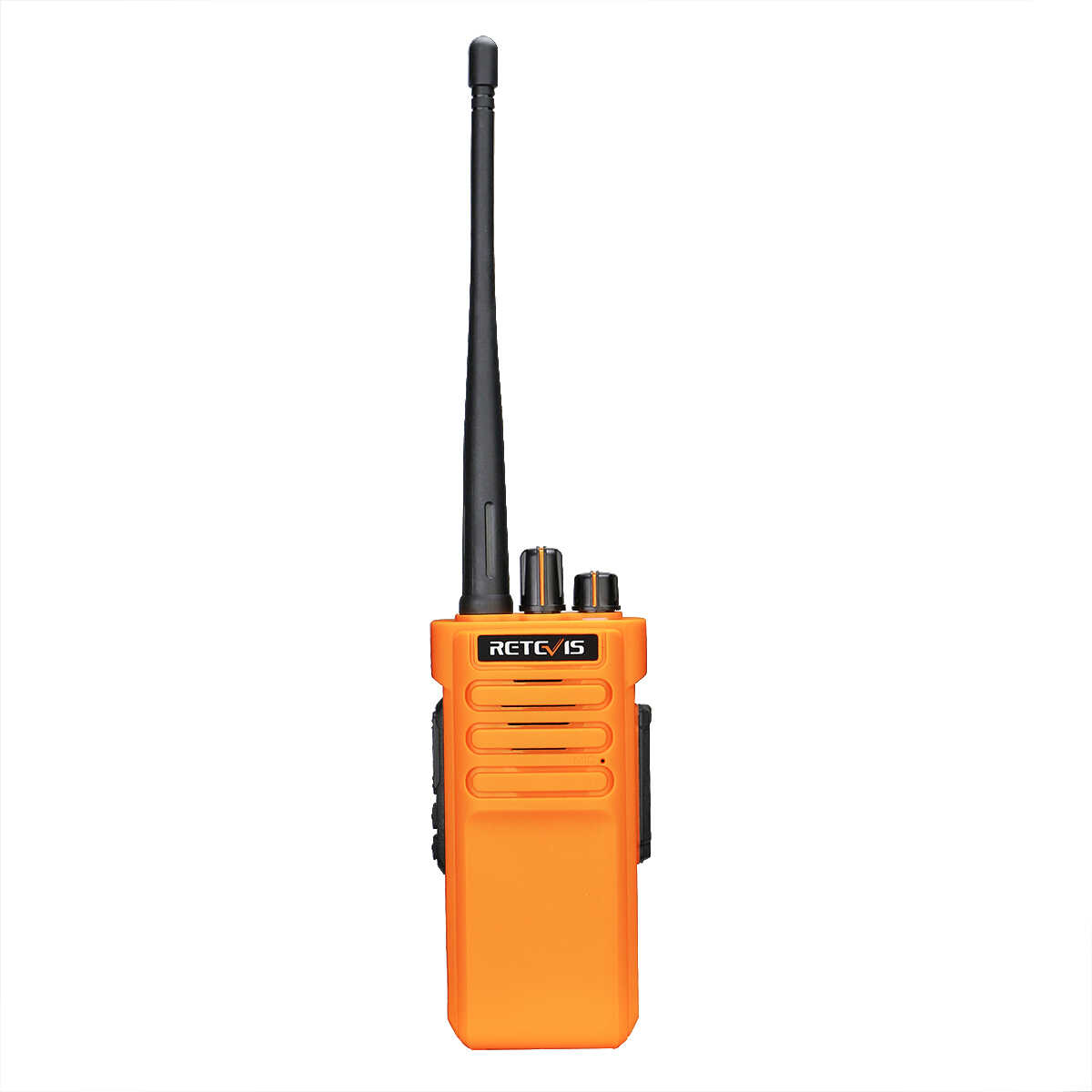
First, clean all radio units thoroughly. Wipe exterior surfaces with a dry, soft cloth. Clear dust and debris from speaker grills, button gaps and charging contacts. Use a small soft brush for tight spaces. Do not submerge units or spray liquid directly onto openings.
Next, run a full function test on each device. Check button response, audio clarity, signal strength and channel switching. Tag any units with performance issues for separate repair. Do not store faulty devices with working stock.
Remove batteries from all radios. Storing batteries attached to radios causes slow discharge and contact corrosion over long idle periods. Separate batteries and radios into designated storage bins.
Lithium Battery Packs
Charge all batteries to 40 to 60 percent capacity. This is the optimal charge level for long-term storage. Full charge creates high voltage stress that speeds up internal degradation. Full discharge causes permanent cell damage that cannot be reversed.
Label each battery with its current charge level and storage date. This makes mid-shutdown top-up scheduling simple and consistent.
Inspect every battery for swelling, cracks or leakage. Remove any damaged units from stock. Dispose of defective batteries according to local WEEE recycling regulations. Do not store damaged batteries with healthy stock, as they create fire and contamination risks.
Fixed Repeater & Base Station Equipment
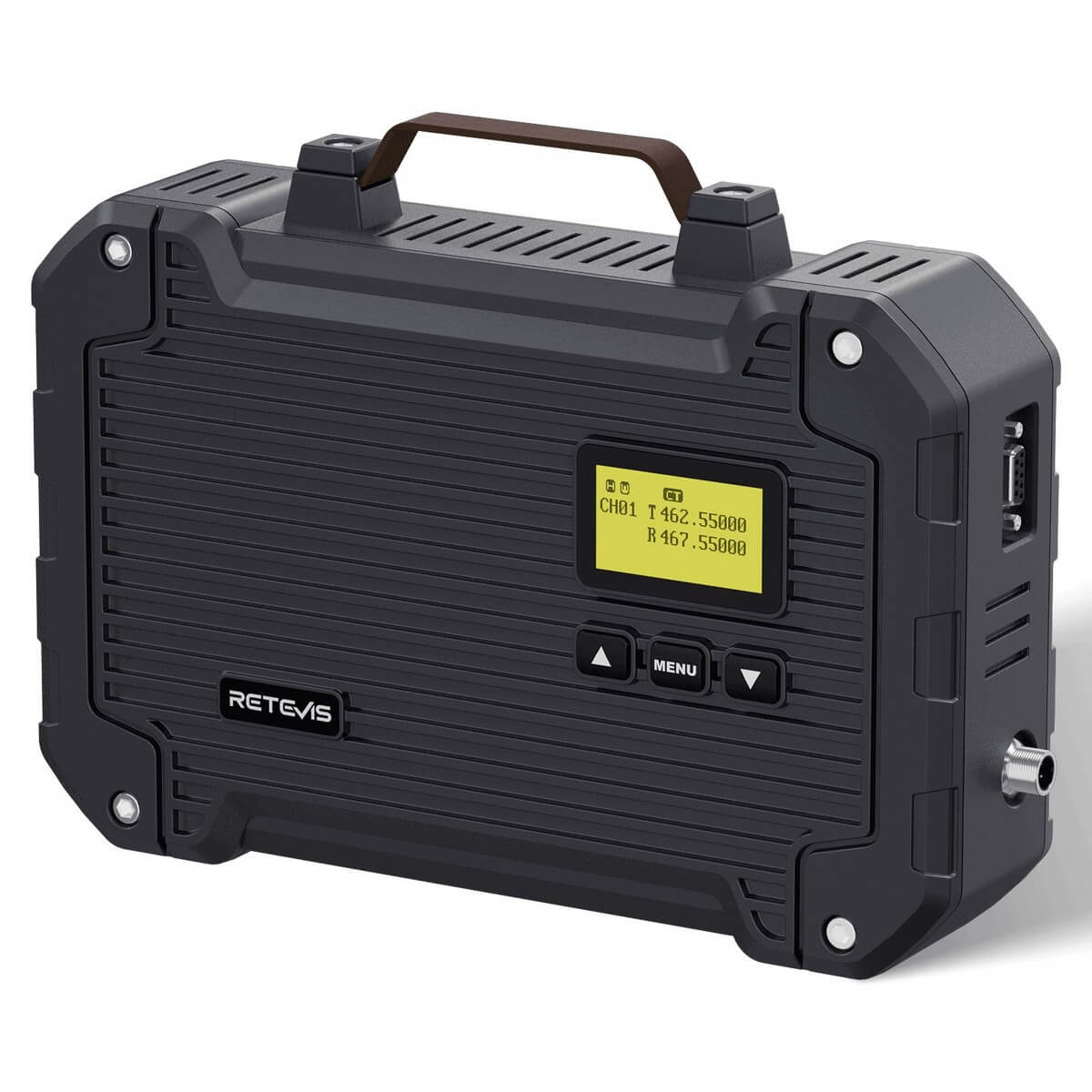
Power down base station units properly, following manufacturer shutdown steps. Unplug units from main power if the site will have no staff on site for more than two weeks.
Clean antenna connectors and cable ports. Apply a thin layer of anti-corrosion grease to exposed metal contacts to prevent oxidation over the break. Check cable runs for visible wear or damage, and log any issues for repair before restart.
Cover open ports and vents with dust caps. This prevents fine factory dust from settling inside sensitive internal components.
Accessories
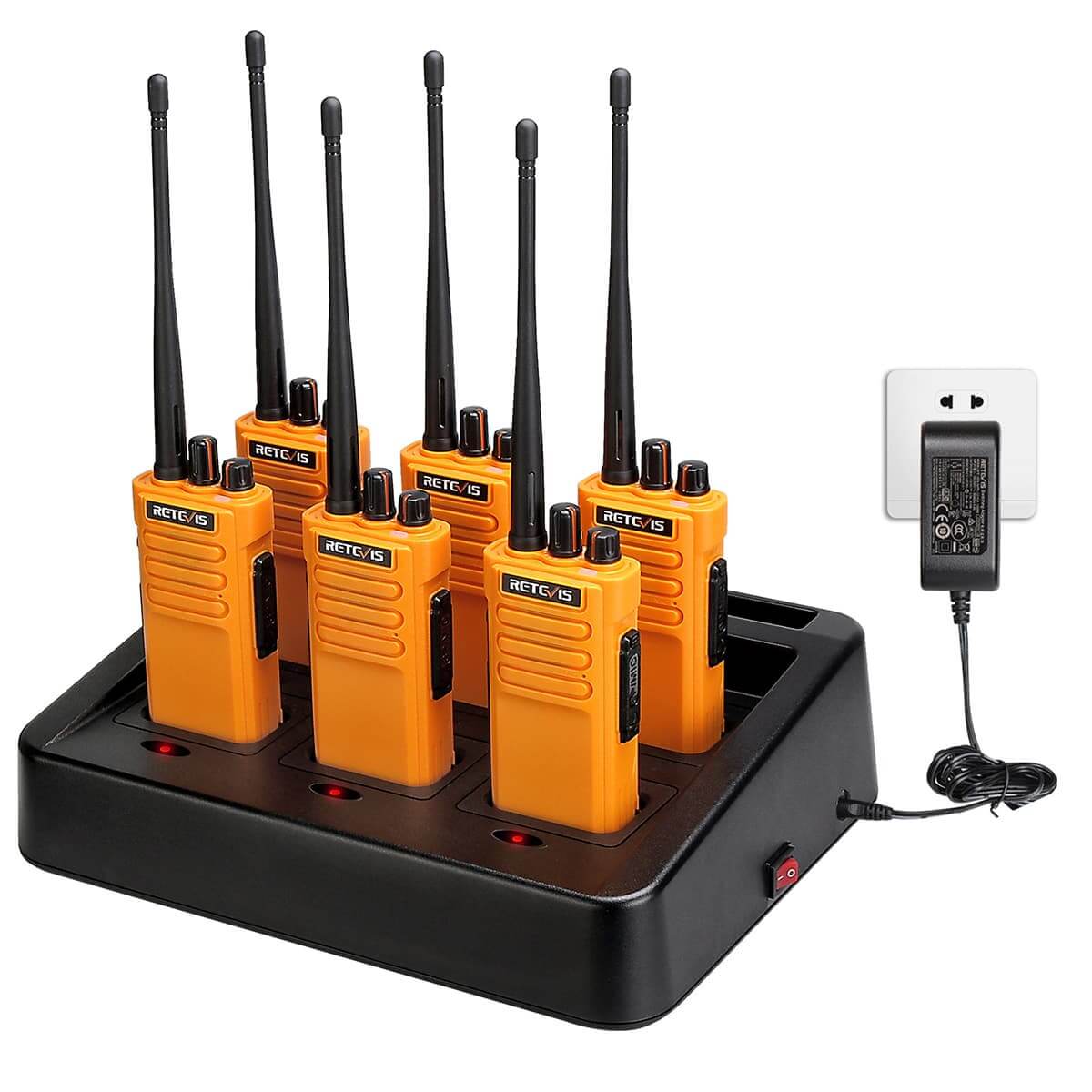
Wipe down charging docks, belt clips, headsets and antennas. Clean charging pin contacts on multi-unit chargers to remove built-up dust and grime. Wrap cables loosely and store them flat. Do not bend cables sharply or stack heavy items on top of them.
Common Mistakes to Avoid
- Do not store batteries at 100 percent charge. High charge levels combined with warm summer temperatures cause permanent capacity loss.
- Do not leave batteries attached to radios. Contact corrosion and slow parasitic drain damage both parts over time.
- Do not skip cleaning. Built-up dust and sweat residue cause button failure and charging issues by the time production restarts.
Phase 2: Mid-Shutdown Inspection (Week 2 & Week 4)
Long shutdowns require periodic checks to catch issues early. Schedule one quick check at the two-week mark. For shutdowns longer than three weeks, add a second check at week four.
First, check storage area conditions. Keep the storage space between 15°C and 25°C. Higher temperatures speed up battery degradation significantly. Keep humidity below 65 percent to prevent corrosion on metal contacts. Ensure the area stays dry and out of direct sunlight.
Second, spot-check battery charge levels. Test a sample of batteries to confirm they remain above 30 percent charge. Top up any batteries that have dropped below this threshold back to the 40 to 60 percent range. Self-discharge rates rise in warm conditions, so do not skip this step.
Third, inspect for visible issues. Check storage bins for signs of moisture or pest entry. Look for battery swelling or casing damage on units near exterior walls. Log all readings and actions for compliance and warranty records.
Common Mistakes to Avoid
- Do not leave equipment in unheated or uncooled outbuildings. Extreme temperature swings shorten equipment life dramatically.
- Do not skip documentation. Written records support warranty claims and help identify recurring equipment issues.
- Do not store batteries on metal shelves. Direct contact with cold metal can cause uneven temperature exposure and speed up discharge.

Phase 3: Pre-Restart Verification (3 Days Before Production Resumes)
Complete these steps to ensure all equipment works properly before staff return. This phase prevents first-day communication failures and production delays.
First, recharge all batteries to 100 percent capacity. Run a full charge cycle on each pack to calibrate battery level readings. Test each battery under load to confirm it holds a stable charge. Replace any batteries that show more than 20 percent capacity loss compared to original specifications.
Second, reassemble and test every radio unit. Reattach batteries and power on each device. Verify transmit and receive function, audio quality and channel programming. Test all accessory ports and buttons. Set aside any units that do not perform to standard.
Third, test full site signal coverage. Power on repeater units and run test calls across all production zones. Confirm signal strength matches pre-shutdown baselines. Check for static or dead zones that may indicate antenna or cable issues.
Finally, restock equipment at designated distribution points. Place fully tested units and chargers back in their normal locations. Share a quick status update with production supervisors to confirm communication systems are ready for full operation.
Common Mistakes to Avoid:
- Do not assume stored equipment will work perfectly on day one. Unnoticed battery failure is the number one cause of first-day communication delays.
- Do not skip full signal testing. Loose antenna cables or dust buildup can reduce coverage without obvious warning signs.
- Do not recharge cold batteries immediately. Bring batteries to room temperature first, to avoid internal plating damage.
Printable Quick Reference Checklist
Use this simplified list to track progress across your team.
|
Task |
Completion Standard |
Due Date |
Responsible |
Done |
|
Clean all radio units |
No visible dust, contacts clear |
Pre-shutdown |
|
☐ |
|
Prep batteries to 40-60% charge |
Labeled, no damage |
Pre-shutdown |
|
☐ |
|
Power down repeaters properly |
Ports covered, cables secured |
Pre-shutdown |
|
☐ |
|
Check storage temperature |
15-25°C, low humidity |
Week 2 / Week 4 |
|
☐ |
|
Top up low batteries |
Return to 40-60% |
Week 2 / Week 4 |
|
☐ |
|
Full charge + function test |
All units pass load test |
Pre-restart |
|
☐ |
|
Full site signal test |
Coverage matches baseline |
Pre-restart |
|
☐ |
Final Thoughts
A structured construction communication equipment maintenance checklist turns summer shutdown from a risk period into a chance to extend equipment life. Small, consistent steps prevent costly battery replacements and reduce unexpected failures on restart day.
Following the three-phase structure keeps work organized and manageable. It also creates clear documentation for compliance, warranty and budget tracking. For European manufacturing sites, proper shutdown maintenance lowers long-term equipment costs and helps production restart on schedule every time.












 Google
 Amazon
Comments
No data Yet