

Table of Contents
How to Plan Construction Radio Needs Before You Bid
- Posted by:Retevis

A jobsite radio system can look like a small line in a large construction budget. It is often treated as a simple purchase. Count the workers, choose a few radios, and place the order.
This method can cause problems later. A basement may have a weak signal. A steel frame may block calls. Heavy machinery may make speech hard to hear. New subcontractors may arrive without enough radios or spare batteries.
A better plan starts during the bid stage. The communication section should cover the site layout, radio quantity, channel plan, charging needs, accessories, testing, and spare equipment. This gives the project team a clearer budget. It also reduces the need for urgent purchases after construction starts.
The main question is not only, “How far can the radio reach?” The better question is, “Can the right people communicate clearly in the places where the work takes place?”
Why Communication Should Be Part of the Bid
Communication supports site management, equipment operation, logistics, safety, and emergency response. A construction site also creates barriers. Machinery produces noise. Workers may work on different floors or in separate buildings. Subcontractors may join at different times.
The bid should define four points: coverage areas, simultaneous users, audio accessories, and the process for adding teams or work zones. This turns the radio from a last-minute purchase into a planned project resource.
The Main Construction Safety Communication Requirements
1. Check coverage by work area
Start with the site map. Mark the main building, office, gates, material areas, basement, upper floors, loading zones, and outdoor routes. A large project may also need communication between buildings.
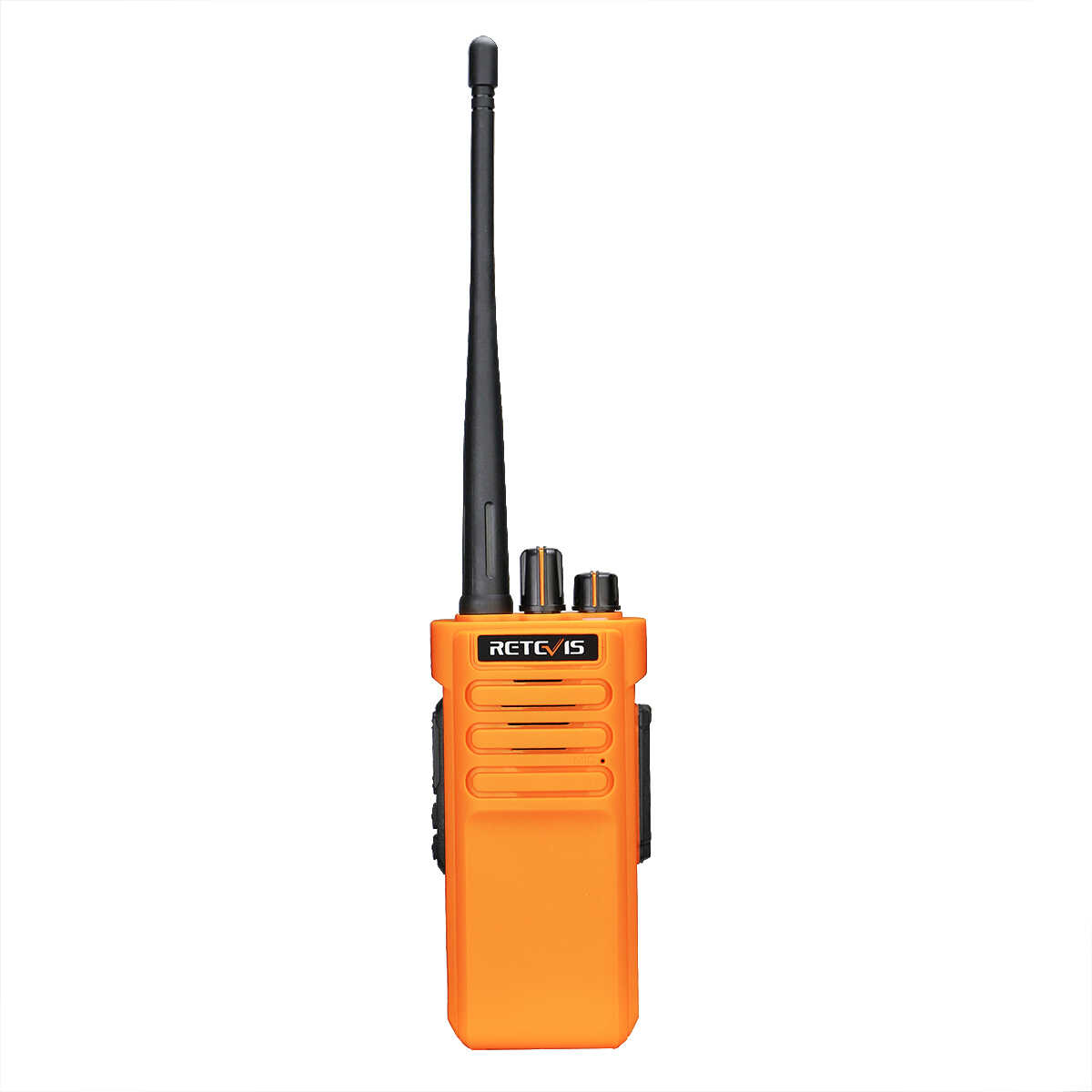
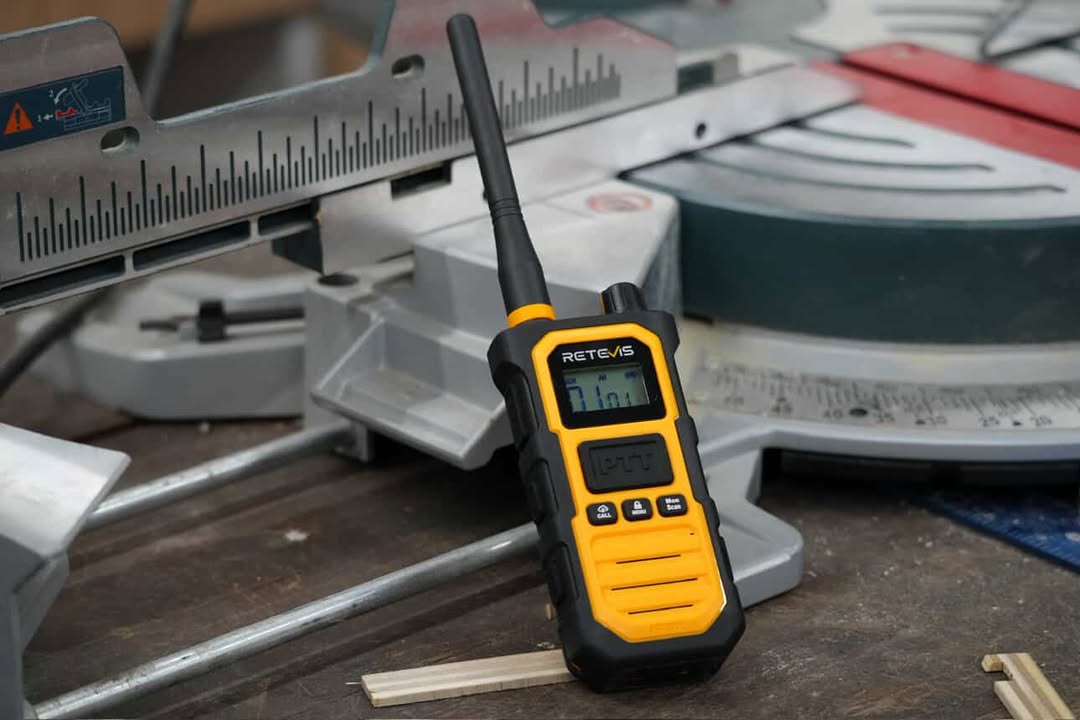
The Retevis RT29 is designed for construction and industrial use. The manufacturer lists high-power transmission, UHF operation, a high-gain antenna, and a range of up to 5–10 miles. That figure applies to stated test conditions. It should not be treated as a guaranteed indoor range.
Steel, concrete, walls, floor layout, terrain, interference, antenna position, and radio settings affect performance. Test the basement, stairwells, core walls, steel frame areas, upper floors, loading zones, and the farthest work point from the site office. Mark each point as clear, weak but usable, or failed. A dead zone may require changes to the antenna, settings, work process, or radio system.
2. Test audio in noisy areas
A radio may transmit a signal and still be difficult to use. The main problem is often unclear speech. Excavators, cranes, concrete pumps, saws, trucks, and loading operations can make a normal voice hard to understand.
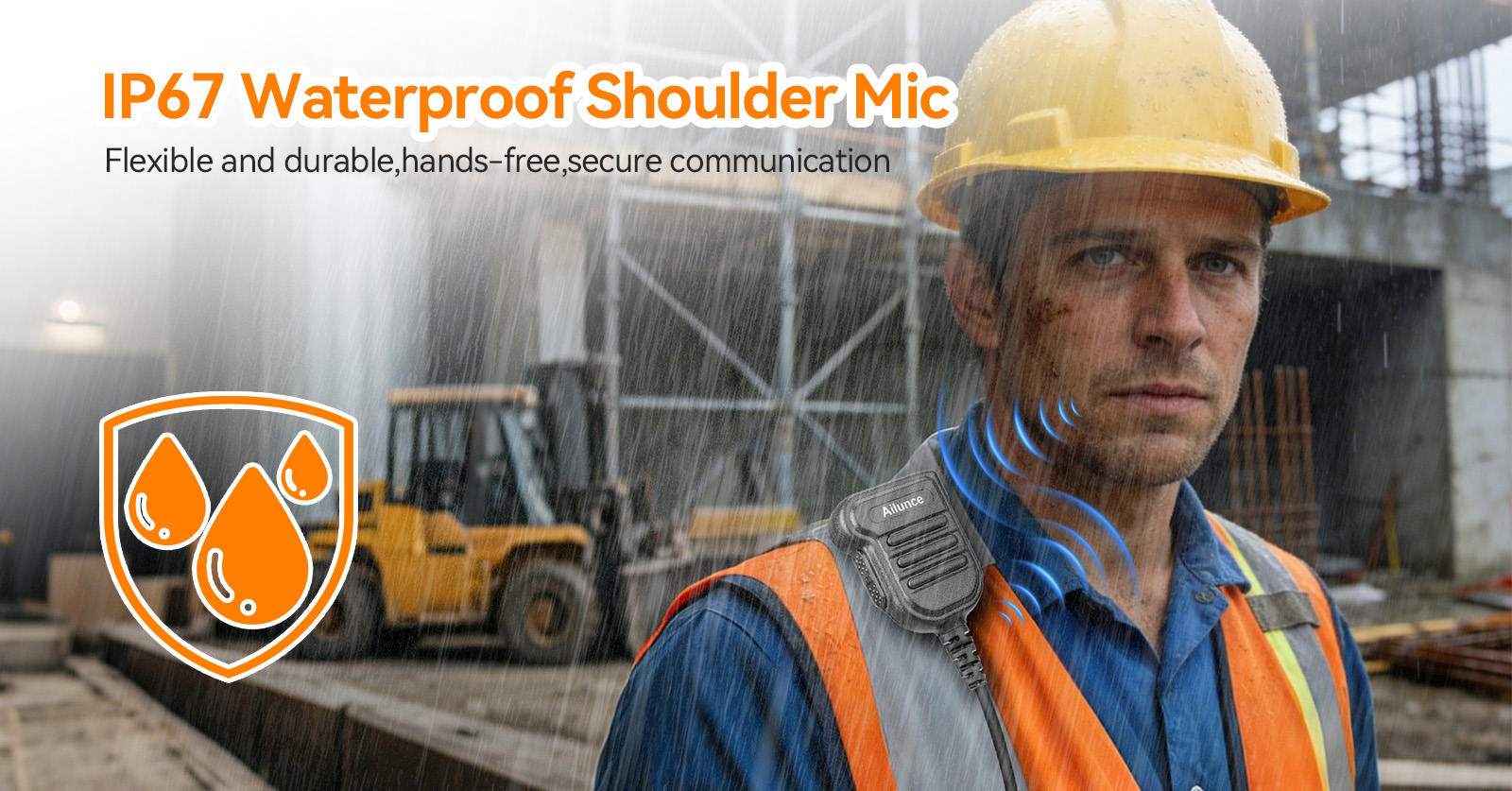
The RT29 product information lists a loud speaker, adjustable squelch, noise-cancelling functions, speaker microphones, and earpieces. A supervisor may need a shoulder microphone. A logistics worker may prefer an earpiece. Audio testing should take place during active work and should check speech clarity, names, numbers, locations, and safety instructions.
3. Create a simple channel plan
One shared channel may work for a small crew. It becomes difficult when many teams talk at the same time. Routine calls can cover a safety message. A delivery call can interrupt equipment coordination.
The RT29 supports 16 programmable channels. This allows a project to separate important work groups. A simple plan for a commercial building may look like this:
|
Channel |
Main users |
Purpose |
|
1 |
Site management |
General updates and priority messages |
|
2 |
Construction crews |
Daily work coordination |
|
3 |
Equipment operators |
Crane, lift, vehicle, and machinery work |
|
4 |
Logistics |
Deliveries, gates, materials, and storage |
|
5 |
Safety and security |
Safety checks, access, and incidents |
|
6 |
Emergency |
Critical messages only |
The final channel names should match the project safety plan. CTCSS and DCS tones can reduce unwanted radio traffic. They do not provide encrypted communication. Frequency and licensing rules must also be checked before the radios are programmed.
4. Plan batteries and charging
A radio system cannot support a full shift when many units are waiting for a charger. Battery planning should cover active shifts, transmit time, charging locations, and spare equipment.
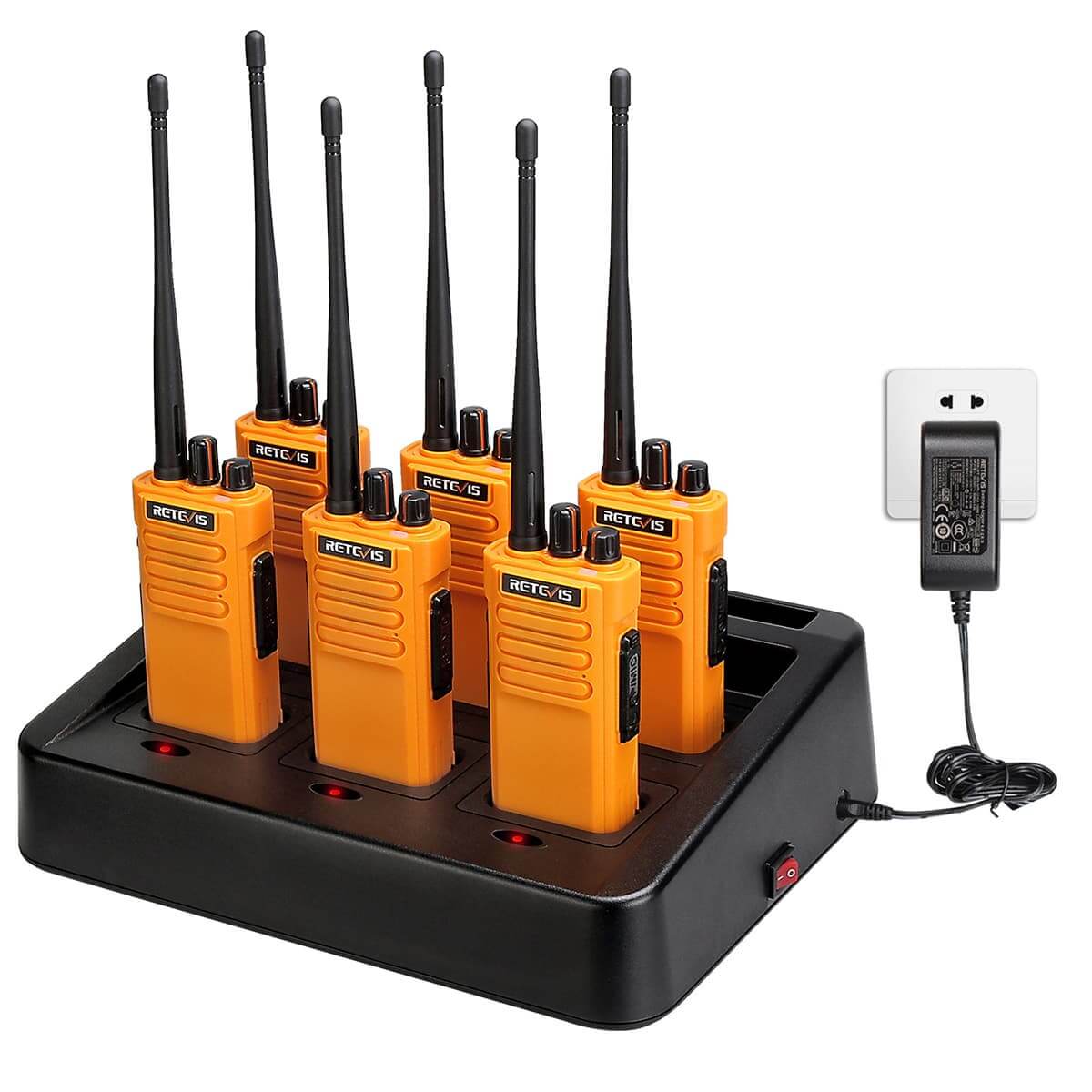
The RT29 uses a 3200 mAh battery, and Retevis offers a six-way charger. These options may suit small and mid-sized teams. The bid should still state spare batteries, replacement units, and charging points. Use patterns, temperature, and transmit time affect battery life, so radios and batteries should be labeled and charged at the end of each shift.
5. Match durability to the site
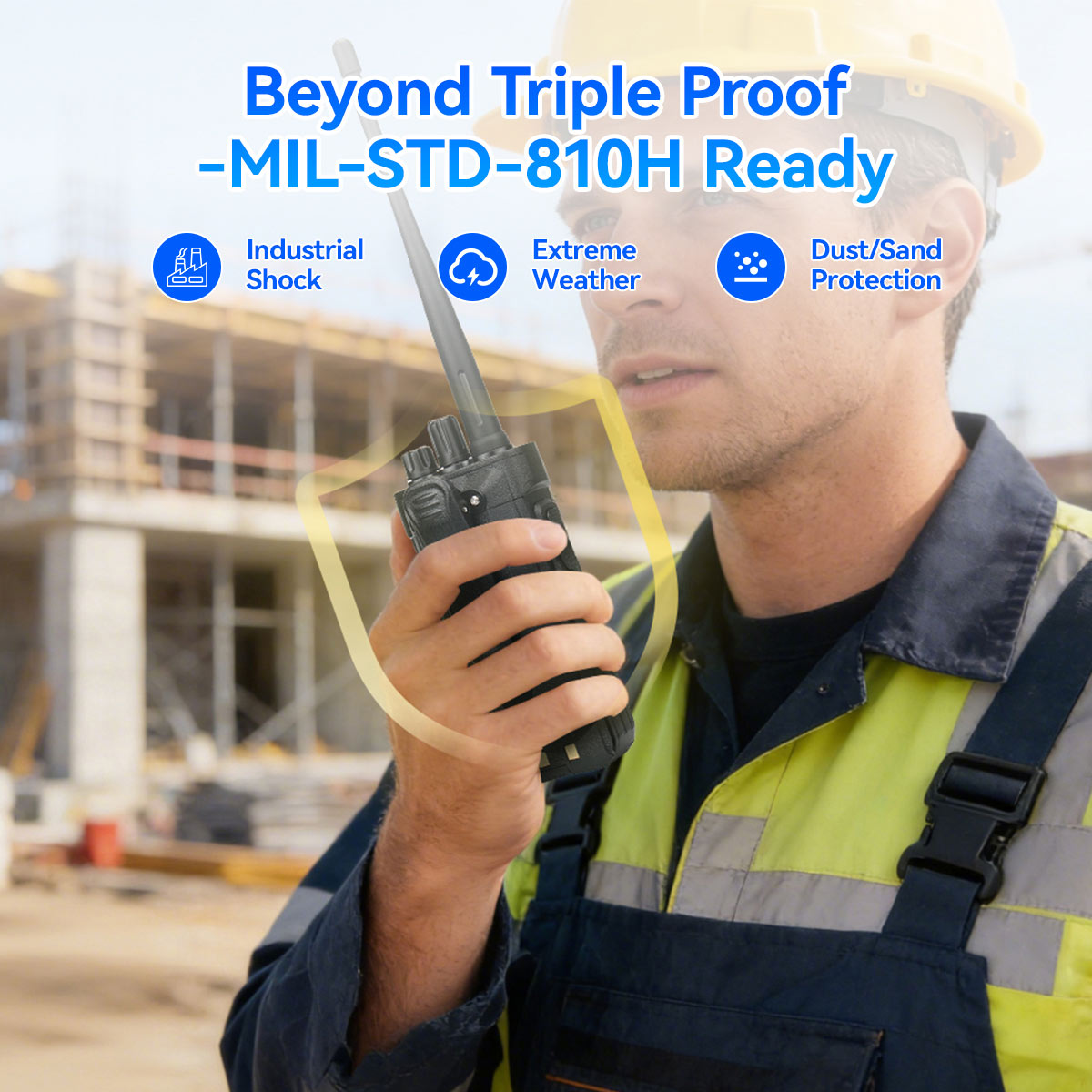
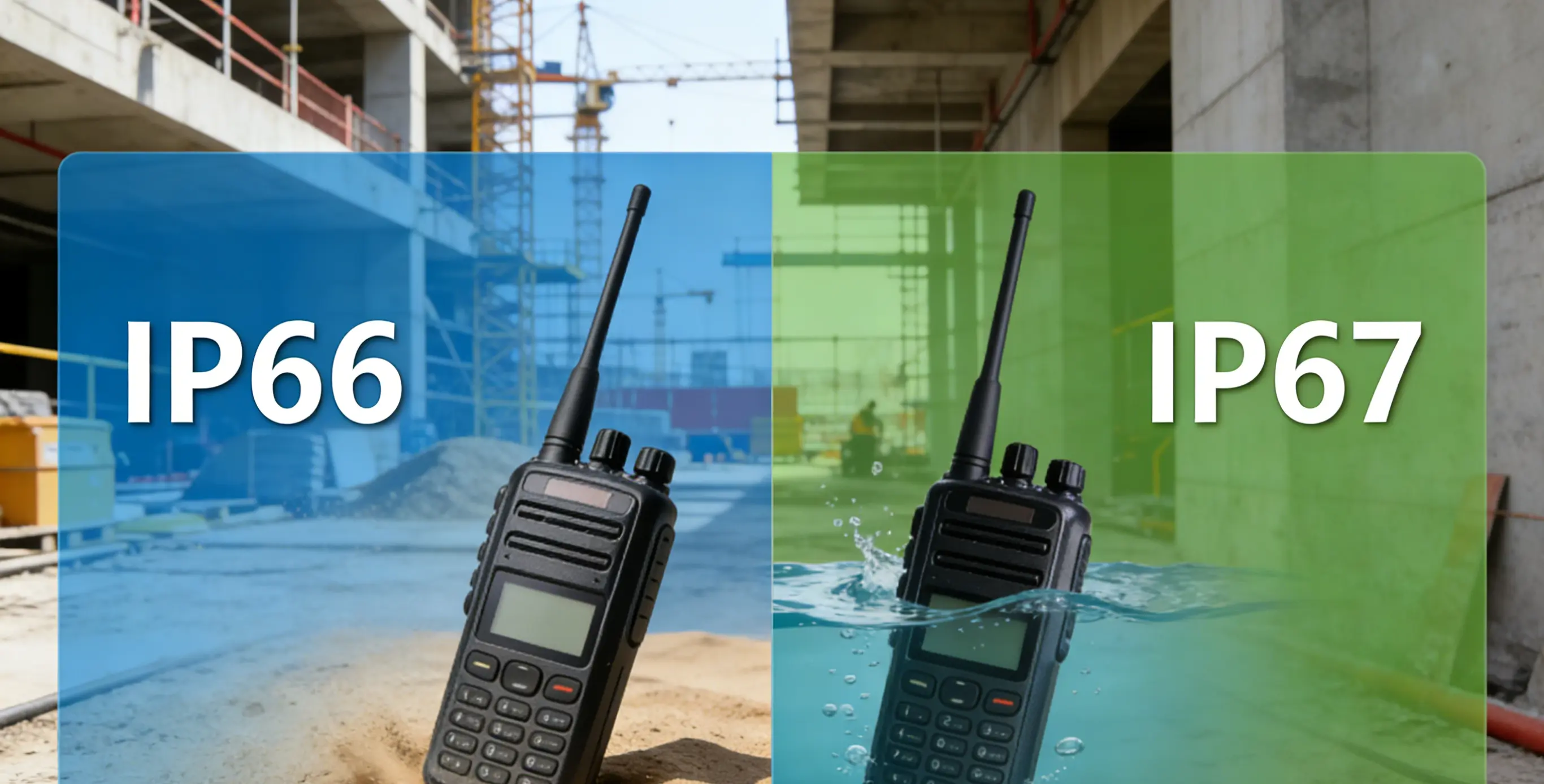
Construction radios face dust, rain, drops, concrete surfaces, gloves, and frequent movement. The RT29 has an IP67 rating and an aluminum alloy body. Retevis states that it can withstand drops of up to two meters.
These features suit many outdoor and industrial conditions. Regular inspection is still needed. Check the housing, battery, charging port, antenna, belt clip, and audio accessory. Remove damaged equipment before it affects an important task.
Suggested RT29 Configurations by Project Size
The right quantity depends on active users, team structure, site layout, and shifts. The table below gives a starting point. A site test should confirm the final order.
|
Project type |
Starting configuration |
Main planning focus |
|
Small residential work or renovation with 2–6 core users |
4 RT29 radios |
Management, construction, delivery, and spare or emergency use |
|
Mid-sized residential or commercial work with 5–12 users |
6 RT29 radios |
Separate management, safety, construction, equipment, logistics, and emergency communication |
|
Multi-floor commercial or large residential work with 12–25+ active users |
10 RT29 radios with expansion capacity |
Dedicated work channels, spare equipment, and full-site testing |
|
Large industrial or multi-building work |
Based on zones and shifts |
Coverage testing and review of repeaters or wider systems |
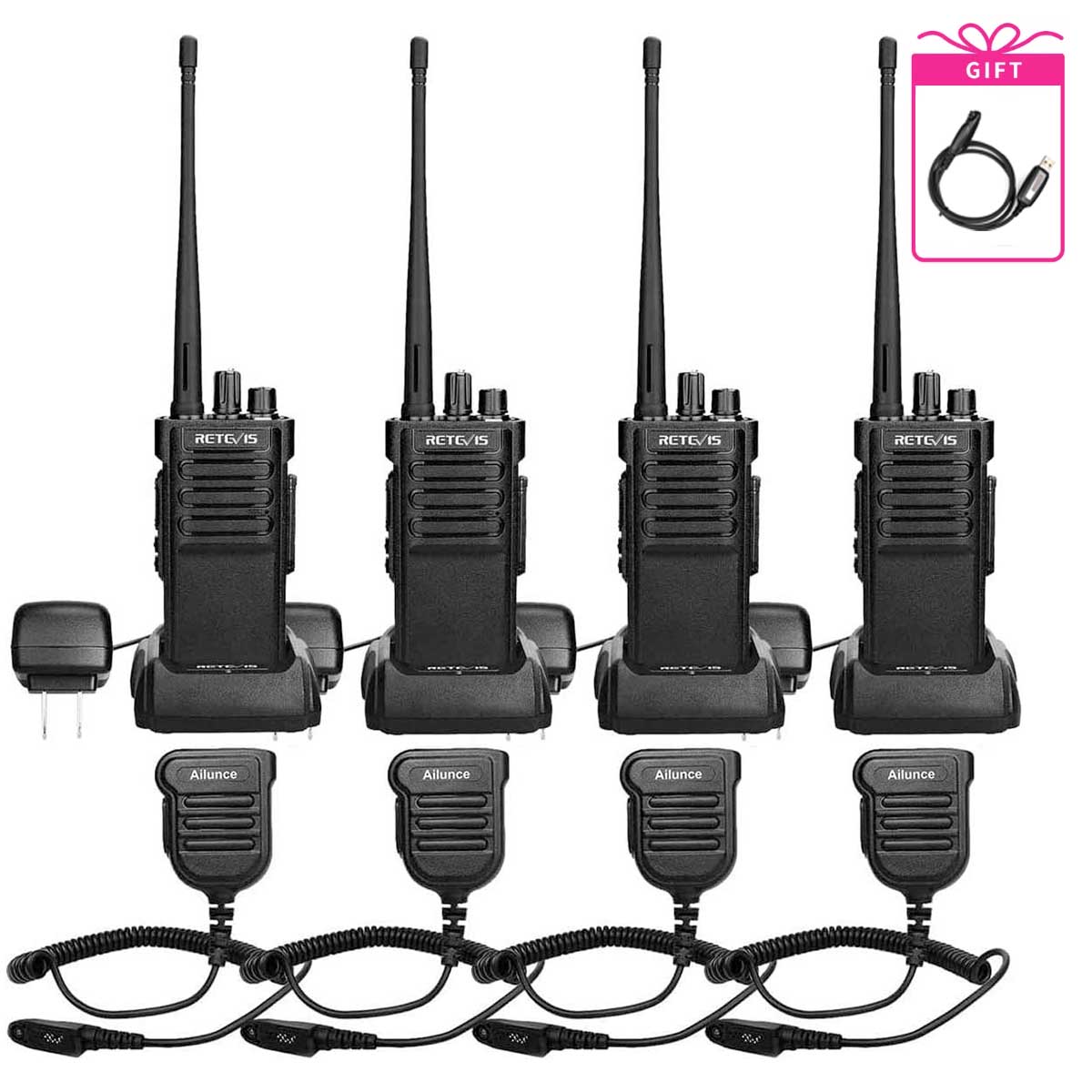
Retevis presents 4-unit, 6-unit, and 10-unit packages as examples for basic coverage, multi-zone coordination, and larger operations. These numbers are useful for an early budget. They should not replace a project survey. Building materials, work areas, active users, and site risk should guide the final order.
How RT29 Fits the Construction Market
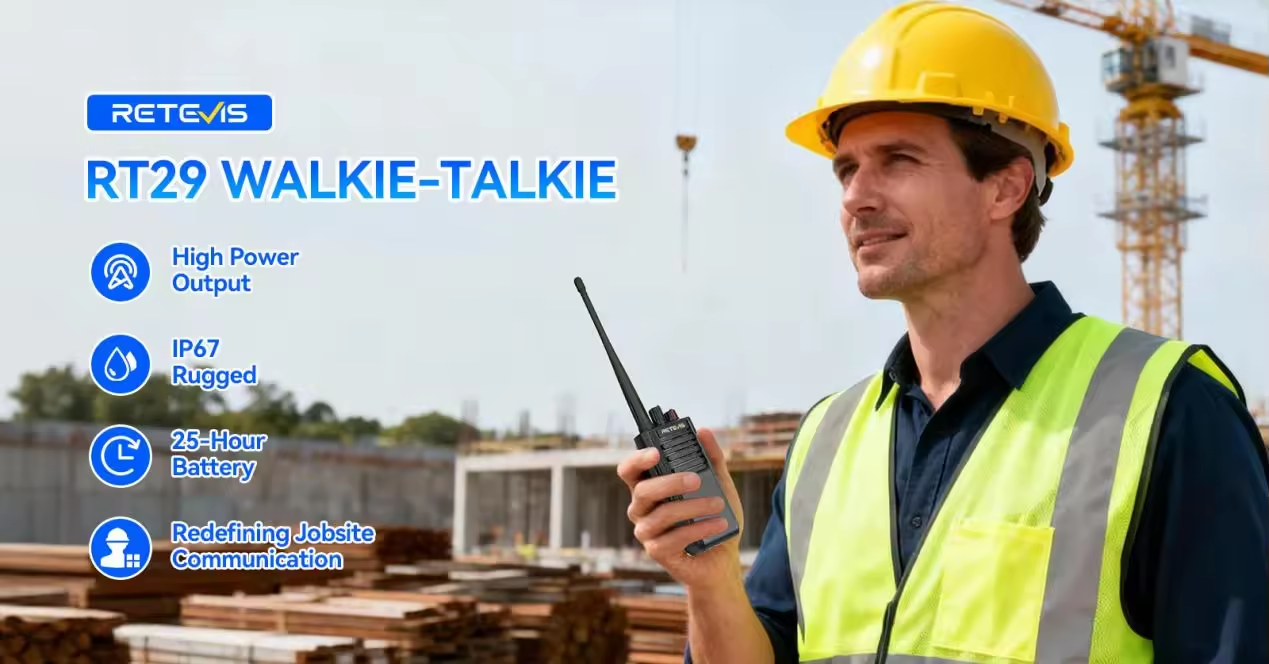
The Retevis RT29 is aimed at general contractors, site supervisors, safety teams, equipment operators, logistics crews, security staff, utilities teams, and industrial maintenance workers. Procurement directors need a consistent fleet that can be programmed for each project. Supervisors need clear audio, simple controls, long working time, batteries, charging tools, and protection against rain and dust.
The RT29 combines IP67 protection, a 3200 mAh battery, 16 programmable channels, VOX hands-free operation, SOS alert, large controls, and support for audio accessories. Retevis also lists pack options, six-way charging, speaker microphones, earpieces, extra antennas, and programming cables. This makes it possible to plan a complete communication package instead of buying only the radio body.
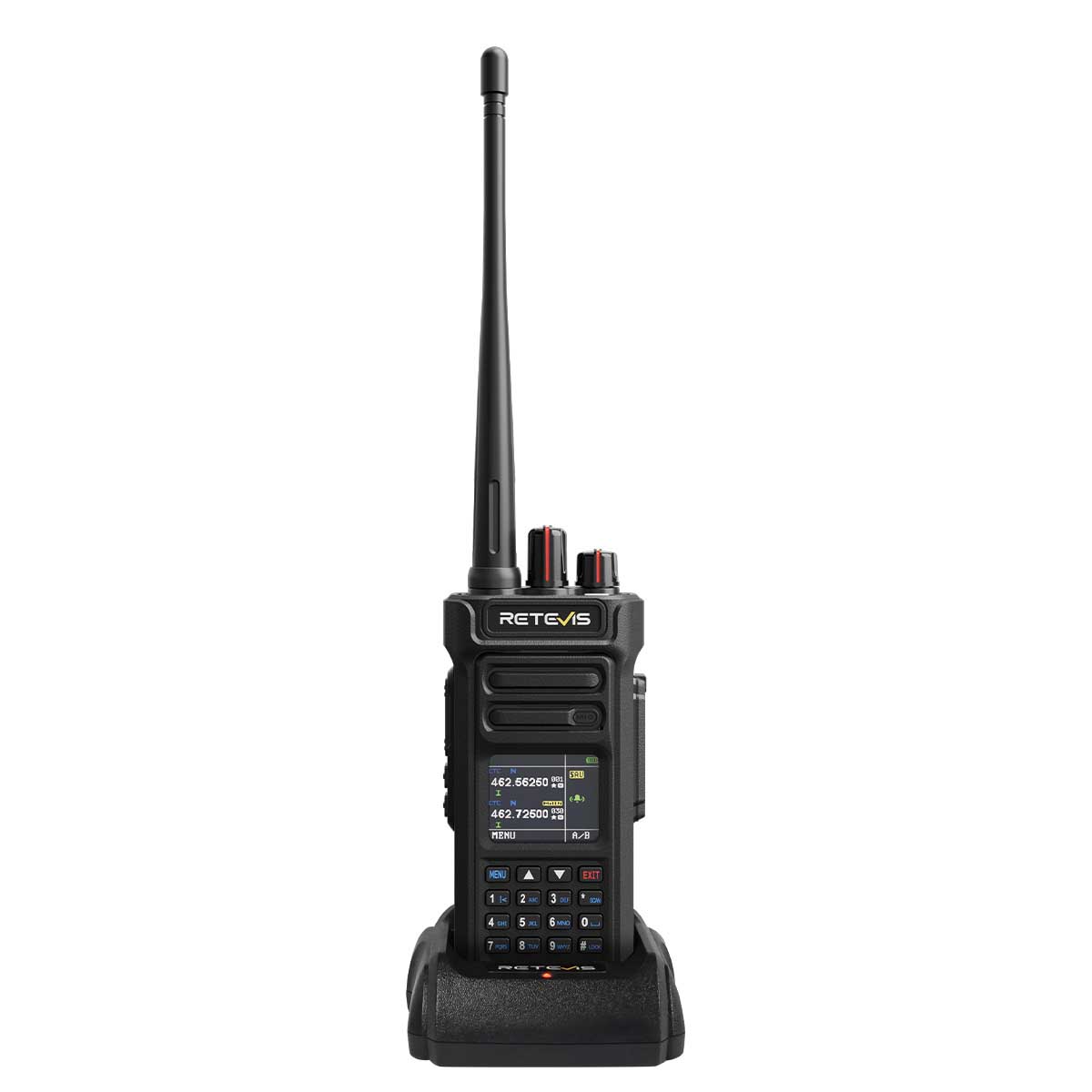
The exact model should be written in the purchase document. RT29, RT29D, and RT29S are different models. Retevis lists RT29 as analog, while RT29D supports digital and analog operation with Bluetooth, a display, and group calling. Confirm the model, frequency version, connector type, accessories, programming method, warranty, and delivery scope.
Bid-Stage Communication Checklist
|
Area |
Requirement |
|
Site map |
Include buildings, floors, basements, storage areas, gates, and temporary zones. |
|
Active users |
Count people who need radios at the same time, by shift. |
|
Coverage |
Test difficult and high-risk areas before full deployment. |
|
Audio |
Choose speaker microphones, earpieces, or approved hands-free options for noisy areas. |
|
Power |
Include batteries, spares, chargers, and charging responsibility. |
|
Programming |
Define channels, tones, emergency access, labels, and backup files. |
|
Expansion |
Reserve capacity for replacement units and new teams. |
|
Acceptance |
State how coverage, audio, programming, and accessories will be checked. |
OSHA standard 1926.1420 provides one example for crane signaling. It requires signal devices to be tested on site before work begins so the transmission is effective, clear, and reliable. It also calls for a dedicated channel in the situations covered by the rule. Projects in other countries must follow their own local rules and owner requirements. The wider lesson is useful for every project: test communication where the work will happen before relying on it for critical coordination.
Final Takeaway
Reliable construction communication starts before the purchase order. A strong bid connects the site map to the radio quantity, the work risks to the channel plan, and the project schedule to the battery and expansion plan.
The Retevis RT29 may suit small residential sites, mid-sized commercial work, multi-floor buildings, and selected industrial applications. Its IP67 protection, 3200 mAh battery, programmable channels, high-power UHF design, audio accessories, and multi-radio charging options support demanding work areas.
Final performance still depends on correct programming, local compliance, suitable accessories, and a real site coverage test. The clearest way to control cost is to write the communication requirements into the bid before the site exposes the gaps.




 Google
 Amazon
Comments
No data Yet