

Table of Contents
Best Two Way Radios for Different Warehouse Types
- Posted by:Retevis
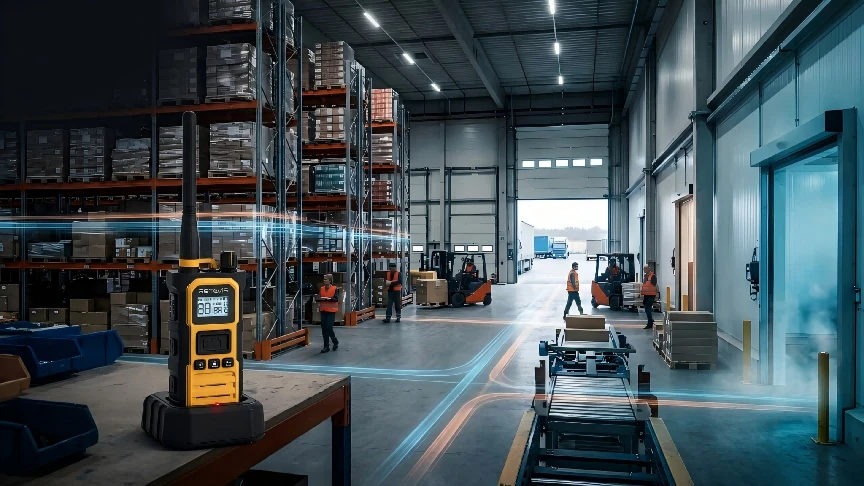
Warehouse radios are often purchased based on building size alone. That approach rarely works well. The biggest barriers to clear communication are not total square feet — they are the type of work being done, the physical structure of the building, and the environment your teams work in every day.
Across distribution centers, cross-docks, cold storage facilities and e-commerce fulfillment centers, teams rely on two-way radios to keep work moving. Each warehouse type comes with its own set of communication pain points. The best two way radio setup matches the device to those specific pain points, not a one-size-fits-all spec sheet.
1. Distribution Centers: High Racks, Docks, and Constant Handoffs
Distribution centers handle the widest mix of tasks across any warehouse type. Receiving teams unload trailers, forklift drivers move pallets through rack aisles, pickers fill orders, shipping teams load outbound trucks, and yard crews guide vehicles across the lot. Security staff manage access and resolve issues across indoor and outdoor areas.
The core challenge is handoff volume. Goods move through receiving, storage, picking, and shipping in sequence. A delay at one handoff slows multiple teams at once. Teams need to confirm every next move fast: a request for a forklift, a trailer check at the dock, or a report of an open door.
Steel racking and concrete walls reduce signal strength by 50% or more per barrier, per industry radio deployment data. Deep rack aisles, far dock doors, and outdoor yards all create dead zones for low-power radios.
For this warehouse type, the best two way radio delivers enough transmit power to penetrate racks and walls, clear audio for noisy dock areas, separate channels for different work groups, and enough battery life for full shifts.
2. Cross-Docks and Yard Operations: Fast Movement and Outdoor Exposure
Cross-docks move goods directly from inbound to outbound trailers with little or no long-term storage. Yard operations add constant trailer movement, outdoor vehicle routes, and exposure to dust, rain, and wind. Work changes fast, and messages have a very short useful life.
The key need is speed with control. A dock lead may reassign a team to another door. A yard worker may report a trailer location. A loader may find damaged freight that needs immediate attention.
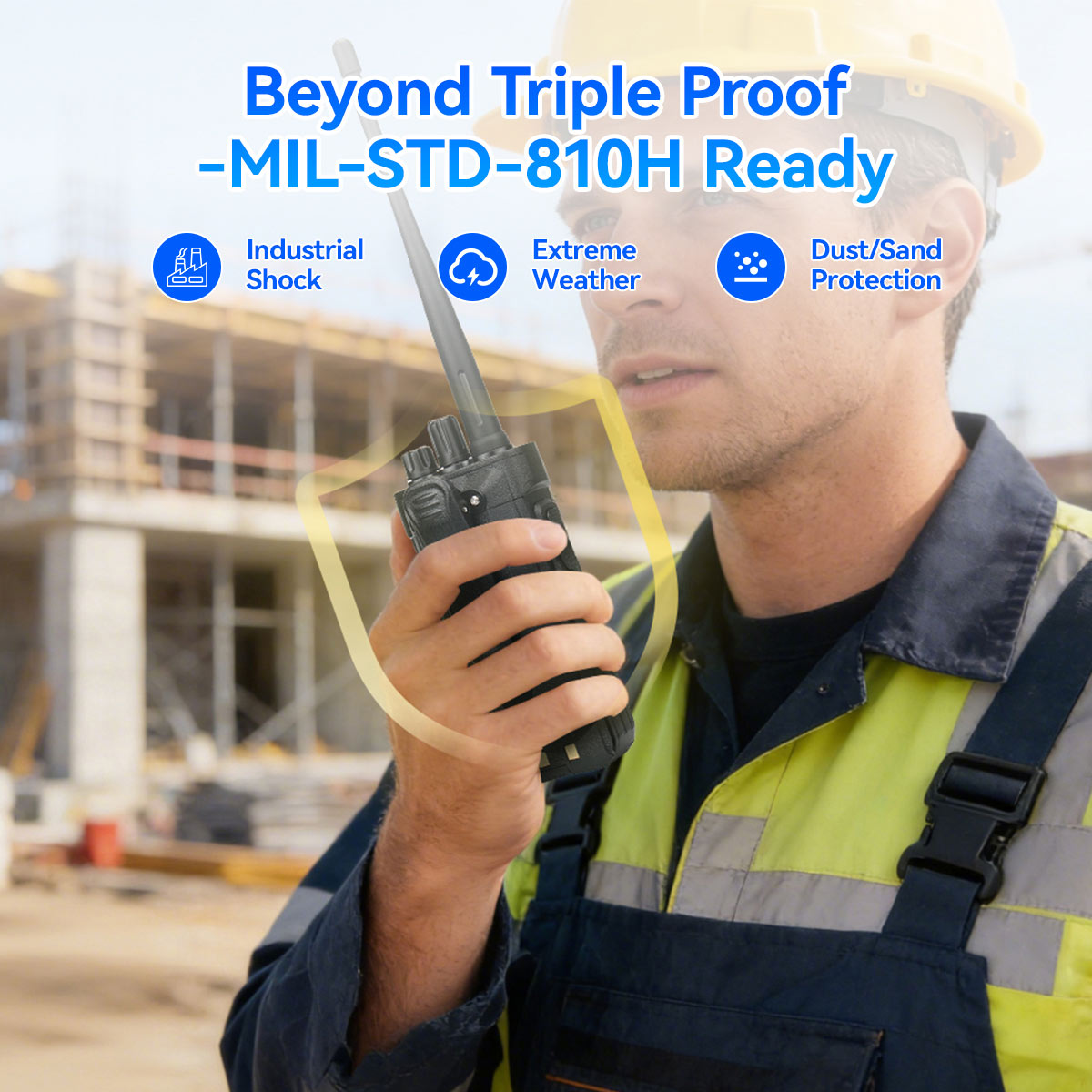
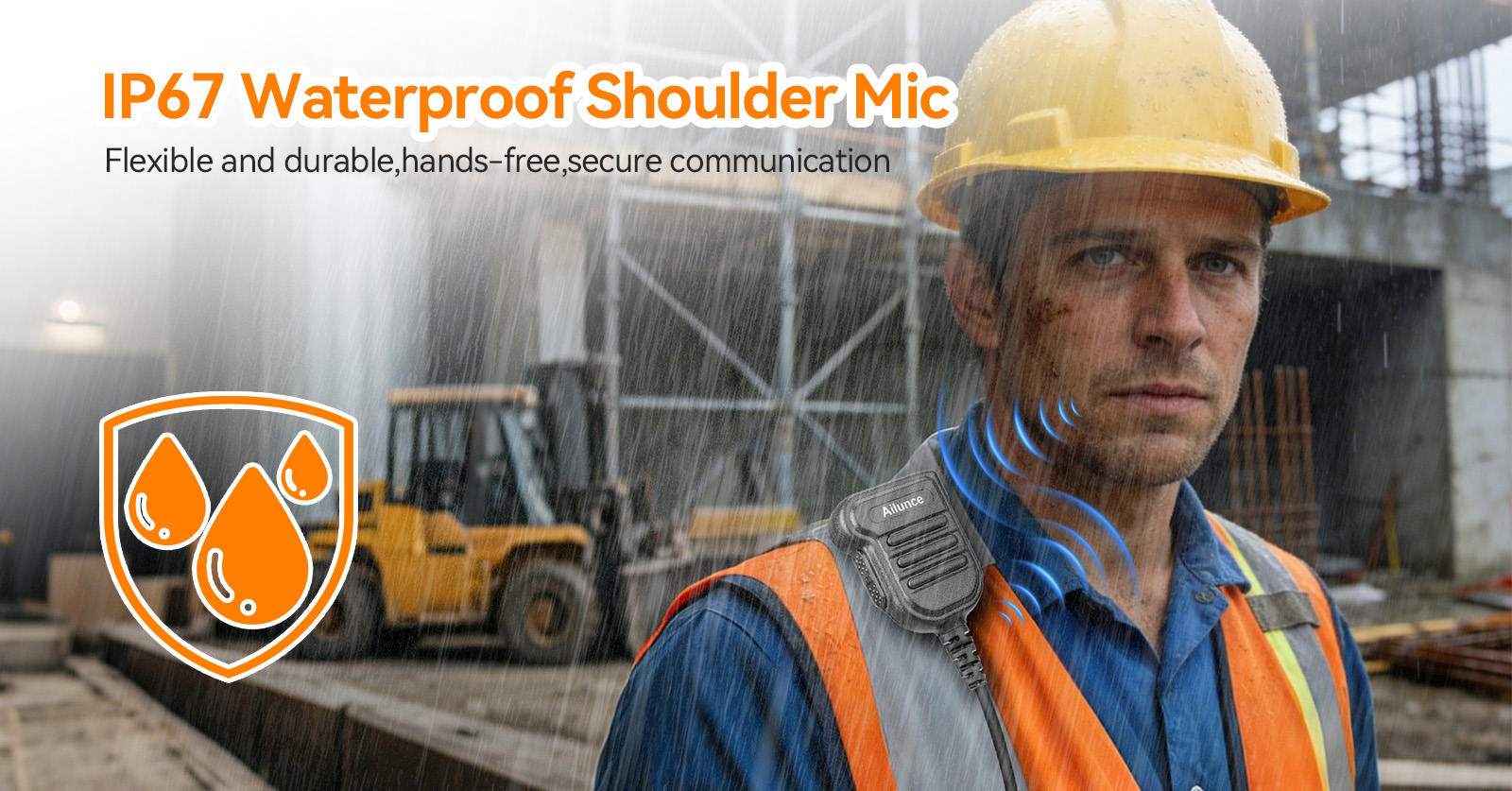
These sites are loud and hard on equipment. Durable warehouse radios that hold up to dust, moisture, and rough handling are required. Audio must stay clear over vehicle and wind noise, and channel layouts must be simple enough for fast, direct calls to leads and security.
3. Cold Storage: Isolation, Cold Temperatures, and Glove Use
Cold-storage work adds problems standard warehouses never see. Workers wear thick insulated gloves. Heavy freezer doors block radio signals. Condensation, moisture, and cold temperatures drain battery life and damage unprotected electronics. Some staff enter cold rooms alone for short tasks, which creates lone-worker safety risks.
Communication supports both product flow and worker safety. A receiver may confirm a load, an operator may need a door opened, or a worker may need help inside a freezer.
For this warehouse type, warehouse radios need sealed ingress protection, reliable battery performance at low temperatures, large easy-to-press buttons, and secure carrying options. Coverage must work reliably on both sides of cold-room doors and in the farthest storage aisles.
4. E-Commerce Fulfillment: High Volume and Constant Small Exceptions
E-commerce fulfillment centers run on high throughput and frequent small exceptions. A picker cannot find stock, a packer finds a damaged item, a priority order needs attention, or a replenishment task must move fast. Seasonal workers join frequently during peak periods.
Daily communication must stay simple to learn. Staff need clear area names, short call rules, and one point of contact for exceptions.
Shared warehouse radios need clear labels, fixed charging points, spare units, and standard handoff rules. New staff should be able to learn basic operation in minutes, not hours.
Core Differences At a Glance
|
Warehouse Type |
Core Communication Problem |
Radio Setup Must Handle |
|
Distribution center |
Frequent handoffs across dock, rack, shipping, and yard |
Mixed indoor/outdoor coverage, clear audio, durable build, separate work groups |
|
Cross-dock and yard |
Fast trailer movement and outdoor conditions |
Loud outdoor use, impact-resistant build, short calls, direct lead access |
|
Cold storage |
Isolation, gloves, cold doors, and lone tasks |
Simple operation, sealed protection, reliable cold-temperature performance, clear safety rules |
|
E-commerce fulfillment |
High volume and many small exceptions |
Simple controls, fast exception contact, shared-device management, quick staff training |
Where the Retevis RB48 Pro Fits
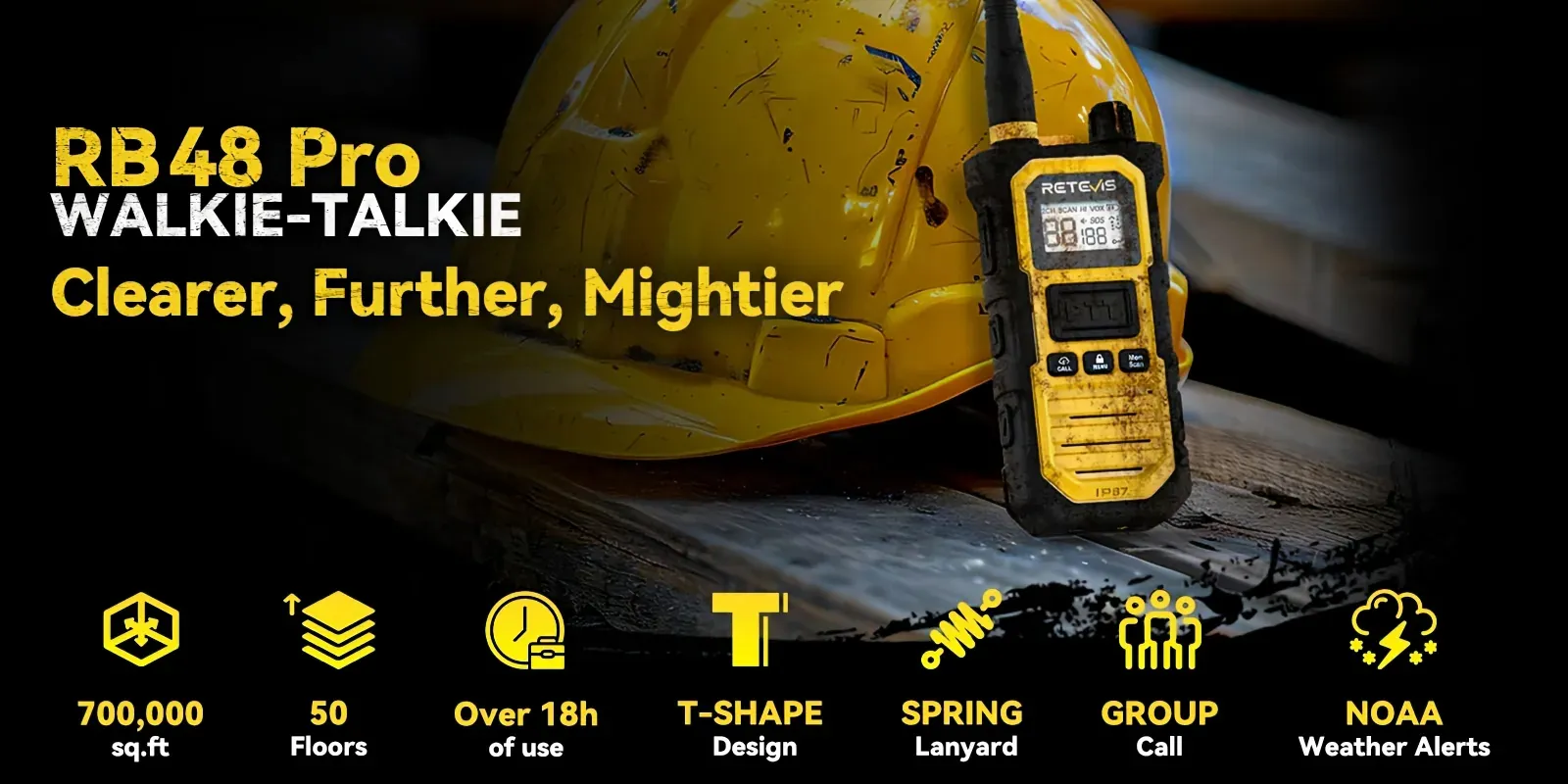
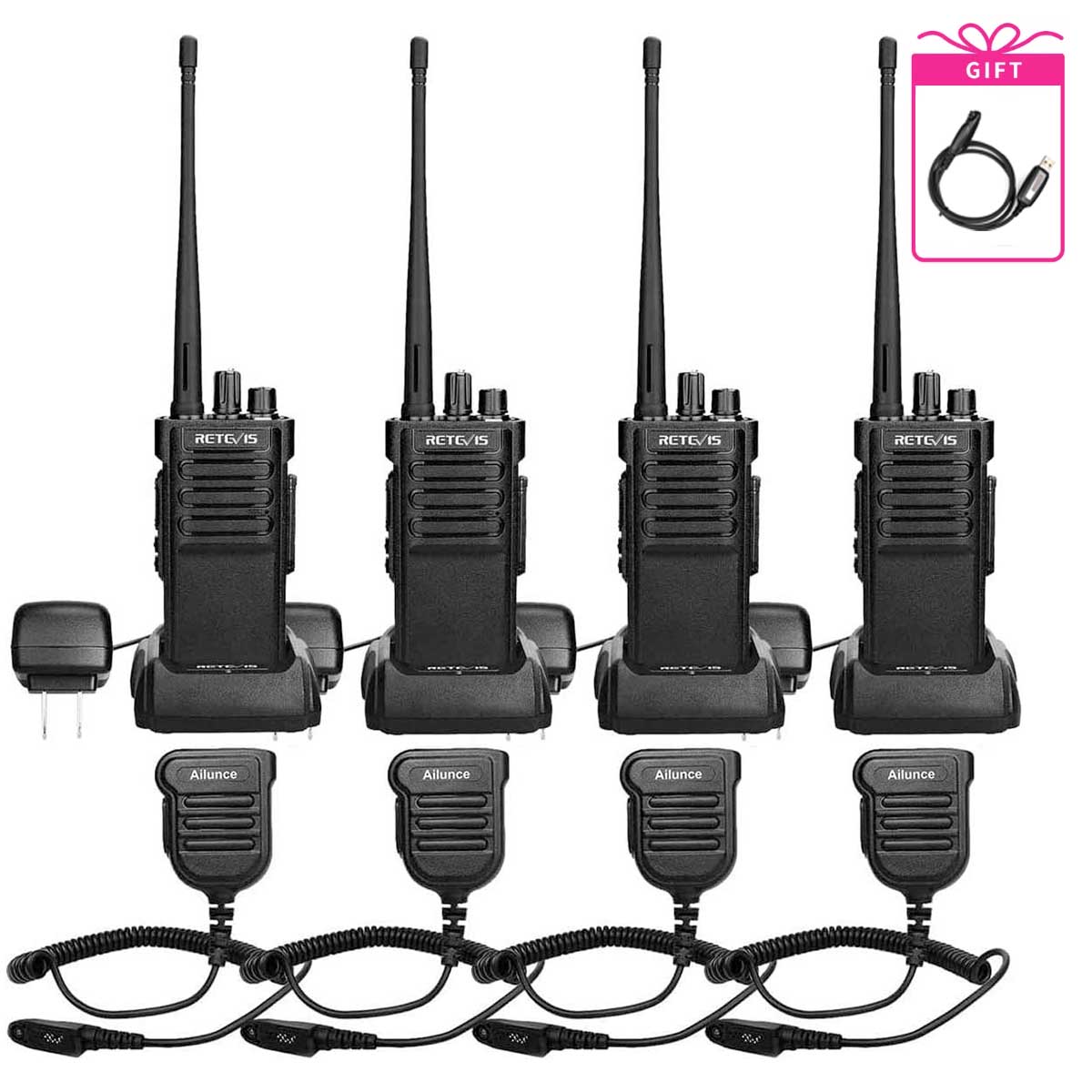
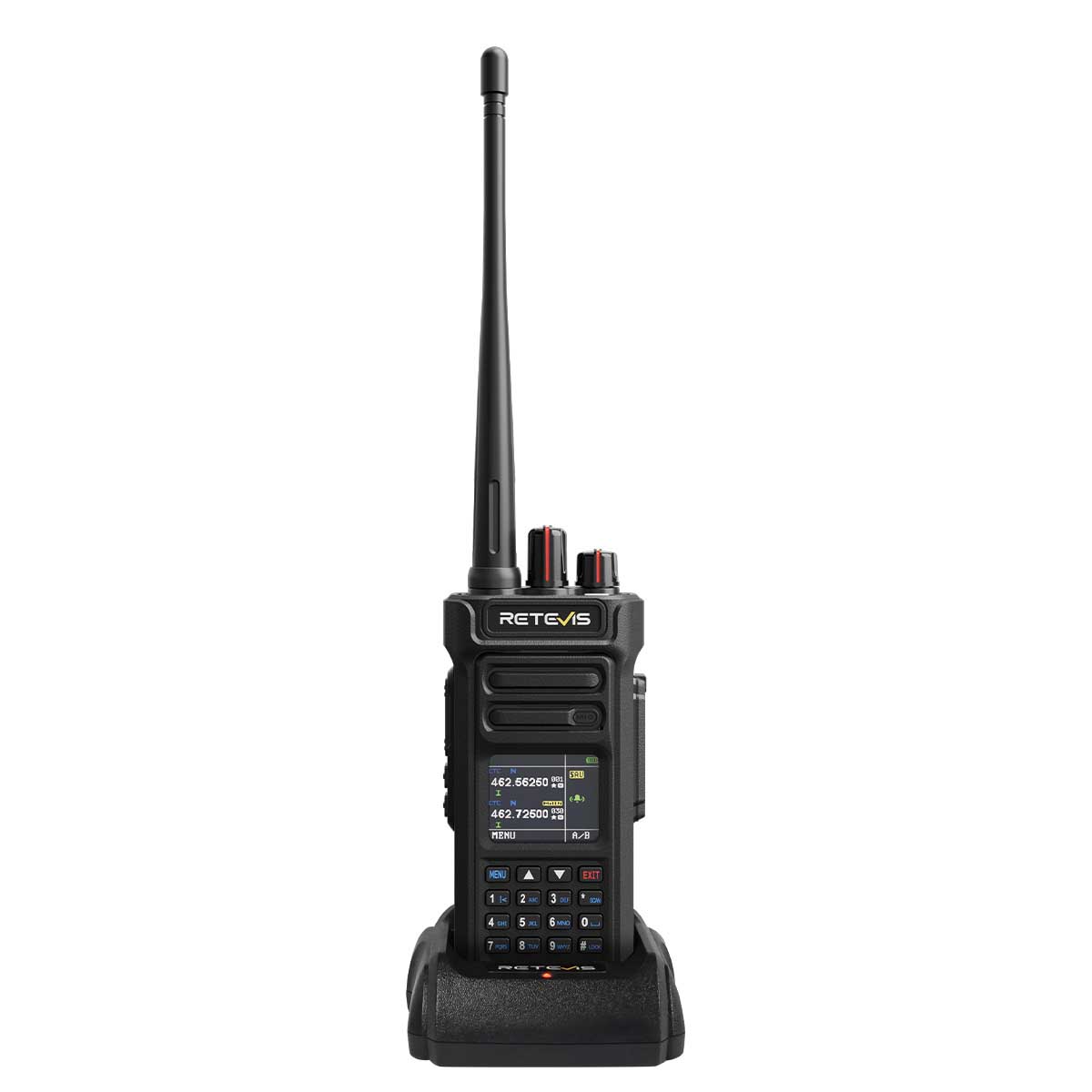
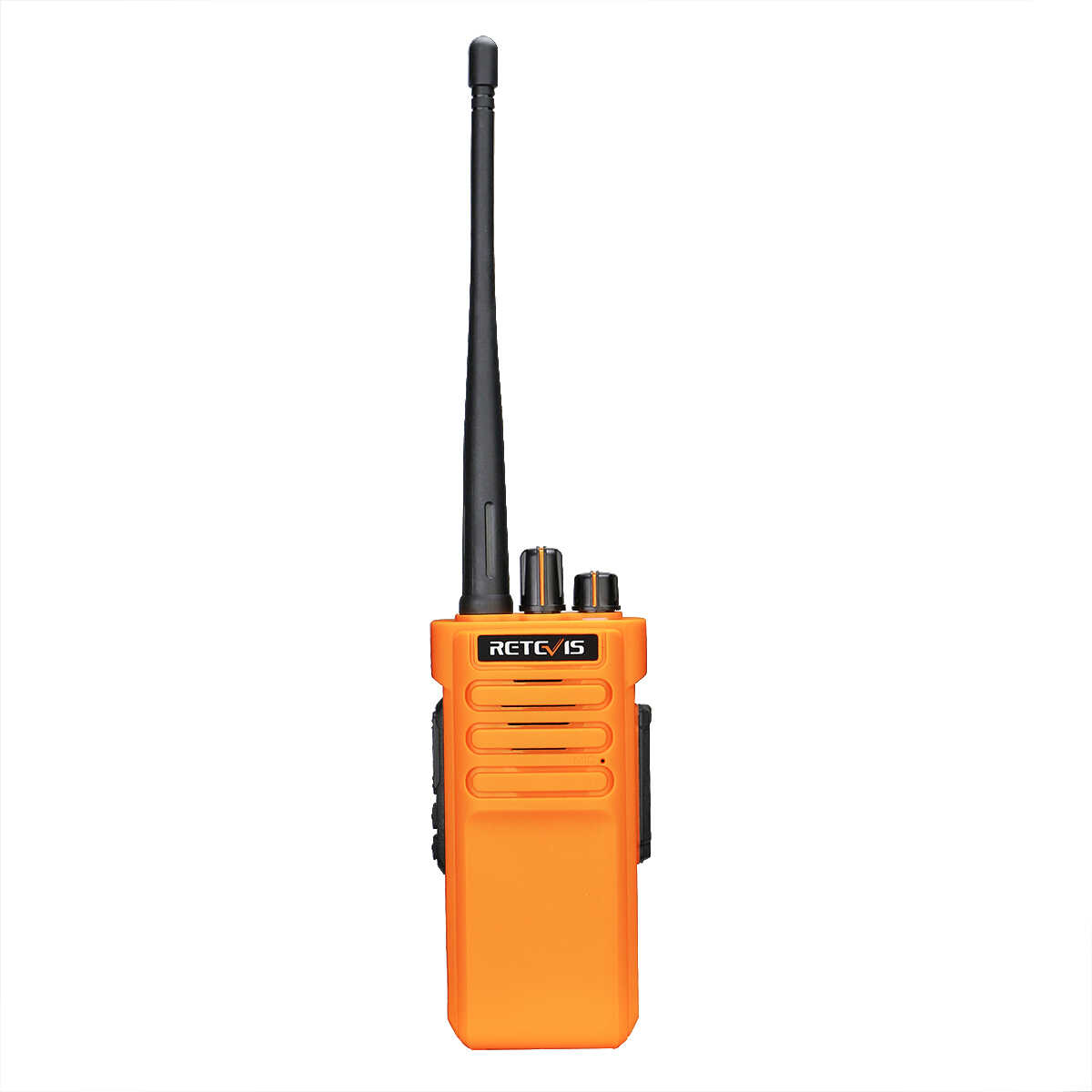
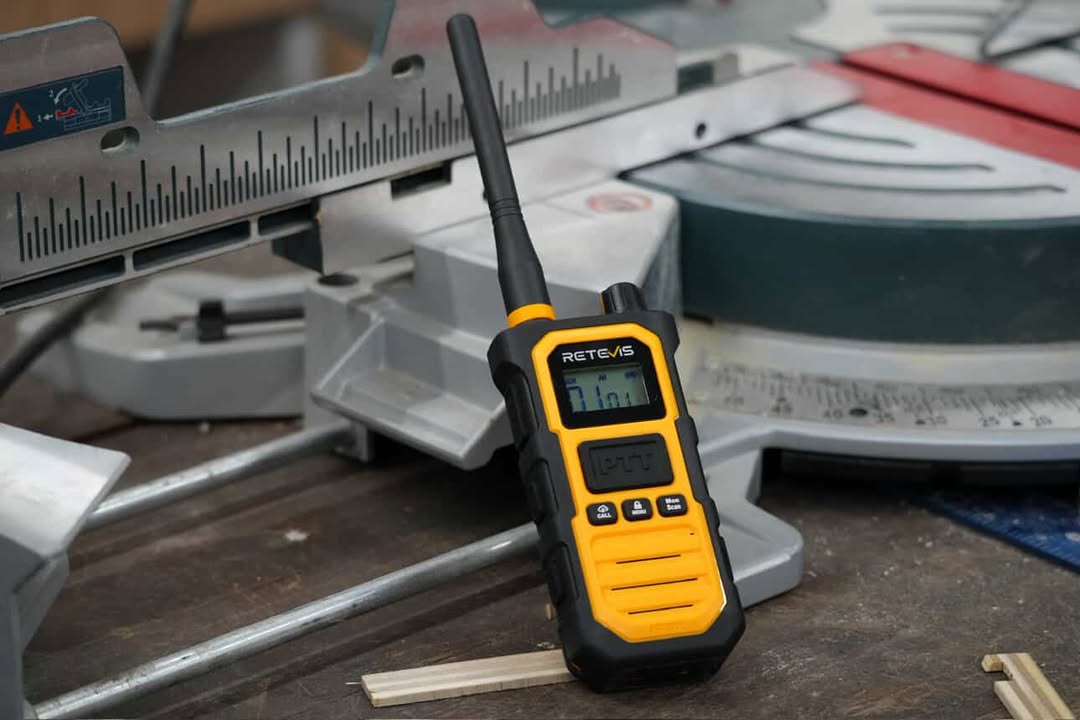
The Retevis RB48 Pro is built as a heavy-duty industrial two-way radio for warehouses, manufacturing plants, and large workplaces. All specs below come from official Retevis product documentation.
Key Official Specs
- 10W adjustable transmit power (high/medium/low settings)
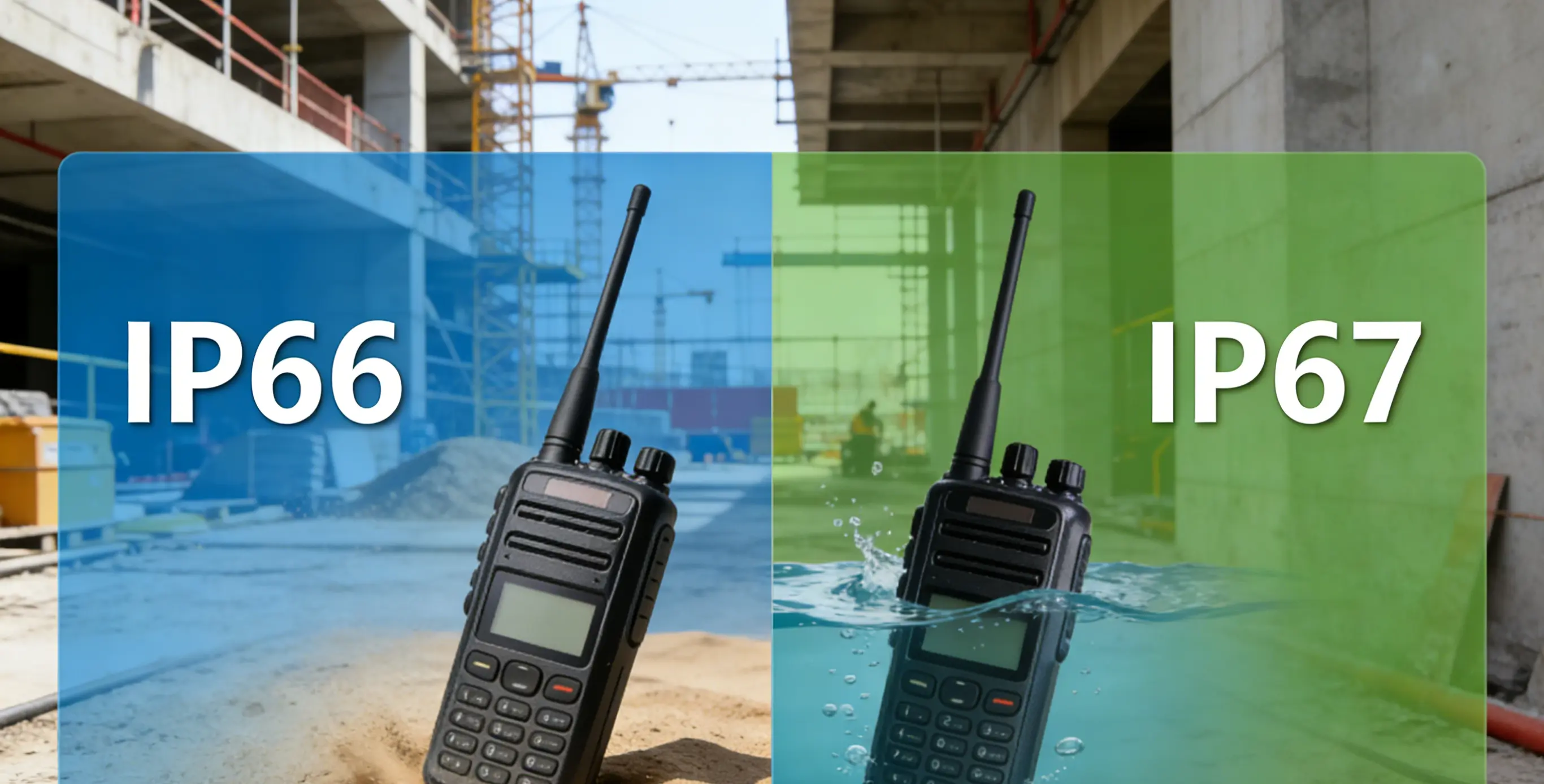
- IP67 dustproof and waterproof rating
- 2800mAh lithium-ion battery with 17+ hours of continuous use
- Noise cancellation and high-output audio
- 32 programmable channels with group calling and emergency alerts
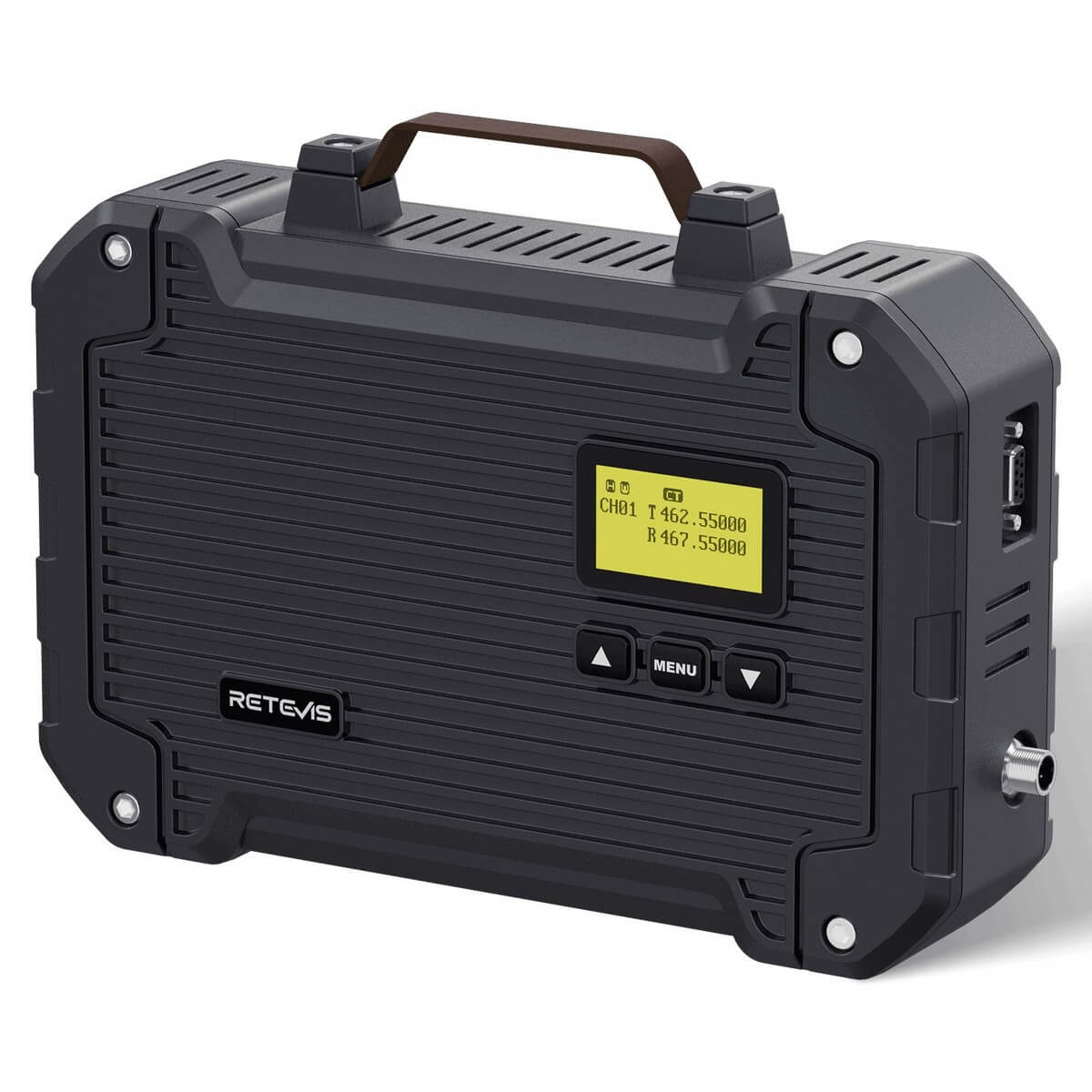
- Compatible with Retevis repeaters for expanded coverage
How It Matches Each Warehouse Type
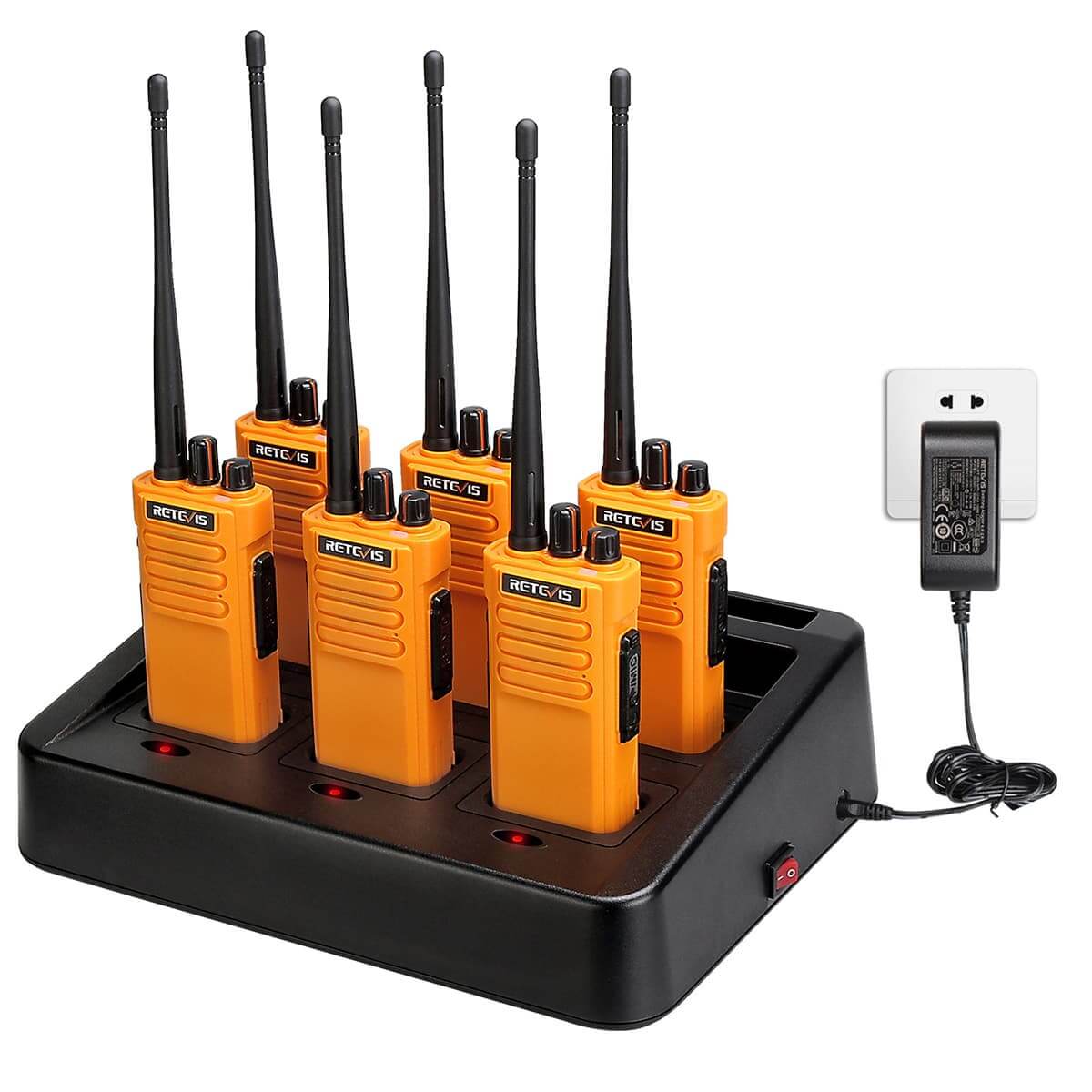
- Distribution centers: Higher power settings penetrate steel racking and concrete walls better than lower-power consumer units, reducing dead zones across deep aisles and outdoor yards. Group calling and multi-unit charging support shared fleets across shifts.
- Cross-docks and yards: IP67 protection withstands dust, rain, and rough handling. Clear audio performs reliably over wind and vehicle noise in outdoor yard areas.
- Cold storage: Sealed housing resists condensation and moisture. Buttons are sized for use with gloves, and the wide operating temperature range supports freezer environments. Full cold-room performance should still be verified with on-site testing.
- E-commerce fulfillment: Simple controls and programmable channels make the radio easy to learn for seasonal staff. Multi-unit charging stations support shared devices and clean shift handoffs.
Important Notes
A site survey is still required for final planning. Steel racking, inventory levels, building layout, antenna placement, and local frequency rules all affect real-world performance. Manufacturer range figures apply to open-air test conditions, not dense indoor warehouse environments.
The RB48 Pro is a communication tool, not a replacement for existing safety systems. It does not replace CCTV, access control, fire alarms, forklift training, or formal emergency response procedures. It helps the right person receive and act on messages faster.
5 Questions to Ask Before You Buy
Use these questions to narrow down the best two way radio for your site:
- Which warehouse type best matches your daily operation?
- Where would a missed call create the biggest safety or productivity risk?
- Which areas are loud, wet, cold, remote, or dense with metal racking?
- How will you handle charging, shift handoff, and spare unit management?
- Who receives urgent calls, and what action follows each type of alert?
Final Takeaway
Warehouse communication is not a single problem. The best two way radios match the site’s workflow, not just its square footage.
Distribution centers need coverage across racks, docks, and yards. Cross-docks need durable, fast outdoor communication. Cold storage needs reliable performance in low temperatures. Fulfillment centers need simple, easy-to-learn systems for high-volume work.
The Retevis RB48 Pro fits across many of these warehouse types with its adjustable power, rugged build, long battery life, noise reduction, and scalable design. The final decision should always come down to real-world testing in your actual work areas.





 Google
 Amazon
Comments
No data Yet