

Table of Contents
How Many Two Way Radios Do I Need for a Construction Site? Fall Bid Communication Plan Guide
- Posted by:Retevis
Why Proper Radio Sizing Matters for Construction Bids
The Hidden Costs of Miscalculating Your Fleet
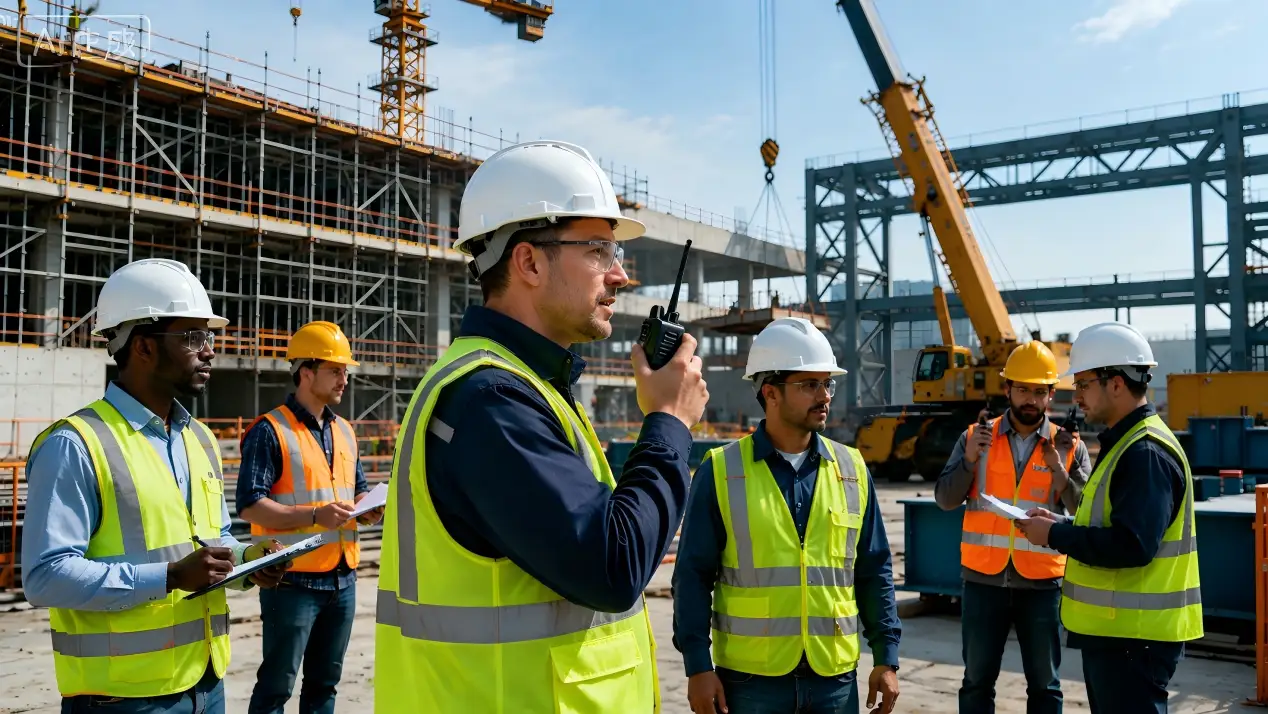
Fall bids for 2026 construction projects demand precision across every line item, and communication equipment is no exception. When you underestimate how many radios you need, foremen share devices, crews wait for updates, and small delays compound across the project timeline. On large commercial sites, even 10 minutes of daily downtime per worker adds up to thousands of dollars in lost productivity over a full build cycle.
Overestimating carries its own financial penalty. Unused units sit in storage, tying up working capital that could go toward building materials, safety gear or skilled labor. For procurement directors measured on both operational reliability and budget efficiency, hitting the right fleet size is a core performance metric.
What Drives Radio Demand on Modern Jobsites
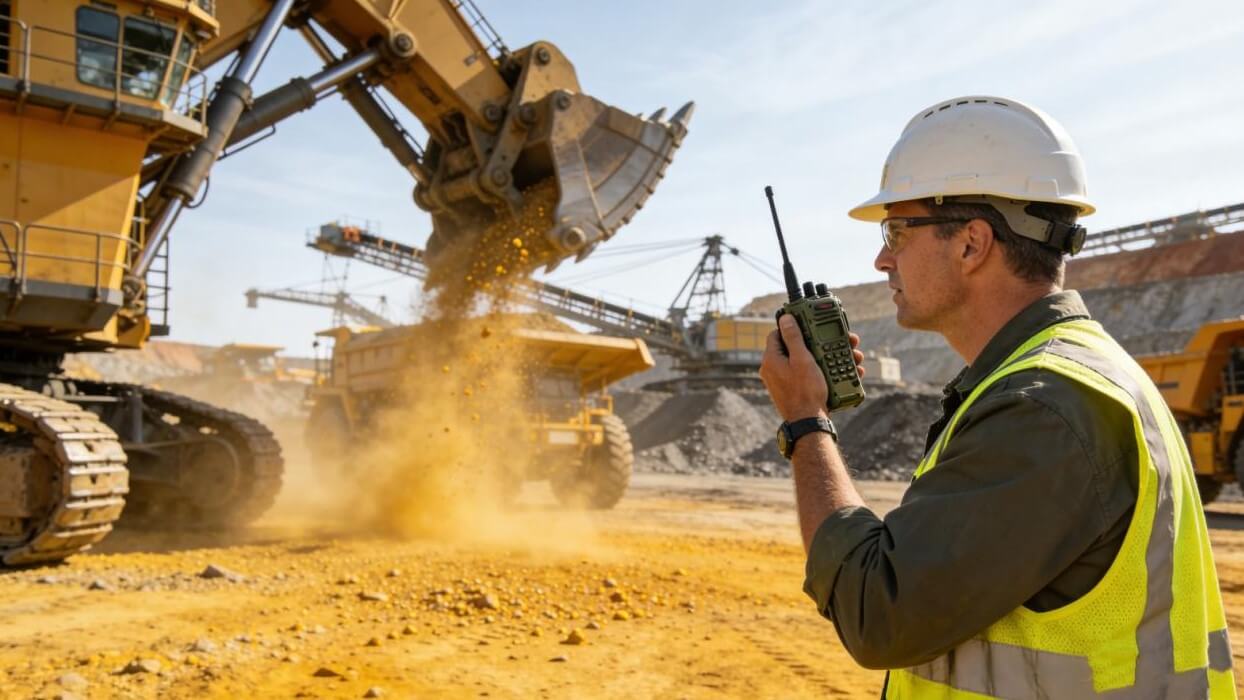
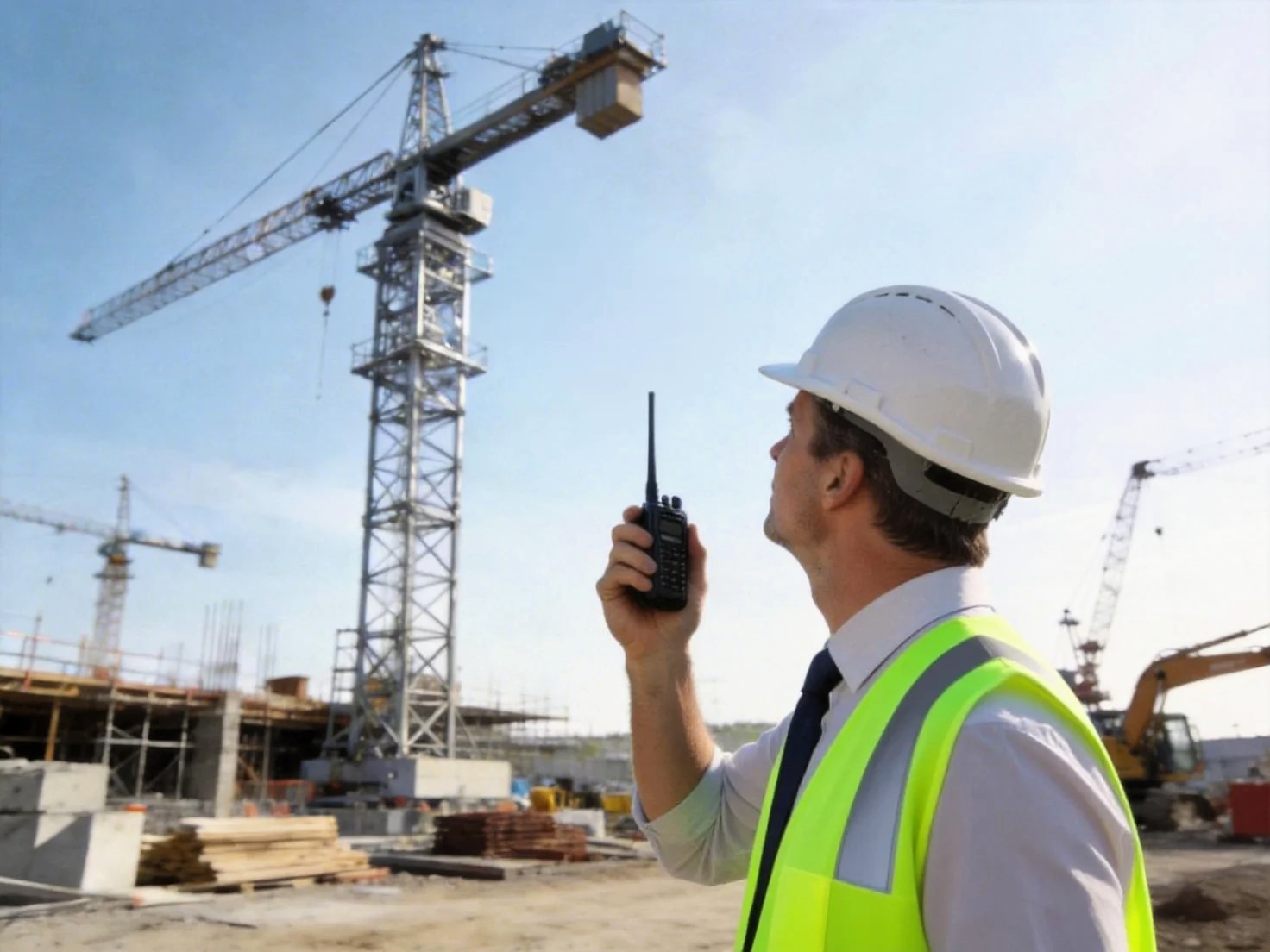
Construction sites are dynamic, multi-zone work environments. A typical mid-rise project includes ground crews, steel teams, electrical and plumbing trades, crane operators, site supervisors, safety officers and delivery coordinators. Each role has different communication patterns: supervisors and critical operators need constant connectivity, while general labor crews only require periodic check-ins. Even the best long range walkie talkie cannot deliver full value without a properly sized fleet matched to your team structure.
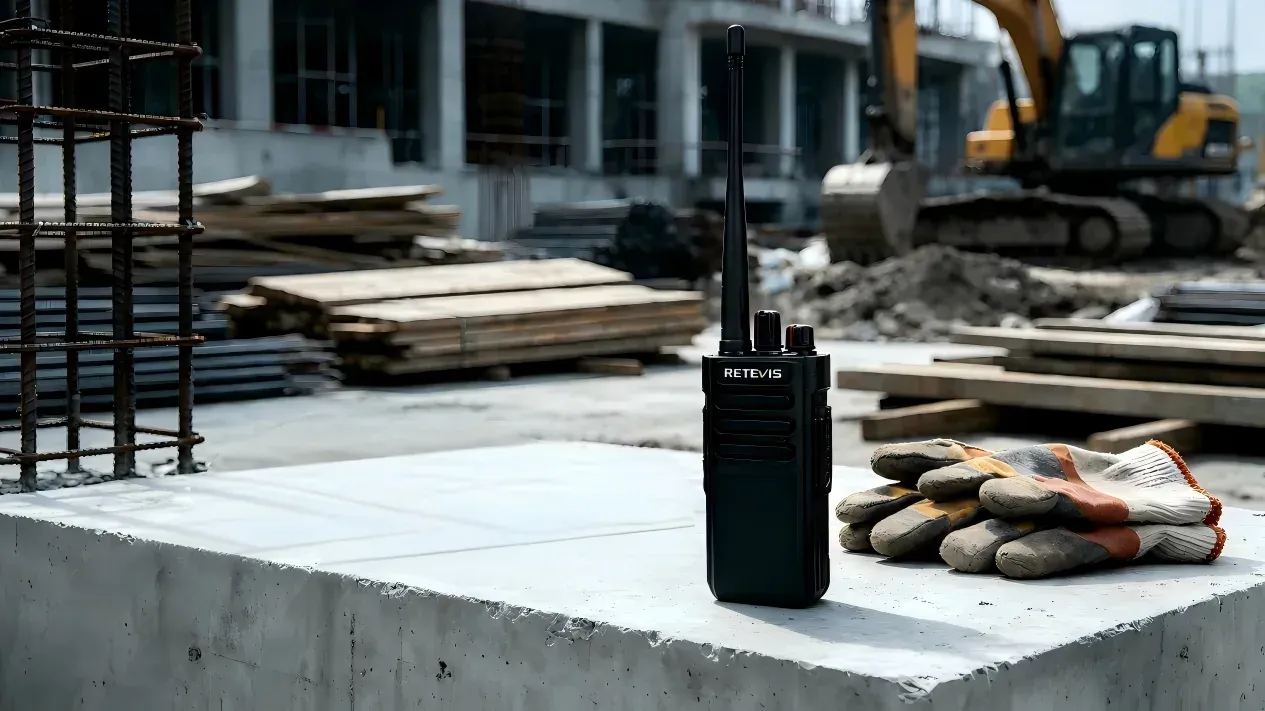
How to Calculate How Many Two Way Radios You Need for a Construction Site
Step 1: Map Work Zones and Team Structures
Start by dividing your project into functional work zones and listing every team that operates in each. Common zones include:
l Excavation and foundation zone
l Structural steel and framing zone
l Interior trades zone (electrical, plumbing, HVAC)
l Loading and material handling zone
l Perimeter and site access points
l Site office and supervision area
For each zone, count full-time staff and flag roles that require dedicated radios. Supervisors, crane operators and safety officers always need their own unit, while general laborers can share radios within a shift team.
Step 2: Apply Standard Staff-to-Radio Ratios
Use these industry-standard ratios as your baseline for sizing:
l Project managers and foremen: 1:1 (one radio per person)
l Trade leads and heavy equipment operators: 1:1
l General labor crews: 1 radio per 3–4 workers
l Safety officers and first attendants: 1:1
l Gate and delivery staff: 1 radio per access point per shift
For example, a 50-person commercial build with 6 foremen, 4 equipment operators, 2 safety officers and 38 tradespeople and laborers would require approximately 20–22 radios for a single shift. If you run day and night shifts, you will need separate sets or a formal handoff protocol to avoid downtime.
Step 3: Add Spare Units for Contingency
Always budget 10–15% extra units as spares. Even the most rugged radios for construction work will face drops, water exposure and occasional loss on active jobsites. Spare units keep crews running when a unit goes in for repair or goes missing mid-shift, eliminating costly wait times. For a 20-radio primary fleet, plan for 2–3 spare units.
Step 4: Account for Site Size and Coverage Requirements
Sprawling residential subdivisions and multi-story commercial buildings require more than just the right number of radios — they need units with sufficient coverage. Heavy-duty radios for job sites with 5–8 km open-air range can eliminate dead zones without repeaters on many mid-size sites. For high-rise concrete structures, however, you may need repeater integration to maintain signal through floors and walls, which will also influence your total unit count.
Building Your Fall Bid Communication Plan for 2026 Projects
Four Core Pillars of a Strong Communication Plan
When drafting your bid communication package for 2026 projects, simply listing a number of radios is not enough. A strong plan covers four pillars: fleet sizing methodology, performance specifications, support infrastructure and total cost of ownership.
Start by showing your staffing assumptions and ratio-based calculation process. Then define clear performance requirements for durability, battery life, audio clarity and range. This level of detail demonstrates that you have accounted for real jobsite conditions, and it sets heavy-duty two-way radio proposals apart from generic consumer-grade options.
Durability and Environmental Specifications
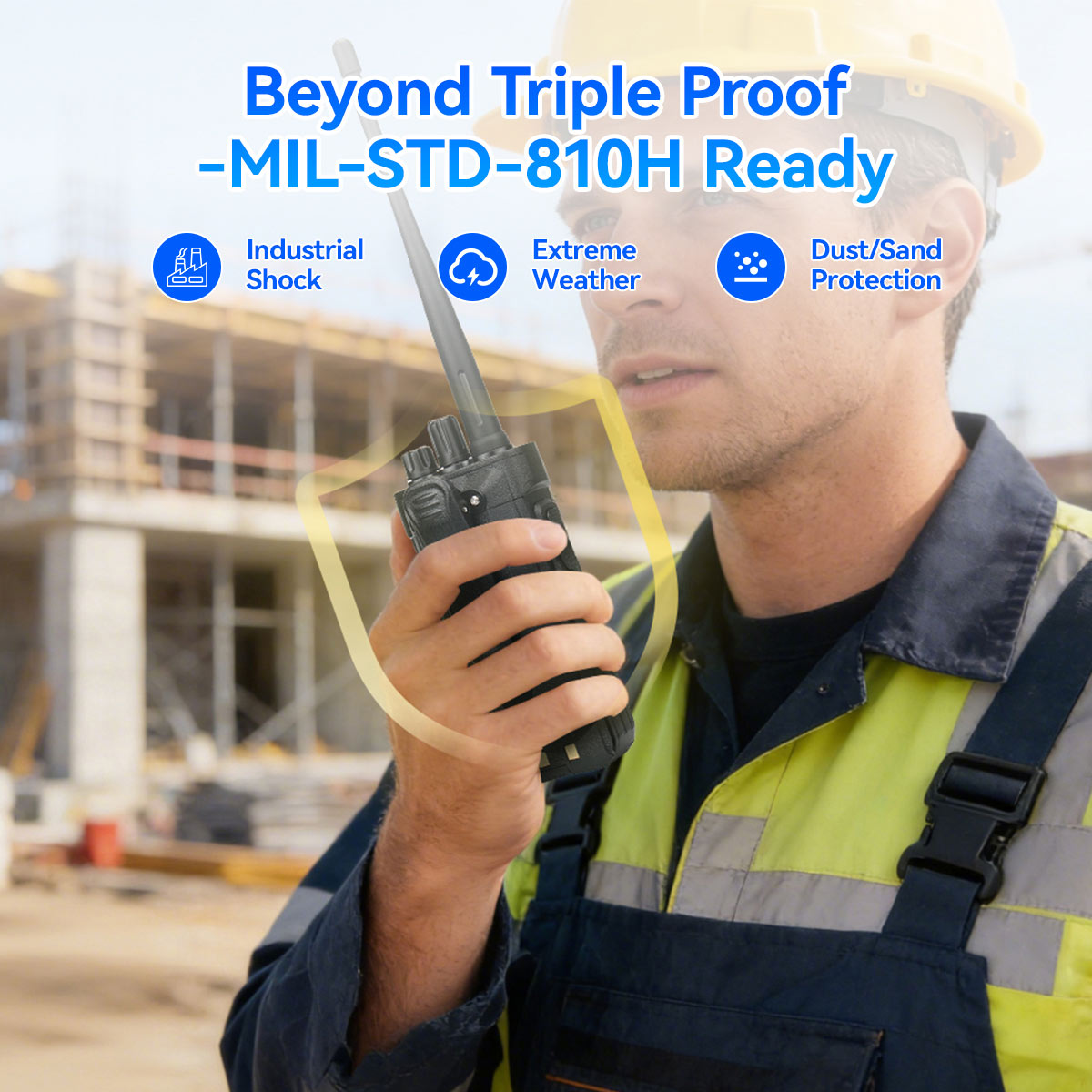
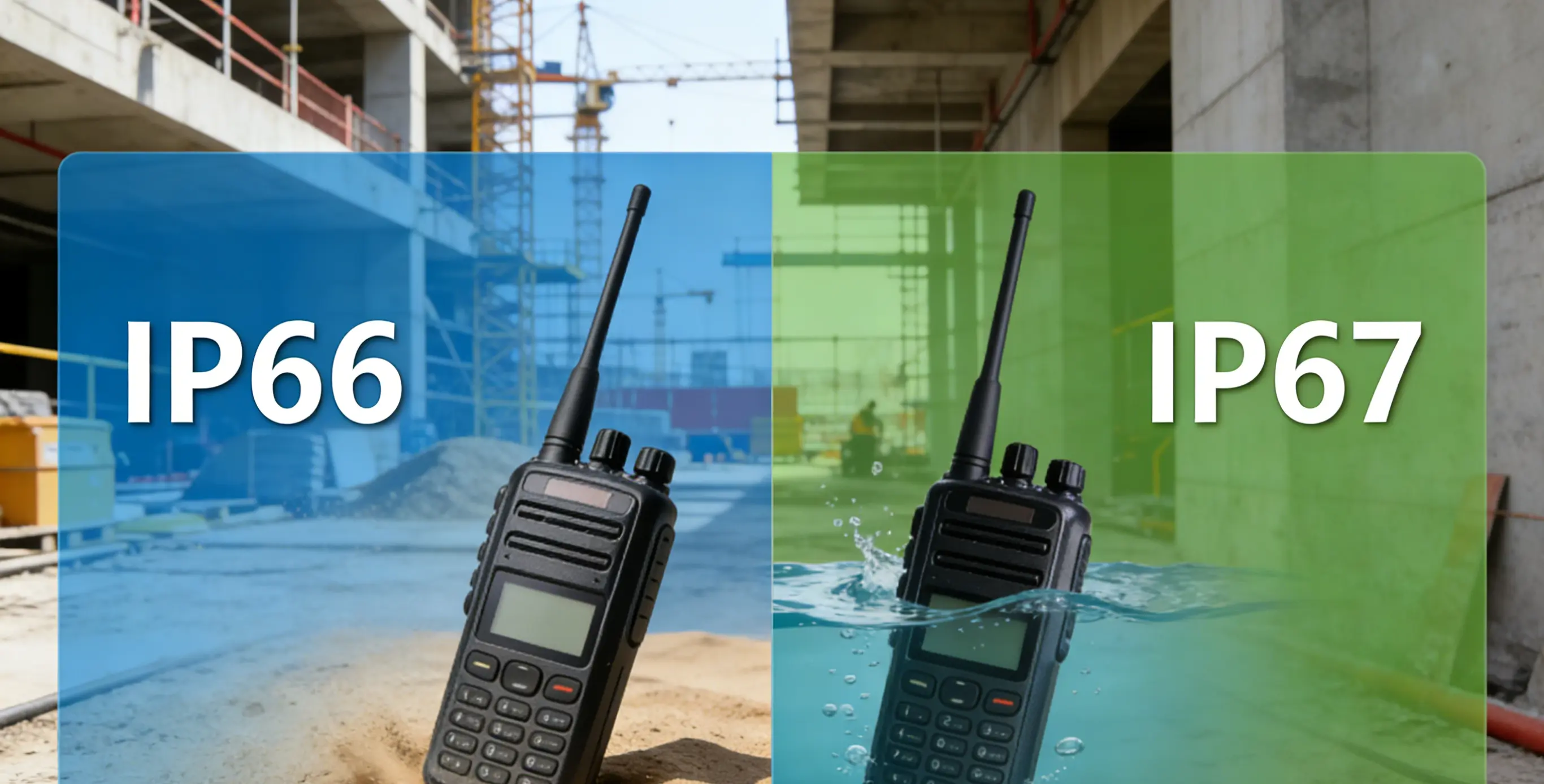
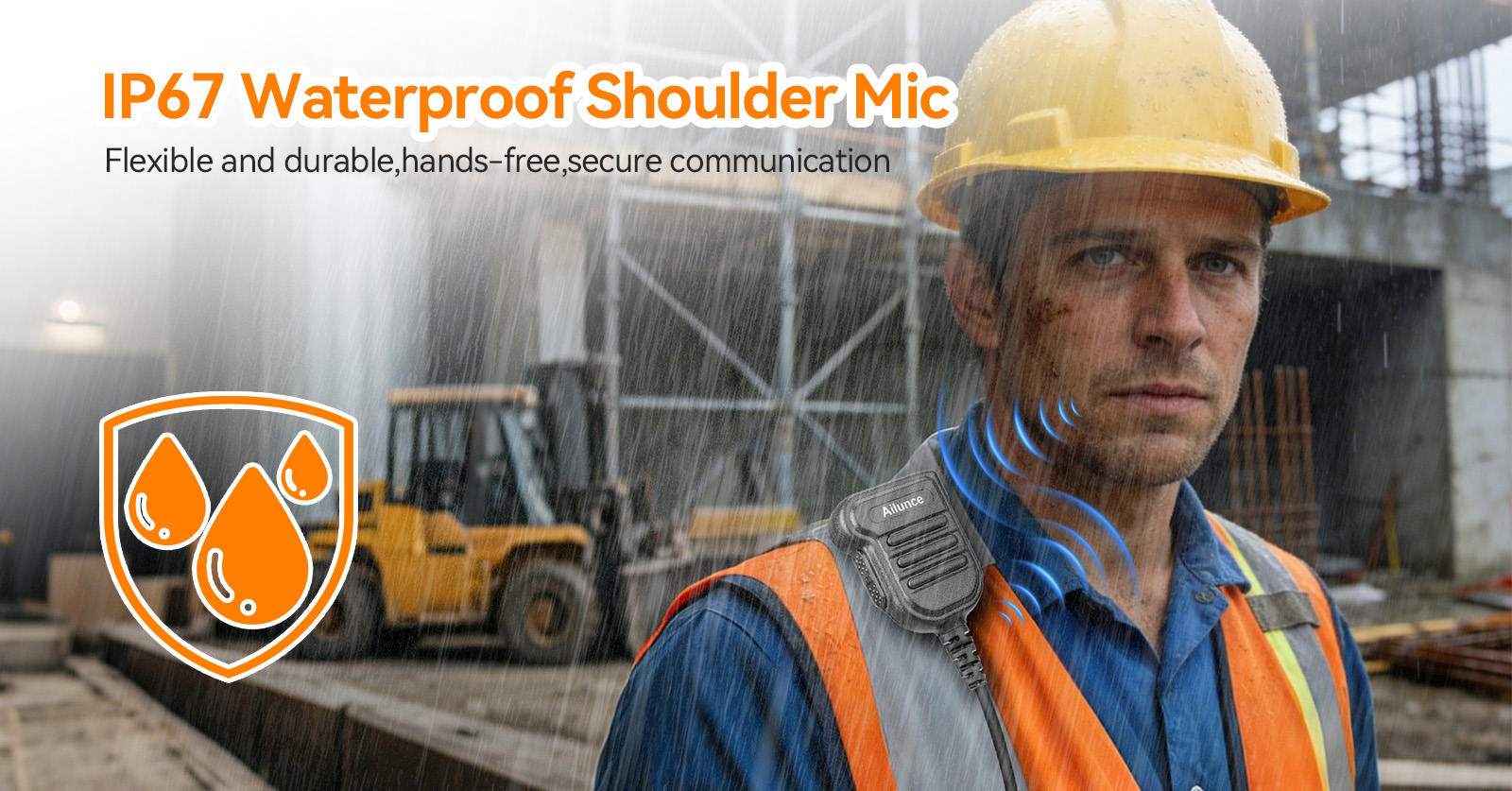
Construction sites face rain, dust, temperature swings and rough handling on a daily basis. Your bid should specify IP67 waterproof rating and military-grade shock resistance. Waterproof walkie talkies survive sudden rainstorms and wet foundation work, while MIL-STD-810H rated units withstand drops from ladders and scaffolding. Documenting these standards in your plan shows you have fully evaluated real-world jobsite risks.
Battery and Charging Infrastructure Planning
A radio is only useful if it lasts through an entire shift. Your communication plan should define battery capacity, expected runtime and charging setup. A high-capacity battery industrial radio with 25+ hours of operation reduces mid-shift battery swaps. Include multi-unit chargers for the site office and outline a daily charging routine so every shift starts with fully powered devices.
Why Military Grade Walkie Talkies Long Range Models Deliver Better Value
Lower Total Cost of Ownership Through Durability
Consumer-grade radios break quickly on active construction sites. Dust seeps into casings, drops crack housings and rain damages internal components, leading to frequent replacements. Industrial rugged radios for construction work use aluminum alloy bodies and industrial sealing, lasting years longer than consumer models and cutting annual replacement costs significantly. For procurement teams tracking total cost of ownership, the higher upfront price pays for itself quickly.
Extended Range Reduces Infrastructure Costs
The best long range walkie talkie models deliver 1–4 km of coverage in urban built-up areas and 5–8 km in open terrain. For large residential subdivisions or spread-out commercial campuses, this level of coverage eliminates the need for expensive repeater infrastructure on many sites. High power output and high-gain antennas also improve signal penetration through concrete, steel and heavy equipment.
Clear Audio Drives Jobsite Efficiency
Construction sites are loud. Heavy machinery, power tools and traffic make communication difficult with basic radios. Quality heavy-duty two-way radio units include adjustable squelch settings, noise-cancelling technology and loud speakers that cut through background noise. Clear audio reduces repeated instructions, speeds up task execution and prevents miscommunication that causes rework.
Built-In Safety Features Protect Your Crews
SOS emergency alert and hands-free VOX operation are not optional on active jobsites. One-touch emergency calling lets workers summon help instantly when an incident occurs, cutting response time. Voice-activated operation keeps workers' hands free while they operate tools, climb ladders or handle materials, directly supporting your site safety program.
Retevis RT29: Built for Heavy Construction Environments
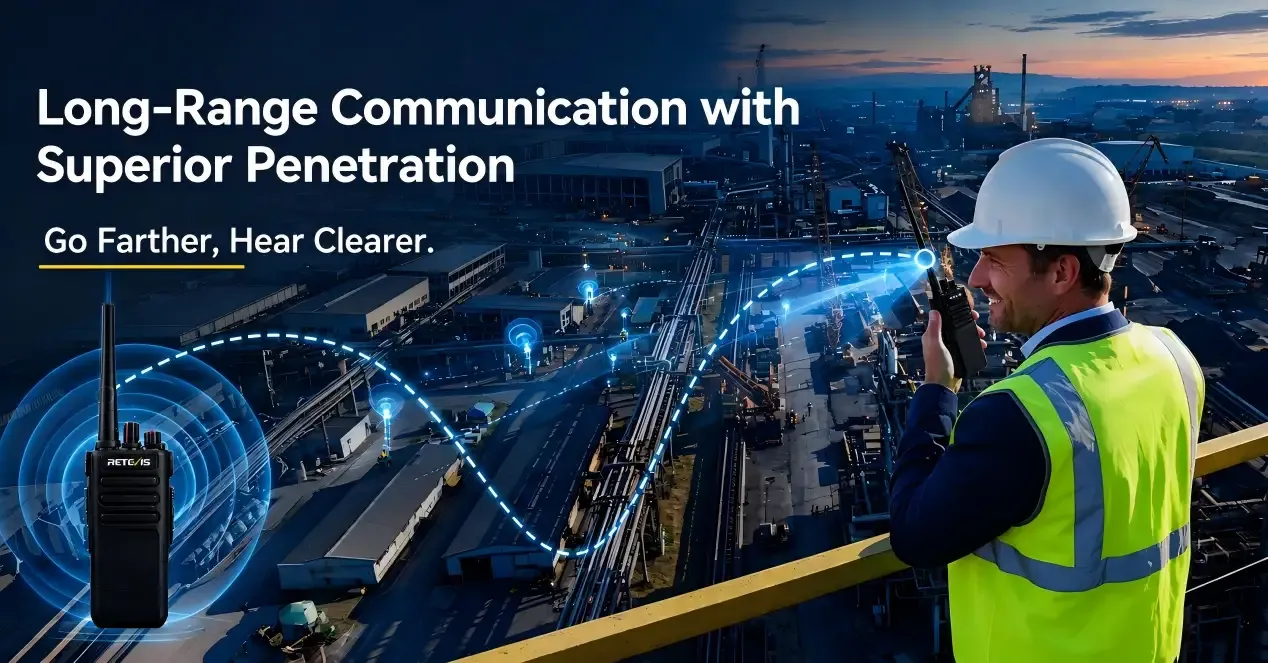
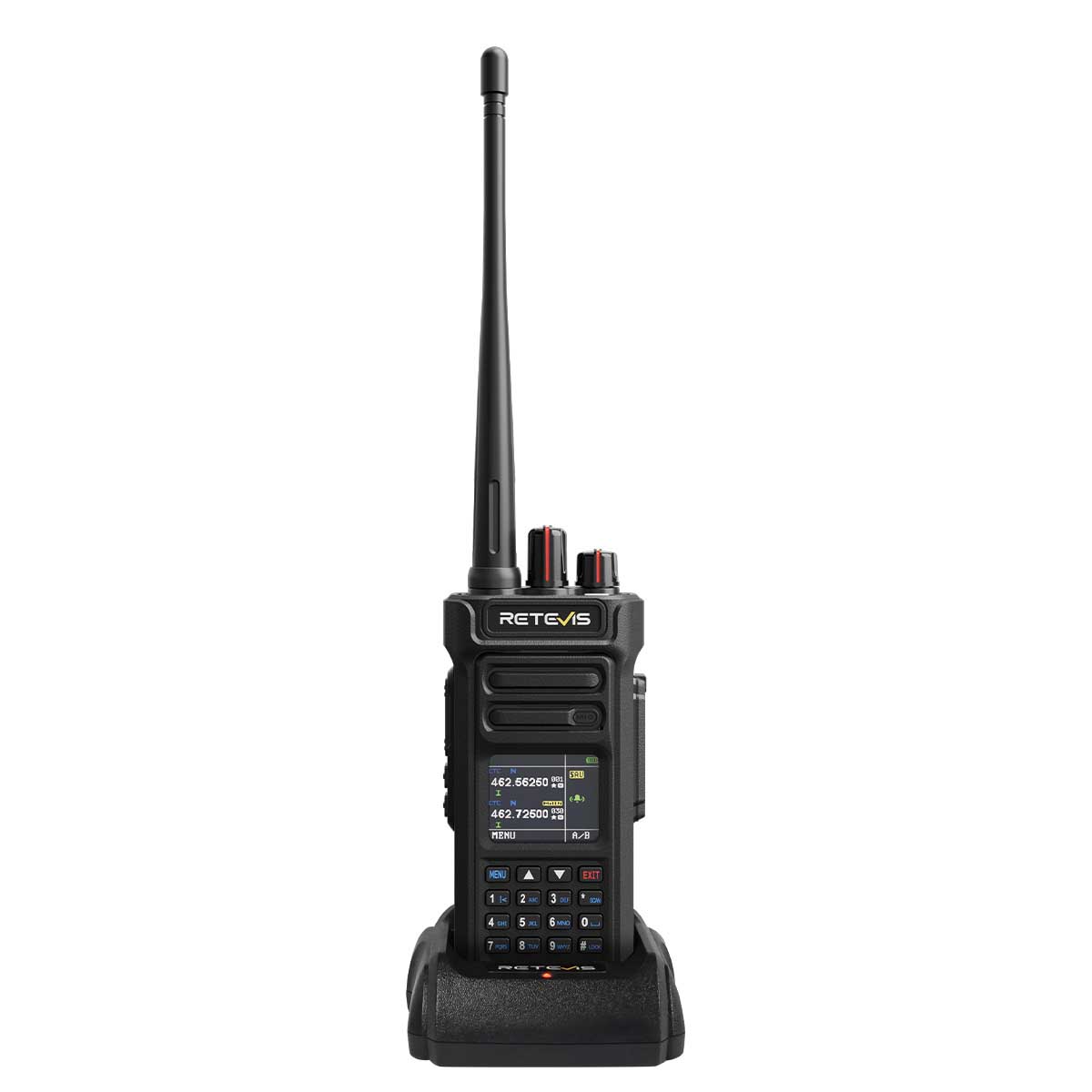
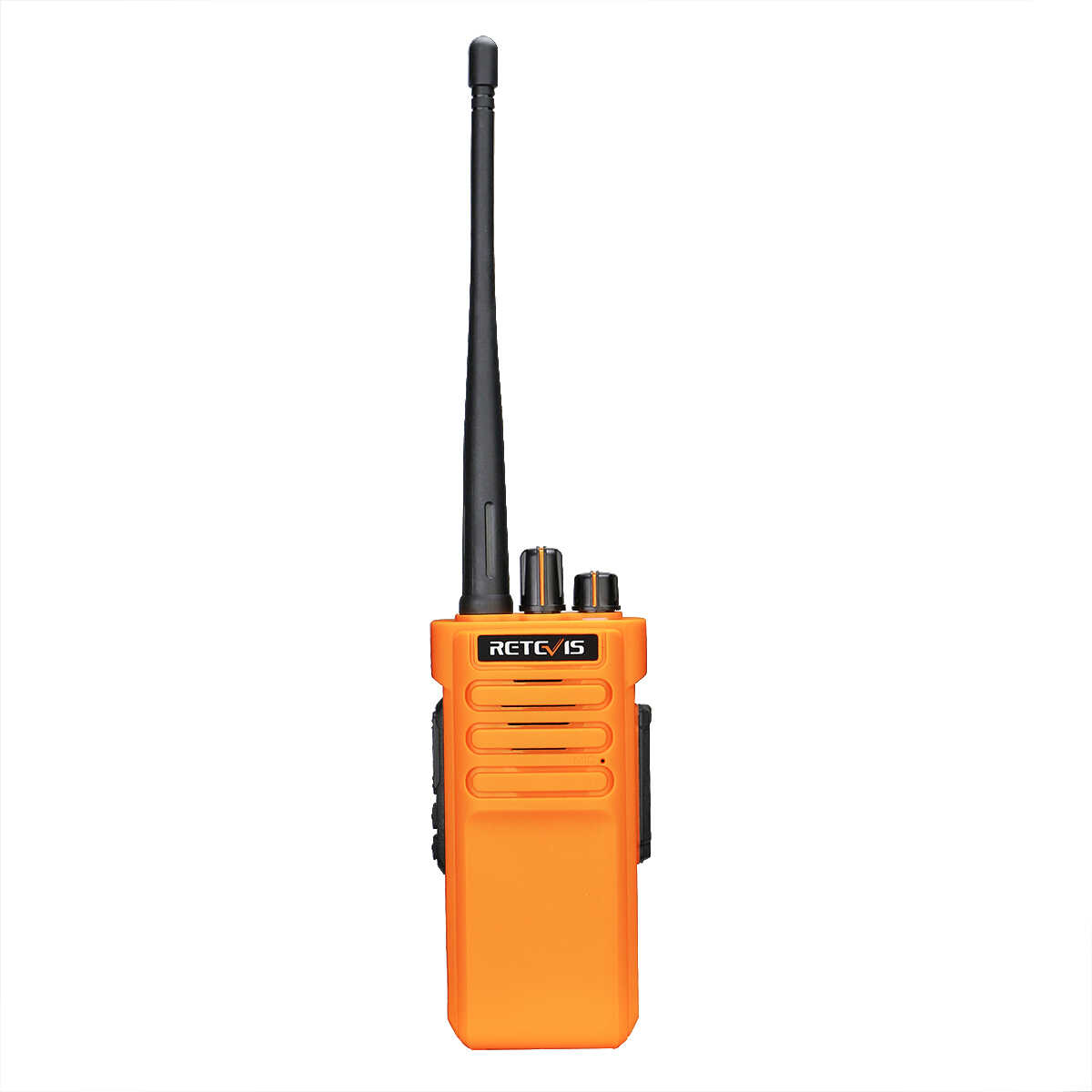
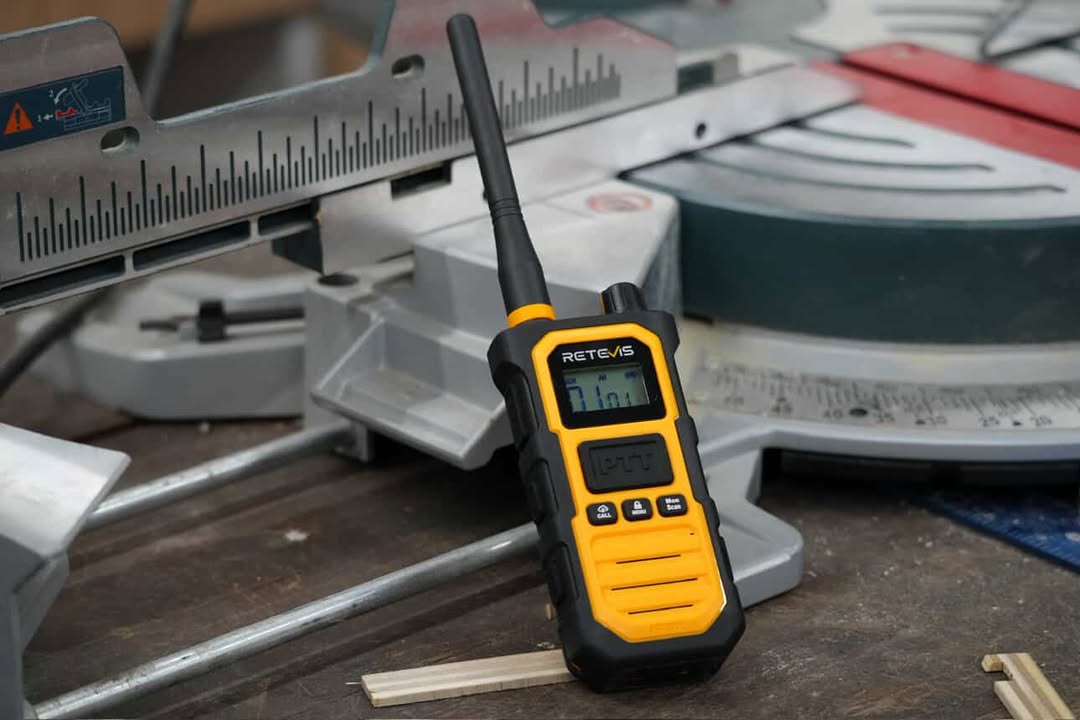
The Retevis RT29 IP67 Waterproof High Power Long Range Radio is engineered specifically for heavy industry and construction work, making it an ideal fit for residential and commercial building projects and a cost-effective choice for fall bid packages.
Rugged, Military-Grade Construction
The RT29 features a military-grade aluminum alloy body and is certified to MIL-STD-810H standards. It survives 2-meter drops, impacts and daily bumps that would disable consumer radios. With an IP67 dustproof and waterproof rating — tested at 1 meter for 30 minutes — it stands up to rain, mud and dusty excavation work without performance loss, making it one of the most reliable waterproof walkie talkies for construction use.
Long Range Coverage for Large Sites
With over 5W of output power and full UHF frequency range, the RT29 delivers 1–4 km of coverage in urban settings and 5–8 km in open areas. Its high-gain antenna improves signal penetration through building structures and equipment. The radio is repeater-ready and compatible with commercial UHF and dispatch systems, so it scales seamlessly as your project moves from groundwork to finishing phases.
All-Day Battery Life
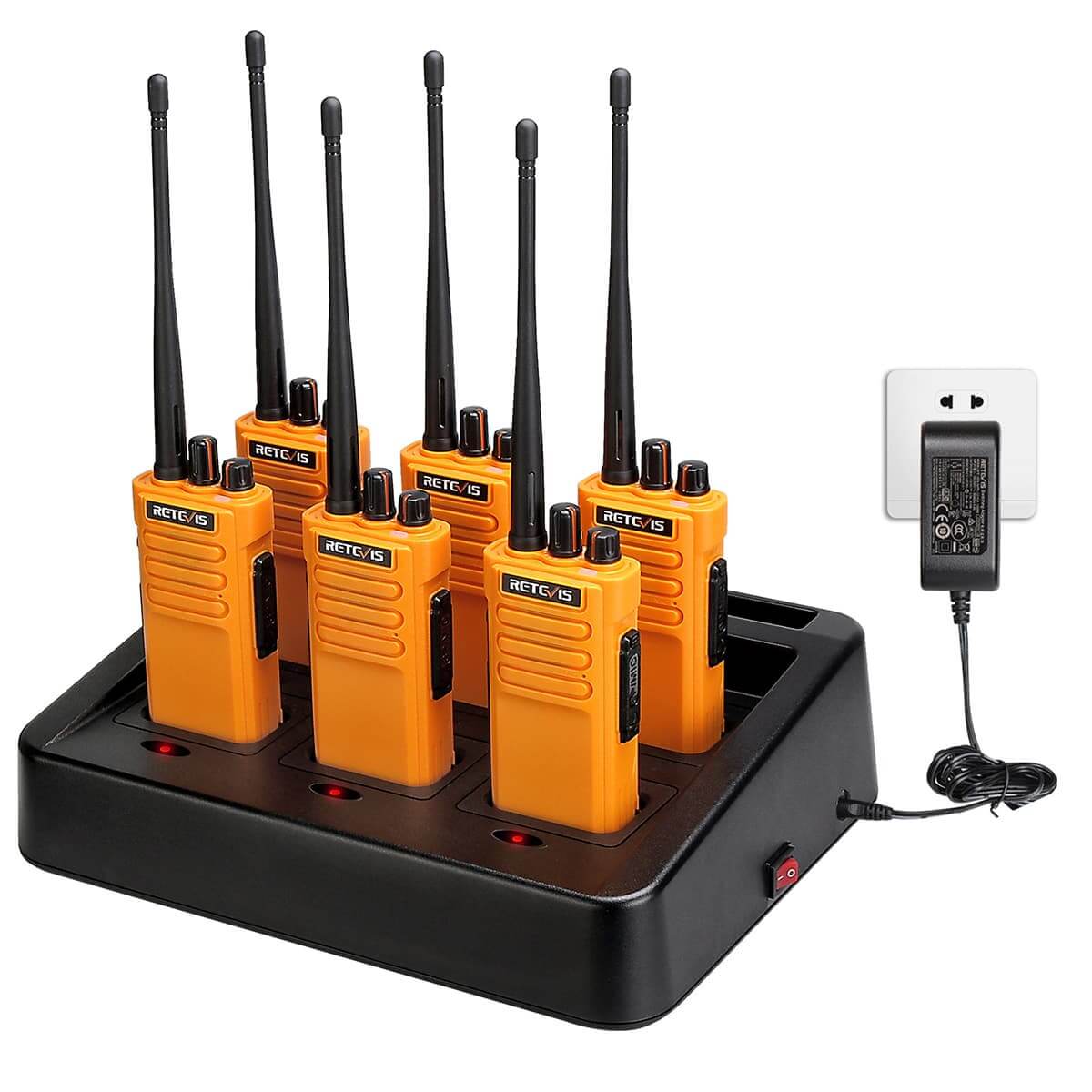
The 3200mAh high-capacity battery delivers 25 hours of continuous operation — enough for full shifts plus overtime. An optional six-way charger lets teams charge multiple units efficiently in the site office. As a high-capacity battery industrial radio, the RT29 minimizes charging logistics and downtime on active jobsites.
Clear Audio and Practical Jobsite Features
Integrated noise-cancelling technology and 0–9 level adjustable squelch ensure intelligible audio around heavy machinery. The 16-channel design lets you assign separate channels to different trades or work zones. Large tactile buttons work with work gloves, and hands-free VOX operation supports workers who need both hands free. The one-touch SOS emergency alert adds a critical safety layer for every crew.
Summary and Next Steps
Answering how many two way radios do I need for a construction site starts with mapping your work zones, counting your teams, applying standard staffing ratios and adding 10–15% spare units. For a typical mid-size commercial project, that works out to roughly one radio for every 2.5–3 workers when you include supervisors, equipment operators and safety staff.
For your fall bid communication plan, remember to cover four core pillars: fleet sizing methodology, environmental durability standards, battery and charging infrastructure, and total cost of ownership. Specifying heavy-duty radios for job sites with IP67 protection, military-grade build quality and long-range performance will strengthen your bid and reduce operational headaches once construction begins.
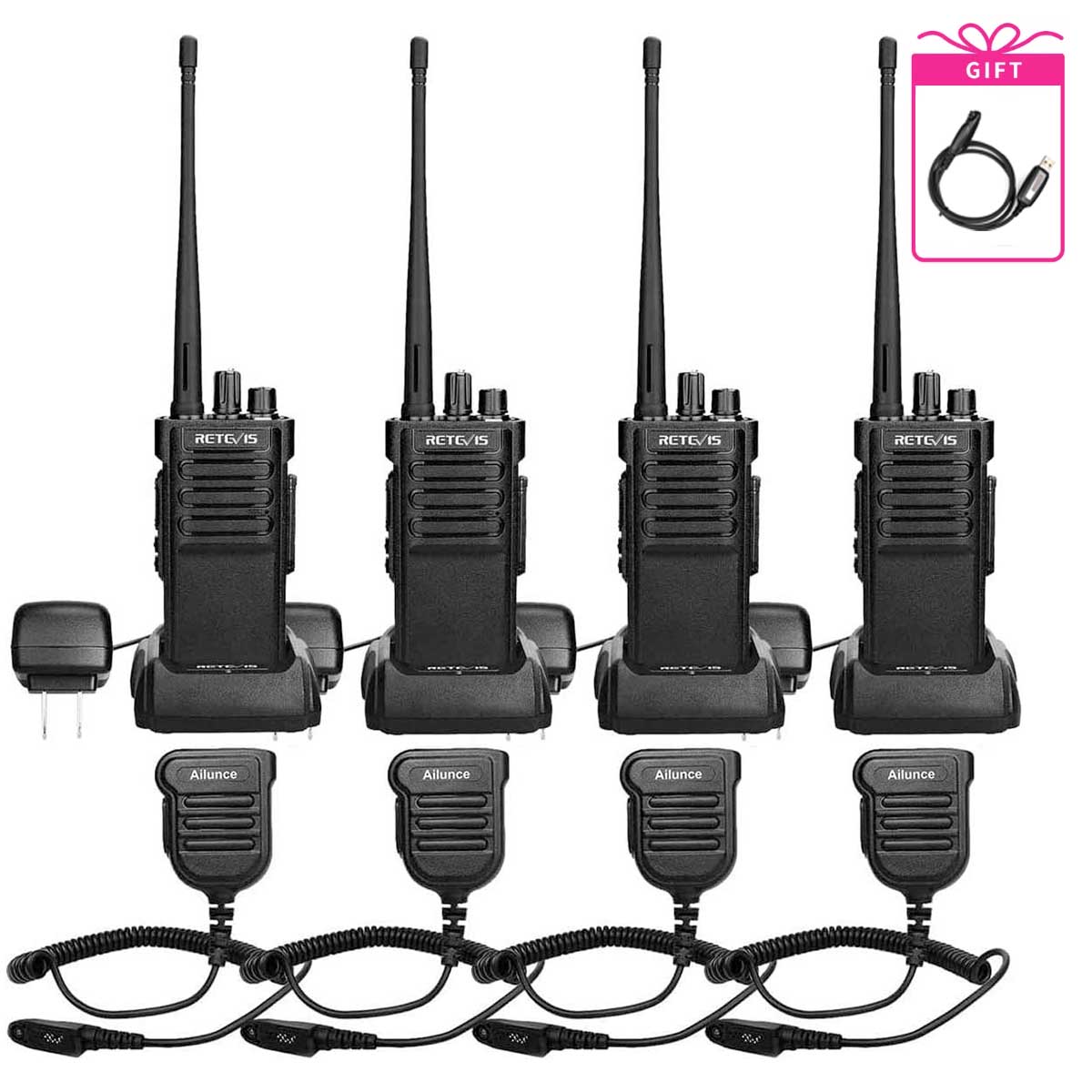
If you are finalizing your 2026 project equipment list and evaluating military grade walkie talkies long range options, the Retevis RT29 deserves a place in your comparison. Request a formal quote for your calculated fleet size, including spares and multi-unit chargers, and add it to your fall bid package with confidence.



 Google
 Amazon
Comments
No data Yet