

Table of Contents
Construction Radios for Large Crews: How to Keep Communication Reliable as Teams Grow
- Posted by:Retevis
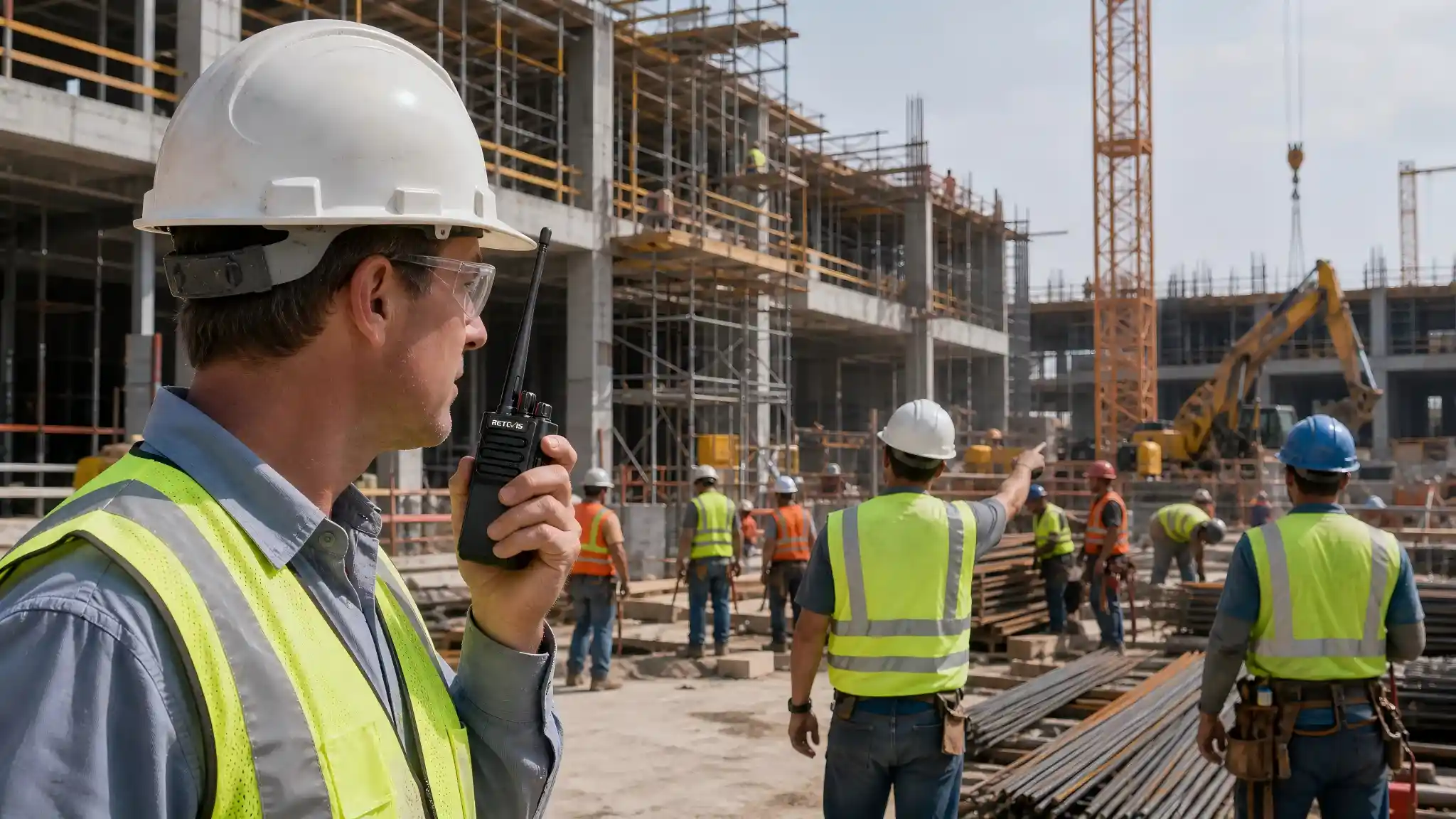
When a construction project grows fast, communication pressure grows with it. New subcontractors arrive. More workers join the site. Different teams start working in different zones at the same time. What looked like a manageable setup at the start can quickly become too small for the job. That is why construction radios for large crews matter so much. The best two way radios for construction crews are not just about having more devices. They are about keeping the whole site clear, connected, and ready to move as the team expands.
For many projects, this is where the real challenge begins. A larger crew needs more than basic coverage. It needs long range construction radios that can keep up with changing work zones, subcontractor activity, and fast site decisions. It also needs jobsite communication systems that stay simple, durable, and easy to use when the team changes quickly.
1. Why Growing Construction Crews Create Communication Challenges
A growing crew brings more hands to the site, but it also brings more communication points. One foreman may now need to speak with several subcontractors, equipment operators, safety staff, and labor teams at the same time. The site becomes more active, more layered, and harder to manage.
Subcontractors join fast
When subcontractors arrive, they often need quick onboarding. They need to know who to report to, which zone they should work in, and how to stay in contact with the rest of the team. If communication is not clear from the start, small mistakes begin to stack up.
Teams expand quickly
On a smaller site, a few radios may be enough. On a growing site, that same setup may no longer cover everyone. As more workers join, the site needs a stronger and more organized communication flow.
Multiple work zones operate together
Large projects often run more than one task at the same time. One crew may be working on framing while another handles concrete, utilities, or material movement. That means more people need updates, more often, and from different locations.
This is why communication solutions for large construction sites matter so much. Growth should not create confusion. It should create more output, better coordination, and faster progress. That only happens when the communication system grows with the site.
2. How Poor Communication Slows Down Large Construction Projects
When communication breaks down, the effects show up fast.
Missed instructions
A worker may not hear a change in the plan. A subcontractor may start in the wrong area. A delivery team may arrive before the site is ready. These small misses can create larger delays later in the day.
Delayed decisions
Construction work moves fast. A delay in one decision can affect several other teams. If the right person cannot be reached quickly, the whole project loses momentum.
Safety risks
Clear communication is part of site safety. Workers need to know where to go, what to avoid, and when to stop. If a message is not heard clearly, the risk goes up.
Scheduling problems
A project with many teams depends on timing. One missed call can throw off the next step. If the site cannot communicate in real time, schedules become harder to keep.
These are some of the most common construction site communication problems. They do not always look serious at first, but they can slow down the whole project. In a growing jobsite, that kind of slowdown is expensive.
3. Why Adding More Radios Does Not Always Fix Communication Issues
When a site gets bigger, the first reaction is often simple: add more radios. That can help, but it does not solve everything.
Range limitations
A radio may work well in one part of the site but not in another. If the crew spreads out across several zones, coverage can become uneven.
Unclear audio
A radio that sounds weak or noisy does not help much, even if there are enough units on site. Workers still need to hear instructions clearly.
Complicated operation
If a radio is hard to use, new workers and subcontractors waste time figuring it out. On a fast-moving site, that slows everything down.
Channel confusion
More radios can also mean more chances for channel mistakes. If different teams are not set up the same way, communication becomes messy instead of cleaner.
This is why best two way radios for construction crews are not just about quantity. They are about the right system. A growing jobsite needs radios that are easy to understand, strong enough to cover the site, and simple enough for different crews to use without extra training.
4. Key Features Growing Construction Teams Need in Two Way Radios
Not every radio fits a fast-growing construction site. A good system should support the way the site actually works.
Strong audio
Clear sound is essential. Workers need to hear commands, safety updates, and job changes without asking for repeats.
Long range
A larger site needs stronger coverage. If different crews are working far apart, the radio system must still connect them.
Durability
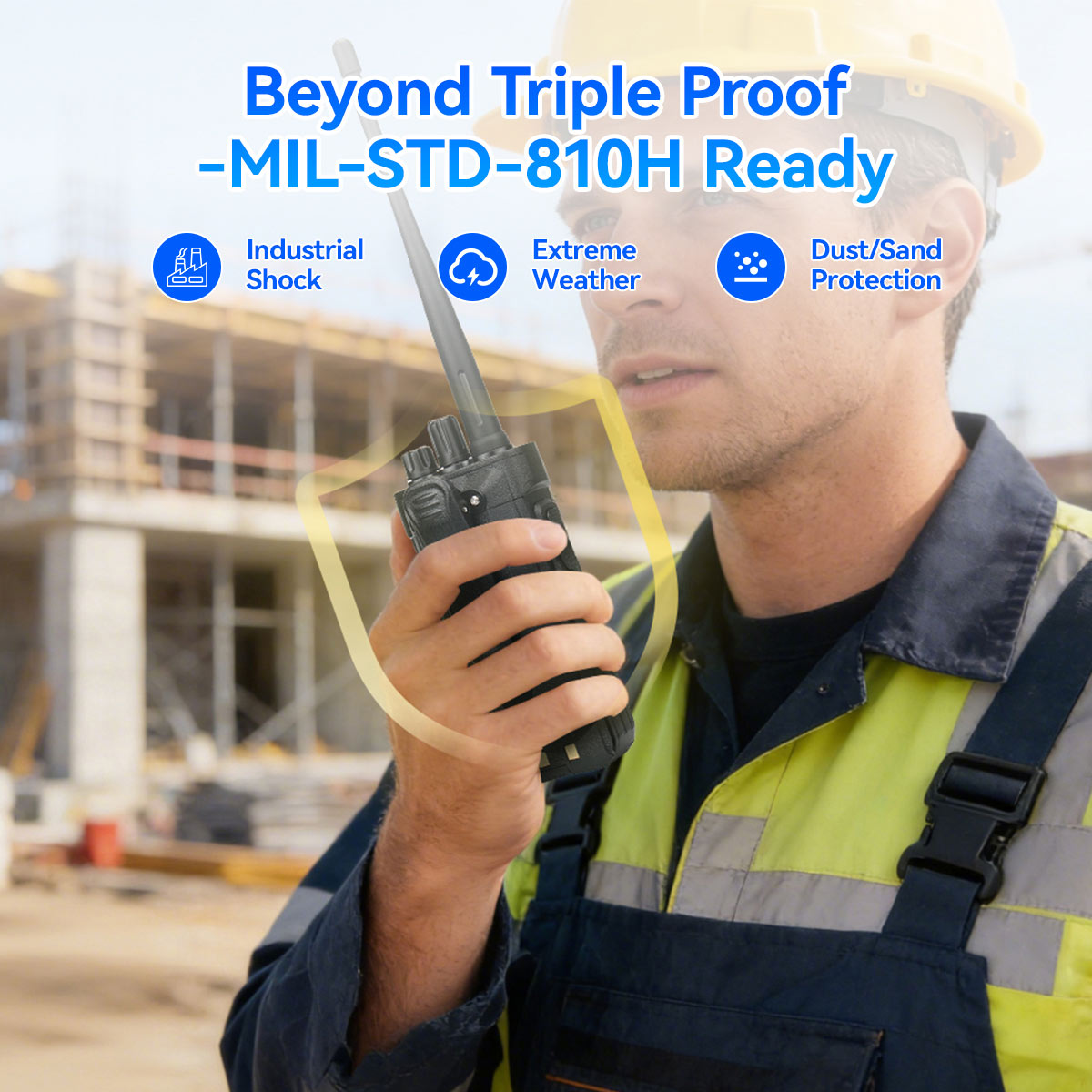
Construction sites are rough places. Radios need to handle dust, drops, movement, and daily wear without becoming a weak point.
Battery life
A growing crew often works long hours. Radios should last through the shift without constant charging.
Easy operation
The best radio is the one people can use quickly. New subcontractors should not need a long lesson just to stay in contact.
These features are the foundation of reliable jobsite communication systems. When the system is simple, strong, and easy to use, the whole site works better.
5. Building a Scalable Communication System for Growing Jobsites
A scalable communication system is one that still works when the crew gets bigger. That is the real goal.
The system should not just handle today’s team. It should also handle next week’s crew expansion, the next subcontractor group, and the next new work zone.
Keep the setup simple
When a jobsite grows, complex tools become harder to manage. Radios should be easy to assign, easy to understand, and easy to keep aligned across the team.
Support long-distance communication
Large crews often spread out. A system with strong coverage helps keep everyone in the same communication loop.
Choose equipment that lasts
A growing jobsite needs gear that can keep up. Durability and battery performance matter just as much as audio quality.
Make sure the team can learn it fast
The more people who join the site, the more important ease of use becomes. A scalable radio system should work for experienced supervisors and new workers alike.
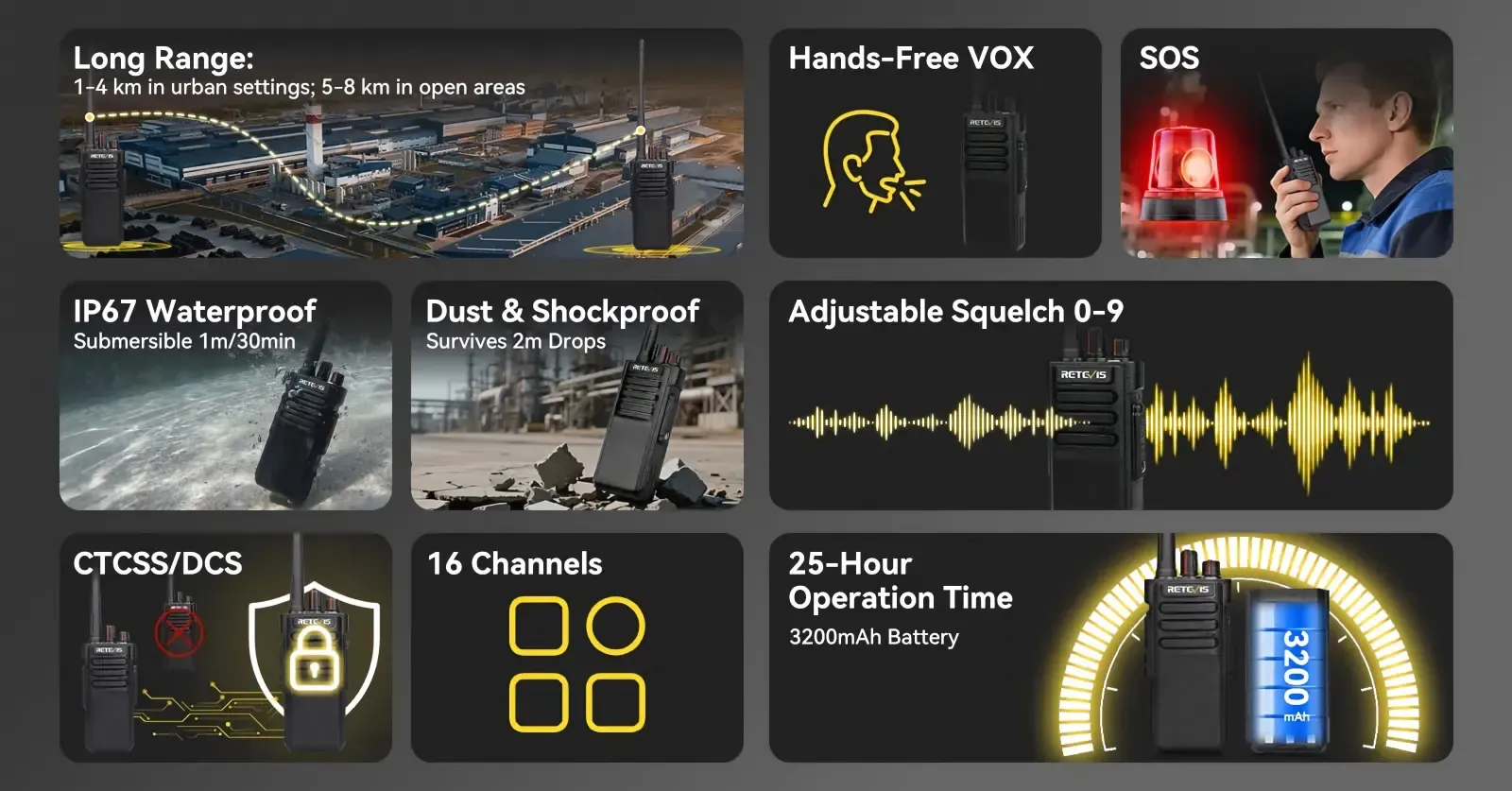
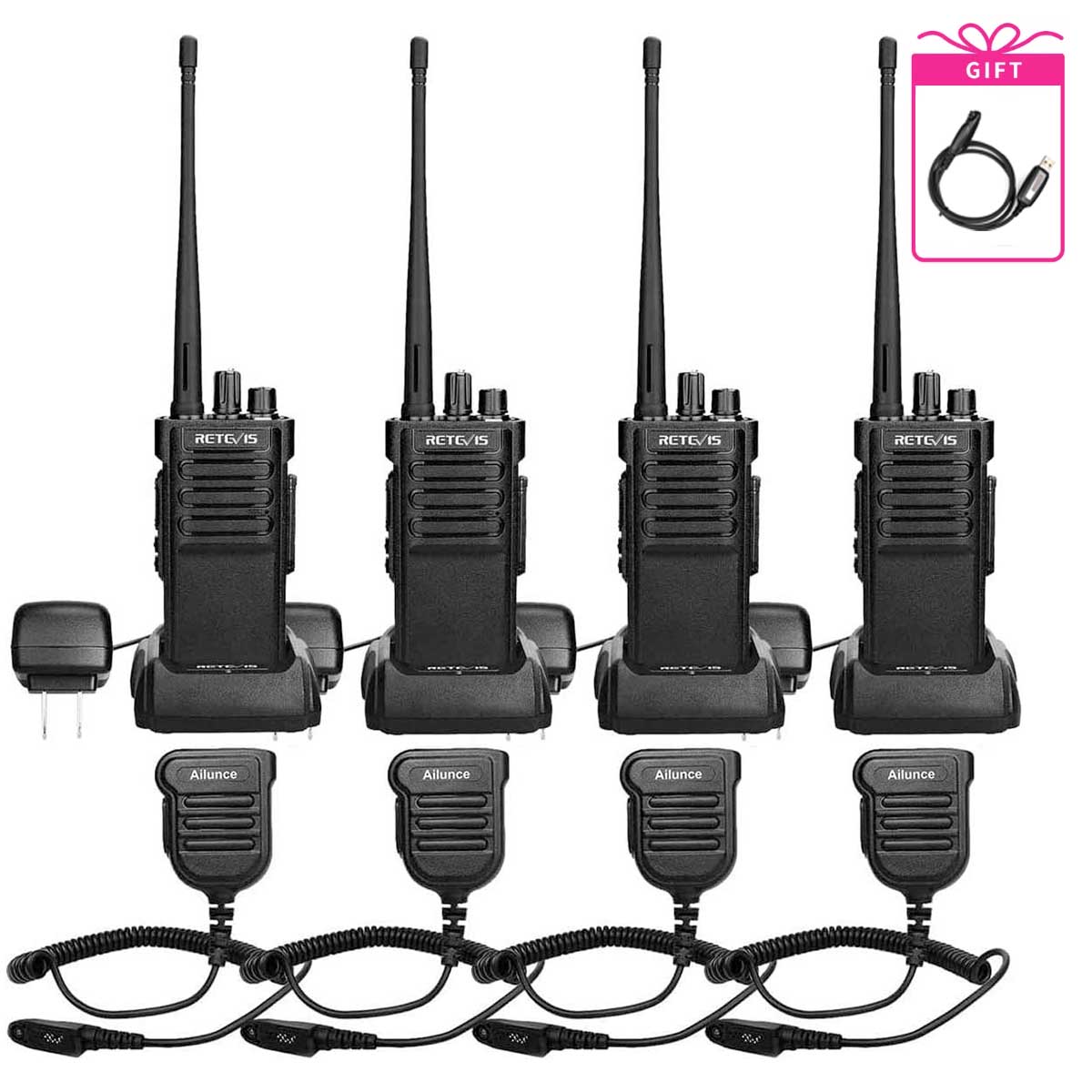
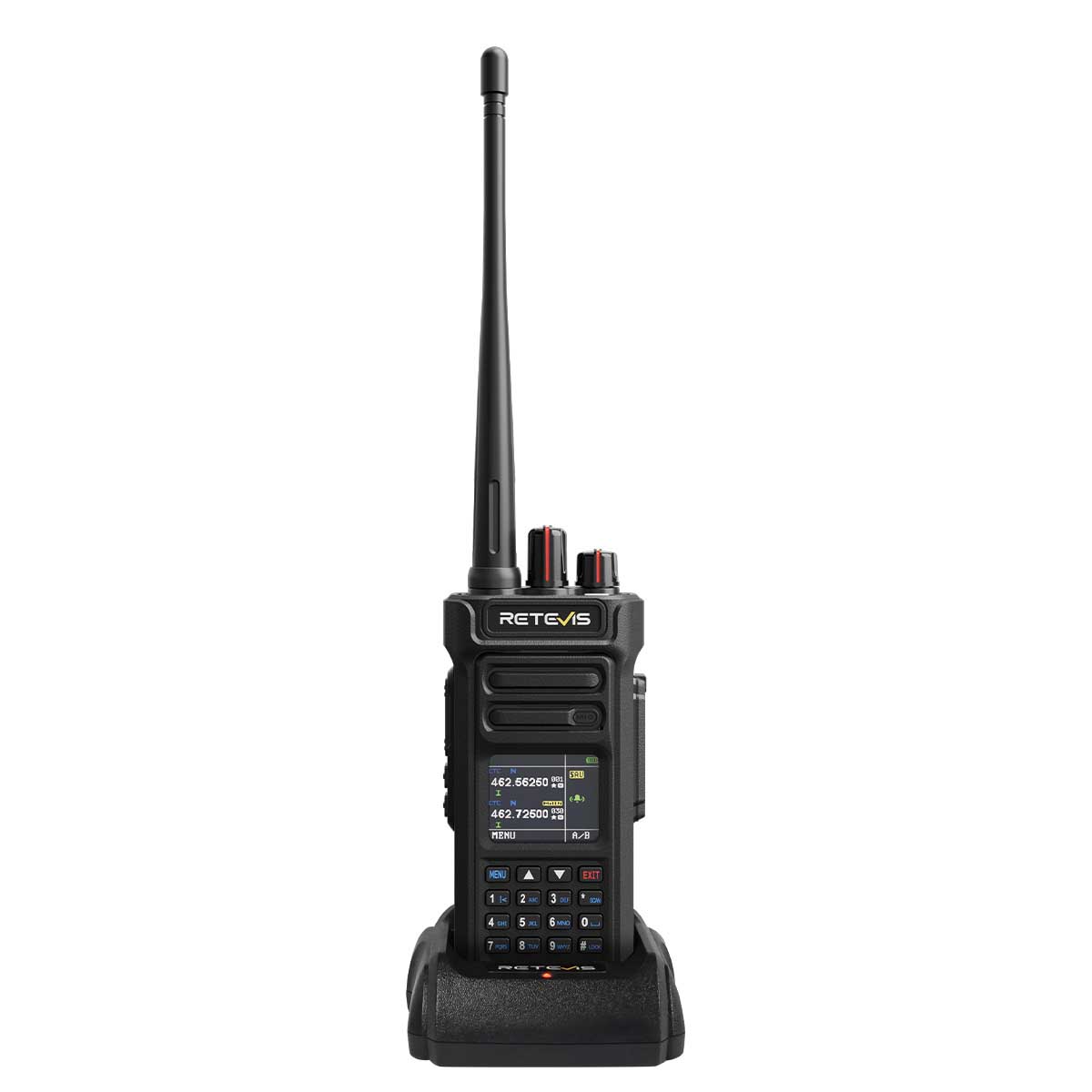
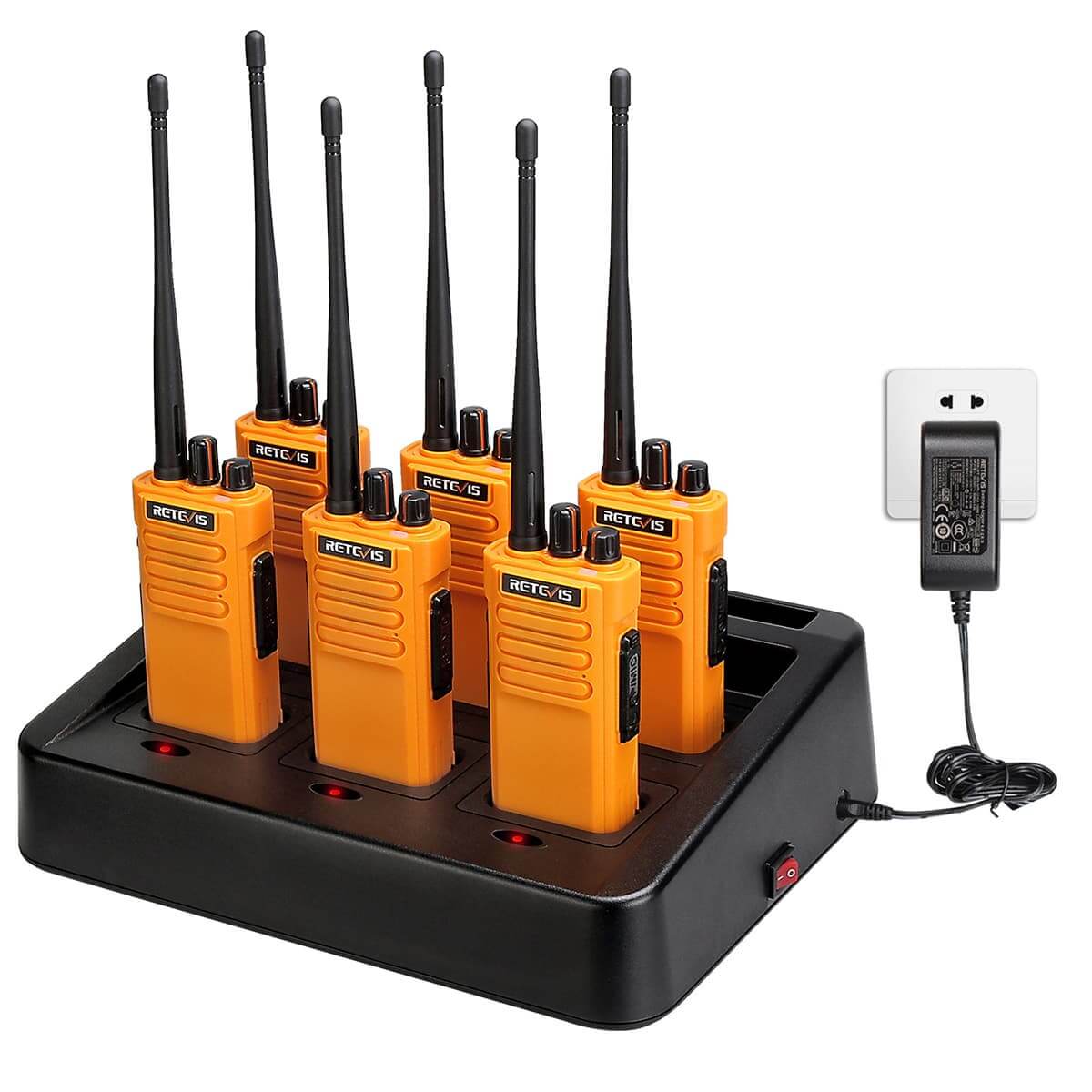
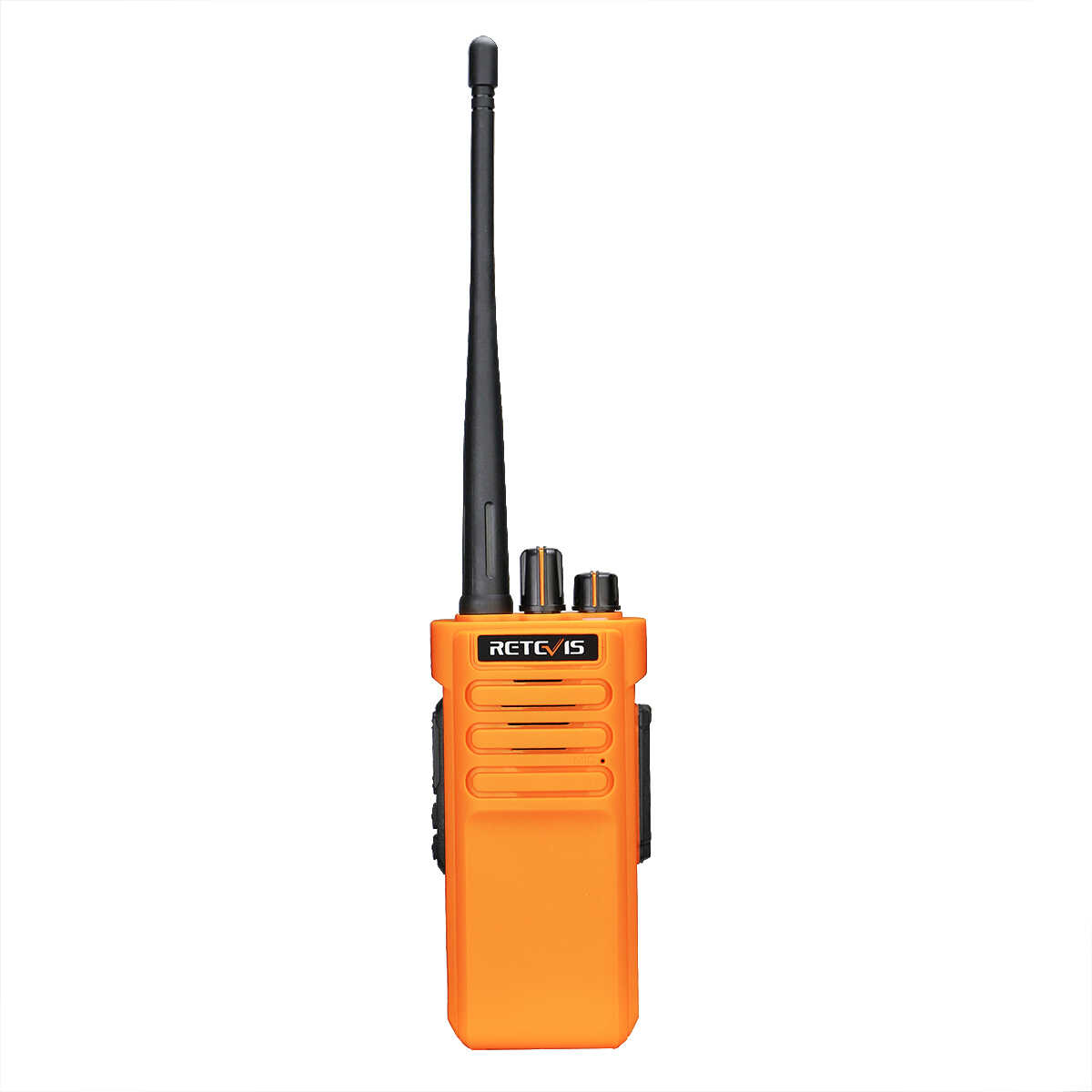
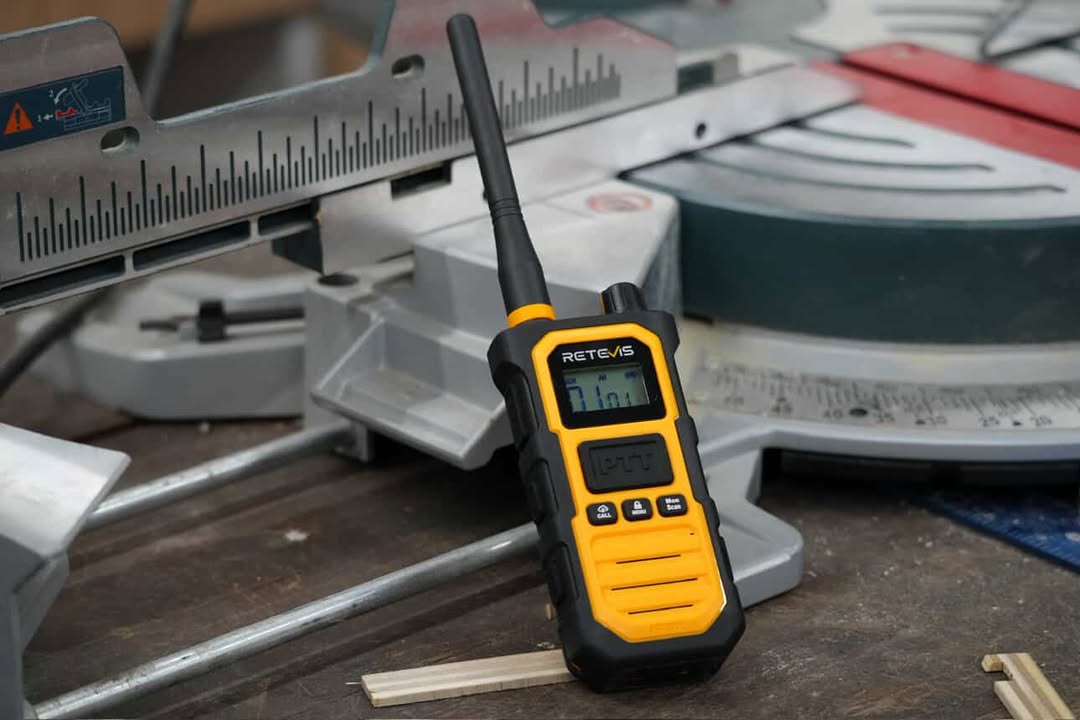
This is where Retevis RT29 becomes a practical option. It is built for strong communication, long-distance use, and simple control. For sites that need a dependable radio as the crew expands, it fits the need for a more scalable setup without adding extra complexity.
6. How Reliable Radios Help Keep Large Crews Coordinated
Good communication is not only about talking. It is about keeping the whole site aligned.
Safety
When crews hear instructions clearly, they can move safely and avoid mistakes. That matters even more when many teams are working at once.
Efficiency
A site that communicates well moves faster. Teams do not waste time waiting for updates or searching for the right person.
Teamwork
When everyone stays connected, it is easier to coordinate work across zones. One team’s progress no longer depends on guesswork from another.
Reliable construction radios for large crews help turn a growing site from a communication challenge into a manageable operation. The right system keeps people connected even when the job becomes more complex.
Final Takeaway
When a construction crew grows fast, communication has to grow with it. More workers, more subcontractors, and more work zones all raise the pressure on the site. If the communication system does not scale, the result is missed instructions, slower decisions, and more risk.
That is why construction radios for large crews should be planned early. The best systems are not just about adding more devices. They are about choosing long range construction radios, jobsite communication systems, and communication solutions for large construction sites that can keep up with real jobsite growth.
For growing teams, the right radio setup is not just a tool. It is part of the site’s ability to stay safe, efficient, and coordinated as the crew expands.



 Google
 Amazon
Comments
No data Yet