

Table of Contents
Rugged Two Way Radios for Fall Construction: How to Stay Connected in Changing Weather
- Posted by:Retevis
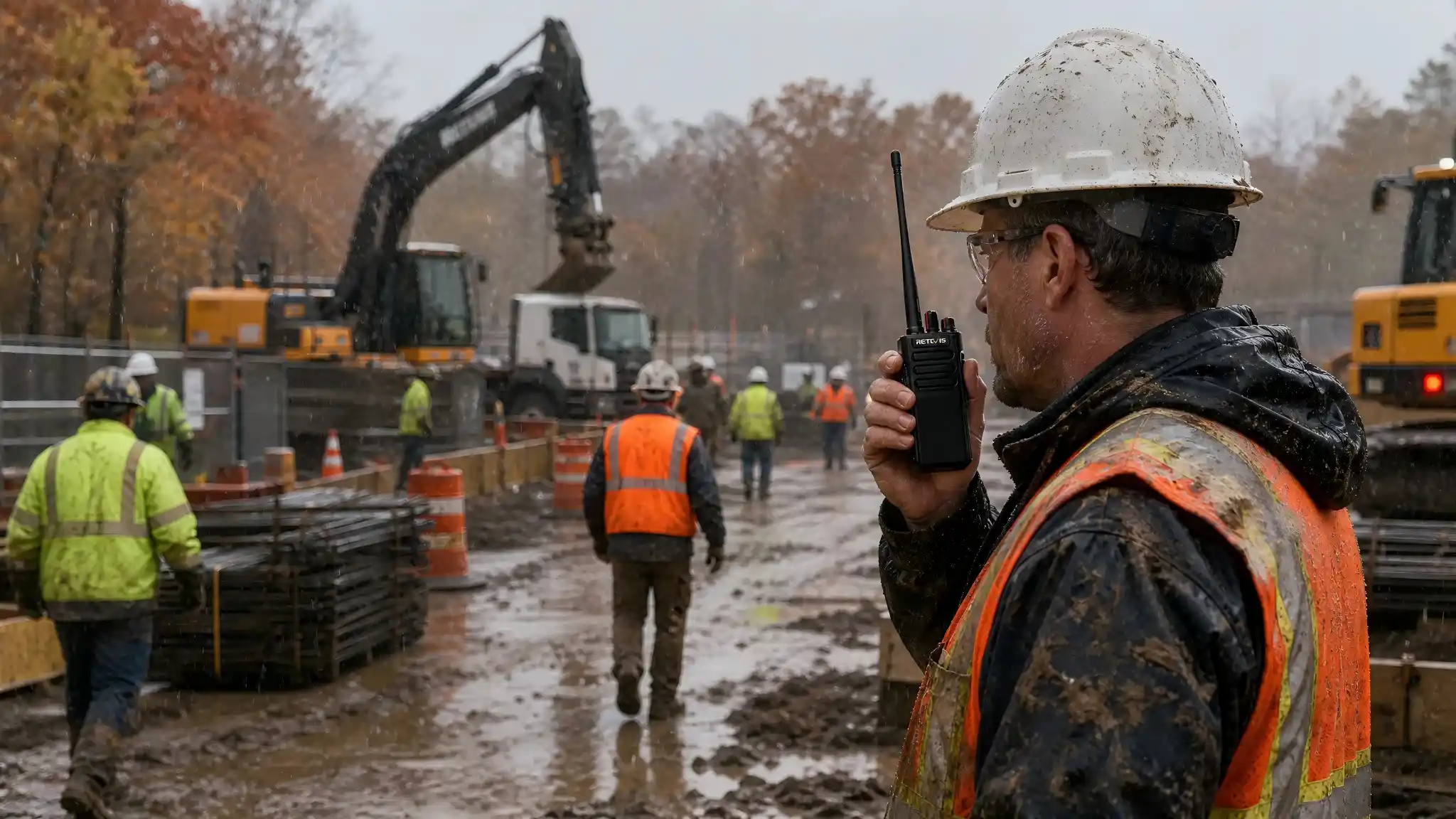
Fall construction brings a set of challenges that are easy to underestimate. The weather can shift during a single workday. Rain may start in the morning and clear up by lunch. Wind can rise in the afternoon. Temperatures can drop without warning, and the site can turn wet, muddy, or harder to move through. These changes affect more than comfort. They affect communication, timing, safety, and the pace of work.
That is why Rugged Two Way Radios matter so much in fall construction. A reliable radio is not just a tool for talking. It is part of how a jobsite stays organized when conditions change. For many crews, the best rugged two way radios for construction workers are the ones that keep communication clear when the weather gets less predictable. That means better audio, stronger durability, stable range, and simple controls that still work when workers are cold, wet, or wearing gloves.
1. Why Changing Fall Weather Challenges Construction Communication
Fall weather changes the way a construction site works.
A dry, warm morning can turn into a damp and windy afternoon. That kind of shift affects how workers move, how materials are handled, and how easily people can hear one another. Communication becomes harder because the site itself is less stable.
When the weather changes, workers may spread out faster to finish tasks before rain gets worse. Some teams move under partial cover. Others stay outside and keep working through wet conditions. At the same time, supervisors still need to keep everyone aligned. That makes communication more important, not less.
The real problem is that many jobsites depend on fast, direct updates. If the radio system cannot keep up with changing conditions, the entire site feels the effect. Crews lose time, instructions get repeated, and small delays start to stack up. That is why many managers start looking for durable two way radios for construction sites before fall weather creates bigger problems.
2. How Rain, Wind, and Cold Conditions Affect Jobsite Radios
Fall weather affects radios in more ways than many people expect.
Rain makes the environment harder to trust
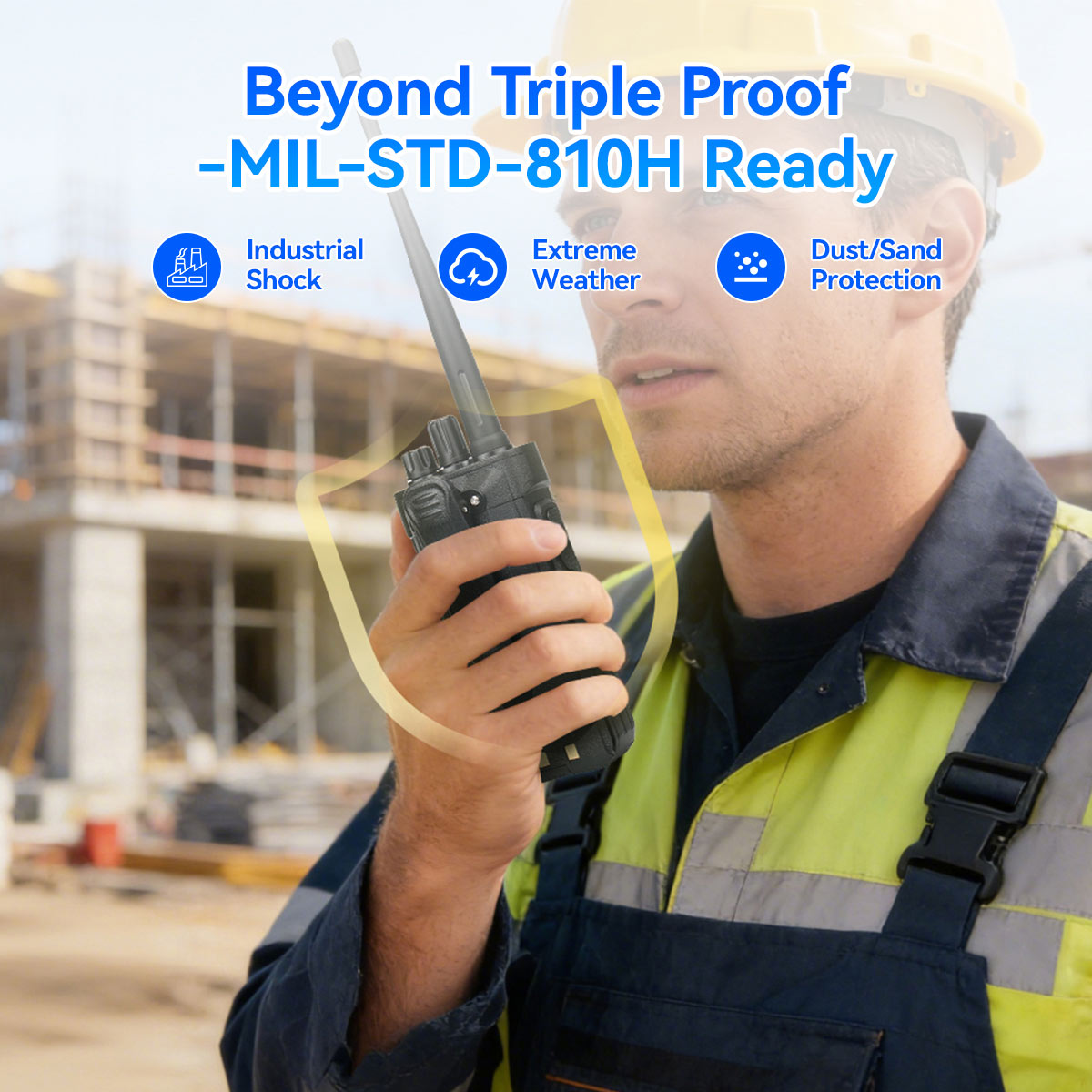
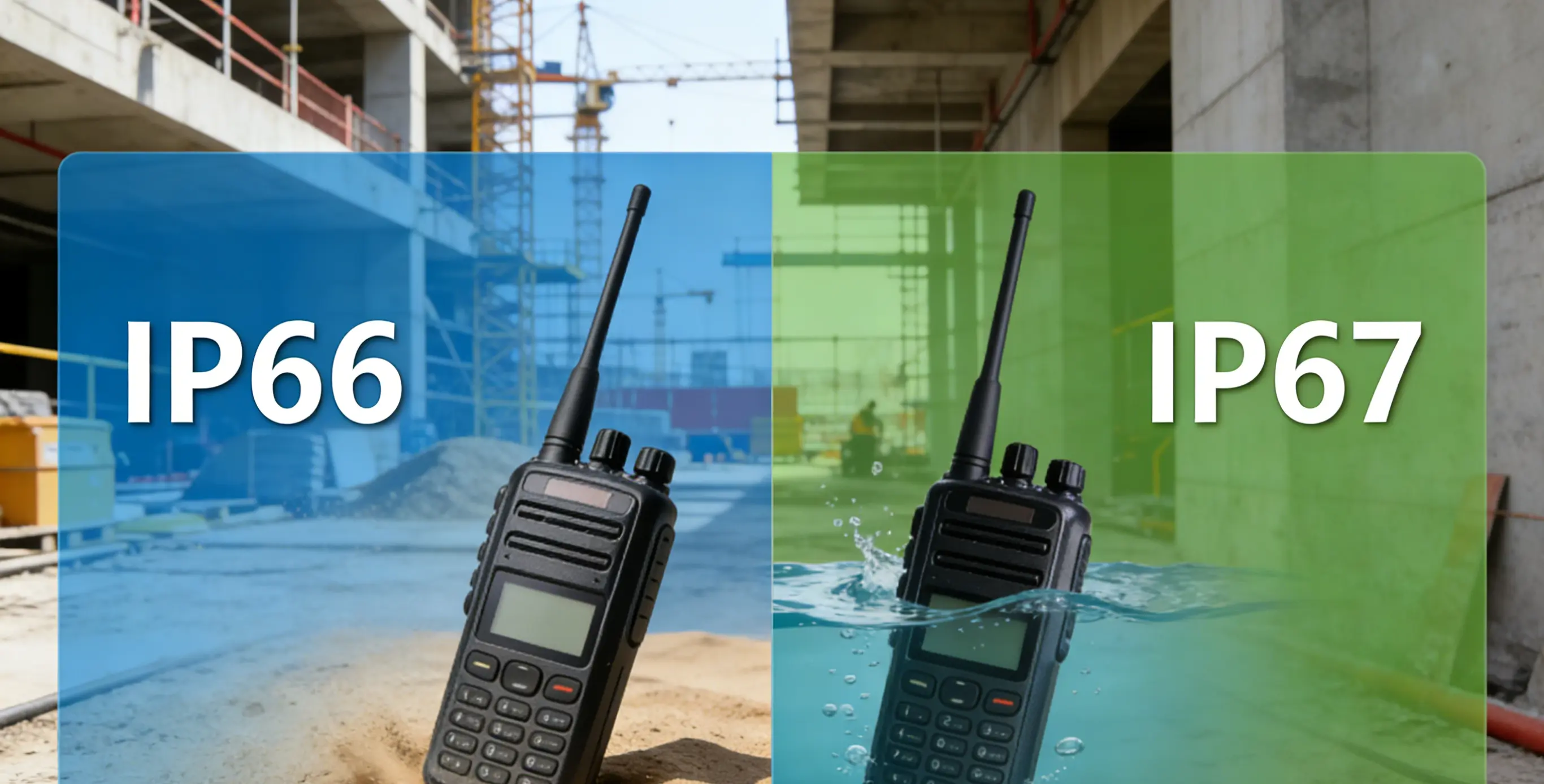
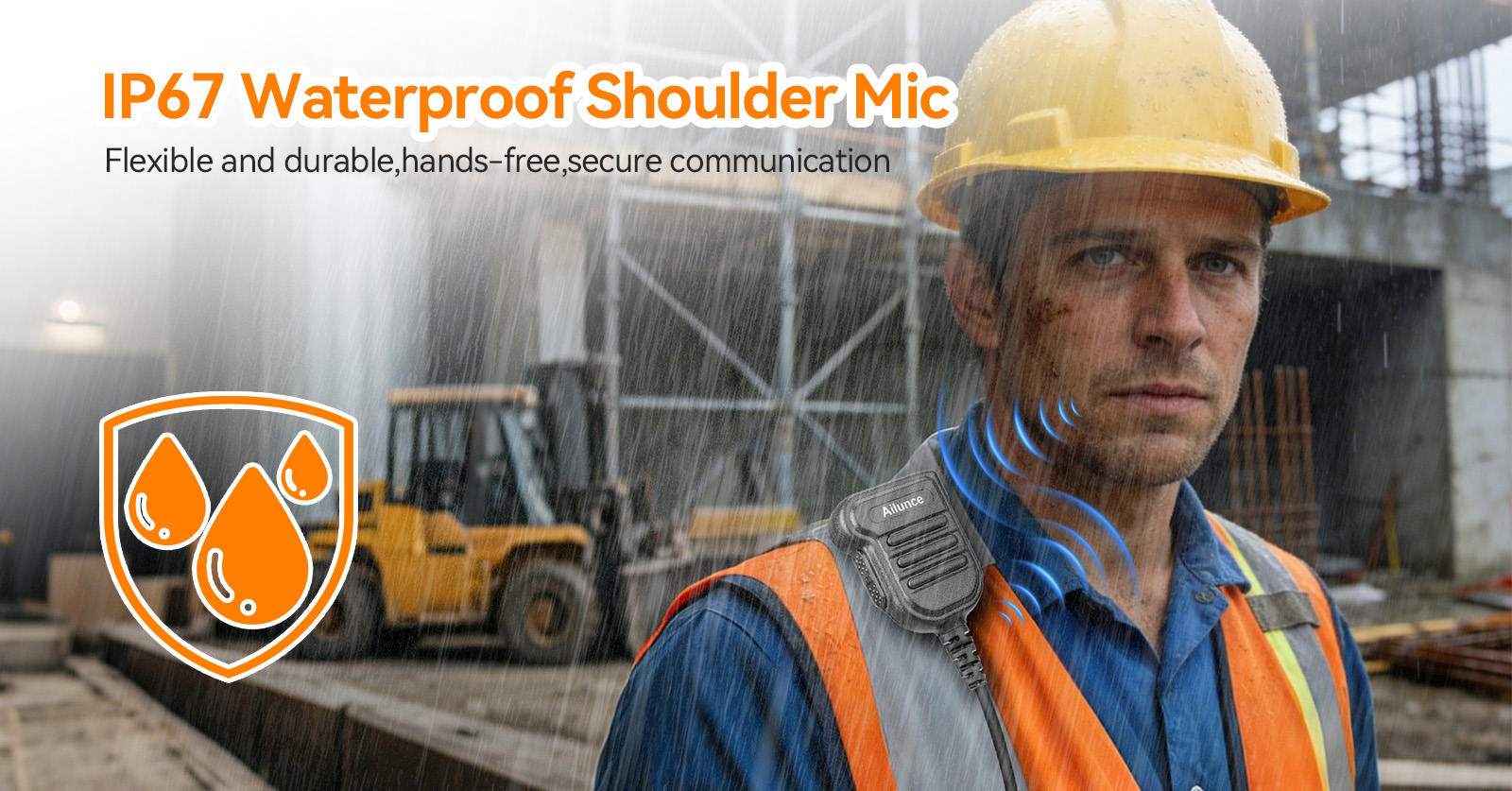
Rain does not just make workers uncomfortable. It also changes how equipment is handled. Radios can be exposed to moisture, mud, or wet hands. For outdoor teams, waterproof two way radios for construction are often a better fit because they are built with wet conditions in mind.
Wind makes speech less clear
Wind can mask parts of a voice signal, especially on open sites. If the radio audio is weak, the message gets lost even faster. That can be a real issue when the crew is spread across a larger jobsite.
Cold affects both people and devices
Cold weather can reduce battery performance and make controls harder to use. Workers may wear thicker gloves, which makes small buttons or complicated menus more difficult to manage. A radio that feels fine in mild weather may become frustrating once the temperature drops.
These conditions do not always stop work, but they do make communication less reliable. That is why durable radios for outdoor work need to do more than look tough. They need to keep working when the weather changes throughout the day.
3. Why Construction Teams Need Rugged Two Way Radios
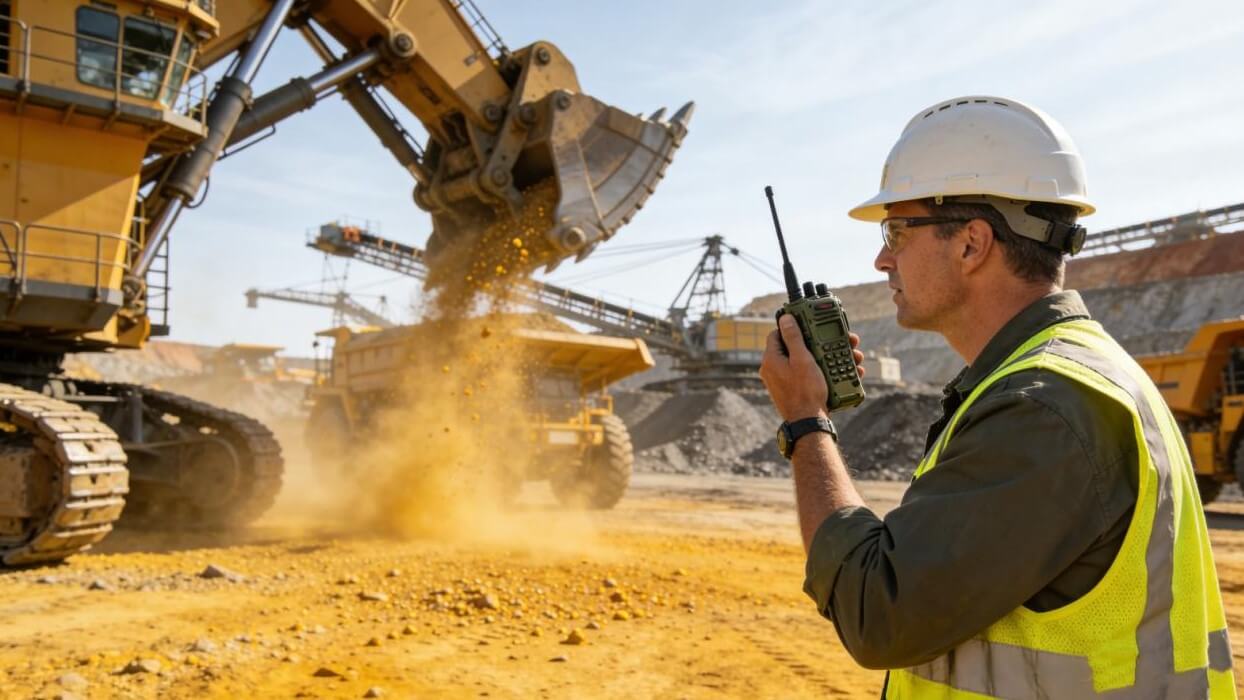
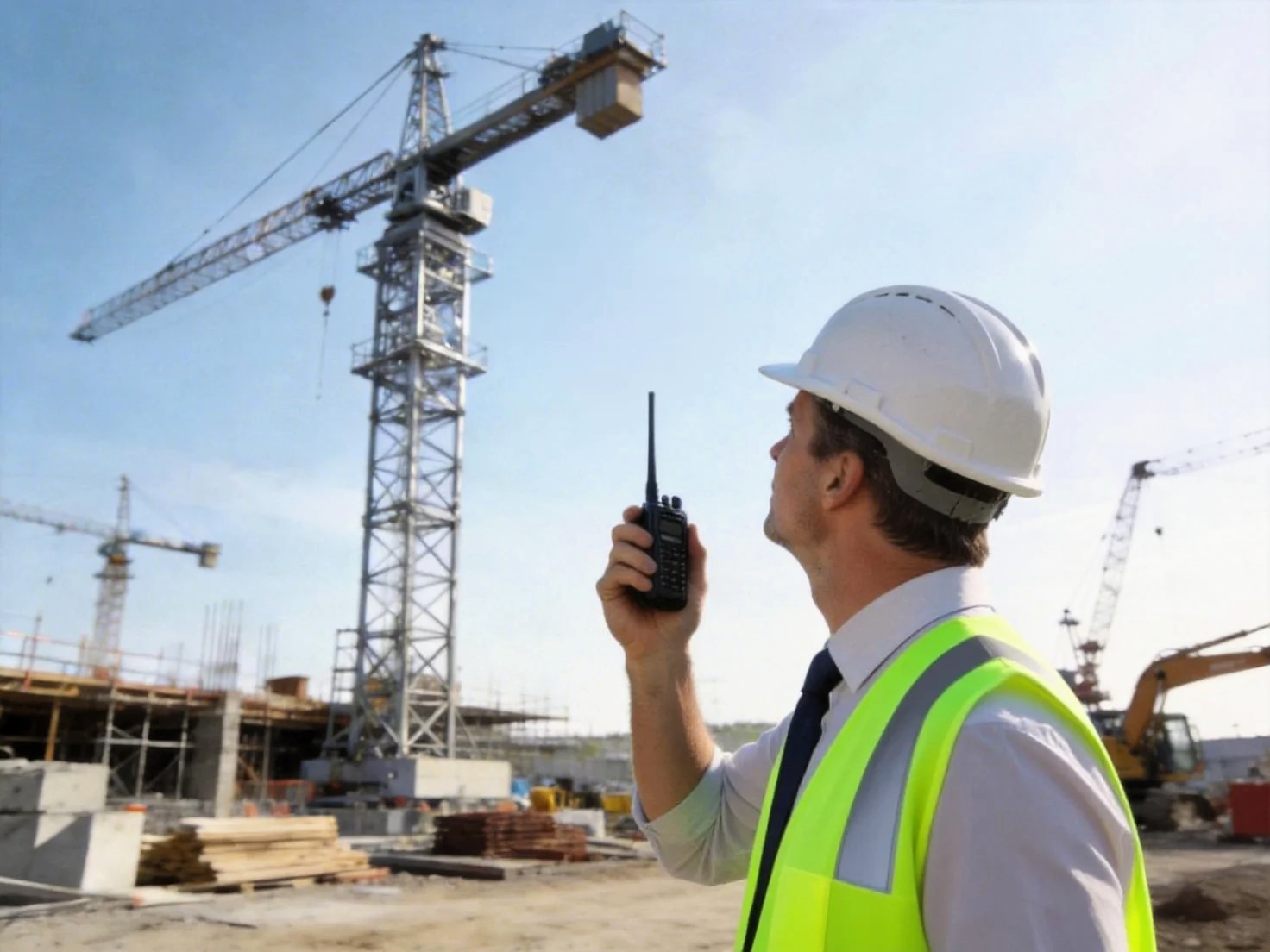
A construction site does not slow down just because the weather changes. Workers still need to coordinate lifts, deliveries, safety checks, and task handoffs. If communication breaks down, the whole site feels it.
That is where Rugged Two Way Radios prove their value. They are built for the kind of daily pressure that fall construction creates. They need to survive rough handling, stay useful in bad weather, and keep the team connected across different work zones.
For many buyers, the search for the best rugged two way radios for construction workers comes down to one question: which radio will still work when the site gets harder to manage? The answer usually is not the cheapest option or the most feature-heavy one. It is the one that stays dependable in real construction conditions.
A rugged radio should help the crew stay in step, not add another problem to the day. That is why the right communication tool becomes part of the workflow itself. It supports supervisors, labor teams, and subcontractors by making sure messages move quickly and clearly.
4. Key Features to Look for in Weather-Ready Construction Radios
A good radio for fall construction should be practical first.
Strong build quality
Construction sites are rough. Radios get dropped, carried, stacked, and used every day. A strong body helps them last longer in that environment.
Clear audio in changing weather
A radio that is hard to hear is not much help. Clear sound matters when wind, rain, or background noise starts to rise.
Weather resistance
Outdoor jobs need gear that can handle moisture and rough conditions. That is why waterproof two way radios for construction are often worth considering for fall work.
Long battery life
Fall shifts can run long, and cold weather can make battery problems worse. A radio should hold up through a full day of use.
Easy operation
Workers may use the radio with gloves or while moving. Simple controls are often better than complicated ones.
Stable range
A larger site needs coverage that holds up across different zones. If the signal drops too easily, the crew loses time and coordination.
These are the features that make a radio useful in real life. They are also the reason durable two way radios for construction sites stand out from ordinary consumer devices.
5. How Rugged Radios Help Crews Work Safely in Unpredictable Weather
Good communication is a safety tool.
When the weather is changing, workers need quick updates about movement, access, hazards, and timing. If someone misses an instruction, the risk goes up. A rugged radio helps reduce that risk by keeping the communication chain strong.
It also helps the crew work more efficiently. Fewer repeated messages mean fewer delays. Better coordination means fewer mistakes. And when teams can trust the radio, they spend less time guessing and more time working.
That is why many supervisors look for two way radios for harsh environments. They need equipment that can hold up under pressure and still deliver clear communication when the site is wet, windy, or cold. In fall construction, that kind of reliability can make a real difference in how smoothly the job runs.
6. Why RT29 Fits Demanding Fall Construction Environments
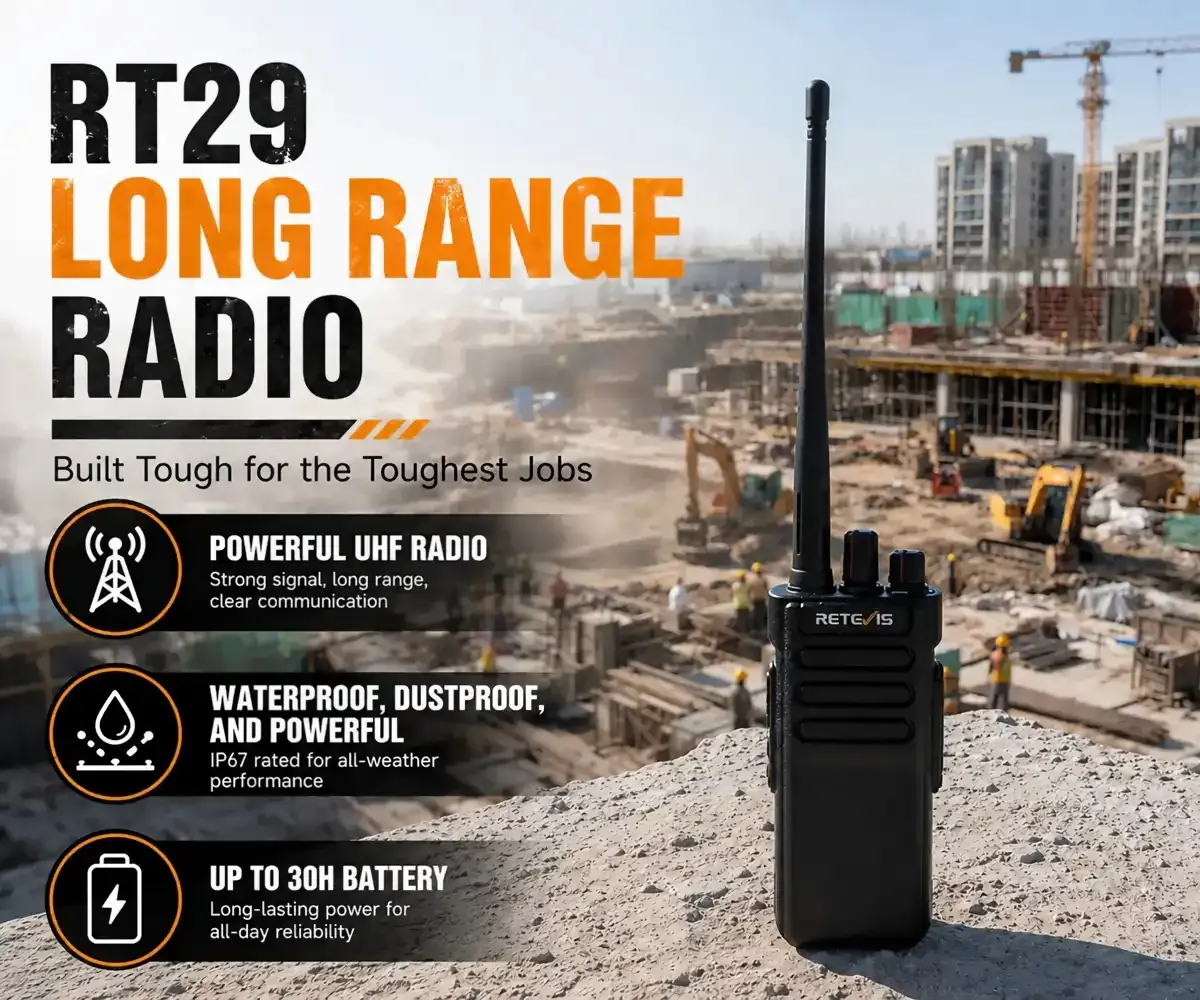
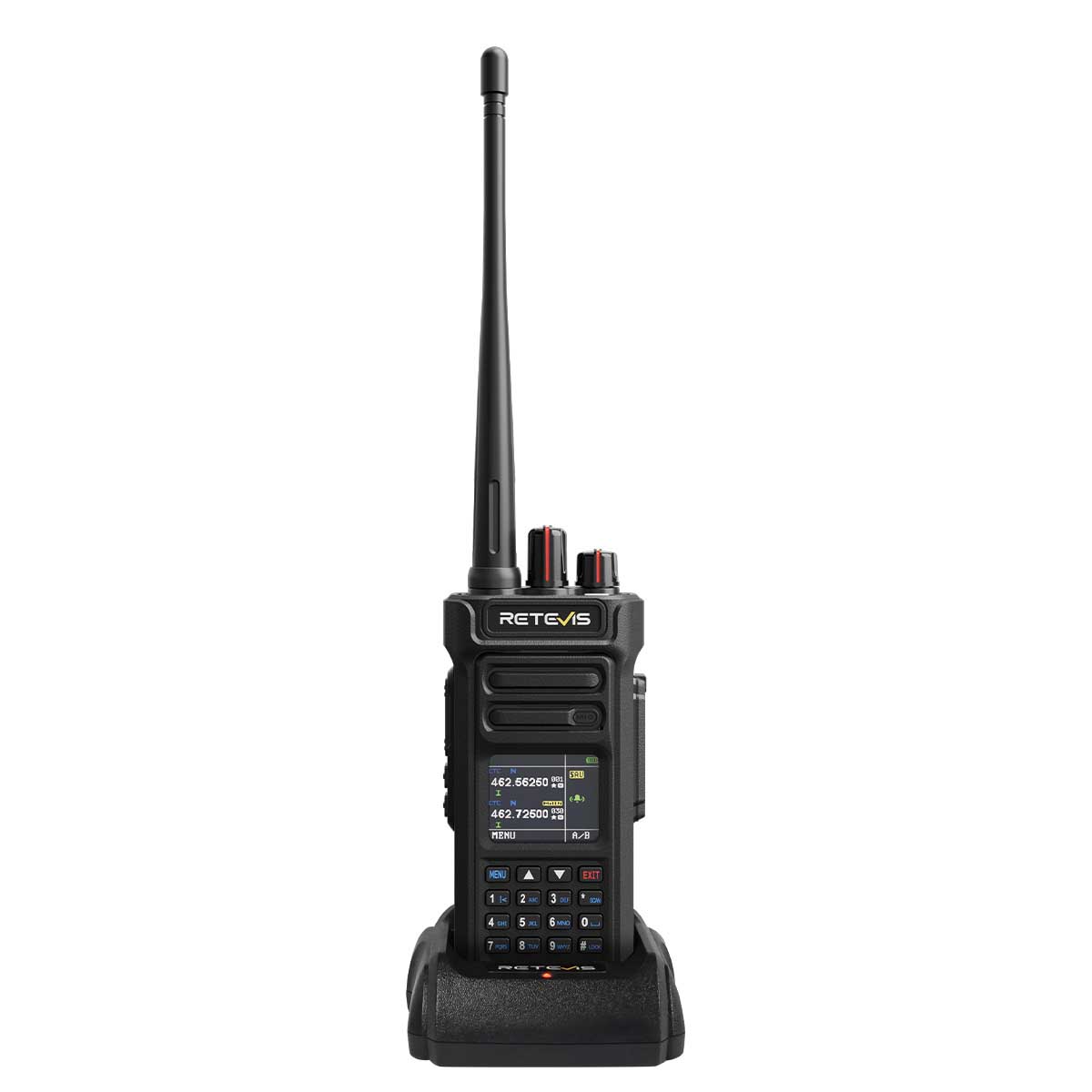
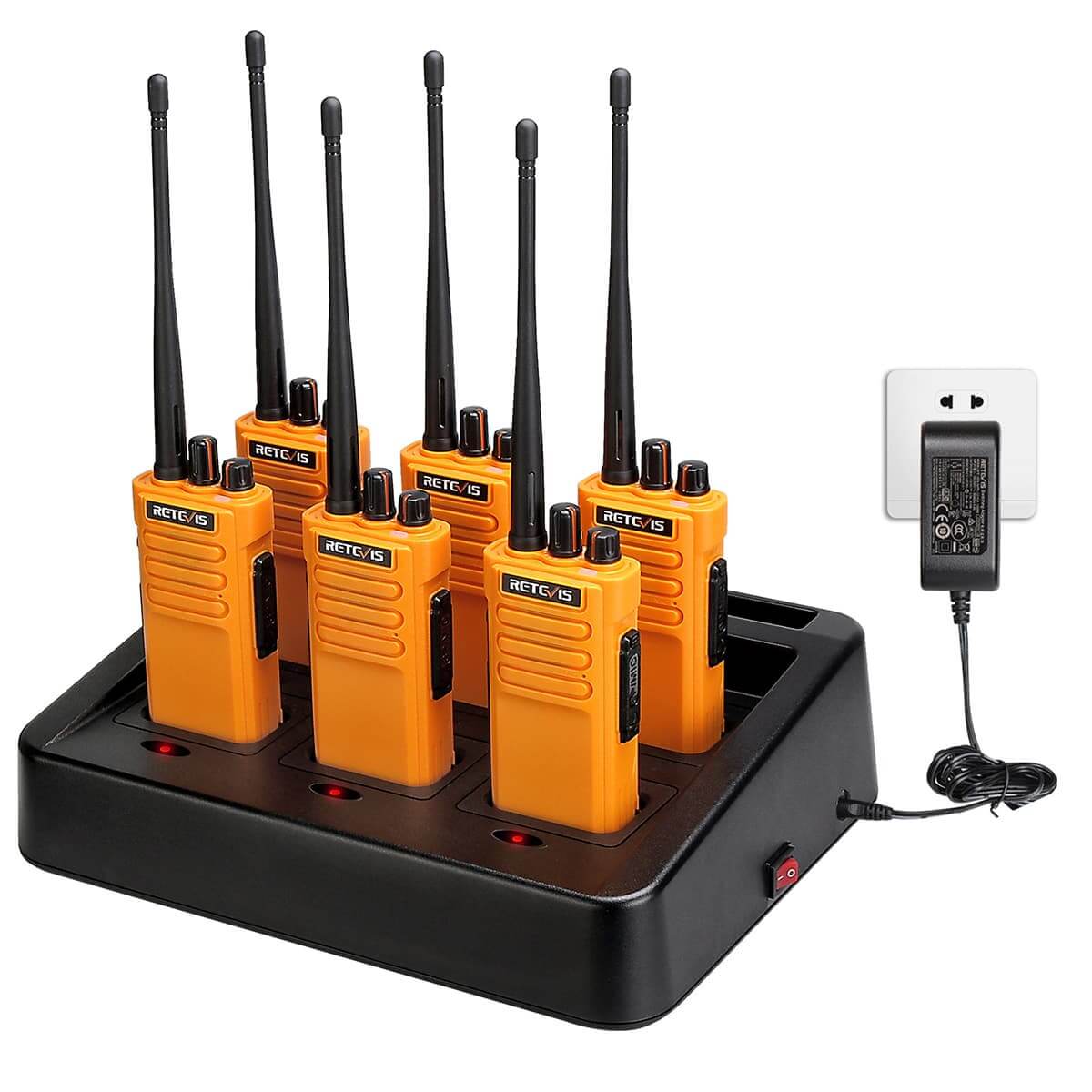
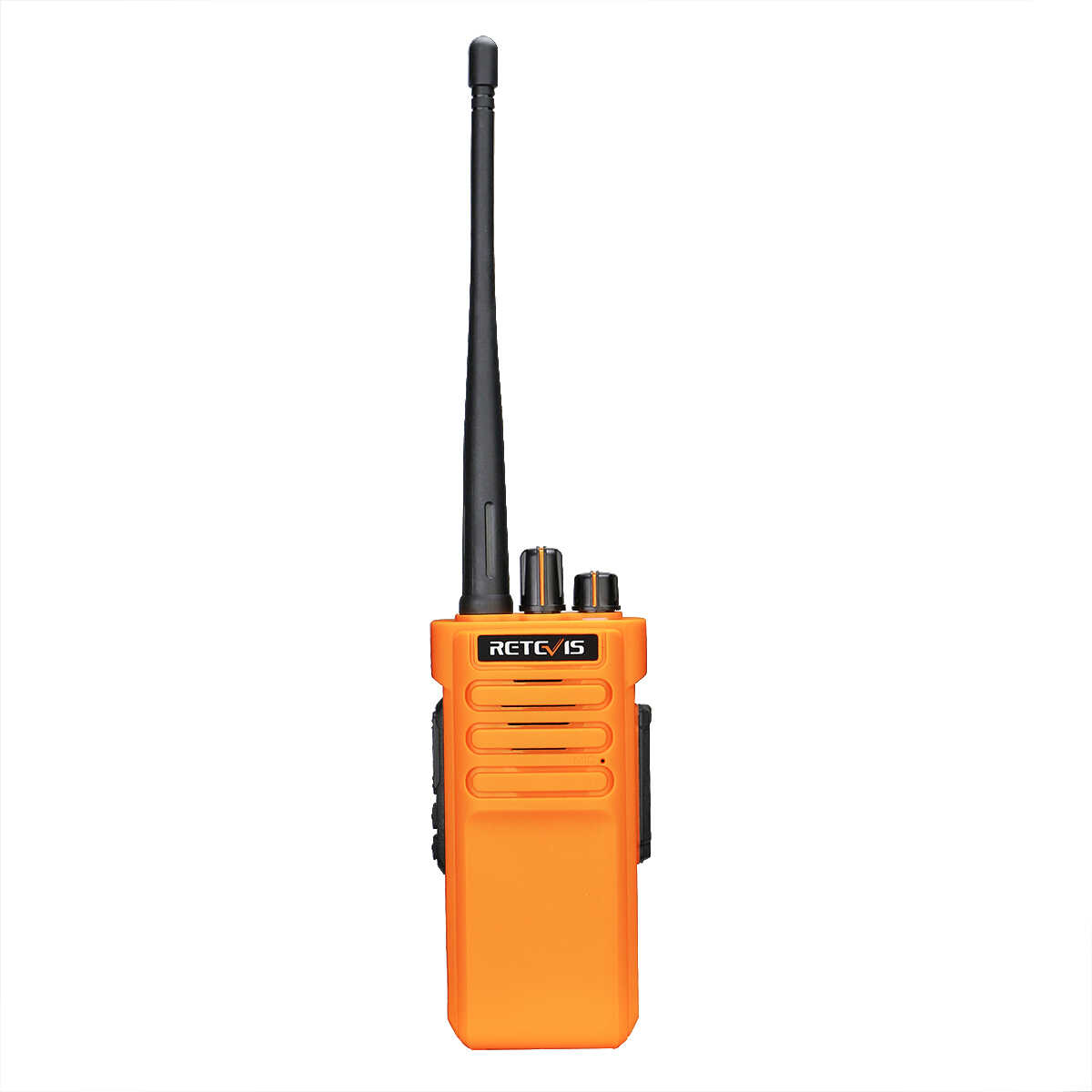
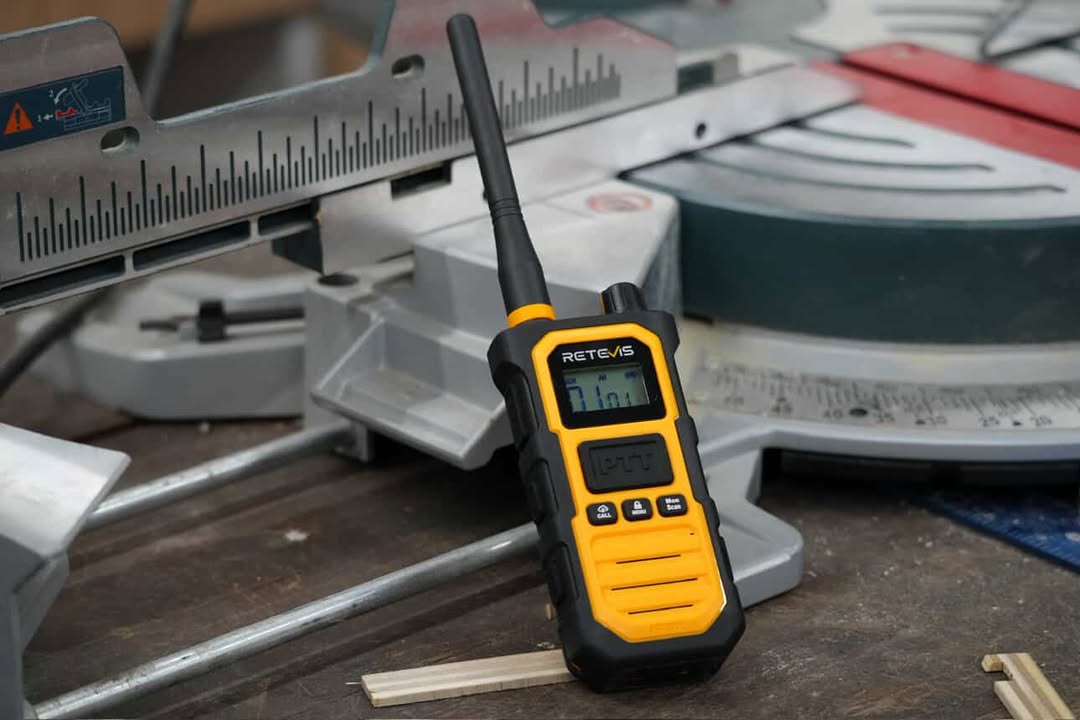
Not every radio fits every site. For fall construction, crews need something that can handle outdoor use, changing weather, and long workdays. That is where Retevis RT29 becomes a practical option.
RT29 fits demanding environments because it supports the kind of communication construction teams need when conditions are less stable. It is built for tough use, and it works well when a site needs a dependable tool rather than a complicated one.
For crews that want durable radios for outdoor work, RT29 offers a simple and realistic solution. It supports the communication flow that fall jobsites depend on, especially when weather starts to change quickly.
7. Final Takeaway
Fall weather changes construction work in ways that are easy to overlook at first. Rain, wind, and cold can affect how people hear, how they move, and how well equipment performs. That is why the right radio matters so much.
Rugged Two Way Radios help crews stay connected when weather becomes harder to predict. They support safety, reduce confusion, and keep teams moving through changing site conditions. For buyers looking for the best rugged two way radios for construction workers, or for durable two way radios for construction sites, the goal is simple: choose gear that stays reliable when the jobsite gets tough.



 Google
 Amazon
Comments
No data Yet