

Table of Contents
Precision Coordination: Choosing Dust-Tight Radios for Carpentry Crews
- Posted by:Retevis
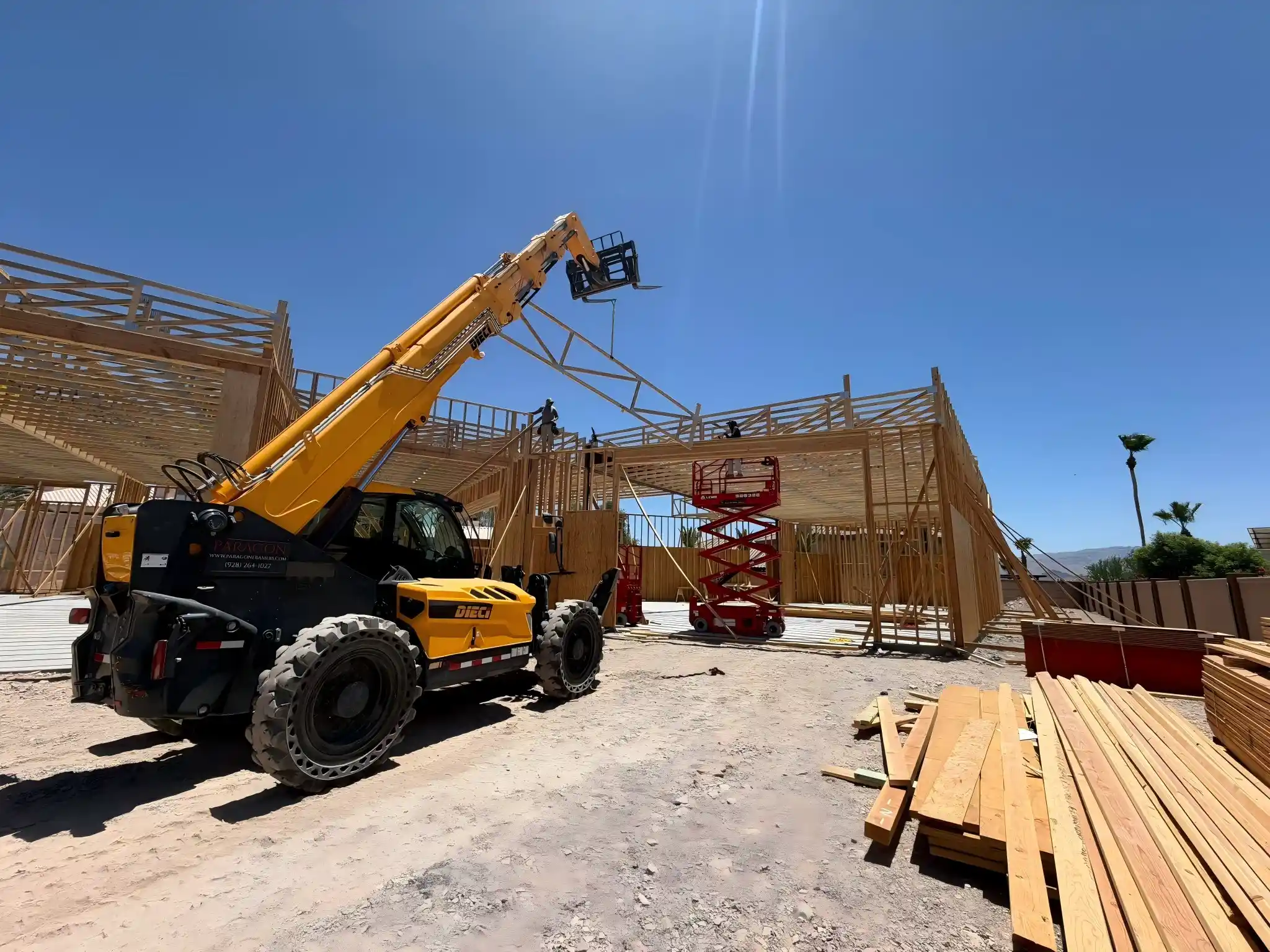
On a carpentry jobsite, precision depends on timing, coordination, and clear communication. Whether a team is framing walls, cutting timber, installing cabinets, or handling finish work across multiple rooms, even a small communication delay can lead to wasted material, rework, or safety issues.
That is why choosing the right radio for carpentry crew is more important than it may first appear. In wood-heavy environments, communication devices are exposed to constant sawdust, fine airborne particles, vibration, and impact. A standard handheld may not last long under those conditions. A purpose-built two way radio for carpentry crew is better suited to the realities of daily site work, especially when it is designed as a dustproof industrial radio.
This guide explains why carpenters need more reliable communication tools, how dust affects radio performance, and what to look for in a dustproof jobsite radio that can support productivity, safety, and long-term durability.
Why Every Carpentry Crew Needs Better Site Communication
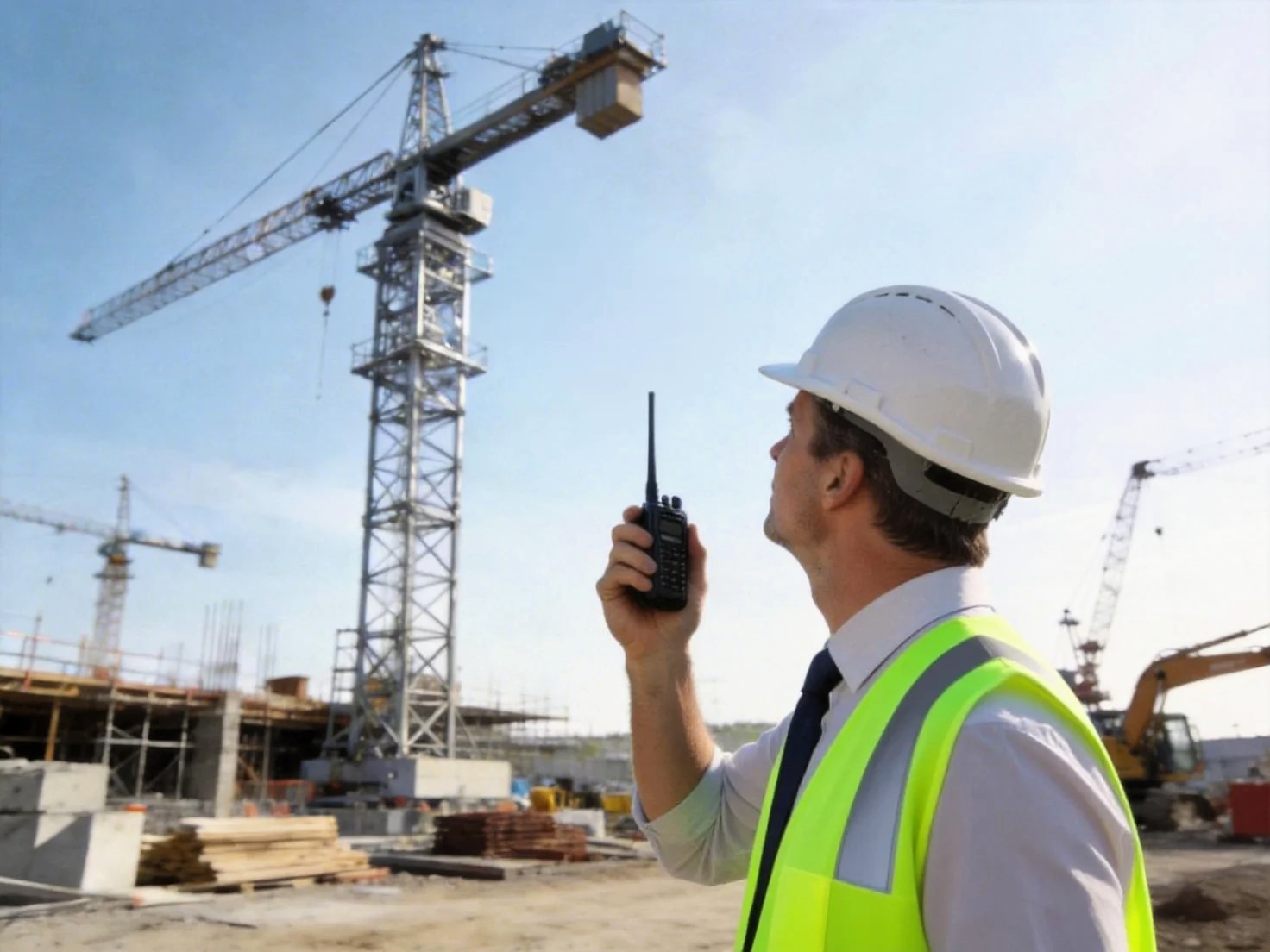
Carpentry is rarely done in one fixed location. A single crew may be spread between a cutting station, a staging area, upper floors, an exterior frame, or an interior fit-out zone. Workers may need to request materials, confirm measurements, coordinate lifts, or report access issues within seconds.
In these situations, a dedicated radio for carpentry crew offers clear advantages over shouting across the site or relying on mobile phones.
A professional walkie talkie for carpentry crew helps teams:
- confirm dimensions before cutting expensive materials
- coordinate timber lifts and panel movement
- communicate between indoor and outdoor work areas
- request tools, fixings, or support quickly
- report hazards immediately
- keep supervisors connected with mobile crews
Phones can be slow and impractical when workers wear gloves, carry materials, or move constantly. Push-to-talk communication is faster, simpler, and more direct. For many teams, a dependable two way radio for carpentry crew becomes part of the daily workflow, not just an emergency backup.
Why Dust Is a Serious Problem for Communication Devices
Woodworking and carpentry create more than visible sawdust. They also produce fine particles that stay suspended in the air and settle into every exposed surface. Over time, that dust can affect electronics in ways that are easy to overlook.
Fine dust can enter:
- speaker grills
- microphone openings
- charging contacts
- accessory ports
- button seams
- battery compartments
Once inside, it may cause reduced audio clarity, charging issues, unreliable push-to-talk response, or premature wear of internal parts. This is one reason a consumer-grade radio often struggles on a busy jobsite.
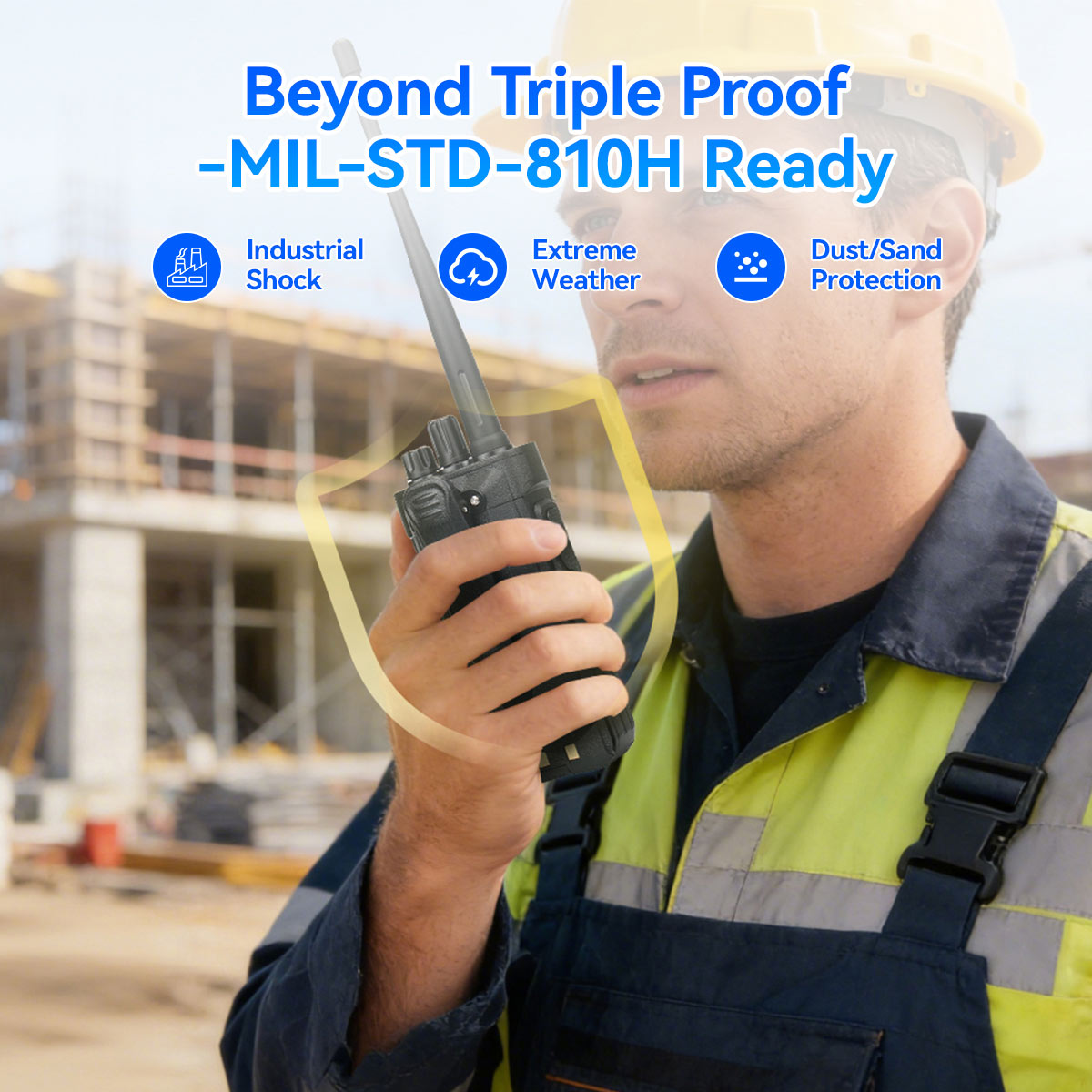
A dustproof industrial radio is designed to help resist these failures. For carpenters working around saws, sanders, routers, MDF, plywood, engineered timber, and trim materials, dust protection is not just a helpful feature. It is essential.
That is where a dustproof handheld communication device makes a real difference. Instead of treating dust as a minor nuisance, it is built with the expectation that exposure will happen every day.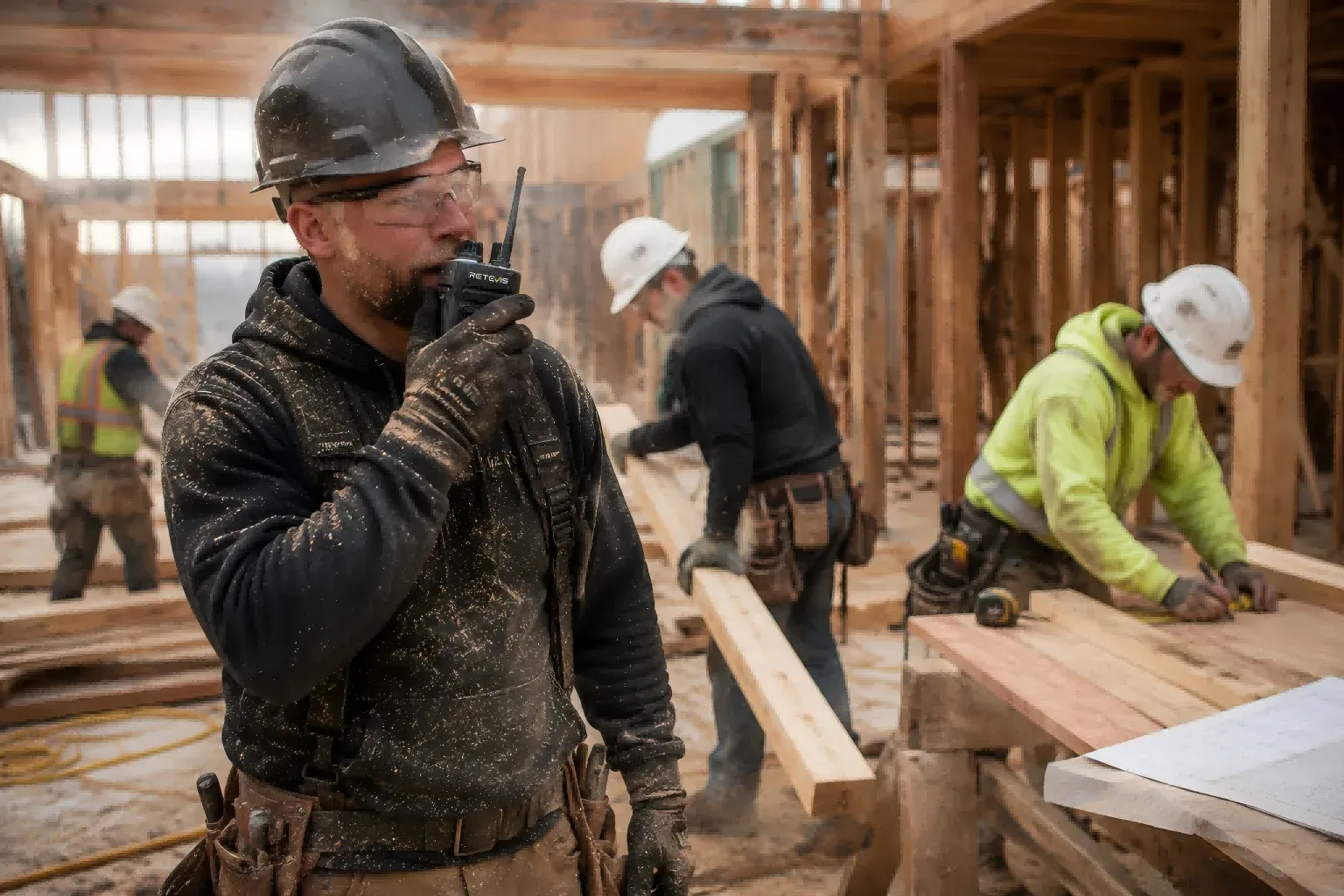
What Is a Dustproof jobsite Radio?
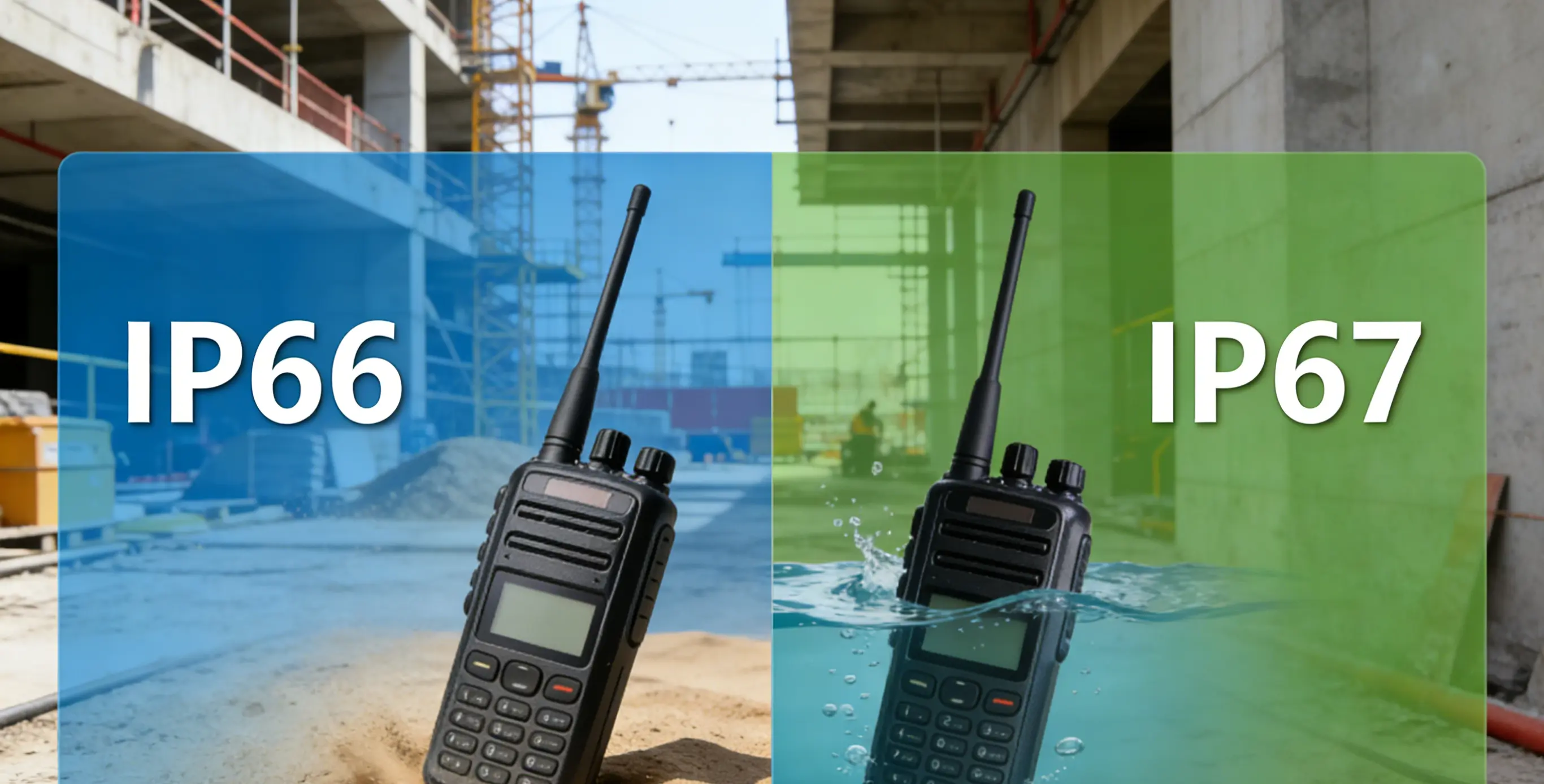
A dustproof jobsite radio is a communication device built to reduce the risk of dust entering sensitive internal components. In professional equipment, this is often measured using an IP rating.
For dust protection, the most relevant ratings are:
- IP5X: dust protected, meaning some dust may enter, but not enough to interfere with operation
- IP6X: dust tight, meaning no harmful dust ingress under test conditions
For carpentry, timber framing, joinery, and fit-out work, a dustproof construction radio with a higher level of dust protection is usually the better choice. On sites where cutting and sanding are constant, fine dust exposure is ongoing, not occasional.
A reliable dustproof jobsite two way radio should also offer more than enclosure sealing. It should combine dust resistance with strong audio, solid build quality, practical battery life, and controls that workers can use easily during active tasks.
Why Consumer Walkie-Talkies Usually Fall Short
Many low-cost radios are made for light outdoor use, events, warehouses, or recreational settings. They may be affordable, but they are often not engineered for the dust, noise, and physical wear common in carpentry environments.
Typical weaknesses include:
- poor resistance to fine dust
- low speaker output in noisy work zones
- short battery life
- limited durability after drops or impacts
- smaller controls that are difficult to use with gloves
- weak clips or housings
A cheap device may appear to save money upfront, but if it fails during active work, the real cost shows up in lost time and disrupted coordination. For a framing team or interior carpentry crew, unreliable communication can mean repeat trips, delayed decisions, and material waste.
A professional dustproof jobsite walkie talkie is built to handle those conditions more consistently.
Key Features to Look for in a Radio for Carpentry Crew
Not every jobsite radio is equally suitable for timber and carpentry work. If you are selecting a radio for carpentry crew, focus on the features that affect real-world performance.
1. Dust Protection That Matches the Environment
The first requirement is obvious: the radio should be suitable for wood-dust-heavy work. A true dustproof jobsite radio is better prepared for cutting areas, enclosed workshops, and timber installation zones than a standard handheld.
If possible, check for a verified IP rating rather than relying only on general product claims.
2. Loud, Clear Audio
Carpentry crews work around circular saws, table saws, nail guns, compressors, and dust extraction units. A two way radio for carpentry crew must be loud enough to cut through background noise without forcing users to repeat every message.
Look for:
- strong speaker output
- clear voice quality
- audio that remains usable in noisy environments
This is one of the most important features in any dustproof construction radio.
3. Simple Push-to-Talk Operation
Workers may be wearing gloves, climbing ladders, moving timber, or handling tools. Buttons should be large, tactile, and easy to locate by feel.
A good walkie talkie for carpentry crew should support fast communication without distraction.
4. Rugged Housing
Construction radios are exposed to drops, knocks, dust buildup, and repeated transport. A dustproof industrial radio should have a durable shell and dependable structural design, not just cosmetic toughness.
5. Full-Shift Battery Life
A dustproof handheld communication device should be ready for a full workday. For crews moving between fabrication areas, site zones, and delivery points, charging interruptions reduce efficiency.
6. Practical Range for Real jobsites
Marketing range figures often reflect ideal open space, not actual carpentry environments. Buildings under construction, interior walls, concrete, steel, and multi-level layouts all affect signal performance.
Choose a dustproof jobsite two way radio based on your real operating environment, not only the maximum advertised distance.
7. Easy Carry and Accessory Support
Many teams benefit from belt clips, speaker microphones, or earpieces, especially on larger sites. A well-designed dustproof jobsite walkie talkie should fit naturally into active movement and tool-based work.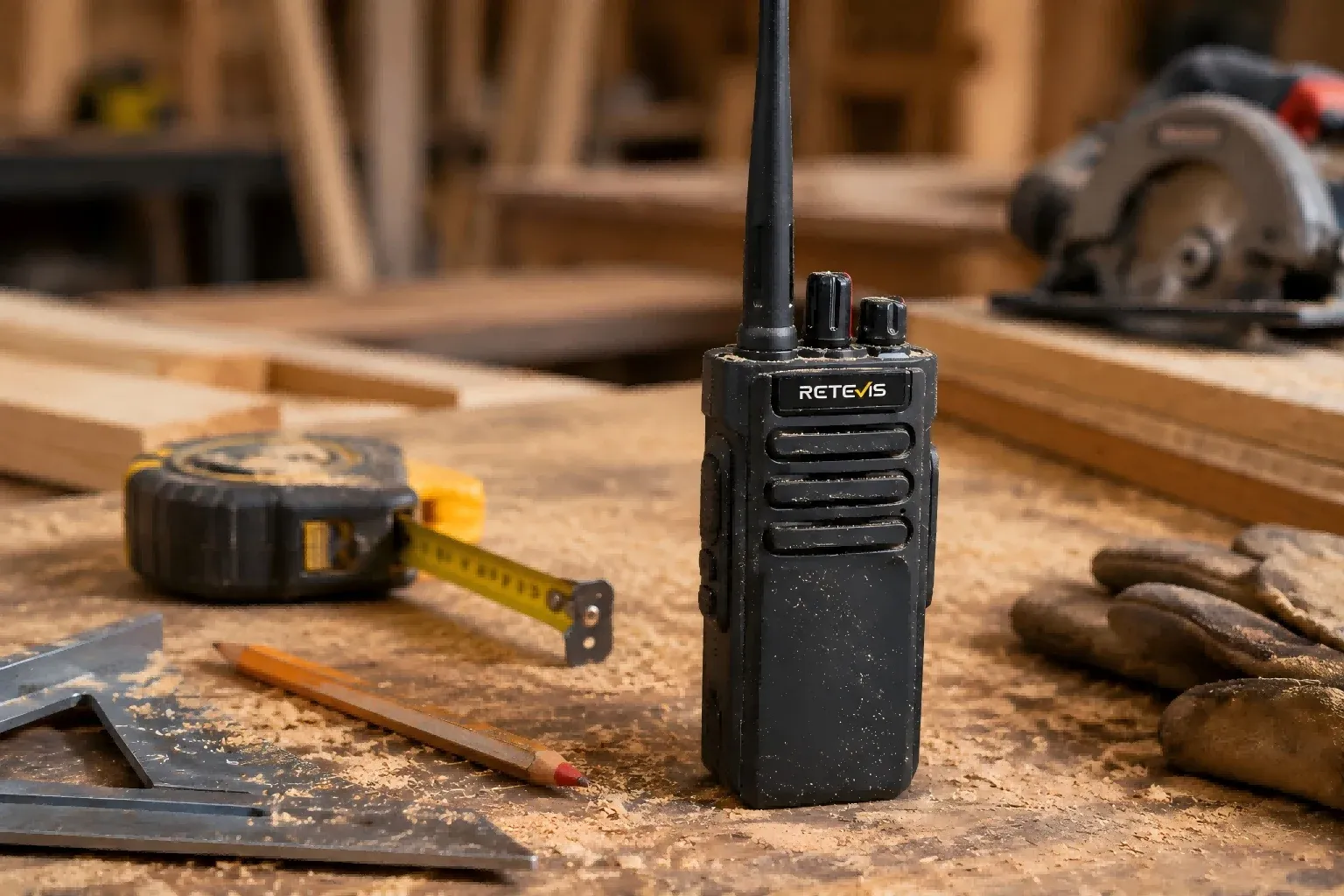
Best Use Cases for Dustproof Construction Radios in Carpentry
A dustproof construction radio can add value across many kinds of carpentry operations.
Timber Framing
Framing crews often need to coordinate cuts, brace placement, panel movement, and lifting tasks quickly. A dependable radio for carpentry crew helps reduce delays and improves workflow between staging and installation areas.
Interior Fit-Out
Finish carpenters working across corridors, rooms, and multiple floors benefit from instant communication. A walkie talkie for carpentry crew makes it easier to handle adjustments, delivery timing, and supervisor updates without interrupting installation work.
Cabinet and Millwork Installation
High-value millwork requires careful sequencing and communication between unloading, assembly, and final placement teams. A two way radio for carpentry crew helps protect both time and workmanship.
Renovation and Retrofit Projects
Refurbishment sites often involve restricted access, occupied spaces, and tight schedules. A dustproof jobsite radio supports faster coordination when teams cannot rely on direct line-of-sight communication.
Mixed-Trade Coordination
Carpentry teams regularly interact with site managers, electricians, drywall crews, and mechanical trades. A professional dustproof handheld communication device improves responsiveness and reduces confusion across shared work zones.
How Dustproof Radios Improve Safety and Productivity
The value of a dustproof jobsite two way radio is not limited to surviving dust. Its real value comes from how it supports better work.
With a reliable dustproof industrial radio, crews can:
- respond faster to changing site conditions
- reduce unnecessary walking across the project
- communicate hazards immediately
- improve material handling coordination
- keep supervisors connected to active crews
- reduce downtime caused by damaged communication tools
For carpenters, speed matters, but accuracy matters more. A fast radio message can prevent a wrong cut, stop an incorrect install, or coordinate a lift before it becomes awkward or unsafe. That is why a dustproof construction radio contributes to both efficiency and quality control.
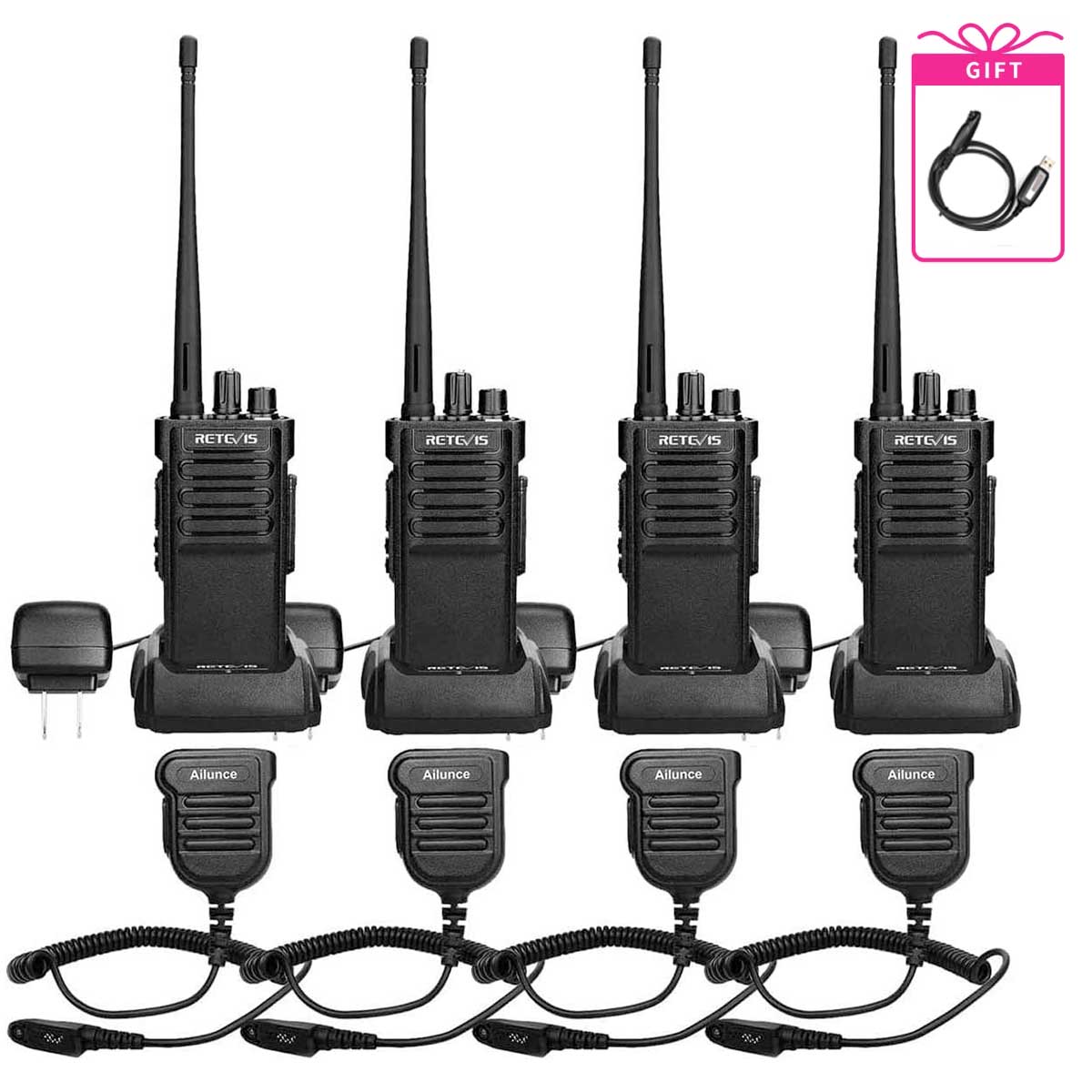
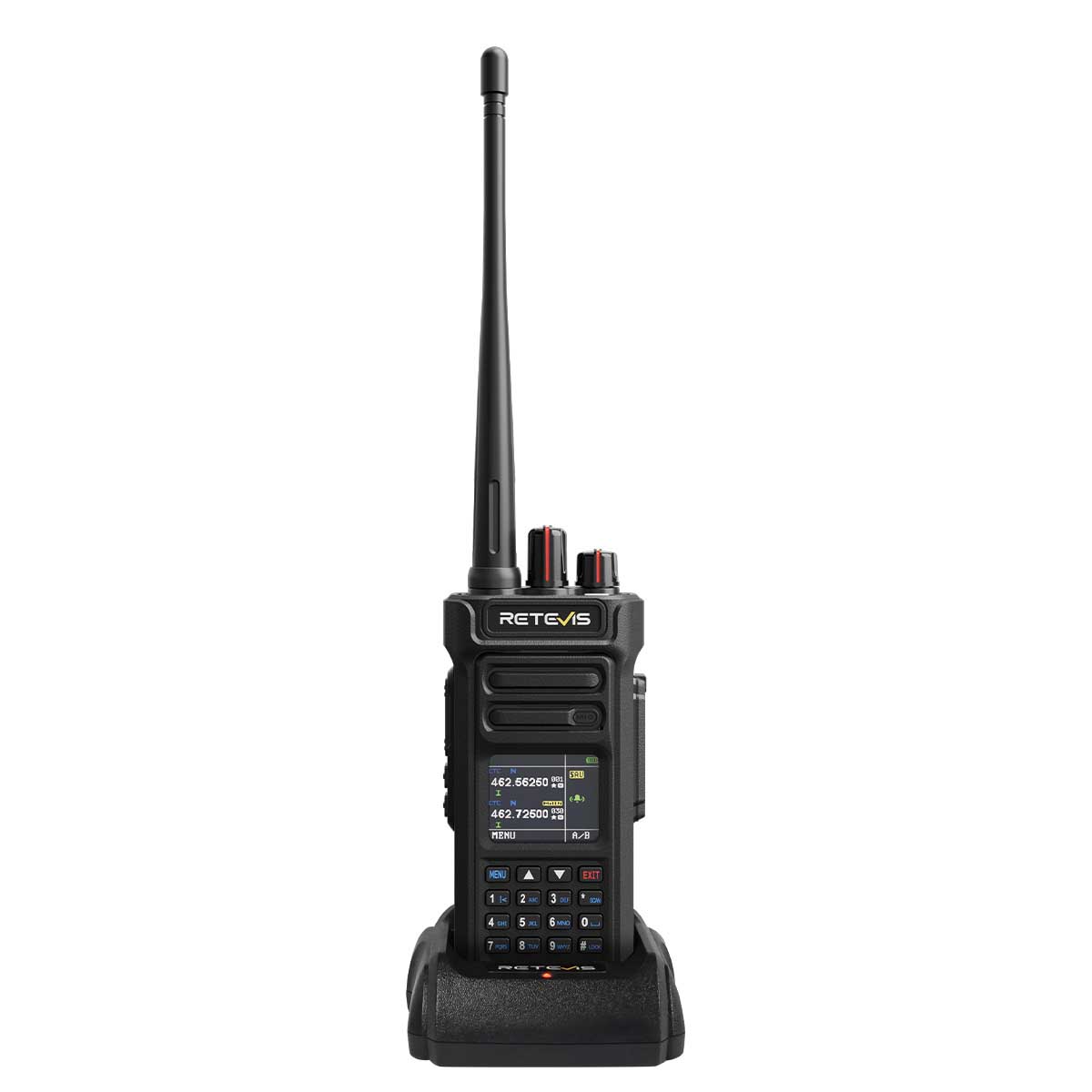
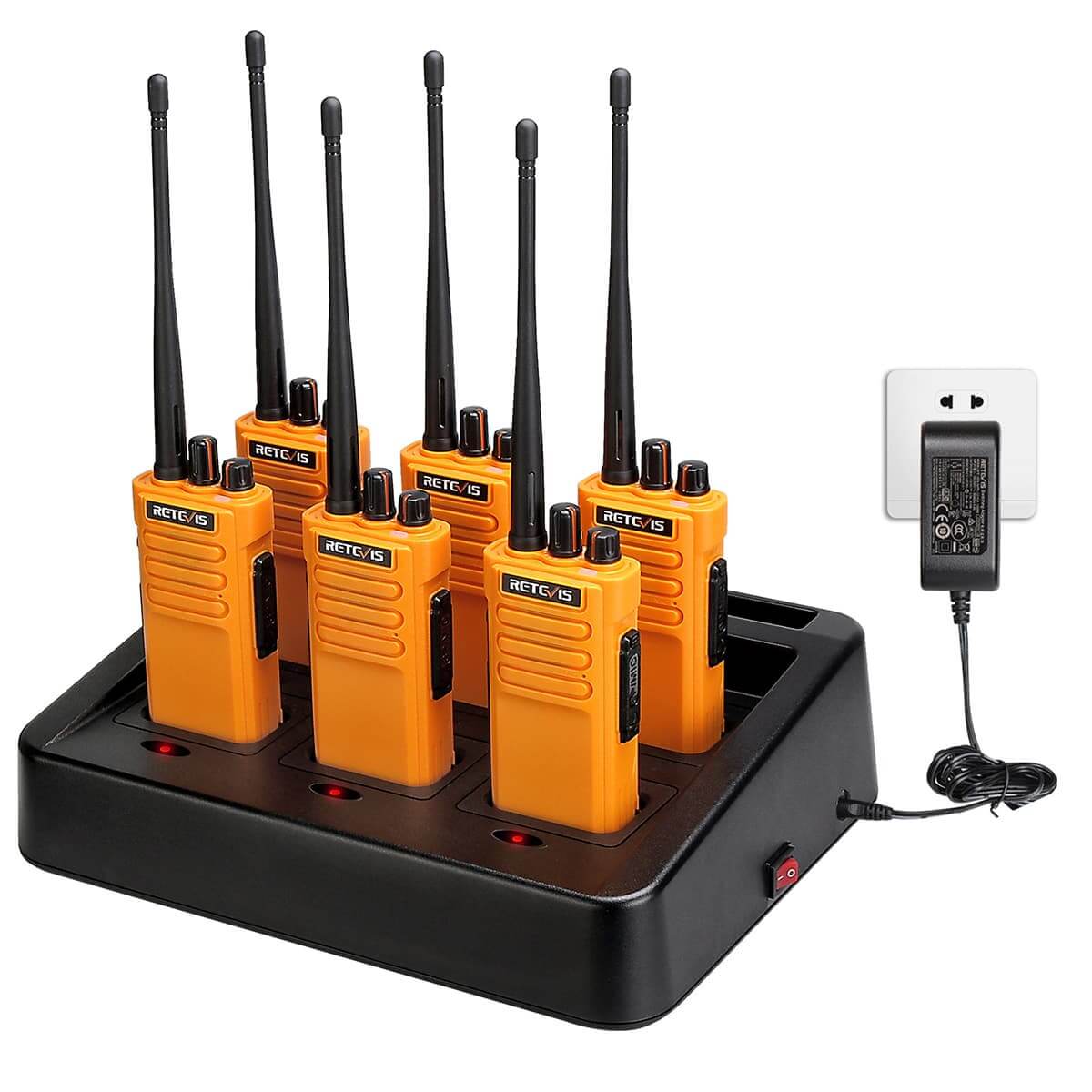
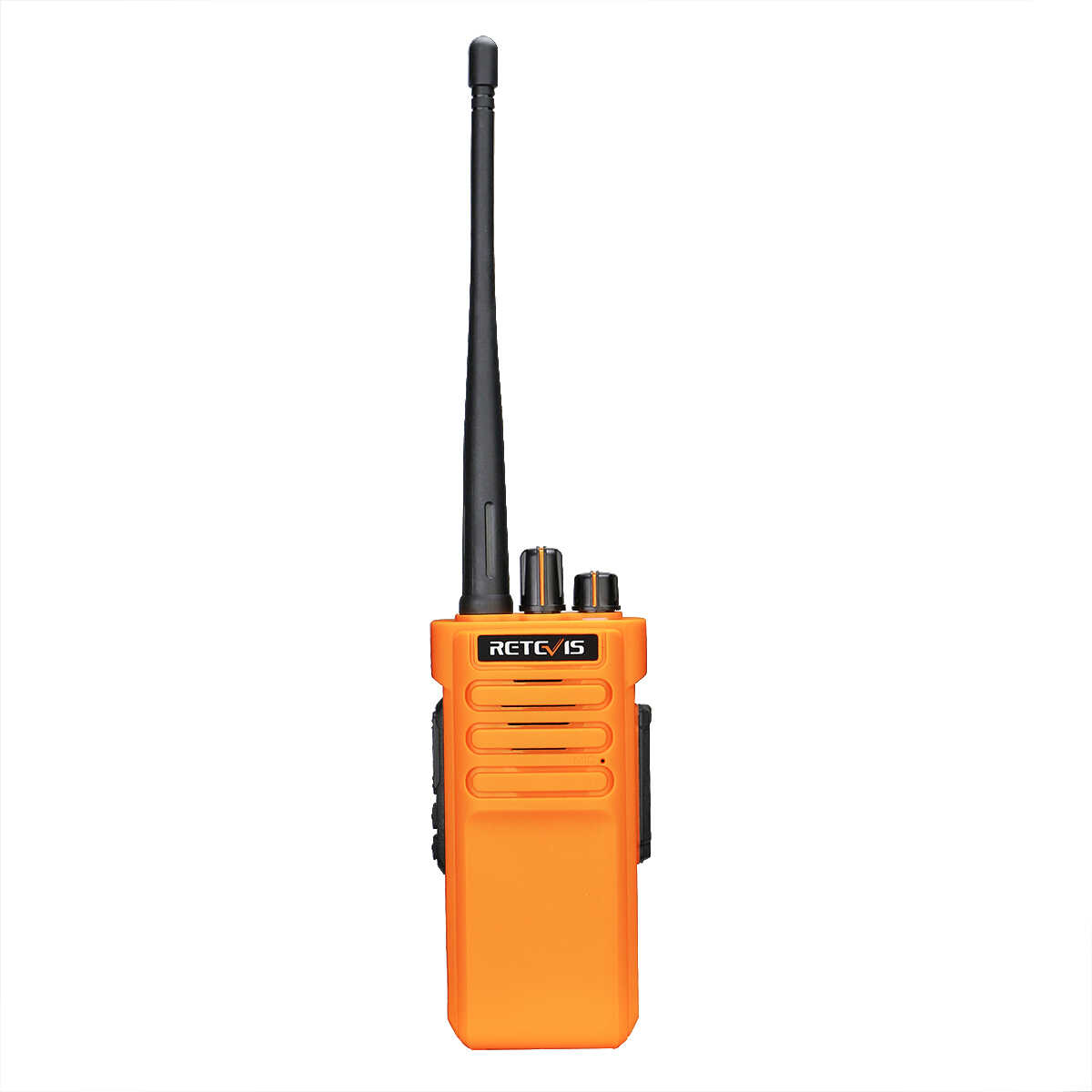
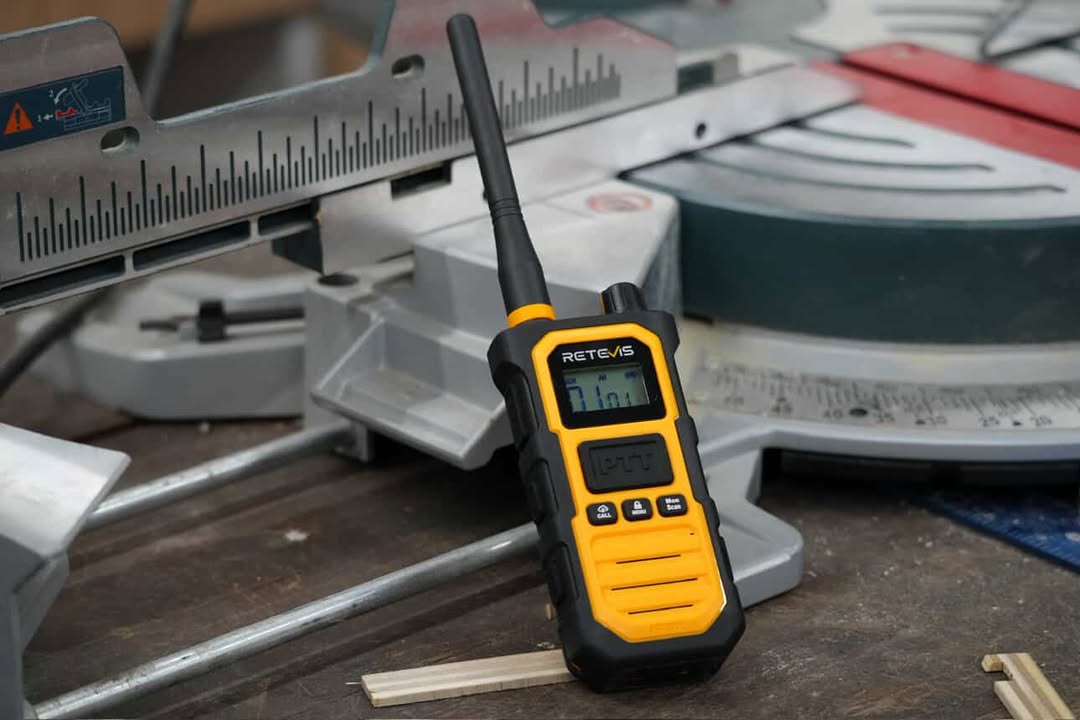
A Practical Option for Carpentry Crews: Retevis RT29
When choosing a radio for carpentry crew use, it helps to look at a practical example. The Retevis RT29 is well suited to dusty, noisy, and fast-moving job site environments.
With the Retevis RT29, crews can:
- maintain clear communication around loud tools and equipment
- rely on a rugged design for daily construction use
- operate the radio easily while moving between tasks
- improve coordination between cutting, staging, and installation areas
- reduce disruption caused by weak audio or fragile consumer devices
For carpentry teams, communication tools need to be simple, durable, and dependable. In that respect, the RT29 is a solid example of what to look for in a professional two way radio for carpentry crew use.
Final Thoughts
Clear communication is a practical tool in carpentry, not an afterthought. From timber framing to finish installation, crews depend on fast coordination to protect workflow, accuracy, and safety. But on dusty jobsites, ordinary devices often fail long before the project is complete.
A professional radio for carpentry crew should be loud, durable, easy to operate, and built for real site conditions. A well-chosen two way radio for carpentry crew can improve response time, reduce wasted movement, and maintain reliable contact throughout the workday. When fine wood dust is part of the environment, a dustproof industrial radio, dustproof jobsite radio, or dustproof construction radio is the smarter long-term choice.
For teams that rely on precision, a dependable dustproof jobsite two way radio is more than a communication device. It is part of doing the job right.



 Google
 Amazon
Comments
No data Yet