

Table of Contents
UHF vs. VHF: Which Frequency Band Is Best for Your Construction Project?
- Posted by:Retevis
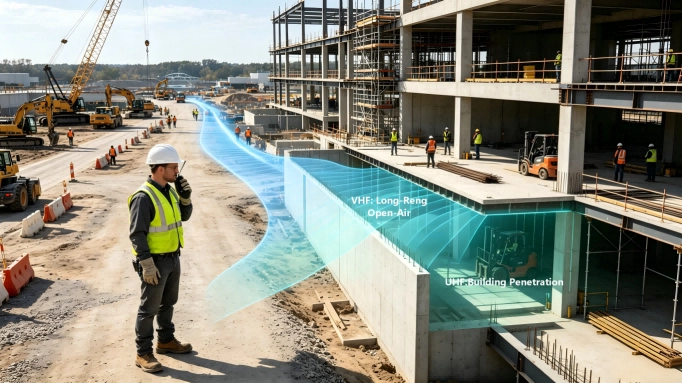
When choosing a two way radio system for construction communication, many contractors focus on battery life, durability, or price. However, the frequency band is one of the most important factors affecting communication reliability.
The right radio frequency for jobsite communication can improve coverage, reduce missed messages, and keep teams coordinated. The wrong choice may create weak signals, dead zones, and communication delays.
For contractors comparing UHF vs VHF radios for construction, the answer depends on the working environment. Open infrastructure projects, high-rise buildings, warehouses, and industrial facilities all have different communication requirements.
This guide explains the difference between UHF and VHF, how UHF vs VHF range works in real jobsites, and how to choose the best two way radio frequency for your construction project.
What Is the Difference Between UHF and VHF Radios?
UHF and VHF are two common frequency bands used in professional two-way radio communication.
- VHF (Very High Frequency) uses lower frequencies and is commonly used for open outdoor communication.
- UHF (Ultra High Frequency) uses higher frequencies and is often preferred for indoor or obstacle-heavy environments.
The main difference between UHF and VHF is how radio signals interact with the surrounding environment.
|
VHF |
UHF |
|
|
Best environment |
Open outdoor areas |
Buildings and dense structures |
|
Signal strength |
Strong over clear distances |
Better around obstacles |
|
Common applications |
Roads, utilities, rural projects |
Construction sites, warehouses, industrial facilities |
|
Multi-floor communication |
Less suitable |
Usually better |
There is no universal winner in the UHF vs VHF radio comparison. The best option depends on your site conditions.
UHF vs VHF for Construction: Choosing the Right Frequency
Construction environments vary greatly. A highway project may require long-distance outdoor coverage, while a commercial building project may require communication through concrete floors and steel structures.
Before choosing a UHF VHF radio for construction, consider:
- Is the site open or enclosed?
- Are crews working across multiple floors?
- Are there concrete walls, steel frames, or underground areas?
- Will the project change from outdoor to indoor work?
The frequency should match the environment, not just the advertised range.
When VHF Is Better for Construction Projects
VHF radios are often suitable for large outdoor jobsites where teams need communication across wide areas with fewer obstacles.
Common VHF construction applications
- Road and highway construction
- Bridge projects
- Utility installation
- Pipeline projects
- Rural infrastructure
- Large open-area developments
Advantages of VHF radios
- Good outdoor coverage
- Effective long-distance communication in open areas
- Suitable for large horizontal job sites
However, VHF performance may decrease in areas with heavy structural interference, such as:
- Concrete buildings
- Steel structures
- Underground spaces
- Multi-floor construction sites
For these environments, many contractors consider UHF a better option.
Why UHF Is Popular for New Construction Projects
Modern construction projects are becoming more complex. High-rise buildings, warehouses, and industrial facilities often require communication through walls, floors, and equipment.
This is why UHF for new builds is commonly selected.
Typical UHF construction applications
- High-rise construction
- Commercial buildings
- Apartments and hotels
- Hospitals
- Warehouses
- Industrial facilities
- Interior renovation projects
A UHF communication system can help teams stay connected when working:
- Between different floors
- Around steel structures
- Inside enclosed spaces
- Across large indoor areas
For contractors looking for the best two way radio for construction site communication, UHF is often the practical starting point for complex building projects.
UHF vs VHF Range: Which One Covers Farther?
A common question is: Does VHF or UHF have better range?
The answer depends on the environment.
In open areas with clear line of sight, VHF may provide strong long-distance coverage. However, inside buildings, UHF often performs better because it handles obstacles more effectively.
UHF vs VHF range comparison
|
Environment |
Recommended Choice |
|
Open fields and roads |
VHF |
|
Large outdoor construction areas |
VHF |
|
High-rise buildings |
UHF |
|
Warehouses |
UHF |
|
Industrial interiors |
UHF |
|
Mixed indoor and outdoor sites |
Site testing recommended |
For example, a warehouse communication project may require different considerations than a large outdoor construction site. UHF vs VHF for warehouse communication usually favors UHF because shelves, walls, and equipment can affect signal paths.
Industrial VHF/UHF Radio Applications
Industrial environments often combine outdoor areas and enclosed facilities. An industrial VHF/UHF radio system may need to support communication across:
- Manufacturing plants
- Warehouses
- Loading areas
- Maintenance zones
- Fabrication facilities
- Large industrial campuses
For large facilities, a complete communication solution may include:
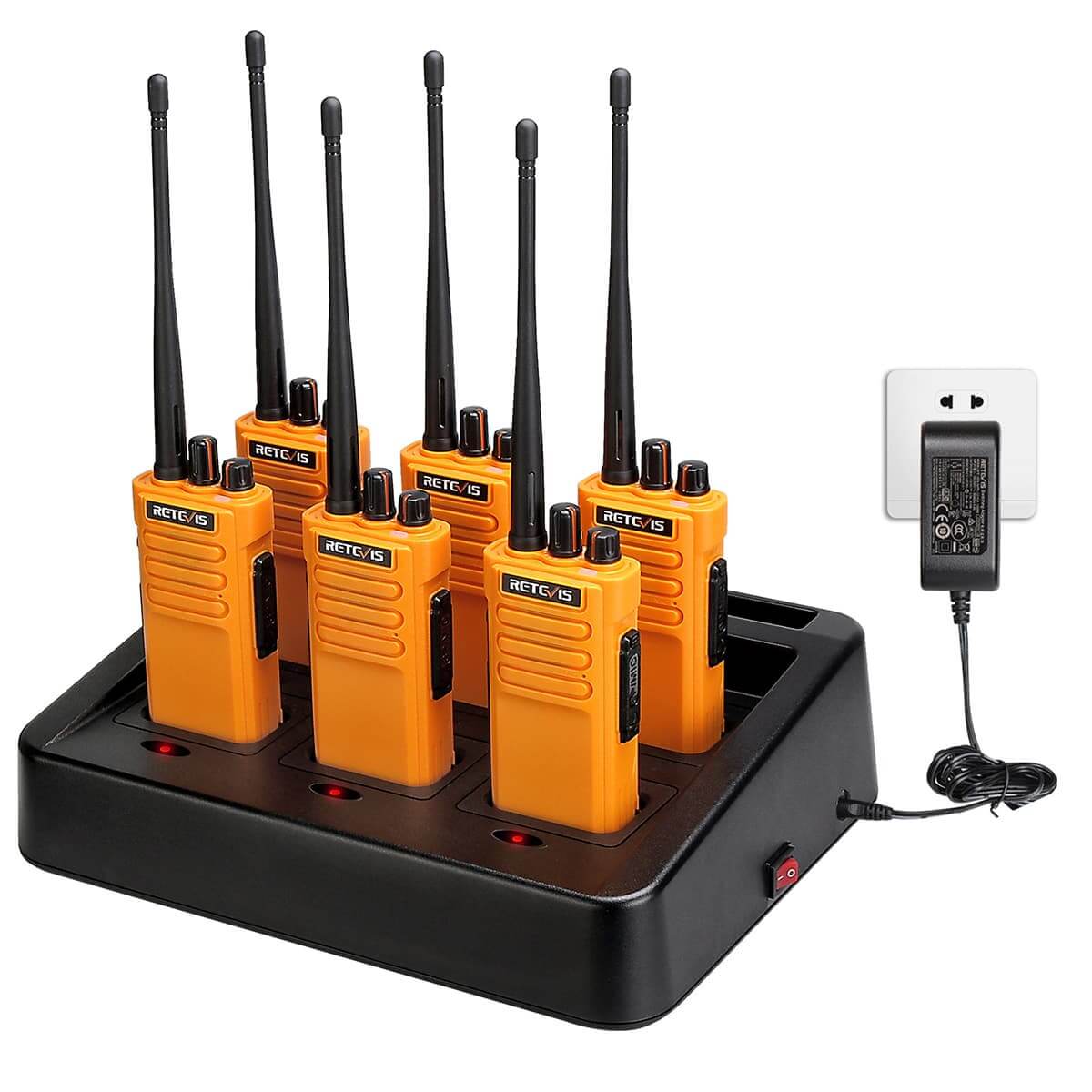
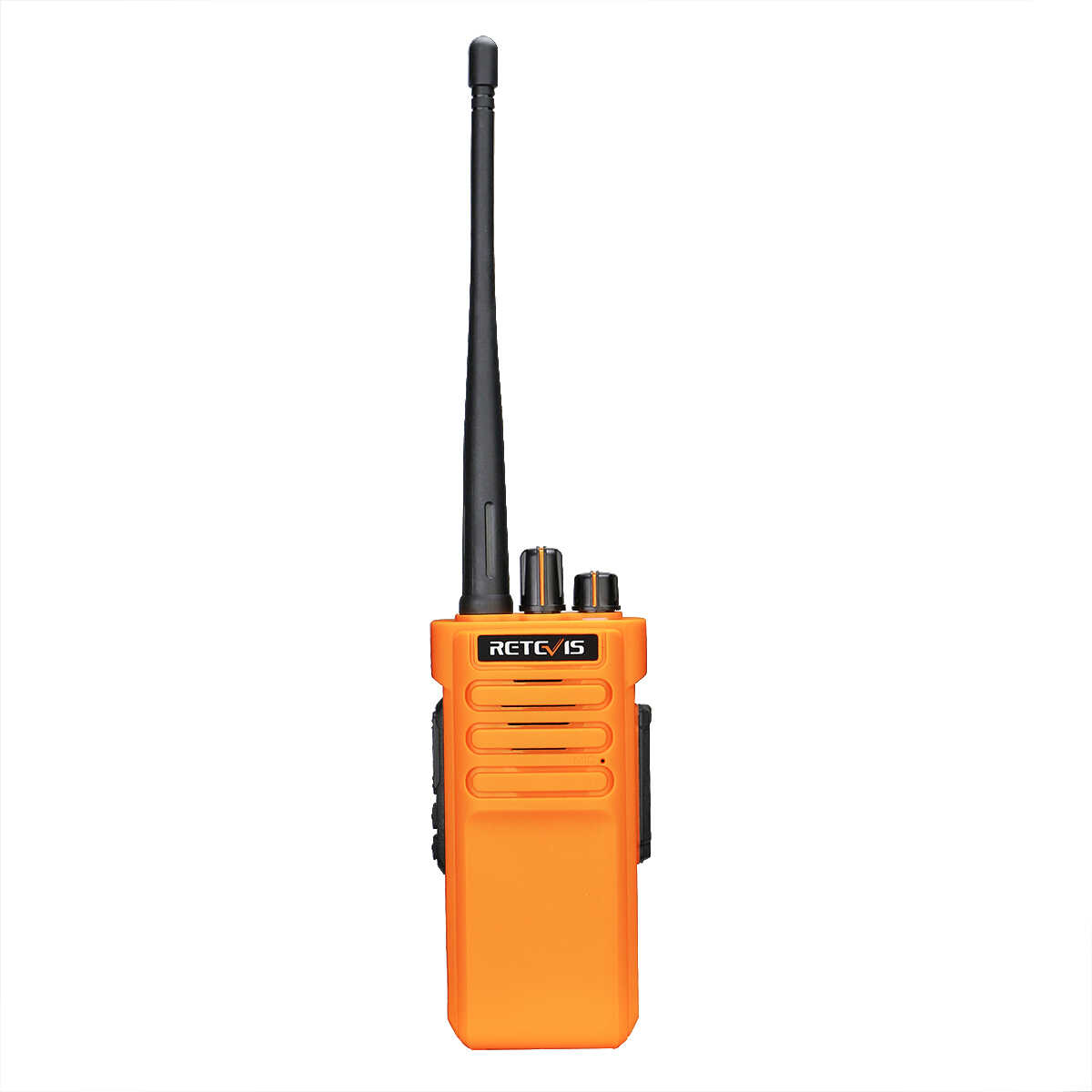
- Professional handheld radios
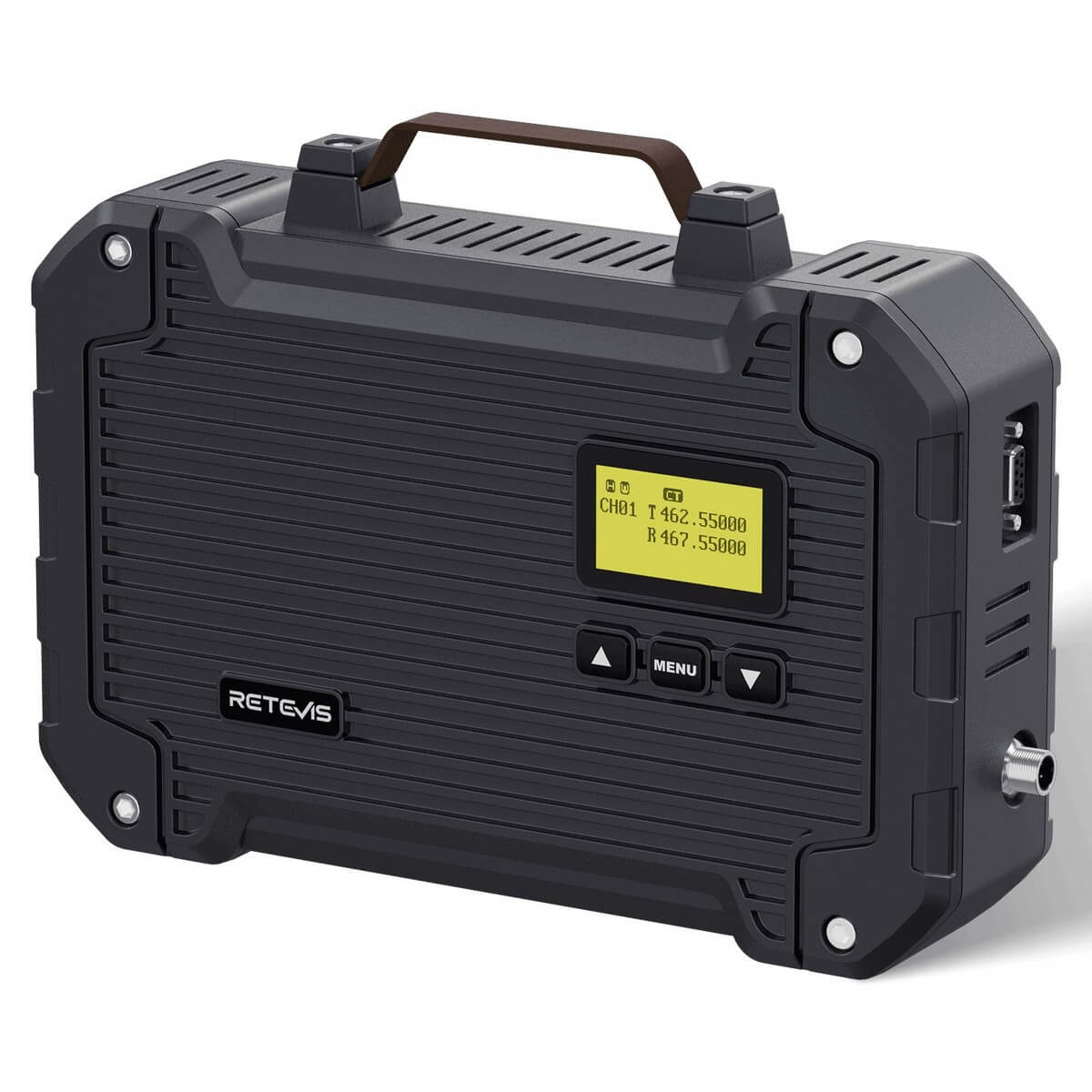
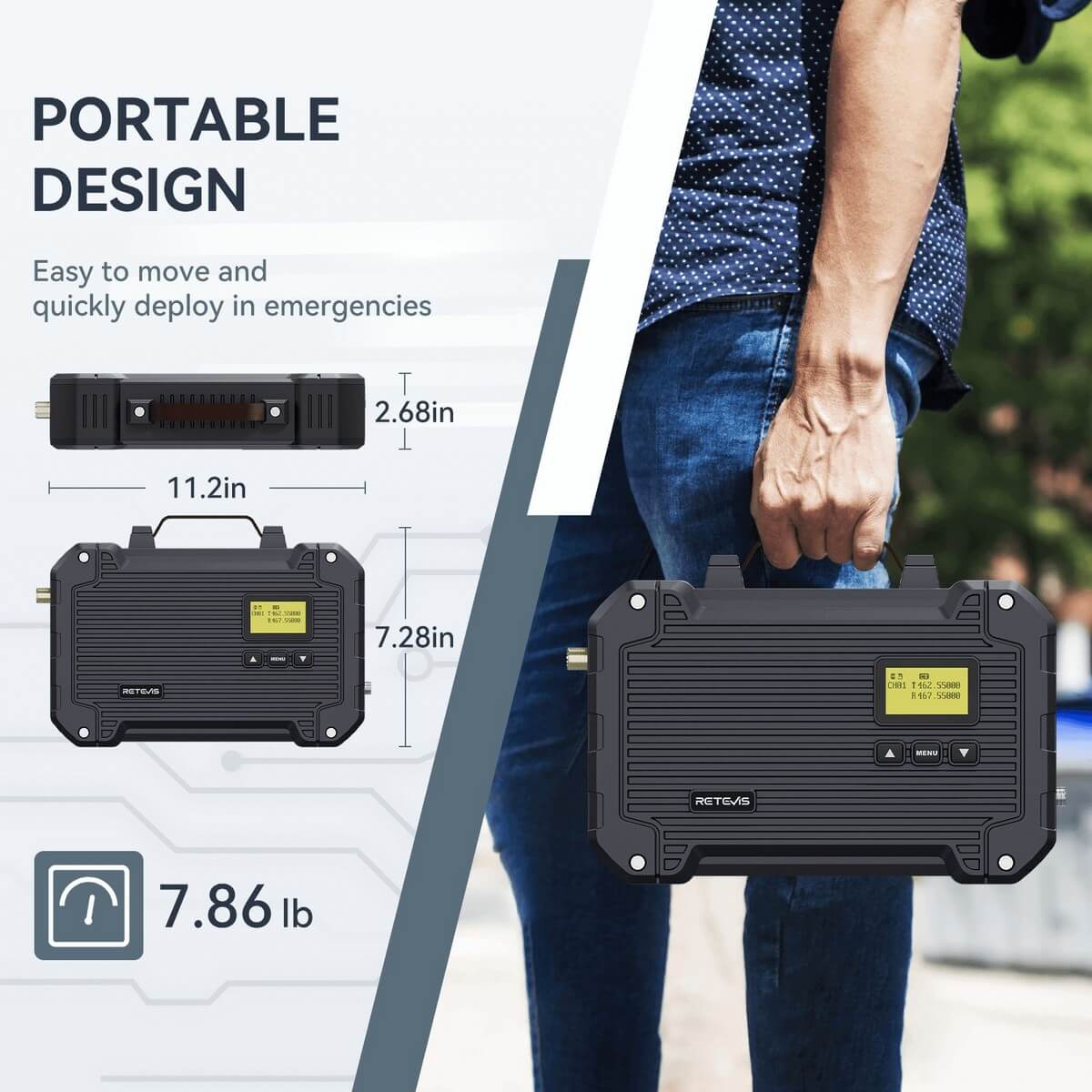
- Repeaters
- Higher-gain antennas
- Coverage testing
A properly designed VHF/UHF radio communication system helps reduce communication gaps and supports safer operations.
How to Choose the Best Construction Radio Frequency
Before purchasing a radio system, ask these questions:
1. Is the project mainly outdoors or indoors?
- Outdoor and open areas → Consider VHF
- Indoor and obstacle-heavy areas → Consider UHF
2. Is the project multi-floor?
For high-rise construction, UHF is usually preferred because crews need reliable communication through floors, stairwells, and structural materials.
3. Does the site contain steel or concrete?
Dense construction materials can affect signal performance. Testing radios in the actual environment is the best way to confirm coverage.
4. Will the site change during construction?
A project may begin as an open foundation site and later become a complex indoor structure. Communication planning should consider every construction phase.
Quick Guide: UHF or VHF for Construction?
|
Construction Environment |
Better Starting Option |
|
Road construction |
VHF |
|
Utility projects |
VHF |
|
Rural development |
VHF |
|
Commercial buildings |
UHF |
|
High-rise construction |
UHF |
|
Warehouses |
UHF |
|
Industrial facilities |
UHF |
The best construction two way radio is not simply the one with the highest power or longest advertised range. It is the radio that matches the real working environment.
FAQ
What is the difference between UHF and VHF radios?
The main difference is how each frequency behaves in different environments. VHF is generally better for open outdoor areas, while UHF is often better for buildings and areas with obstacles.
Is UHF or VHF better for construction sites?
It depends on the project. VHF works well for open outdoor sites, while UHF is usually better for high-rise buildings, warehouses, and industrial environments.
What is the best two way radio frequency for jobsite communication?
The best frequency depends on site layout, materials, and coverage requirements. Contractors should evaluate whether the project needs outdoor range or indoor reliability.
Are UHF radios better for multi-floor construction?
In most cases, yes. UHF is commonly selected for multi-floor projects because it performs well in environments with concrete, steel, and structural barriers.
Should I choose a UHF or VHF radio for warehouse communication?
For most warehouses, UHF is usually the preferred option because storage racks, walls, and equipment create more indoor obstacles.
Conclusion
Choosing between UHF vs VHF is not about finding a single “best” frequency. It is about matching the radio system to the jobsite.
- Choose VHF for large, open outdoor projects.
- Choose UHF for buildings, warehouses, and complex construction environments.
- For large industrial sites, consider professional testing and a complete communication system.
The right frequency choice helps construction teams maintain clear communication throughout every stage of the project.



 Google
 Amazon
Comments
No data Yet