

Table of Contents
Can You Pass These Real FCC HAM Radio Exam Questions?
- Posted by:Retevis
If you’ve ever wanted to get on the air legally — whether for emergency comms, contesting, or just talking to someone across the country — you need an FCC amateur radio license.
Here’s the good news: the test questions are not secret.
The FCC doesn’t try to trick you. Every single question on the exam comes from a public question pool. That means if you study the right material, passing is almost guaranteed.
In this post, I’ll show you:
- Real exam questions (just like what you’ll see)
- Which question pool is current
- How to prepare fast without over-studying
First — Which License Are You Going For?
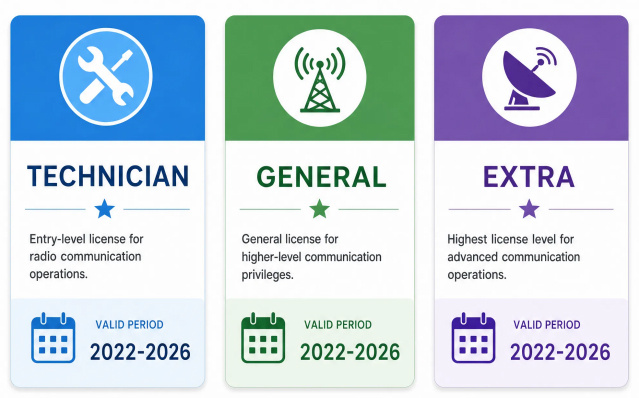
There are three license classes in the US. Each has its own question pool.
|
License |
Current Pool |
Valid Until |
|
Technician |
2022–2026 |
June 30, 2026 |
|
General |
2023–2027 |
June 30, 2027 |
|
Extra |
2024–2028 |
June 30, 2028 |
If you’re studying in 2025 or early 2026, these are still the correct pools. Don’t use old versions.
Most people start with Technician. That’s what the sample questions below are based on.
Can You Answer These Real HAM Radio Exam Questions?
Try these 5 questions. Answers and explanations are at the bottom.
- (T1A01)
What is one purpose of the amateur radio service as stated in the FCC rules?
- A) To provide free communication for travelers
- B) To allow unlicensed experiments
- C) Advancing skills in the technical and communication phases of radio
- D) To compete with commercial broadcasters
- (T3B02)
What is the most common frequency band used by new Technician licensees for VHF FM simplex communication?
- A) 10 meters
- B) 6 meters
- C) 2 meters
- D) 70 centimeters
- (T5D05)
According to Ohm’s Law, what is the voltage across a 10‑ohm resistor if a current of 2 amperes flows through it?
- A) 5 volts
- B) 10 volts
- C) 20 volts
- D) 0.2 volts
- (T0A01)
What is a primary hazard of exposure to RF energy?
- A) Radiation poisoning
- B) Heating of body tissue
- C) Electric shock
- D) Magnetic field migration
- (T1F08)
How often must you identify your station with your FCC-assigned call sign?
- A) At the beginning of every transmission
- B) Every 10 minutes during communication
- C) At the end of every transmission
- D) Only when requested by another station
Answers & Quick Explanations
- C – Advancing technical and communication skills is a core legal purpose of amateur radios.
- C – 2 meters (144–148 MHz) is the most popular VHF band for new hams using FM.
- C – Ohm’s Law: V = I × R → 2A × 10Ω = 20V.
- B – RF exposure mainly heats body tissue. That’s why power limits and distance matter.
- B – You must identify every 10 minutes (and at the end of your last transmission).
How many did you get right?
- 5/5 → You’re ready to take a practice exam today.
- 3–4/5 → A few study sessions and you’re there.
- 0–2/5 → Don’t worry — most people start here. The pool is learnable.
Where to Get the FULL Question Pool (Free)
You don’t need to buy expensive courses. These are the standard free sources:
- NCVEC (official pool publisher) – raw question database
- ARRL – free PDF downloads by license class
- HamStudy – excellent free web/app practice tests
- eHam.net – classic practice exams
Do not just read the pool. Take practice exams repeatedly. That’s how you pass fast. And for a more focused study plan, review these ham radio practice test tips before taking your next FCC exam.
How Long Does It REALLY Take to Pass?
Based on hundreds of hams I’ve seen:
|
License |
Study Time (typical) |
|
Technician |
10–15 hours |
|
General |
10–15 hours |
|
Extra |
20–30 hours |
Most people pass Technician in 2–4 weeks studying lightly.
Strategy that works:
- Go through each sub‑topic section (not random)
- Take a full practice exam
- Review only your wrong answers
- Repeat until you score 85%+ consistently
One Last Thing — No More Morse Code
Yes, really. The FCC dropped the Morse code requirement years ago. You only need to pass the written multiple-choice exam.
So… Can You Pass?
If you got at least 3 of the 5 questions right, you’re already ahead of most people before they study.
The only difference between “I want a license” and “I have a license” is spending a few hours with the question pool.
- Choose your license level
- Download the current pool
- Take 5–10 practice exams
That’s it.
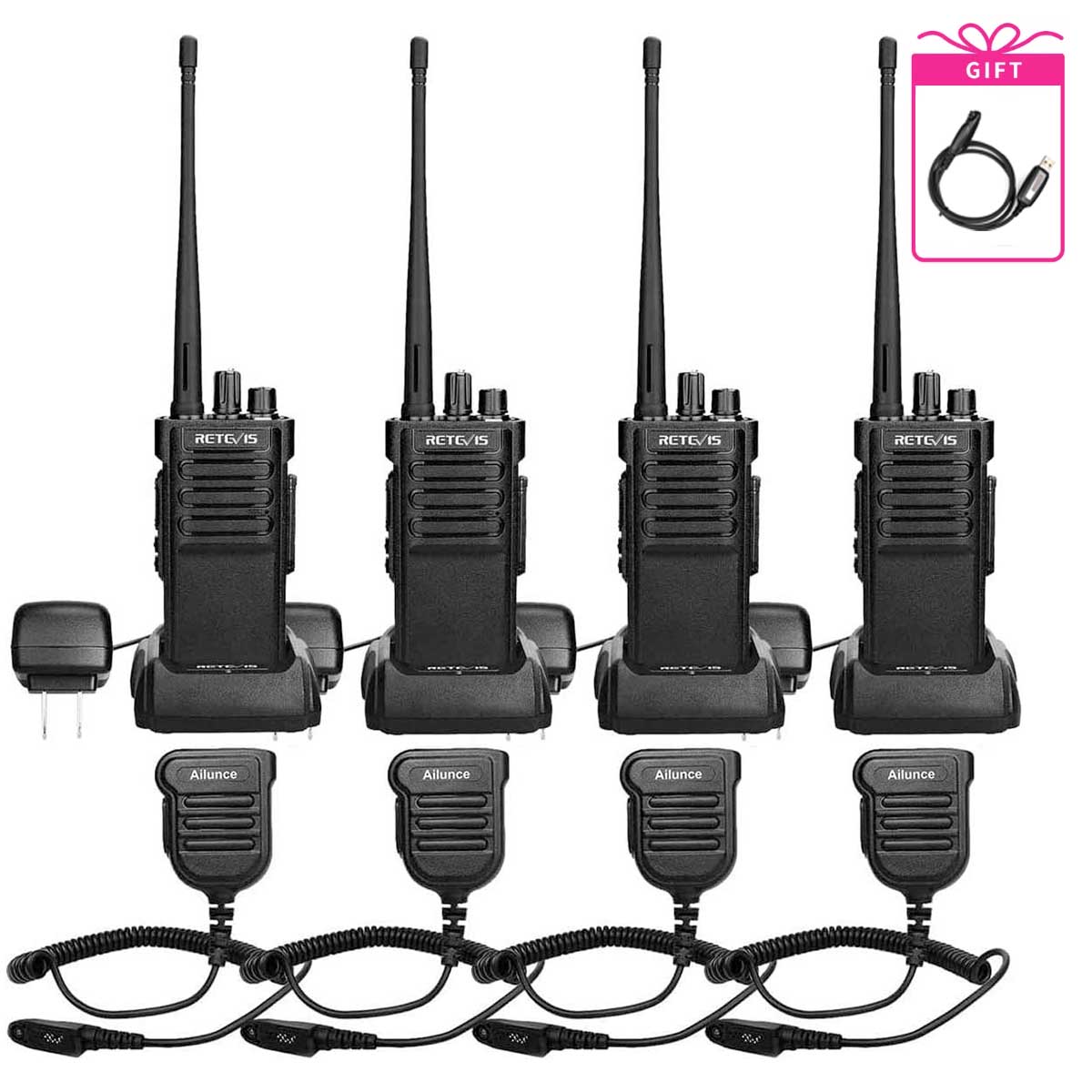
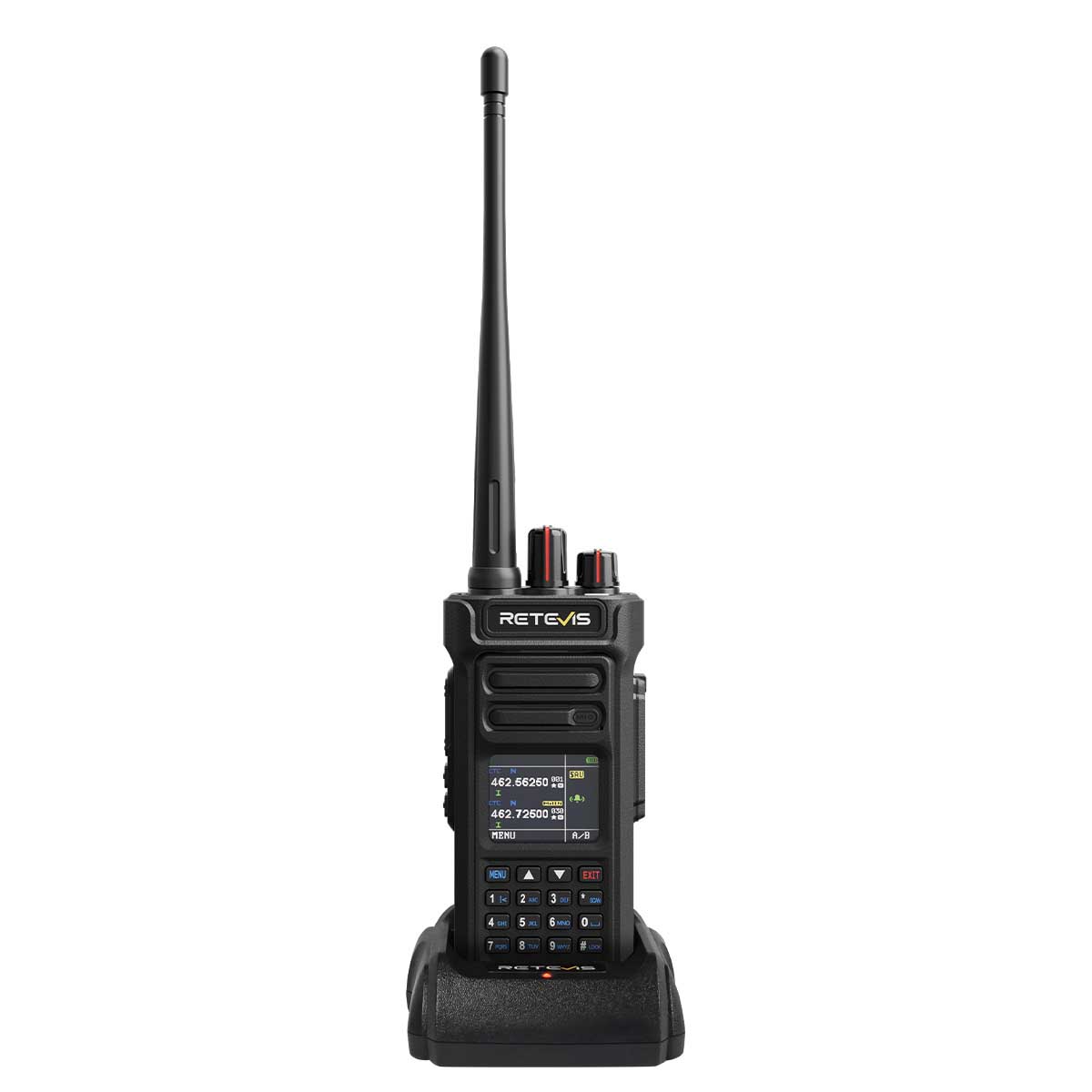
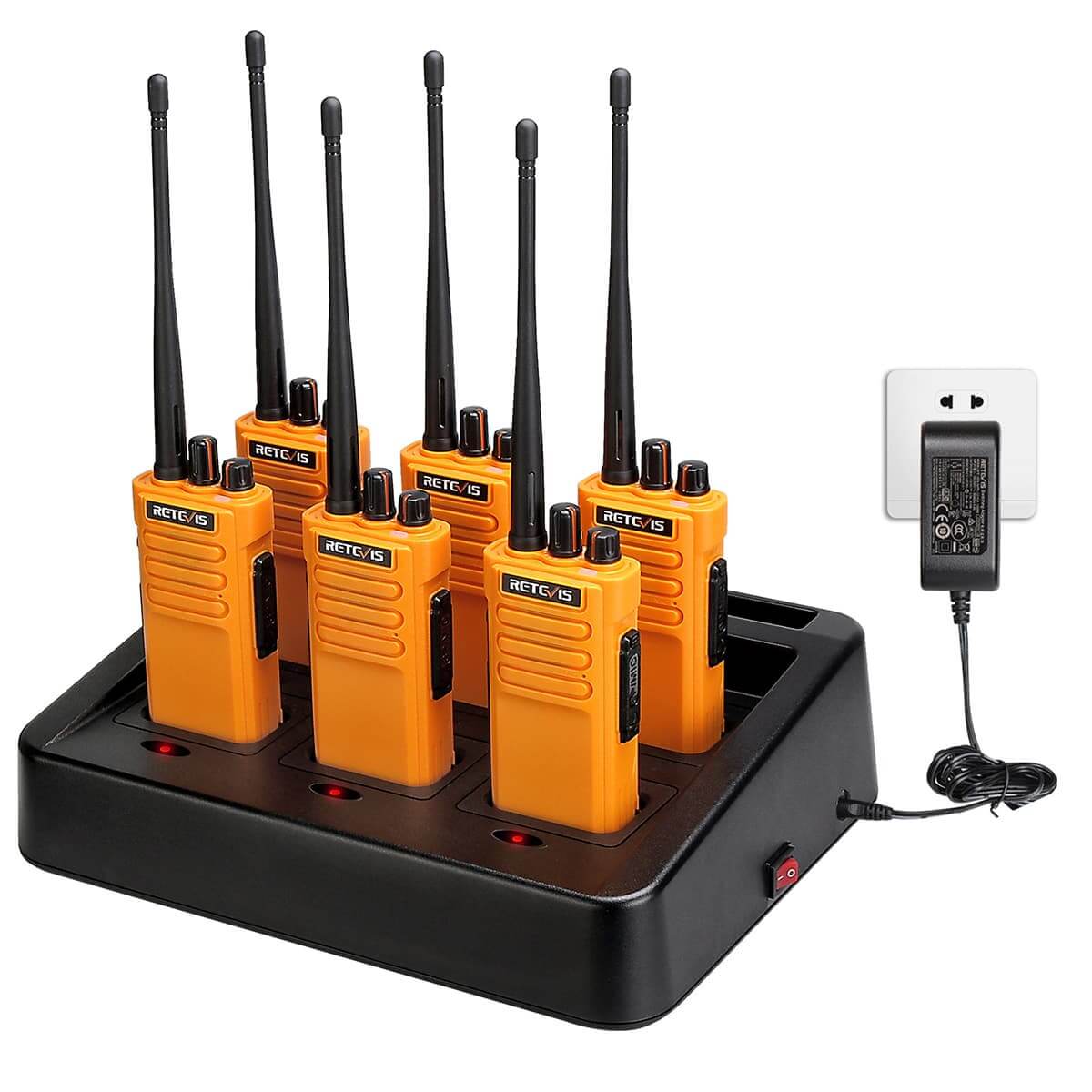
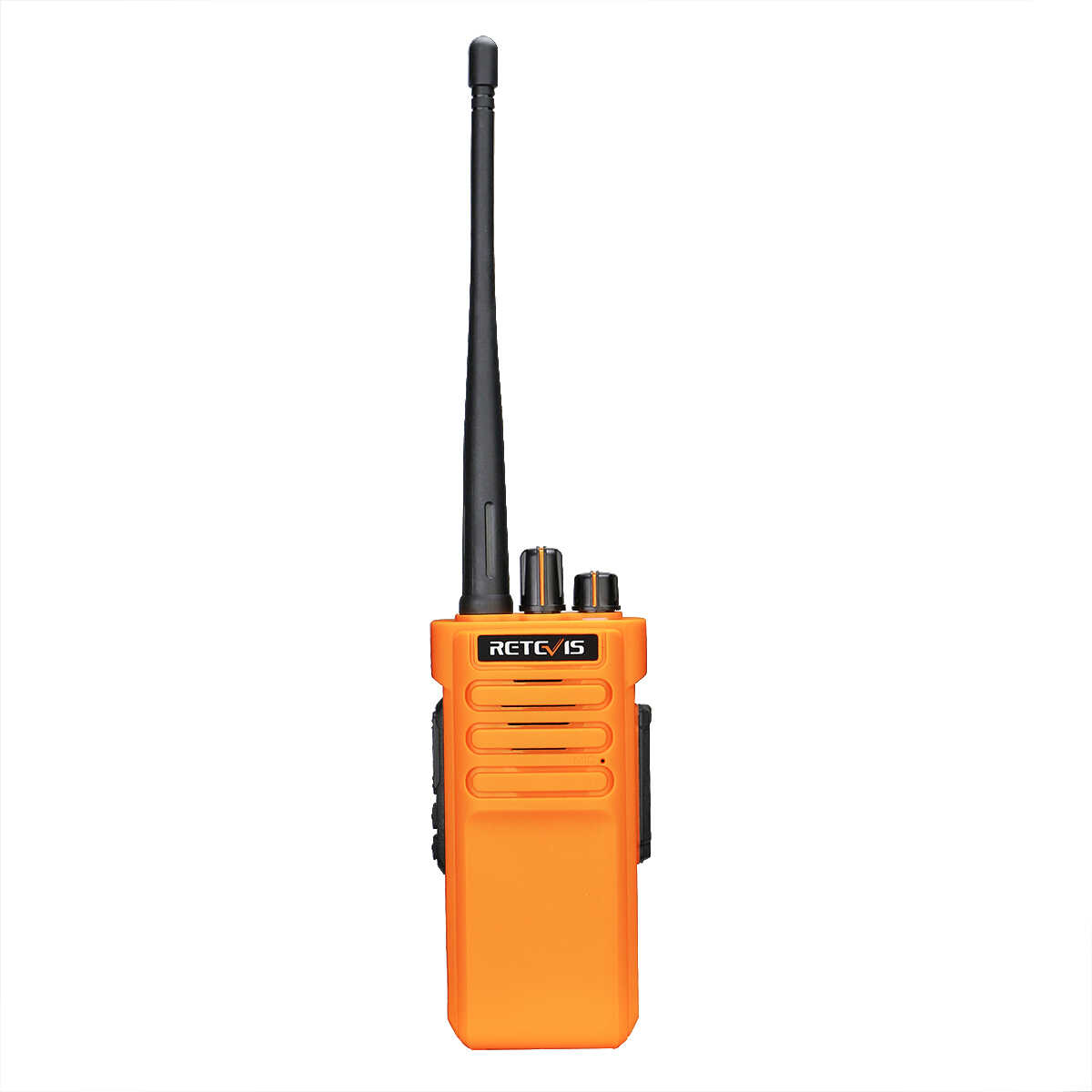
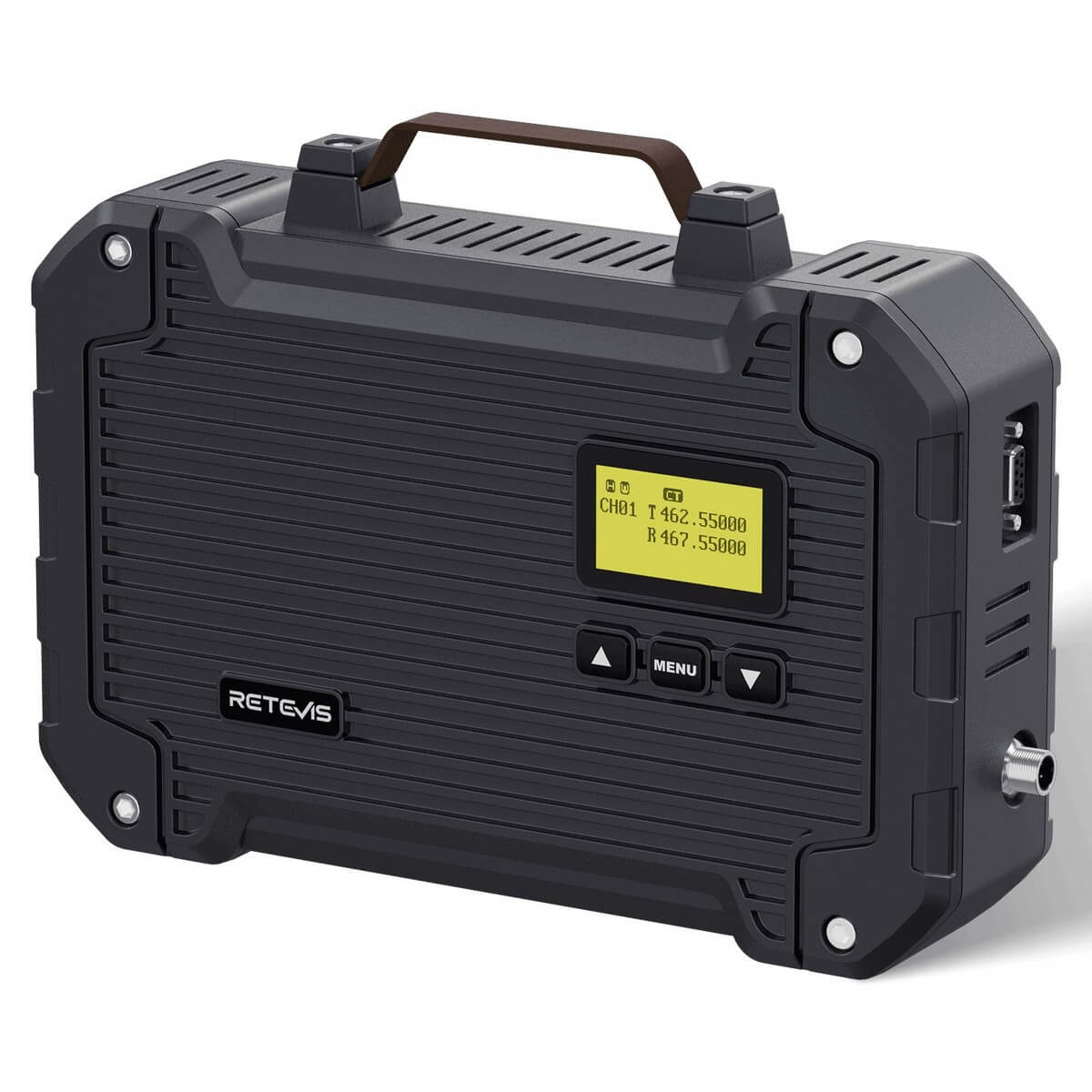
After that, choose a ham radio setup that matches your license level, operating goals, and real communication needs.
Which license are you planning to get — Technician, General, or Extra?
Drop a comment or go take your first free practice exam today.
Disclaimer: Question pools are current as of the publication date of this post. Always verify with the NCVEC or ARRL before your exam date.






 Google
 Amazon
Comments
No data Yet