

Table of Contents
Your Essential Guide to Acing the Ham Radio Practice Test
- Posted by:Retevis
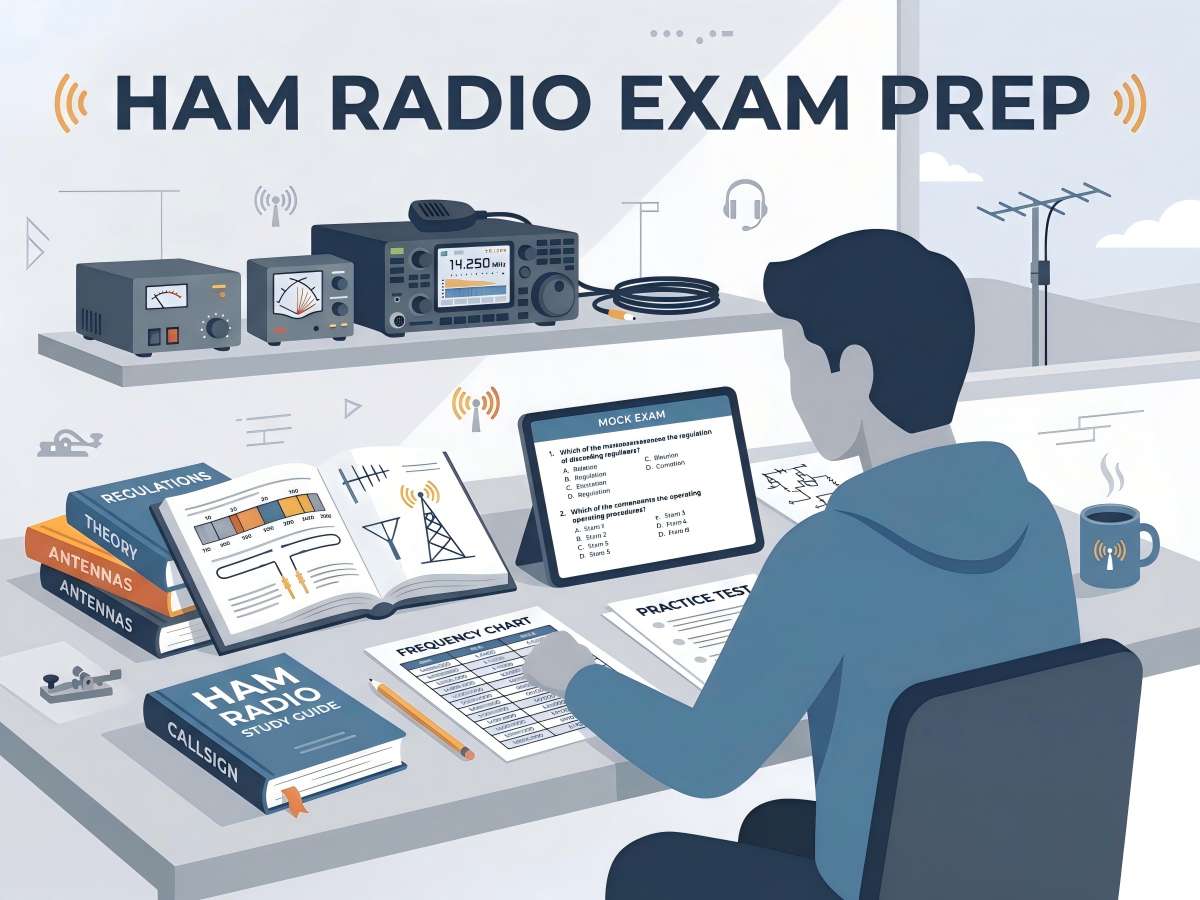
Amateur radio, often called ham radio, connects people across the globe and even into space. To join this fascinating community, you need a license. For many, the path to getting licensed feels daunting, filled with technical terms and complex rules. But it doesn't have to be. This guide will walk you through effective strategies and resources, making your ham radio test preparation straightforward and successful.
Amateur Radio License Levels and Exam Structure
Before diving into ham radio practice test sessions, it's helpful to know what you're aiming for. There are three main license classes in the United States: Technician, General, and Amateur Extra. Each builds on the last, offering more operating privileges.
- Technician Class: This is your entry point, covering basic operating practices, regulations, and electronics. It's perfect for local communication and some digital modes.
- General Class: This expands your privileges to include most of the HF (high frequency) bands, allowing for long-distance communication.
- Amateur Extra Class: The highest level, granting all amateur radio privileges.
Each exam draws questions from a publicly available question pool. These pools are updated periodically (for example, the Technician class pool changes every four years) . To pass, you need to answer a certain percentage correctly. For Technician and General exams, you typically need 26 out of 35 questions right. For the Amateur Extra exam, it's 37 out of 50. Don't worry about perfection; focus on understanding enough to pass.
Your Toolkit for Success: Top Ham Radio Test Prep Resources
Effective ham radio test preparation relies on good resources. Here are some of the most popular and effective tools used by aspiring hams:
Online Study Platforms
- HamStudy.org: This platform is a community favorite for practice ham radio test sessions. Its "Study Mode" uses smart flashcards that adapt to your learning, focusing on areas where you need more work. Many users credit HamStudy.org with their success due to its intelligent approach to the question pool.
- Ham Radio Prep: If you learn best through a mix of video, text, and quizzes, Ham Radio Prep is an excellent choice. It offers comprehensive courses that break down complex topics into manageable lessons.
- ARRL Exam Review: The American Radio Relay League (ARRL) provides official practice exams that mirror the actual FCC examination question pool. This is a solid resource for verifying your knowledge, especially if you're using ARRL study manuals .
Video Resources
For those who prefer visual learning, YouTube channels like Gary W4EEY offer in-depth explanations of technical concepts. These videos can clarify difficult topics and provide memorable ways to understand the material, going beyond just memorizing answers .
Smart Strategies for Your Ham Radio Practice Exam
Passing your ham radio license practice test involves more than just studying; it's about smart strategy. Here are some proven approaches:
- "Pass First, Learn Later": A common philosophy in the ham radio community suggests focusing on passing the exam first, even if it means some memorization, and then delving deeper into the theory once you're licensed. This gets you on the air faster and allows practical experience to solidify your understanding.
- Study in Chunks: Instead of trying to absorb everything at once, break down the question pool into smaller categories (sub-elements). Master one section before moving to the next. This prevents overwhelm and builds confidence.
- Practice Makes Perfect: Regularly take ham radio practice exam sessions. Aim for consistent scores of 85% or higher on these practice tests before scheduling your official exam. This benchmark significantly increases your chances of passing on the first try.
- Guess When Unsure: Ham radio exams typically do not penalize incorrect answers. If you encounter a question you're unsure about, make an educated guess. Don't leave any questions blank; every guess is a chance to earn a point.
Overcoming Common Hurdles in Ham Radio Test Preparation
Many aspiring hams face similar challenges. Here's how to tackle them:
- The Math Myth: Don't let fear of math hold you back. While some questions involve calculations, they are a small portion of the exam. Even if you miss all the math questions, you can still pass the Technician exam. Focus on understanding the concepts rather than complex formulas.
- Understanding Complex Concepts: Some topics, like electronics theory or radio wave propagation, can be tricky. Use a variety of resources: watch explanatory videos, look for diagrams, and discuss with others in online forums or local ham radio clubs. Breaking down these concepts visually and through discussion can make a big difference.
- Exam Anxiety: It's normal to feel nervous. Thorough ham radio test preparation is your best defense. Familiarize yourself with the exam format through repeated practice tests. If you're taking a remote exam, understand the technical requirements and setup beforehand to reduce stress.
Beyond the Test: Your First Steps as a Licensed Ham
Congratulations, you've passed your ham radio license practice test and the real thing! What's next?
- FCC Fees: Be aware that the FCC charges a $35 application fee for new licenses, renewals, and vanity call sign requests . However, upgrading your license (e.g., from Technician to General) typically does not incur this fee.
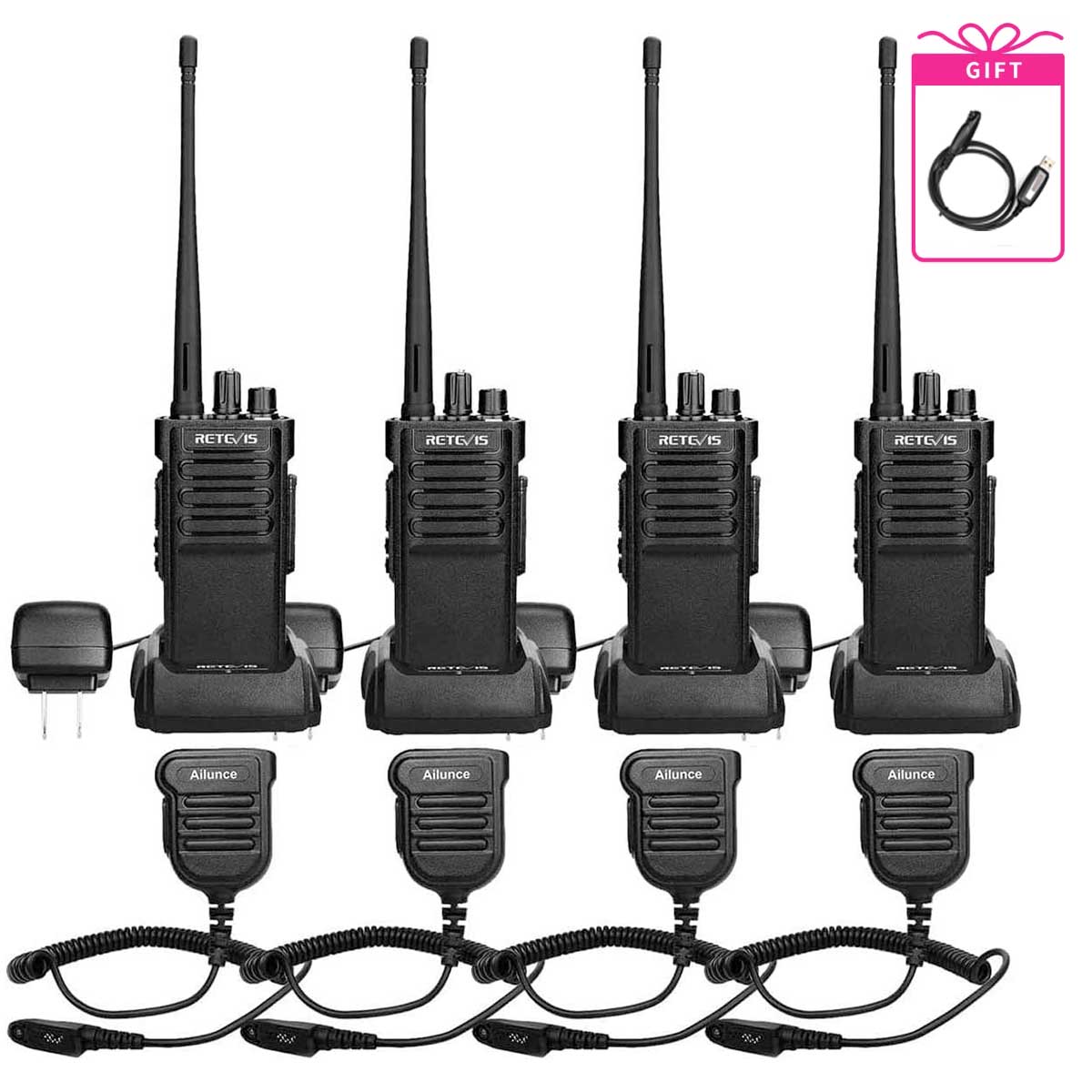
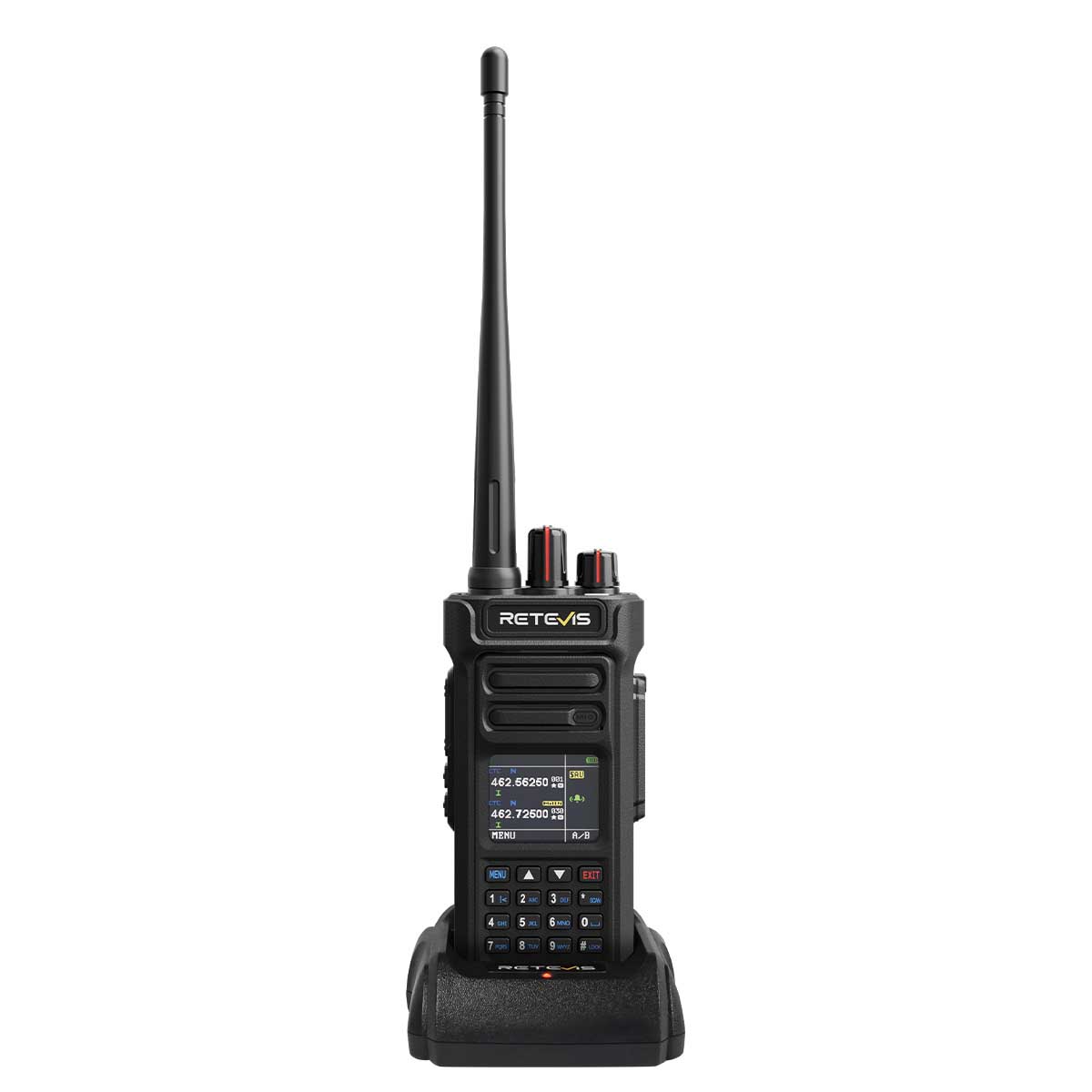
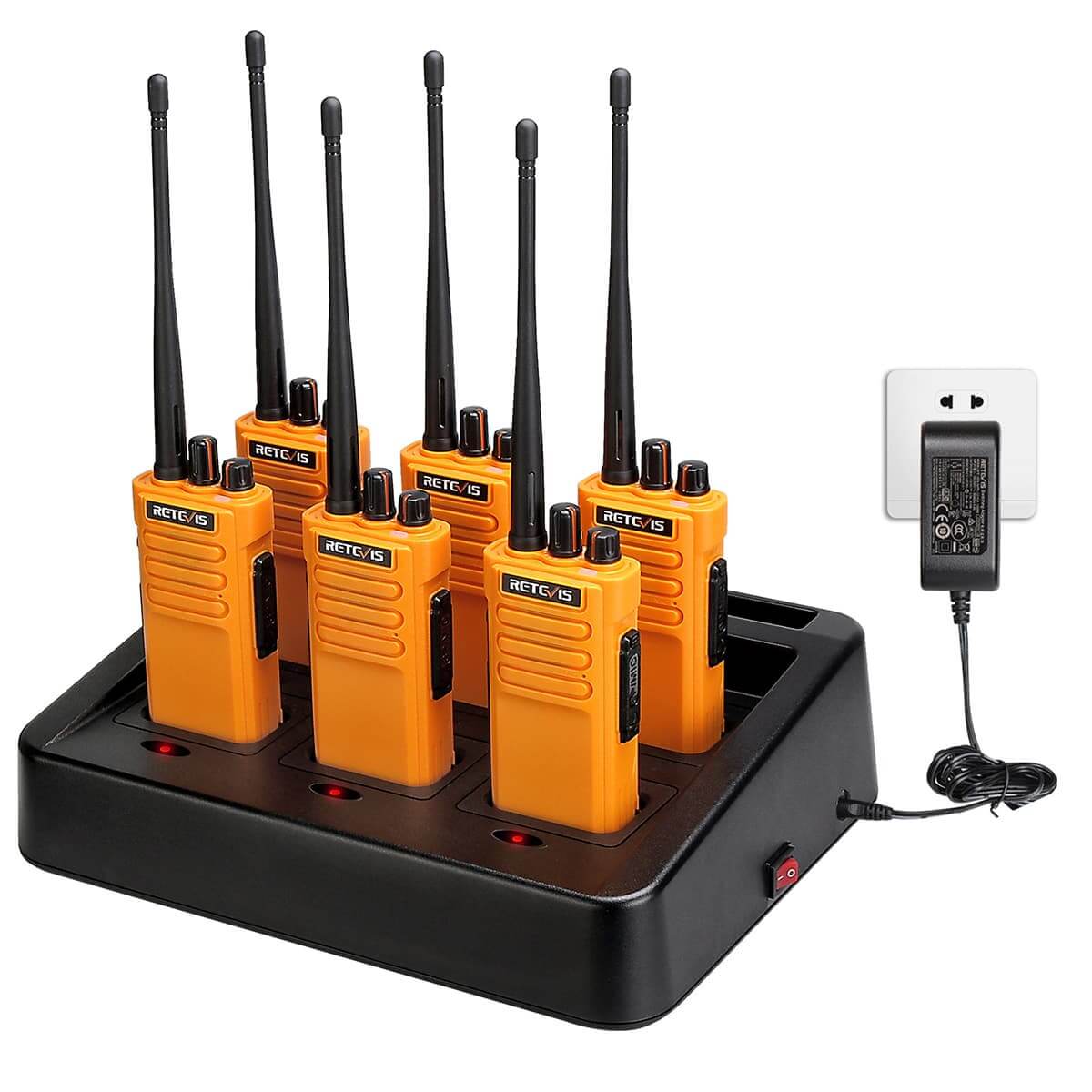
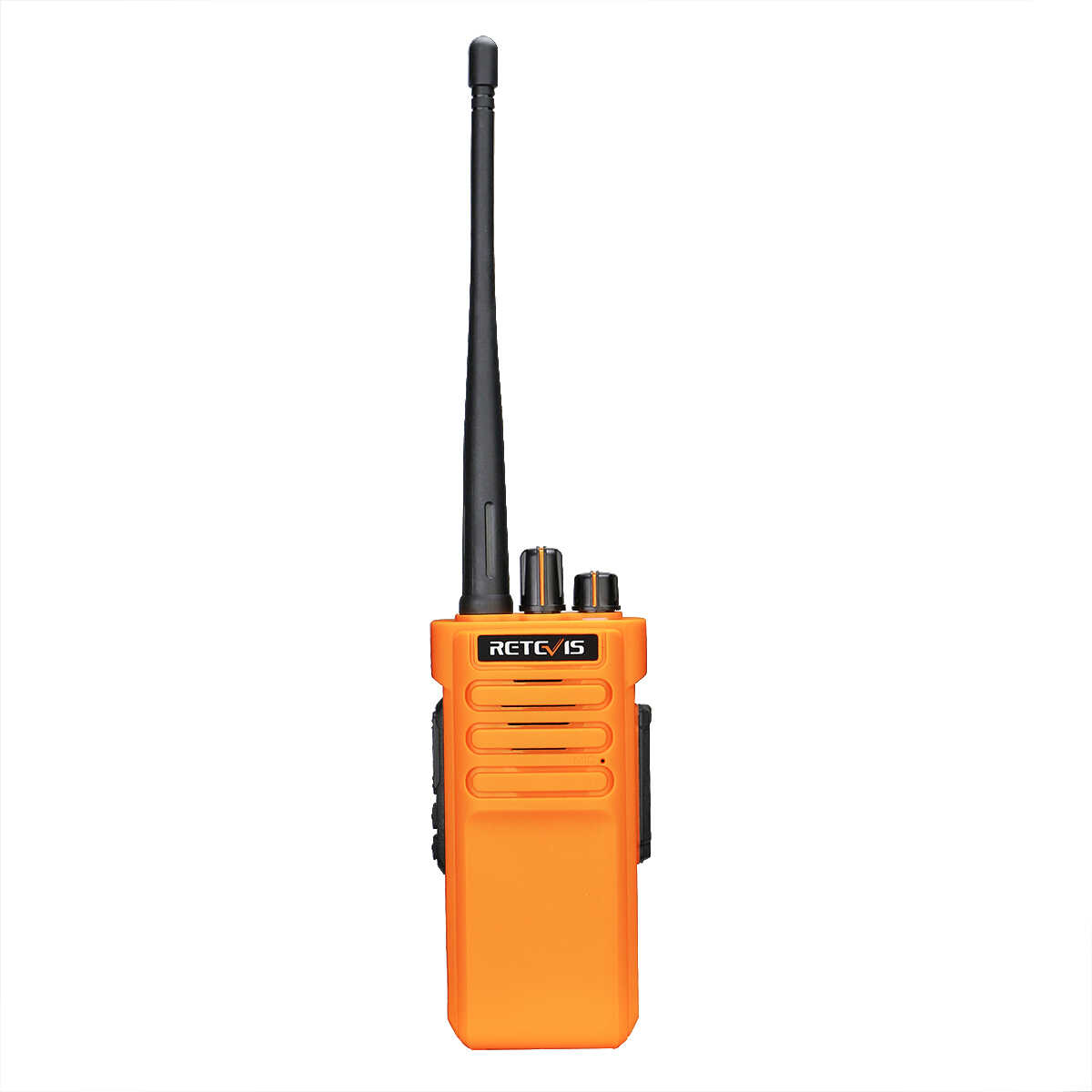
- Getting on the Air: Your first step is often choosing your equipment. Start with a basic handheld ham radio to get familiar with local repeaters. Don't be shy about making your first contact (QSO)! Local clubs are a great place to find mentors and get advice.
- Continuous Learning: The ham radio journey is one of continuous discovery. Explore different aspects like digital modes, satellite communication, or participating in events like Parks On The Air (POTA). The ARRL and local clubs are excellent resources for ongoing education and community engagement.
Conclusion: Your Key to the World of Ham Radio
Passing your ham radio license test is more than just an exam; it's your gateway to a vibrant community and a world of communication possibilities. By using the right ham radio test prep tools and strategies, you can confidently navigate the material and achieve your license. Embrace the learning, enjoy the journey, and get ready to make your first contact!








 Google
 Amazon
Comments
No data Yet