

Table of Contents
Ham Radio with GPS: Enhancing Communication Safety and Efficiency
- Posted by:Retevis

If you’re a ham operator, you understand the paramount importance of reliability. Whether communicating during a storm, navigating remote areas, or assisting in emergency response, knowing your precise location and that of your contacts can be life-saving. This is where ham radio with GPS becomes indispensable. It transcends being merely a sophisticated add-on; it is a powerful tool that integrates the inherent freedom of ham radio with the precision of GPS technology, thereby making every QSO (radio contact) safer and more efficient.
This article will commence with fundamental concepts, ensuring accessibility for beginners, while seasoned operators may opt to proceed directly to the advanced tips section.
What Is Ham Radio with GPS?
Simply put, a ham radio equipped with GPS is a two-way radio featuring a built-in GPS receiver. This receiver establishes a connection with GPS satellites to ascertain your exact geographical coordinates (latitude and longitude). Subsequently, it enables you to share this location data with other ham operators, monitor your own movements, or even configure alerts if you deviate beyond a predefined area.
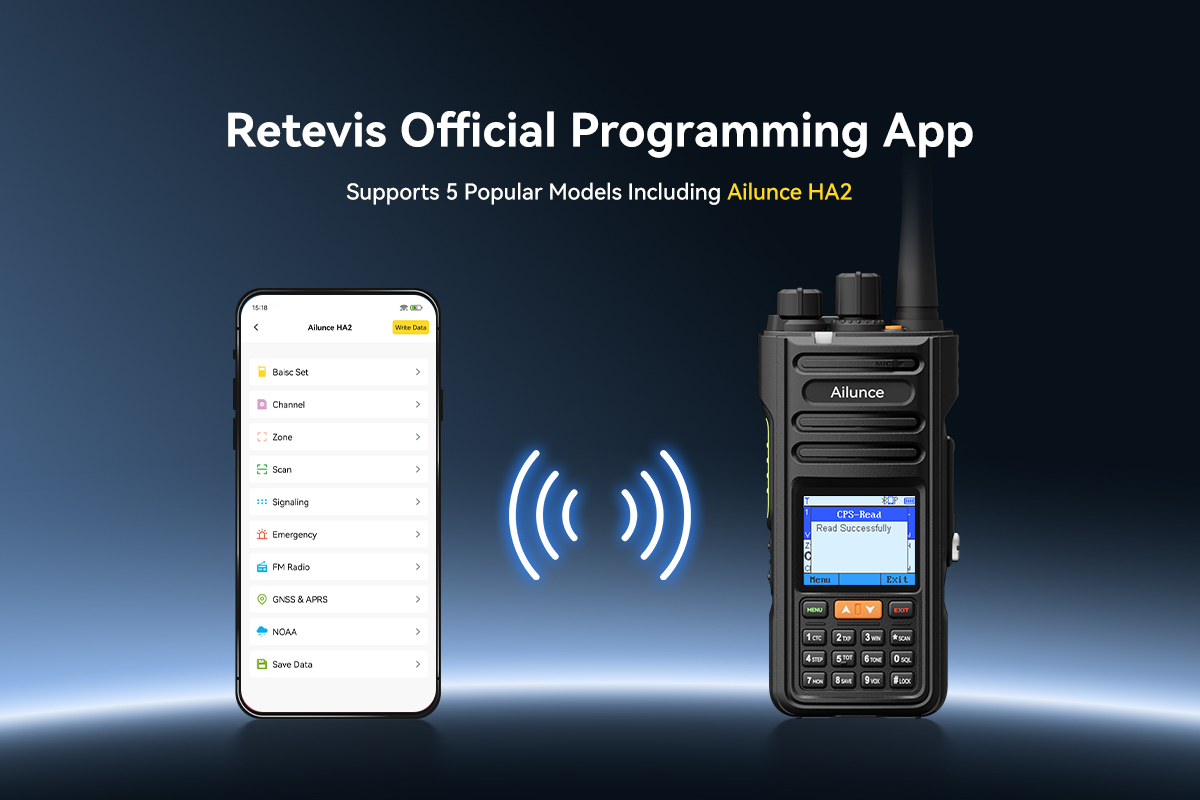
While GPS technology for ham radios is not a recent innovation, its affordability and user-friendliness have significantly improved in recent years. Contemporary devices, such as the RETEVIS Ailunce HA2, seamlessly integrate GPS functionality, eliminating the need for complex setups or additional equipment. Activation is straightforward: power on the device, allow a few seconds for the GPS to acquire satellite lock, and you are ready for operation.
Why Every Ham Operator Needs Ham Radio GPS Tracking
Ham radio GPS tracking extends its utility far beyond emergency scenarios (though it excels in such situations), adding substantial value to a diverse range of ham activities:
- Emergency Response: In disaster relief efforts, the ability to share your precise location with rescue teams is critical. This significantly reduces search times and enhances personal safety. The American Radio Relay League (ARRL) advocates for the use of GPS-equipped radios by emergency communicators .
- Outdoor Adventures: Hikers, campers, and off-road enthusiasts leverage handheld ham radios with GPS to maintain communication and share their whereabouts. In the event of becoming disoriented, coordinates can be transmitted to fellow hams or rescue personnel, even in the absence of cellular service.
- Contest Operations: For competitive enthusiasts, GPS facilitates accurate logging of location data. Certain contests mandate location information for scoring purposes, and a GPS-equipped radio automates this process, obviating manual record-keeping.
- Group Communications: During group operations, such as a ham club field day, ham radio GPS tracking allows participants to visualize the positions of their teammates. This capability is invaluable for coordinating deployments or ensuring that no individual strays too far.
How Ham Radio GPS Works (In Simple Terms)
Understanding the operational principles of ham radio GPS does not necessitate technical expertise. The fundamental mechanism is as follows:
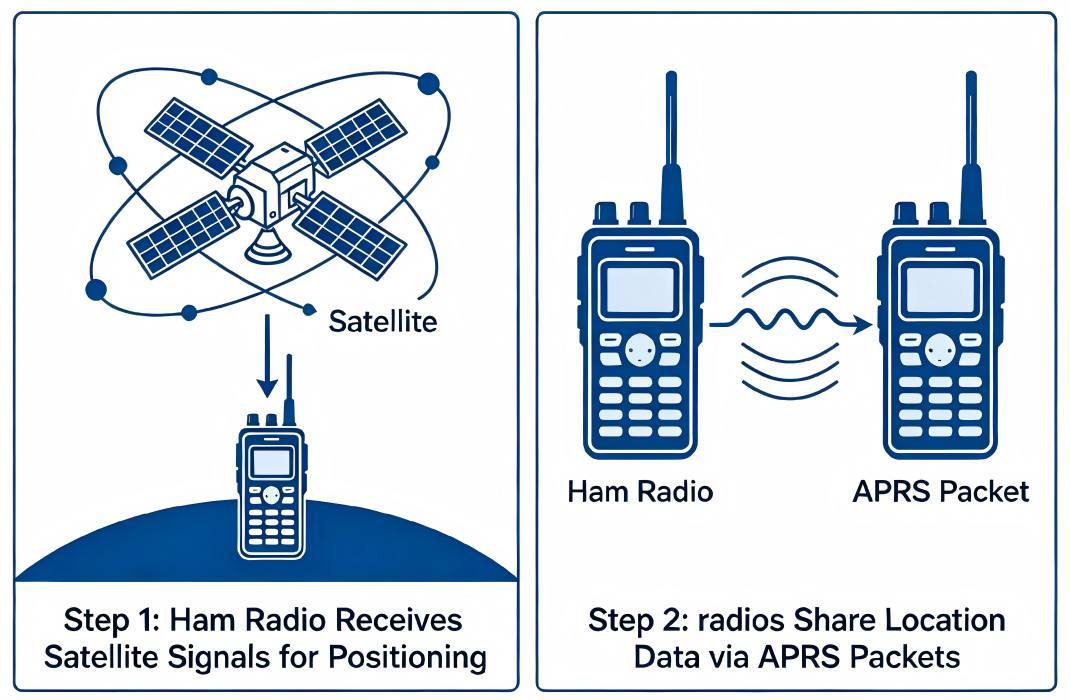
- The radio's integrated GPS receiver connects to four or more GPS satellites (originating from the U.S. GPS system or other global navigation satellite systems like Galileo or BeiDou).
- The receiver processes signals from these satellites to calculate your precise location. Most ham radios with GPS achieve an accuracy of 3-10 meters, which is more than sufficient for the majority of amateur radio applications.
- Your location (latitude/longitude, or even a simplified map on select models) is displayed on the radio's screen.
- To disseminate your location, a concise data packet (termed a “position report”) is transmitted over the ham radio frequency. Other GPS-equipped radios can receive and display this packet, typically facilitated by the Automatic Packet Reporting System (APRS).
For more in-depth technical information, relevant technical resources or APRS guides from the International Amateur Radio Union (IARU) can be consulted .
Tips for Using Ham Radio with GPS (For Beginners & Veterans)
For Beginners
- Begin with a straightforward handheld ham radio with GPS. The RETEVIS Ailunce HA2 is an excellent choice for novices, featuring a large, easily readable screen and one-touch GPS activation. Its design prioritizes intuitive controls over complex menus.
- Practice initially in open environments. GPS signals are attenuated by buildings and dense foliage. Operate outdoors, power on your radio, and allow 30-60 seconds for GPS acquisition (known as a “cold start”). Once locked, the connection typically persists even in moderately wooded areas.
- Familiarize yourself with position reports. Most radios enable the transmission of a position report with a single button press. Practice sending these reports to a friend with a GPS-equipped radio to confirm functionality.
For Veterans
- Utilize ham radio GPS tracking to log your operations. Many GPS-equipped radios can store location data on a memory card, which can then be imported into logging software (e.g., Ham Radio Deluxe) for contest entries or QSO records.
- Integrate GPS with other functionalities. Pair your GPS-enabled ham radio with a weather radio (a feature often built into many RETEVIS models) to receive real-time weather alerts alongside your location data. This combination is transformative for emergency response scenarios.
Choosing the Best Handheld Ham Radio with GPS
Not all handheld ham radio with GPS units offer comparable performance. Consider the following key attributes during your selection process:
- GPS Accuracy: Prioritize units offering 3-5 meter accuracy. This level of precision is standard for most ham radios and is adequate for emergency applications.
- User-Friendly Interface: Avoid radios with convoluted menus, particularly if you are a beginner. Large buttons and a clear display significantly enhance usability, especially for older operators.
- Battery Life: Given the additional power consumption of GPS, select a radio with extended battery endurance. The RETEVIS Ailunce HA2, equipped with a 2800mAh battery, provides over 16 hours of operating time with GPS enabled and up to 77 hours of standby time.
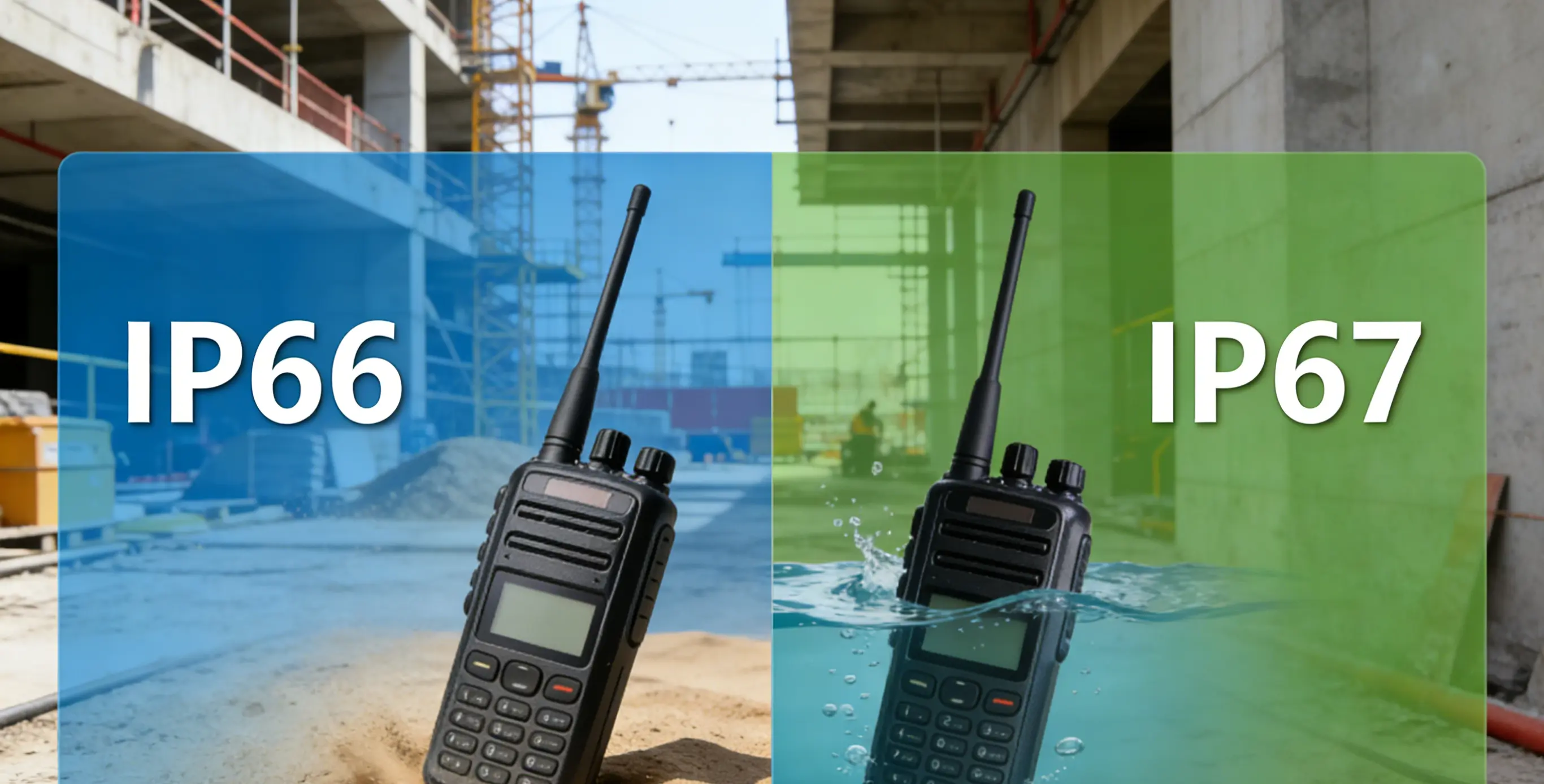
- Durability: Ham radios are often deployed in challenging environments—hiking trails, storm sites, field days. Opt for a unit with robust construction, including waterproof (IP67 rating) and shock-resistant features. The RETEVIS Ailunce HA2 is engineered for toughness, boasting a rugged design capable of withstanding demanding use.
If you are seeking the optimal handheld ham radio with GPS, the RETEVIS Ailunce HA2 stands out as an exceptional choice, fulfilling and exceeding expectations across all critical criteria.
Why the RETEVIS Ailunce HA2 Is the Top Handheld Ham Radio with GPS
Our commitment extends beyond mere rhetoric; we engineer radios that ham operators genuinely utilize. The RETEVIS HA2 represents our flagship ham radio with GPS, meticulously designed for both nascent and experienced users. Its distinguishing features include:
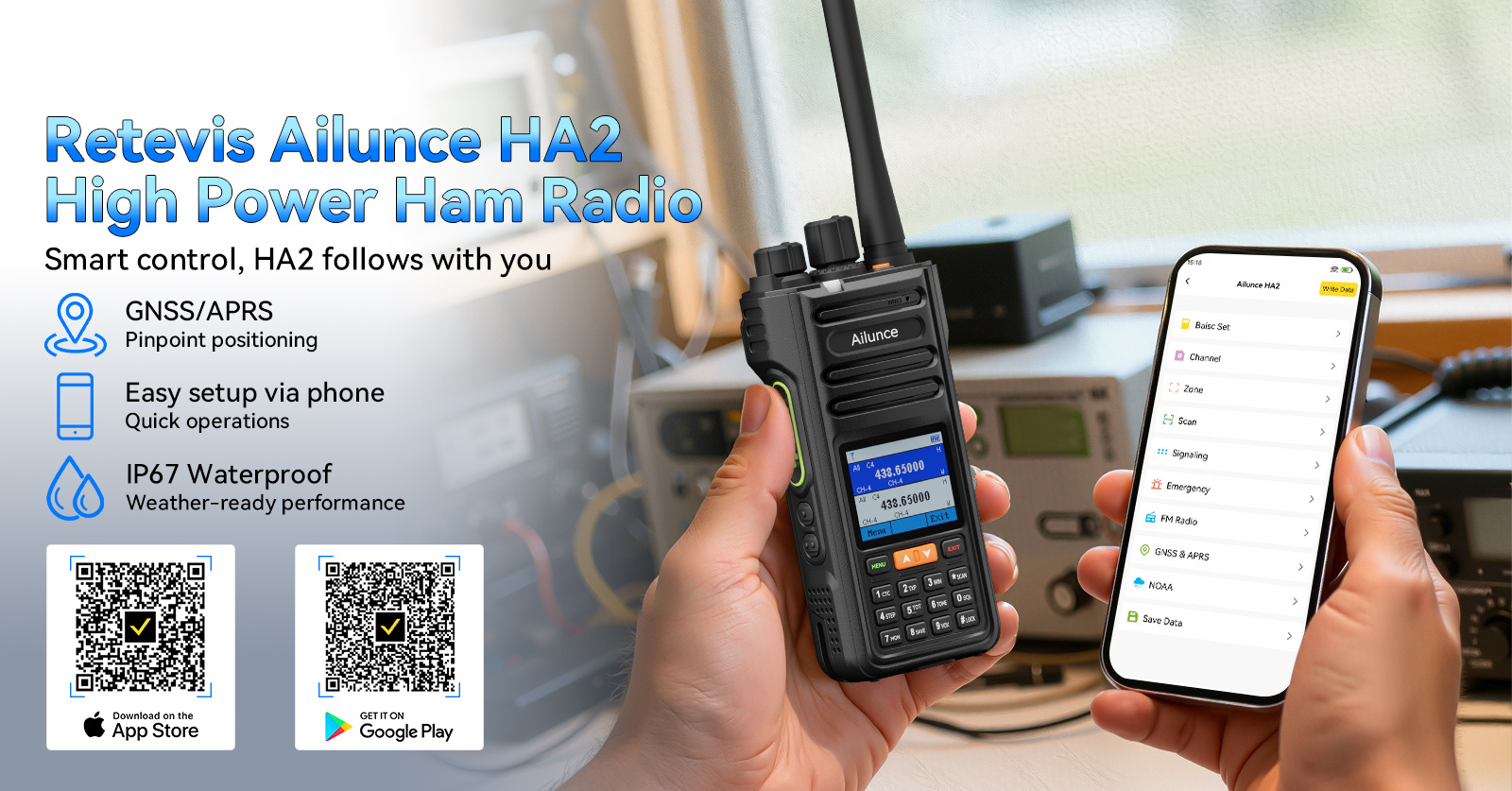
- Integrated GPS with Rapid Lock-on: The RETEVIS Ailunce HA2 achieves GPS satellite lock within 30 seconds or less (cold start) and maintains a robust signal even in moderately wooded terrain. Its expansive, backlit screen clearly presents latitude, longitude, and altitude, ensuring readability in diverse lighting conditions.
- Effortless Position Sharing: A single button press facilitates the transmission of your location to other GPS-equipped ham radios, eliminating complex data configuration.
- Dual-Band Operation: The RETEVIS Ailunce HA2 operates across both VHF and UHF bands, enabling communication with local hams and over greater distances (via a repeater).
- Weather Alerts: A built-in NOAA weather radio provides real-time weather updates, ensuring preparedness for changing conditions—a critical advantage for outdoor and emergency operations.
- Extended Battery Life: The 2800mAh rechargeable battery delivers over 16 hours of operational use with GPS activated and up to 77 hours of standby time. A low-battery alert system prevents unexpected power depletion.
- Rugged Construction: An IP67 waterproof rating signifies its ability to withstand submersion in 1 meter of water for 30 minutes without damage. Furthermore, its shock-resistant design tolerates drops and rough handling.
The RETEVIS Ailunce HA2 is more than just a ham radio with GPS; it is a dependable instrument that performs reliably when it matters most. Whether you are a beginner mastering the fundamentals or a veteran seeking a robust backup radio, it represents an ideal selection.
Conclusion
Ham radio with GPS is no longer a luxury but a fundamental necessity for any ham operator who prioritizes safety and operational efficiency. Ham radio GPS tracking streamlines emergency communications, enhances the safety of outdoor excursions, and improves coordination during group activities. When selecting a handheld ham radio with GPS, the RETEVIS Ailunce HA2 emerges as the preeminent choice for the task.
If you are prepared to elevate your ham radio setup, explore the RETEVIS Ailunce HA2 today. It is conceived by hams, for hams—simple, reliable, and replete with essential features. Happy operating!
References
[1] ARRL Emergency Communications Guide:
[2] IARU Technical Resources (General reference for APRS and GPS in amateur radio):







 Google
 Amazon
Comments
No data Yet