

Table of Contents
FRS vs GMRS vs MURS, Which One Should I Use?
- Posted by:Retevis
- 1 Comments
Family Radio Service (FRS), General Mobile Radio Service (GMRS), and Multi-Use Radio Service (MURS) are three popular personal radio services in the United States. Understanding the difference between FRS and GMRS, as well as MURS vs FRS vs GMRS, can help you choose the right radio for your communication needs.
The main factors to consider are range, frequencies, power, channels, licensing, and intended use.
FRS vs GMRS vs MURS: Quick Comparison
|
Feature |
FRS |
GMRS |
MURS |
|
Frequency band |
UHF, 462–467 MHz |
UHF, 462–467 MHz |
VHF, 151–154 MHz |
|
Channels |
22 |
30 channels, including repeater channels |
5 |
|
FCC license |
No |
Yes |
No |
|
Typical use |
Family, camping, recreation |
Longer-range outdoor and family communication |
Small business, retail, warehouse, outdoor use |
|
External antenna |
Not permitted |
Permitted where authorized |
Permitted |
|
Repeater use |
No |
Yes |
No for MURS operation under the current MURS rules |
The table provides a practical overview, but actual communication range depends heavily on terrain, buildings, vegetation, antenna setup, and radio configuration.
What Is FRS?
FRS (Family Radio Service) is designed for short-range, license-free communication. FRS radios operate in the 462–467 MHz range and are commonly used for family outings, camping, hiking, events, and other recreational activities.
FRS is a good choice when you want a simple FRS walkie talkie that requires no FCC license.
FRS Advantages
- No FCC license required
- Affordable and easy to use
- Compact handheld radios
- Suitable for short-range communication
- Widely used for family and recreational activities
FRS Range and Limitations
FRS range varies considerably with terrain and obstructions. In open conditions, consumer radios may communicate over several miles, but buildings, hills, trees, and other obstacles can significantly reduce practical range.
FRS radios use shared channels with GMRS on the applicable frequencies, but FRS operation is subject to its own technical limits.
Recommended FRS Radios
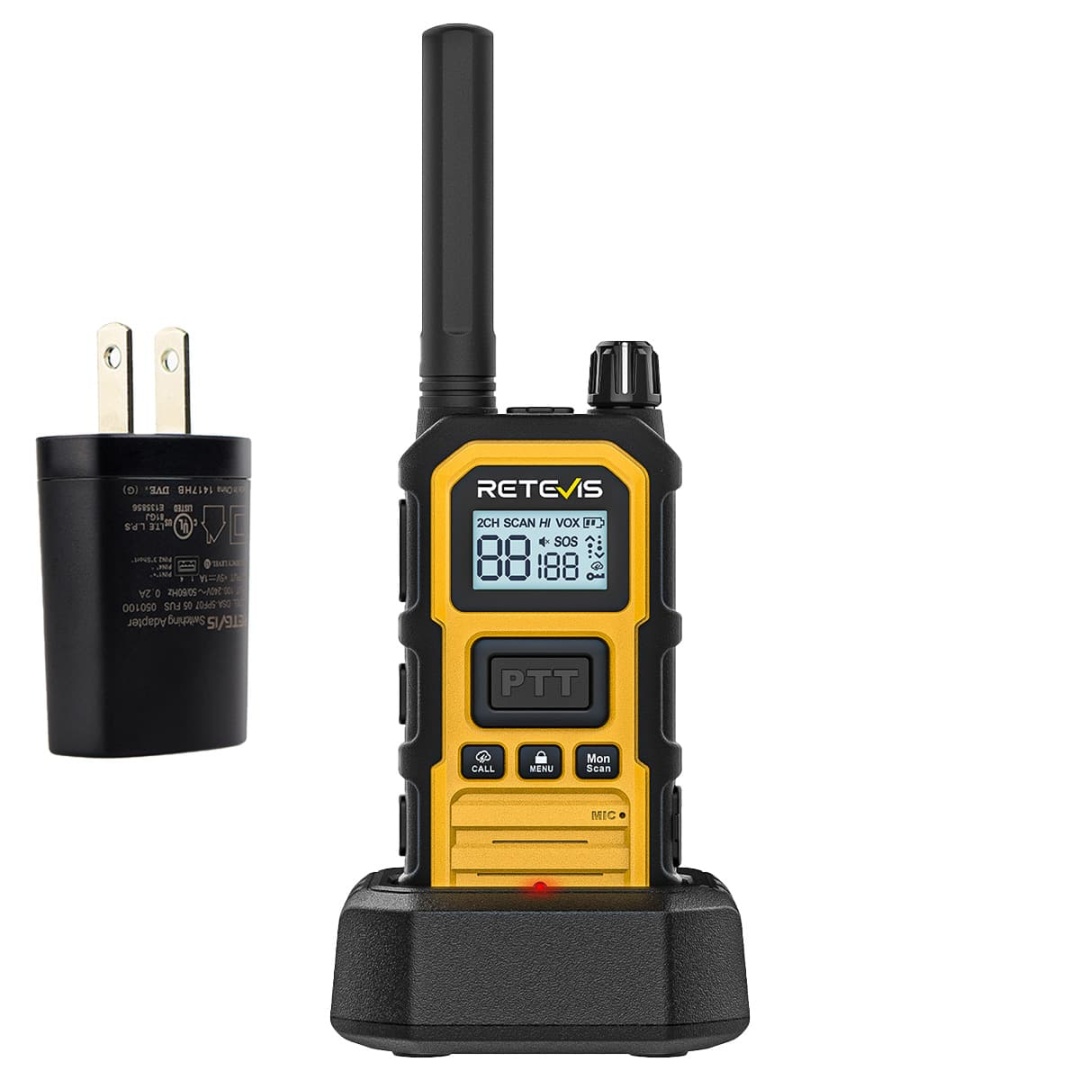
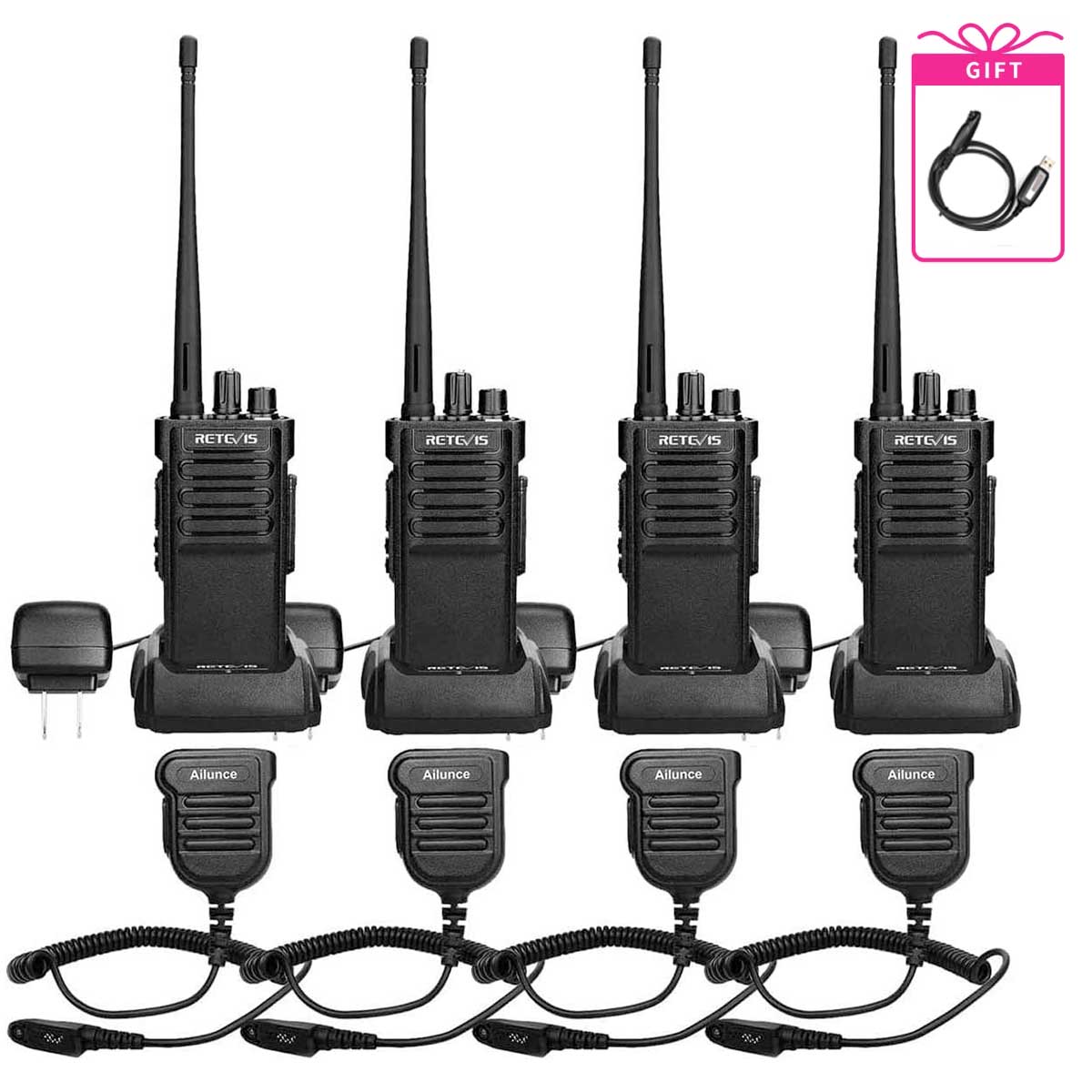
For reliable everyday communication, the Retevis RB48 FRS Heavy Duty Radio offers:
- Easy FRS operation with a simple interface
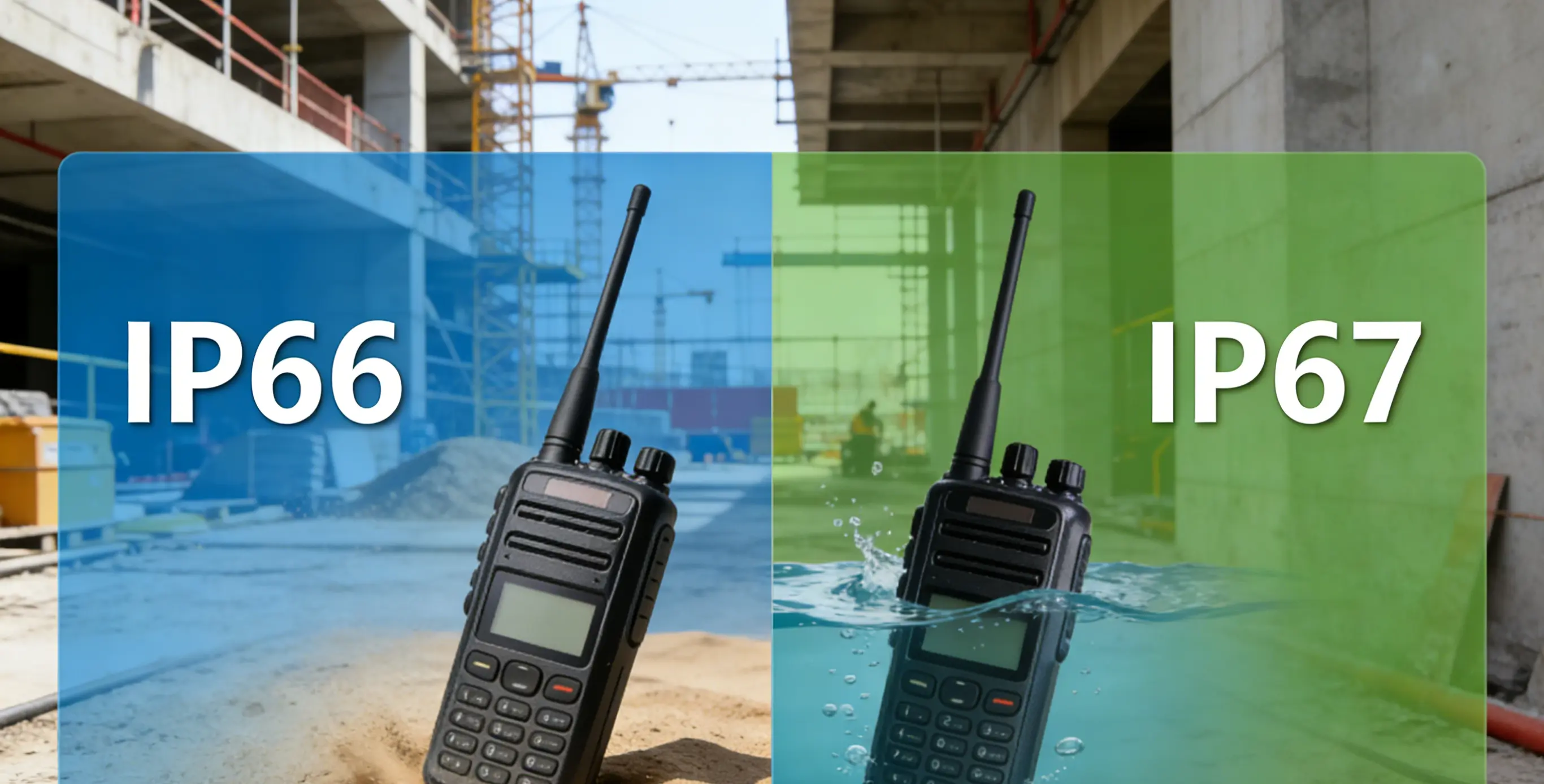
- IP67 waterproof and dust-proof protection
- 2000mAh Li-ion battery for extended working time
- USB-C charging and dual charging base
- Real-time NOAA weather alerts for added safety
What Is GMRS?
GMRS (General Mobile Radio Service) is a licensed personal radio service designed for users who need more flexible and potentially longer-range communication.
If you are comparing GMRS vs FRS radio, the key differences are licensing, permitted power, equipment capabilities, and access to GMRS repeater channels.
A GMRS license is required for GMRS operation. There is no examination, and the authorization applies to eligible members of the licensee's immediate family.
GMRS Advantages
- Higher permitted power than FRS on applicable GMRS channels
- Access to GMRS repeater channels
- External antennas are permitted where authorized
- Better suited to larger properties and demanding outdoor communication
- Useful for hunting, off-roading, camping, farms, and family communications
GMRS vs FRS Range
GMRS vs FRS range is not simply a matter of quoting a fixed number of miles. GMRS can provide greater coverage because GMRS equipment can use higher permitted power and, where applicable, external antennas and repeaters.
Terrain and antenna height often matter as much as transmitter power. A GMRS repeater can significantly extend coverage across large or obstructed areas.
Recommended GMRS Radios
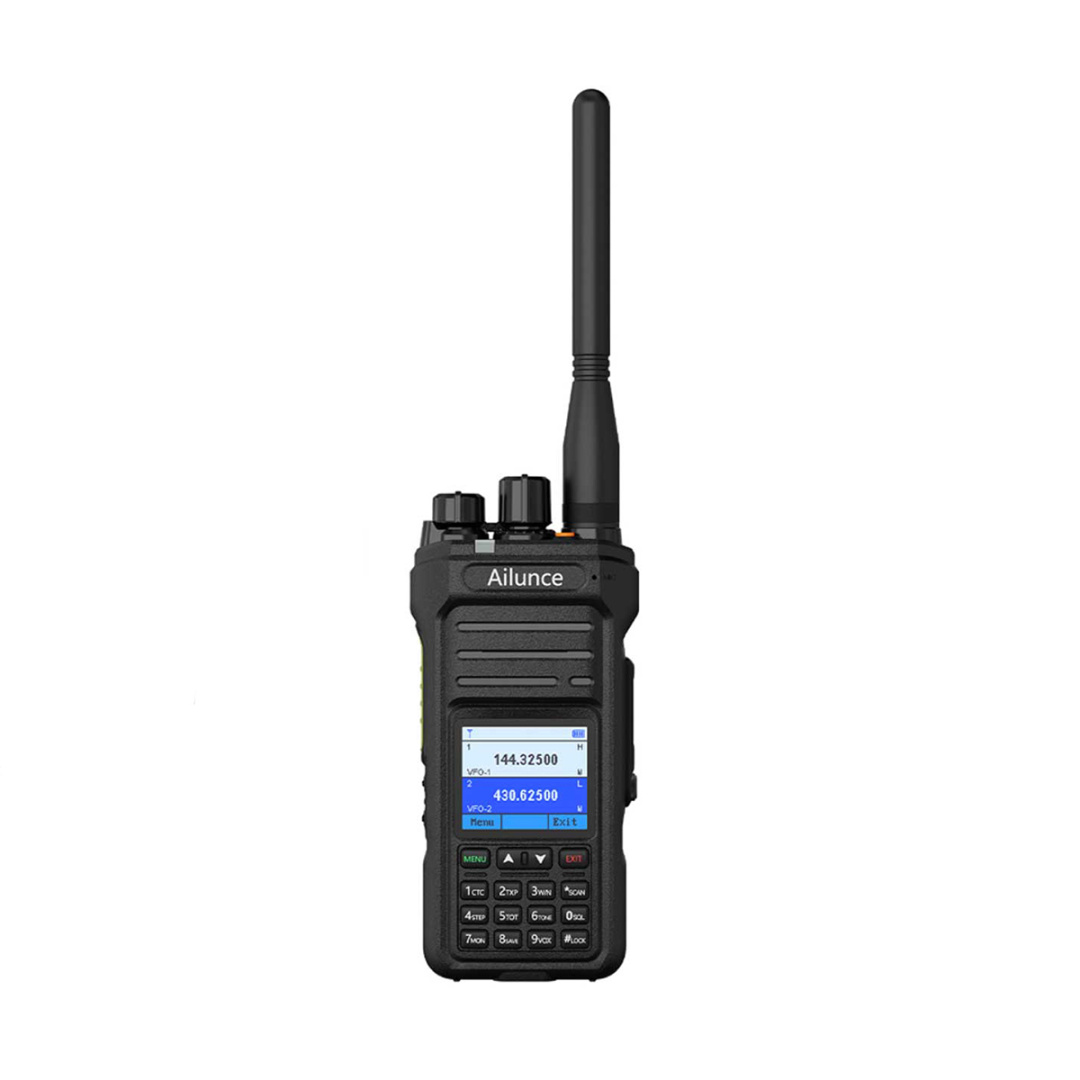
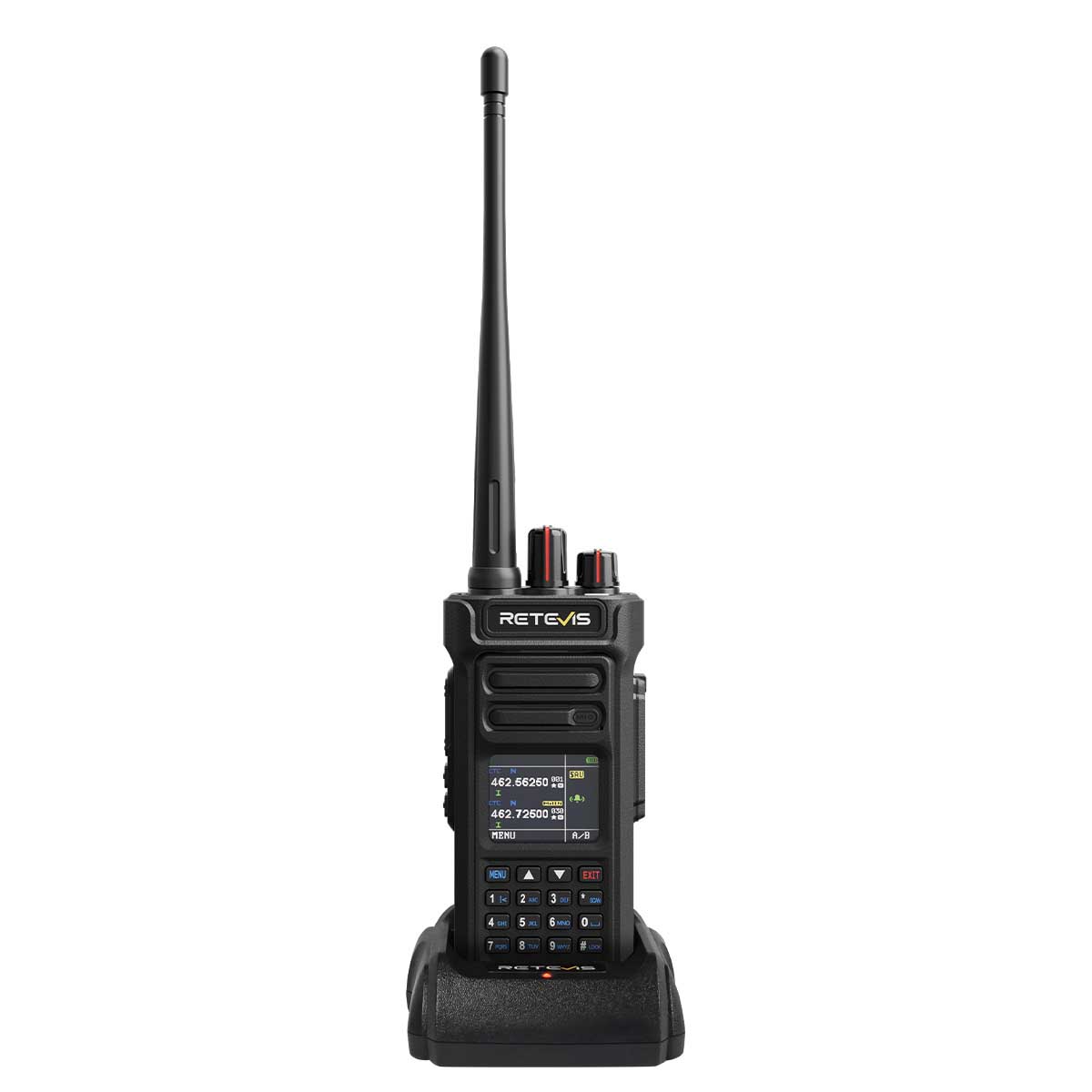
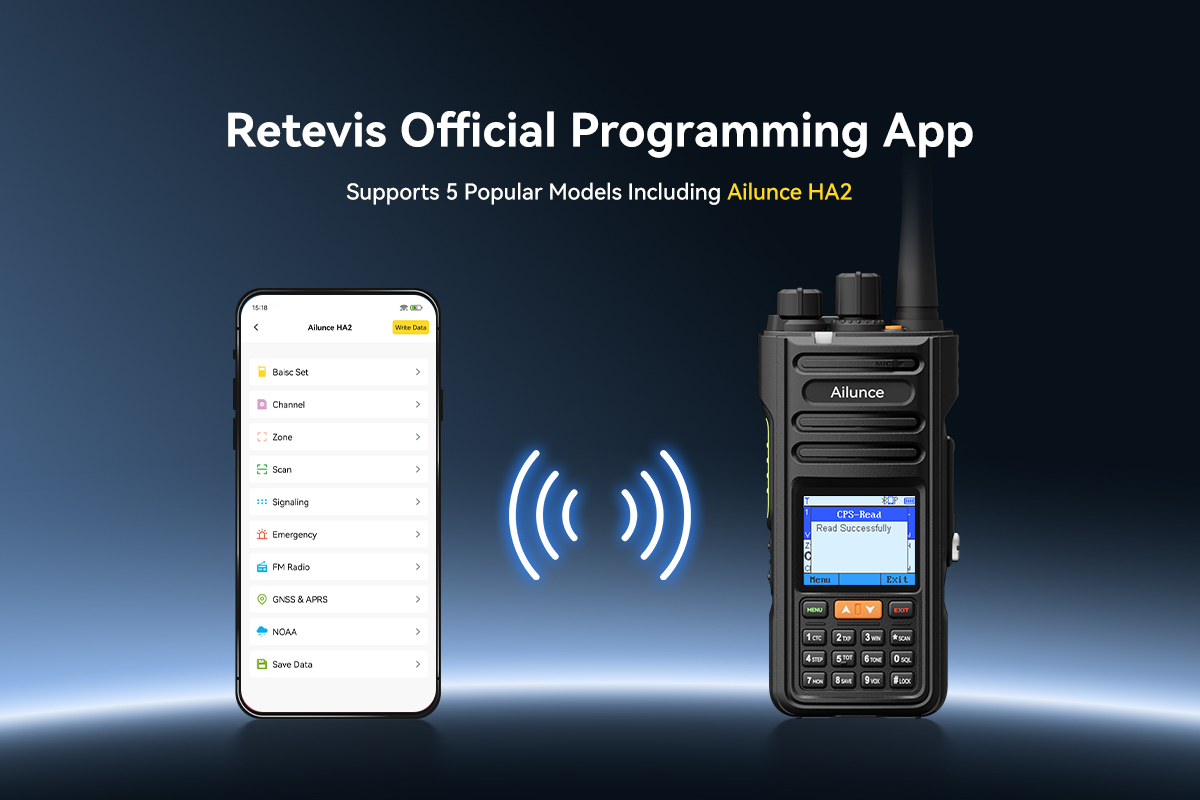
For users looking for a full-keypad GMRS radio, the Retevis Ailunce HA1G provides:
- Full keypad programming
- GMRS repeater capability
- IP67 waterproof and dustproof protection
- USB-C fast charging
- NOAA weather alerts
- Up to 250 channels
- 2800mAh battery
What Is MURS?
MURS (Multi-Use Radio Service) is a license-free VHF radio service using five channels in the 151–154 MHz MURS frequencies.
So, what is MURS radio used for? MURS is particularly useful for short-distance communication in settings such as warehouses, retail stores, farms, events, and outdoor properties.
MURS Advantages
- No FCC license required
- VHF can perform well around vegetation and some outdoor obstructions
- External antennas are permitted
- Lower channel congestion may be possible in some areas
- Suitable for business and property communication
MURS Radio Range
MURS range depends on terrain, antenna configuration, buildings, and local interference. It should not be treated as a guaranteed mileage specification.
Unlike GMRS, MURS does not provide a general-purpose repeater option under the MURS rules. The FCC has specifically prohibited repeater use on MURS frequencies, subject to limited legacy circumstances.
Recommended MURS Radio
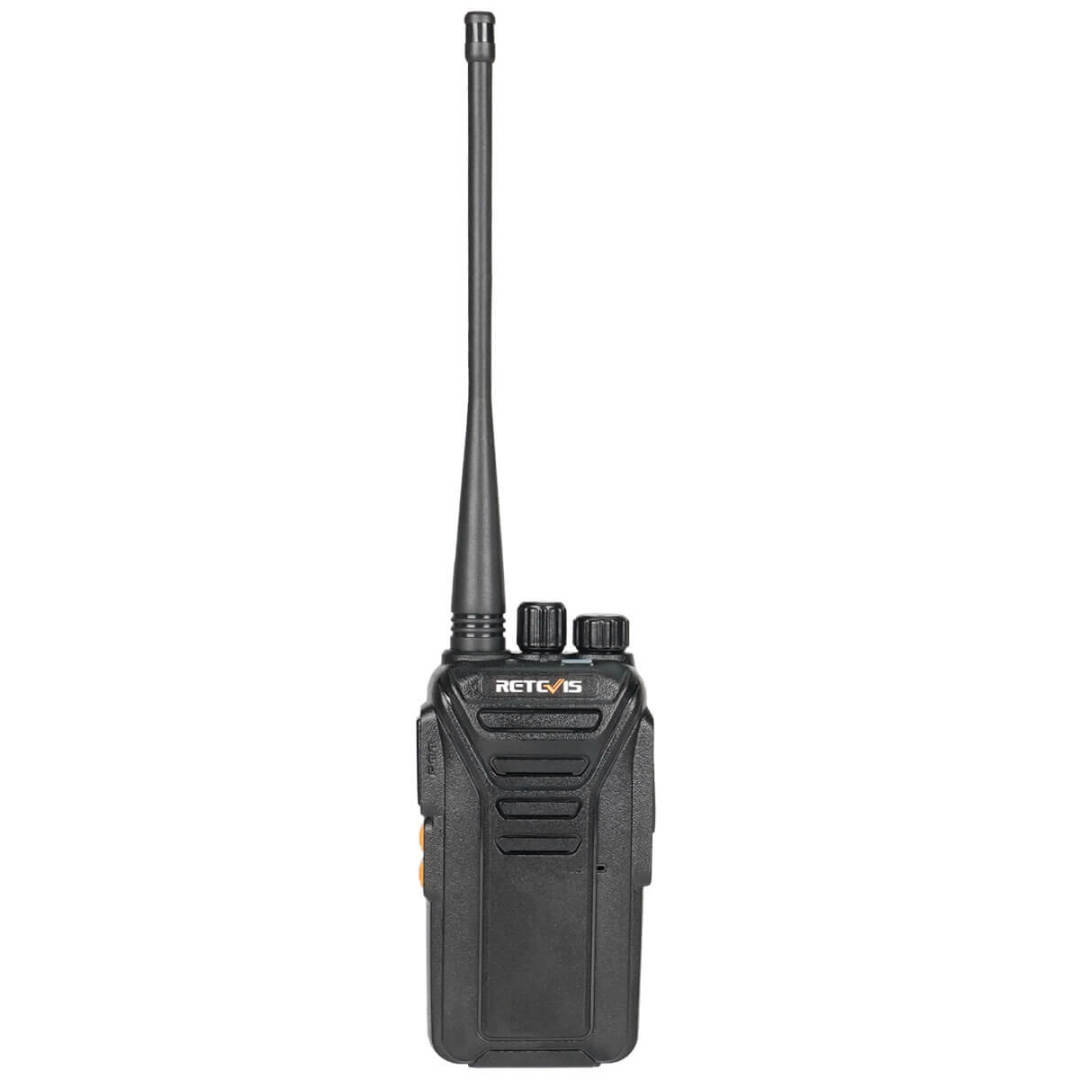
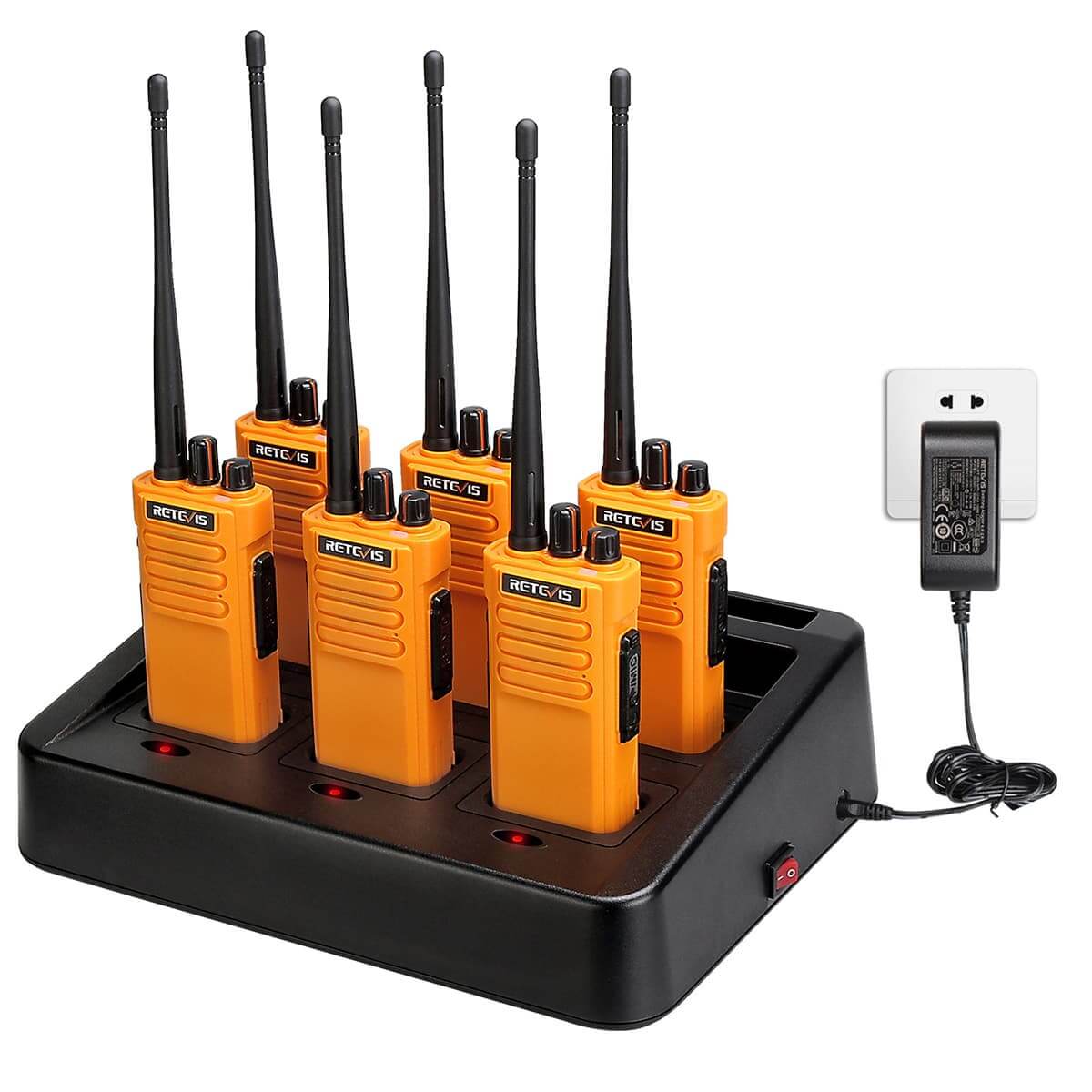
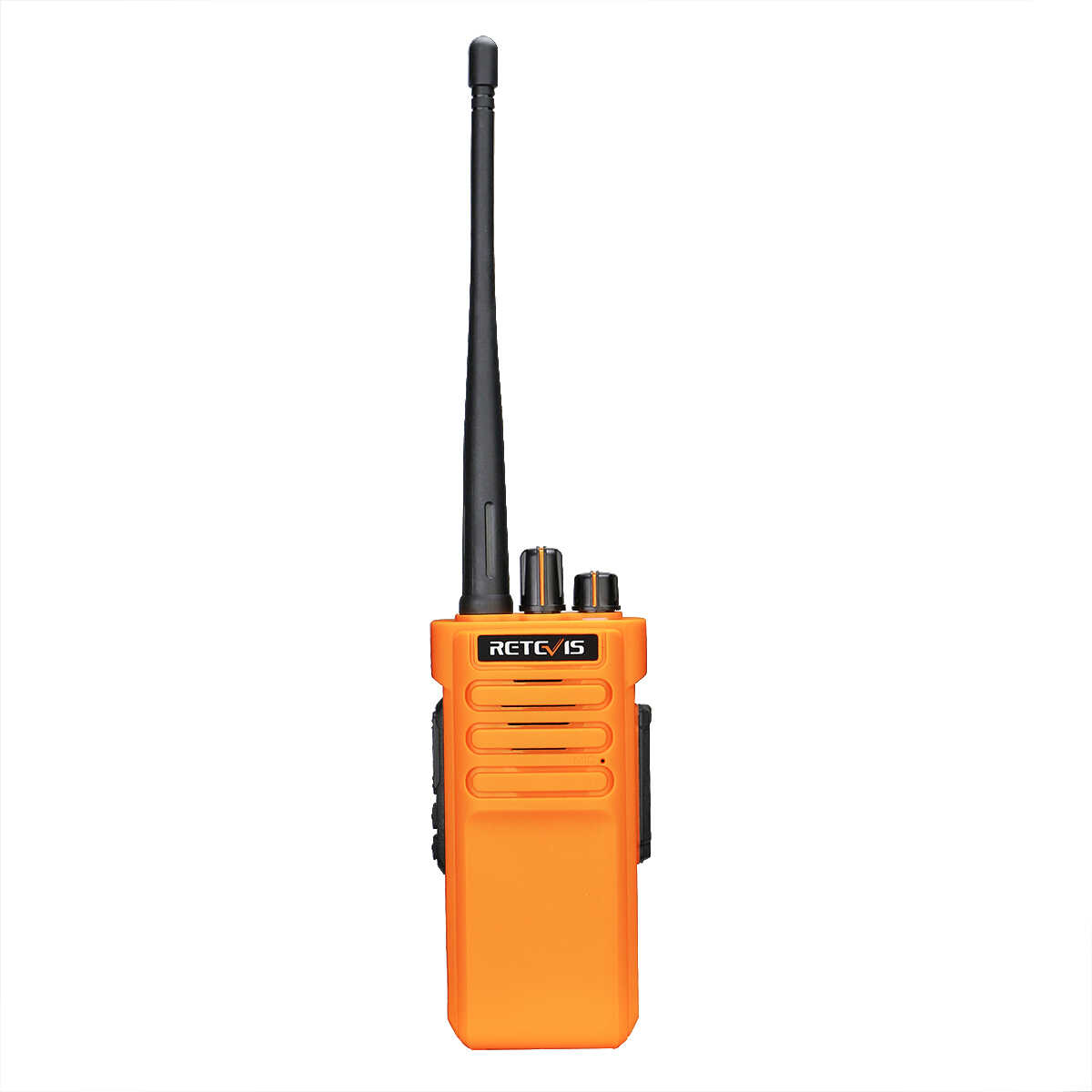
The Retevis RT27V MURS Radio provides:
- Five MURS channels
- Clear voice communication
- Six-way fast charging
- Rugged construction
- Detachable antenna
FRS vs GMRS vs MURS: What Is the Difference?
The easiest way to understand FRS vs GMRS vs MURS is to compare their frequencies, licensing, range, and intended applications.
FRS vs GMRS Frequencies
FRS and GMRS both operate in the 462–467 MHz UHF range, with shared FRS/GMRS channels and additional GMRS channels used for GMRS operation.
MURS vs FRS Frequencies
MURS operates on 151–154 MHz VHF frequencies, while FRS operates in the UHF range. Therefore, MURS radios are not compatible with FRS or GMRS radios.
FRS vs GMRS Channels
FRS uses 22 channels. GMRS has access to the shared channels plus additional GMRS channels, including repeater input channels. This makes GMRS more flexible for systems that require extended coverage.
FRS vs GMRS License
FRS does not require an individual FCC license. GMRS requires an FCC license, while MURS is licensed by rule rather than through an individual license.
MURS vs GMRS Range
There is no universal answer to MURS vs GMRS range. GMRS has a significant advantage when higher permitted power, external antennas, or repeaters are appropriate. MURS can be useful where VHF propagation and lower channel congestion are more important.
FRS vs GMRS vs MURS vs Ham Radio
You may also see searches such as FRS vs GMRS vs MURS vs ham or ham vs GMRS vs FRS.
The main difference is that amateur radio, or ham radio, is designed for licensed amateur operators and provides much broader frequency and operating possibilities. FRS and MURS are designed for simpler personal or business communication, while GMRS provides a middle ground for users who want more capability without entering the amateur-radio system.
For most everyday users:
- FRS: simplest and license-free
- GMRS: more range and system flexibility
- MURS: VHF, license-free communication
- Ham: advanced radio communications for licensed amateur operators
Which Radio Service Should You Choose?
Choosing between GMRS or FRS, or MURS vs GMRS vs FRS, depends on your application.
Choose FRS if you need:
- Simple family communication
- Camping or recreational use
- Affordable license-free radios
- Short-range communication
Choose GMRS if you need:
- Greater coverage potential
- Higher-power GMRS equipment
- External antennas or repeaters
- Outdoor, property, or off-road communication
Choose MURS if you need:
- License-free VHF communication
- Warehouse or retail communication
- Better suitability for some vegetation-heavy environments
- External antenna flexibility
The best radio is not necessarily the one with the biggest advertised range. Frequency, power, antenna configuration, terrain, and licensing requirements all matter.

Frequently Asked Questions
1. What is the difference between FRS and GMRS?
The main difference between FRS and GMRS is that FRS is license-free and has more restrictive technical limits, while GMRS requires an FCC license and allows greater system flexibility, including additional GMRS channels and repeater operation.
2. Can FRS and GMRS radios communicate with each other?
They can communicate on compatible shared FRS/GMRS channels when the equipment and operating conditions comply with FCC rules. However, not every GMRS channel is available to FRS users.
3. Is GMRS better than FRS?
Not necessarily. GMRS vs FRS depends on your needs. FRS is better for simple, license-free communication, while GMRS is better when you need more coverage, higher permitted power, external antennas, or repeater capability.
4. Is MURS better than FRS?
MURS vs FRS is mainly a VHF-versus-UHF decision. MURS can be advantageous for certain outdoor or business environments, while FRS is more widely used for general recreational communication.
5. Can MURS radios communicate with GMRS radios?
No. MURS and GMRS radios operate on different frequency bands, so they are not directly compatible.
6. Does MURS require a license?
No individual FCC license is required to operate MURS under its license-by-rule framework.
7. Which has the longest range: FRS, GMRS, or MURS?
There is no guaranteed range ranking because real-world coverage depends on terrain, buildings, vegetation, antenna height, and equipment. However, GMRS generally offers the greatest coverage potential because of its higher permitted power, antenna options, and repeater capability.
Conclusion: FRS vs GMRS vs MURS
When comparing FRS vs GMRS vs MURS, start with your actual communication requirements rather than advertised range.
- FRS: simple, affordable, license-free communication
- GMRS: greater coverage potential and system flexibility
- MURS: license-free VHF communication for personal and business applications
Understanding the FRS GMRS MURS frequencies, channels, power limits, and licensing requirements will help you choose a radio system that fits your needs while staying within FCC rules. Always verify the specific radio's FCC certification and operating requirements before use.








 Google
 Amazon
Comments (1)