

Table of Contents
Ham Radio Shack Ideas: How to Build a Practical Ham Shack Setup
- Posted by:Connie
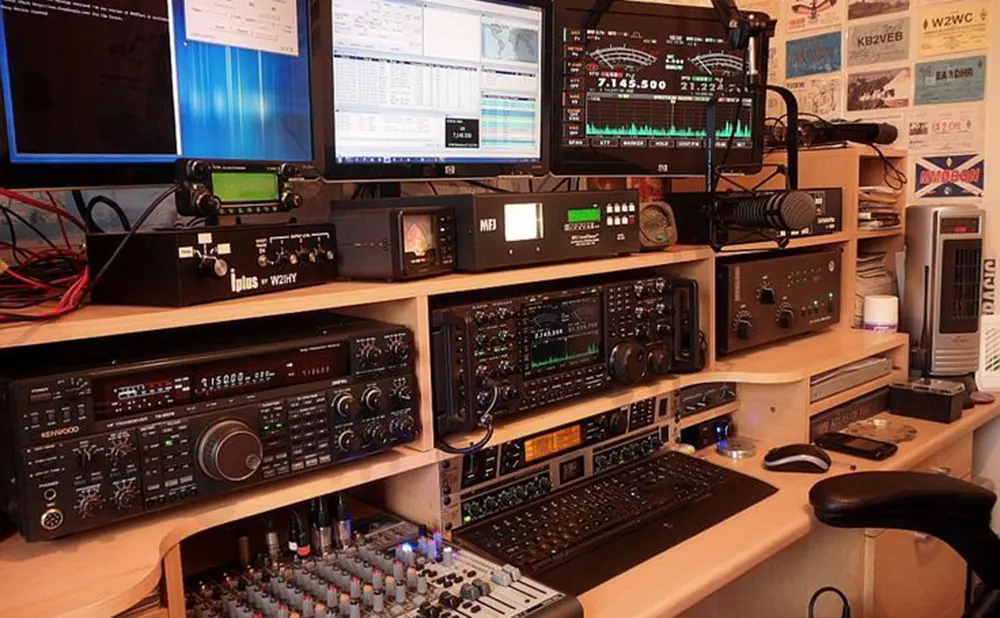
A ham radio shack is more than a place to put your radios. It is the operating center of your amateur radio station, whether you have a dedicated ham radio room, a corner of a bedroom, or a small ham shack built around a single desk.
Some ham shacks stay simple with one transceiver and a few accessories. Others gradually grow into a full ham radio setup with multiple radios, computers, power supplies, antenna equipment, and storage. The key is to plan for both your current needs and future expansion.
Here are practical ham shack ideas to help you create a comfortable, organized, and efficient radio station.
1. Choose the Right Ham Radio Desk
The ham radio desk is the foundation of your shack. Choose a sturdy surface with enough depth for your transceiver, computer, microphone, key, accessories, and paperwork.
For a small ham shack, use vertical space instead of simply making the desk larger.
Ham Radio Desk Ideas
- Leave enough space between the radio and computer to reduce potential EMI/RFI issues.
- Position the microphone, PTT switch, key, and controls where they are easy to reach.
- Consider whether you operate left- or right-handed.
- Leave room for computer speakers, a radio speaker, and other accessories.
- A ham radio desk riser can create a second level for smaller equipment while keeping the main work surface clear.
- If you enjoy DIY projects, DIY ham radio desk plans can help you build a desk specifically around your equipment.
A well-designed amateur radio desk should provide comfortable operating space rather than simply fitting as many radios as possible.
2. Plan Power, Cables, and Connections
A growing ham radio shack can quickly accumulate power supplies, coaxial cables, USB cables, connectors, and other wiring.
Before installing the desk, plan:
- Multiple AC outlets and a quality power strip
- Dedicated circuits where appropriate
- Cable routing behind or underneath the desk
- Space for power supplies and accessories
- Easy access for maintenance and equipment changes
If you plan to use equipment requiring higher-voltage AC, such as some linear amplifiers, have the electrical installation designed and completed according to local electrical codes by a qualified professional.
Good cable management makes your home ham radio setup easier to troubleshoot and safer to operate.
3. Add Strong Ham Radio Shelves and Cabinets
Radios and power supplies can be surprisingly heavy. A ham radio shelf or ham radio cabinet should be designed to support the actual weight of your equipment without sagging.
Consider:
- Heavy-duty brackets attached to suitable wall framing
- Multiple levels of ham radio shelves
- Cable access behind shelves
- Cabinets or drawers for accessories and spare parts
- Vertical storage for manuals, notebooks, and tools
A properly designed shelf-riser can effectively double the usable equipment space on a desk, which is particularly useful in a small ham radio shack.
4. Plan for Antenna Cables and Grounding
Antenna connections should be considered before the ham shack setup is complete.
Plan where coaxial cables and other antenna lines will enter the house. Use appropriate feed-through hardware and weather protection, and create a drip loop where needed to help prevent water from following a cable into the building.
Grounding and bonding are also important parts of a safe amateur radio shack. The exact installation depends on the building and local electrical requirements, so follow applicable electrical and antenna safety standards rather than assuming that simply connecting equipment to a nearby ground point is sufficient.
For larger stations, professional advice can be worthwhile, particularly when installing outdoor antennas, towers, or lightning protection.
5. Organize Your Radio Layout
Good ham radio shack design should make your most frequently used controls easy to reach.
A practical layout might include:
Main desk:
HF transceiver, computer, microphone, key, and operating accessories
Upper shelf:
VHF/UHF radio, radio speaker, tuner, or other frequently used equipment
Lower or side storage:
Power supplies, cables, manuals, tools, and spare accessories
Keep ventilation around radios and power supplies. Avoid stacking equipment in a way that blocks cooling vents.
For larger radio shacks, a ham radio rack or dedicated equipment cabinet may provide a cleaner and more scalable solution.
6. Make a Small Ham Shack Work
You do not need an entire room to enjoy amateur radio.
A simple ham shack can work extremely well with:
- One compact ham shack desk
- A transceiver
- Computer or logging device
- Headset or microphone
- Compact shelving
- Organized cable management
- Proper antenna and power connections
For small ham shack ideas, prioritize function over appearance. Wall-mounted shelves, desk risers, vertical storage, and compact radio equipment can make a limited space surprisingly capable.
7. Improve Comfort and Lighting
A good station is somewhere you can operate comfortably for extended periods.
Include:
- A sturdy, ergonomic chair
- Adequate task lighting
- A clear writing surface
- Easy access to frequently used equipment
- A clock displaying UTC time
- A bulletin board for band plans, repeater information, operating notes, and awards
Comfort matters. Spending thousands on radio equipment and then operating from a terrible chair is a remarkably human way to save money in the wrong place.
8. Leave Room for Future Expansion
Your first ham radio desk setup may contain only one radio. A few years later, you may have several transceivers, accessories, books, antennas, and test equipment.
Plan for expansion by leaving space for:
- Additional radios
- Antenna tuners
- Power supplies
- Computer equipment
- Test instruments
- Manuals and reference books
- Extra cables and connectors
This approach prevents your ham radio shack from becoming an archaeological site of abandoned equipment and tangled cables.
9. Personalize Your Ham Shack
There is no single correct design for ham radio shacks. Some operators prefer a clean ham radio desk with only essential equipment, while others enjoy a dedicated ham radio room filled with radios, shelves, cabinets, maps, awards, and station accessories.
Looking at ham shack pictures, ham shack photos, and other ham radio shack pictures can provide useful inspiration, but the best design is the one that fits your equipment, operating style, available space, and budget.
The goal is a practical ham radio set up, not simply an impressive-looking radio station.
Ham Shack Setup Checklist
Before completing your home ham radio setup, check that you have:
- ☐ Enough desk and shelf space
- ☐ Adequate AC outlets and safe power distribution
- ☐ Organized cable routing
- ☐ Proper ventilation around equipment
- ☐ Suitable antenna cable entry and weather protection
- ☐ Appropriate grounding and bonding
- ☐ Comfortable seating and lighting
- ☐ Storage for cables, manuals, and accessories
- ☐ A UTC clock
- ☐ Space for future equipment
FAQ About Ham Radio Shacks
What is a ham radio shack?
A ham radio shack is the operating space used for amateur radio. It can be a dedicated room, office, desk, or compact corner containing radios, antennas, computers, power equipment, and other accessories.
How do I set up a small ham radio shack?
Start with a sturdy ham radio desk, compact radio equipment, organized cable routing, adequate power, good lighting, and appropriate antenna connections. Use shelves or a ham radio desk riser to maximize vertical space.
What should I put on a ham radio desk?
A typical ham radio desk may include a transceiver, microphone or headset, PTT control, computer, logging equipment, radio speaker, antenna tuner, and frequently used accessories. Keep enough open space for comfortable operation.
Do I need a dedicated room for an amateur radio shack?
No. A small ham shack can be built around a desk or compact workstation. A dedicated ham radio room becomes useful when your equipment collection, antenna systems, or operating activities require more space.
Where can I find ham shack ideas?
Looking at different ham shack pictures, ham shack photos, and amateur radio station layouts can help you compare desk arrangements, shelving, equipment organization, and space-saving solutions. However, your own equipment and operating habits should determine the final layout.
Leave a Reply








 Google
 Amazon
Comments
No data Yet