

Table of Contents
How to Prepare for a Hurricane: Ultimate Checklist & Ham Radio Emergency Guide.
- Posted by:Retevis
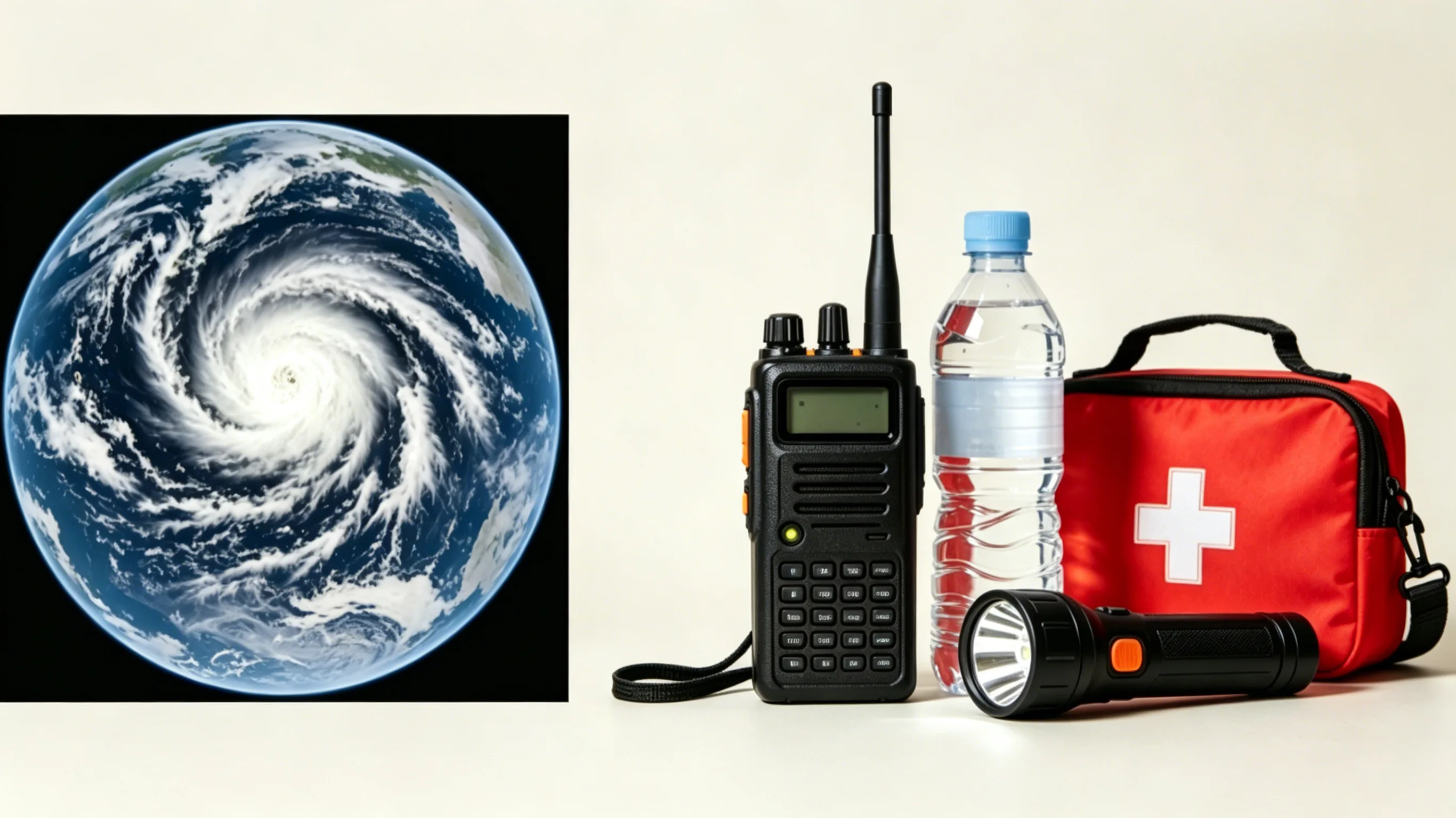
Hurricane season brings severe winds, catastrophic flooding, and frequent collapse of cell service, internet, and power grids. For coastal residents, knowing how to prepare for a hurricane and having a complete hurricane preparation checklist is essential to protect families and property. Most conventional communication tools fail during storms, making a hurricane ham radio setup one of the most reliable emergency backups.
This article compacts all critical prep steps and key ham radio hurricane frequencies for beginners to prepare for hurricane season efficiently.
Complete Hurricane Preparation Checklist
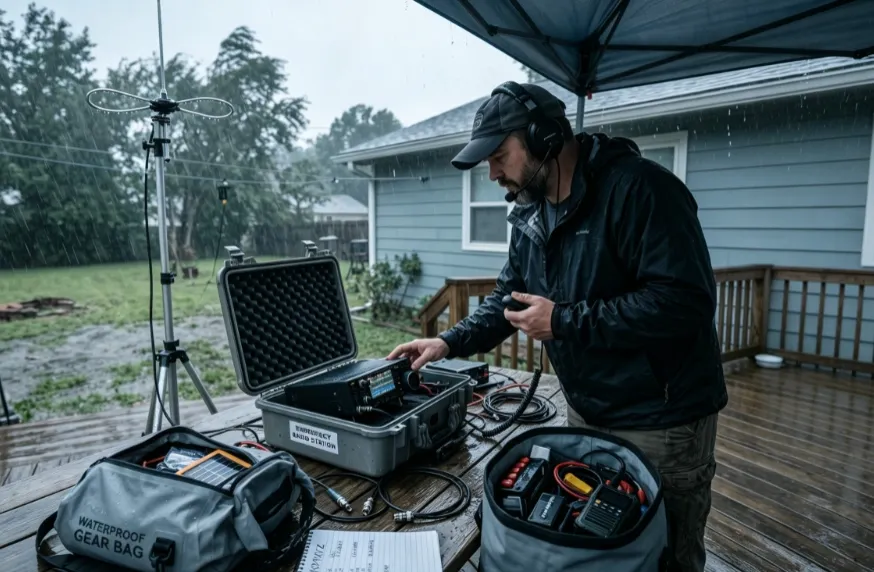
A standard hurricane preparation list covers home protection, emergency supplies, and evacuation planning, which are the core of how you can prepare for a hurricane ahead of time.
Home reinforcement is the first line of defense. Install storm shutters or pre-cut plywood for windows, reinforce garage doors, and trim dead tree branches. Clear yard debris and store outdoor furniture indoors to avoid wind damage. For flood-prone areas, elevate electrical devices and equip battery-powered sump pumps.
Meanwhile, confirm your evacuation zone, map two alternate escape routes, and prepare waterproof copies of IDs, insurance policies, and medical documents.
72-hour emergency supplies are mandatory for sheltering in place or evacuation. Stock one gallon of water per person daily for at least 3 days, plus sufficient non-perishable food, manual can openers, LED flashlights and spare batteries.
Prepare first-aid kits, common medicines, sanitation supplies and cash, as ATMs and mobile payments often fail during power outages. Don’t forget dedicated supplies for pets, including pet food, carriers and vaccination records.
Why Ham Radio is indispensable for Hurricane Preparedness
When hurricanes hit, commercial communication systems are the first to fail. This is why ham radio during hurricane events is irreplaceable for emergency response. Unlike cell phones and Wi-Fi, ham radio hurricane systems run on independent signal bands with no reliance on ground infrastructure or monthly fees.
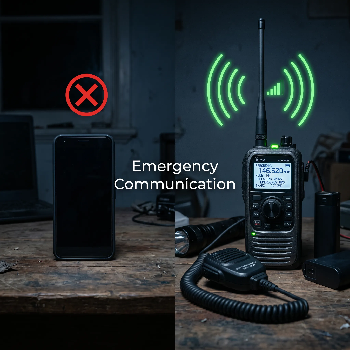
Licensed amateur operators can access official storm networks, receive real-time hurricane track updates, flood alerts and evacuation orders from professional meteorological systems.
More importantly, ham radio supports two-way communication: you can report local damage, request emergency aid and relay family safety messages when all other channels are down. Joining local ARES (Amateur Radio Emergency Service) teams also allows you to cooperate with first responders during disaster relief.
Essential Ham Radio Hurricane Frequencies to Pre-Program
To use ham radio smoothly during storms, pre-program and memorize core ham radio hurricane frequencies in advance, and keep a printed backup list:
Local VHF/UHF Frequencies: 146.520 MHz (2m national simplex calling channel) is the primary local communication channel for neighborhood storm reports and emergency coordination; 446.000 MHz (70cm band) serves as a backup for crowded signals.
Long-Distance HF Hurricane Nets: 14.325 MHz USB (20m band) is the key national hurricane net connected to the National Hurricane Center for real-time storm updates. 7.280 MHz LSB (40m band) and 3.818 MHz LSB (80m band) are ideal for regional and overnight long-distance communication.
Weather Monitoring: Tune 162.400–162.550 MHz for NOAA official weather alerts.
Pre & Post-Hurricane Ham Radio Best Practices
Before a storm arrives, fully charge radio batteries, test antennas and equipment, and join local ARES pre-storm check-ins. During hurricanes, avoid unnecessary transmissions to keep channels clear for distress calls, and seal equipment against rain and humidity.
After landfall, use ham radios to track power restoration, supply support and disaster relief progress, and help relay safety messages for surrounding residents.
Final Summary
To properly prepare for hurricanes, systematic preparation and reliable emergency communication are equally important. A standardized hurricane preparation checklist secures your home and supplies, while a well-configured ham radio setup keeps you connected when all mainstream communications fail. Prepare your gear, memorize key frequencies, and finish all prep work before hurricane season peaks to face storms safely.




 Google
 Amazon
Comments
No data Yet